分类: world

  • UN chief condemns Israeli demolition of UN compound in East Jerusalem

    UN chief condemns Israeli demolition of UN compound in East Jerusalem

    United Nations Secretary-General Antonio Guterres has issued a forceful condemnation of Israel’s demolition of a United Nations facility in East Jerusalem, characterizing the action as a severe breach of international law. Through deputy spokesperson Farhan Haq, Guterres denounced the destruction of the Sheikh Jarrah compound operated by the UN Relief and Works Agency for Palestine Refugees (UNRWA) in the strongest possible terms.

    The demolition, which occurred on January 20, 2026, targeted a facility that the UN chief had previously identified as inviolable United Nations premises enjoying full diplomatic immunity. Guterres referenced his prior communication to the Israeli Prime Minister dated January 8, 2026, in which he explicitly affirmed the compound’s protected status under international agreements.

    The Secretary-General demanded the immediate cessation of any further demolition activities and called for the complete restoration of the destroyed compound and other UNRWA facilities to their original condition without delay. He characterized the escalating actions against UNRWA as fundamentally unacceptable and inconsistent with Israel’s obligations under multiple international legal frameworks, including the UN Charter and the Convention on the Privileges and Immunities of the United Nations.

    The incident represents a significant escalation in tensions between Israeli authorities and international organizations operating in contested territories, raising serious concerns about the protection of diplomatic premises and humanitarian operations in the region.

  • UN report declares global state of ‘water bankruptcy’

    UN report declares global state of ‘water bankruptcy’

    A groundbreaking United Nations report has declared that humanity has entered an unprecedented era of “global water bankruptcy,” marking a critical turning point in the planetary freshwater crisis. The comprehensive assessment from the UN University Institute for Water, Environment and Health (UNU-INWEH) reveals that decades of systematic overuse, pollution, and environmental destruction have pushed the world’s water systems beyond recovery thresholds.

    The research institute asserts that conventional terms like “water stress” and “water crisis” have become inadequate to describe the current emergency. These previously used descriptors implied a future scenario that could still be prevented, whereas the world has already transitioned into a new phase of irreversible damage to aquatic ecosystems.

    Water bankruptcy, as defined by the report, represents a condition where long-term water consumption drastically exceeds natural replenishment rates, causing such severe ecological damage that restoration to previous levels becomes virtually impossible. This alarming state manifests through multiple indicators: the dramatic shrinkage of major lakes worldwide, increasingly frequent instances of major rivers failing to reach oceans during dry seasons, and the disappearance of approximately 410 million hectares of wetlands over the past fifty years—an area nearly equivalent to the entire European Union.

    Groundwater depletion presents another critical symptom, with about 70% of major aquifers essential for drinking water and agriculture showing persistent long-term declines. This has led to rising occurrences of “day zero” scenarios where urban demand completely outstrips available supply.

    Climate change exacerbates the crisis, having driven the loss of over 30% of global glacier mass since 1970. This melting threatens the seasonal meltwater relied upon by hundreds of millions of people for survival and agriculture.

    UNU-INWEH Director Kaveh Madani emphasized that while not every nation individually faces water bankruptcy, the consequences are visible across all inhabited continents. He urged governments to confront this “bitter reality” immediately and implement policy overhauls rather than treating water scarcity as a temporary challenge. The report advocates for adopting the bankruptcy framework to facilitate honest assessment and prompt action before further irreversible damage occurs.

    The findings, drawn from extensive existing data and statistics, will be formally proposed in a peer-reviewed paper scheduled for publication in Water Resources Management journal. While some scientists not involved in the report acknowledge the value of highlighting water emergencies, they caution that a blanket global declaration might overlook significant progress being made at local levels to address water management challenges.

  • US forces seize seventh sanctioned tanker linked to Venezuela in Trump’s effort to control its oil

    US forces seize seventh sanctioned tanker linked to Venezuela in Trump’s effort to control its oil

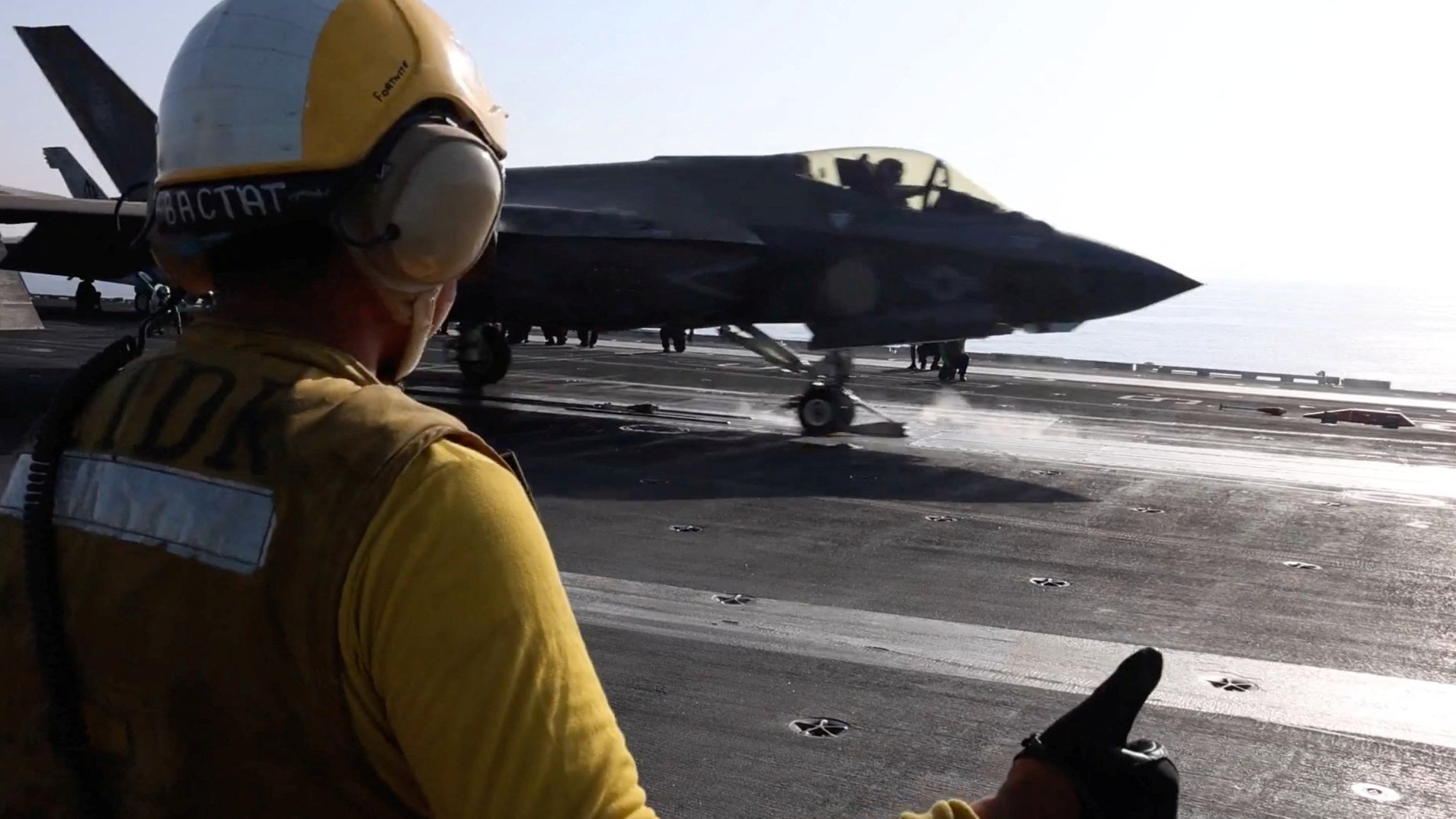
    U.S. military forces have executed another maritime interception operation, taking control of a Liberian-flagged oil tanker in the Caribbean Sea on Tuesday. The vessel, identified as Motor Vessel Sagitta, was apprehended without incident according to U.S. Southern Command, marking the seventh such seizure in the ongoing enforcement of sanctions against Venezuela’s oil exports.

    The operation forms part of the Trump administration’s comprehensive strategy to restrict Venezuela’s oil trade, with officials claiming the Sagitta had loaded petroleum from Venezuelan sources in defiance of established sanctions. Although registered under Liberian flag status with ownership and management ties to a Hong Kong-based company, the tanker had previously been sanctioned by the U.S. Treasury Department under executive orders related to Russia’s 2022 invasion of Ukraine.

    Unlike previous interdiction operations documented through dramatic aerial footage showing helicopter deployments and deck landings, this seizure was announced through social media channels with minimal operational details. The military command’s statement emphasized the enforcement of President Trump’s ‘established quarantine of sanctioned vessels in the Caribbean,’ though specific details regarding the participating forces were withheld.

    The vessel’s last transmitted location was recorded over two months ago while exiting the Baltic Sea in northern Europe, raising questions about its routing and cargo origins. The Pentagon declined to provide immediate additional details when queried about the operational specifics.

    President Trump addressed reporters at the White House just hours before the announcement, claiming the administration had already diverted approximately 50 million barrels of Venezuelan oil to open markets. ‘We’ve got millions of barrels of oil left,’ Trump stated. ‘We’re selling it on the open market. We’re bringing down oil prices incredibly.’

    The continued seizures demonstrate the administration’s persistent approach to applying maximum economic pressure on Venezuela’s oil sector, which represents the country’s primary revenue source.

  • Israel raids Hebron amid fears for Ibrahimi Mosque and settlement expansion

    Israel raids Hebron amid fears for Ibrahimi Mosque and settlement expansion

    A major Israeli military operation has entered its second day in the occupied West Bank city of Hebron, imposing severe restrictions on Palestinian residents while raising concerns about long-term displacement objectives. The extensive assault involves road closures, home raids, and a comprehensive curfew affecting approximately 18,750 Palestinians across multiple southern neighborhoods including Khilat al-Qubba, Jabal Jawhar, and al-Sahla.

    The Israeli military announced the operation would continue for several days, warning residents to expect increased troop movements and audible explosions. According to official statements, the raid aims to confiscate weapons and enhance security through coordinated efforts between the army, police, and border guard units.

    Residents report extreme measures including the deployment of military vehicles and bulldozers creating barriers with earth mounds, iron gates, and even repurposed civilian vehicles. A security cordon encompassing approximately four square kilometers has effectively isolated the targeted areas, with concrete blocks and checkpoints sealing all access points.

    Local accounts describe intensive house raids, arbitrary arrests, and the occupation of Palestinian homes as military barracks. Farid Burqan, a Jabal Jawhar resident, revealed that the army informed locals of an eight-day curfew minimum, preventing them from leaving their homes. Educational institutions have been shuttered since the operation’s inception, while access to basic necessities and freedom of movement remain severely constrained.

    The industrial zone containing several major factories has ceased operations, disrupting livelihoods and economic activity. Lafi Ghaith, a stone factory employee, reported being unable to reach his workplace while his family endured home invasions and property destruction. Many residents interpret the operation as part of a broader strategy to facilitate settlement expansion and Palestinian displacement.

    Hebron’s political complexity adds significance to the operation. Under the 1997 Hebron Agreement, the city remains divided into H1 (Palestinian Authority control) and H2 (full Israeli control, including the Old City and Ibrahimi Mosque). For over 25 years, Israel has maintained approximately 120 checkpoints and gates around the mosque area, which houses both Palestinian residents and settlement outposts.

    Deputy Mayor Asma Sharabati emphasized the operation targets a densely populated area containing 12 government schools and four municipal service centers. She warned that the assault extends beyond immediate security concerns to broader political objectives, including altering the architectural character of the Ibrahimi Mosque and expanding settlement infrastructure connecting to Kiryat Arba.

    The timing coincides with unprecedented restrictions barring the Ibrahimi Mosque’s director and head custodian from entering the holy site for 15 days—a move reminiscent of Jerusalem’s Al-Aqsa Mosque restrictions. This development suggests potential efforts to transfer administrative control from Hebron Municipality to the religious council of Kiryat Arba settlement.

    Youth Against Settlements coordinator Issa Amr identified the operation’s core objective as separating eastern and southern areas from central Hebron while depopulating the industrial zone. The absence of arrests targeting known lawbreakers in the area further reinforces concerns about ulterior motives behind the military action.

    Local authorities are calling for urgent intervention from the Palestinian Authority and international community, emphasizing Hebron’s unique vulnerability as a city containing settlement outposts within its urban fabric. Any expansion of these outposts could trigger significant Palestinian displacement and complicate territorial control indefinitely.

  • B’Tselem says at least 84 Palestinians killed in Israeli torture camps

    B’Tselem says at least 84 Palestinians killed in Israeli torture camps

    A damning investigation by Israeli human rights organization B’Tselem has exposed the nation’s prison system as a coordinated network of facilities engaging in systematic torture against Palestinian detainees. The report, released Tuesday, documents widespread abuse, deaths in custody, and what the group identifies as a deliberate state-sanctioned policy of violence.

    According to the findings, at least 84 Palestinians have died in Israeli detention facilities since October 2023, with the actual number believed to be significantly higher due to unverified and concealed cases. The victims include 50 from Gaza, 31 from the occupied West Bank, and three Palestinian citizens of Israel, alongside one child. Israeli authorities are additionally withholding the bodies of 80 Palestinians, refusing to return them to families as of January 2026.

    Disturbing testimonies from released detainees describe systematic physical and psychological violence, inhuman conditions, deliberate starvation, and denial of medical treatment. Several former prisoners reported experiencing or witnessing sexual violence while in custody.

    B’Tselem’s Executive Director Yuli Novak characterized the findings as evidence of a coordinated campaign against Palestinians as a collective people. “The Israeli regime has turned its prisons into a network of torture camps for Palestinians,” Novak stated, connecting the prison conditions to broader policies of “genocide in Gaza and ethnic cleansing in the West Bank.”

    The report concludes that the abuse represents declared, deliberate policy originating from the highest levels of government, with political backing and institutional protection. National Security Minister Itamar Ben Gvir, who oversees the prison service, has publicly boasted about the treatment of Palestinian detainees.

    Parallel findings from Palestinian rights organizations reinforce these conclusions, documenting at least 100 Palestinian deaths in custody since October 2023. As of September 2025, approximately 10,900 Palestinians were held in Israeli prisons under conditions described as appalling, with the number dropping to around 9,200 by January 2026 following prisoner exchanges.

    The organizations emphasize that Israel’s mass incarceration of Palestinians—over 800,000 detained over decades, many without charge or trial—represents a central pillar of its system of control, designed to fragment Palestinian society through fear, violence, and collective punishment.

  • Exclusive: UAE flights linked to Sudan war tracked from Israel to Ethiopia

    Exclusive: UAE flights linked to Sudan war tracked from Israel to Ethiopia

    Recent flight-tracking data reveals a pattern of strategic cargo movements by a UAE-linked aircraft across multiple conflict zones, highlighting the intensifying regional power struggle between the United Arab Emirates and Saudi Arabia. An Antonov An-124 transport plane (tail number UR-ZYD), operated by Abu Dhabi-based Maximus Air, has conducted repeated flights between military bases in Abu Dhabi, Ethiopia, Bahrain, and Israel throughout January.

    The aircraft’s movements coincide with a dramatic shift in regional alliances following Saudi Arabia’s successful military campaign against UAE-backed forces in Aden, Yemen. This development forced Emirati forces to withdraw from their strategic base in Bosaso, Somalia, while simultaneously facing diplomatic challenges from Somalia’s cancellation of all security agreements with the UAE.

    Analysts identify Ethiopia as becoming increasingly crucial to UAE’s regional strategy. Prime Minister Abiy Ahmed appears to be aligning Ethiopia firmly with the UAE alliance rather than alternative options, according to sources familiar with Ethiopian foreign policy. This alignment potentially includes Ethiopia’s anticipated recognition of Somaliland in exchange for access to the port of Berbera.

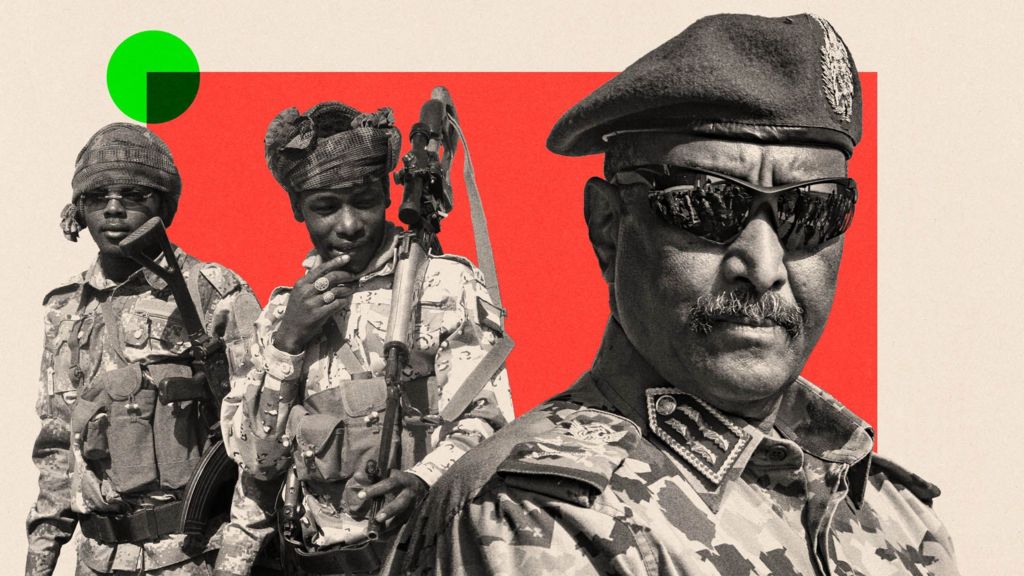
    The ongoing Sudan conflict has become central to this regional power struggle, with Saudi Arabia, Egypt, and Turkey increasing military support to the Sudanese Armed Forces (SAF) to counter the UAE’s longstanding support for the paramilitary Rapid Support Forces (RSF). Evidence suggests the UAE has been supplying weapons to the RSF through multiple channels, including via Ethiopia and eastern Libya under General Khalifa Haftar’s control.

    Flight data shows UR-ZYD made three round trips between Bahrain’s Sheikh Isa Air Base and Israel’s Ovda Air Force base in late December before commencing its Ethiopia shuttle operations in January. The aircraft’s significant cargo capacity—capable of transporting 21 Toyota Land Cruisers or 4 Mi-17 helicopters—raises concerns about potential weapons transfers.

    Yale’s Humanitarian Research Lab executive director Nathaniel Raymond expressed global concern about these developments: ‘Evidence that an An-124 has been making repeated sorties between Abu Dhabi and this airfield near an area seeing increased uptick in RSF presence and operations should be of global concern.’

    The aircraft’s operations have previously attracted UN scrutiny for violating arms embargoes in Libya, with investigations identifying current UAE President Mohammed bin Zayed as the beneficial owner of UR-ZYD. Despite the airline’s description of humanitarian missions, its client list includes multiple UAE government entities including the Armed Forces GHQ and Crown Prince Court.

    As Saudi pressure mounts on Haftar forces to cease supporting UAE’s RSF operations, and with Egypt bombing RSF supply convoys near its border, the temporary closure of al-Kufra airbase in Libya appears designed to provide diplomatic breathing space. Regional analysts conclude that the Horn of Africa has become subject to Gulf power dynamics, with local nations increasingly forced to choose sides in the Riyadh-Abu Dhabi rivalry.

  • Nobel Peace Prize ‘cannot be transferred or revoked’, says committee

    Nobel Peace Prize ‘cannot be transferred or revoked’, says committee

    In an unprecedented clarification addressing recent global developments, the Nobel Foundation has formally reaffirmed the immutable nature of Nobel Peace Prize awards. The January 16th declaration establishes that once conferred, the honor remains permanently attached to the original laureate regardless of subsequent disposition of physical prize components.

    The Foundation’s statutory guidelines explicitly state that Peace Prize recognition cannot be revoked, shared, or transferred following official announcement. “A laureate cannot share the prize with others, nor transfer it once it has been announced. A Nobel Peace Prize can also never be revoked. The decision is final and applies for all time,” the official statement emphasized.

    This clarification emerges amid heightened scrutiny of prize symbolism, particularly following Venezuelan opposition leader Maria Corina Machado’s presentation of her physical medal to US President Donald Trump during January 16th White House discussions. While the gold medal itself changed hands, the Foundation’s position remains unambiguous: historical recognition remains exclusively with the original recipient.

    The Norwegian Nobel Committee further clarified its institutional role, stating it “does not see it as their role to engage in day-to-day commentary on Peace Prize laureates or the political processes that they are engaged in.” The Committee emphasized that assessments focus exclusively on contributions existing at the time of selection, not subsequent actions or statements by awardees.

    The Foundation’s intervention serves to protect the integrity of Alfred Nobel’s legacy, maintaining that physical transfer of medals or diplomas—though permissible—does not alter historical recordation of achievement. This position safeguards against potential misinterpretations of prize symbolism in evolving political contexts.

  • Iran gives protesters who joined ‘riots’ three days to surrender or face full force of law

    Iran gives protesters who joined ‘riots’ three days to surrender or face full force of law

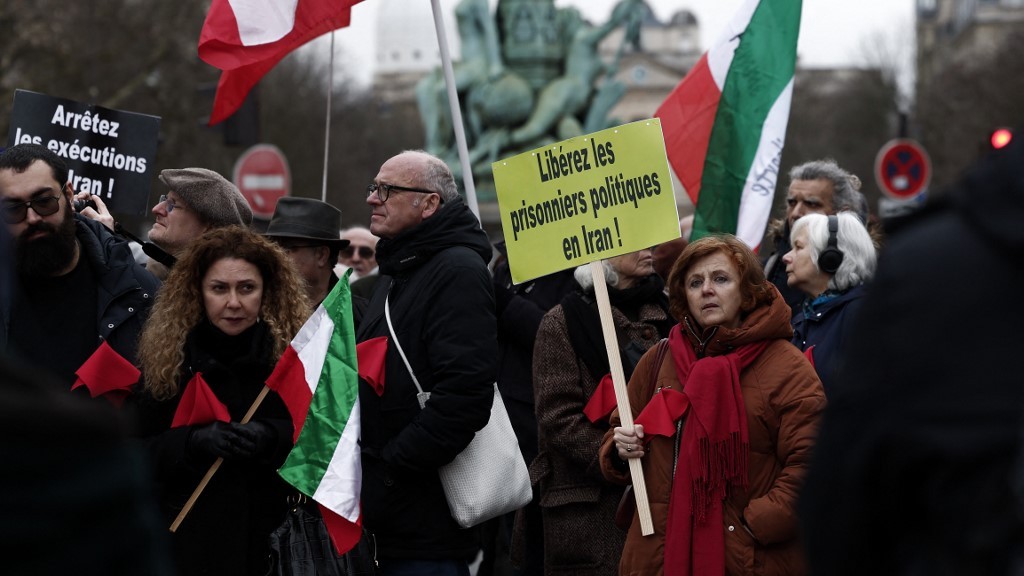
    Iranian authorities have delivered a stark three-day ultimatum to participants of nationwide demonstrations, demanding their surrender or facing severe legal consequences. National police chief Ahmad-Reza Radan characterized young protesters as “deceived individuals” rather than enemy combatants, offering leniency for those who voluntarily submit to authorities.

    The unrest represents the most significant challenge to Iran’s leadership in recent years, though the full extent of casualties remains obscured by an ongoing internet blackout now entering its eleventh day. According to Iran Human Rights NGO, verified fatalities have reached 3,428 protesters killed by security forces, though director Mahmood Amiry-Moghaddam warns the actual death toll could be “higher by many thousands,” potentially constituting one of the largest mass killings of protesters in contemporary history.

    In a coordinated response, Iran’s executive, legislative, and judicial branches issued a joint statement acknowledging the need to address economic hardships that initially sparked demonstrations while simultaneously vowing to “decisively punish” what they describe as instigators of “terrorist incidents.” The government maintains that peaceful protests were hijacked by foreign adversaries, specifically naming the United States and Israel as orchestrators of destabilization efforts.

    Material damage has been substantial, with Mashhad officials reporting over $15 million in public infrastructure destruction alone. Limited internet restoration began briefly on Sunday, with officials promising gradual normalization throughout the week.

    International reaction has emerged with Turkish President Recep Tayyip Erdogan characterizing the situation as a “new test” for Tehran, expressing confidence that Iranian leadership would navigate this “trap-filled period” through dialogue and diplomacy while pledging Turkey’s opposition to regional destabilization.

  • Pakistan: Rescue workers clear Karachi mall fire ruins, 63 missing feared dead

    Pakistan: Rescue workers clear Karachi mall fire ruins, 63 missing feared dead

    Rescue teams in Karachi continue sifting through the smoldering wreckage of Gul Plaza shopping complex three days after Pakistan’s most devastating fire in over a decade erupted, with 21 confirmed fatalities and 63 individuals still unaccounted for amid fears of a catastrophic death toll.

    The inferno ignited late Saturday evening near closing time and rapidly consumed the massive commercial structure spanning larger than a football field. The shopping center, renowned for housing approximately 1,200 family-operated stores specializing in wedding attire, household goods, and toys, became an uncontrollable blaze that required nearly 48 hours to fully contain.

    Emergency response units from Rescue 1122 confirmed the recovery of 21 victims while continuing their grim search through unstable debris. The operation has transitioned to forensic recovery, with workers collecting human remains in sacks for DNA identification. Authorities have gathered 15 genetic samples to facilitate victim identification amid the severely compromised remains.

    Disturbing revelations have emerged regarding safety violations, with police confirming that 13 of the mall’s 16 emergency exits were secured when the fire broke out. This critical failure likely prevented occupants from escaping the rapidly spreading flames.

    Anguished families gathered at the disaster site expressed both desperation and outrage. Kosar Bano, whose six family members vanished while shopping for wedding supplies, articulated the horrifying reality: ‘The only hope we have is how many hands we will find, how many fingers we will find, and how many legs we will find.’

    Public frustration mounted as Karachi’s mayor faced jeering crowds who condemned the delayed emergency response. The government has pledged a comprehensive investigation into both the fire’s origin and the adequacy of rescue efforts. This tragedy represents Karachi’s most severe fire incident since the 2012 industrial inferno that claimed 260 lives, which courts later determined to be arson.

    Gul Plaza management has not responded to requests for comment regarding the locked emergency exits or overall safety protocols.

  • Colombia sentences ex-paramilitary leader Mancuso to 40 years in jail

    Colombia sentences ex-paramilitary leader Mancuso to 40 years in jail

    In a landmark ruling, Colombia’s Special Jurisdiction for Peace has imposed a 40-year prison sentence on former paramilitary commander Salvatore Mancuso for his role in orchestrating horrific crimes during the nation’s prolonged internal conflict. The 61-year-old ex-leader of the United Self-Defence Forces of Colombia (AUC) was convicted for masterminding over 117 documented atrocities—including targeted murders, enforced disappearances, and gender-based violence—against the indigenous Wayuu community in La Guajira province between 2002 and 2006.

    Mancuso’s return to Colombia in 2024 followed the completion of a 15-year narcotics sentence in the United States, where he was extradited in 2008. US justice authorities had previously convicted him for smuggling massive cocaine shipments to finance his 30,000-strong paramilitary apparatus.

    The tribunal outlined that Mancuso’s sentence could be reduced to just eight years if he fully cooperates with transitional justice mechanisms and participates in reparations programs—a provision that has ignited fierce controversy among human rights advocates. Despite his brutal legacy, the Petro administration recently designated him a ‘peace promoter’ to mediate with active armed groups, following his offers to expose alleged collusion between AUC forces and Colombia’s political and business elites.

    This case emerges from Colombia’s decades-long armed struggle that claimed over 450,000 lives between 1985 and 2018. Indigenous communities like the Wayuu were frequently trapped between Marxist guerrillas—who forcibly recruited children—and paramilitary units like AUC that accused them of rebel sympathies and systematically terrorized them off their ancestral lands.

    Although AUC formally demobilized under a 2005 peace agreement, splinter groups continued operating, deepening involvement in drug trafficking that had originally funded their anti-insurgency campaigns. Mancuso’s sentencing represents a pivotal moment in Colombia’s ongoing reckoning with conflict-era atrocities and the complex trade-offs between justice and reconciliation.