分类: world

  • China’s zero-tariff policy welcomed in Africa

    China’s zero-tariff policy welcomed in Africa

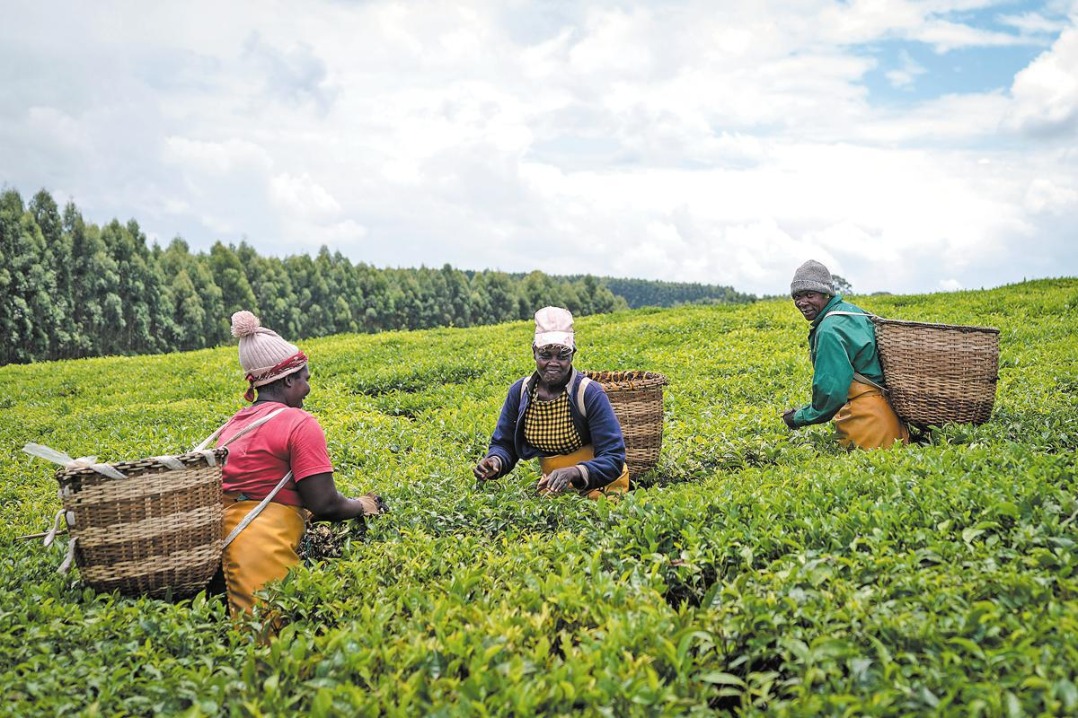
    International policymakers and trade experts have widely applauded China’s groundbreaking decision to implement comprehensive zero-tariff treatment for exports originating from 53 African nations with diplomatic ties to Beijing. The policy, set to take effect on May 1, represents a substantial enhancement of Africa’s trade accessibility to the world’s second-largest economy.

    Announced during the 39th African Union Summit in mid-February, this strategic measure is anticipated to dramatically expand market penetration for African goods within China while simultaneously fortifying economic bonds between the Asian economic powerhouse and the African continent.

    United Nations Secretary-General Antonio Guterres emerged as a prominent advocate of the initiative, urging other major economies to emulate China’s approach in dismantling trade barriers that disproportionately affect developing nations. Speaking from the sidelines of the AU summit in Addis Ababa, Ethiopia, Guterres emphasized the critical timing of this policy given the recent proliferation of protective tariffs globally.

    “I would appeal to all developed countries and to all countries with large economic potential to take exactly the same measures and to help Africa with its need for its goods,” Guterres stated, reinforcing his steadfast support for free trade principles and reduced tariff levels as catalysts for global prosperity.

    The Nigerian government has similarly welcomed the announcement, recognizing its potential to amplify trade cooperation between West Africa and China. Kimiebi Imomotimi Ebienfa, spokesperson for Nigeria’s Ministry of Foreign Affairs, characterized the decision as a positive step that could transcend traditional infrastructure partnerships and stimulate industrial development within African economies.

    Analysts interpret the policy as strategically significant within evolving global trade dynamics. Paul-Simon Handy, Regional Director for East Africa and representative to the African Union, described the announcement as “quite bold” and noted its potential to substantially improve Africa’s export prospects precisely when tariffs are escalating in other markets.

    Beyond immediate trade implications, observers highlight China’s expanding influence across multiple sectors including infrastructure and water development. Pablo Bereciartua, Chairman of the Global Water Partnership, pointed to China’s emergent role as a major global investor, noting that such investments present significant opportunities provided they translate into sustainable, long-term outcomes for African nations.
  • Afghanistan, Pakistan trade fire at border

    Afghanistan, Pakistan trade fire at border

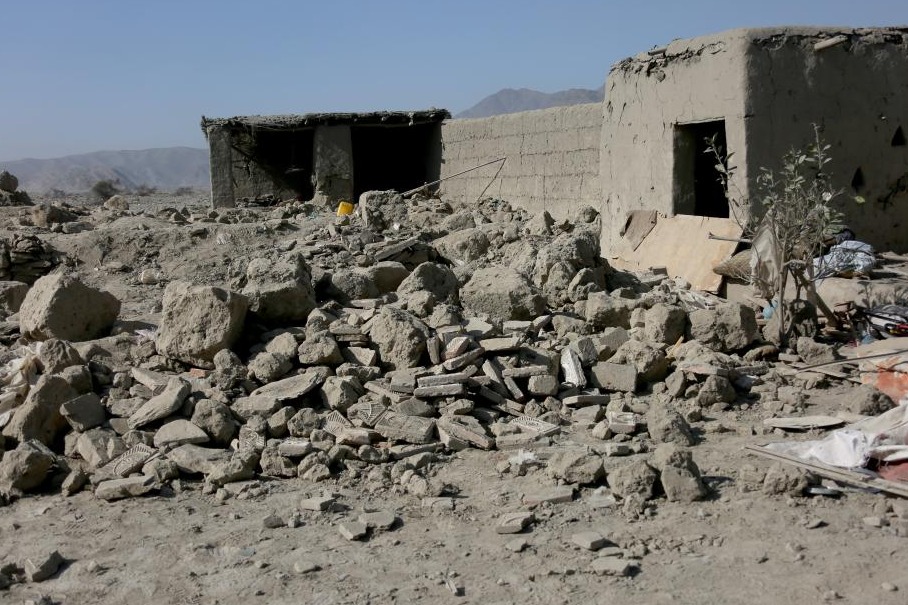
    Tensions along the volatile Afghanistan-Pakistan border escalated dramatically on Tuesday evening as military forces from both nations engaged in sustained cross-border artillery exchanges across multiple frontier locations. The skirmishes marked a significant deterioration in bilateral relations between the neighboring countries.

    According to Pakistani security officials who spoke with Xinhua News Agency, the confrontations occurred simultaneously in several strategic border areas including Bazar Zakhakhel, Waragha, Maro Sar, and Shako. Both sides deployed heavy weaponry in the exchanges, though initial reports indicated no immediate casualties resulting from the direct clashes.

    The incident sparked a diplomatic blame game between the two nations. Mosharraf Zaidi, spokesperson for the Pakistani prime minister’s office on foreign media, asserted that Afghan forces had initiated “unprovoked firing” in the Torkham and Tirah border regions. In a statement posted on social media platform X, Zaidi claimed Pakistan’s security forces had responded “immediately and effectively” to the provocation and issued a stern warning that any further escalation would be met with “a severe response.”

    Afghan officials presented a contradictory narrative of events. Sediqullah Nusrat, deputy spokesman for Afghanistan’s Ministry of Defense, told Xinhua that Pakistani forces had opened fire first, targeting Afghan personnel conducting routine patrols along the border. This latest confrontation follows Sunday’s airstrikes by Pakistani forces that Afghanistan claims killed 18 people and injured five others near the border region.

    Pakistan defended Sunday’s aerial operations as “intelligence-based, targeted strikes” against seven militant camps and hideouts in response to recent suicide bombings. Pakistani authorities stated these operations eliminated more than 80 terrorists operating in the border area.

    The exchange of fire represents the most serious military confrontation between the two nations in recent months and highlights the ongoing security challenges along their porous, disputed border. Both governments have maintained military readiness in the region amid heightened tensions and conflicting territorial claims.

  • Kenyan police arrest man accused of recruiting fighters for Russia’s war in Ukraine

    Kenyan police arrest man accused of recruiting fighters for Russia’s war in Ukraine

    NAIROBI, Kenya — Kenyan law enforcement has apprehended Festus Omwamba, a central figure in an elaborate human trafficking operation that deceived Kenyan citizens with false promises of skilled employment in Russia, only to forcibly deploy them to combat zones in Ukraine. The arrest occurred in Moyale, a northern border town near Ethiopia, where Omwamba was attempting to evade capture after recently returning from Russia.

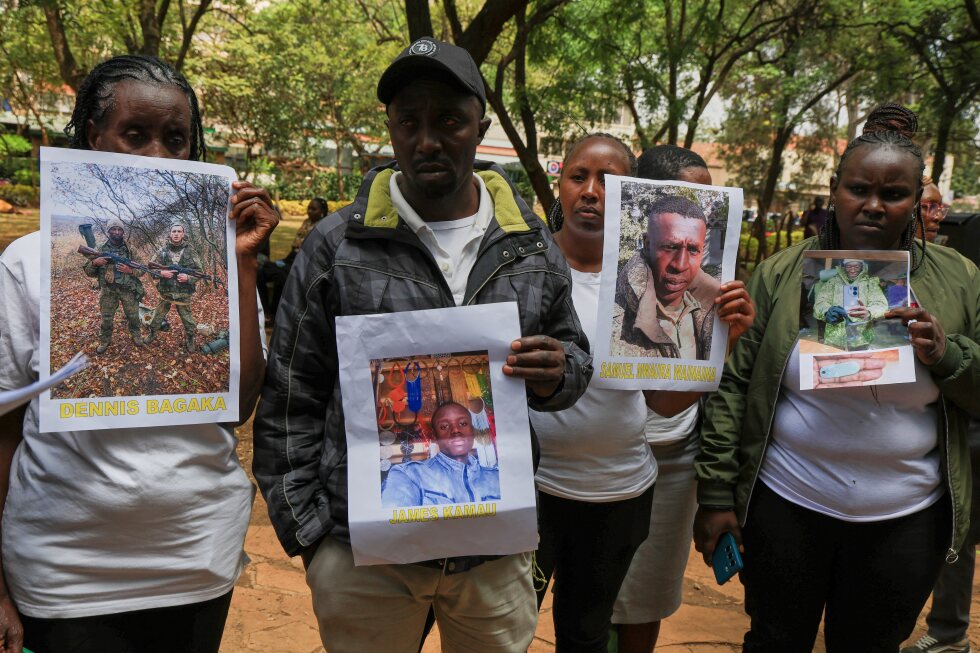
    Police spokesperson Michael Muchiri confirmed Omwamba faces charges related to human trafficking and will be transferred to Nairobi for further investigation. The suspect was identified through testimonies from three Kenyan recruits who managed to escape the conflict and provided statements to The Associated Press.

    This development follows last week’s official government disclosure that over 1,000 Kenyan nationals were recruited to fight for Russian forces in Ukraine. According to current statistics, at least 89 remain actively deployed on front lines, 39 are receiving medical treatment in hospitals, 28 are classified as missing in action, and one casualty has been formally confirmed.

    A parliamentary intelligence report presented by Majority Leader Kimani Ichung’wah revealed disturbing collusion between Kenyan and Russian government officials with unauthorized recruitment agencies to systematically funnel citizens into military service. The Russian Embassy in Nairobi has vehemently denied these allegations, stating they never issued visas for military purposes and maintaining that any foreign enlistment occurs voluntarily.

    Foreign Minister Musalia Mudavadi announced on February 9th that he would undertake diplomatic missions to Russia to address what he termed ‘dubious entities exploiting citizens through this misadventure.’ Simultaneously, efforts are underway to secure the release of Kenyans detained in Ukrainian prisons and facilitate the repatriation of those stranded in Russia.

    Firsthand accounts from escaped recruits describe Omwamba’s operational methods. John Kamau, who sought refuge at the Kenyan Embassy in Russia before returning home, testified that Omwamba housed prospective recruits in Nairobi properties while processing their tourist visas and travel arrangements. Another anonymous recruit revealed how Omwamba avoided digital communication, preferring direct calls or personal meetings to maintain operational secrecy. This individual had been promised plumbing work in Russia but instead had his passport confiscated upon arrival and received immediate military deployment after brief training.

  • Epstein files reveal links to cash, women, power in Africa

    Epstein files reveal links to cash, women, power in Africa

    Recently unsealed U.S. Department of Justice documents have exposed Jeffrey Epstein’s meticulously cultivated network of influential connections across West Africa, revealing previously unknown financial dealings and political manipulations. The files detail Epstein’s strategic relationships with powerful figures in Senegal and Ivory Coast, going far beyond superficial associations to demonstrate substantive involvement in regional affairs.

    Epstein established particularly close ties with Karim Wade, son of former Senegalese president Abdoulaye Wade, through an introduction by Emirati businessman Sultan Ahmed bin Sulayem in 2010. Their correspondence, spanning several years, reveals extensive discussions about potential business ventures in finance and energy sectors. Epstein regarded Wade as “one of the most important players in Africa” and facilitated introductions to prominent figures including Ehud Barak, then Israel’s defence minister, and Chinese businessman Desmond Shum for offshore banking discussions.

    The documents reveal Epstein’s significant financial involvement following Wade’s 2013 arrest and subsequent six-year corruption sentence. Evidence indicates Epstein’s companies received two invoices totaling $500,000 from Wade’s lawyer, Mohamed Seydou Diagne, in 2014 and 2015. Additionally, Epstein covered at least $50,000 in fees for U.S. lobbying firm Nelson Mullins, which was hired to secure Wade’s release. Email exchanges between Epstein and firm partner Robert Crowe show active coordination regarding pressure on then-Senegalese president Macky Sall, culminating in Wade’s release and exile to Qatar in June 2016.

    Parallel connections emerged with Nina Keita, niece of Ivorian president Alassane Ouattara, who served as an intermediary between Epstein and both Wade and the Ivorian presidency. Correspondence shows Keita arranged Epstein’s January 2012 visit to Abidjan, where he stayed in the ministerial suite of the luxury Hotel Ivor and met with presidential staff. Disturbingly, emails reveal Keita sent photographs and contact information of young women to Epstein, including specific requests for women “under 25.” Keita appears in Epstein’s February 2019 will regarding debt forgiveness arrangements.

    Neither Keita, the Ivorian presidency, nor Karim Wade responded to requests for comment. The documents underscore Epstein’s pattern of leveraging financial resources to gain access to power centers while maintaining his established modus operandi across continents.

  • Iran rushes to load oil onto ships in anticipation of US strikes

    Iran rushes to load oil onto ships in anticipation of US strikes

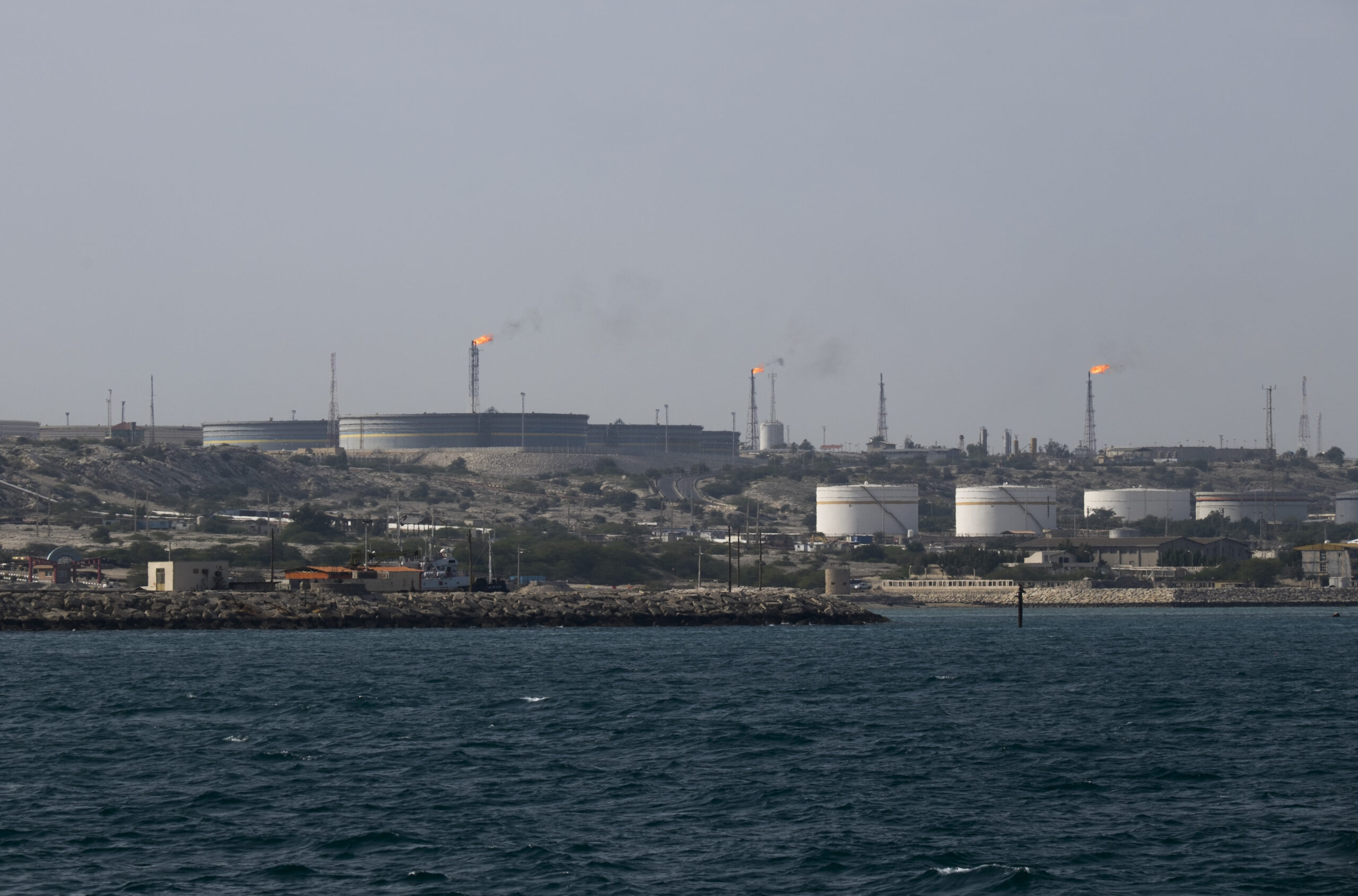
    Iran is dramatically accelerating its oil export operations in anticipation of a potential US military strike that could severely disrupt its ability to move crude to international markets. According to data from Kpler cited by Bloomberg, Iranian oil loadings from Kharg Island reached approximately 20.1 million barrels between February 15-20—equivalent to over three million barrels per day (bpd). This figure represents nearly triple the volume loaded during comparable dates in January and drastically exceeds Iran’s previous three-month average of 1.54 million bpd.

    Kharg Island, responsible for approximately 90% of Iran’s oil exports, represents a highly vulnerable target in any potential conflict. This urgent export surge mirrors Tehran’s actions in June 2025, when Iran rushed to ship oil ahead of US airstrikes on its nuclear facilities.

    The regional oil production landscape shows other major producers are also taking precautionary measures. Reuters reports that Saudi Arabia is increasing both production and exports as part of a contingency plan should US-Iran hostilities disrupt global supplies. The kingdom implemented similar measures in June 2025, boosting exports by around 500,000 bpd during the previous crisis.

    Market indicators strongly reflect these mounting tensions. Charter rates for Very Large Crude Carriers (VLCCs) have more than tripled since January to over $170,000 daily, according to LSEG data. These rates, determined by supply and demand dynamics, indicate substantially increased booking activity for these massive vessels whose availability remains largely fixed due to lengthy construction times.

    Meanwhile, Brent crude prices have climbed over the past month, trading up 0.38% on Wednesday at $70.84 per barrel amid the escalating geopolitical tensions.

    The current crisis has been building since January, when President Trump first contemplated military action following Iran’s suppression of protests. Although demonstrations have subsided, Trump has maintained aggressive rhetoric while overseeing the largest US military buildup in the Middle East since the 2003 Iraq invasion. The region now hosts two aircraft carriers, dozens of advanced fighter jets, and—in a highly unusual move—a deployment of stealth F-22 Raptor jets to Israel, signaling unprecedented preparedness for potential conflict.

  • US ‘suitcase murderer’ deported from Bali after 11 years in jail

    US ‘suitcase murderer’ deported from Bali after 11 years in jail

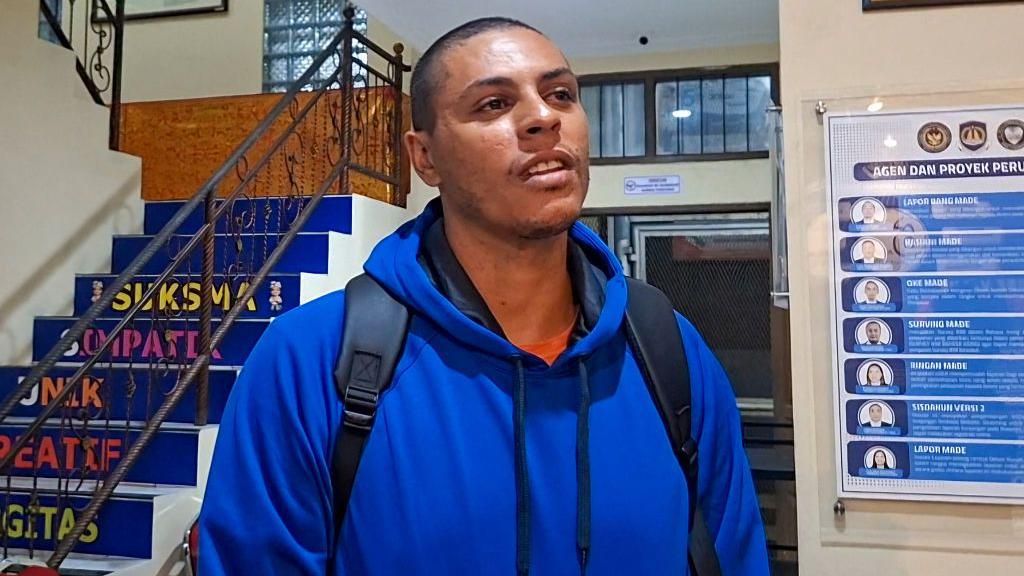
    Indonesian authorities have deported American citizen Tommy Schaefer following his 11-year incarceration for the notorious 2014 “suitcase murder” that shocked the resort island of Bali. Schaefer, now 33, was released from Kerobokan Prison on Tuesday morning after receiving sentence reductions for good behavior during his imprisonment.

    The case dates back to August 2014 when Schaefer and his then-girlfriend Heather Mack conspired to murder Mack’s mother, Sheila von Wiese-Mack, during a family vacation. Court documents revealed the couple’s motive centered on accessing the victim’s $1.5 million trust fund. The brutal killing occurred when Mack, then 18 and pregnant, covered her mother’s mouth while Schaefer delivered fatal blows with a metal fruit bowl.

    In a macabre attempt to conceal the crime, the couple stuffed the victim’s body into a suitcase and abandoned it in a taxi trunk. The taxi driver discovered the gruesome contents and alerted authorities, leading to the couple’s arrest at a different Bali hotel.

    During the 2015 trial, Indonesian prosecutors characterized the killing as “sadistic,” resulting in Schaefer receiving an 18-year sentence while Mack received a 10-year term. The court considered Mack’s pregnancy and lesser direct involvement as mitigating factors.

    Before boarding his deportation flight to Chicago, Schaefer expressed remorse to journalists, stating: “I’m sorry. I’m always sorry. I was thrust into this situation, but I take full responsibility for everything I have done and I hope Sheila’s family finds peace.”

    Schaefer now faces federal charges in the United States for conspiracy to kill a US national abroad and is scheduled to appear in Chicago court on Thursday. His case mirrors that of his accomplice Heather Mack, who was deported in 2021 only to be immediately arrested upon US arrival and subsequently sentenced to 26 years in federal prison after changing her plea agreement.

  • As fighting spirals in South Sudan, a humanitarian crisis looms for displaced survivors

    As fighting spirals in South Sudan, a humanitarian crisis looms for displaced survivors

    A resurgence of violence in South Sudan’s Jonglei state has displaced approximately 280,000 people over the past two months, creating a severe humanitarian crisis that threatens to unravel the nation’s fragile peace agreement. The conflict between government forces (South Sudan People’s Defense Forces) and opposition groups (Sudan People’s Liberation Movement In Opposition) has escalated dramatically since December when opposition fighters seized government outposts.

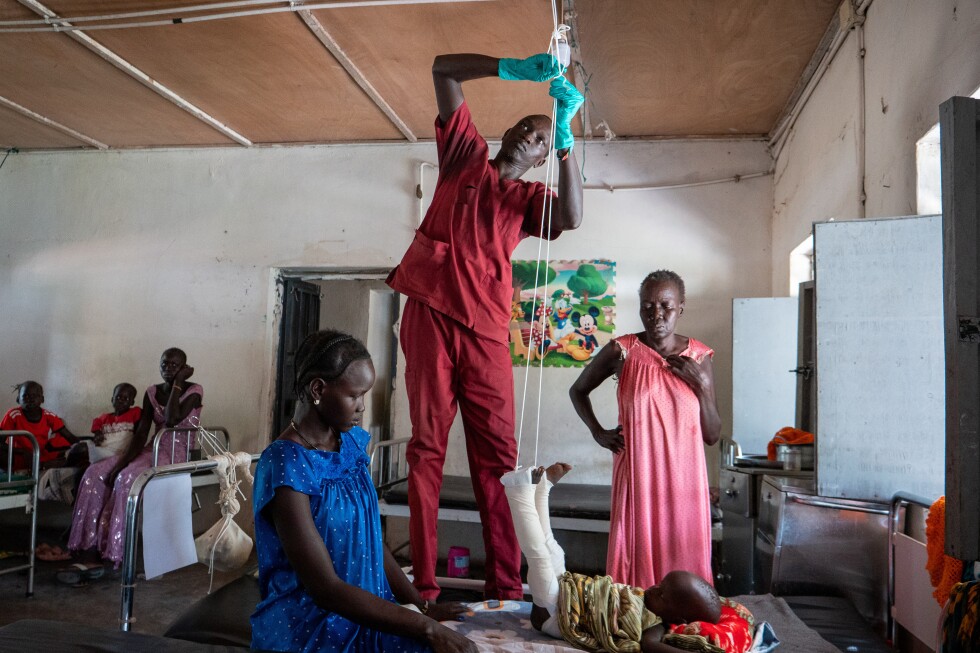
    The human toll is devastating. Eighteen-month-old Kool Gatyen Pajock represents one of countless civilian casualties, hospitalized with bullet wounds inflicted by government forces according to his grandmother Nyayual Chuol, who witnessed the killing of the infant’s parents. Chuol carried her grandson 130 kilometers to Akobo hospital, now separated from her four other children who fled in different directions during the attack.

    Despite a 2018 peace agreement that ended five years of civil war and a 2020 power-sharing arrangement that made opposition leader Riek Machar first vice president alongside President Salva Kiir, tensions erupted again in March. Machar was placed under house arrest and charged with treason in September alongside seven opposition members linked to attacks on government forces.

    The government’s counteroffensive since January has included aerial bombardments and ground assaults, despite official commitments to peace. Nyankhiay Gatluak Jock, 28, described fleeing her village of Walgak after government helicopters bombed the area followed by ground troops shooting from vehicles. She now shelters with 42,000 other displaced persons in Akobo under UN protection.

    Humanitarian operations have been severely compromised. Thirteen health facilities in Jonglei have been looted or partially destroyed, including a Doctors Without Borders hospital bombed on February 3. Nyaphan Nyang Lual escaped that attack with her family but her husband was shot and daughter abducted during their journey to Akobo. She arrived with her one-month-old granddaughter suffering from diarrhea but found no available medicine or food assistance.

    Funding cuts and government-imposed restrictions on aid organizations have crippled relief efforts. Susan Tab, a reproductive health officer with South Sudanese organization Nile Hope, reported having “nothing … no feeding, no medication” to offer beyond psychosocial support.

    UN humanitarian chief Tom Fletcher, during a February 21 visit to Akobo, declared South Sudan “one of the most neglected crises in the world right now” and pledged to make the situation more visible to prompt international response. He was greeted by thousands of displaced women and children holding posters with handwritten messages, including one that starkly stated: “They killed everyone.”

  • Hope fades in search for missing after Brazil rains kill 46

    Hope fades in search for missing after Brazil rains kill 46

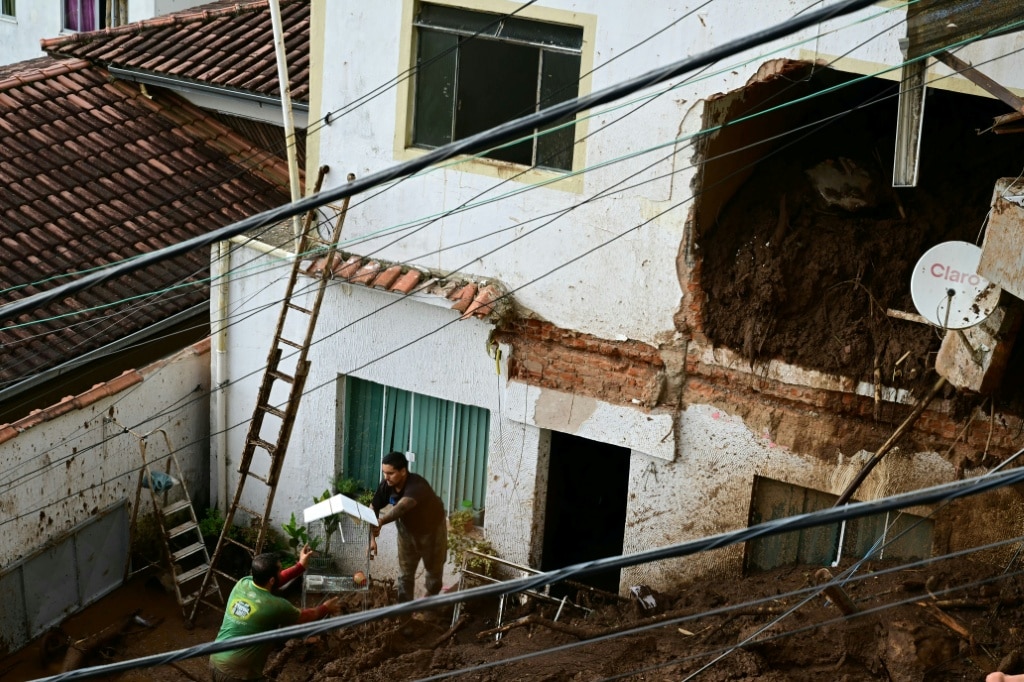
    Rescue operations in southeastern Brazil are confronting diminishing prospects of locating survivors as the death count from catastrophic rainfall climbed to 46. The state of Minas Gerais endured violent downpours on Monday that triggered devastating floods and landslides, submerging streets and sweeping away residential structures.

    The city of Juiz de Fora suffered the most severe impact, accounting for 40 fatalities, while the neighboring municipality of Uba reported six confirmed deaths. Official rescue services indicate 21 individuals remain unaccounted for. Meteorological forecasts predicting additional heavy rainfall this week have further complicated recovery efforts, with firefighters publicly expressing pessimism about finding any additional survivors.

    Personal tragedies underscore the human cost of the disaster. Josiane Aparecida, a local cook, recounted losing both her aunt and cousin while continuing the desperate search for her cousin’s two young children and their father. Despite maintaining hope, she acknowledged the grim reality of the situation following multiple family losses.

    First responders recovered one victim who had heroically saved his wife from their collapsing home before being engulfed by landslide debris. In Uba, residents waded through thick mud to clear sludge from the overflowed Uba River, which reached unprecedented levels according to longtime residents.

    The economic consequences are substantial, with local businesses facing catastrophic losses. Hardware store owner Felippe Souza Lima described watching neighbors paddle canoes through flooded streets, while automobile dealer Mauro Pinto de Moraes Filho estimated nearly $1 million in damages from two-meter high flooding.

    This catastrophe represents the latest in Brazil’s increasing frequency of extreme weather events. Juiz de Fora’s mayor confirmed the municipality experienced its wettest February in recorded history. The disaster follows 2024’s historic flooding in southern Brazil that claimed over 200 lives and affected two million people, plus the 2022 Petropolis deluge that killed 241 individuals – events scientists increasingly attribute to climate change patterns.

  • Shot in school uniform: BBC reveals police order led to Gen Z protest killings

    Shot in school uniform: BBC reveals police order led to Gen Z protest killings

    A groundbreaking BBC investigation has uncovered that Nepal’s former police chief authorized lethal force against thousands of unarmed young demonstrators during September’s Gen Z protests, resulting in 19 fatalities and triggering governmental collapse. The investigation reveals specific operational details showing how security forces deployed live ammunition against predominantly student protesters wearing school uniforms.

    The events of September 8th in Kathmandu represented a critical turning point in Nepal’s democratic journey. What began as organized anti-corruption demonstrations escalated into one of the most violent confrontations in Nepal’s recent history. The BBC’s forensic analysis of over 4,000 videos and photographs, combined with leaked internal police documents and insider testimonies, provides the most comprehensive account of the tragedy.

    Central to the investigation is the identification of former Police Inspector General Chandra Kuber Khapung (call sign ‘Peter 1’) as the officer who issued the ‘deploy necessary force’ order just ten minutes after a curfew was imposed. While Nepal Police claims this authorization came through proper channels from a government security committee, the committee’s chairman has denied approving live ammunition.

    The human tragedy is embodied in 17-year-old Shreeyam Chaulagain, the youngest victim, who was shot in the back of the head while walking away from the protest wearing his school uniform. His case exemplifies the disproportionate response against demonstrators who showed no evidence of armed aggression according to visual evidence analyzed by the BBC.

    The protests emerged from widespread frustration among Nepal’s youth generation (aged 14-29) regarding systemic corruption and unemployment affecting approximately 20% of young Nepalis. Organized primarily through Discord after the government banned mainstream social media platforms, the demonstrations unexpectedly drew 30,000 participants—ten times police expectations.

    The security apparatus demonstrated critical failures in intelligence gathering, crowd assessment, and command coordination. Officers reported inadequate communication infrastructure, with the command center struggling to establish stable internet connections to monitor events unfolding at parliament.

    The subsequent violence on September 9th, which claimed 77 additional lives and resulted in the prime minister’s resignation, represented a direct response to the previous day’s killings. Despite widespread allegations of political manipulation behind the destruction, the BBC found no substantiating evidence.

    Five months later, as Nepal approaches general elections on March 5th, no individual or institution has accepted responsibility for the deaths. A public inquiry continues to examine the events, while families of victims await justice in a nation still grappling with the trauma of its bloodiest day since transitioning to republic status in 2008.

  • Cuba coast guard kills four on US-registered speedboat

    Cuba coast guard kills four on US-registered speedboat

    A fatal maritime incident has dramatically heightened diplomatic friction between the United States and Cuba, following a lethal exchange of gunfire involving Cuban coast guard forces and a US-registered vessel. Cuban authorities confirmed that four individuals aboard the speedboat were killed and six others wounded during the confrontation near Cayo Falcones, just one nautical mile off Cuba’s northern coastline.

    According to an official statement from Cuba’s Interior Ministry, their patrol vessel encountered the Florida-registered speedboat (FL7726SH) operating illegally in Cuban territorial waters. The situation escalated when occupants of the private vessel allegedly opened fire, injuring the Cuban coast guard commander before security forces returned fire in what Havana describes as a defensive response.

    The nationalities of the deceased and wounded remain undisclosed, with Cuban officials emphasizing that medical assistance was promptly provided to the injured. This incident occurs against a backdrop of intensified US sanctions that have severely constrained Cuba’s access to Venezuelan oil imports, creating economic desperation that has fueled increased migration attempts and maritime smuggling operations.

    US officials including Secretary of State Marco Rubio and Vice President JD Vance have adopted a cautious stance, emphasizing the need for independent verification of events before formulating an official response. Meanwhile, Florida’s attorney general has initiated a separate investigation into the killings, reflecting the complex jurisdictional and diplomatic dimensions of this international incident.

    This confrontation highlights the ongoing challenges of maritime security in the Florida Straits, where incidents related to human smuggling and drug trafficking have frequently occurred. The timing is particularly sensitive as Washington recently eased certain restrictions on Venezuelan oil shipments to Cuba for humanitarian purposes, following concerns raised by Caribbean leaders about the potential collapse of the Cuban economy under the weight of US sanctions.

    International responses have emerged with Mexico deploying military vessels carrying humanitarian aid and Canada announcing substantial financial assistance, indicating broader regional concerns about stability and humanitarian conditions in Cuba.