分类: world

  • Aid groups petition Israeli court to halt work bans in Gaza, West Bank

    Aid groups petition Israeli court to halt work bans in Gaza, West Bank

    Seventeen international humanitarian organizations have filed an urgent petition with Israel’s Supreme Court seeking to overturn a government order that would force them to cease operations in Gaza, the West Bank, and East Jerusalem by next month. The controversial directive, issued in December, affects 37 NGOs including prominent groups like Oxfam International, Doctors Without Borders (MSF), and the Norwegian Refugee Council.

    The legal challenge argues that Israel’s demand for comprehensive staff lists—including Palestinian and international personnel—creates unacceptable security risks for aid workers. Petitioners contend the ban demonstrates “extreme unreasonableness and lack of proportionality” and exceeds Israel’s jurisdictional authority in territories nominally under Palestinian Authority control.

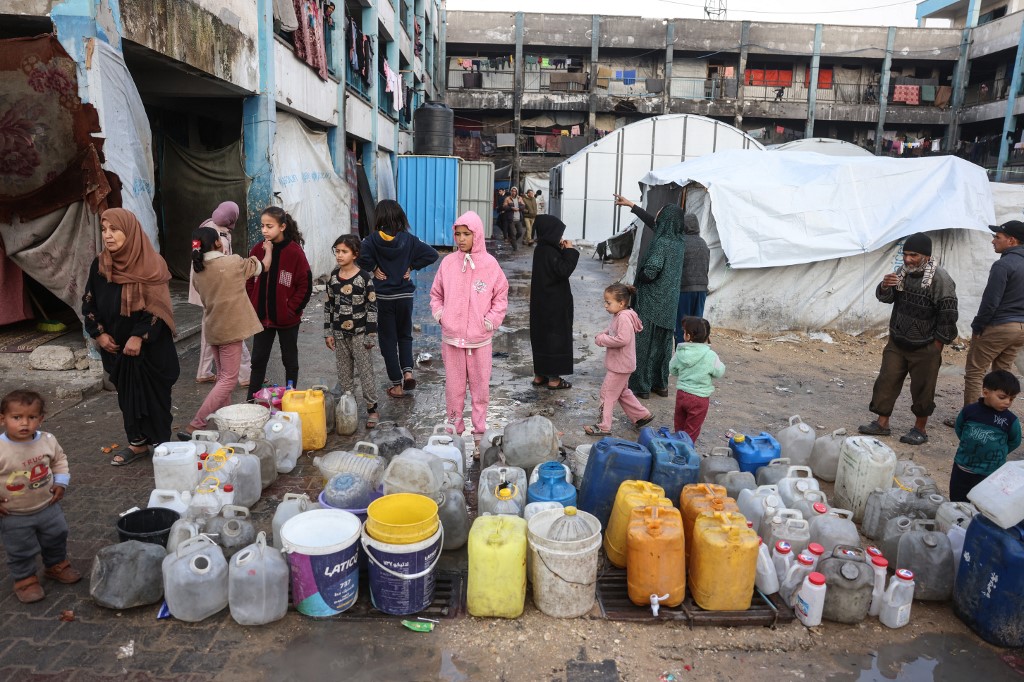
    Humanitarian organizations warn the March shutdown deadline would trigger catastrophic consequences for millions of Palestinians dependent on external assistance. In Gaza, where renewed strikes compound existing aid restrictions, and in the West Bank, where military operations and settler violence escalate needs, the termination of services would cause immediate humanitarian collapse.

    The dispute highlights the deadly environment for aid workers in conflict zones. According to Human Rights Watch, 543 humanitarian personnel have been killed in Israeli attacks on Gaza since hostilities began. Investigations reveal multiple incidents of aid workers being targeted despite providing their coordinates to Israeli authorities, including a March 2023 incident where 15 paramedics were shot dead execution-style.

    This latest ban follows Israel’s earlier termination of UNRWA operations, including the demolition of its East Jerusalem headquarters despite an International Court of Justice ruling ordering cooperation with UN humanitarian providers. Israeli authorities maintain the staff disclosure requirement is necessary to “rule out any links to terrorism,” but aid organizations remain unwilling to compromise staff security despite attempted negotiations.

  • Brazil floods: ‘I saw people trapped in their homes crying for help’

    Brazil floods: ‘I saw people trapped in their homes crying for help’

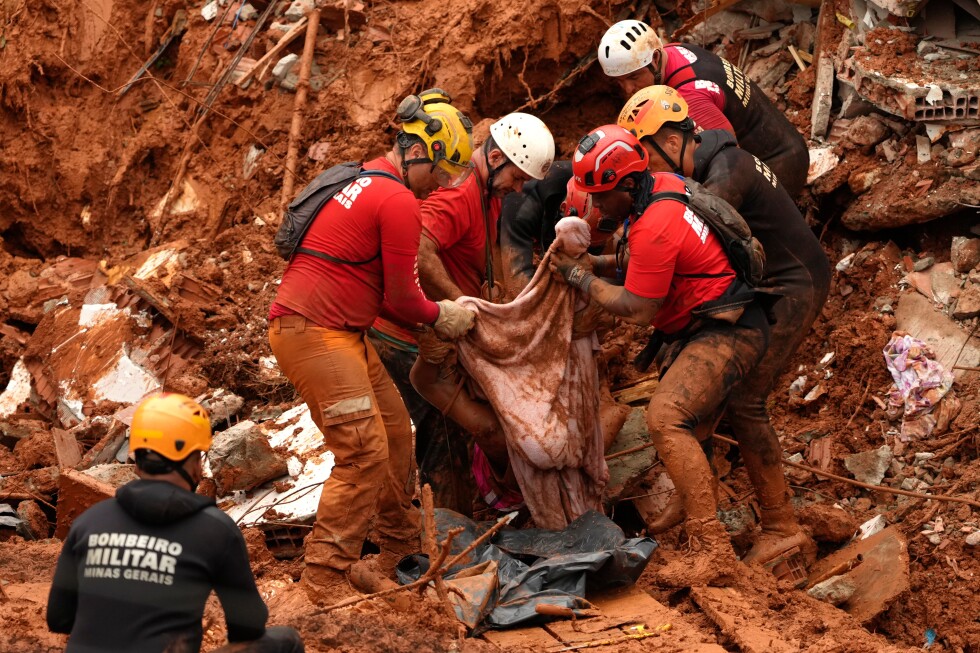
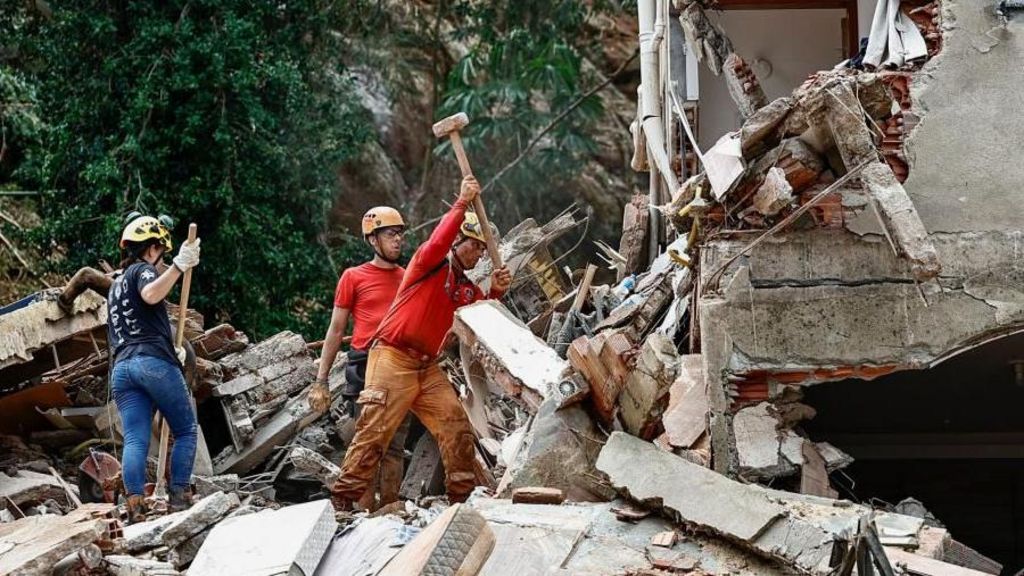
    Brazil’s southeastern state of Minas Gerais faces a mounting humanitarian crisis following torrential rainfall that triggered devastating floods and lethal landslides. Official reports confirm at least 32 fatalities, with rescue teams urgently searching for 38 individuals still missing amid the wreckage.

    The municipalities of Juiz de Fora and Ubá suffered the most severe impacts. In Juiz de Fora, entire neighborhoods vanished as mudslides swept away 12 residences. Ubá experienced catastrophic river overflow that submerged entire districts within minutes, with water levels rising at alarming speed according to local accounts.

    Meteorological data reveals extraordinary precipitation levels, with February’s rainfall already doubling the historical average for the region. Forecasters warn additional storms approaching in coming days could hamper rescue operations and exacerbate the situation.

    Eyewitness Lucas Gandra described the rapid escalation: ‘By 00:07 the water was overflowing and within twenty minutes it was causing enormous damage.’ The city, located 300km north of Rio de Janeiro, had experienced previous flooding in 2019 and 2020, but residents unanimously describe the current disaster as unprecedented in severity.

    Tragic accounts emerge of residents trapped in homes pleading for assistance as waters rose, with some victims reportedly perishing while attempting to rescue others. Over 200 people have been successfully evacuated by emergency services according to fire department statistics.

    Dentist Carolina Magalhães documented the surreal scene as floodwaters carried everything from household appliances to commercial vehicles through streets transformed into raging rivers. ‘First it was rubbish, then a freezer, a chair, motorbikes, lots of gas cylinders until even a van and a lorry floated past,’ she recounted.

    As waters recede, residents confront overwhelming destruction. Doctor Marcela Barbosa described Ubá as ‘unrecognizable’ with properties blanketed in thick mud and near-total infrastructure damage. Despite the devastation, community solidarity shines through as survivors coordinate cleanup efforts and support displaced neighbors.

    Temporary shelters are being established to accommodate thousands rendered homeless, while emergency crews continue their search operations in hazardous conditions complicated by unstable terrain and forecasted continued rainfall.

  • Saudi Arabia imposes total ban on poultry, egg imports from 40 countries

    Saudi Arabia imposes total ban on poultry, egg imports from 40 countries

    In a significant move to safeguard its food supply chain, Saudi Arabia has implemented a sweeping temporary prohibition on poultry and egg imports originating from 40 nations. This decisive action, announced by the Saudi Food and Drug Authority (SFDA), directly responds to the escalating global spread of highly pathogenic avian influenza (HPAI), specifically the H5N1 strain.

    The extensive list of affected countries includes major trading partners such as India, China, the United Kingdom, Germany, Japan, and South Korea. The SFDA’s updated advisory clarifies that the embargo does not apply to heat-treated poultry products or those processed using methods scientifically proven to eliminate the Avian Influenza and Newcastle viruses, provided they are accompanied by an official health certificate from the exporting country’s competent authorities and originate from approved establishments.

    Furthermore, the regulatory measures extend beyond nationwide bans. Authorities have instituted targeted regional restrictions affecting specific provinces and states within 16 additional countries. Notably, this includes the U.S. states of Delaware, Kentucky, and Minnesota, as well as regions in Canada, Australia, Italy, France, and Malaysia, indicating a highly granular approach to risk management based on localized outbreak data.

    The current HPAI outbreak, traceable to 2021, has presented unprecedented challenges by crossing species barriers. It now affects over 50 different mammal species, including recent detections in dairy cattle, complicating traditional containment paradigms. While public health agencies acknowledge sporadic human infections, they maintain that the risk of sustained human-to-human transmission remains low, though vigilant monitoring for viral adaptation continues.

  • Floods ravage Minas Gerais, killing 36 as rescuers race to find dozens missing

    Floods ravage Minas Gerais, killing 36 as rescuers race to find dozens missing

    A catastrophic flooding event continues to unfold in southeastern Brazil’s Minas Gerais state, where torrential rains have claimed at least 36 lives and left dozens missing. Rescue operations persist under urgent conditions as meteorological forecasts predict additional precipitation in the coming days.

    The devastating impact has been concentrated in the municipalities of Juiz de Fora and Uba, located approximately 310 kilometers north of Rio de Janeiro. According to the latest figures from Minas Gerais fire authorities, 33 individuals remain unaccounted for while approximately 3,000 residents have been forcibly evacuated from their homes due to rising waters and landslide threats.

    Juiz de Fora, a urban center of 560,000 inhabitants, has been transformed into a landscape of mud-covered thoroughfares and destabilized terrain. Neighboring Uba, with its population of 107,000, has seen complete suspension of normal activities, including educational services which have been halted in both municipalities.

    Municipal authorities in Juiz de Fora reported that the region has experienced double the average February rainfall, triggering at least 20 separate landslide incidents since the precipitation began on Monday evening. Approximately 600 families residing in high-risk zones are being transferred to emergency shelters established in local educational facilities.

    The federal government has mobilized national resources in response to the emergency. President Luiz Inácio Lula da Silva confirmed via official communications that security forces have been deployed for search and rescue operations while medical teams have been dispatched to assist affected communities in the topographically vulnerable region characterized by hills, valleys, slopes.

  • Pope Leo will visit 4 African countries as part of his packed 2026 travel plan

    Pope Leo will visit 4 African countries as part of his packed 2026 travel plan

    The Vatican unveiled an extensive international travel itinerary for Pope Leo XIV on Wednesday, mapping out one of the most ambitious papal schedules in recent years for the first half of 2026. The pontiff will embark on significant journeys to Monaco, Spain, and four African nations: Algeria, Cameroon, Angola, and Equatorial Guinea.

    This announcement signals a new chapter in Leo XIV’s papacy following the conclusion of the 2025 Holy Year, during which he ministered to 33 million pilgrims in Rome. The 70-year-old pontiff, who assumed office in May 2025 as the first U.S.-born pope, has maintained a relatively stationary presence until now due to Jubilee commitments.

    The travel program commences with a one-day visit to Monaco on March 28, followed by an extensive 10-day African pilgrimage from April 13-23. This African journey represents one of the most extensive papal trips since Pope Francis’s 2024 tour of Southeast Asia. The Algeria stop holds particular significance for Leo XIV, given its deep connections to Saint Augustine of Hippo, the 5th-century theologian who inspired the pontiff’s religious order.

    In June, the pope will spend nearly a week in Spain (June 6-12), with expectations high for his presence in Barcelona on June 10 to commemorate the centenary of architect Antoni Gaudí’s death. This timing coincides with the recent completion of the Sagrada Familia basilica’s central tower, reaching its maximum height just last week.

    Concurrently, Pope Leo will undertake a grand tour of Italy beginning in May, featuring half a dozen one-day visits throughout the peninsula. On July 4, while the United States celebrates its 250th independence anniversary, the pontiff will be visiting the Italian island of Lampedusa—a symbolic gesture highlighting his focus on migration issues and peripheral communities.

    The Vatican confirmed that while additional travel to Peru, Argentina, and Uruguay is anticipated in the latter half of 2026, no visit to the United States is planned for this year. This travel pattern reflects Leo XIV’s background as former Augustinian superior Robert Prevost, who spent two decades as a missionary in Peru and developed a reputation for extensive travel during his leadership of the religious order.

  • Seven killed in Ukrainian drone attack on Russian factory

    Seven killed in Ukrainian drone attack on Russian factory

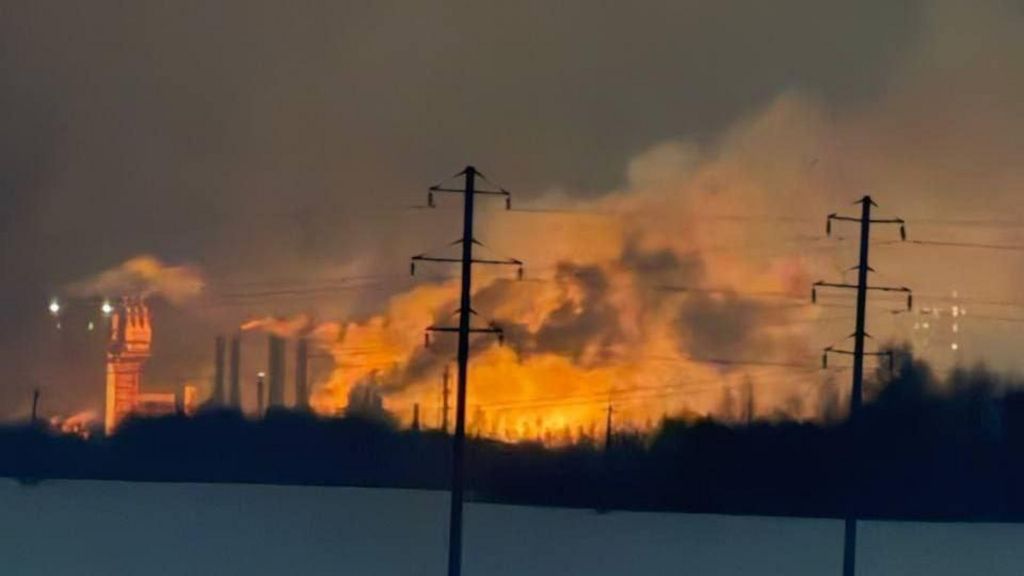
    A Ukrainian drone offensive has struck a civilian chemical facility in western Russia, resulting in significant casualties and raising environmental concerns. According to Russia’s Investigative Committee, approximately thirty unmanned aerial vehicles targeted a fertilizer production plant in the Smolensk region’s city of Dorogobuzh, located 290 kilometers from the Ukrainian border.

    The assault killed seven individuals and left at least ten others injured, marking one of the deepest penetrations into Russian territory since the conflict’s inception. Regional Governor Vasily Anokhin condemned the operation as a ‘barbaric terrorist attack’ by Ukrainian forces, emphasizing the plant’s civilian status despite its dual-use production capabilities.

    The targeted facility manufactures ammonium nitrate and nitric acid—components essential for agricultural fertilizers but also convertible into explosive materials. Emergency responders contained the resulting blaze, though authorities acknowledged potential toxic hazards by considering evacuation protocols for adjacent communities as a precautionary measure.

    This incident follows Ukraine’s expanding campaign against Russian energy infrastructure, including a recent drone strike on the Kaleykino oil pumping station in Tatarstan—over 1,200 kilometers from the border. That attack disrupted crude oil flows through the Druzhba pipeline network, forcing operator Transneft to reduce daily intake by 250,000 barrels and affecting supplies to Hungary and Slovakia.

    As the conflict enters its fifth year, military analysts observe Ukraine’s strategic shift toward long-range drone warfare targeting economic assets. Previous attacks on refineries prompted Moscow to implement gasoline export bans through 2025. Peace negotiations remain stagnant regarding Donbas sovereignty, though upcoming trilateral talks mediated by the United States may address prisoner exchanges, as indicated by Ukrainian President Volodymyr Zelensky.

  • Iraq says Baghdad airport shut due to technical fault, will reopen in hours

    Iraq says Baghdad airport shut due to technical fault, will reopen in hours

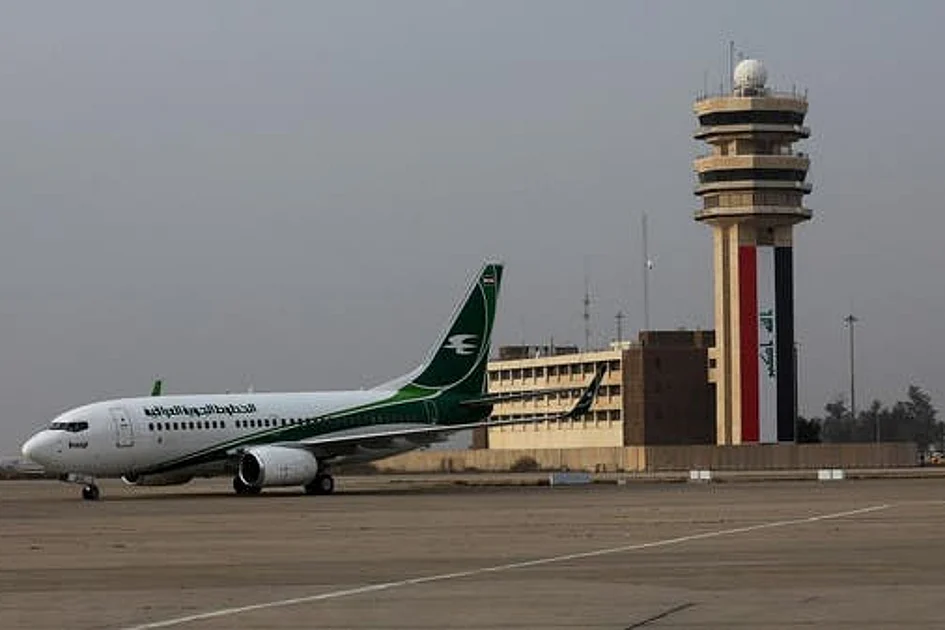
    Baghdad International Airport experienced an unexpected operational suspension on Wednesday, February 25th, 2026, due to an unspecified technical malfunction. The Iraqi Transport Ministry, communicating through the state-run INA news agency, confirmed the temporary closure while emphasizing that the situation posed no security threats whatsoever.

    According to an official ministry spokesperson, engineering teams were immediately deployed to diagnose and rectify the technical fault. The ministry provided a clear timeline, assuring the public and airline operators that the airport would resume full functionality within hours following the completion of necessary repairs. The statement explicitly ruled out any domestic political instability or international security concerns as contributing factors to the incident, a point stressed to prevent speculation and maintain calm.

    This disruption temporarily affected all inbound and outbound flight schedules, causing inevitable delays for passengers. The airport’s administration, in coordination with the ministry, is expected to manage the backlog of flights efficiently upon reopening. The incident highlights the critical infrastructure supporting Iraq’s primary aviation hub and the protocols in place for addressing unforeseen technical challenges, demonstrating a structured response to maintain the country’s connectivity and operational safety standards.

  • US to end health aid to Zimbabwe after funding talks collapse

    US to end health aid to Zimbabwe after funding talks collapse

    ZIMBABWE’S PUBLIC HEALTH SYSTEM faces unprecedented challenges following the collapse of negotiations between Harare and Washington regarding a proposed $367 million health assistance package. The United States has announced it will progressively terminate all health funding to the African nation after Zimbabwean authorities rejected a bilateral agreement requiring comprehensive access to sensitive health data.

    The disputed five-year funding proposal would have represented the largest international health investment in Zimbabwe, supporting critical programs for HIV/AIDS treatment and prevention, tuberculosis control, malaria eradication, and maternal-child healthcare. U.S. Ambassador Pamela Tremont characterized the decision as “difficult and regrettable,” noting that Zimbabwe had indicated preparedness to continue its HIV response independently.

    Zimbabwean government spokesperson Nick Mangwana explained the rejection stemmed from multiple concerns regarding data sovereignty, fairness, and reciprocal benefits. “The United States was not offering reciprocal sharing of its own epidemiological data with our health authorities,” Mangwana stated. “Our nation would provide the raw materials for scientific discovery without assurance that end products like vaccines or treatments would be accessible to our people.”

    The funding termination jeopardizes programs supporting approximately 1.2 million Zimbabweans currently receiving HIV treatment through U.S.-backed initiatives. Medical professionals have expressed alarm, with the College of Public Health Physicians warning that abrupt discontinuation could cause treatment interruptions, increased transmission rates, drug resistance emergence, and additional strain on an already fragile health system.

    This development reflects the Trump administration’s broader shift toward bilateral “America First” health agreements, replacing previous multilateral frameworks. The U.S. has signed similar pacts with 16 African nations totaling over $18 billion, though implementation has faced challenges elsewhere, including legal delays in Kenya over data safety concerns.

    Zimbabwean officials criticized the bilateral model as a departure from established WHO mechanisms designed to ensure equitable benefit sharing when countries contribute pandemic-related data. The nation has been a major recipient of U.S. health assistance, receiving nearly $2 billion since 2006 through programs including PEPFAR, which has been instrumental in helping Zimbabwe achieve UN HIV treatment targets.

  • Three Bahraini sailors robbed, held for 3 hours in Iranian waters: Bahrain’s MOI

    Three Bahraini sailors robbed, held for 3 hours in Iranian waters: Bahrain’s MOI

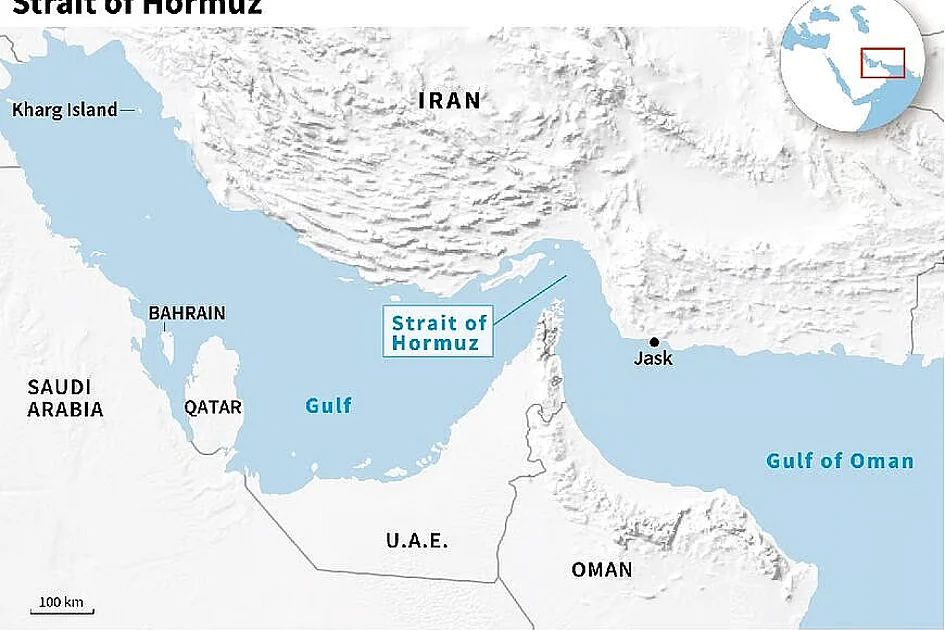
    Bahrain’s Ministry of Interior has officially reported a serious maritime security incident involving three Bahraini sailors who were forcibly taken into Iranian waters at gunpoint. The episode occurred on February 18, 2026, when armed individuals identified as Iranian nationals boarded the sailors’ vessel, commandeered it, and compelled them to exit Bahrain’s territorial waters.

    According to detailed accounts from the victims, the assailants robbed them of one of the vessel’s engines and additional personal belongings during the approximately three-hour ordeal. The sailors were eventually released and permitted to return to Bahraini territory.

    In an official statement, Bahraini authorities characterized the incident as a clear violation of established international maritime law. The Ministry emphasized that this infringement grants Manama full rights to pursue all appropriate legal measures in response. Historical data from Bahrain’s Coast Guard Command indicates that similar operations have been conducted repeatedly by Iranian individuals in previous instances.

    This latest incident occurs against the backdrop of heightened regional tensions. In December 2025, the Iranian Revolutionary Guard Corps detained 16 Indian crew members of the MT Valiant Roar vessel near UAE waters, accusing them of fuel smuggling. The pattern of maritime confrontations in the Arabian Gulf continues to raise concerns about navigation security and international law compliance in these strategically vital waterways.

  • Arab League condemns Israeli settlers’ burning of mosque in West Bank during Ramadan

    Arab League condemns Israeli settlers’ burning of mosque in West Bank during Ramadan

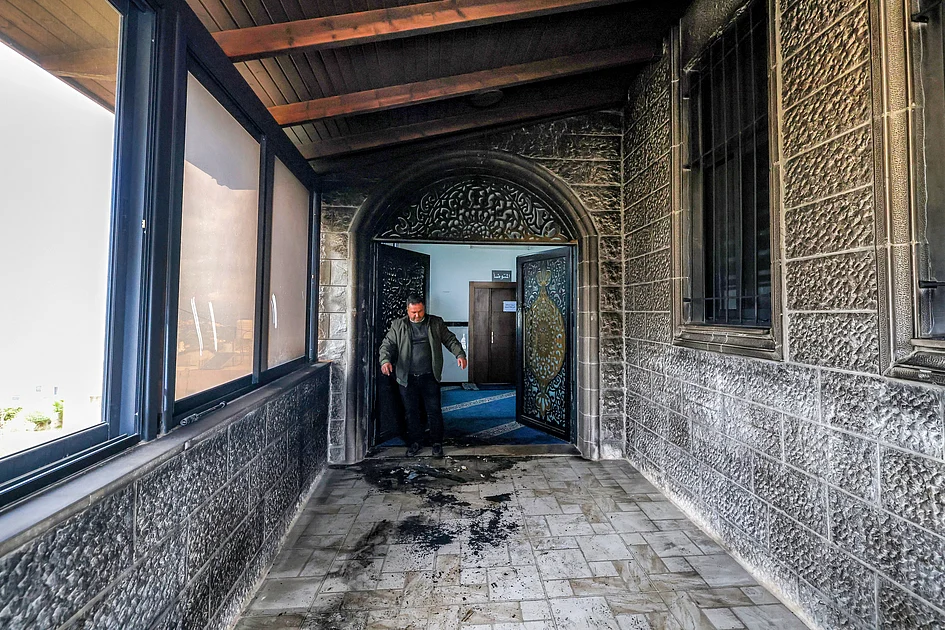
    The League of Arab States has issued a forceful condemnation following the deliberate burning of Abu Bakr Al-Siddiq Mosque by Israeli settlers in the West Bank village of Tal, situated south of Nablus. This incendiary attack, occurring during the holy month of Ramadan, has drawn severe criticism from the regional organization.

    In an official statement released Wednesday, the Arab League characterized the destruction as a calculated assault on religious sanctuaries and a blatant breach of international humanitarian standards. The organization emphasized that such actions represent a perilous escalation that fundamentally undermines peace initiatives and perpetuates cycles of violence throughout the region.

    The League specifically highlighted violations against core human rights principles, including freedom of religious practice and the protection of sacred sites. It further asserted that the international community, particularly the United Nations, bears both legal and moral responsibility to intervene.

    Calling for concrete measures, the Arab League demanded immediate action to terminate recurrent attacks against Palestinian worship sites, implement robust protection mechanisms for holy places, and ensure accountability for those responsible for the destruction. The statement positions this incident within a broader pattern of settler violence that continues to destabilize the region.