
China has announced the conditional resumption of seafood imports from select regions of Japan, effective immediately. The decision, disclosed by the Foreign Ministry on Monday, comes with stringent safeguards to ensure public health and food safety. Mao Ning, the ministry’s spokesperson, emphasized that the move aligns with Chinese laws, international trade regulations, and scientific assessments. However, China retains the authority to impose immediate restrictions should any risks emerge. The announcement follows the General Administration of Customs’ Sunday declaration, which outlined the resumption of imports from certain Japanese areas while maintaining a ban on products from 10 prefectures, including Fukushima. These regions remain excluded due to ongoing concerns over radioactive wastewater discharges from the Fukushima Daiichi Nuclear Power Plant, which began in August 2023. China, previously the largest overseas market for Japanese seafood, had imposed a comprehensive ban following the wastewater release. Mao highlighted that Japan has agreed to international monitoring and independent sampling by China, pledging to ensure the safety of exported aquatic products. Despite the conditional resumption, China reiterated its opposition to Japan’s ocean discharge practices, underscoring the need for long-term risk management and international collaboration.
分类: world
-
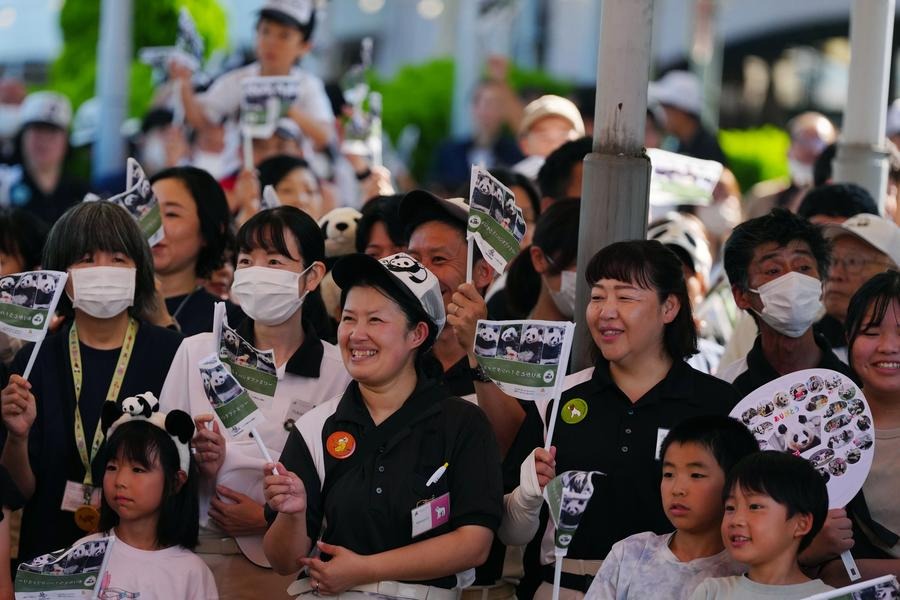
4 giant pandas at western Japan zoo depart for China
On June 28, 2025, four giant pandas from Adventure World amusement park in Shirahama, Wakayama Prefecture, Japan, embarked on their journey back to China. The pandas, 24-year-old Rauhin and her three daughters—Yuihin (8), Saihin (6), and Fuhin (4)—were transported to the Chengdu Research Base of Giant Panda Breeding in Sichuan Province. The departure marked the end of their stay in Japan, where they had been part of a joint breeding program initiated in 1994. Early in the morning, park staff and fans gathered to bid farewell, waving flags and wearing T-shirts adorned with images of the pandas. The zoo’s director, Koji Imazu, expressed his hopes for the pandas’ healthy and long lives in China, emphasizing their role in fostering goodwill between the two nations. The transfer was scheduled for June to avoid the physical strain of summer heat, especially for Rauhin, who is now in her senior years. The younger pandas are expected to contribute to future breeding efforts in China. The zoo’s panda breeding team ensured a smooth transition by sharing detailed information about each panda’s traits with their Chinese counterparts.
-
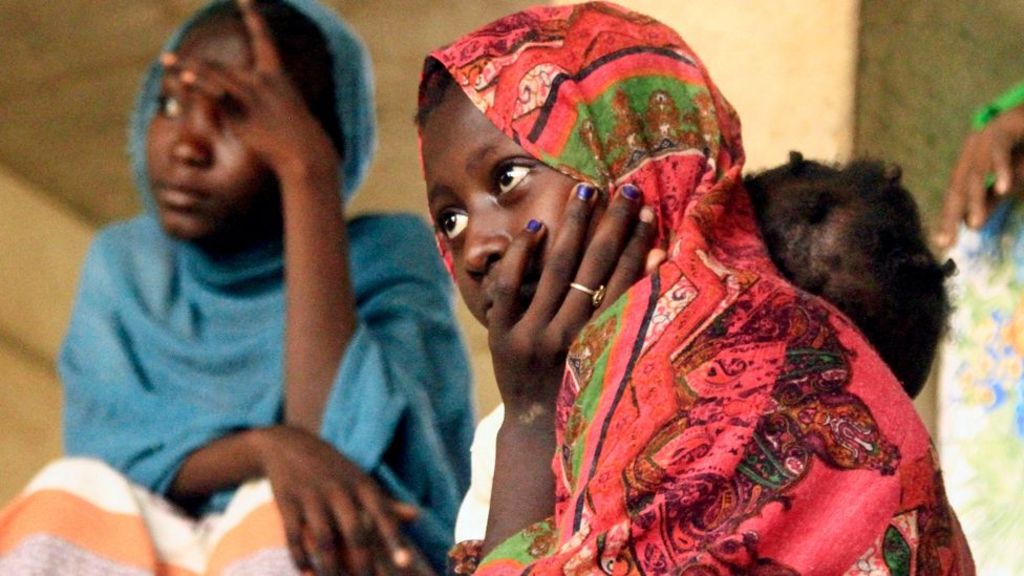
Sudan in danger of self-destructing as conflict and famine reign
Sudan’s protracted conflict has plunged the nation into a humanitarian catastrophe, with over half of its 45 million population displaced and nearly a million facing famine. The war, now in its 27th month, remains in a strategic deadlock, with neither the Sudanese Armed Forces (SAF) nor the Rapid Support Forces (RSF) able to secure a decisive advantage. The SAF, led by General Abdel Fattah al-Burhan, recently recaptured central Khartoum, showcasing newly acquired weaponry from Egypt, Turkey, Qatar, and Iran. However, their offensive quickly stalled. Meanwhile, the RSF, under General Mohamed Hamdan Dagalo (Hemedti), launched a devastating drone attack on Port Sudan, the interim capital and primary hub for humanitarian aid. The RSF has expanded its operations southward, striking alliances with rebel groups and besieging North Darfur’s capital, el-Fasher. The conflict has exacerbated ethnic tensions, with the RSF accused of genocide against the Massalit people in West Darfur. Civilians, who once united to overthrow former leader Omar al-Bashir, are now fragmented, with some aligning with Burhan, others with Hemedti, and many attempting neutrality. Despite international efforts, including a UN peace plan and a London conference, no credible peace process exists. The UAE and Saudi Arabia’s disagreements further complicate diplomatic resolutions. As the world’s largest humanitarian emergency worsens, multilateral organizations like the UN and African Union are called upon to prioritize Sudan’s crisis and remind global powers of their commitments to human rights and peace.
-
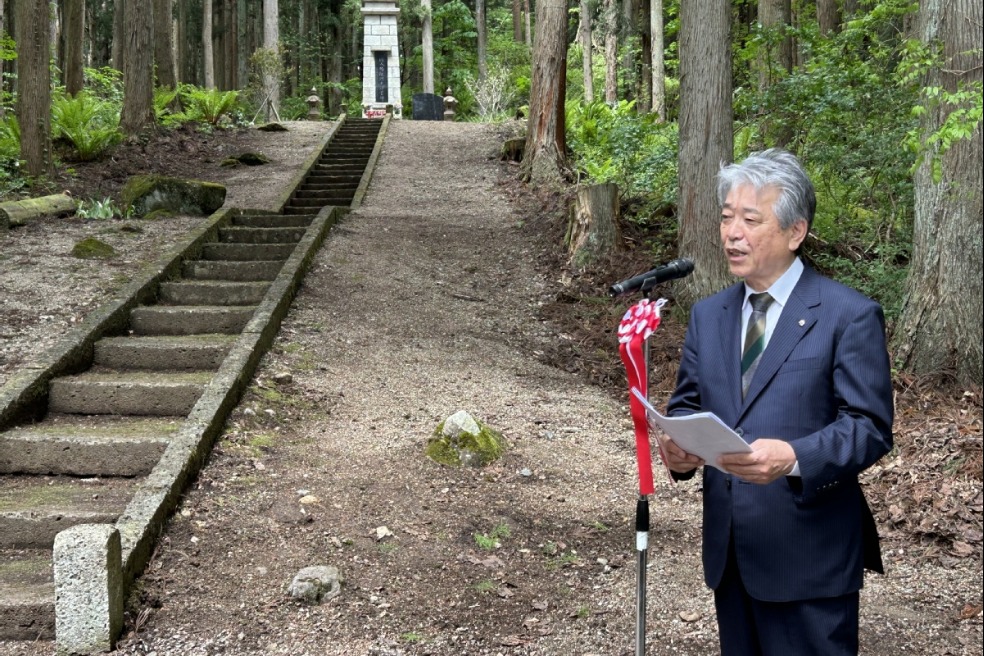
Fallen WWII Chinese laborers honored in Japan
In a poignant ceremony held in Inawashiro, Fukushima Prefecture, Japan, diplomats and advocates for Japan-China friendship gathered to honor the memory of Chinese laborers who perished during World War II. The event, which took place on May 18, marked the completion of the renovation of a monument dedicated to these fallen workers and included a commemorative tree-planting ceremony. Historical records reveal that near the end of WWII, approximately 40,000 Chinese individuals were forcibly brought to Japan, enduring brutal labor conditions and inhumane treatment, leading to the deaths of nearly 7,000 people. Among them, about 1,000 were sent to Fukushima, where 25 lost their lives due to persecution. The monument, initially unveiled in 1971 and expanded in 1988, underwent a significant renovation in 2023, supported by Japan-China friendship organizations. Cui Weilei, Chinese consul general in Niigata, emphasized the importance of remembering history not to perpetuate hatred but to learn from the past and foster a peaceful future. He urged Japan to reflect on its historical responsibilities and reject the revival of militarism. Hisashi Endou, president of the Fukushima Prefectural Japan-China Friendship Association, highlighted the spirit of gratitude and reconciliation, noting that the monument was built with the support of a repatriated Japanese POW. The ceremony also saw the participation of Shinji Oguma, a member of Japan’s House of Representatives, who stressed the significance of a strong Japan-China relationship for regional and global peace. Wang Jiangkun, a PhD graduate from the University of Aizu, expressed hope that younger generations would continue to build a future of understanding and cooperation between the two nations.
-
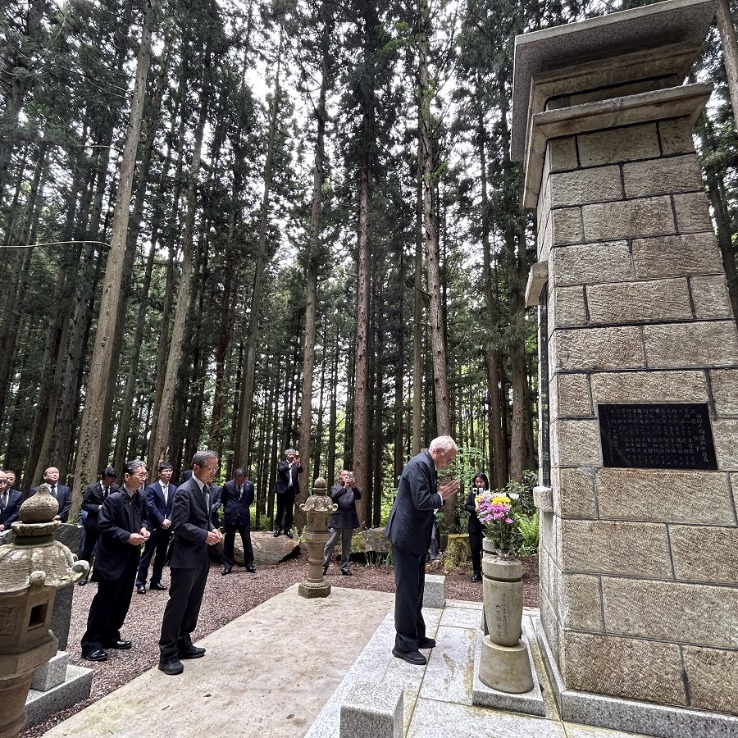
Japan-China friendship advocates mark renovation of monument honoring WWII Chinese laborers
In a poignant ceremony held on May 18 in Inawashiro, Fukushima Prefecture, diplomats and advocates for Japan-China friendship gathered to honor the completion of the renovation of a monument dedicated to Chinese laborers who perished during World War II. The event, which included a commemorative tree-planting ceremony, served as a reminder of the shared history and a renewed commitment to fostering peace between the two nations.
Historical records reveal that towards the end of World War II, approximately 40,000 Chinese individuals were forcibly taken to Japan and subjected to harsh forced labor, resulting in the deaths of 6,830 people. Among these, about 1,000 were sent to Fukushima, where 25 died under inhumane conditions. In 1971, a 17-foot-tall monument was erected in Inawashiro to mourn these souls and stand against militarism. The monument underwent its first expansion in 1988 and recently completed a second major renovation in 2023, supported by Japan-China friendship organizations.
Participants at the ceremony emphasized the importance of learning from history, looking towards the future, and working together to safeguard peace. They also expressed their support for the continued improvement of China-Japan relations. The event was attended by notable figures, including Hisashi Endou, president of the Fukushima Prefectural Japan-China Friendship Association, who delivered a speech during the ceremony.
The renovation of the monument and the commemorative ceremony underscore the ongoing efforts to acknowledge past injustices and build a foundation for a peaceful and cooperative future between Japan and China.
-
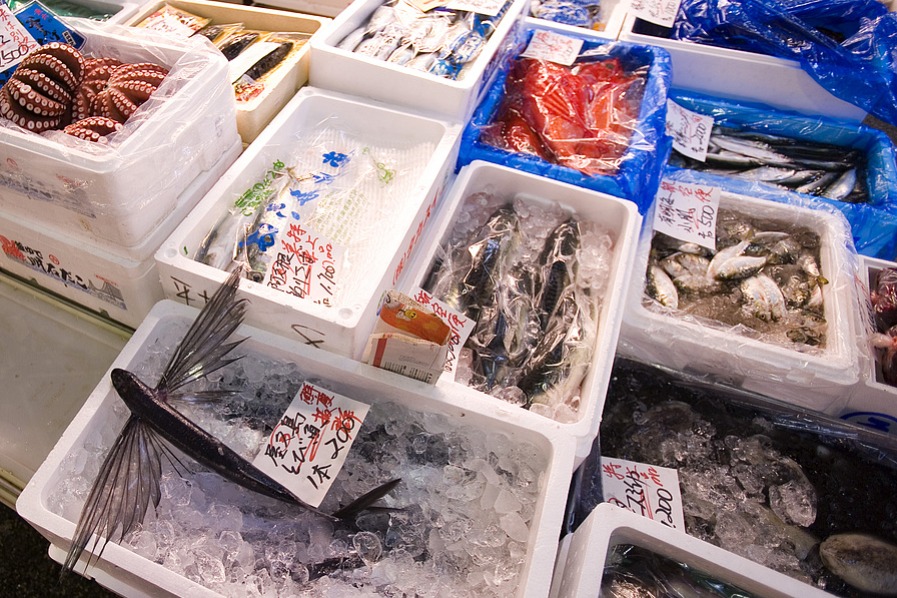
China urges Japan to ensure the quality of aquatic products
China has formally urged Japan to implement robust measures to guarantee the safety and quality of its aquatic products, reiterating its steadfast opposition to Japan’s unilateral discharge of Fukushima nuclear-contaminated water. The call was made during a technical exchange between China’s General Administration of Customs and Japanese officials on Thursday, as confirmed by Foreign Ministry spokesman Lin Jian. The discussions focused on enhancing inspection and monitoring protocols to ensure the safety of aquatic products. Lin emphasized that any resumption of aquatic product imports from Japan must be grounded in continuous, independent scientific data collected by China. He further stressed that Japan must take concrete actions to ensure its exports comply with Chinese legal and regulatory standards. Japan, in response, acknowledged China’s concerns and reaffirmed its commitment to international monitoring and independent sampling to meet Chinese requirements. Lin reiterated China’s unwavering stance against the unilateral ocean discharge of nuclear-contaminated water, pledging continued collaboration with the international community to ensure strict oversight of such activities.
-

Japan urged to expedite removal of chemical weapons from Chinese territory
China has issued a renewed call to Japan, urging the nation to expedite the removal of chemical weapons abandoned on Chinese soil during World War II. This appeal comes as the world commemorates the 80th anniversary of the victory in the Chinese People’s War of Resistance Against Japanese Aggression and the 28th anniversary of the enforcement of the Chemical Weapons Convention. Foreign Ministry spokesman Guo Jiakun emphasized that Japan bears an inescapable historical, political, and legal responsibility to address this issue, which is also an international obligation under the Chemical Weapons Convention. The disposal of these weapons is critical to ensuring the safety and environmental well-being of affected Chinese communities. Despite China’s significant support in excavating and destroying approximately 120,000 of the 150,000 recovered chemical weapons, progress remains slow. Guo highlighted that lingering remnants of these weapons continue to pose severe threats to local lives, property, and ecological security. China insists that Japan must fully implement its post-2022 plan to eliminate these hazardous remnants comprehensively and efficiently.
-
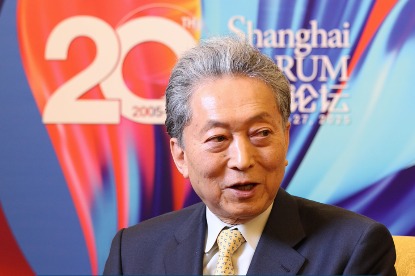
Former Japanese PM wowed by China’s tech development, calling for Sino-Japan collaboration
Former Japanese Prime Minister Yukio Hatoyama has expressed admiration for China’s rapid technological advancements, emphasizing the potential for a synergistic partnership between Japan and China, particularly in artificial intelligence (AI) and robotics. Speaking at the Shanghai Forum 2025 on Friday, Hatoyama highlighted the complementary strengths of the two nations, suggesting that Japan’s meticulous attention to detail and expertise in basic materials could be effectively paired with China’s robust organizational capabilities and recent industrial achievements to foster mutual benefits. In an exclusive interview with China Daily, Hatoyama underscored the importance of collaboration in these cutting-edge fields, envisioning a macro-micro partnership that could drive innovation and economic growth for both countries. The former prime minister’s remarks come at a time when global technological competition is intensifying, and strategic alliances are increasingly seen as vital for maintaining a competitive edge. The Shanghai Forum 2025, which attracted over 500 guests and representatives, served as a platform for discussing key issues in global development, with Hatoyama’s call for Sino-Japan collaboration resonating strongly among attendees. As both nations continue to invest heavily in AI and robotics, the potential for joint ventures and knowledge exchange could pave the way for groundbreaking advancements in these critical sectors.
-

Palestinian captives in Israeli prison face ‘health disaster’, advocacy group warns
A severe health emergency is unfolding within Israel’s Megiddo Prison facility, according to alarming reports from the Palestinian Prisoners Society (PPS). The northern Israeli detention center, long criticized for its treatment of Palestinian detainees, is experiencing dangerous outbreaks of scabies and other communicable diseases that threaten to develop into a full-scale health catastrophe.
Medical assessments confirm that scabies infestations, caused by parasitic mites burrowing beneath the skin, have created widespread dermatological complications among the prison population. The PPS has documented numerous cases where inadequate medical intervention has exacerbated conditions, leading to severe rashes, persistent irritation, and additional health complications.
The advocacy organization attributes this deteriorating situation to systematic neglect by Israeli prison authorities. Detainees reportedly face critical shortages of nutritional food, appropriate clothing, basic hygiene products, and proper access to ventilation and natural lighting. These conditions create an environment where contagious diseases can spread rapidly through the confined population.
Particular concern has been raised regarding the vulnerability of younger detainees, with hundreds of children reportedly at risk. This warning follows the recent death of 17-year-old Walid Khaled Abdullah Ahmed within the facility, though circumstances surrounding his passing remain unconfirmed. His death marks the 63rd fatality among Palestinian detainees in Israeli custody since October 2023.
Israeli newspaper Haaretz previously reported in November that approximately 25% of Palestinian prisoners had contracted scabies infections in preceding months. Inmates have characterized their treatment as deliberately neglectful rather than accidentally inadequate, with one prisoner quoted as saying guards told sick detainees they ‘are terrorists and must die.’
Megiddo Prison has developed a notorious reputation for human rights violations beyond medical neglect. Documentation includes reports of electric shock torture, attacks by security dogs, severe physical beatings, and incidents where prisoners were stripped naked and restrained for extended periods without food or protection from cold temperatures.
A 2024 report by the Commission of Detainees’ and Ex-Detainees’ Affairs further detailed systematic torture practices, medical negligence, incidents of sexual violence, and routine physical abuse within the facility, painting a comprehensive picture of institutional maltreatment.
-

Sheikh Maqsoud: The Kurdish enclave in Syria’s Aleppo
The strategic city of Aleppo has emerged as the critical battleground in Syria’s reignited civil war, exposing the complex geopolitical fractures that have defined the 13-year conflict. Recent fighting has erupted between multiple factions including former al-Qaeda affiliate Hay’at Tahrir al-Sham, Turkish-backed Syrian National Army forces, government loyalists to President Bashar al-Assad, and Kurdish-led defense units.
The predominantly Kurdish neighborhood of Sheikh Maqsoud, with its 30,000 residents and centuries-old Kurdish heritage, has become a primary flashpoint. This district has remained under control of the People’s Protection Units (YPG) since 2012 despite repeated attacks throughout the civil war. The YPG, an ideological affiliate of the Kurdistan Workers Party (PKK), has maintained a delicate balancing act between opposition forces and the Syrian government while attempting to protect local residents.
Historical context reveals that Kurds faced systematic discrimination prior to 2011 under Syria’s Arab nationalist government, with their language and culture suppressed in official contexts. The current administration in northeastern Syria, the Autonomous Administration of North and East Syria (AANES), was established on principles of multi-ethnic, multi-faith decentralization.
Turkey’s support for opposition groups, particularly the Syrian National Army, has created significant tensions as Ankara considers crushing PKK-affiliated groups a primary objective. Recent developments suggest rebel forces have gained control of major northern Syrian cities, raising questions about the sustainability of Kurdish-held territories.
The Syrian Democratic Forces (SDF), which includes Kurdish units and receives U.S. backing, has characterized the new offensive as Turkish-driven with the ultimate goal of occupying Syrian territory. Humanitarian conditions have deteriorated severely with reports of besieged neighborhoods, blocked supply routes, and failed attempts to establish humanitarian corridors. Thousands of Kurdish civilians have been displaced from Aleppo’s outskirts, creating uncertainty about the future of Kurdish presence in the region.