
In a significant international operation, the alleged leader of the armed wing of the Venezuelan criminal gang Tren de Aragua has been apprehended. The arrest of José Antonio Márquez Morales, also known as Caracas, was announced by Colombia’s National Police. The operation, which involved collaboration between Colombia, the United States, and the United Kingdom, took place in the city of Valledupar. Morales is accused of playing a pivotal role in managing the logistics and finances for the gang, which is involved in extortion, drug trafficking, and smuggling. Tren de Aragua has been designated as a terrorist organization by former US President Donald Trump, who also deported over 250 alleged members of the gang to a prison in El Salvador. Carlos Fernando Triana Beltrán, Director of Colombia’s National Police, revealed that Morales was the subject of an Interpol Red Notice, a global alert requesting law enforcement agencies to detain an individual pending extradition. The arrest comes amid escalating tensions between the US and Venezuela, particularly concerning the Trump administration’s anti-drug-trafficking initiatives in Latin America. The US has recently deployed warships to the Caribbean and conducted bombings of vessels allegedly transporting drugs from Venezuela to the US. The Trump administration has accused Venezuelan President Nicolás Maduro of colluding with drug cartels and has offered a $50 million reward for information leading to his capture. Maduro has vehemently denied these allegations and has defended his government’s efforts to combat drug trafficking.
分类: world
-
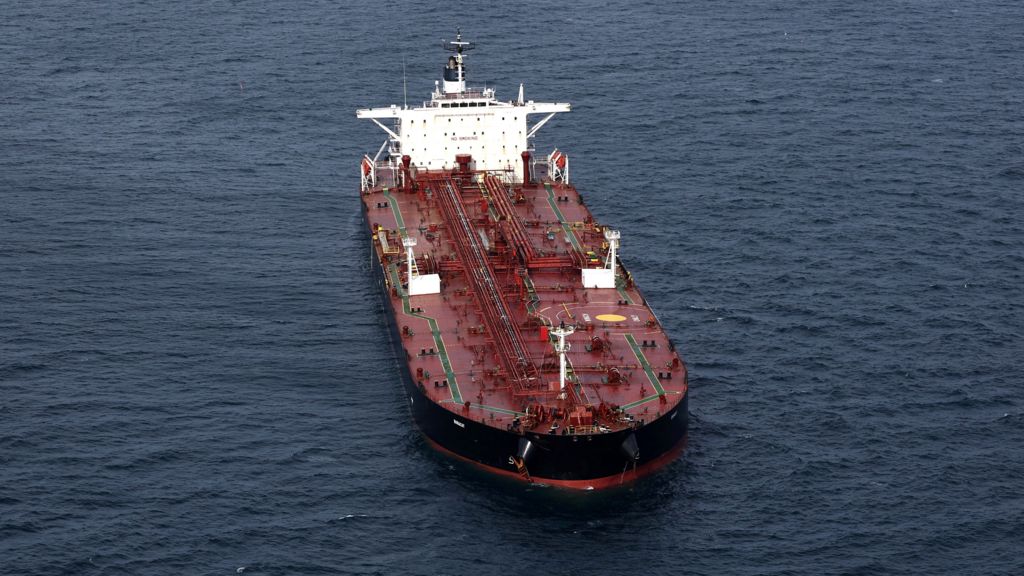
Captain of tanker linked to Russian ‘shadow fleet’ charged in France
French authorities have charged the Chinese captain of the oil tanker Boracay, suspected to be part of Russia’s ‘shadow fleet’ used to circumvent international sanctions. The captain faces charges for refusing to comply with instructions from the French navy and is scheduled to appear in court in Brest next February. The Boracay, which departed Russia last month, was intercepted off the coast of Denmark following a series of drone incidents that temporarily shut down several airports. Earlier this week, French soldiers boarded the vessel, which is on the EU’s sanctions list for transporting Russian oil. Russian President Vladimir Putin condemned the action as ‘piracy,’ while the Kremlin denied any connection to the ship. The Boracay, currently registered in Benin, has undergone multiple name and flag changes in recent years, allegedly to evade sanctions imposed after Russia’s invasion of Ukraine. The French prosecutor noted that the captain failed to provide a coherent explanation regarding the ship’s flag. Both the captain and the second captain, also Chinese nationals, were detained for investigation but only the captain was charged. The Boracay is now anchored near Saint-Nazaire. Under international maritime law, naval forces can stop vessels suspected of lacking nationality. Western nations have imposed sanctions on Russian energy, prompting Moscow to develop a ‘shadow fleet’ of tankers registered in other countries to obscure ownership and movements. French President Emmanuel Macron estimates this fleet comprises 600 to 1,000 ships. The Boracay was previously detained by Estonian authorities for sailing without a valid flag. It departed Primorsk, Russia, on September 20, traversing the Baltic Sea, North Sea, and English Channel en route to Vadinar, India. The incident coincides with unresolved drone incursions into Danish airspace, though Danish authorities found no evidence of Russian involvement. Similar violations have been reported in Poland, Estonia, and Romania, with Moscow denying responsibility.
-

Weekly quiz: Who said ‘I do’ to Selena Gomez?
This week witnessed significant developments across various spheres globally. Former U.S. President Donald Trump unveiled his strategy to bring an end to the ongoing conflict in Gaza, drawing attention to his foreign policy stance. Meanwhile, the BBC shed light on deeply rooted issues within the Metropolitan Police, exposing a troubling culture of misogyny and racism that has sparked widespread concern. In the entertainment industry, an AI-generated ‘actress’ caused a stir in Hollywood, raising questions about the future of technology in creative fields. Amid these headlines, the week also saw numerous other events that may have flown under the radar. To test your awareness of global happenings, a quiz curated by Ben Fell invites you to revisit last week’s events or explore past archives. Additionally, in the world of television and music, Selena Gomez made headlines in the United States, further enriching this week’s diverse news landscape.
-
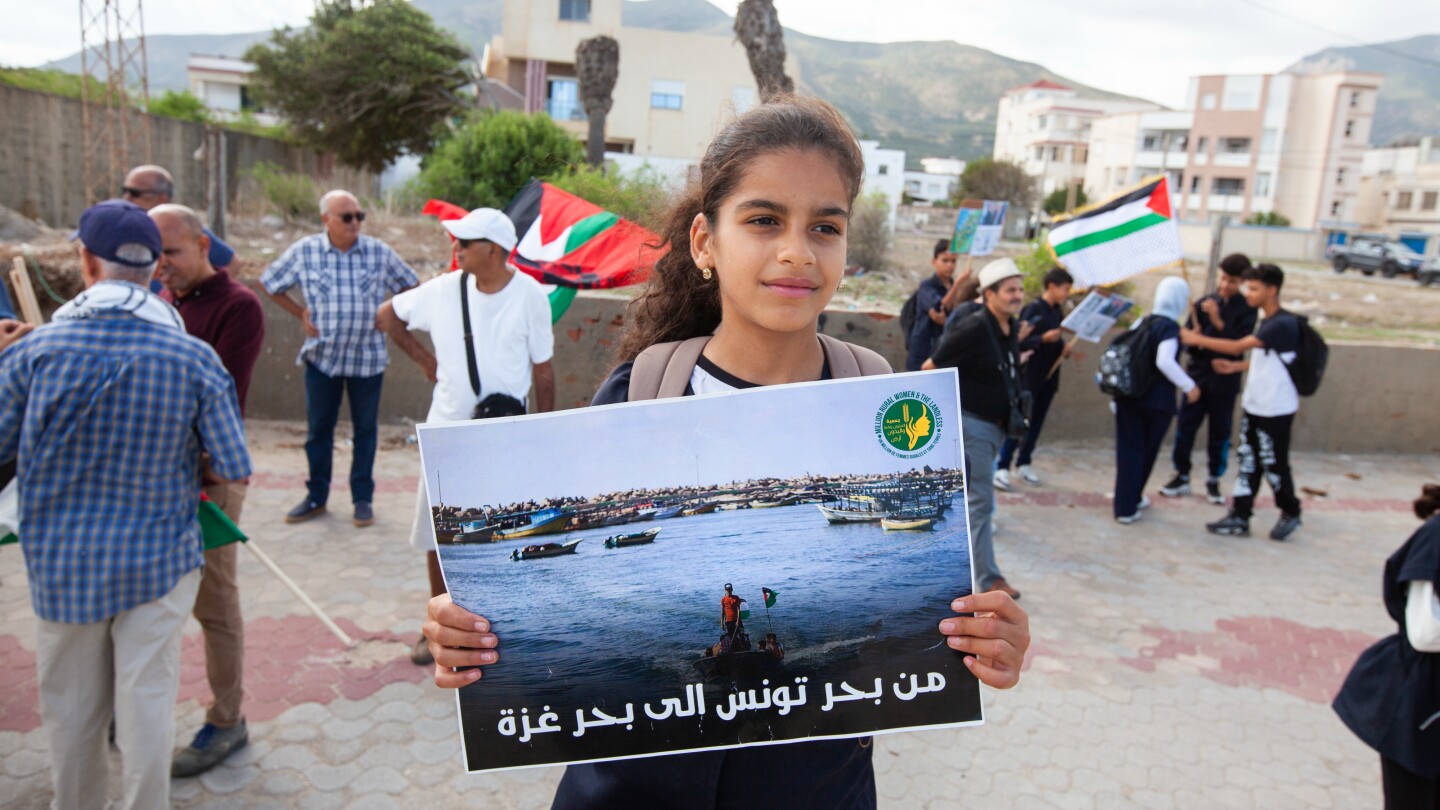
Tunisians remember the Israeli strike that bound their fate with Palestinians 40 years ago
HAMMAM CHOTT, Tunisia (AP) — Four decades after Israeli warplanes struck the Palestine Liberation Organization’s (PLO) headquarters outside Tunis, the memories of the attack remain vivid for Tunisians like Jamel Bahrini, a first responder who witnessed the devastation firsthand. The 1985 airstrike, Israel’s longest-range operation at the time, killed 68 people and injured over 100, leaving an indelible mark on Tunisia’s collective consciousness. Today, as the Israel-Hamas war in Gaza intensifies, the 1985 attack serves as a poignant reminder of Tunisia’s enduring solidarity with the Palestinian cause. Bahrini, now 62, recalls the harrowing scene of bodies hanging from trees and blood-soaked rubble, a testament to the brutality of the strike. The attack, codenamed “Operation Wooden Leg” by Israel, was justified as retaliation for the killing of three Israelis in Cyprus, a claim the PLO denied. Tunisians, however, view it as a violation of their sovereignty and a turning point in their connection to the Palestinian struggle. The recent commemoration ceremony in Hammam Chott saw mourners carrying posters linking the 1985 strike to the current conflict in Gaza, with slogans like “From the sea of Tunisia to the sea of Gaza.” The event underscored the deep-rooted anger toward Israel, fueled by recent incidents such as the interception of the Global Sumud Flotilla, which aimed to deliver humanitarian aid to Gaza. Tunisians, along with others across North Africa, have rallied in support of Palestinians, staging protests and boycotts. The 1985 attack, which narrowly missed PLO leader Yasser Arafat, continues to shape perceptions of Israel in Tunisia, raising questions about the long-term impact of its military strategies. As Bahrini aptly put it, “We are not merely a people showcasing solidarity, but we share a common cause.”
-
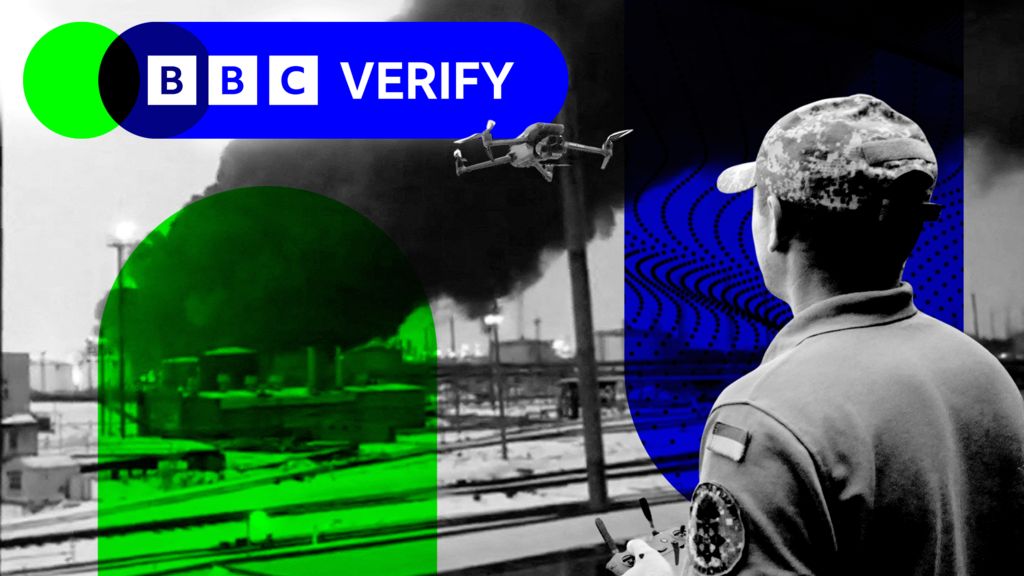
Surge in Ukrainian attacks on oil refineries sparks Russian fuel shortages
Ukraine has significantly intensified its drone attacks on Russian oil refineries in recent months, leading to widespread fuel shortages and price hikes across parts of Russia, according to investigations by BBC Verify and BBC Russian. Since January, 21 of Russia’s 38 major refineries—facilities crucial for converting crude oil into petrol and diesel—have been targeted, marking a 48% increase in successful strikes compared to the entirety of 2024. The surge in attacks, particularly in August and September, has disrupted operations at key refineries, including those deep within Russian territory, such as the Gazprom Neftekhim Salavat refinery in Bashkortostan, over 1,100 kilometers from Ukraine’s border. Satellite imagery confirmed significant damage, with smoke billowing from the facility post-attack. The strikes have not only impacted civilian fuel supplies but also targeted refineries near the border that support military logistics. Verified footage shows long queues at petrol stations, with some independent stations in Siberia suspending operations to avoid losses. Ukrainian President Volodymyr Zelensky has emphasized the strategic importance of these strikes, stating that damaging Russia’s oil industry is a key tactic to force Moscow to negotiate. While the Kremlin insists the situation is under control, Deputy Prime Minister Alexander Novak extended a partial ban on petrol exports until the end of 2025, a move critics argue is insufficient to stabilize the domestic market. Analysts suggest that while the strikes alone may not cripple Russia’s war efforts, they are increasing the economic strain of the prolonged conflict.
-
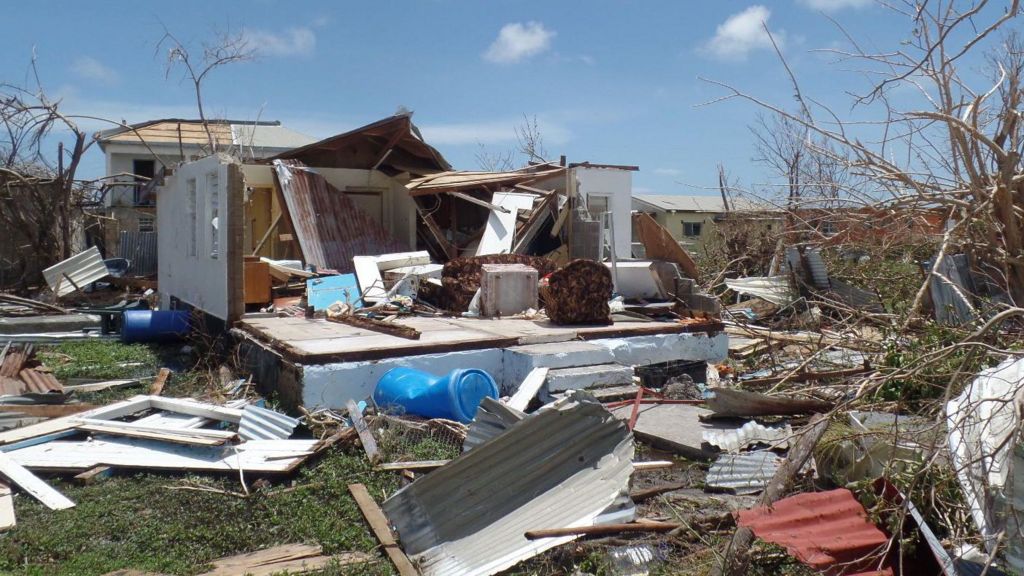
Hurricane season brings financial fears in the Caribbean
For many residents of Barbuda, the scars of Hurricane Irma’s devastation in September 2017 remain fresh. Eight years later, thunderstorms still evoke harrowing memories of the night when the Category 5 storm obliterated homes and livelihoods. While the emotional toll persists, the financial burden of recovery has become increasingly insurmountable, as home insurance premiums across the Caribbean have surged by up to 40% in the past two years. Experts attribute this spike to a combination of escalating cyclone risks and the region’s small population, which limits the profitability of insurance policies. Dwight Benjamin, a Barbudan whose home survived Irma, has fortified his property with a concrete-roofed extension to serve as a shelter. Yet, like many in the region, he has never purchased insurance, citing its prohibitive cost and a belief in the resilience of his self-built home. Across the Caribbean, the majority of homes remain uninsured, with only 20% coverage in Jamaica and 50% in Barbados. The region’s vulnerability extends beyond hurricanes to earthquakes and volcanic activity, further complicating the insurance landscape. Peter Levy, CEO of Jamaican insurance firm BCIC, describes the Caribbean as a ‘unique market’ where natural disaster risks perpetually drive high premiums. For instance, Antiguan insurer Anjo charges between 1.3% and 1.7% of a home’s value, compared to less than 0.2% in the UK. As the Atlantic hurricane season peaks, residents like Mohammid Walbrook, who lost his home to Irma, brace for the psychological and physical toll of potential storms. International aid, such as the $25 million provided by the United Nations Development Programme (UNDP) in 2017, has been crucial in rebuilding efforts. The UNDP’s cash-for-work program not only restored over 800 buildings but also provided employment to hundreds of suddenly jobless residents. Training in resilient construction techniques has further equipped locals to withstand future disasters. Regional initiatives like the Caribbean Catastrophe Risk Insurance Facility, which disbursed a record $85 million after Hurricane Beryl, offer some relief. However, for deeply indebted nations like Antigua and Barbuda, preparedness remains a year-round challenge. Sherrod James, director of the country’s disaster services, emphasizes proactive measures, from shelter assessments to flood mitigation. Despite the ongoing risks, the resilience of Caribbean communities endures, as they navigate the dual challenges of climate change and economic constraints.
-
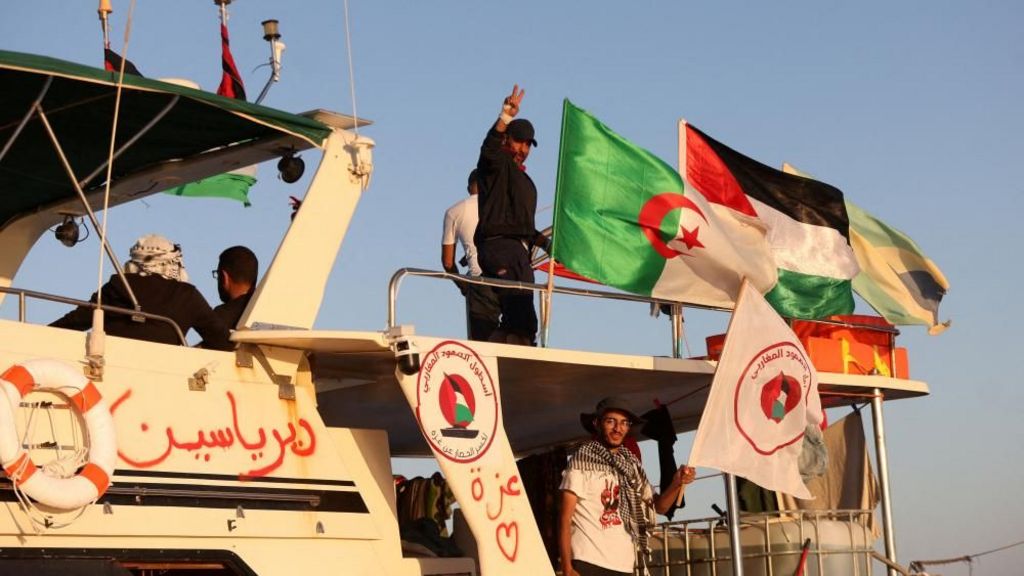
Irish citizens on intercepted Gaza flotilla boats
The Israeli navy has intercepted the Global Sumud Flotilla (GSF), a humanitarian mission comprising 44 vessels carrying aid to Gaza, detaining at least six Irish citizens among the participants. The flotilla, which included prominent Irish figures such as Senator Chris Andrews and activists Tara O’Grady and Louise Heaney, was reportedly 70 nautical miles from Gaza’s shoreline when the intervention occurred. Israel’s Foreign Ministry stated that the vessels were “safely stopped” and redirected to an Israeli port, citing their proximity to an “active combat zone.” The GSF condemned the interception as “illegal” and “a brazen act of desperation,” emphasizing the mission’s peaceful intent to address the humanitarian crisis in Gaza. Livestream footage from the Alma vessel, carrying Belfast man Fra Hughes, showed crew members awaiting the inevitable boarding by Israeli forces. The Irish government, including Tánaiste Simon Harris and President Michael D Higgins, expressed deep concern, urging Israel to uphold international law and ensure the safety of all participants. Sinn Féin president Mary Lou McDonald called for immediate action, describing the situation as a “moment of huge danger.” While Irish Prime Minister Micheál Martin acknowledged the mission’s humanitarian purpose, he cautioned against further progress toward Gaza, citing safety risks. The incident has reignited debates over international law and the blockade of Gaza, with Higgins questioning the global commitment to recognizing a Palestinian state amid such actions.
-
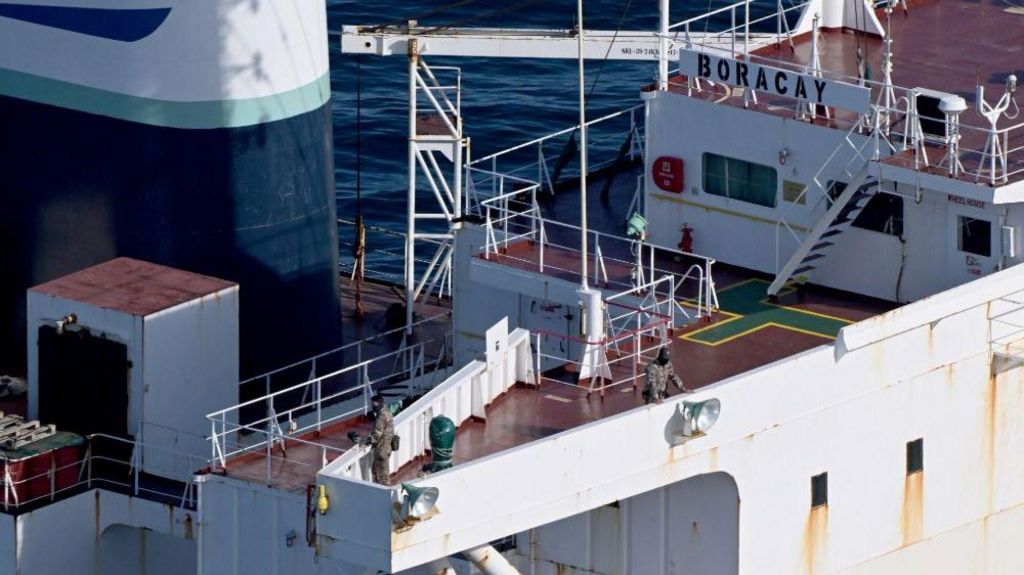
French troops board oil tanker linked to Russian ‘shadow fleet’
French military personnel have boarded the oil tanker Boracay, suspected to be part of Russia’s ‘shadow fleet’ used to circumvent international sanctions imposed due to the Ukraine conflict. The vessel, which departed Russia last month, was anchored off the western coast of France after being involved in a series of drone-related disruptions near Denmark last week. President Emmanuel Macron, speaking at an EU leaders’ summit in Copenhagen, accused the crew of committing ‘serious offences’ but provided no further details. Kremlin spokesman Dmitry Peskov denied any knowledge of the vessel. French prosecutors in Brest have launched an investigation into the ship for refusing to stop and failing to justify its flag nationality. The Boracay, also known as Pushpa and Kiwala, is registered under Benin but is subject to UK and EU sanctions. It was previously detained by Estonian authorities for sailing without a valid flag. The incident highlights the ongoing tensions between Russia and Western nations, particularly in the context of energy sanctions and hybrid warfare tactics. EU leaders are under pressure to enhance European defense capabilities following a series of Russian incursions into EU airspace, including drone attacks on Danish airports. Danish Prime Minister Mette Frederiksen emphasized the need for a robust response to these threats, linking the drone disruptions to broader Russian hybrid warfare strategies. The EU is considering a multi-layered ‘drone wall’ to detect and neutralize such threats, particularly in Eastern European countries like Poland and Estonia.
-
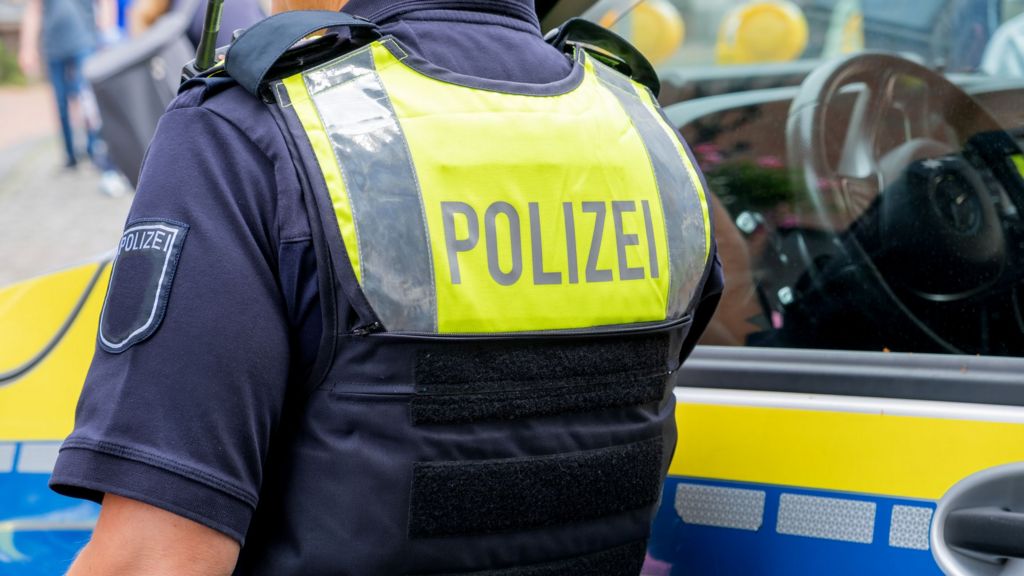
Germany arrests suspected Hamas members over alleged attack plot
German authorities have apprehended three individuals suspected of planning terrorist attacks on Israeli and Jewish institutions within Germany. The suspects, identified as Abed Al G, Wael F M, and Ahmad I, include two German citizens and one Lebanese-born individual. According to Germany’s federal prosecutor’s office, the trio had allegedly been procuring firearms and ammunition since the summer, intending to carry out the attacks. The arrests took place in Berlin on Tuesday, just one day before Yom Kippur, the most sacred day in the Jewish calendar. During the operation, law enforcement seized an AK-47 assault rifle, several pistols, and a substantial quantity of ammunition. The weapons were reportedly intended for use by Hamas, the Palestinian armed group that controls Gaza and is designated as a terrorist organization by the EU. German media revealed that the suspects were arrested during a weapons handover in the capital. Concurrent police searches were conducted in Leipzig and Oberhausen. The suspects face charges of preparing a serious act of violence threatening the German state and membership in a foreign terrorist organization. They are scheduled to appear before a federal judge on Thursday. This development follows the February trial of four Hamas members in Berlin, who were accused of plotting similar attacks on Jewish sites across Europe.
-
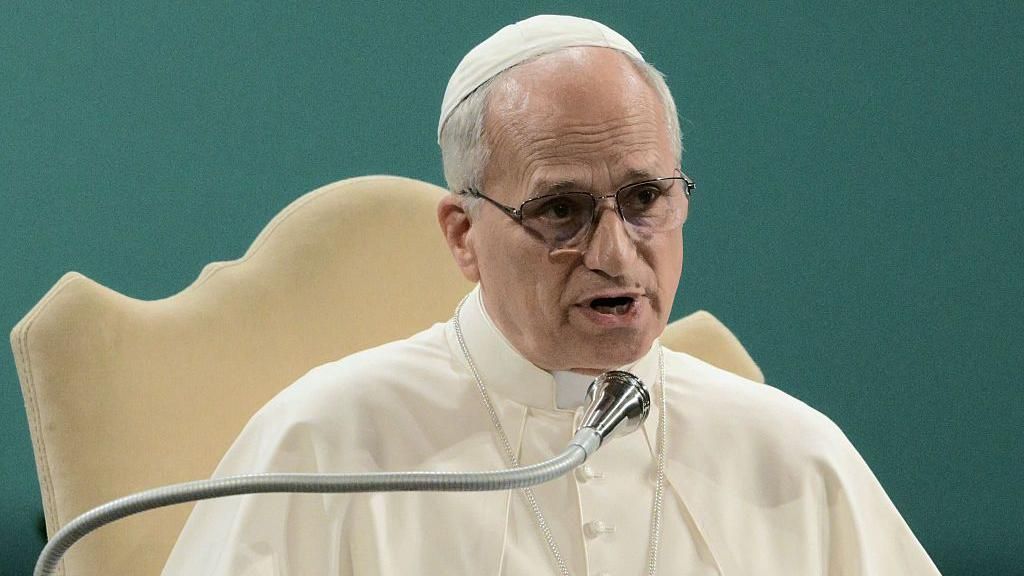
Pope Leo condemns climate change critics
In a powerful address at the Raising Hope climate conference near Rome, Pope Leo XIV delivered his first major statement on climate change, condemning those who downplay the ‘increasingly evident’ impacts of global warming. Echoing the sentiments of his predecessor, Pope Francis, the new Pontiff criticized individuals who ‘ridicule those who speak of global warming,’ a remark widely interpreted as a veiled critique of U.S. President Donald Trump. The President recently dismissed climate change as a ‘con’ and labeled renewable energy efforts as misguided. Speaking at Castel Gondolfo, Pope Leo emphasized the urgent need for global citizens to take decisive action, warning against indifference and resignation. His speech marked the 10th anniversary of the publication of *Laudato Si’*, a landmark document by Pope Francis that positioned climate change as a central concern for the Catholic Church. The Pope expressed concern that climate change has become a divisive issue, with some mocking its undeniable signs and even blaming the poor for its consequences. He urged citizens to pressure politicians into prioritizing environmental action, stating that only through active engagement can the damage to the planet be mitigated. The conference, held ahead of COP30 in Belém, Brazil, also featured former California Governor Arnold Schwarzenegger, who praised the Pope as a real-world ‘action hero’ for his commitment to installing solar panels on Vatican buildings. Brazilian Environment Minister Marina Silva extended an invitation to Pope Leo to attend COP30, expressing confidence that his presence would ensure the summit’s success. The Pope’s remarks underscored the moral imperative of addressing climate change, reminding the audience that future generations will judge humanity’s stewardship of the Earth.