分类: world

  • France’s navy intercepts an oil tanker in the Mediterranean sailing from Russia

    France’s navy intercepts an oil tanker in the Mediterranean sailing from Russia

    In a coordinated international effort, French naval forces intercepted the oil tanker Grinch in the western Mediterranean Sea on Thursday, acting on intelligence provided by United Kingdom authorities. The vessel, suspected of operating under a false Comoros Islands flag while transporting Russian oil, was escorted to anchorage near Almeria, Spain for comprehensive inspection.

    The operation represents the latest escalation in Western efforts to dismantle Russia’s sanction-evasion network known as the ‘shadow fleet’ – estimated to comprise over 400 aging vessels owned by opaque entities registered in non-sanctioning countries. French President Emmanuel Macron publicly endorsed the mission, stating the interception demonstrates France’s determination to ‘uphold international law and ensure effective enforcement of sanctions’ against Russian oil revenues funding the Ukraine conflict.

    According to French military officials speaking anonymously, the Grinch had departed from Murmansk in northwestern Russia and was crewed by Indian nationals. This marks the second such interception in recent months, following September’s boarding of the Pushpa/Boracay tanker off the French Atlantic coast – an action Russian President Vladimir Putin previously condemned as ‘piracy’ intended to distract from domestic French issues.

    The captured tanker’s captain faces trial in February 2024 for alleged non-cooperation with authorities, as France and allied nations intensify pressure on flag-registry countries to facilitate easier boarding of suspected sanction-busting vessels.

  • Why Chile’s wildfires are spreading faster and burning hotter

    Why Chile’s wildfires are spreading faster and burning hotter

    Chile faces one of its most devastating wildfire emergencies in recent history, with central and southern regions experiencing unprecedented destruction. The blazes, which ignited in mid-January in Biobio and Nuble regions approximately 500 kilometers south of Santiago, have claimed at least 20 lives and displaced over 50,000 residents. The government has declared a state of catastrophe, enabling military coordination in firefighting operations.

    Fire scientists identify a dangerous convergence of factors driving the catastrophe: extreme heat, prolonged drought exceeding a decade, erratic winds, and human-shaped landscapes. Miguel Castillo, Director of the Forest Fire Engineering Laboratory at the University of Chile, notes that while fire numbers remain within normal ranges, the burned area has nearly tripled—indicating fewer ignitions are causing exponentially greater damage.

    The crisis exhibits characteristics increasingly common in global extreme wildfire seasons. Virginia Iglesias, Director of Earth Lab at University of Colorado Boulder, describes the emergency as involving multiple simultaneous fires advancing toward communities. Mark Cochrane, fire ecologist at University of Maryland’s Center for Environmental Science, explains how drought transforms vegetation into abundant fuel, while winds oxygenate fires and accelerate combustion.

    Industrial plantations covering vast areas of central and southern Chile significantly exacerbate fire behavior. Pine and eucalyptus plantations feature high fuel loads, continuous tree coverage, and vertical “ladder” structures that enable flames to reach crown levels. These non-native species are highly flammable and generate wind-blown embers that ignite new fires behind containment lines, creating insurmountable challenges for firefighters in steep terrain.

    Nearly all Chilean wildfires originate from human activity—whether intentional or negligent—with ignitions occurring through power lines, recreation, and infrastructure. The environmental impacts extend beyond immediate destruction: smoke degrades air quality across regions, post-fire soils become water-repellent increasing flood risks, and intense burns facilitate invasive species regeneration that perpetuates fire cycles.

    Researchers emphasize that climate projections indicate these conditions will intensify. Alejandro Miranda of Chile’s Center for Climate and Resilience Research notes that recent extreme fire seasons coincide with record temperatures and rainfall deficits exceeding 30% below historical averages.

    Looking forward, experts stress that while firefighting remains crucial, prevention strategies must prioritize reducing ignitions, managing fuels, addressing climate change, and implementing community redesign with defensible spaces around homes.

  • US military starts moving Islamic State prisoners from Syria to Iraq

    US military starts moving Islamic State prisoners from Syria to Iraq

    In a significant strategic shift, the United States military has commenced the transfer of Islamic State group (ISIS) prisoners from detention facilities in northeastern Syria to Iraqi-controlled locations. The operation, announced by US Central Command on Wednesday, involves approximately 150 detainees moved from a Hasakah province facility, with potential plans to relocate up to 7,000 ISIS members ultimately.

    This development occurs against the backdrop of Syrian government forces expanding their control over territories previously administered by Kurdish-led Syrian Democratic Forces (SDF). Recent days have witnessed Syrian military advances into northeastern regions following collapsed negotiations and ceasefires between the SDF and Damascus government.

    The Syrian army has assumed control of critical facilities including al-Hol camp, which houses approximately 24,000 individuals—primarily women and children associated with ISIS, including 14,500 Syrians and nearly 3,000 Iraqis. Government forces also secured al-Shaddadi prison earlier this week after allegations from Damascus that the SDF deliberately released detainees as “political blackmail”—a claim vehemently denied by the Kurdish forces.

    US officials emphasized the security imperative behind the prisoner transfers, stating that “facilitating the orderly and secure transfer of ISIS detainees is critical to preventing a breakout that would pose a direct threat to the United States and regional security.” An Iraqi intelligence official revealed the multinational composition of transferred detainees, including approximately 240 Tunisians alongside nationals from Tajikistan, Kazakhstan, and other countries.

    The geopolitical landscape appears fundamentally altered as US envoy Tom Barrack declared the security partnership between Washington and the SDF has “largely expired,” indicating the Syrian government would now serve as America’s primary counter-ISIS partner. This represents a dramatic realignment given the SDF’s instrumental role in the territorial defeat of ISIS in 2019 and their subsequent management of detention facilities.

    A renewed ceasefire agreement reached Tuesday provides the SDF four days to develop integration mechanisms with government forces, including the transfer of prisons, detention camps holding ISIS affiliates, and critical infrastructure such as oil fields. According to a US State Department report, an estimated 9,000 alleged ISIS members remain in SDF-controlled detention, including 1,600 Iraqis and 1,800 foreign nationals.

  • UN warns of ‘catastrophic’ hunger crisis in Nigeria as food aid funding runs out

    UN warns of ‘catastrophic’ hunger crisis in Nigeria as food aid funding runs out

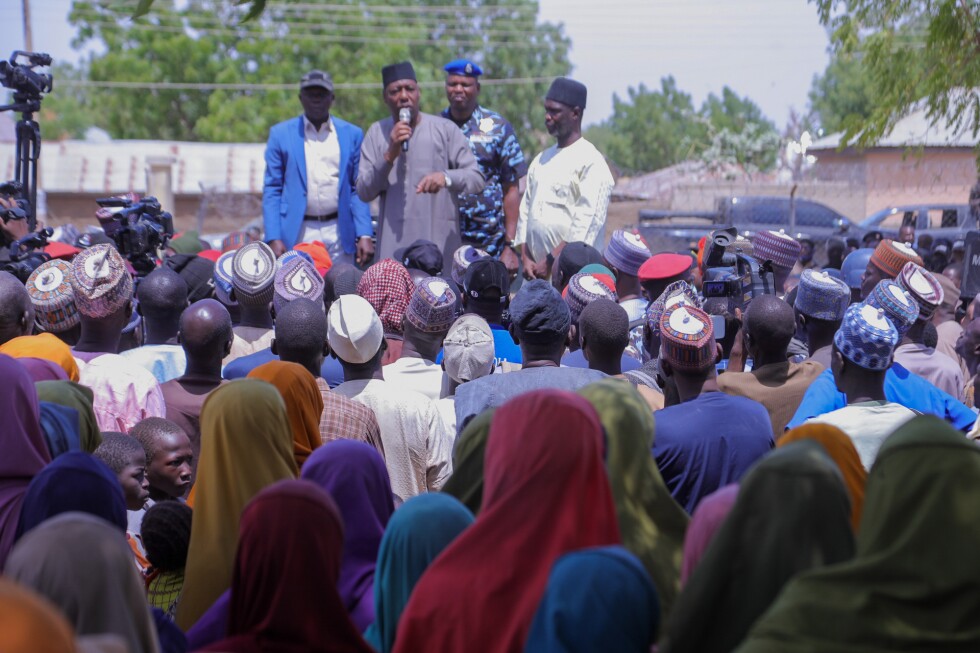
    DAKAR, Senegal — The United Nations World Food Programme (WFP) issued an urgent warning Thursday that over one million vulnerable people in northeastern Nigeria face imminent loss of critical food and nutrition assistance due to severe funding shortages. This crisis emerges amid escalating violence and worsening hunger conditions in the conflict-ridden region.

    The UN agency announced drastic reductions in its emergency operations, projecting assistance for merely 72,000 individuals in February—a catastrophic drop from the 1.3 million people supported during last year’s lean season from May through October. This represents the most severe operational contraction since WFP initiated humanitarian operations in Nigeria in 2015.

    According to recently compiled data, approximately 35 million Nigerians are projected to experience acute hunger this year, marking the highest food insecurity rate on the African continent since WFP began systematic data collection in the country.

    David Stevenson, WFP’s Nigeria Country Director, emphasized the grave implications: ‘This funding collapse will produce catastrophic humanitarian, security and economic consequences for the most vulnerable populations who have been forcibly displaced from their homes in search of sustenance and safety.’

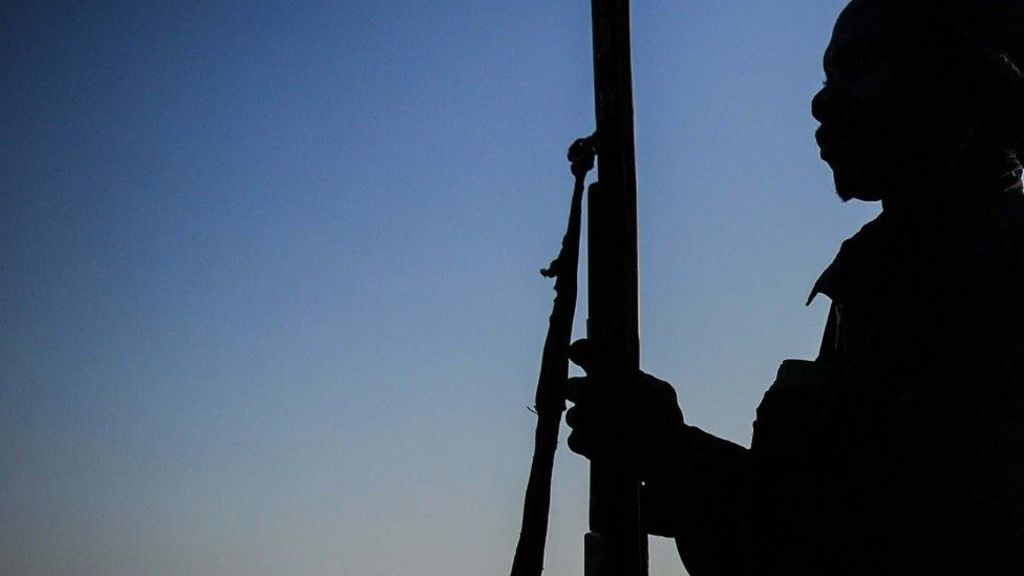
    The crisis has been exacerbated by renewed violence across northern Nigeria, where approximately 3.5 million people have been displaced in recent months. Widespread attacks by armed groups have devastated agricultural production, destroyed food supplies, and driven malnutrition to critical levels. Security concerns have prevented farmers from accessing their lands, creating a self-reinforcing cycle of food insecurity.

    The situation deteriorated further last week when gunmen abducted over 150 worshippers in coordinated attacks targeting three separate churches in northwest Nigeria, demonstrating the expanding security crisis.

    Compounding these challenges, Nigeria has been severely affected by the large-scale reduction of UN food assistance following structural changes to the United States Agency for International Development. Nigeria stands among several West and Central African nations where these funding cuts have significantly deepened preexisting food crises, prompting WFP to suspend assistance programs across the region since July.

  • Pakistan: Death toll in Karachi mall fire climbs to around 50, official says

    Pakistan: Death toll in Karachi mall fire climbs to around 50, official says

    A devastating fire that engulfed a prominent shopping complex in Karachi has claimed approximately 50 lives, with recovery teams extracting 20-25 additional bodies from the debris on Wednesday. The blaze at Gul Plaza, which erupted late Saturday, represents the port city’s most severe fire incident in over a decade.

    The multi-story commercial establishment, renowned for housing approximately 1,200 family-operated retailers specializing in wedding attire, household goods, and toys, was rapidly consumed by flames that spread through the sprawling complex. Firefighting crews battled the inferno for three days before bringing it under control, leaving the structure completely reduced to ash and rubble.

    Deputy Commissioner Javed Nabi Khoso confirmed the recovery of remains, noting the extreme difficulty in identification due to the severity of the damage. All recovered remains have been transferred to medical facilities for DNA analysis and formal identification procedures.

    The official casualty count continues to evolve as state-operated rescue services report 84 individuals formally registered as missing. Law enforcement authorities indicate most missing persons are feared deceased, suggesting the final death toll may increase substantially. One shopkeeper described approximately 18-20 individuals present in his establishment alone when the fire broke out, all of whom remain unaccounted for.

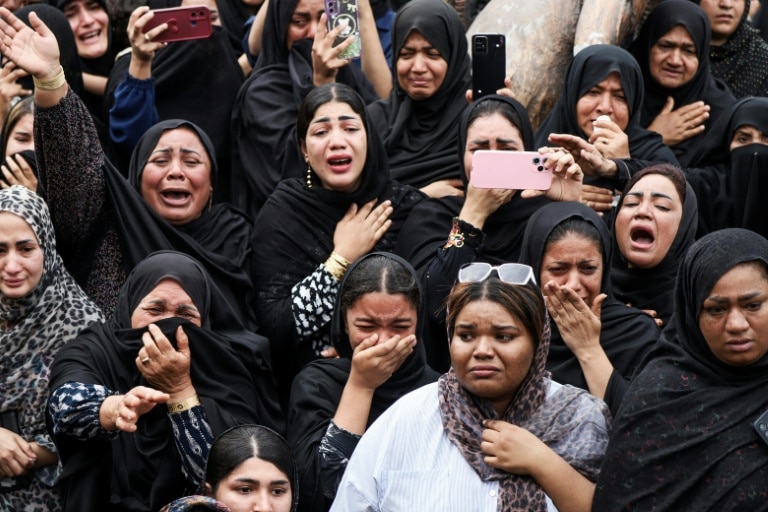
    The tragedy has drawn public mourning, with local residents gathering near the disaster site for candlelight vigils displaying photographs of presumed victims. This incident marks Karachi’s deadliest structural fire since the 2012 industrial inferno that claimed over 260 lives, raising renewed concerns about urban safety protocols and emergency response capabilities in Pakistan’s largest metropolitan center.

  • Interpol-backed police make nearly 200 arrests in Amazon region gold mining sweep

    Interpol-backed police make nearly 200 arrests in Amazon region gold mining sweep

    In a landmark cross-border operation, law enforcement agencies from Brazil, French Guiana, Guyana, and Suriname have apprehended nearly 200 individuals in a coordinated assault on illegal gold mining operations devastating the Amazon rainforest. The December initiative, backed by Interpol, European Union authorities, and Dutch environmental crime specialists, represents the first joint multinational effort targeting the environmentally destructive trade.

    Operation Guyana Shield involved extensive surveillance across remote border regions, with authorities conducting over 24,500 inspections of vehicles and individuals. The operation yielded significant seizures including substantial amounts of unprocessed gold, mercury containers valued at over $60,000, firearms, narcotics, mining apparatus, and considerable cash reserves. Notably, three suspects were detained in Guyana on charges of gold smuggling and money laundering after investigators confiscated approximately $590,000 in cash and raw gold materials, believed to be connected to a major gold exporting enterprise.

    The environmental consequences of illegal gold mining have reached critical levels, driving extensive deforestation and polluting vital waterways with toxic mercury. This destructive practice has expanded rapidly alongside soaring global gold prices, transforming gold into one of the most lucrative commodities for transnational organized crime networks. The operation revealed sophisticated smuggling methods, including mercury concealed within solar panels transported via commercial buses.

    Beyond environmental damage, authorities uncovered disturbing human rights violations, including undocumented migrants and minors potentially subjected to forced labor and sexual exploitation within mining networks. Additional seizures included counterfeit medications, alcohol, cigarettes valued at over $40,000, along with specialized mining equipment.

    Interpol Secretary General Valdecy Urquiza emphasized the growing threat posed by illegal mining operations, particularly in vulnerable remote regions. The operation marks a significant advancement in regional cooperation, addressing challenges posed by dense rainforest terrain and porous borders that have historically hampered enforcement efforts against environmentally destructive criminal enterprises.

  • Fire at Cox’s Bazar refugee camp in Bangladesh destroyed homes and displaced thousands of Rohingya

    Fire at Cox’s Bazar refugee camp in Bangladesh destroyed homes and displaced thousands of Rohingya

    A devastating inferno has swept through a Rohingya refugee settlement in Cox’s Bazar, Bangladesh, reducing hundreds of shelters to ashes and displacing over 2,000 vulnerable individuals. The blaze erupted in the pre-dawn hours of Tuesday within Camp 16, part of the world’s largest refugee complex housing more than one million Rohingya who fled persecution in Myanmar.

    The conflagration, which required approximately three hours for firefighters to contain, consumed 335 makeshift dwellings and damaged an additional 72 structures. Critical infrastructure including water sanitation points, educational facilities, and access pathways suffered significant impairment. While miraculously resulting in no fatalities and only minor injuries, the disaster obliterated refugees’ essential possessions, including crucial identification documents.

    International relief organizations including the International Organization for Migration and Norwegian Refugee Council have mobilized emergency response efforts, distributing vital supplies including thermal blankets, mosquito nets, cooking equipment, hygiene kits, and solar-powered lighting. Lance Bonneau, IOM’s Chief of Mission in Bangladesh, emphasized that such catastrophes extend beyond physical damage, creating immediate protection risks and compounding existing vulnerabilities.

    The tragedy underscores the persistent fire hazards inherent in the overcrowded camp conditions, where temporary bamboo structures covered with flammable materials stand in dangerously close proximity. According to documentation, between May 2018 and December 2025, these camps experienced 2,425 separate fire incidents affecting over 100,000 residents and destroying more than 20,000 shelters.

    This disaster occurs against the backdrop of severe funding shortages for humanitarian operations. Critical plans to construct 50,000 semi-permanent shelters—intended to replace the highly combustible temporary structures—were suspended following international aid reductions announced in January 2025. The funding crisis stems from sweeping cuts to global humanitarian assistance, including a 90% reduction in USAID foreign aid contracts and decreased contributions from European nations.

    The Rohingya refugee crisis originated in 2017 when Myanmar’s military initiated a brutal crackdown following insurgent attacks in Rakhine state, prompting over 700,000 Rohingya to flee across the border. The military operation prompted accusations of ethnic cleansing and genocide, with proceedings currently underway at the International Court of Justice in The Hague.

  • Death toll from shopping mall fire in Pakistan’s Karachi rises to 60

    Death toll from shopping mall fire in Pakistan’s Karachi rises to 60

    A devastating fire at a multi-story shopping complex in Karachi, Pakistan’s largest port city, has resulted in a tragic death toll of 60 people, with rescue operations continuing into Wednesday. The catastrophic blaze, which engulfed the commercial building on January 21, 2026, represents one of the deadliest urban fire incidents in Pakistan’s recent history.

    Senior police official Syed Asad Raza confirmed to media that at least 30 victims were recovered from a single shop on the mezzanine floor of the devastated shopping mall. Rescue teams equipped with advanced machinery are working tirelessly to remove debris from collapsed sections of the structure, though operations have been hampered by persistent smoke and intense residual heat within the damaged building.

    Commissioner Syed Hassan Naqvi announced that authorities have initiated a comprehensive investigation into the disaster, examining multiple potential causes of the fire. The rescue operation has been complicated by the structural instability of the building, with officials reporting that one section has been cleared while two remaining portions continue to be searched for possible survivors and victims.

    The tragedy has highlighted ongoing concerns about fire safety regulations and emergency preparedness in Pakistan’s urban centers. As recovery efforts continue, officials acknowledge that several individuals remain unaccounted for, suggesting the final death toll may still rise as operations progress.

  • Two dead and several missing as New Zealand reels from deadly landslides

    Two dead and several missing as New Zealand reels from deadly landslides

    New Zealand’s North Island confronts a devastating natural disaster as catastrophic landslides triggered by unprecedented rainfall have claimed multiple lives, with several individuals still unaccounted for. The tragedy unfolded at two primary locations: Welcome Bay, where two fatalities were confirmed, and the popular Mount Maunganui campground, where rescue teams continue searching through debris with specialized equipment and sniffer dogs.

    Authorities describe the campground search operation as occurring in a ‘complex and high-risk environment,’ with Urban Search and Rescue deputy commander Megan Stiffler emphasizing their commitment to achieving the ‘best possible outcome while keeping everyone safe.’ Despite continuous efforts through the night, officials report no signs of life detected in the rubble.

    The geological instability at Mount Maunganui—an extinct volcano considered sacred by Māori people and frequently described as a ‘slice of paradise’—has been exacerbated by extreme weather conditions. The region received approximately three months’ worth of precipitation within a single day, resulting in widespread flooding, power outages affecting thousands, and additional evacuations due to fears of further landslides.

    Eyewitness accounts paint a harrowing picture of the disaster’s immediate aftermath. Australian tourist Sonny Worrall recounted to TVNZ: ‘I heard this huge tree crack and all this dirt come off, and then I looked behind me and there’s this huge landslide coming down… I’m still shaking from it now.’ Local hiker Mark Tangney described hearing desperate screams from beneath the rubble that persisted for approximately thirty minutes before falling silent.

    Prime Minister Christopher Luxon characterized the event as a ‘profound tragedy’ that has left the nation ‘heavy with grief.’ Emergency Management Minister Mark Mitchell noted the event impacted ‘almost our entire eastern seaboard of the North Island,’ drawing comparisons to a ‘war zone’ in its devastation.

    The catastrophe occurs against a backdrop of increasing severe weather events in New Zealand, with scientists noting a pattern of intensifying storms during what are traditionally the sunnier months of December through February. The current disaster follows February 2023’s Cyclone Gabrielle, which remains the Southern Hemisphere’s costliest cyclone with damages exceeding NZ$13.5 billion.

    As recovery efforts continue, individual stories of tragedy and resilience emerge, including that of a Kiribati fisherman who sacrificed his own safety to ensure his nephew’s survival when their vehicle was swept into the Mahurangi River.

  • BRI activity hits record high in 2025

    BRI activity hits record high in 2025

    The Belt and Road Initiative achieved unprecedented momentum in 2025, reaching a record $214 billion in global engagement according to a comprehensive study by Fudan University’s Green Finance & Development Center and Australia’s Griffith Asia Institute. This remarkable growth represents China’s most active year since the initiative’s 2013 launch, driven primarily by massive renewable energy investments and strategic infrastructure development.

    Construction contracts accounted for $128.4 billion while investments exceeded $85 billion, with energy sector engagement surging to $94 billion—more than double the 2024 figures and the highest in BRI history. The scale of individual projects expanded dramatically, with investment deals over $100 million reaching $939 million and average construction project sizes nearly doubling to $964 million.

    Africa emerged as the primary beneficiary of construction activities, with Nigeria leading at approximately $25 billion, followed by the Republic of Congo at $23 billion. Middle Eastern nations also received significant attention, while Central Asia became the top investment destination with Southeast Asia and Africa following at $21 billion and $19 billion respectively.

    The renewable energy transition proved particularly noteworthy, with green energy investments hitting their highest level since 2013. Wind, solar, and waste-to-energy projects attracted over $18 billion, complemented by $3 billion in hydropower investments, bringing total green energy engagement to more than $21 billion.

    Aly-Khan Satchu, a prominent Kenyan investment banker, emphasized Africa’s strategic importance to China, noting that “China has been the cheerleader for Africa’s infrastructure investments—whether railways, roads or digital infrastructure—without which no jobs will be created.”

    However, experts caution that future growth may face constraints. Frederick Otieno, a China-Africa relations scholar, noted that financial risks, geopolitical concerns, and stricter lending regulations are prompting Chinese lenders to adopt more selective approaches. “BRI engagement might remain considerable but is likely to level off into a selective, risk-aware pattern,” he observed.

    The report anticipates continued Chinese engagement in energy, mining, and emerging technologies throughout 2026, though potentially with fewer megadeals as global trade volatility and supply chain considerations shape more targeted investment strategies.