
A moderate earthquake measuring 4.6 on the Richter scale shook Pakistan on Tuesday, October 21, 2025, as reported by India’s National Centre for Seismology (NCS). The seismic event occurred at a depth of 170 kilometers at 10:59 AM local time (9:29 AM UAE time). This follows a series of tremors in the region, including a magnitude 4.7 quake on Monday and multiple moderate quakes over the weekend. The affected area, encompassing Afghanistan, Pakistan, and northern India, is one of the world’s most seismically active zones due to the collision of the Indian and Eurasian tectonic plates. This geological activity frequently results in earthquakes that are felt across borders. Pakistan, in particular, is highly vulnerable to seismic events, with regions like Balochistan, Khyber Pakhtunkhwa, and Gilgit-Baltistan lying on the southern edge of the Eurasian plate, while Sindh and Punjab are situated on the northwestern edge of the Indian plate. These areas are prone to frequent and sometimes violent earthquakes, posing significant risks to the local population.
分类: world
-

Delhi air quality reaches highest ‘hazardous’ levels in the world after Diwali fireworks
New Delhi’s air quality has reached alarming levels, registering as the most polluted major city globally following the Diwali festival. According to Swiss air quality monitoring group IQAir, the city’s PM 2.5 concentration soared to 442, exceeding the World Health Organisation’s annual guideline by more than 59 times. This hazardous spike is attributed to the widespread use of firecrackers during the Hindu festival of lights, despite the Supreme Court of India’s partial relaxation of a ban on their use. The court had allowed ‘green crackers’ for a limited three-hour window on Sunday and Monday, but reports indicate violations of these restrictions.
PM 2.5, particulate matter measuring 2.5 microns or less in diameter, poses severe health risks, including respiratory and cardiac diseases. India’s Central Pollution Control Board (CPCB) classified Delhi’s air quality as ‘very poor,’ with an Air Quality Index (AQI) of 350. The Ministry of Earth Sciences predicts no immediate relief, forecasting AQI levels to remain between 201 and 400 in the coming days.
Delhi’s winter smog, exacerbated by construction dust, vehicle emissions, and agricultural fires, has long been a public health crisis. Past measures to combat pollution include school closures, construction halts, and vehicle restrictions. The issue extends beyond India, with neighboring Pakistan’s Punjab province also grappling with toxic air. Lahore, Punjab’s capital, recorded an AQI of 234, the second-highest globally. Pakistani authorities have implemented an emergency plan targeting farm fires, smoke-emitting vehicles, and deploying anti-smog guns.
Experts warn that cross-border air pollution is exacerbating the crisis. Sajid Bashir, spokesperson for Punjab’s Environment Protection Agency, highlighted the impact of air currents from Indian Punjab on Pakistani air quality. As both nations face this environmental challenge, coordinated efforts are essential to mitigate the health and environmental impacts of hazardous air pollution.
-

Ecuador releases survivor of US strike on ‘drug sub’ in Caribbean
In a recent escalation of its counter-narcotics operations in the Caribbean, the United States military conducted a strike on a semi-submersible vessel allegedly involved in drug smuggling. The attack resulted in the deaths of two individuals and the capture of two survivors: an Ecuadorian national, Andrés Fernando Tufiño, and a Colombian citizen, Jeison Obando Pérez. US President Donald Trump announced that the survivors would be repatriated to their respective countries for detention and prosecution. However, Ecuador’s Attorney General’s office stated that Tufiño could not be detained due to a lack of evidence of any crime under Ecuadorian law. This incident marks the first time survivors have been reported in the US’s ongoing Caribbean operations, which have claimed at least 32 lives since September. Experts have raised concerns about the legality of these strikes, arguing they may violate international law. Trump defended the actions, asserting that the vessel was a drug-carrying submarine transporting fentanyl and other narcotics. He also accused Venezuelan President Nicolás Maduro of leading a drug-trafficking group, the Cartel of the Suns, which Maduro has denied. Meanwhile, Colombia’s President Gustavo Petro criticized the US for conducting a strike in Colombian territorial waters, calling it an act of murder. The US deployment, involving 10,000 troops and numerous military assets, has primarily targeted vessels leaving Venezuela. The operation has drawn mixed reactions, with Trinidad and Tobago expressing support for the US’s efforts to combat transnational crime, while other nations question its legality and human cost.
-
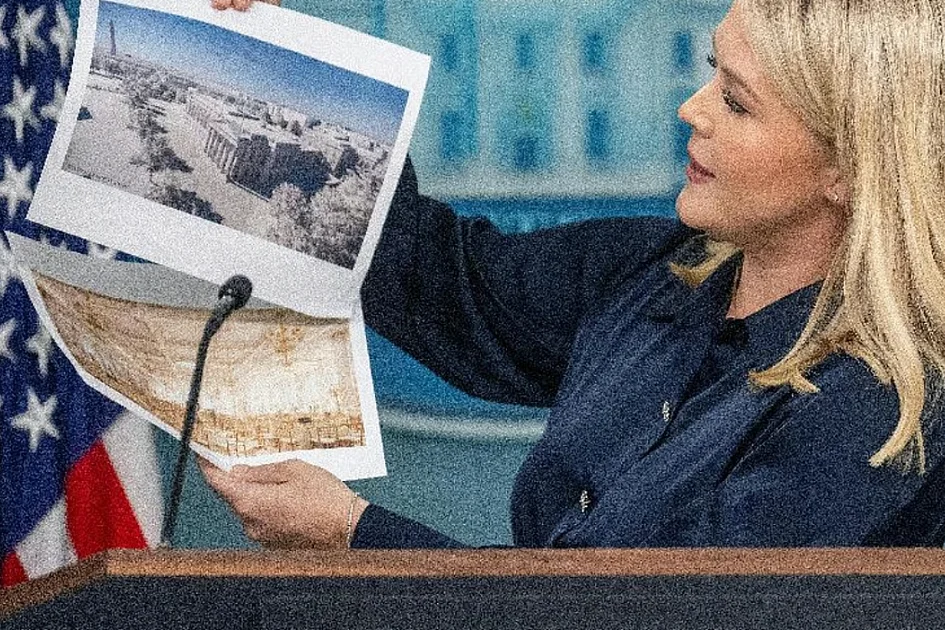
Trump demolishes part of White House for new ballroom
In a bold move that underscores his penchant for grandeur, former U.S. President Donald Trump has commenced a significant renovation project at the White House, involving the demolition of part of the historic East Wing to make way for a lavish $250 million ballroom. The East Wing, traditionally housing the offices of U.S. first ladies, began its transformation on Monday, with construction crews tearing down sections of the structure. Trump, known for his unorthodox approach, announced the project during a gathering with college baseball players at the White House, emphasizing the modernization of the East Wing as part of the process. The new 90,000-square-foot ballroom, designed to accommodate up to 1,000 guests, aims to host large state dinners and events, addressing the current limitations of temporary tent setups. Funded privately by prominent American companies and individuals, including tech giants like Amazon, Apple, and Meta, as well as defense contractor Lockheed Martin, the project represents the most substantial addition to the White House in over a century. Trump’s vision for the ballroom, coupled with his earlier renovations such as the gold-decorated Oval Office and the redesigned Rose Garden, reflects his commitment to leaving a lasting architectural legacy. The project has sparked both admiration and controversy, with critics questioning the necessity and scale of the changes to a national landmark.
-
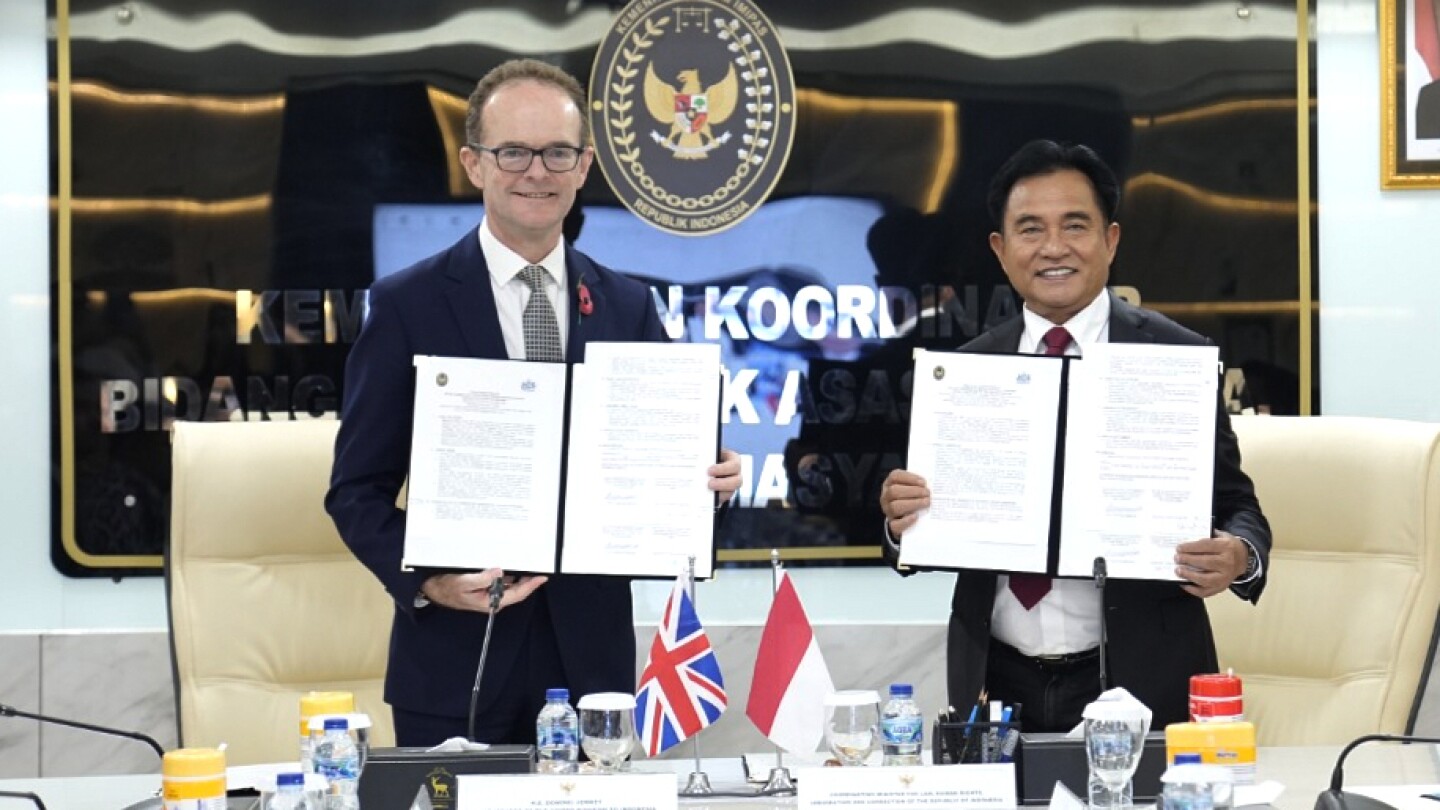
UK and Indonesia agree to send home a British woman facing death penalty for drugs
In a significant diplomatic development, the United Kingdom and Indonesia have reached an agreement to repatriate two British citizens serving severe sentences for drug-related offenses in Indonesia. The agreement, signed on Tuesday, involves Lindsay Sandiford, a 68-year-old woman who was sentenced to death by firing squad in 2013, and Shahab Shahabadi, a 35-year-old man serving a life sentence since 2014. Sandiford was arrested in 2012 at Bali’s airport with 3.8 kilograms of cocaine concealed in her suitcase, while Shahabadi was implicated in an international drug trafficking network, having shipped 30 kilograms of methamphetamine from Iran to Jakarta. Both individuals have faced significant health and legal challenges during their incarceration. The repatriation process will commence once all technical and administrative procedures are finalized, according to Indonesian Senior Minister of Law Yusril Ihza Mahendra. This move aligns with Indonesia’s recent efforts under President Prabowo Subianto’s administration to repatriate foreign prisoners through bilateral agreements. Despite Indonesia’s stringent drug laws, the country remains a major hub for drug smuggling, with over 500 individuals, including nearly 100 foreigners, currently on death row for drug-related crimes.
-
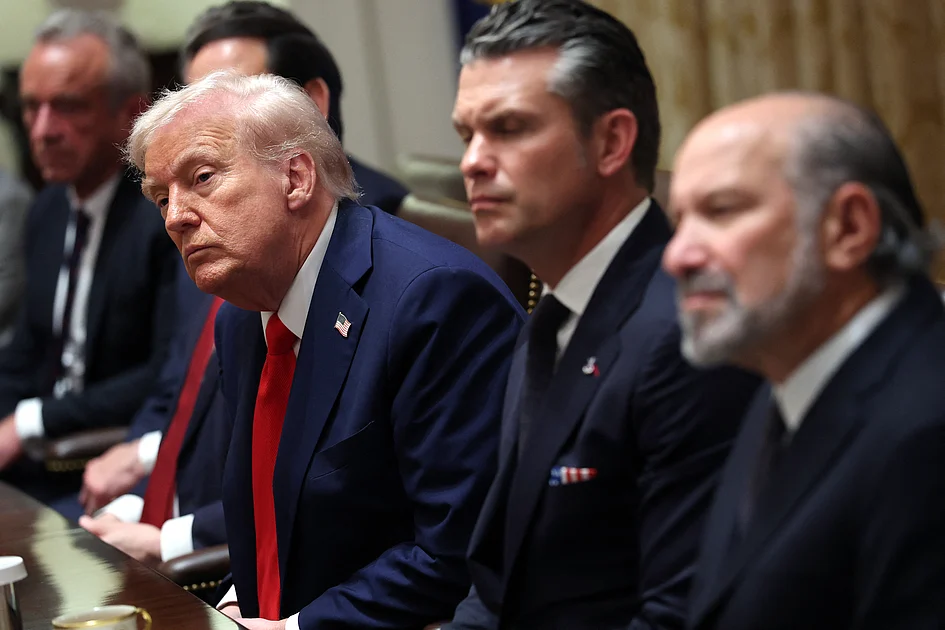
Trump says Hamas will be ‘eradicated’ if group breaches Gaza ceasefire deal
US President Donald Trump issued a stern warning to Hamas on Monday, stating that the group would face eradication if it violates the Gaza ceasefire agreement with Israel. However, Trump emphasized that American forces would not be directly involved in any confrontation with Hamas. Instead, he suggested that international stabilization forces, supported by dozens of countries, would take action if necessary. Trump’s comments came during a meeting with Australian Prime Minister Anthony Albanese at the White House, where he expressed cautious optimism about the truce. Vice President JD Vance traveled to Israel shortly after Trump’s remarks, joining top US envoys to address escalating tensions that threaten the fragile ceasefire. Hamas’s chief negotiator, Khalil al-Hayya, reaffirmed the group’s commitment to the agreement, citing challenges in recovering hostages’ bodies but pledging to uphold the deal. Trump also criticized Hamas for public executions and violent actions, warning that continued aggression would prompt swift and forceful intervention. He noted that Hamas’s regional support, particularly from Iran, has significantly diminished following recent US and Israeli strikes. Trump’s special envoy, Steve Witkoff, and son-in-law Jared Kushner met with Israeli Prime Minister Benjamin Netanyahu to discuss regional developments, while Vance and his wife Usha departed for Israel without addressing the media.
-
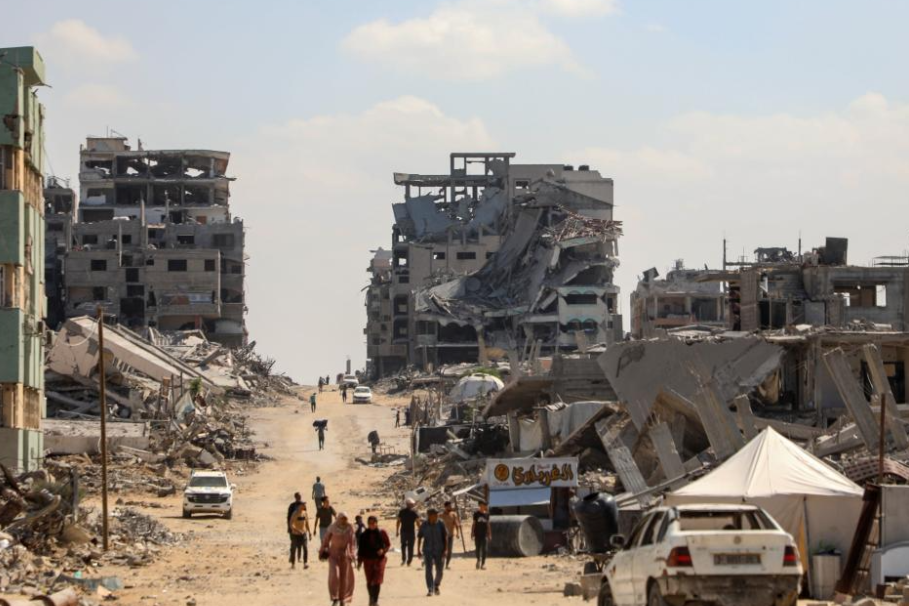
Gaza ceasefire after weekend violence allows humanitarian aid in again: UN
The United Nations has expressed relief as a fragile ceasefire in Gaza was reinstated following a weekend of renewed violence, allowing humanitarian aid to flow once more. UN spokesperson Stephane Dujarric, representing Secretary-General Antonio Guterres, emphasized the importance of upholding the truce and protecting civilians. ‘We commend the mediators’ efforts and urge all parties to avoid actions that could reignite hostilities,’ Dujarric stated. He also reiterated calls for the release of deceased hostages’ remains. The UN Office for the Coordination of Humanitarian Affairs (OCHA) reported the successful distribution of food parcels to thousands of families in Deir al-Balah and Khan Younis, marking a significant step in addressing Gaza’s dire needs. Additionally, Israeli authorities permitted UN monitors at the Kissufim crossing, enhancing oversight of aid delivery. UN Under-Secretary-General for Humanitarian Affairs Tom Fletcher concluded his Gaza visit, witnessing UNICEF nutrition centers and UNDP road clearance projects. Fletcher later met with Palestinian President Mahmoud Abbas in Ramallah to discuss Gaza’s humanitarian crisis, the 60-day aid scale-up plan, and the broader peace process. In Jerusalem, Fletcher convened with the UN humanitarian country team, including representatives from 200 NGOs. A $6.5 million contribution from Australia’s Minderoo Foundation was announced to support Gaza’s relief efforts. Meanwhile, in the West Bank, OCHA documented 71 settler attacks during the olive harvest season, highlighting ongoing tensions and violence.
-

Three days to go: Charming Beijing, Shared with the World
With just three days remaining until a highly anticipated global event, Beijing is poised to captivate the world with its unique charm and cultural richness. The city, renowned for its blend of ancient heritage and modern innovation, is set to welcome visitors from across the globe. This event promises to highlight Beijing’s role as a cultural and economic hub, fostering international collaboration and mutual understanding. The countdown has sparked widespread excitement, with preparations in full swing to ensure a seamless and memorable experience for all participants. From showcasing its historical landmarks to highlighting contemporary achievements, Beijing aims to share its story with the world, reinforcing its position as a key player on the global stage.
-
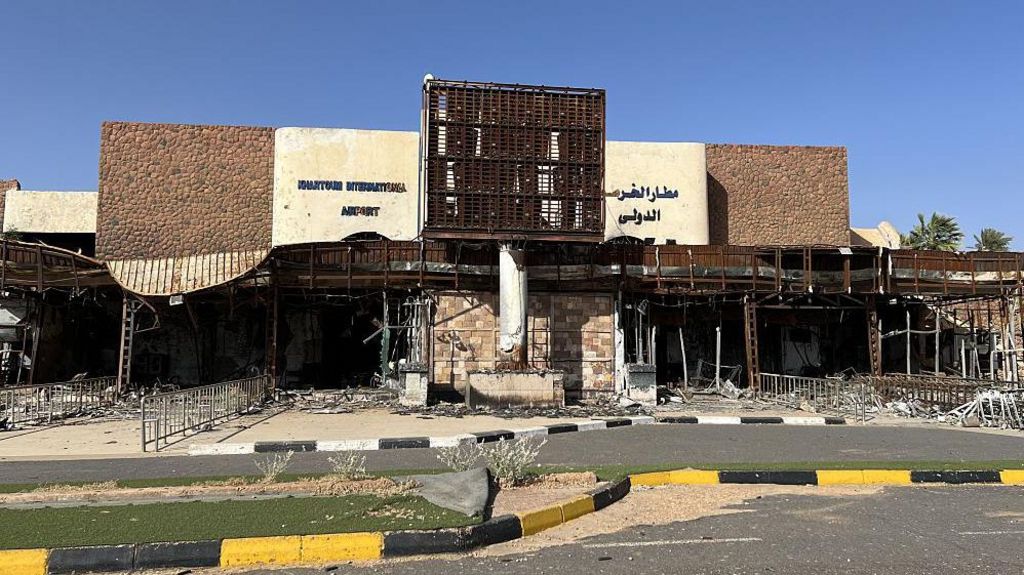
Drone attack hits Sudan’s capital ahead of planned airport reopening
A drone strike targeted the vicinity of Khartoum International Airport in Sudan’s capital on Tuesday, just one day before the airport was scheduled to resume domestic flights for the first time since the outbreak of war in 2023. Residents reported hearing explosions across multiple districts early in the morning, and unverified social media images appeared to depict a series of blasts. No casualties or damage have been confirmed, and no group has claimed responsibility for the attack. This incident marks the third assault on the capital within a week, following strikes on two army bases in northwest Khartoum last week. The Sudan Tribune cited a security source stating that anti-aircraft defenses intercepted several drones after 04:00 local time, though details on damage remain unclear. The airport had been closed since April 2023, when fighting erupted between the Sudanese army and the Rapid Support Forces (RSF), which had seized control of the facility. Since the army regained Khartoum in March, the city has remained relatively calm, but the RSF has been accused of targeting civilian and military infrastructure from a distance. The conflict, which began as a power struggle between the army and the RSF, has since drawn in other armed groups and foreign backers, escalating into what the UN describes as the world’s worst humanitarian crisis. Tens of thousands have been killed, and millions displaced. Meanwhile, Port Sudan remains the country’s only operational international airport, though it has also faced drone attacks. The RSF has intensified efforts to capture el-Fasher, the army’s last stronghold in the western Darfur region, as the war continues to devastate the nation.
-
Ukrainians brace for another winter of power cuts as Russia shifts tactics
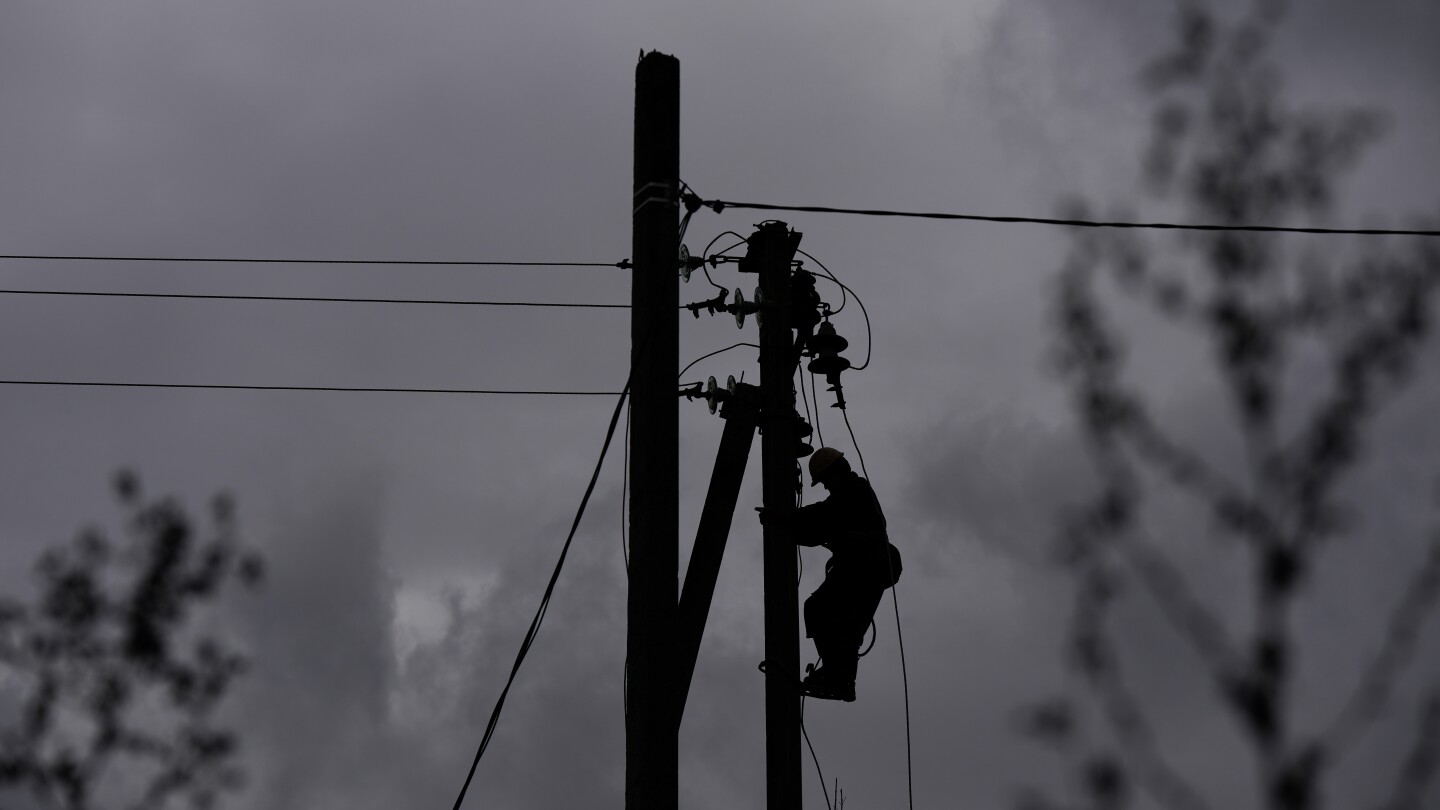
As winter approaches, millions of Ukrainians are preparing for another season of power outages and potential blackouts, exacerbated by Russia’s renewed assault on the country’s energy infrastructure. This year, Moscow has shifted its tactics, focusing on specific regions and gas facilities, making the attacks more effective and devastating.