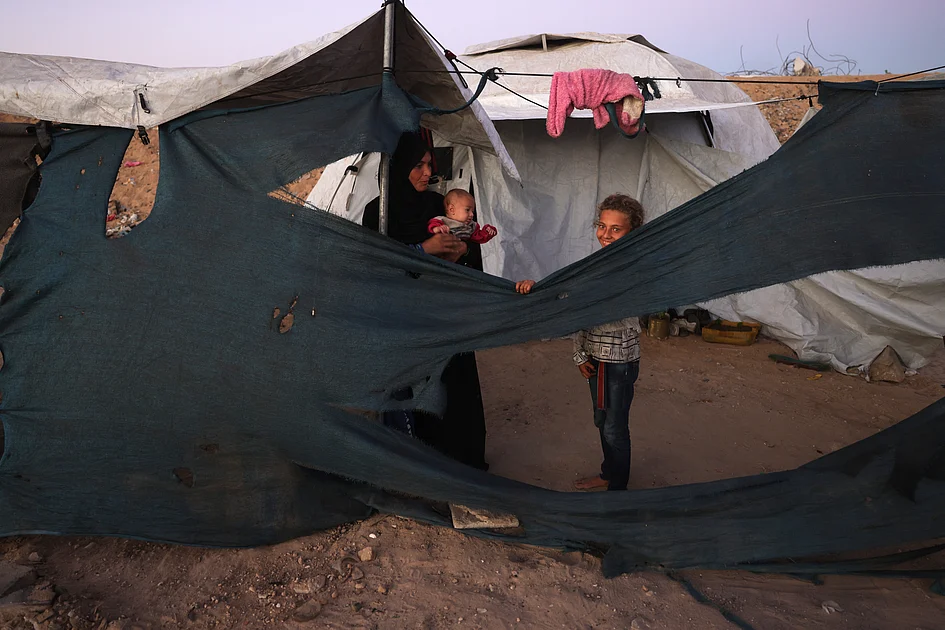
In a significant development, Israel has officially lifted restrictions on communities near the Gaza border, as announced by the Israel Defence Forces (IDF) on Tuesday, October 28, 2025. This decision follows a comprehensive situational assessment and formal approval from Defence Minister Israel Katz. The move marks the first time such measures have been revoked since the October 2023 Hamas attacks, which prompted the imposition of a state of emergency in the region. Katz’s office stated, ‘I have decided to adopt the (Israeli military’s) recommendation and to lift, for the first time since October 7, the special state on the home front.’ The decision reflects the improved security conditions in southern Israel, bolstered by a ceasefire that has largely held since its initiation on October 10. This step signals a gradual return to normalcy for residents in the affected areas, who have endured heightened security measures for over two years.
分类: world
-
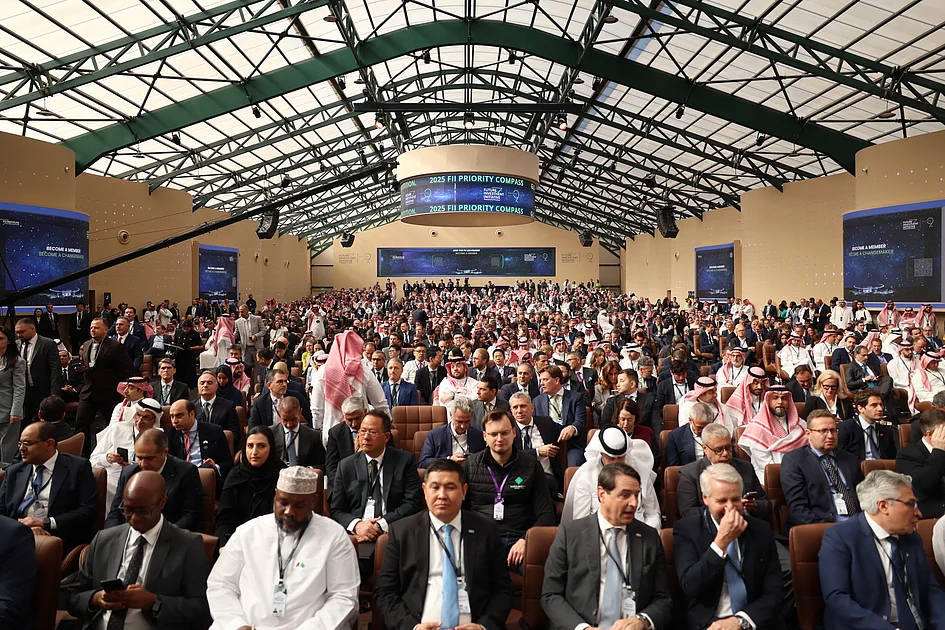
Saudi’s Red Sea Global chief says alcohol ‘not essential’ to draw tourists
Saudi Arabia’s ambitious plans to diversify its oil-dependent economy through tourism and entertainment are progressing steadily, with alcohol remaining off the table. John Pagano, CEO of Red Sea Global, a key player in the kingdom’s tourism strategy, emphasized that the absence of alcohol would not hinder the country’s appeal to international visitors. Speaking at the Future Investment Initiative (FII) in Riyadh, Pagano stated, ‘Alcohol is not permitted in the kingdom. It’s as simple as that. People come for the experiences and to lead healthier lives. Alcohol is not essential for our success.’
Saudi Arabia, the birthplace of Islam and home to its holiest cities, Makkah and Madinah, has traditionally been a religious destination. However, since the introduction of tourist visas in 2019 and the launch of Crown Prince Mohammed bin Salman’s Vision 2030 plan, the kingdom has been transforming into a global tourism hub. Despite this shift, the alcohol ban remains intact, with the exception of a single liquor store opened in January 2024, exclusively serving non-Muslim diplomats.
Pagano highlighted the kingdom’s significant investments in mega-projects, including entertainment, tourism, sports, and artificial intelligence. ‘The Public Investment Fund has committed $800 billion to tourism between now and 2030,’ he said, referencing the upcoming 2030 World Expo and the 2034 FIFA World Cup, both to be hosted in Saudi Arabia. Red Sea Global is spearheading the development of 27 hotels and resorts along the kingdom’s west coast, with ten already operational and the rest set to open by mid-2026. Pagano also expressed confidence in tapping into the lucrative market of Haj pilgrims, who visit Makkah annually. ‘Pilgrims come once in their lifetime, and we plan to capitalize on that,’ he added.
While the alcohol ban may deter some tourists, Pagano remains optimistic about Saudi Arabia’s ability to attract visitors through unique experiences and its rich cultural heritage. The kingdom’s focus on health-conscious tourism and its strategic investments in global events and infrastructure underscore its commitment to becoming a leading destination on the world stage.
-
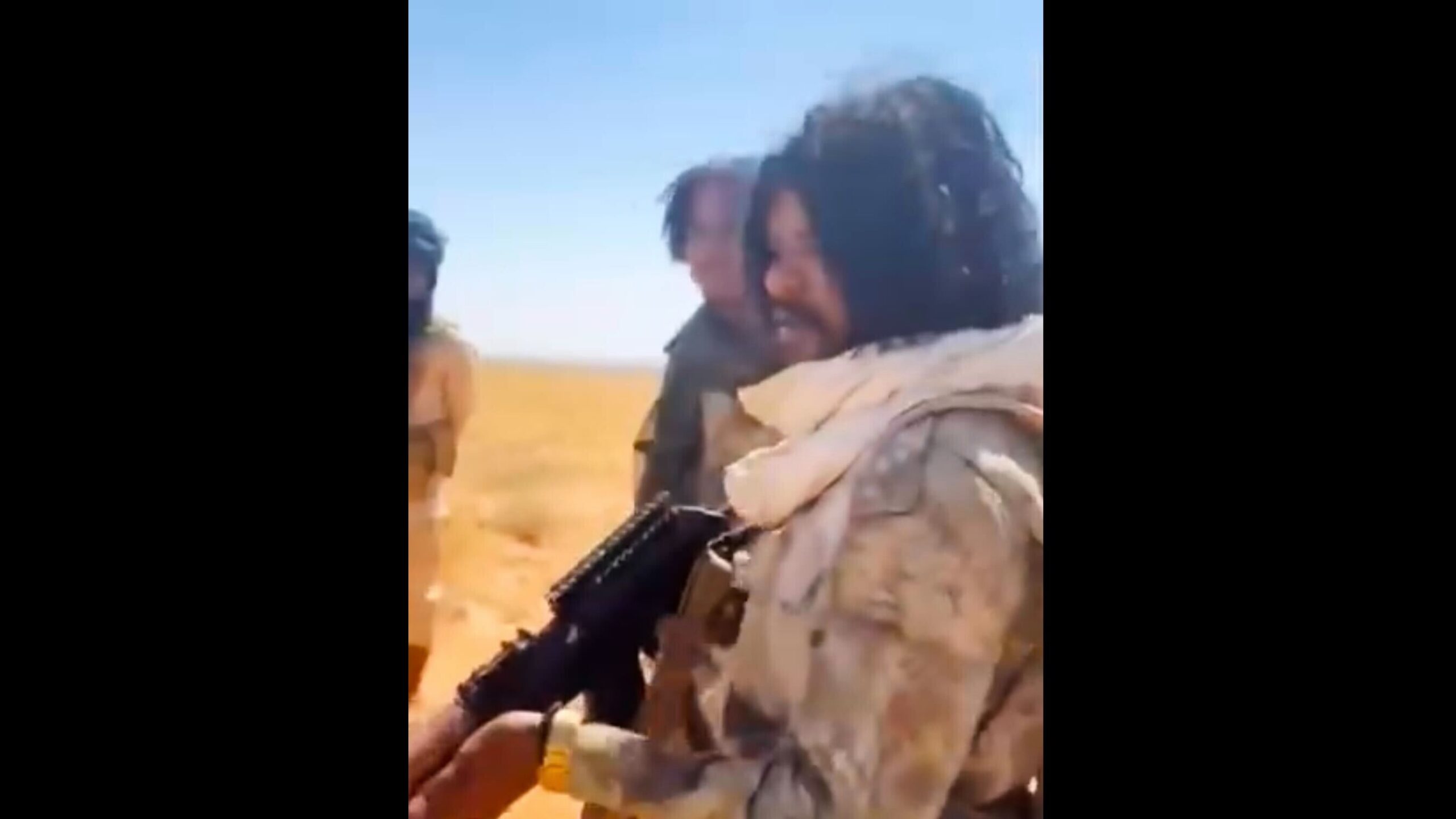
RSF fighters film themselves massacring Sudanese fleeing el-Fasher
The Rapid Support Forces (RSF) stormed the city of el-Fasher in Sudan on Sunday morning, plunging 260,000 trapped civilians into immediate danger. This assault marks a grim escalation in Sudan’s ongoing conflict, which began in April 2023. The RSF, accused of widespread atrocities including genocide in Darfur, has besieged el-Fasher for over 500 days. Middle East Eye (MEE) has verified numerous videos and images depicting chaotic and violent scenes, some published by the RSF itself and others circulating on social media. The footage shows RSF fighters celebrating their capture of the Sixth Infantry division garrison, the headquarters of the Sudanese Armed Forces (SAF) defending el-Fasher. Drone footage reveals scores of civilians fleeing the city on foot, while other videos depict RSF members looting, chasing, and killing civilians. The RSF’s commander, Abdel-Rahim Hamdan Dagalo, addressed his troops, claiming el-Fasher is now safe under their control. However, reports indicate widespread human rights violations, including the detention and execution of civilians and journalists. The Yale School of Public Health’s Humanitarian Research Lab previously warned that the RSF’s construction of berms around el-Fasher created a ‘literal kill box,’ facilitating the massacre of fleeing civilians. Despite international condemnation, the RSF denies allegations of war crimes, attributing the circulated videos to fabricated media campaigns. The fall of el-Fasher underscores the deepening humanitarian crisis in Sudan, with millions displaced and thousands killed since the war began.
-
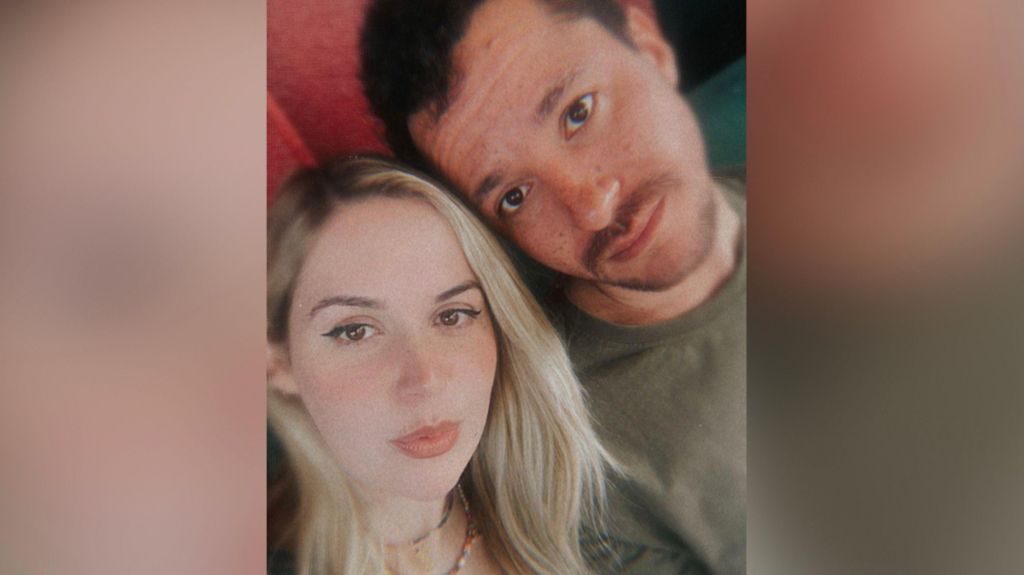
PM urged to raise toxic limoncello deaths with Vietnam leader
The tragic deaths of Greta Otteson, 33, and her fiancé Arno Quinton, 36, from methanol poisoning in Vietnam have prompted calls for urgent action. The couple was found dead on Boxing Day 2024 in their Hoi An villa after consuming toxic limoncello, a Christmas gift purchased by Greta’s parents. Post-mortem examinations confirmed acute methanol poisoning as the cause of death. In February, a local barman was arrested and charged with violating food safety regulations for allegedly producing the contaminated drink using medical-grade alcohol. Methanol, a toxic substance found in cleaning products and antifreeze, is cheaper than ethanol but highly dangerous when ingested. Greta’s father, Paul Otteson, expressed frustration over the lack of progress in the investigation and urged UK Prime Minister Sir Keir Starmer to raise the case during his meeting with Vietnam’s General Secretary Tô Lâm. Ann Davies, the family’s MP, has also written to Sir Keir, emphasizing the need for Vietnamese authorities to prioritize the case and ensure justice for the victims. The Otteson family, devastated by the loss, continues to seek answers and accountability, highlighting the broader risks of methanol poisoning for travelers in Vietnam.
-
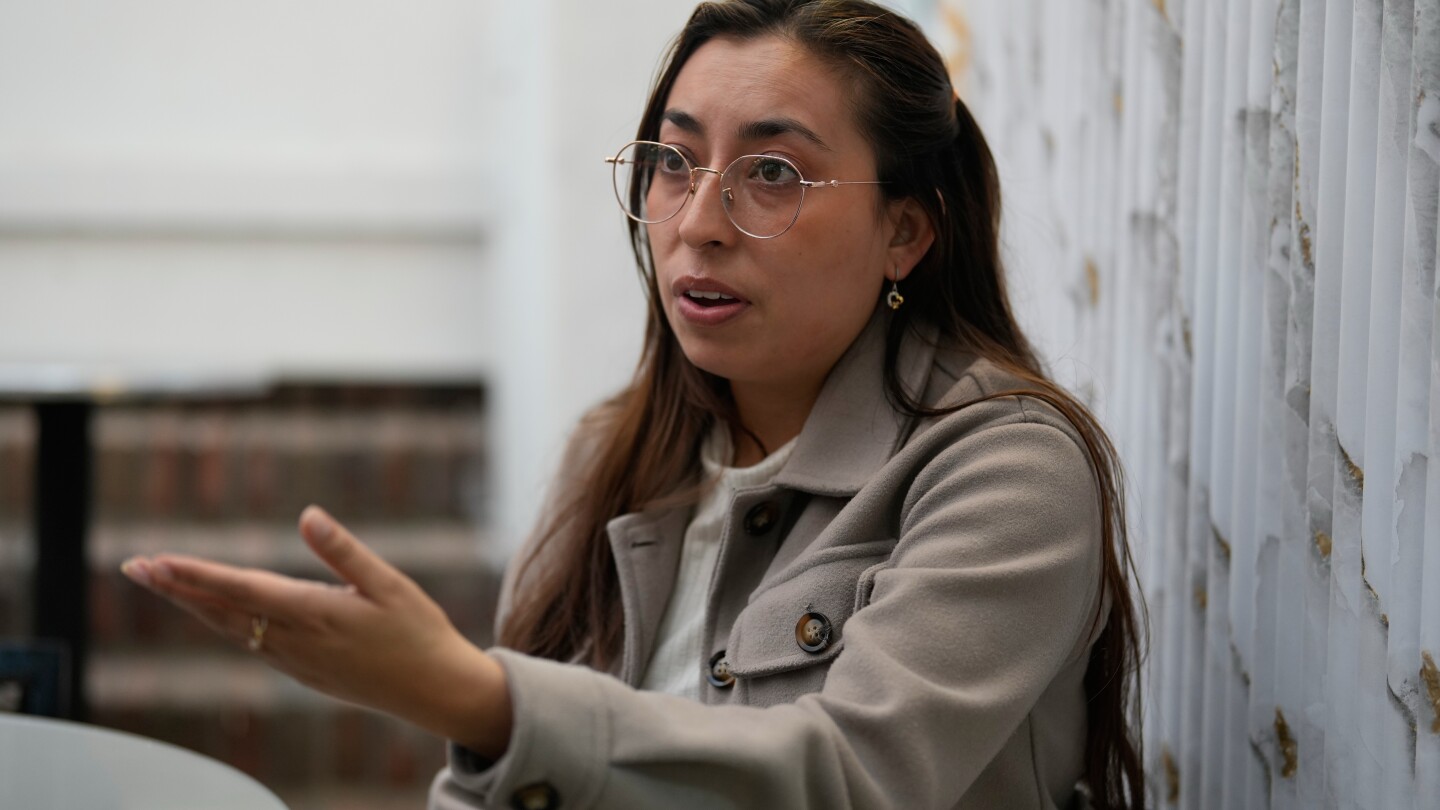
Relatives of Colombian humanitarian worker jailed in Venezuela call for his release
In a heart-wrenching turn of events, Diana Tique’s hopes of reuniting with her brother, Manuel Tique, a 33-year-old humanitarian worker detained in Venezuela, were dashed last week. Despite rumors that Venezuela’s government would release several Colombians held without trial, Manuel was not among the 18 individuals freed on Friday. “It was devastating,” Diana lamented in Bogota, Colombia, where she has only been allowed two brief phone calls with her brother since his detention in September 2023.
Human rights organizations, including New York-based Human Rights Watch (HRW), have raised alarms over Venezuela’s alleged use of foreign nationals as political bargaining chips. According to HRW, approximately 80 foreign citizens from countries such as Spain, France, Colombia, and the Czech Republic are being held without trial. Many of these individuals, including Manuel Tique, were detained while entering Venezuela as tourists and are now held in Rodeo One prison, where conditions are described as “tantamount to torture.”
Manuel, who worked for the Danish Refugee Council, was detained in Apure, Venezuela, while en route to conduct a workshop for local aid groups. Venezuelan Interior Minister Diosdado Cabello later accused him of recruiting mercenaries to overthrow President Nicolas Maduro, a claim vehemently denied by his family. “My brother is not a terrorist,” Diana asserted, emphasizing his lack of prior international travel.
The situation underscores Venezuela’s strained relations with countries that have refused to recognize Maduro’s controversial reelection in 2023. Colombia, despite strengthening diplomatic ties with Venezuela, has not acknowledged the election results and continues to advocate for the release of its citizens. In July 2023, the U.S. secured the release of 10 American citizens through a prisoner swap, highlighting the international dimensions of this issue.
As Diana Tique struggles to find legal representation for her brother, fears grow that Manuel could face a lengthy prison sentence unless a bilateral agreement is reached. The Venezuelan human rights group Penal Forum reports that 20 Colombians remain detained without trial, further complicating diplomatic efforts.
-
BBC ‘deeply concerned’ about journalist unable to leave Vietnam
The BBC has voiced serious concerns regarding the welfare of one of its journalists who has been unable to leave Vietnam for several months. The journalist, a Vietnamese national, traveled to the country to visit family and renew their passport. However, both the passport and ID card have been withheld, and the individual has undergone ‘multiple days of questioning,’ according to a BBC statement. The broadcaster is urgently calling on Vietnamese authorities to release the journalist’s documents and allow them to return to their work. This situation unfolds as To Lam, the General Secretary of the Communist Party of Vietnam, arrived in the UK on Tuesday for a visit that includes a scheduled meeting with Sir Keir Starmer. A spokesperson for the UK Foreign Office emphasized the country’s commitment to defending media freedom, stating, ‘Our position and track record defending media freedom is clear.’ They also expressed ongoing concerns about the reported harassment of NGOs, journalists, and rights activists in Vietnam, noting that these issues are regularly raised with Vietnamese officials. Vietnam, a one-party Communist state, has experienced rapid economic growth in Southeast Asia. However, this growth is accompanied by stringent political censorship and a troubling human rights record. The Communist Party maintains tight control over the media, with journalists and media outlets facing sanctions or arrest for addressing sensitive topics or criticizing the government. Online content perceived as a threat to Communist rule is frequently blocked.
-

Climate change ‘will not end civilisation’: Bill Gates points out 3 tough truths
Billionaire philanthropist Bill Gates is urging a paradigm shift in the global approach to climate change, emphasizing that solutions should prioritize human welfare over mere temperature targets. In his recent memo titled ‘A New Way to Look at the Problem,’ Gates argues that the fight against climate change must not undermine health, development, and poverty reduction, particularly in the world’s poorest nations. He calls for a ‘strategic pivot’ from focusing solely on limiting rising temperatures to addressing poverty and preventing diseases. Gates reassures that while climate change is a serious issue, it ‘will not be the end of civilisation,’ and he believes that innovation and science will be central to managing its impacts. He projects that by 2100, average global temperatures could rise by 2°C to 3°C compared to pre-industrial levels, surpassing the 1.5°C limit set by the 2015 Paris Agreement. However, he is optimistic that new zero-carbon technologies will become widely available within the next decade, enabling countries to meet rising energy demands without exacerbating climate change. Gates also stresses that success in combating climate change should be measured by improvements in people’s lives, especially in low-income countries, rather than just reductions in emissions or global temperature. Through Breakthrough Energy, Gates has supported over 150 companies working on solutions ranging from low-carbon cement and steel to advanced geothermal energy and AI-driven agriculture. He warns that climate policies must not deepen inequality, citing examples of well-meaning policies that left poor communities worse off, such as fertiliser bans that caused food shortages. Gates believes that focusing on energy, agriculture, and health will have the greatest impact on people’s ability to withstand climate challenges, particularly in developing nations. He emphasizes that health and economic growth can reduce climate-related deaths more effectively than any single environmental measure, citing research from the University of Chicago’s Climate Impact Lab that shows economic growth in low-income countries could cut climate-related deaths by more than 50% by the end of the century. Gates outlines two key priorities for the international climate agenda: driving the Green Premium — the extra cost of choosing clean technologies over fossil fuels — down to zero, and rigorously measuring impact to ensure limited resources go toward initiatives that deliver the greatest benefits for human welfare, from vaccines and malaria prevention to agricultural innovation.
-

UAE attraction: New camping, motorsports destination launched in Umm Al Quwain
Umm Al Quwain, one of the UAE’s lesser-known emirates, has unveiled an ambitious new project aimed at transforming it into a premier destination for motorsports, camping, and outdoor adventures. The initiative, announced on October 28, 2025, is designed to diversify the emirate’s tourism offerings and attract a younger, adventure-seeking demographic. The project will feature dedicated zones for motorsports competitions, equipped camping areas, and off-road trip facilities, catering to enthusiasts of all levels. Additionally, the destination will host recreational activities, artistic events, and provide integrated service infrastructure to enhance visitor comfort and create a seamless experience. Sheikh Majid bin Saud bin Rashid Al Mualla, Chairman of the Department of Tourism and Antiquities, emphasized that the project is more than just an entertainment hub—it’s a platform that blends cultural heritage with modern adventure, offering a safe and innovative environment for motorsports and outdoor enthusiasts. This initiative is part of a broader strategy to position Umm Al Quwain as a hub for sports tourism and outdoor exploration, balancing authenticity with modernity. The project is expected to significantly boost the emirate’s appeal, attracting both tourists and investors while stimulating economic activity in the region.
-
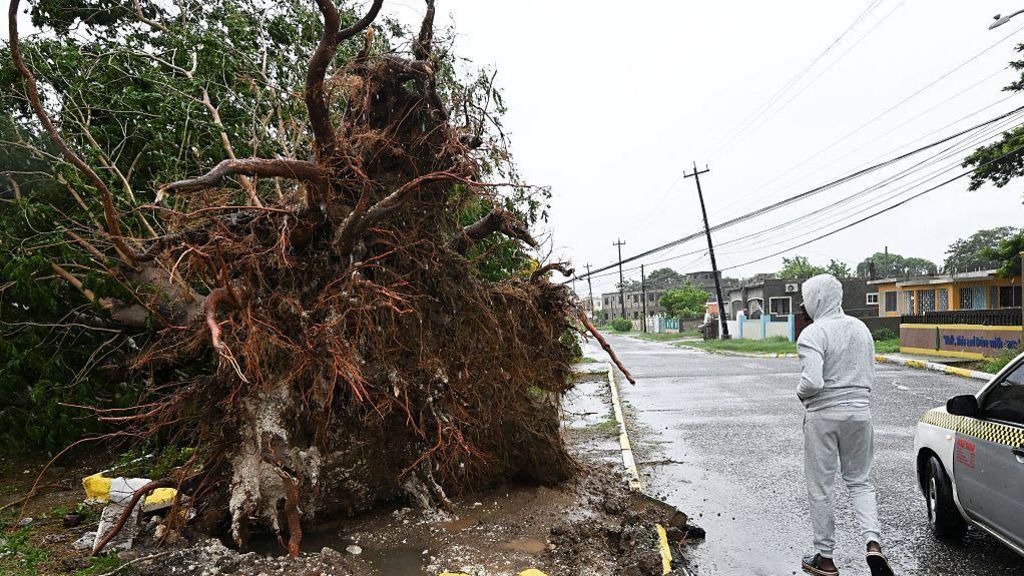
Strongest storm in Jamaica’s modern history causing havoc
Hurricane Melissa, now a Category 4 storm with wind speeds reaching 150 mph (240 km/h), has unleashed unprecedented devastation across Jamaica, marking the strongest hurricane in the nation’s modern history. The US National Hurricane Center has warned of ‘catastrophic winds, flash flooding, and storm surges,’ while Jamaica’s Meteorological Service predicts conditions will ‘significantly worsen.’ Nearly a third of the country is already without power, and images of uprooted trees and shattered homes are emerging as the storm continues its destructive path. Anne-Claire Fontan, a tropical cyclone specialist at the World Meteorological Organization, described the situation as ‘catastrophic,’ with storm surges expected to reach up to four meters. ‘For Jamaica, it will be the storm of the century for sure,’ she stated. Hospitals have lost roofs, and residents are braving the tempest to rescue others. Some areas are forecast to receive up to 30 inches (76 cm) of rain, exacerbating flash flooding. With 70% of Jamaica’s 2.8 million population living within 5 km of the sea, the risk of displacement and danger is immense. Health officials have also warned that rising water levels could displace crocodiles into residential areas, urging residents to avoid floodwaters. The slow-moving hurricane is now heading toward Santiago de Cuba, where Cuban authorities have evacuated 500,000 people from vulnerable zones. Cuban President Miguel Diaz-Canel expressed grave concerns about the storm’s potential destruction. Earlier, Jamaica reported three fatalities due to storm-related incidents, including fallen trees.
-
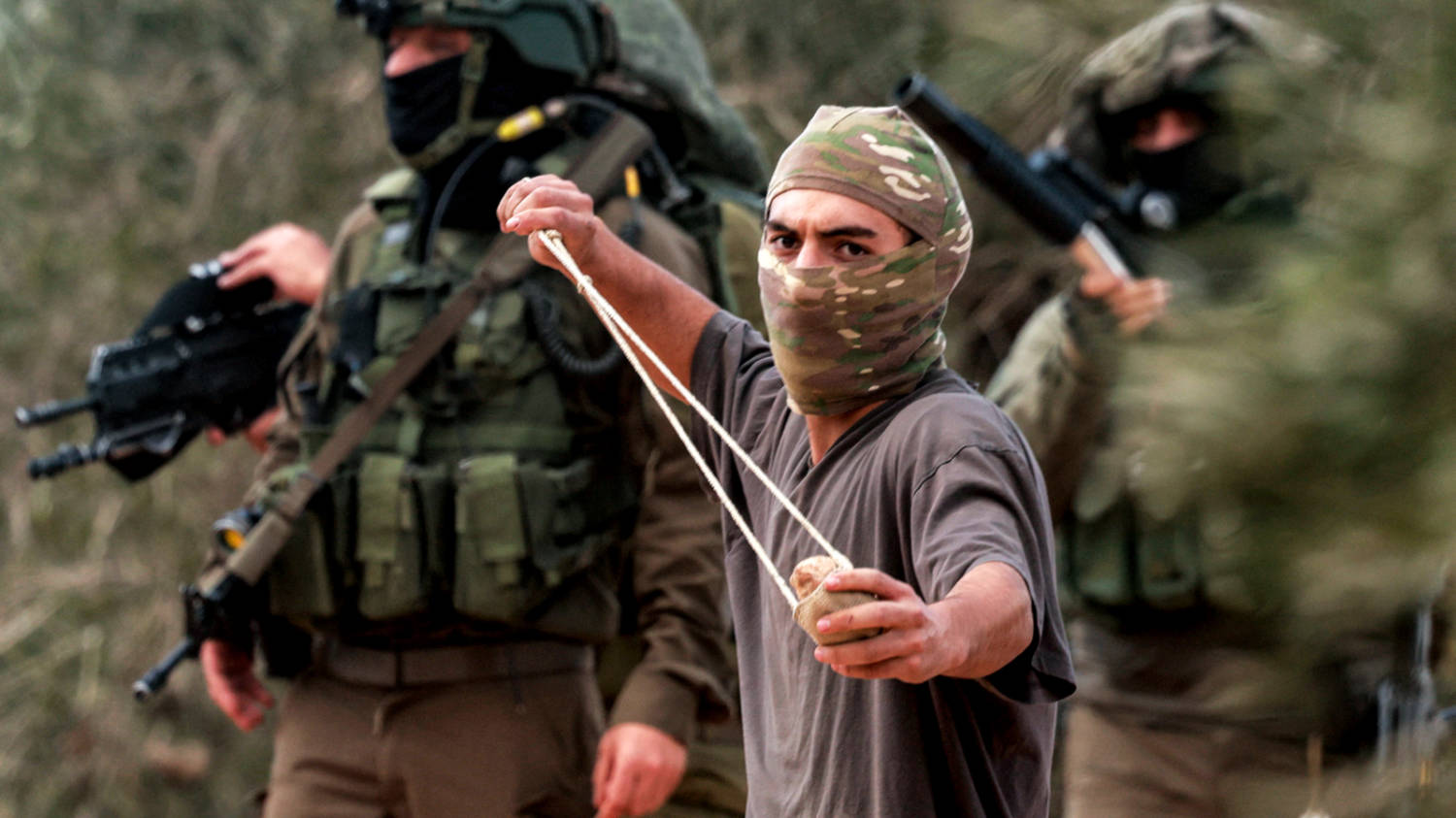
Why are Israeli settlers destroying the Palestinian olive harvest?
The olive harvest in the occupied West Bank, a centuries-old tradition and economic cornerstone for Palestinians, has been marred by escalating violence from Israeli settlers and military forces. According to the UN Rights Office, 757 assaults by settlers were recorded in the first half of 2025, resulting in injuries, property damage, and the destruction of olive groves. These attacks have drawn global condemnation and criticism from UN human rights officials. In Gaza, once a thriving hub for olive cultivation, nearly all agricultural land has been devastated by Israel’s two-year military campaign, which has claimed over 68,000 Palestinian lives. The olive tree, deeply rooted in Palestinian culture and history, symbolizes resilience and peace. However, its survival is under threat as settler violence intensifies, often with the complicity of Israeli security forces. The destruction of olive groves, uprooting of trees, and restrictions on access to farmland have severely impacted the livelihoods of 100,000 families in the West Bank, many of whom rely on olive cultivation for income. In Gaza, the olive industry has been decimated, with 98.5% of agricultural land damaged or inaccessible, according to the UN Food and Agriculture Organization. The ongoing assault on Palestinian agriculture is part of a broader strategy to displace communities and annex land, exacerbating humanitarian crises and threatening the cultural and economic fabric of Palestinian society.