分类: world

  • Conflict in eastern Congo is escalating with use of heavy weapons and drones, UN warns

    Conflict in eastern Congo is escalating with use of heavy weapons and drones, UN warns

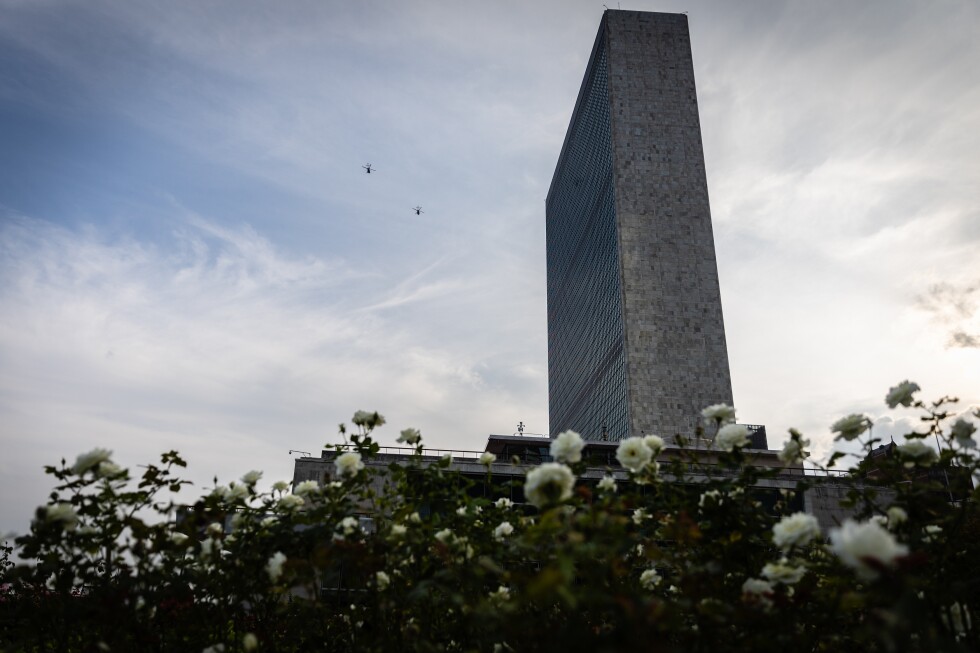
    UNITED NATIONS — The United Nations’ acting special envoy for Congo delivered an urgent warning to the Security Council on Thursday regarding the rapidly deteriorating security situation in mineral-rich eastern Congo. Vivian van de Perre reported that the conflict is intensifying and expanding geographically despite previous international pressure that forced Rwanda-backed M23 rebels to withdraw from Uvira in January.

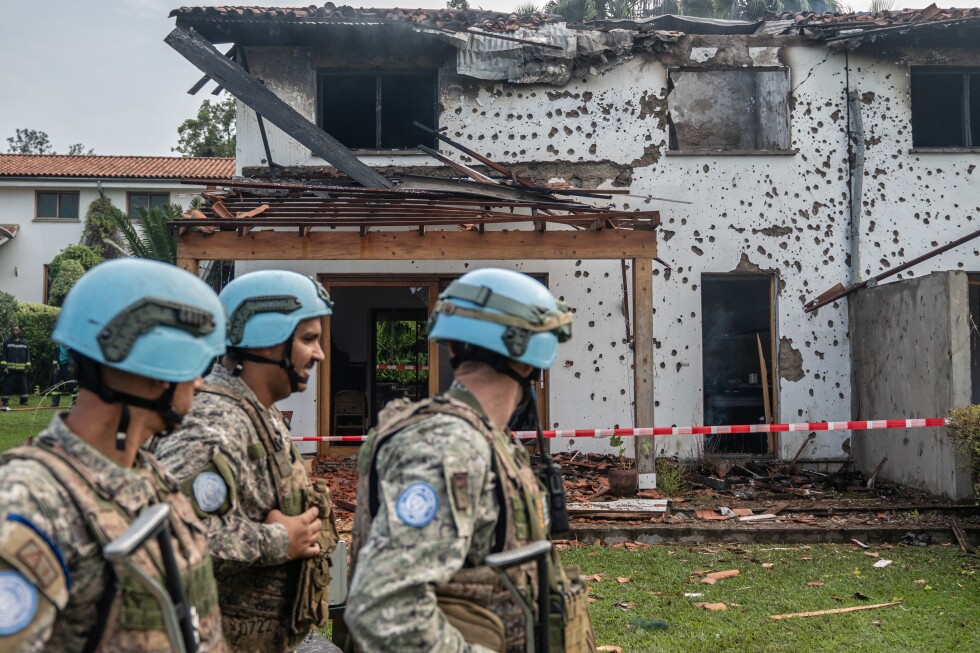
    The UN official highlighted two particularly concerning developments: the conflict’s expansion from North and South Kivu provinces into Tshopo province, and the increasing use of heavy weapons and offensive drones in urban areas that endanger civilian populations and critical infrastructure. Van de Perre, who leads the nearly 9,000-strong UN peacekeeping mission MONUSCO, expressed specific concern about recent incidents affecting Bangoka Airport in Kisangani and areas within Goma town.

    Eastern Congo has endured decades of instability as government forces combat over 100 armed groups, with M23 being the most potent faction. The rebels made significant territorial gains early last year, capturing Goma and other key cities while expanding their control over mineral-rich areas. Van de Perre noted that M23 is now establishing parallel administrative structures in territories under its control, further undermining state authority and complicating humanitarian operations.

    The situation in Ituri province remains alarming according to the envoy, with one rebel group linked to numerous casualties while another has been systematically attacking mining sites. The conflict’s expansion toward Burundi’s border raises the risk of regional conflagration, van de Perre warned.

    Recent diplomatic efforts saw officials from Congo, Rwanda, and the United States meeting in Washington last week to coordinate de-escalation steps. Following her Security Council briefing, van de Perre emphasized to reporters that the “extremely volatile” situation requires implementation of all signed agreements, beginning with an immediate ceasefire followed by reopening airports and restoring freedom of movement for peacekeepers.

    Massad Boulos, senior adviser to President Trump on African and Arab affairs who chaired the council meeting, stated that MONUSCO remains “indispensable to the success of the peace process” and that resolving the eastern Congo conflict represents “a matter of highest priority” for the Trump administration.
  • Cubans face darkest hour as US blockade strangles island

    Cubans face darkest hour as US blockade strangles island

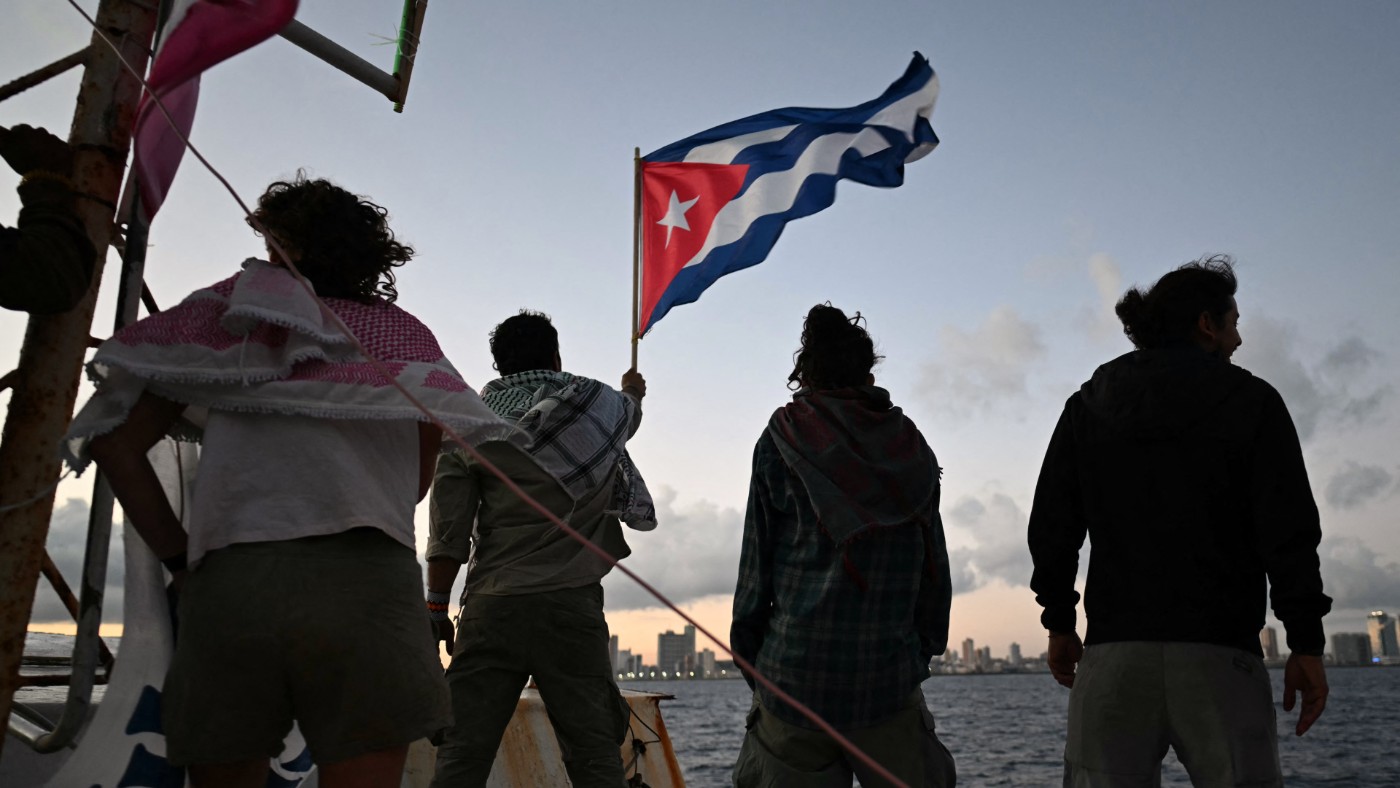
    A sudden power outage plunged a Havana press conference into darkness as Irish rap group Kneecap addressed international aid delegates, creating a starkly symbolic moment that encapsulated Cuba’s escalating crisis. The blackout on March 21, 2026—the third nationwide grid collapse that month—occurred just as the Nuestra America Convoy delivered over 35 tonnes of essential supplies to the island nation struggling under intensified US sanctions.

    The electricity failure exposed the brutal reality of Cuba’s energy shortage, immediately halting transportation, refrigeration, and communications systems. As night fell, Havana became almost entirely dark except for a handful of hotels powered by generators—a visible manifestation of the inequality created by US policies that restrict fuel to state systems while permitting supplies to private entities.

    President Donald Trump’s administration has dramatically tightened the six-decade economic blockade against Cuba, including comprehensive restrictions on oil, finance, and imports. In January 2026, Trump signed an executive order declaring Cuba “an unusual and extraordinary threat” to the United States, while publicly boasting about his ability to “take” the Caribbean nation. These measures have crippled Cuba’s economy and vital public services, with the infant mortality rate more than doubling since the end of the Obama-era détente.

    The humanitarian impact is most acute in healthcare facilities like Havana’s Covadonga hospital (renamed after Salvador Allende), where doctors struggle to maintain services with rationed generators and scarce medical supplies. Hospital director Dr. Milene Vazquez emotionally welcomed the arrival of antibiotics, chronic disease treatments, and other urgently needed medications from the international aid mission.

    Cuban President Miguel Díaz-Canel framed the situation as part of broader global tensions, linking Cuba’s plight to conflicts in the Middle East and describing the struggle as “war and hegemony trying to crush peace and multilateralism.” Meanwhile, Cuban Americans like Danny Valdes of Cuban Americans for Cuba are challenging the narrative that all exiles support the blockade, emphasizing that “solidarity across the Florida Straits is stronger than the politics of blockade.”

    As darkness enveloped Havana, the blackout served as a powerful reminder that resilience in Cuba now means organizing life around unpredictable outages, preserving food during brief power resurgences, and maintaining healthcare amid constant strain—all while facing what many Cubans fear might be impending regime change operations from the United States.

  • Israel extends Al-Aqsa Mosque closure until mid-April

    Israel extends Al-Aqsa Mosque closure until mid-April

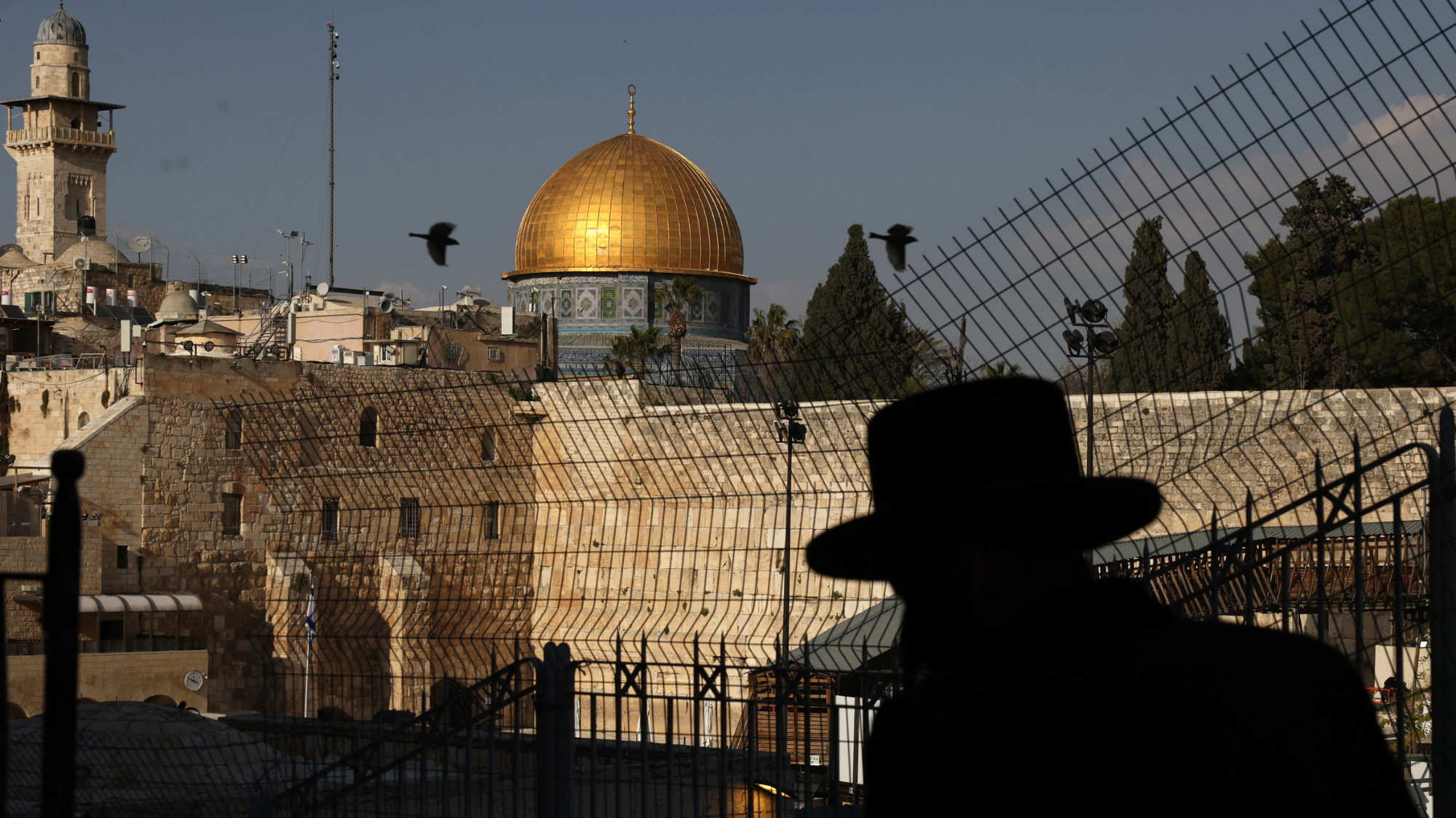
    Israeli authorities have prolonged the shutdown of Jerusalem’s Al-Aqsa Mosque, one of Islam’s most sacred sites, until at least April 15th, according to exclusive information obtained by Middle East Eye. This extension marks nearly a month of continuous closure, an unprecedented duration since Israel’s occupation of East Jerusalem in 1967.

    Official communications on Wednesday confirmed that Israeli officials notified the Jordanian-appointed Jerusalem Islamic Waqf, the administrative body overseeing the mosque, about the decision. The timeline beyond mid-April remains uncertain, with no guarantees of reopening. Israeli justification cites public safety concerns stemming from its military engagement with Iran that commenced on February 28th.

    Palestinian authorities and local worshippers strongly contest these claims, alleging that security pretexts mask a strategic effort to solidify Israeli control over the holy compound. This perspective gains traction amid ongoing initiatives to expand Jewish presence at the site while simultaneously restricting Palestinian access.

    The situation presents stark contrasts: while Jerusalem’s Old City remains under near-total lockdown, daily life in other parts of the city continues normally, including large gatherings and religious events. Critics highlight additional concerns regarding Palestinian safety, noting both the absence of adequate air raid shelters and the irony that Al-Aqsa itself contains underground facilities capable of sheltering hundreds during emergencies.

    International condemnation has been swift and widespread. The Palestinian Authority, multiple Muslim nations including Egypt, Jordan, Turkey, Saudi Arabia, Qatar, UAE, Indonesia, and Pakistan, alongside prominent religious leaders, have denounced the closure. Ekrima Sabri, former Grand Mufti of Jerusalem, condemned the measures as ‘unjustified’ and ‘illegal,’ asserting they violate worship freedoms and undermine the Waqf’s administrative authority.

    The Jerusalem Governorate characterized the closure as an ‘unprecedented escalation’ and accused Israel of implementing ‘dangerous Judaisation measures.’ These actions, they argue, constitute severe breaches of international humanitarian law and disrupt the established status quo governing holy sites. Israel’s control over East Jerusalem remains internationally contested, with many legal experts considering it a violation of international law prohibiting permanent changes in occupied territories.

  • What to know as Africans welcome UN vote on slavery reparations but questions remain

    What to know as Africans welcome UN vote on slavery reparations but questions remain

    In a landmark decision with profound historical implications, the United Nations General Assembly has formally designated the transatlantic trafficking of enslaved Africans as “the gravest crime against humanity.” The Wednesday resolution, which garnered overwhelming support with 123 member states voting in favor, has ignited both celebration across Africa and intense global debate regarding the practical implementation of reparations.

    The resolution, championed by Ghana, extends beyond symbolic recognition by urgently calling for “the prompt and unhindered restitution” of cultural artifacts—including artworks, monuments, and national archives—to their African countries of origin without financial charge. Ghana’s Foreign Affairs Minister Samuel Okudzeto Ablakwa characterized the declaration as a crucial advancement in “collective moral awareness” that deepens historical understanding without diminishing other tragedies.

    Despite its non-binding legal status, the resolution represents a significant reflection of evolving global consensus. The African Union immediately endorsed the decision as “an important step toward truth, justice and healing.” However, the voting pattern revealed substantial international divisions: Argentina, Israel, and the United States cast opposing votes, while 52 nations including the United Kingdom and all 27 European Union members abstained.

    The U.S. delegation, through Deputy Ambassador Dan Negrea, acknowledged the historical wrongs of slavery but rejected the notion of legal reparations for “historical wrongs that were not illegal under international law at the time they occurred.” France similarly expressed concerns that the resolution establishes “a hierarchy among crimes against humanity,” potentially creating problematic legal precedents.

    Across Africa and among diaspora communities, the resolution has been met with emotional approval. Erieka Bennett, founder of the Ghana-based Diaspora African Forum, described it as “an answer to the prayers of our kidnapped, oppressed and murdered ancestors” that will energize efforts toward African liberation. Nadege Anelka, a Martinique native who obtained Beninese citizenship through a lineage-based law, viewed the resolution as “fantastic news” that validates personal journeys of reconnection.

    The complex question of reparations implementation remains contentious. While the 2023 Global Reparation Summit in Ghana established a framework for financial compensation, practical modalities remain undefined. Research indicates limited public support for direct payments—a 2021 Pew survey found only 30% of American adults supported reparations for slavery descendants.

    Experts emphasize that reparations advocacy typically extends beyond monetary compensation. According to Professor Olivette Otele of SOAS University of London, reparations advocates “hardly ever” seek only financial restitution but rather comprehensive addressing of interconnected social, political and economic legacies. As analyst Beverly Ochieng notes, Western governments remain unlikely to establish dedicated compensation funds, instead pointing to existing development initiatives in formerly colonized nations.

  • On Azerbaijani President’s instructions, Ministry of Emergency Situations sends humanitarian aid to Iran

    On Azerbaijani President’s instructions, Ministry of Emergency Situations sends humanitarian aid to Iran

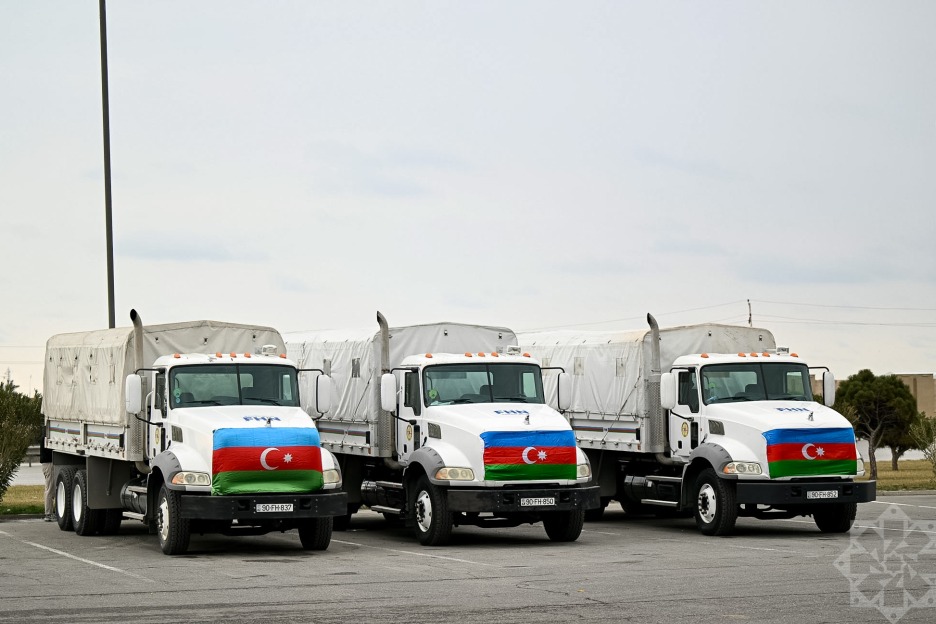
    In a significant demonstration of regional solidarity, the Republic of Azerbaijan has mobilized substantial humanitarian assistance for the people of Iran pursuant to direct instructions from President Ilham Aliyev. The comprehensive aid package, meticulously coordinated by Azerbaijan’s Ministry of Emergency Situations, comprises approximately 30 metric tons of essential supplies destined for neighboring Iran.

    The relief consignment includes critical food staples and medical provisions, with detailed allocations featuring 10 tons of flour, 6 tons of rice, 2.4 tons of sugar, over 4 tons of potable water, and approximately 600 kilograms of tea. Additionally, the shipment contains nearly 2 tons of vital pharmaceuticals and medical equipment to address healthcare needs.

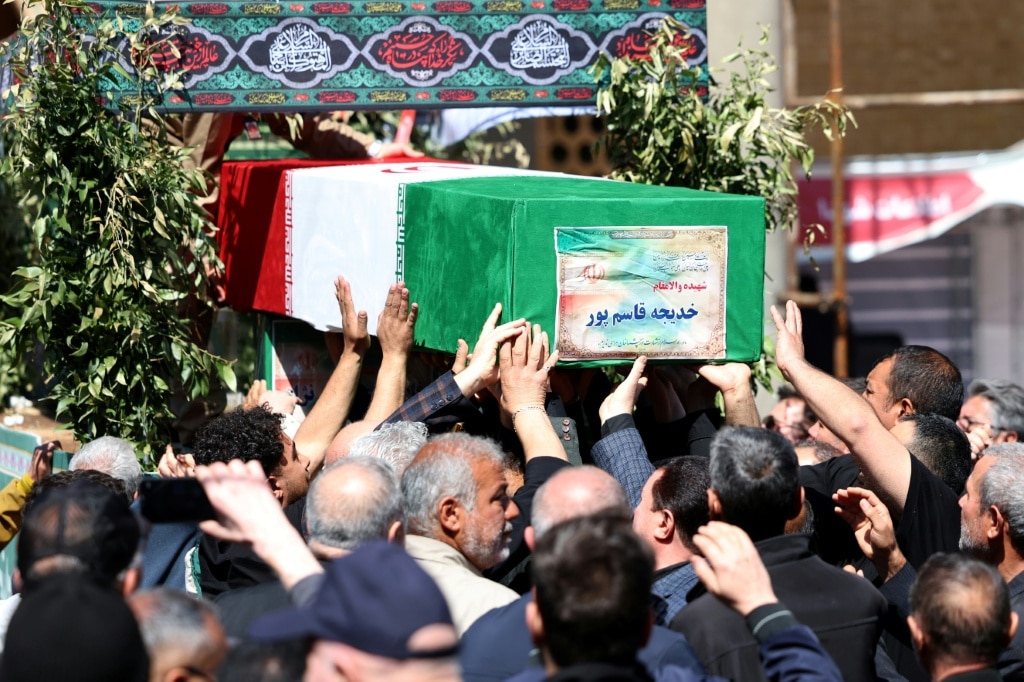
    Emil Hasanzade, Director of the Reserves Control Department at Azerbaijan’s State Reserves Agency, confirmed that the humanitarian convoy has already commenced its journey toward Iranian territory. The assistance initiative originated from a March 8 telephone discussion between President Aliyev and Iranian President Masoud Pezeshkian, during which the Azerbaijani leader pledged support for Iran’s current requirements.

    To ensure the seamless delivery of these critical supplies, authorized representatives from Azerbaijan’s Cabinet of Ministers—Niyazi Rahimov and Gurban Sadigov—are personally accompanying the aid convoy to its destination in the Iranian border city of Astara. This diplomatic gesture underscores the continuing cooperation between the two neighboring nations despite regional complexities.

  • West warned against blocking reforms to global economic institutions

    West warned against blocking reforms to global economic institutions

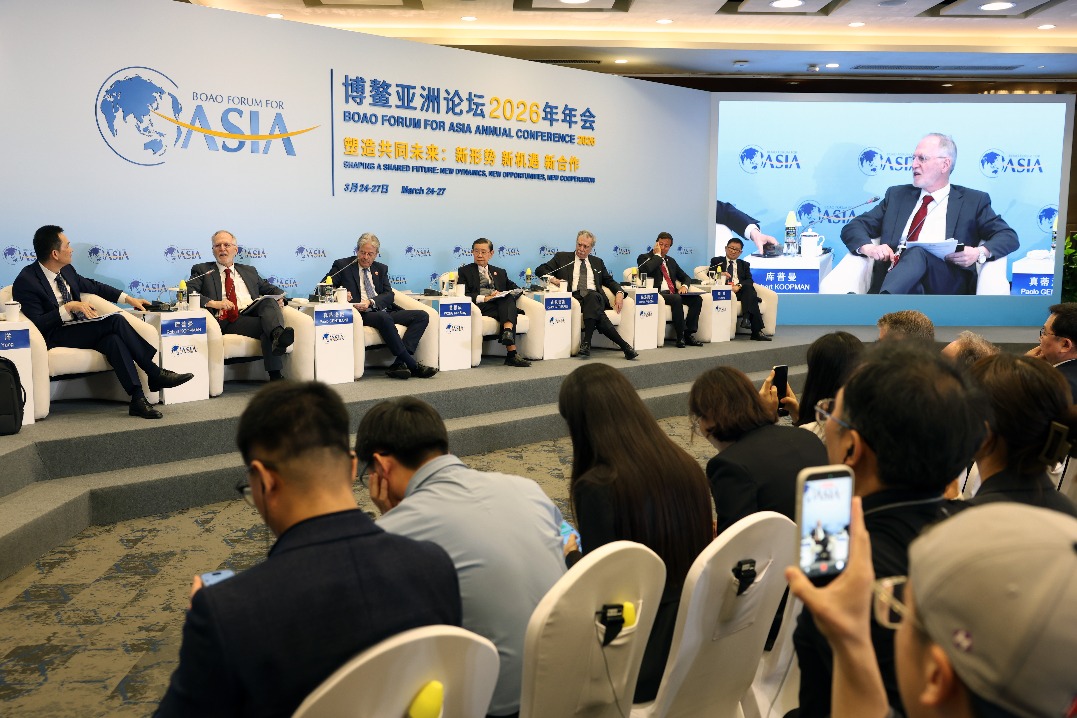
    At the Boao Forum for Asia 2026, prominent scholar Kishore Mahbubani issued a stark warning to Western nations regarding their resistance to reforming global economic institutions. The founding dean of the Lee Kuan Ywan Yew School of Public Policy at the National University of Singapore characterized Western obstruction as a “grave strategic error” that contradicts both global economic realities and the West’s own long-term interests.

    Mahbubani framed the current moment as a historical turning point, marking “the end of a 200-year cycle” of Western domination in world history and signaling Asia’s remarkable return to global prominence. He emphasized that this fundamental shift requires corresponding changes in global economic governance structures that extend beyond short-term political pressures.

    The academic highlighted striking statistical evidence demonstrating the disconnect between economic reality and institutional representation. While China’s economy has grown to match the entire European Union’s economic output—a dramatic reversal from 2000 when the EU’s GNP was six times larger—voting power within the International Monetary Fund remains heavily skewed. The EU maintains approximately 26-27% of IMF voting shares compared to China’s mere 6%.

    Mahbubani noted that despite this imbalance, China and other Global South nations have taken a constructive approach by seeking to reform existing institutions rather than dismantling them. He observed that the major frameworks of global governance—including the IMF, World Bank, and WTO—were originally conceived and established by Western powers based on Western conceptual foundations.

    The scholar made the case that accommodating greater representation for emerging economies actually serves Western interests by preserving the relevance and legitimacy of these institutions. He contrasted this with the more disruptive alternative where rising powers might choose to reject existing frameworks entirely and establish competing systems.

    Mahbubani concluded with an appeal for Western policymakers to recognize the strategic wisdom in embracing institutional evolution, suggesting that allowing greater Global South participation ultimately strengthens rather than weakens the international economic order.

  • South Sudan and Mauritius impose electricity curbs as Iran war triggers fuel fears in Africa

    South Sudan and Mauritius impose electricity curbs as Iran war triggers fuel fears in Africa

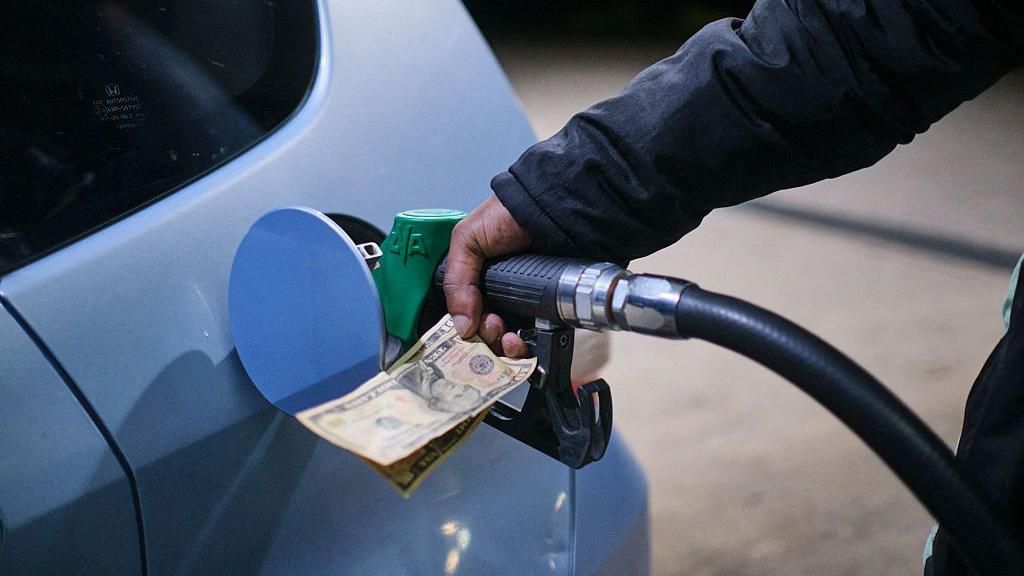
    Multiple African nations are implementing emergency energy conservation measures as the ongoing conflict between Iran and the US-Israel alliance creates widespread fuel shortages across the continent. The petroleum supply disruption has triggered a chain reaction of power rationing, price surges, and distribution challenges from East to Southern Africa.

    In South Sudan, the capital city Juba has initiated rotational daily power cuts through its main electricity distributor Jedco. The company announced strategic rationing to manage dwindling energy reserves, citing the Iran conflict as the primary cause. Despite possessing substantial oil reserves, South Sudan exports most crude oil while importing refined products, leaving 96% of its oil-dependent electricity generation vulnerable to global supply disruptions.

    The island nation of Mauritius faces an even more critical situation, declaring an energy emergency after a scheduled oil shipment failed to arrive. With only 21 days of fuel reserves remaining, Energy Minister Patrick Assirvaden secured alternative supplies from Singapore at significantly higher costs, with deliveries expected in early April.

    Zimbabwe has responded to the crisis by increasing ethanol blending in petrol from 5% to 20% to extend fuel supplies. The government additionally plans to eliminate certain fuel import taxes to combat a 40% price surge within weeks. Street vendors like Nicole Mazarura in Harare report devastating impacts, with transport costs doubling while their ability to raise prices remains constrained.

    Kenya experiences supply shortages at approximately 20% of petrol stations, with petroleum associations attributing the situation to panic buying and depleted inventories. Vivo Energy Kenya confirmed temporary stock-outs at some Shell-branded stations despite government denials of systemic shortages and accusations of retailer hoarding.

    Neighboring Uganda has issued assurances regarding fuel adequacy while warning distributors against price manipulation. South African officials maintain that immediate supplies remain stable but acknowledge that prolonged conflict could affect future availability and pricing across the region.

  • War in the Middle East: latest developments

    War in the Middle East: latest developments

    The ongoing Middle East conflict has entered a critical phase with significant developments across multiple fronts. US President Donald Trump declared military operations against Iran are “extremely ahead of schedule,” suggesting the campaign is progressing faster than the original four-to-six week timeline anticipated just 26 days into the conflict.

    Regional tensions intensified as Yemen’s Iran-backed Houthi movement leader Abdul Malik al-Houthi issued a stark warning of potential military involvement. “As the people of Yemen, we repay loyalty with loyalty,” al-Houthi stated, indicating readiness to join hostilities if battlefield developments require intervention.

    Diplomatic channels show activity with Iran reportedly responding to a 15-point US peace proposal through unnamed intermediaries, though details remain undisclosed. Meanwhile, Gulf Cooperation Council Secretary General Jasem AlBudaiwi emphasized the necessity of involving GCC countries in any US-Iran negotiations, particularly citing Iran’s alleged demands for financial payments from vessels crossing the strategic Strait of Hormuz.

    The conflict’s regional spillover continued with Israeli strikes in Lebanon killing at least five people, while Hezbollah militants launched new attacks on Israel. The Israeli military confirmed the death of a soldier in southern Lebanon, bringing their total casualties to three since Hezbollah’s involvement began.

    International accusations emerged as the European Union’s top diplomat Kaja Kallas claimed Russia provides intelligence support to Iran “to kill Americans” and assists with drone technology. The Kremlin denied reports of impending drone shipments to Iran, dismissing them as media lies.

    Casualties mounted with two fatalities reported in Abu Dhabi from falling debris after air defenses intercepted a ballistic missile, while six people sustained minor injuries from missile attacks in Israel. In a significant development, Israeli Defense Minister Israel Katz announced the killing of Alireza Tangsiri, commander of the Iranian Revolutionary Guards’ navy, along with other senior officers.

    President Trump maintained aggressive rhetoric, asserting NATO nations have “done absolutely nothing” regarding Iran and warning Tehran to “get serious soon” in negotiations. Canadian Foreign Minister Anita Anand revealed diplomatic efforts with G7 members and regional countries to advocate for de-escalation and reopening the Strait of Hormuz.

  • Afghans hold second mass funeral for victims of an airstrike that hit a Kabul drug treatment center

    Afghans hold second mass funeral for victims of an airstrike that hit a Kabul drug treatment center

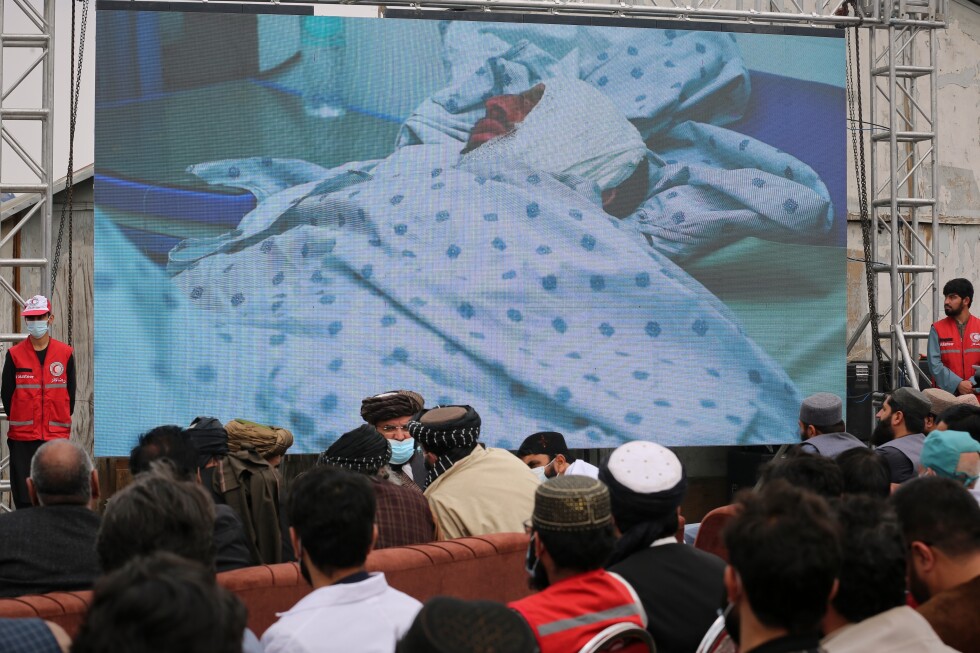
    KABUL, Afghanistan — Afghanistan conducted its second mass burial ceremony on Thursday for victims of a devastating airstrike that targeted a drug rehabilitation facility in Kabul earlier this month. Sixty coffins were lowered into individual graves within a massive excavation prepared by bulldozers at the capital’s cemetery.

    The March 16 strike on the 2,000-bed Omid Addiction Treatment Hospital has sparked international concern amid escalating hostilities between Pakistan and Afghanistan. Afghan health officials now report the death toll has reached 411, with 263 wounded, according to Health Ministry spokesman Sharafat Zaman. The United Nations continues to verify casualty figures while Pakistan maintains it targeted an ammunition depot, not civilian facilities.

    The conflict originated in February with repeated cross-border clashes and airstrikes within Afghan territory. Pakistan alleges Afghanistan provides sanctuary to militant groups conducting operations inside Pakistan, particularly the Pakistani Taliban (TTP). Although distinct from Afghanistan’s ruling Taliban, the TTP maintains close ties with the Kabul government, which denies providing safe havens.

    The situation intensified last month when Pakistan declared open warfare with Afghanistan, raising alarms within the international community about potential resurgence of al-Qaida and Islamic State elements in the region.

    A temporary ceasefire mediated by Saudi Arabia, Turkey, and Qatar during Eid al-Fitr provided brief respite, but hostilities resumed this week. Afghan officials report renewed fighting on Wednesday resulted in at least two civilian deaths in eastern Afghanistan.

    Meanwhile, the TTP announced it has resumed attacks inside Pakistan after observing its own three-day Eid ceasefire.

    The Omid hospital represented a cornerstone of the Taliban government’s efforts to combat widespread drug addiction stemming from Afghanistan’s opium production and decades of conflict. Located near Kabul’s international airport and adjacent to the former NATO base Camp Phoenix, the facility suffered intense fires that left many victims unrecognizable.

  • Army commander convicted of Guinea stadium massacre dies in prison

    Army commander convicted of Guinea stadium massacre dies in prison

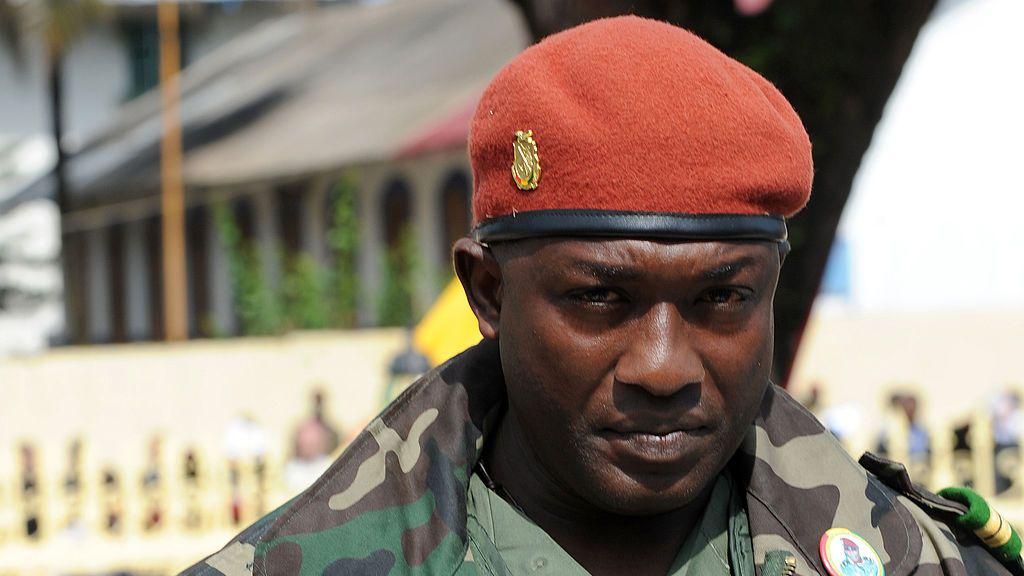
    Aboubacar Sidiki Diakité, a central military commander convicted for crimes against humanity during Guinea’s 2009 stadium massacre, has died while serving his prison sentence. The controversial figure, widely known by his alias Toumba, passed away early Wednesday at Samory Touré Military Hospital in Conakry following a medical emergency characterized by gastric complications including severe abdominal pain and constipation.

    Diakité was serving a decade-long sentence for his role in one of Guinea’s most traumatic historical episodes, where security forces under his command opened fire on tens of thousands of pro-democracy protesters gathered at a Conakry stadium on September 28, 2009. The brutal crackdown resulted in over 150 fatalities and the documented rape of at least 109 women during the demonstration against military rule.

    Despite incarceration, Diakité remained politically active, forming a political party and attempting to launch a presidential campaign that was ultimately blocked by Guinea’s Supreme Court due to his criminal status. As commander of the presidential guard, he had been a key ally to former military ruler Moussa Dadis Camara, who himself was convicted and sentenced to 20 years imprisonment for crimes against humanity in 2024, though controversially pardoned for health reasons less than a year into his term by current leader Mamady Doumbouya.

    Diakité’s complex history includes fleeing Guinea after being accused of attempting to assassinate Camara shortly after the massacre, living under assumed identity in Senegal until his 2016 arrest and subsequent extradition. His death has sparked mixed reactions across Guinea, where the 2009 violence remains a politically sensitive subject with many victims still awaiting comprehensive justice.

    Political analysts describe his passing as symbolizing ‘the end of an era,’ noting that crucial testimony about the stadium events may have died with him. The incident underscores persistent tensions within Guinea’s political landscape, where former military figures maintain influence and accountability for historical abuses remains inconsistently addressed despite the country’s formal return to civilian governance.