分类: world

  • US bombers land in Britain as Pentagon prepares ‘surge’ in Iran strikes

    US bombers land in Britain as Pentagon prepares ‘surge’ in Iran strikes

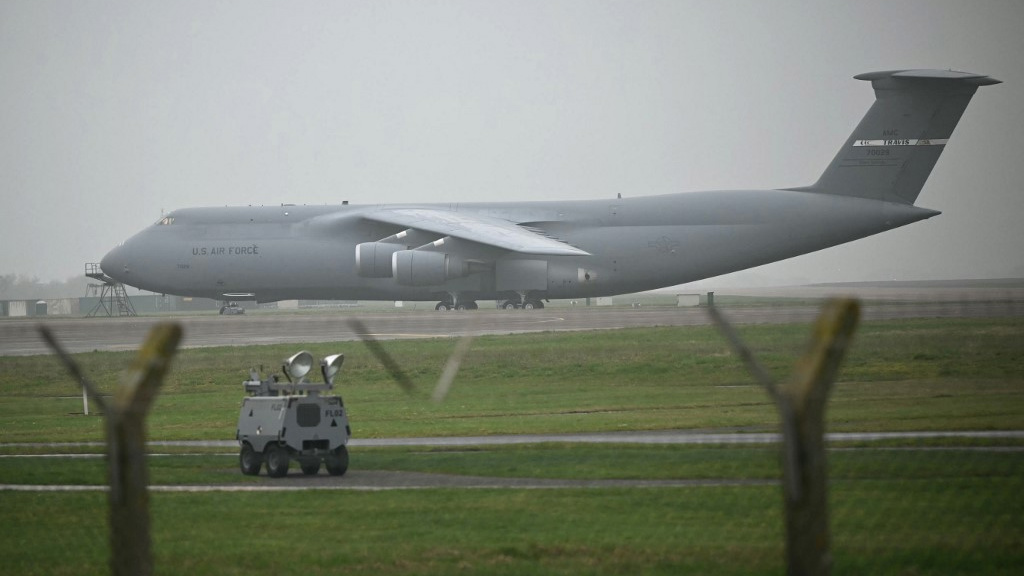
    The United States has significantly bolstered its military presence in the United Kingdom with the arrival of three B-1 Lancer strategic bombers at RAF Fairford in Gloucestershire. This deployment, part of a Pentagon-prepared ‘surge’ operation, signals an escalation in readiness for potential strikes against Iranian targets.

    The advanced bombers, each valued at approximately $2 billion and capable of carrying 24 cruise missiles for long-range stealth missions, were accompanied by a C-5 Galaxy transport aircraft—the largest in the U.S. military inventory. According to U.S. Air Force specifications, these aircraft provide rapid deployment capabilities for massive quantities of precision weapons anywhere in the world.

    This military buildup follows statements from U.S. War Secretary Pete Hegseth, who confirmed plans to utilize British bases for intensified operations against Iran. British Prime Minister Keir Starmer has authorized the use of UK military facilities for targeting Iranian missile sites, despite drawing criticism from former U.S. President Donald Trump who characterized Starmer’s initial hesitation as ‘unhelpful’.

    The deployment occurs against a backdrop of significant public opposition in Britain. Recent YouGov polling indicates that 49% of Britons oppose U.S. military action against Iran, with only 28% in support. Similarly, exactly half of the British public objects to allowing U.S. forces to use UK airbases for these operations.

    British Deputy Prime Minister David Lammy has defended the potential escalation, stating that direct strikes on Iranian missile facilities would be ‘entirely legal’ and within UK capabilities given available satellite and intelligence resources. However, Lammy’s comments were somewhat undermined by factual errors regarding military terminology and NATO alliances.

    Complicating the situation, the UK Ministry of Defence revealed that a drone which recently struck RAF Akrotiri in Cyprus was likely launched from Lebanon or Iraq rather than Iran, contrary to initial assumptions. The incident remains under investigation as regional tensions continue to mount.

  • A nightclub bombing in Peru injures 33, including minors, authorities say

    A nightclub bombing in Peru injures 33, including minors, authorities say

    A devastating explosion rocked the Dali nightclub in Trujillo, Peru during the early hours of Saturday, leaving 33 individuals wounded—including three teenagers—in the latest episode of violence plaguing the northern coastal region. According to the local Emergency Operations Center, the blast occurred in an area increasingly dominated by criminal enterprises.

    Medical authorities reported at least five victims in critical condition, with many sustaining severe shrapnel wounds and traumatic amputations requiring immediate surgical intervention. Gerardo Florián Gómez, executive director of the Trujillo Health Network, confirmed the injured included one 16-year-old and two 17-year-olds among the casualties.

    Eyewitness Fiorella Mantilla, present during the explosion, described the moment of detonation: “It sounded as if the sound system had suddenly been turned off,” she recounted while being treated for glass fragments embedded in her legs.

    This incident marks the fourth significant explosion in Trujillo within a year, following a pattern of escalating violence. Official statistics reveal that the La Libertad region experienced 286 explosions in 2025 alone, with 136 occurring specifically in Trujillo. The region’s illegal gold mining operations and extortion networks have created a fertile environment for organized crime.

    Peruvian authorities have linked the bombing campaign to sophisticated criminal syndicates, including the notorious Los Pulpos organization, which has expanded its operations beyond Peru’s borders into Chile and neighboring countries. The group allegedly uses explosives as intimidation tactics in their extortion schemes.

    The nightclub explosion occurred less than one month after another blast damaged 25 homes in the same city, and follows earlier attacks on government buildings and residential areas throughout 2025 that collectively injured dozens of civilians.

  • Russian strikes kill 12 across Ukraine

    Russian strikes kill 12 across Ukraine

    A devastating overnight assault by Russian forces has left a trail of destruction across Ukraine, resulting in at least 12 fatalities and injuring over a dozen civilians, including children. The coordinated offensive, which spanned from Friday into Saturday, involved a massive deployment of 29 missiles and 480 drones targeting both civilian and critical infrastructure sites nationwide.

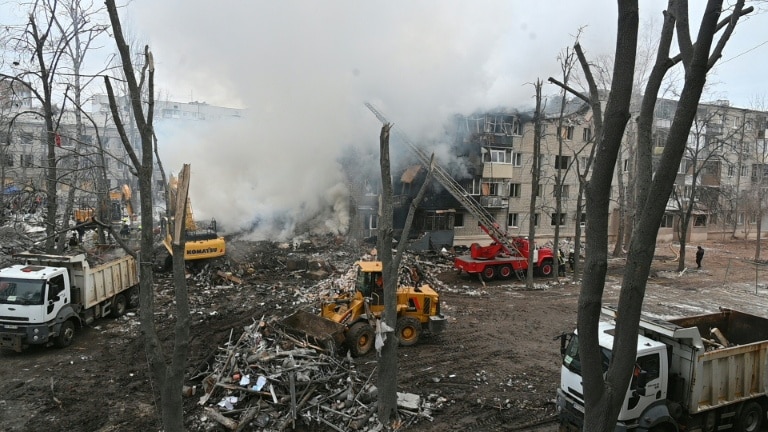
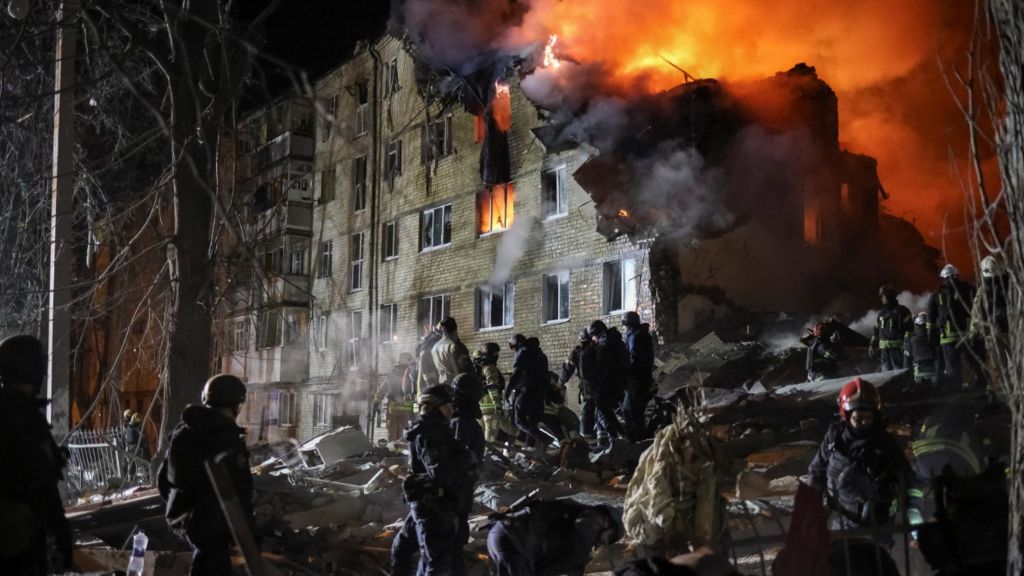
    The northeastern city of Kharkiv suffered the most catastrophic damage when a ballistic missile completely demolished a five-story residential building, claiming nine lives according to latest reports. Emergency crews worked tirelessly through the night searching for survivors trapped beneath the rubble. Among the confirmed victims were two women and their children, adding to the tragic human toll.

    Ukrainian President Volodymyr Zelensky condemned the attacks as part of Russia’s continued strategy to destroy residential areas and critical infrastructure. In response to the escalating violence, Zelensky held urgent discussions with French President Emmanuel Macron, emphasizing the critical need for implementing the €90 billion EU aid package and additional sanctions against Russia, currently hindered by Hungarian opposition.

    The Russian defense ministry maintained that the operation constituted a ‘massive high-precision strike’ exclusively against military targets, continuing their longstanding denial of targeting civilian facilities. Meanwhile, Russian-installed authorities in occupied Kherson reported one fatality and four injuries from Ukrainian drone strikes.

    The aerial bombardment triggered nationwide air raid alerts and prompted neighboring Poland to scramble military aircraft to protect its airspace near the Ukrainian border. Separate incidents in Dnipropetrovsk and Sumy regions claimed additional lives, including a 24-year-old man killed when his vehicle was struck by a Russian drone.

    This latest exchange of hostilities occurs against the backdrop of stalled peace negotiations and recent prisoner exchanges, with Zelensky expressing concern that prolonged Middle East conflicts could further delay crucial deliveries of US-made PAC-3 air defense missiles. The Ukrainian leader has proposed a strategic exchange of drone interceptors for missiles and offered to deploy Ukrainian drone specialists to assist US allies in the Gulf region against Iranian drone threats.

  • Ukraine’s low-cost Shahed killers draw US and Gulf interest, but a wartime ban blocks sales

    Ukraine’s low-cost Shahed killers draw US and Gulf interest, but a wartime ban blocks sales

    KYIV, Ukraine — As Middle Eastern conflicts deplete U.S. missile inventories, Ukraine is strategically positioning its battlefield innovation—cost-effective interceptor drones—as diplomatic currency in global defense negotiations. Having evolved into a world leader in interceptor production since Russia’s full-scale invasion began four years ago, Ukraine now offers its combat-tested expertise to the United States and Gulf partners while seeking advanced weaponry it cannot domestically manufacture.

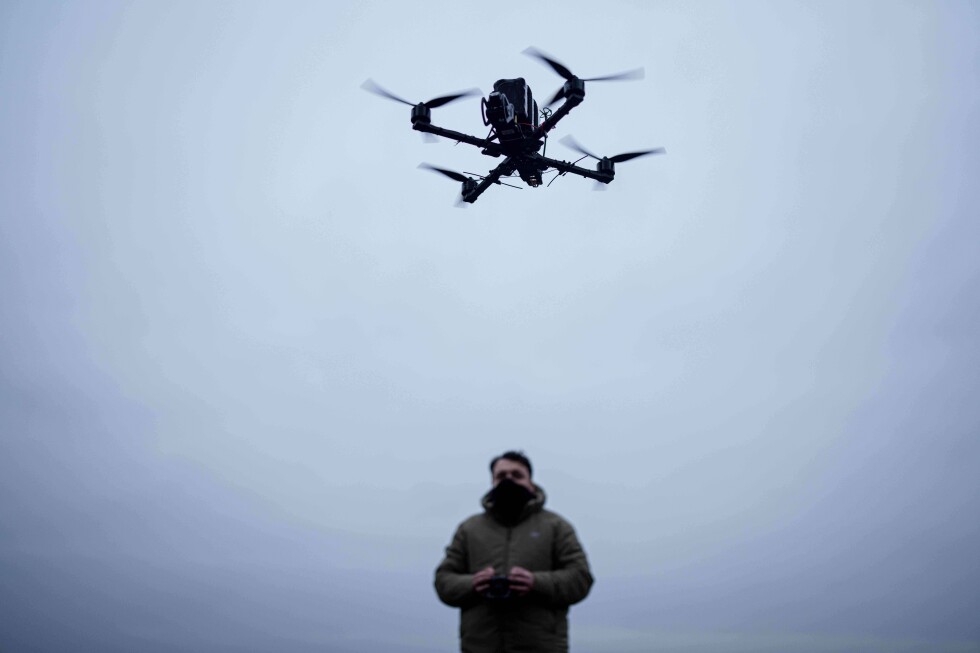
    Ukraine’s defense sector, initially underdeveloped at the war’s onset, has undergone rapid transformation through necessity-driven innovation. The industry now specializes in countering Iranian-designed Shahed drones, which Russia launches by the hundreds, with interceptors costing merely $1,000-$2,000 compared to million-dollar Patriot missiles. This technological advancement has attracted significant international interest, particularly after the U.S. recently requested ‘specific support’ against Shahed drones in the Middle East, prompting President Zelenskyy to deploy Ukrainian equipment and experts—though operational details remain classified.

    The emerging opportunity comes as Gulf nations exhaust their Patriot missile stocks against inexpensive Iranian drones, creating what defense experts call an unsustainable cost imbalance. Lockheed Martin produced a record 600 PAC-3 MSE interceptors throughout 2025, yet Zelenskyy revealed that Middle Eastern nations expended over 800 such missiles in just three days—more than Ukraine’s entire reserve throughout its four-year conflict.

    Ukrainian manufacturers report receiving repeated requests from the U.S. and Gulf states including UAE, Bahrain, Saudi Arabia, and Qatar for their domestically produced interceptors. Companies like General Cherry, creator of the ‘Bullet’ interceptor that has downed hundreds of Shaheds, and Skyfall, producer of the 3D-printed P1-Sun capable of reaching 300 km/h, assert they can manufacture tens of thousands of units monthly without compromising Ukraine’s defenses.

    However, analysts caution that global arms trading involves complex diplomatic considerations beyond technical capability. Yevhen Mahda of Kyiv’s Institute of World Policy notes that weapon trading is ‘an incredibly subtle and sensitive issue’ dominated by the U.S., requiring more than compelling narratives to access international markets.

    Ukraine’s most valuable export may be its human expertise. While hardware exports remain legally complicated under wartime restrictions, Zelenskyy has repeatedly offered to send instructors abroad—a significant strategic sacrifice given Ukraine’s own personnel shortages. Effective interceptor systems require integration with radar networks and trained operators, with Oleh Katkov of Defense Express emphasizing that ‘the real, proven expertise—not just on paper—exists only in Ukraine.’

    The proposed arms exchange represents a potential geopolitical realignment, where Ukraine could emerge as a new player in modern warfare if it can navigate diplomatic challenges and scale production while maintaining its defensive capabilities.

  • Heavy rains and flooding kills at least 23 in Nairobi

    Heavy rains and flooding kills at least 23 in Nairobi

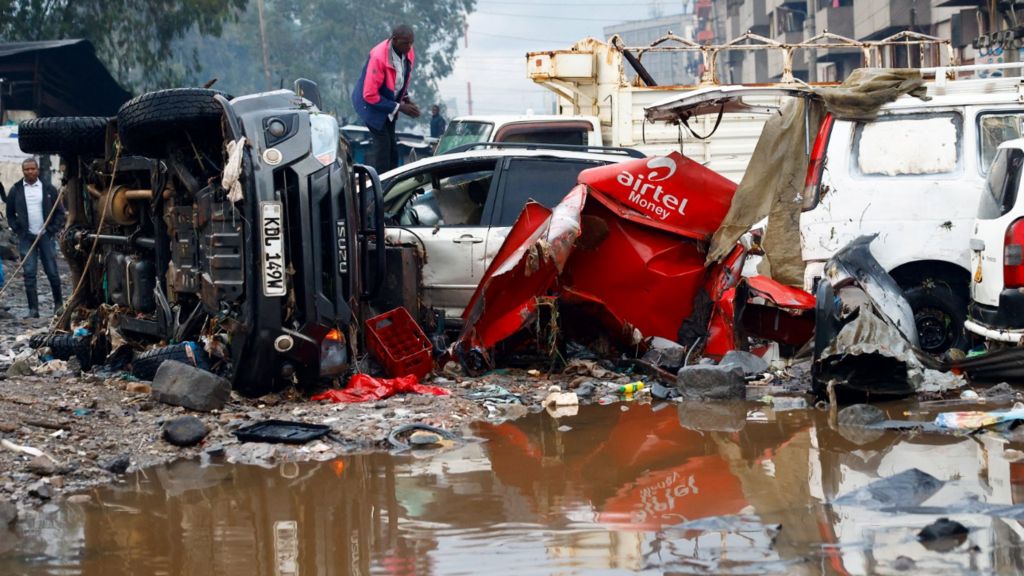
    Nairobi, Kenya’s capital, is reeling from a night of catastrophic flooding that has resulted in at least 23 fatalities and widespread devastation. Torrential overnight rainfall triggered severe inundation across the city, submerging major highways, stranding vehicles, and trapping residents during the evening rush hour.

    According to police reports, approximately 30 individuals have been successfully rescued from the floodwaters, though many others drowned after being swept into raging rivers. Some victims succumbed to electrocution in the chaotic conditions. The flooding has caused extensive property damage, forced road closures, and displaced numerous residents from their homes.

    Kenya’s military has been deployed to assist emergency operations, focusing particularly on rescuing people trapped inside their vehicles. The situation has severely impacted air travel, with several flights bound for Nairobi Airport being cancelled or diverted to Mombasa on the coast.

    The Kenya Meteorological Department had issued advanced warnings predicting 30-70mm of rainfall in Nairobi and surrounding counties, alerting authorities to potential urban flooding and reduced visibility. River levels are expected to continue rising through March 9th, with Nairobi, the Central Highlands, Lake Victoria Basin, and coastal areas remaining under heightened alert for additional peak rainfall in coming days.

    Eyewitness accounts reveal the human tragedy unfolding beneath the floodwaters. John Lomayan, a 34-year-old security guard, described recognizing someone trapped beneath a car that had been washed away when the Nairobi River burst its banks. “I saw him being carried by the water from up there,” he told Reuters, gesturing up the road. “We didn’t know where he had gone. It is only now that we see him under the car.”

    Major transportation arteries including Mombasa Road, Uhuru Highway, Kirinyaga Road, and sections of the Westlands district remain completely submerged. The combination of stalled vehicles and fast-moving floodwaters created particularly dangerous conditions throughout the capital.

    Authorities have advised residents to avoid flooded streets and drainage channels while emergency responders continue assisting stranded motorists and pedestrians. This disaster echoes last year’s tragic flooding across Kenya and neighboring Tanzania that claimed hundreds of lives through similar patterns of heavy rainfall causing severe flooding and landslides.

  • War in the Middle East: latest developments

    War in the Middle East: latest developments

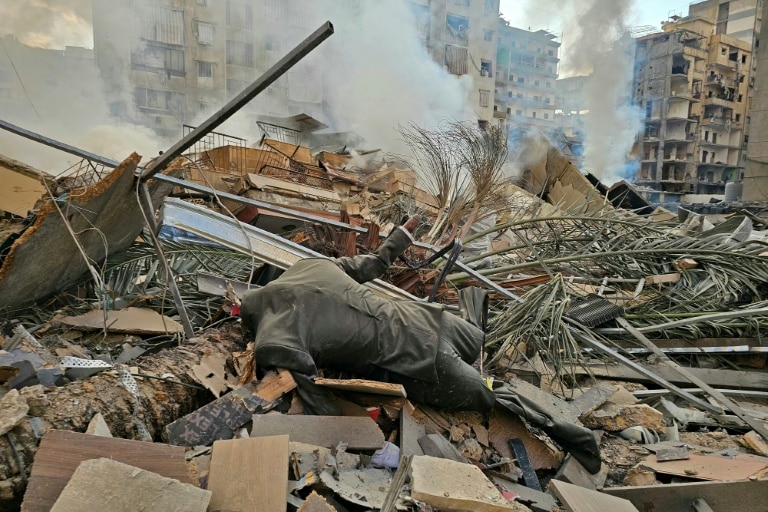
    The Middle East conflict entered a dangerous new phase this weekend as Israel intensified military operations against Iranian targets and Hezbollah positions. Israeli forces conducted precision strikes on Revolutionary Guard facilities in Tehran and Isfahan, following an extensive overnight operation involving approximately 80 fighter jets. Concurrently, Israeli forces targeted Hezbollah command centers and weapons storage facilities across southern Lebanon and the Beqaa Valley, resulting in several casualties among the group’s leadership.

    The regional tension significantly disrupted air travel, with Dubai International Airport—the world’s busiest for international travel—temporarily suspending operations before partially resuming services following air defense activity in the area. Similar disruptions were reported in Bahrain’s capital Manama, where warning sirens prompted residents to seek shelter.

    Iranian President Masoud Pezeshkian delivered a defiant statement, asserting that Iran would not surrender to Israeli and American pressure. While apologizing to neighboring countries for recent attacks, he issued a stern warning that further Iranian missiles would only be launched if attacks originated from those territories. Simultaneously, Iran’s Revolutionary Guards claimed responsibility for targeting an oil tanker in the Gulf and conducted operations against separatist groups in Iraq’s Kurdistan region.

    The diplomatic response intensified as Saudi Arabia’s Defense Minister Prince Khalid bin Salman called on Iran to ‘avoid miscalculation’ following repeated missile and drone attacks against the kingdom. The Arab League scheduled an emergency meeting for Sunday to coordinate response to Iranian attacks on Arab territories, with several Gulf states participating.

    Meanwhile, the United States approved emergency weapons sales to Israel, authorizing 12,000 bomb casings to bolster Israeli defense capabilities amid the escalating conflict. The Israeli military remained on high alert, responding to Iranian missile attacks that triggered air raid sirens across the country.

  • Fighting disrupts shipping, threatening Africa trade

    Fighting disrupts shipping, threatening Africa trade

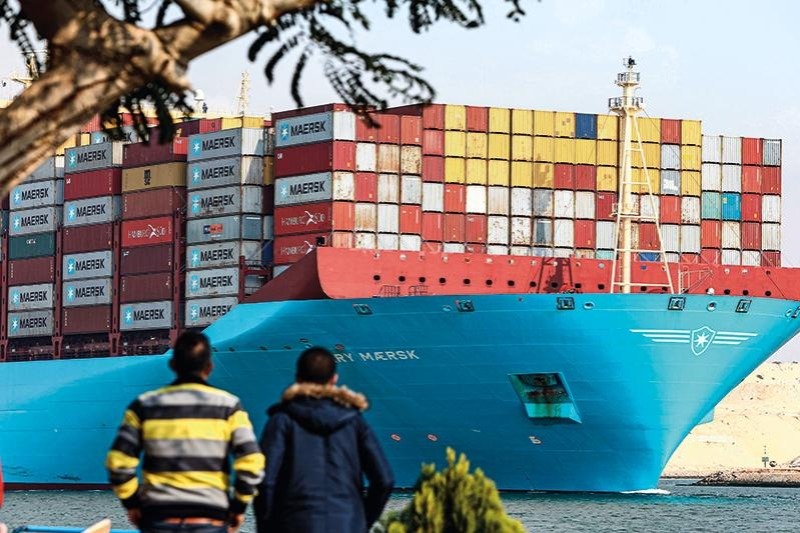
    The escalating conflict in the Gulf region has unleashed severe disruptions across East Africa’s trade networks, with major shipping companies abandoning traditional routes through the Red Sea and Suez Canal. Global carriers including Maersk, CMA CGM, and Mediterranean Shipping Company have suspended sailings through these critical maritime corridors, redirecting vessels around South Africa’s Cape of Good Hope instead.

    This strategic rerouting threatens to cripple East African exports, particularly perishable commodities. The extended journey—increasing transit times from 20 days to potentially 45 days—jeopardizes cold-chain logistics and threatens significant financial losses for regional exporters.

    Kenya’s agricultural sector faces immediate jeopardy. The East African Tea Trade Association warns that the country could lose up to 25% of its Middle Eastern tea market if hostilities persist. Meanwhile, Kenya’s meat export industry reports over 200 metric tons of product stranded in cold storage facilities, with daily exports of 130 tons completely halted.

    Agayo Ogambi, CEO of the Shippers Council of Eastern Africa, emphasized the critical timing for exporters handling perishables like avocados. “The extended transit will lead to cold-chain disruptions, higher rejection rates by buyers, and substantial financial losses,” Ogambi stated.

    Waweru Kamau of Juja International Abattoirs detailed the crisis: “All meat prepared for shipment remains frozen in our facilities. We’ve suspended operations and sent staff home as our primary market—the Middle East, particularly the UAE which accounts for 60% of exports—becomes inaccessible due to route disruptions.”

    The ripple effects extend beyond immediate cargo delays, threatening to increase freight charges at major East African ports including Mombasa, disrupt container circulation systems, and potentially trigger broader economic consequences across the continent’s trade-dependent economies.

  • Stable energy, mineral supply chains urged

    Stable energy, mineral supply chains urged

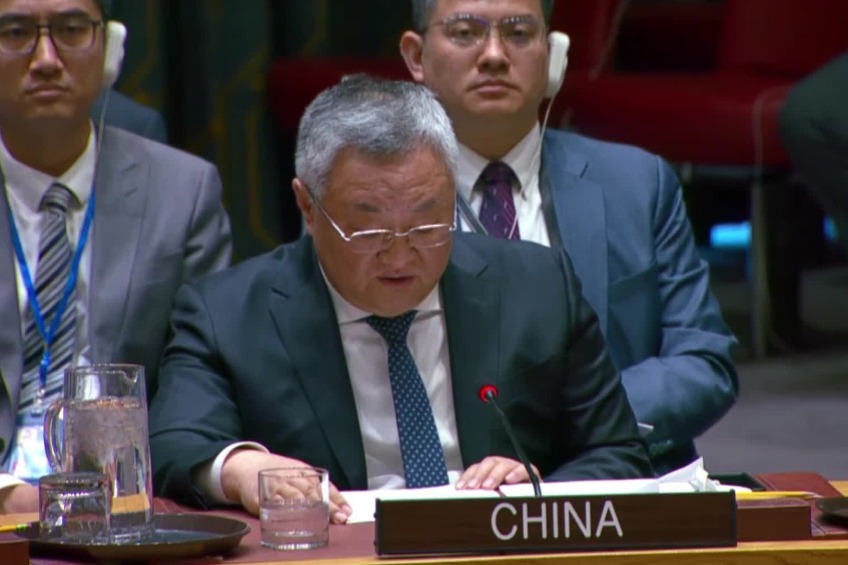
    In a significant address to the United Nations Security Council on Thursday, China’s Permanent Representative Fu Cong issued a compelling call for international action to safeguard global energy and critical mineral supply chains against escalating disruptions. The ambassador’s urgent appeal comes amid mounting geopolitical tensions in the Middle East that have severely compromised maritime transportation routes and raised alarms about worldwide economic stability.

    Ambassador Fu highlighted how recurring conflicts in resource-rich regions like the Middle East and Africa have dramatically impaired normal production and transportation operations for essential energy resources and critical minerals. He emphasized that the current situation in the Strait of Hormuz—a vital corridor for energy shipments from Gulf nations—has become particularly concerning due to recent military activities and security threats.

    The Chinese diplomat urged all parties to immediately adhere to the fundamental principles of the UN Charter, resolve disputes through peaceful dialogue, and ensure the protection of non-military targets. He specifically stressed the critical importance of maintaining secure and unimpeded navigation routes for global commerce.

    Fu presented a comprehensive vision for international cooperation, noting that the global distribution of energy and critical minerals remains ‘highly uneven,’ creating inevitable supply-demand mismatches across nations. He advocated for establishing a fair and transparent global economic and trade order while building an inclusive, open supply chain system that promotes mutually beneficial cooperation and peaceful resource utilization.

    The ambassador strongly cautioned against politicizing or securitizing energy and mineral issues, warning against Cold War mentalities and the formation of exclusive blocs with geopolitical motivations. He asserted that global industrial and supply chains represent the natural outcome of economic globalization and market mechanisms, noting that political manipulation or artificial interference would only further destabilize international markets and ultimately backfire on those responsible.

    Fu emphasized that countries’ sovereign rights over natural resources must be fully respected, and developing nations should be empowered to leverage their resources for economic advancement rather than being confined to lower-value segments of global supply chains. He called on relevant countries to abandon outdated colonialist approaches, respect other nations’ development paths, and engage in equitable commercial cooperation without resorting to resource exploitation or military coercion.

    The ambassador also highlighted China’s leadership role as the world’s largest producer, consumer, and trader of minerals, referencing Beijing’s International Economic and Trade Cooperation Initiative on Green Mining and Minerals announced at last November’s G20 summit in South Africa. This initiative aims to advance sustainable development within the global mining sector while maintaining stable, fair, and mutually beneficial supply chains.

  • Russian strike on Kharkiv apartment block kills seven

    Russian strike on Kharkiv apartment block kills seven

    A devastating Russian missile assault struck a residential district in Kharkiv, Ukraine, resulting in a significant loss of life and injuries. Ukrainian President Volodymyr Zelensky confirmed that at least seven individuals, including children, perished in the attack, with a minimum of ten others sustaining injuries.

    The offensive, which occurred on Saturday morning, targeted a five-story apartment building, causing extensive structural damage. Regional Governor Oleg Synegubov reported that rescue teams are actively conducting search and recovery operations amidst the rubble, with concerns that additional victims may be trapped beneath the debris.

    Among the fatalities were a 65-year-old woman, a 40-year-old man, and a 13-year-old girl. Subsequent reports from Synegubov indicated the discovery of four additional bodies, including a nine-year-old boy. The assault also damaged seven apartment complexes, power infrastructure, and an administrative building in the city.

    In a broader context, President Zelensky disclosed that overnight Russian aggression involved 29 missiles and 480 drones targeting critical energy facilities across Kyiv, Khmelnytskyi, and Chernivtsi regions, alongside railway infrastructure in Zhytomyr. The Ukrainian leader urgently appealed for enhanced international support and a decisive response from allied nations.

    Concurrently, the Polish Air Force activated protective measures, scrambling military jets to safeguard its airspace along the Ukrainian border, a standard protocol during large-scale Russian offensive operations.

    Additional regional impacts were reported in the Nikopol district, where one individual was killed and another wounded following approximately twenty separate attacks utilizing drones, artillery, and rockets. Further casualties included an infant injured in Zaporizhzhia and two individuals wounded in a drone attack on a residential property in Chuguiv.

  • At least 7 killed in Ukraine’s Kharkiv as Russian missile hits apartment building

    At least 7 killed in Ukraine’s Kharkiv as Russian missile hits apartment building

    KHARKIV, Ukraine — A Russian missile strike devastated a residential building in Ukraine’s second-largest city on Saturday, killing at least seven civilians and injuring ten others, including three children, according to Ukrainian officials. The attack on the five-story apartment complex in Kharkiv represents one of the deadliest recent assaults on civilian infrastructure.

    President Volodymyr Zelenskyy condemned what he described as ‘savage strikes against life’ and urgently called for enhanced international support. Ukrainian defense systems intercepted the majority of an extensive overnight barrage that included 29 missiles and 480 drones targeting energy facilities across multiple regions. Preliminary data indicates air defenses successfully downed 19 missiles and 453 drones, though nine missiles and 26 strike drones reached their targets at 22 locations nationwide.

    Emergency crews in Kharkiv continued search and rescue operations through the day, meticulously combing through rubble for potential survivors. The attack caused widespread infrastructure damage, with regional authorities reporting significant impacts on transportation networks. Ukraine’s state rail operator confirmed damage to central-western rail infrastructure forced route modifications across the country.

    The southern Odesa region witnessed massive fires at critical infrastructure facilities following drone attacks, requiring deployment of 80 firefighters to contain the blazes. Zelenskyy emphasized Russia’s continued targeting of residential and critical infrastructure necessitates sustained international military support, particularly enhanced air defense capabilities.

    The conflict’s dynamics have evolved with Russia’s domestic production of Iranian-designed Shahed drones, enabling attacks numbering in the hundreds per night—a significant escalation from earlier patterns. Meanwhile, Ukraine has responded to U.S. requests for assistance in Middle East defense against similar drone technology, deploying equipment and experts to support regional security efforts.

    The expanding Middle East conflict has diverted international attention from Ukraine while postponing planned U.S.-brokered negotiations between Moscow and Kyiv, further complicating diplomatic resolution efforts.