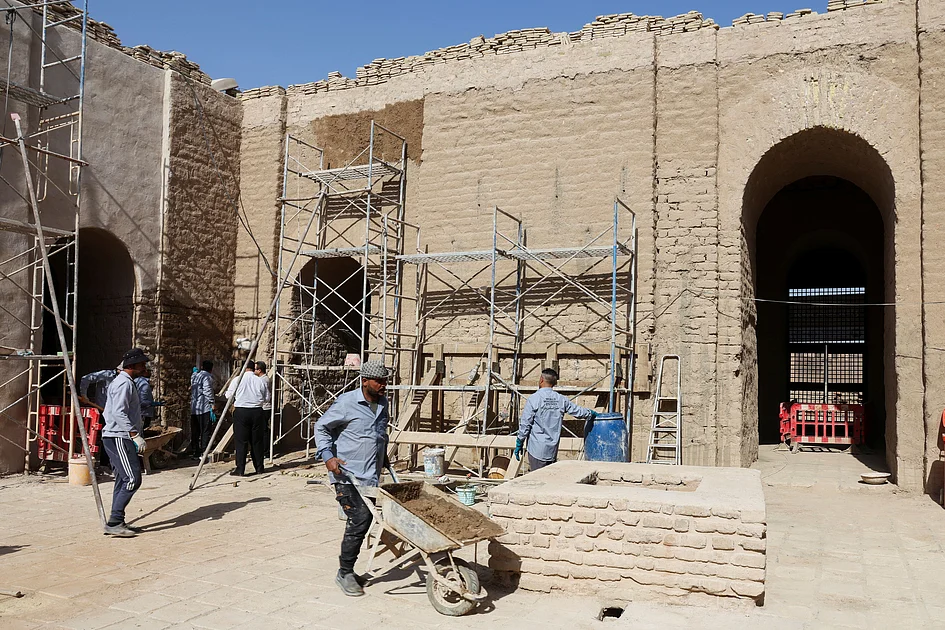
Iraq, often referred to as the cradle of civilisation, is facing a dire threat to its archaeological heritage due to the escalating impacts of climate change. Rising soil salinity, exacerbated by harsh and dry weather conditions, is accelerating the deterioration of ancient sites such as Ur, the birthplace of the Biblical patriarch Abraham, and Babylon, once the magnificent capital of empires. Experts warn that these historical treasures, which have stood for thousands of years, are now at risk of disappearing. The majestic Ziggurat of Ur, a 4,000-year-old stepped pyramid temple dedicated to the moon god Nanna, is particularly vulnerable. Sand dunes and wind are eroding its northern sections, while salt deposits are eating away at the mud bricks of the Royal Cemetery of Ur, discovered in the 1920s. Nearby, the ancient city of Babylon is also in peril, with high salinity levels threatening its clay-based structures adorned with Sumerian drawings. Improper restoration practices in previous decades have made these structures more susceptible to damage. Iraq’s Ministry of Culture and Tourism has highlighted the urgent need for restoration, but a lack of funding remains a significant challenge. The country, already scarred by decades of warfare, now faces a new battle against climate change, which is altering its ecosystem and endangering its historical footprint. Without immediate intervention, these ancient cities, which offer invaluable insights into the Sumerian empire and the world’s first civilisations, may be lost forever.
分类: world
-
Gaza patients dying as medical supplies remain low, hospital chief warns
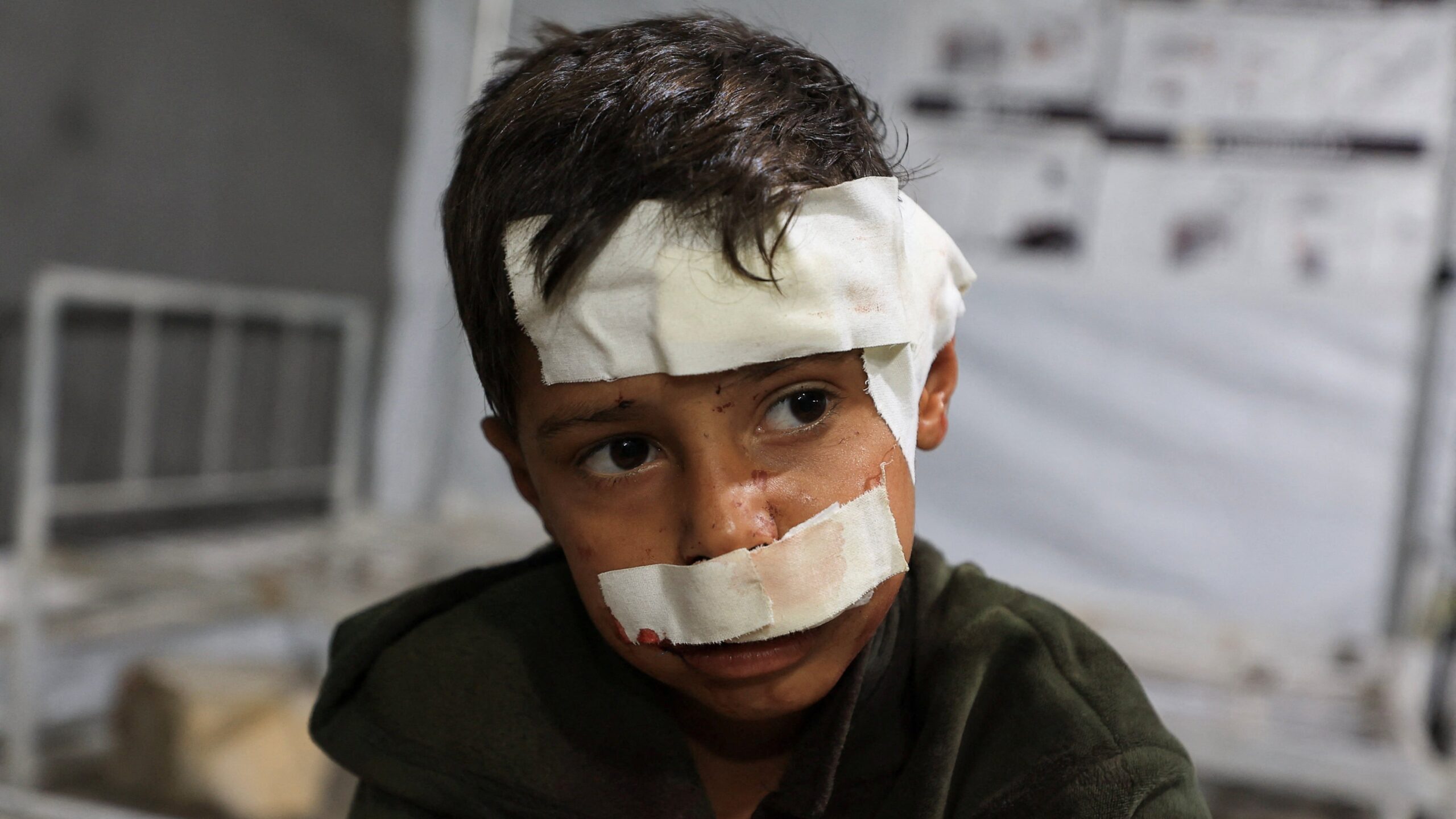
The ongoing conflict in Gaza has led to a catastrophic health crisis, with over 1,000 Palestinians in need of medical treatment having died since the war began, according to Dr. Mohammed Abu Salmiya, director of al-Shifa Hospital. The dire situation is exacerbated by Israel’s stringent restrictions on essential medical supplies entering the Gaza Strip, leaving the already collapsing health system in ruins. Since the ceasefire began on October 11, only 10 percent of the required medical supplies have reached the besieged enclave, leaving more than 350,000 patients with chronic conditions without access to vital medication. Hospitals are overwhelmed, receiving the bodies of patients who succumb to their illnesses daily due to the lack of medicine. ‘Without treatment, their fate is death,’ Abu Salmiya warned. Additionally, 22,000 Palestinians, including 18,000 who have completed the necessary paperwork, are unable to travel abroad for treatment due to the continued closure of crossings by Israel. Women and children are among the most vulnerable, with newborn mortality rates skyrocketing from 10 percent before the war to over 40 percent now. Pregnancy-related mortality rates have also risen drastically. The crisis worsened after Israel launched a wave of heavy air strikes across Gaza, killing 104 people, including 46 children, and wounding hundreds more. Abu Salmiya described the situation as a ‘massacre,’ with the wounded dying before their eyes due to the lack of medical attention. Mahmoud Basal, spokesperson for the Palestinian Civil Defence search-and-rescue team, highlighted the severe lack of equipment, which has drastically limited their ability to carry out rescue operations. ‘Thousands of people in Gaza have died because civil defence teams were unable to reach them immediately and efficiently to rescue them,’ he explained. Israel has yet to allow heavy equipment into Gaza for use by the civil defence, with any machinery entering the enclave being used solely to retrieve the bodies of Israeli captives killed in Gaza. Since October 7, 2023, Israeli forces have killed at least 68,643 Palestinians and wounded over 170,000, with most of those killed being civilians. Around 10,000 are missing and believed to be dead and buried under rubble.
-
‘Everything’s gone’ – BBC finally able to access one of Jamaica’s worst-hit areas
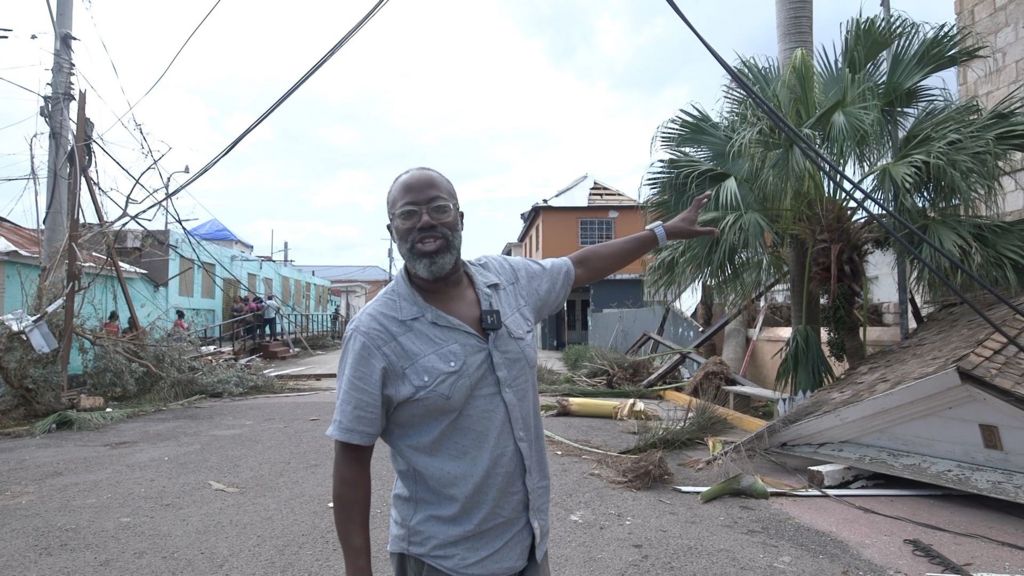
In a recent development, the BBC has managed to enter Falmouth, one of Jamaica’s most severely impacted areas following a recent disaster. The once-thriving tourism hub now lies in ruins, with buildings, power lines, and even a historic church that was once visited by King Charles, all reduced to rubble. The scene is one of utter devastation, with locals describing the situation as ‘everything’s gone.’ Falmouth, known for its vibrant tourism industry, now faces a long and arduous road to recovery. The destruction not only affects the local economy but also poses significant challenges for the community’s morale and future prospects. Authorities are now focusing on relief efforts and rebuilding plans to restore the area to its former glory.
-
Israel carries out deadly incursion in south Lebanon
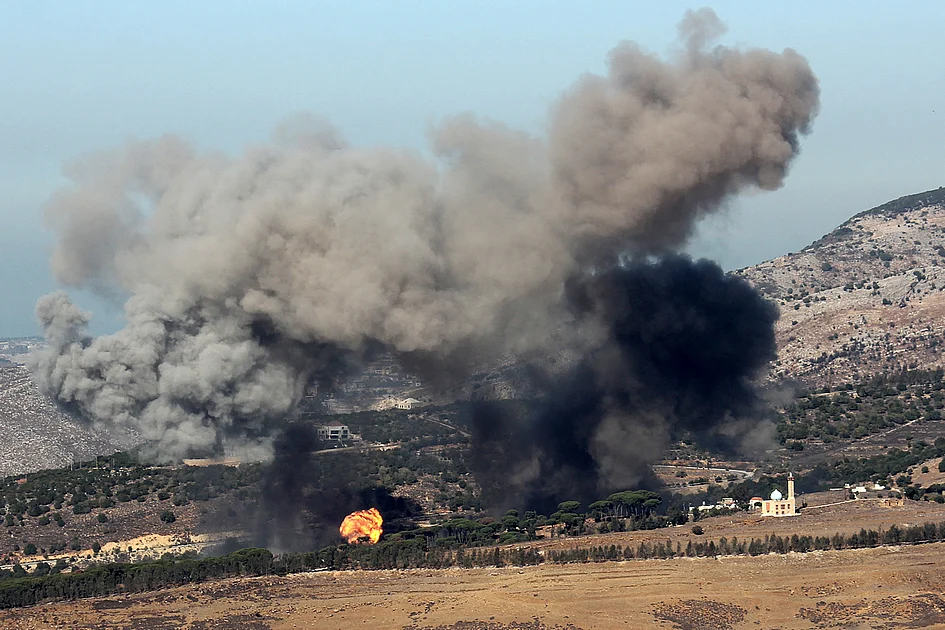
In a significant escalation of tensions, Israeli forces conducted a deadly incursion into southern Lebanon on Thursday, resulting in the killing of a municipal worker. Lebanese President Joseph Aoun swiftly responded by ordering the armed forces to confront any future Israeli incursions, emphasizing the defense of Lebanese territory and citizen safety. The Israeli military confirmed the raid, stating it targeted Hezbollah infrastructure and fired upon a ‘suspect’ deemed an immediate threat. The incident has drawn sharp condemnation from Lebanese Prime Minister Nawaf Salam, who labeled it a ‘flagrant aggression against Lebanese sovereignty.’
According to Lebanon’s National News Agency (NNA), Israeli troops stormed the Blida municipality building, where employee Ibrahim Salameh was sleeping, and fatally shot him. The health ministry confirmed his death, and an AFP journalist documented bullet holes and bloodstains at the scene. Blida’s mayor explained that Salameh was on duty, as most homes in the area were destroyed during last year’s conflict between Israel and Hezbollah.
The Israeli military defended its actions, claiming the building was used by Hezbollah for ‘terrorist activity under the guise of civilian infrastructure.’ Meanwhile, in the nearby village of Adaisseh, Israeli forces reportedly destroyed a religious ceremony hall at dawn. This raid comes despite a November 2024 ceasefire agreement, which has not halted Israel’s regular air strikes on Lebanon, often targeting Hezbollah positions.
The UN rights commission reported that Israeli forces have killed 111 civilians in Lebanon since the ceasefire. Hezbollah, weakened by the war, faces increasing pressure from the US to disarm. During a recent meeting of ceasefire monitors, US envoy Morgan Ortagus urged the Lebanese army to fully implement its plan to bring all weapons under state control by year-end. The situation remains volatile, with fears of further escalation in the region.
-
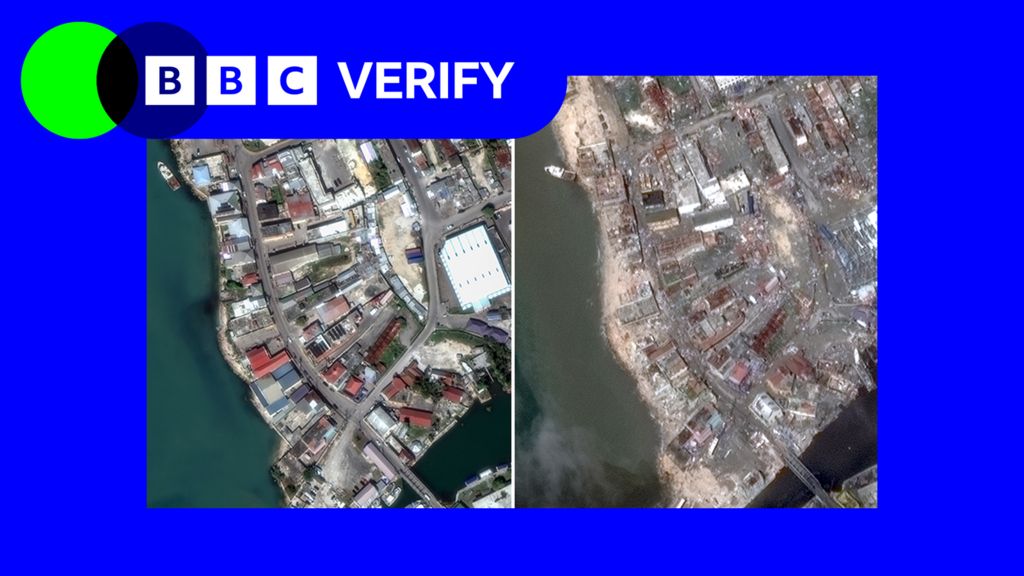
Before and after: Satellite images reveal hurricane devastation in Jamaica
Jamaica is grappling with the aftermath of Hurricane Melissa, a Category 5 storm that has left widespread devastation across the island. With power outages, communication breakdowns, and treacherous conditions hampering relief efforts, authorities have yet to provide a comprehensive damage assessment. However, satellite imagery analyzed by BBC Verify is beginning to reveal the storm’s catastrophic impact on communities. The southwestern coastal port of Black River, described by Prime Minister Andrew Holness as ‘ground zero,’ has suffered severe destruction. Key structures, including a market building, a café, and a warehouse, have been obliterated or heavily damaged. The fishing village of White House, home to thousands, bore the brunt of the hurricane’s 185 mph winds, with nearly every structure either damaged or destroyed. Montego Bay, a major tourist hub, now resembles a brown swamp, with floodwaters inundating the port, industrial park, and nearby facilities. Mayor Richard Vernon described the area as ‘devastated,’ praising locals for their resilience and mutual support. As Jamaica begins the long road to recovery, the full scale of the disaster remains to be seen.
-
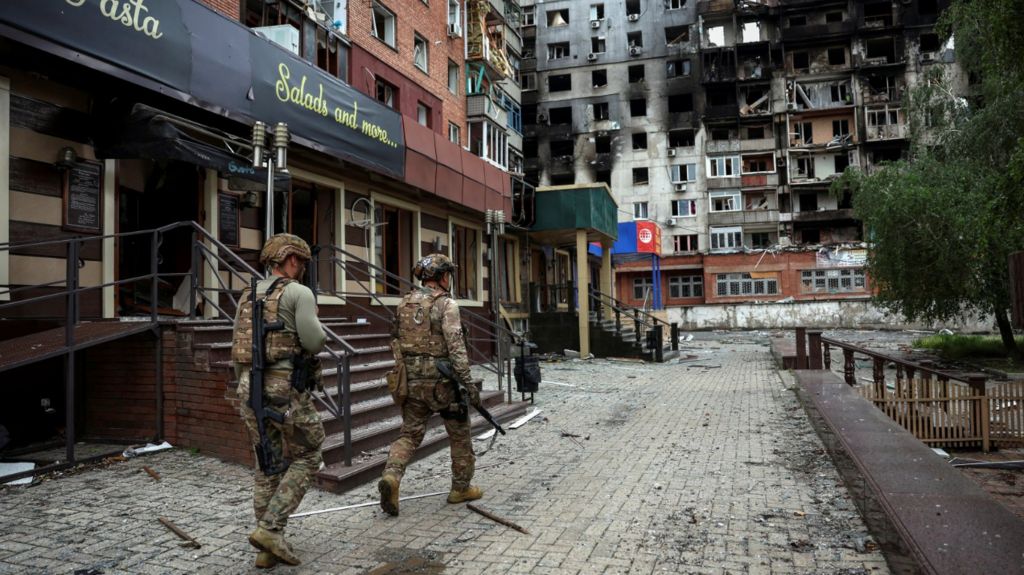
Russian activity increasing around key Ukrainian town, army chief says
The commander-in-chief of Ukraine’s armed forces, General Oleksandr Syrskyi, has issued a stark warning about escalating Russian military activity around the strategic town of Pokrovsk in the Donetsk region. Describing the situation as ‘difficult,’ Syrskyi confirmed that Russian infantry is massing in the area, though he dismissed claims of a Ukrainian blockade as ‘untrue’ propaganda. Pokrovsk, a critical transport and supply hub, has become a focal point in Russia’s efforts to advance further into eastern Ukraine, potentially paving the way for the capture of key cities like Kramatorsk and Sloviansk. General Syrskyi emphasized the importance of identifying and neutralizing Russian forces while maintaining a balance between military objectives and capabilities. He stressed that preserving the lives of Ukrainian soldiers remains the top priority. Ukrainian President Volodymyr Zelensky echoed these concerns, stating that Russian forces outnumber Ukrainians in Pokrovsk by eight to one and that Moscow aims to use the town as a propaganda tool to convince the United States of Ukraine’s retreat. Defense intelligence firm Sybelline and Ukrainian monitoring group Deepstate both reported that the battle for Pokrovsk has intensified, with Russian forces making significant advances and disrupting Ukrainian supply routes. Deepstate warned that the situation is nearing a crisis point, with little time left to reverse the deterioration. The conflict in Pokrovsk underscores the broader struggle for control in eastern Ukraine, as Russia continues its full-scale invasion launched in February 2022.
-

What is COP30 and why does it matter?
As the world grapples with escalating climate crises, global leaders are set to convene for COP30, the 30th annual United Nations climate conference. Scheduled from November 10 to 21 in Belém, Brazil, this summit marks a decade since the landmark Paris Agreement, which aimed to cap global temperature rises at 1.5°C above pre-industrial levels. The conference, officially known as the ‘Conference of the Parties,’ brings together nearly 200 nations to strategize on mitigating and adapting to climate change. However, the choice of Belém, located in the heart of the Amazon rainforest, has sparked logistical and environmental concerns, including deforestation for infrastructure and limited accommodations, potentially sidelining poorer nations. The summit faces additional challenges as global climate targets remain under strain, with only a third of countries submitting updated emission reduction plans. UN Secretary-General António Guterres has acknowledged that exceeding the 1.5°C target is now inevitable but remains hopeful for future corrective measures. Key discussion points at COP30 include the transition from fossil fuels, financial commitments to developing nations, renewable energy expansion, and the launch of the ‘Tropical Forests Forever Facility.’ The summit also grapples with the contentious stance of the Trump administration, which has rolled back U.S. climate commitments and criticized global climate efforts. Despite these hurdles, COP30 represents a pivotal moment for international collaboration, aiming to reinforce the commitments made in Paris and drive meaningful progress toward a sustainable future.
-
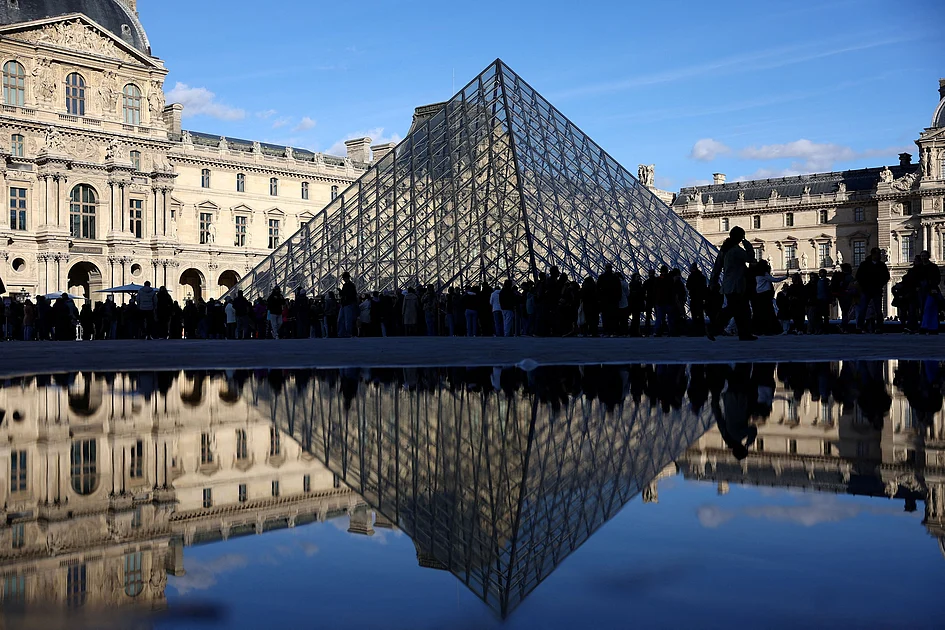
France arrests 5 new suspects in Louvre jewel heist probe
French authorities have made significant progress in the investigation of the high-profile Louvre jewel heist, arresting five new suspects on October 30, 2025. This development follows the apprehension of a third suspect earlier in the week, as reported by French TV station BFM. The latest arrests occurred in the Paris region late on Wednesday, with one individual suspected of being present at the crime scene during the robbery. The heist, which took place on October 19, saw four hooded thieves steal precious jewels from the Louvre’s Apollo gallery, home to the French Crown Jewels, during the museum’s opening hours. The incident has raised serious concerns about security at the world’s most-visited museum. Two men arrested last weekend have reportedly ‘partially admitted’ their involvement in the break-in, which involved entering through an upstairs window. The Paris prosecutor has been actively pursuing leads, and the recent arrests mark a crucial step in unraveling the full extent of the crime.
-
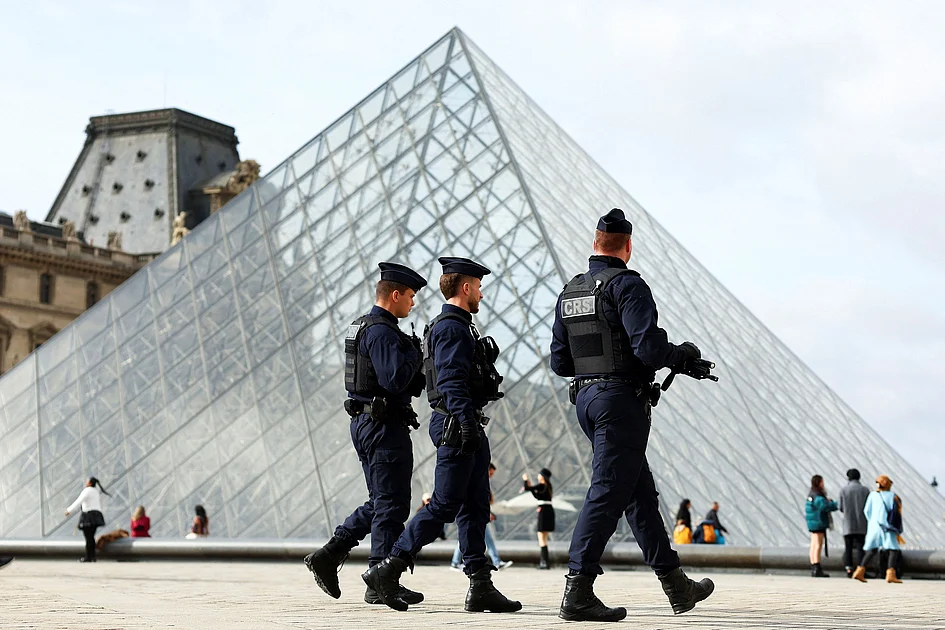
Third suspect arrested over Louvre jewel heist in France
In a significant development in the high-profile Louvre jewel heist case, French authorities have apprehended a third suspect linked to the audacious robbery. According to reports from BFM TV, the arrest occurred late Wednesday in the Paris region. The suspect is believed to have been present at the scene during the theft, which took place on the morning of October 19. The heist involved four masked thieves who brazenly stole precious jewels from the Louvre’s Apollo gallery, which houses the French Crown Jewels, during the museum’s opening hours. This incident has raised serious concerns about security at the world’s most-visited museum. Earlier, two other suspects were arrested last weekend and have reportedly ‘partially admitted’ their involvement in the crime. Despite these arrests, the stolen jewels remain missing, adding to the mystery and urgency of the ongoing investigation.
-
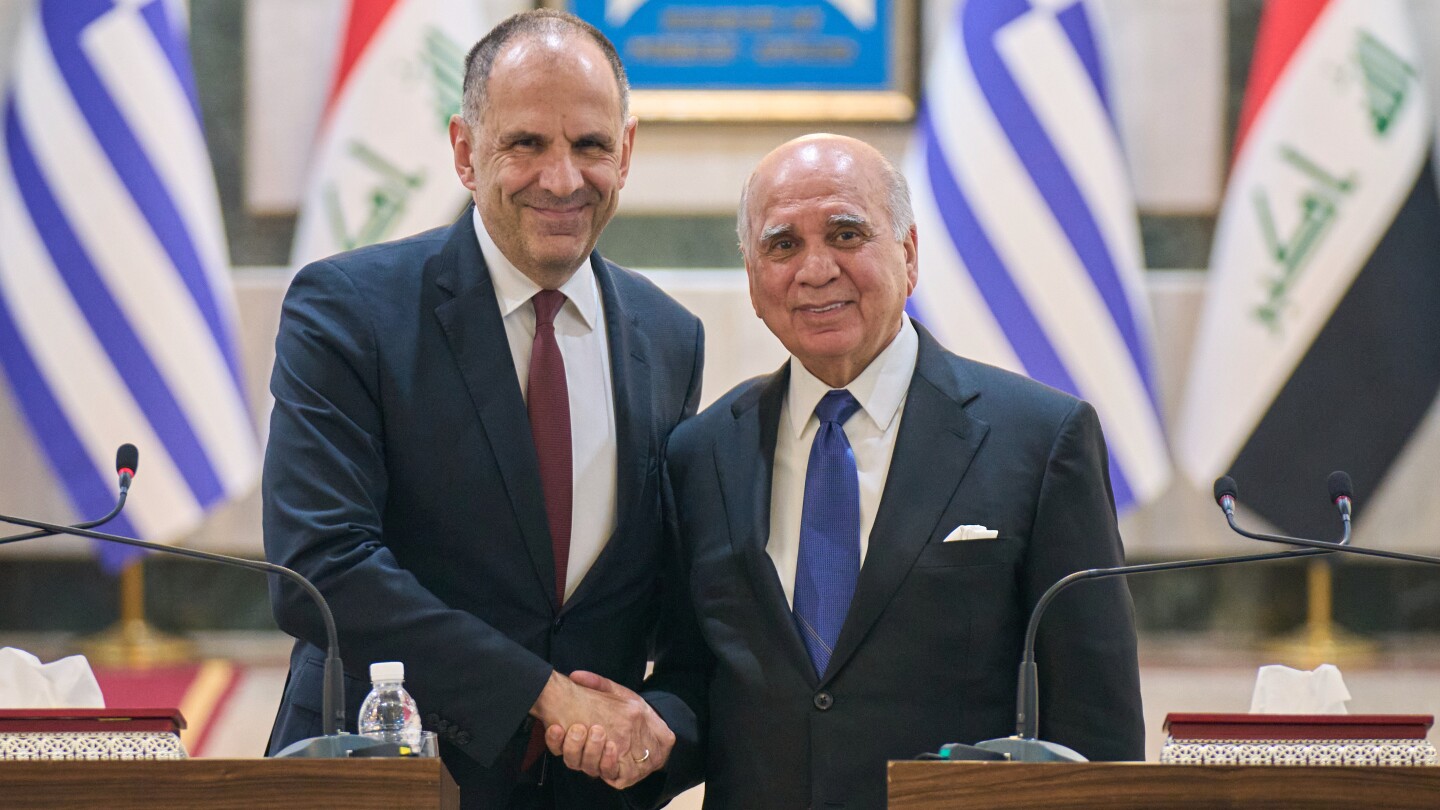
Greek airline will run direct flights to Baghdad starting in December
In a significant move to enhance bilateral relations, Greece has announced the launch of direct flights from Athens to Baghdad, marking a new chapter in the economic and cultural ties between the two nations. Greek Foreign Minister Giorgos Gerapetritis revealed on Thursday during his visit to Iraq that Aegean Airlines will commence its inaugural flight on December 16. This development is particularly noteworthy as no other European airline currently operates direct flights to the Iraqi capital. Gerapetritis emphasized the potential of this initiative to significantly bolster economic and cultural connections between the peoples of Greece and Iraq. While Aegean Airlines and a few other carriers already service Irbil, the capital of Iraq’s semi-autonomous Kurdish region, Baghdad has largely been avoided due to historical security concerns. The security situation in Iraq has improved since the fall of Saddam Hussein in 2003 and the subsequent defeat of the Islamic State group, which once controlled vast territories in Iraq and Syria. Iraqi Foreign Minister Fuad Hussein welcomed the new flight route, highlighting ongoing discussions between the two countries on cooperation in agriculture, investment, and tourism. He noted that recent visits by European leaders to Iraq reflect the country’s growing stability and its enhanced international standing.