分类: world

  • Tragedy revisited

    Tragedy revisited

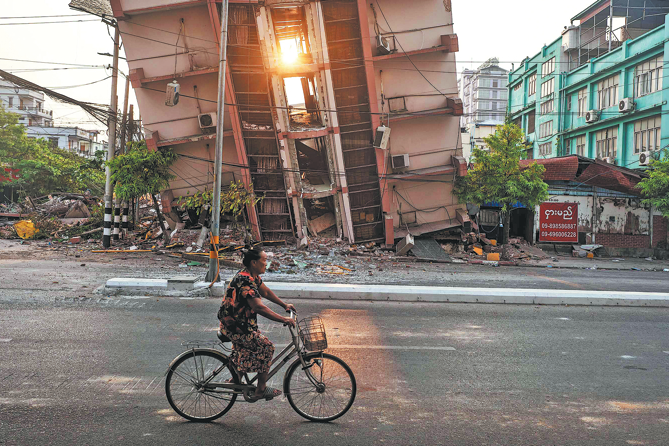
    One year after a catastrophic 7.7-magnitude earthquake tore through central Myanmar, leaving thousands dead and billions of dollars in destruction, the nation has gathered to honor the lives lost and reflect on ongoing recovery work. The official commemoration ceremony was hosted in Nay Pyi Taw, Myanmar’s national capital, and broadcast by state-owned Myanmar Radio and Television on Sunday.

    Addressing attendees, Acting President Senior General Min Aung Hlaing opened the event by extending heartfelt condolences to the families of those killed and affected by the disaster. He spoke of the widespread grief over the thousands of lives cut short and the irreversible loss of personal and public property across the impacted regions.

    Min Aung Hlaing went on to detail the full scale of the destruction the earthquake left in its wake. The tremor, which struck on March 28, 2025, rippled across 10 of Myanmar’s administrative regions and states, including the capital Nay Pyi Taw. Official casualty counts confirm 3,818 people lost their lives in the disaster, while an additional 5,104 people suffered injuries ranging from minor to life-altering. In total, more than 160,000 households saw their homes damaged or destroyed, leaving over 420,000 people displaced or otherwise impacted by the event. Preliminary economic assessments put total infrastructure, property and cultural damage at more than 7,979 billion kyats, equivalent to roughly $3.79 billion. One of the most visible symbols of the destruction, captured in international press imagery, was a centuries-old Buddha statue reduced to rubble in Mandalay, the earthquake’s hardest-hit urban center.

    Beyond commemorating the lives lost, the acting president emphasized that national rehabilitation and reconstruction efforts remain ongoing, with the government prioritizing the safe return of displaced residents and the rebuilding of critical public infrastructure damaged in the tremor.

  • War in the Middle East: latest developments

    War in the Middle East: latest developments

    The long-simmering conflict between Israel and Iran erupted into open cross-border fire on Tuesday, sending shockwaves through the Middle East and raising urgent international concerns over broader regional destabilization. Multiple coordinated strikes, civilian safety warnings, and high-stakes diplomatic maneuvering have combined to create one of the most volatile moments in the region in decades.

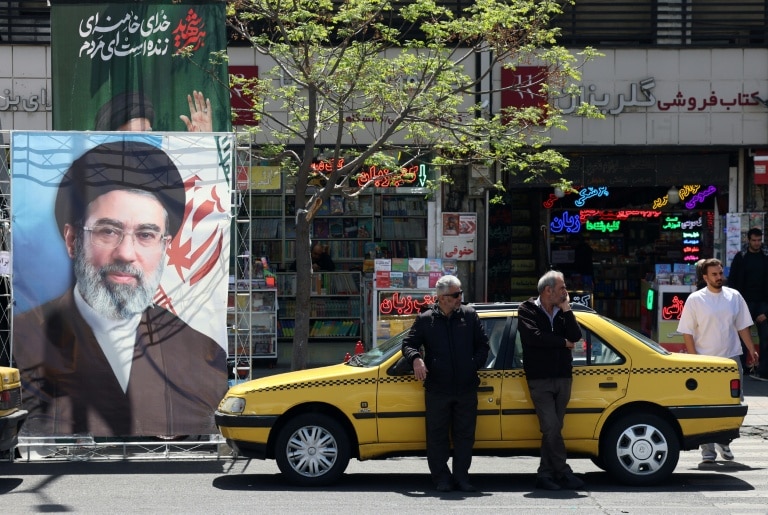
    Pakistan, which has been serving as a neutral mediator between Iran and the United States, has seen its diplomatic efforts to de-escalate the crisis reach a pivotal turning point, according to Iran’s ambassador to Islamabad, Reza Amiri Moghadam. In a post shared Tuesday on the social platform X, Moghadam noted that “positive and productive endeavours in Good Will and Good Office to stop the war is approaching a critical, sensitive stage,” though he offered no additional details on the substance or timeline of the ongoing talks.

    As military operations intensified across the region, the Israeli Defense Force issued an urgent public safety advisory to Iranian civilians, urging them to avoid all rail travel across Iran until 17:30 GMT Tuesday. “For your safety, we ask you to refrain from using trains or travelling by train throughout the country from now until 9 pm Iran time,” the military said via its official Persian-language social media account, warning that “Your presence on trains and near railway tracks puts your life in danger.”

    Neighboring Gulf states have also moved to strengthen security protocols amid rising tensions. Authorities in Saudi Arabia and Bahrain announced a temporary precautionary closure of the King Fahd Bridge, a critical cross-border transportation artery that connects the Saudi mainland to the island Kingdom of Bahrain. The closure came shortly after official security alerts were issued for the border region amid rising threat assessments.

    In the Iranian capital of Tehran, local media confirmed that US-Israeli joint airstrikes carried out early Tuesday completely destroyed the city’s Rafi-Nia synagogue. Iran is home to a small remaining Jewish community, the majority of whose members fled the country in the wake of the 1979 Islamic Revolution.

    Hours after a series of strikes hit energy infrastructure targets across Iran, overnight attacks targeted a major petrochemical complex in the eastern Saudi Arabian industrial city of Jubail. An anonymous witness confirmed the strike to Agence France-Presse (AFP) Tuesday. The strike came shortly after the Saudi Ministry of Defense announced that its air defense systems had successfully intercepted and destroyed seven ballistic missiles launched toward eastern regions of the kingdom.

    The escalating conflict has already claimed the lives of foreign civilians, with the Philippine Department of Foreign Affairs confirming Tuesday that a second Philippine national has been killed in the fighting. The Filipino woman was killed Sunday in a missile strike on a residential building in the Israeli port city of Haifa, dying alongside her Israeli husband and his elderly parents. Israeli rescue services recovered four bodies total from the rubble of the building, which was hit by an Iranian missile a day after the attack was launched.

    Israeli military officials confirmed Tuesday that they had launched a widespread wave of airstrikes across Iran, with local Iranian media outlets reporting loud explosions across multiple neighborhoods in Tehran and the nearby city of Karaj. Simultaneously, the IDF confirmed that its domestic air defense systems had been activated to intercept incoming missiles fired by Iranian forces toward Israeli territory.

    In the autonomous Kurdistan Region of northern Iraq, local authorities reported that a drone originating from Iran crashed into a residential home, killing a married couple. An AFP journalist on the ground also reported hearing two large explosions near Erbil International Airport, which hosts military advisors from the US-led global anti-jihadist coalition. Earlier the same day, a security source told AFP that regional air defense systems had intercepted four missiles targeted at the US consulate in Erbil before they could reach their target.

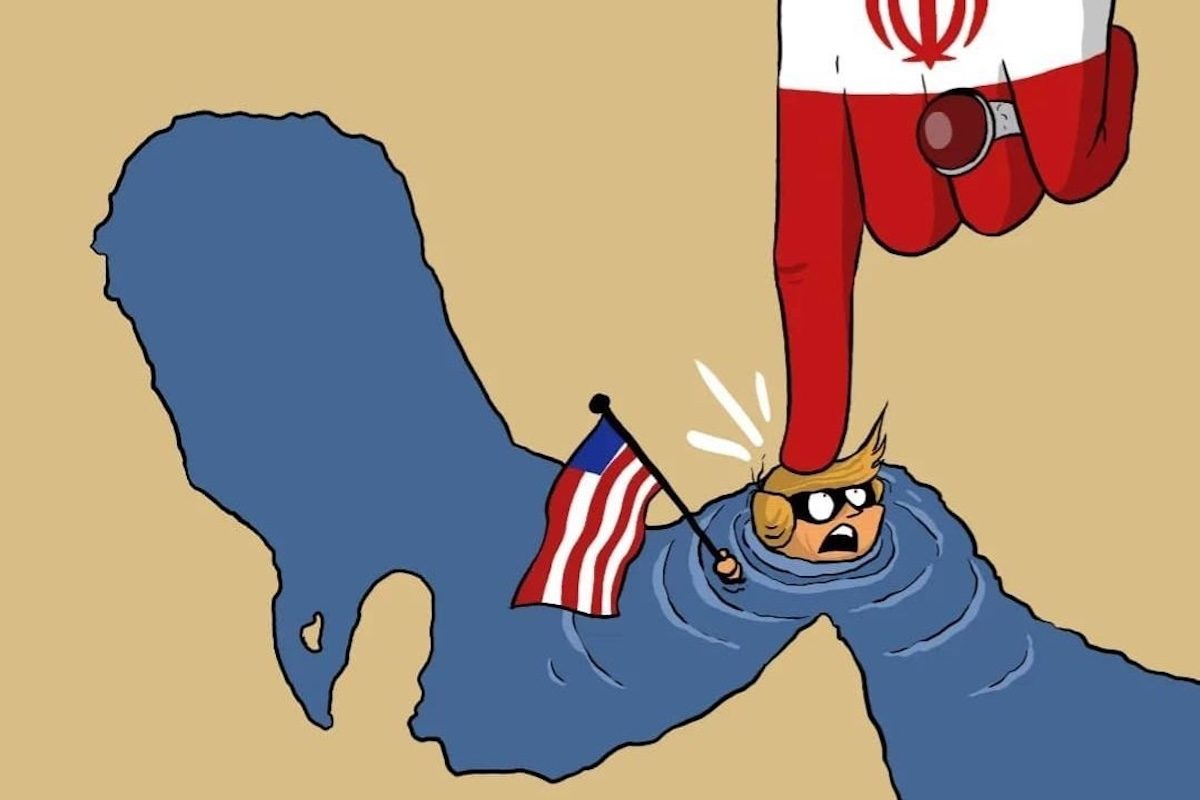
    At the United Nations headquarters in New York, the UN Security Council is scheduled to hold a key vote Tuesday on a draft resolution addressing Iranian threats to freedom of navigation through the Strait of Hormuz, a top global diplomatic source confirmed to AFP. The latest draft of the resolution, which has been reviewed by AFP, demands that Iran end all attacks on commercial shipping and halt “any attempt to impede transit passage or freedom of navigation in the Strait of Hormuz.” However, objections from multiple veto-wielding permanent Security Council members have forced negotiators to water down the text, and the current draft does not include explicit authorization for the use of military force to enforce its terms. Tehran has effectively closed the strategic waterway to international commercial traffic since US-Israeli strikes on Iranian targets on February 28, a move that has already sent global oil and natural gas prices soaring in recent weeks.

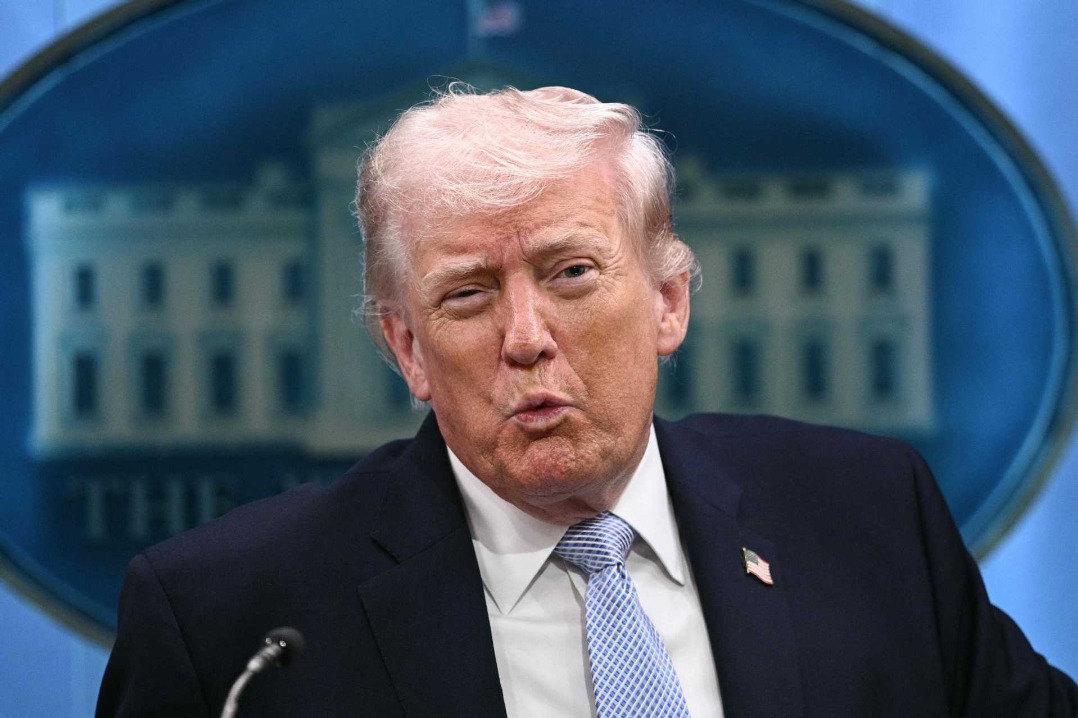
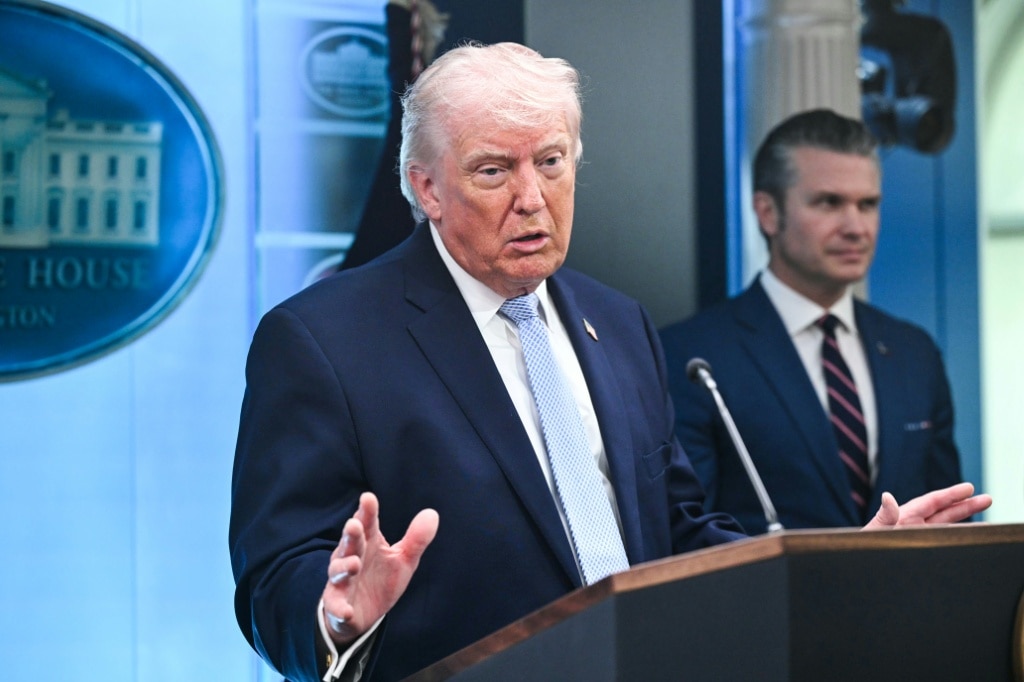
    Tensions between Washington and Tehran further escalated Tuesday after US President Donald Trump doubled down on extreme threats to destroy Iran’s national infrastructure. In response, an Iranian Army spokesperson rejected the threats, saying that Trump’s “rude, arrogant rhetoric” has no impact on Iranian military and political decision-making. Trump doubled down on the threats during a White House press conference, saying that “the entire country” of Iran “could be taken out in one night and that night might be tomorrow night,” if Iran does not meet his ultimatum to reopen the Strait of Hormuz by 00:00 GMT Wednesday. “Every power plant in Iran will be out of business, burning, exploding and never to be used again,” he said, adding that he also threatened to destroy all major bridges across Iran. “I mean complete demolition by 12 o’clock (0400 GMT), and it’ll happen over a period of four hours — if we wanted to.”

  • Australia issues new travel warning for Fiji as separate cyclones loom over Pacific neighbour and north Qld

    Australia issues new travel warning for Fiji as separate cyclones loom over Pacific neighbour and north Qld

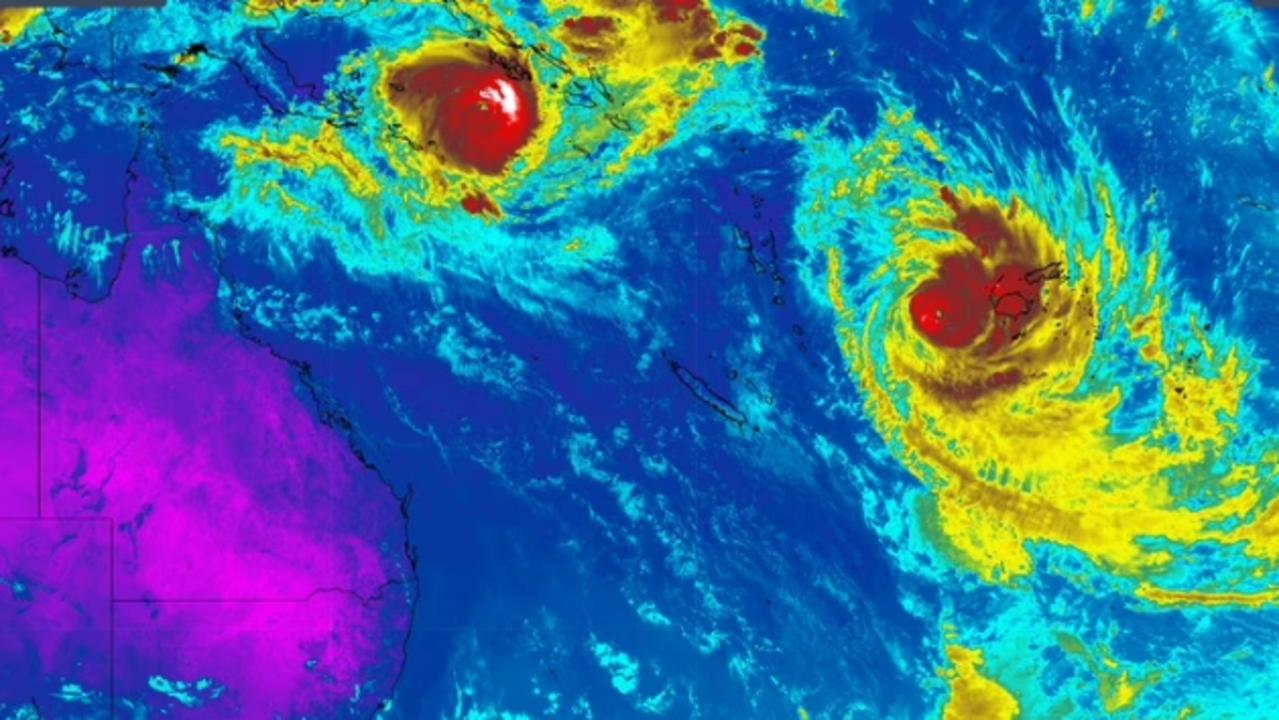
    Two simultaneous Category 3 severe tropical cyclones are churning across the South Pacific, triggering an urgent travel advisory from Australian officials for visitors heading to one of the region’s top tourist destinations, and raising storm preparedness alerts for both Fiji and Australia’s Queensland state.

    In an updated public notice issued through its official Smartraveller service, Australia’s Department of Foreign Affairs and Trade (DFAT) warned Australians with upcoming travel plans for Fiji that Cyclone Vaianu, one of the two powerful storm systems, is projected to bring severe hazardous conditions to the island nation. As the storm tracks southward toward New Zealand, it is expected to dump intense rainfall that will trigger life-threatening flash flooding, alongside destructive sustained winds that can down power lines and damage infrastructure.

    DFAT officials noted that the approaching storm is already poised to disrupt regional travel plans, with widespread potential for flight delays or full cancellations, as well as interruptions to basic essential services across affected areas. The department has urged all current and incoming travelers in Fiji to familiarize themselves with their accommodation’s official evacuation protocols, and to follow direction from local emergency management officials immediately if a storm warning is issued for their area. “If a cyclone is approaching your area, find your nearest shelter and follow the advice of local authorities,” the advisory read.

    Vaianu is currently on track to reach New Zealand’s North Island, including the country’s largest city Auckland, by the weekend. Forecasters project the storm will weaken significantly as it moves across cooler southern waters, dropping below tropical cyclone intensity before it reaches landfall in New Zealand.

    The second cyclone, Maila, the other equally powerful Category 3 storm system, is currently lingering east of Papua New Guinea in the waters near the Solomon Islands. According to updates from Australia’s Bureau of Meteorology (BOM), steering wind currents around the storm are currently balanced, leaving Maila moving slowly across the Solomon Sea. The system is forecast to shift toward the west-southwest by Thursday, and while it will remain well offshore of Queensland’s coast for the next several days, it is projected to track toward far north Queensland from late this week, with potential landfall sometime over the weekend or early next week. Forecasters have not yet confirmed what intensity Maila will maintain when it reaches the Australian coastline.

    This is not the first time Fiji has faced severe cyclone impacts; the island nation suffered one of its deadliest storm events in 2016, when Cyclone Winston made landfall and killed 44 people, leaving thousands homeless and causing hundreds of millions of dollars in damage to the country’s critical tourism infrastructure.

    In addition to the alerts, DFAT has advised all travelers planning trips to Fiji to reach out directly to their airline and accommodation providers to confirm the status of their plans and understand any changes or disruptions that may affect their trip.

  • Risks as Sino-Russian ‘Make America Weak Again’ dream coming true

    Risks as Sino-Russian ‘Make America Weak Again’ dream coming true

    Against the backdrop of a deeply fractured 2020s global order, U.S. foreign policy under the re-elected Donald Trump has created unexpected shifts in power that are rippling across every continent. What some analysts have framed as an accidental win for Beijing and Moscow has, in reality, exposed systemic weaknesses across all three of the world’s major nuclear superpowers – and forced U.S. allies in Europe and Asia to confront urgent questions about their own long-term security and resilience.

    The core argument put forward by analyst Bill Emmott, based on his on-the-ground reporting from Japan, opens with a provocative framing: if China and Russia shared a joint strategic slogan today, it would be “MAWA – Make America Weak Again.” From their perspective, a second Trump term has delivered exactly what they hoped for: a U.S. leader whose erratic foreign policy weakens American global standing rather than advancing his stated goal of Making America Great Again. Trump’s ongoing military campaign in Iran has only amplified this effect.

    Contrary to fears that a quick U.S. takeover of Iran’s oil sector would leave Beijing and Moscow cornered, the reality of Trump’s policy has been unmitigated failure for U.S. interests. The stalemate in Iran has already pushed crude oil prices up by more than 50% since the conflict began, delivering tangible economic and strategic gains to both major powers. For China, a weakened Trump means a far weaker negotiating position in bilateral trade talks. When the U.S. president attends the rescheduled Beijing summit in mid-May, he will arrive not as a powerful negotiator, but as a supplicant, still reeling from the 2024 confrontation where Beijing’s threat of a critical mineral export embargo forced Trump to retreat from his planned 145% tariffs on Chinese goods. Beyond trade, China has also gained diplomatic ground: more nations, both wealthy and developing, now view Beijing as a far more predictable and reliable global partner than the volatile United States.

    For Russia, the benefits are even more direct. The surge in global oil prices has rescued Moscow’s public finances, extending its ability to sustain its war effort in Ukraine. Further gains could come from growing transatlantic rifts over Iran: if European capitals clash with Trump over policy, U.S. weapons shipments to Ukraine via Europe could shrink, and a frustrated Trump could even cut off all American intelligence and communications support for Kyiv. For Vladimir Putin, who has long aimed to dismantle NATO, any deepening divide between the U.S. and its European allies is a major strategic win – even if Trump cannot follow through on his repeated threats to withdraw the U.S. from the alliance, a step that would almost certainly be blocked by a Republican-led Congress.

    But it is a mistake to frame this shift as a simple zero-sum game where the decline of the U.S. automatically elevates China and Russia. The far more sober reality, Emmott argues, is that American failure in Iran has laid bare that all three nuclear superpowers face profound structural weaknesses that make them far more equal in vulnerability than previously assumed. Russia, despite its vast nuclear arsenal and natural resource wealth, has already endured four years of grinding military failure in Ukraine, gaining only minimal territory at the cost of more than one million dead and wounded troops. China, meanwhile, is trapped by its own long-term economic challenges: slowing annual growth, a shrinking and aging population, and soaring public and private debt – trends that an energy price shock will only worsen, leaving it unable to fully exploit American weakness. As for the United States, its weakness stems from the re-election of a leader who is openly corrupt, has launched an unplanned Middle Eastern military adventure with no clear exit strategy, and is systematically eroding the value of America’s greatest global asset: its web of security alliances across Europe and Asia.

    This new era of widespread great power weakness poses direct and urgent risks to U.S. allies in Europe, Japan and South Korea. If the current short-term energy shock from the Iran conflict becomes a long-term crisis, all these nations will face deep economic damage. Worse, the resulting fiscal pressure will leave them with even less capacity to increase their own military spending – a step that has become increasingly critical to deter coercion from China and Russia, even as dependence on U.S. security guarantees grows riskier.

    To understand how allies are processing this new reality, Emmott spent a week in Japan consulting with government and business leaders on the impact of the Iran war, drawing three key lessons that apply equally to Europe. The first is cautiously reassuring: even though the U.S. has redeployed military forces from Asia to the Middle East, weakening deterrence against China, Japanese leaders broadly agree that Beijing will not risk an invasion or blockade of Taiwan. China’s own internal weaknesses, including an ongoing anti-corruption purge of senior People’s Liberation Army generals and the examples of Russian failure in Ukraine and American failure in Iran, have reinforced Beijing’s caution about taking major military risks.

    The second finding, however, is far more worrying: for the first time since the atomic bombings of Hiroshima and Nagasaki 81 years ago, open public debate has begun in Japan over whether the country should develop its own independent nuclear arsenal. This shift reflects multiple overlapping anxieties: widespread fear that the Iran war will spark a global wave of nuclear proliferation as nations seek to defend themselves; growing uncertainty about the reliability of the American nuclear umbrella that has protected Japan (and much of Europe) for decades; and questions over whether the Trump administration’s demand that allies take more responsibility for their own defense extends to nuclear capabilities. For decades, U.S. administrations have blocked allied efforts to develop nuclear weapons, particularly in South Korea, but that long-standing taboo is now breaking down. The very fact that this debate is happening signals a broader acceptance that the world has grown far more dangerous, and old rules and taboos can no longer be trusted. Currently, the Japanese nuclear discussion remains smaller than the open debate already underway in France and Germany.

    The third key finding mirrors the challenges facing Europe: Japanese government and business leaders are largely paralyzed by uncertainty over how long and how severe the current energy price shock will be. While they have avoided stoking public panic, they acknowledge that decades-long national energy plans – which still prioritize fossil fuels – will need to be completely rewritten. The main alternatives under consideration are expanded nuclear energy, geothermal power, and greater investment in wind and solar. Currently, wind and solar combined account for only around 13% of Japan’s electricity generation (most of that from solar), far below the 40-50% share common across most European countries, held back by resistance from established domestic business interests.

    Despite these profound challenges, Emmott notes that both Japanese and European leaders recognize that while their vulnerability is acute, a path to greater resilience exists. Rapid technological progress and the spread of diverse global supply chains for energy and critical commodities mean that vulnerability can be reduced over time – but only if action is taken now. Delaying planning until tomorrow or the 2030s is not an option: the time for allies to build their own resilience against global shocks, including those originating from the current White House, is immediate.
  • Japanese national believed to be NHK journalist detained in Iran released on bail

    Japanese national believed to be NHK journalist detained in Iran released on bail

    TOKYO — In a development announced this Tuesday, Japan’s highest-ranking government spokesperson confirmed that a Japanese citizen held in Iranian custody since early this year has been granted temporary release on bail.

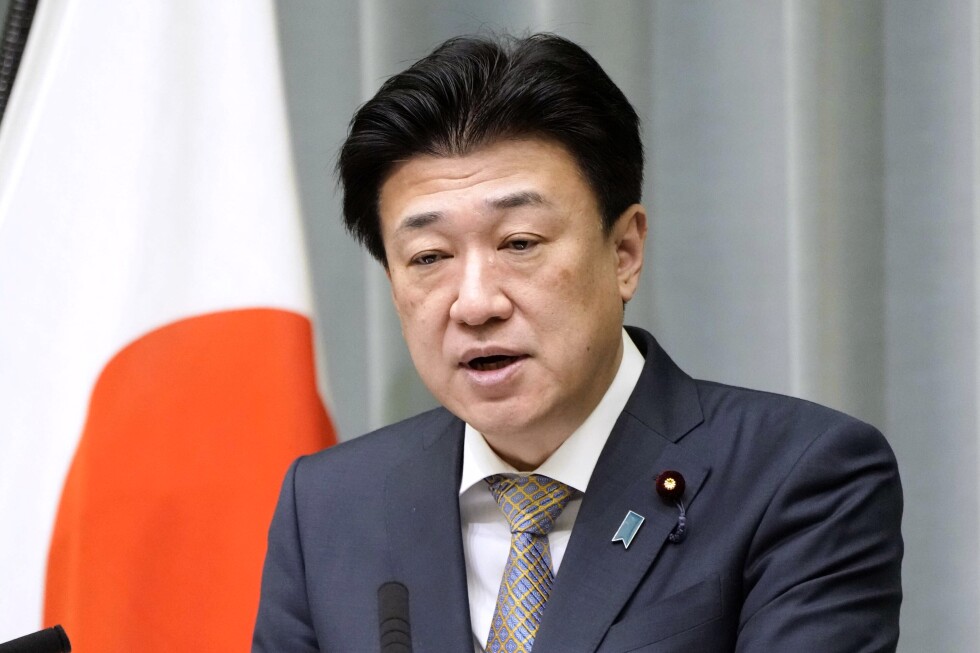
    Chief Cabinet Secretary Minoru Kihara shared with reporters in Tokyo that confirmation of the bail release came from Iranian officials on Monday. While Japanese authorities have welcomed this step, they remain firm in their push for the detainee’s full and unconditional release from custody, Kihara added.

    According to Kihara, Tamaki Tsukada, Japan’s sitting ambassador to Iran, has already held an in-person meeting with the recently bailed citizen. The ambassador verified that the detainee is in stable good health, though no further identifying details or context around the detention have been released by the Japanese government to date.

    Independent reports and advocacy records point to the detainee being a staff journalist with NHK, Japan’s national public broadcasting service. This case marks the second detention of a Japanese national in Iran within the last year: another Japanese citizen held in Iranian custody starting last June was released and repatriated to Japan back in March of this year.

    Tuesday’s official confirmation comes just 24 hours after a high-stakes telephone conversation between Japanese Foreign Minister Toshimitsu Motegi and his Iranian counterpart, Foreign Minister Abbas Araghchi. The call covered a range of pressing regional issues, including Iran’s ongoing military tensions with the United States and Israel. But Japan’s top diplomat also used the discussion to reiterate the country’s longstanding request for the full release of the January detainee. A post-meeting statement from Japan’s Foreign Ministry noted that Araghchi responded by saying he would treat Japan’s formal request with full seriousness.

    New York-based press freedom advocacy group the Committee to Protect Journalists (CPJ) has publicly named the detained individual as an NHK reporter. Citing anonymous sources who requested anonymity out of fear of official reprisal, the CPJ reported that the journalist was taken into custody by Iran’s Islamic Revolutionary Guard Corps on January 20, before being transferred to Tehran’s notorious Evin Prison on February 23.

    Associated Press correspondent Mayuko Ono based in Tokyo contributed reporting to this update.

  • Australian soldier arrested for alleged war crimes in Afghanistan

    Australian soldier arrested for alleged war crimes in Afghanistan

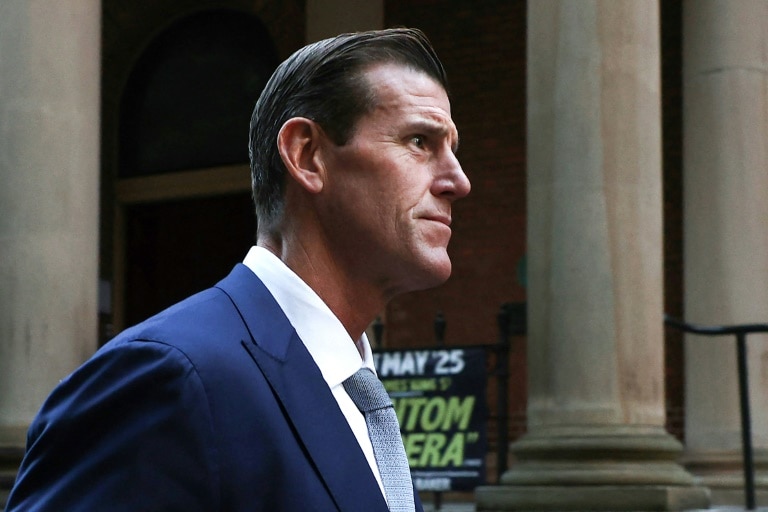
    In a landmark development that caps years of investigations into alleged atrocities by Australian special forces in Afghanistan, one of the nation’s most celebrated former military personnel has been taken into custody on multiple charges of war crime murder. Australian Federal Police (AFP) announced Tuesday the arrest of 47-year-old Ben Roberts-Smith, a recipient of the Victoria Cross — Australia’s highest award for battlefield gallantry — who has long been at the center of mounting allegations of unlawful killings of unarmed civilians and prisoners during his deployment.

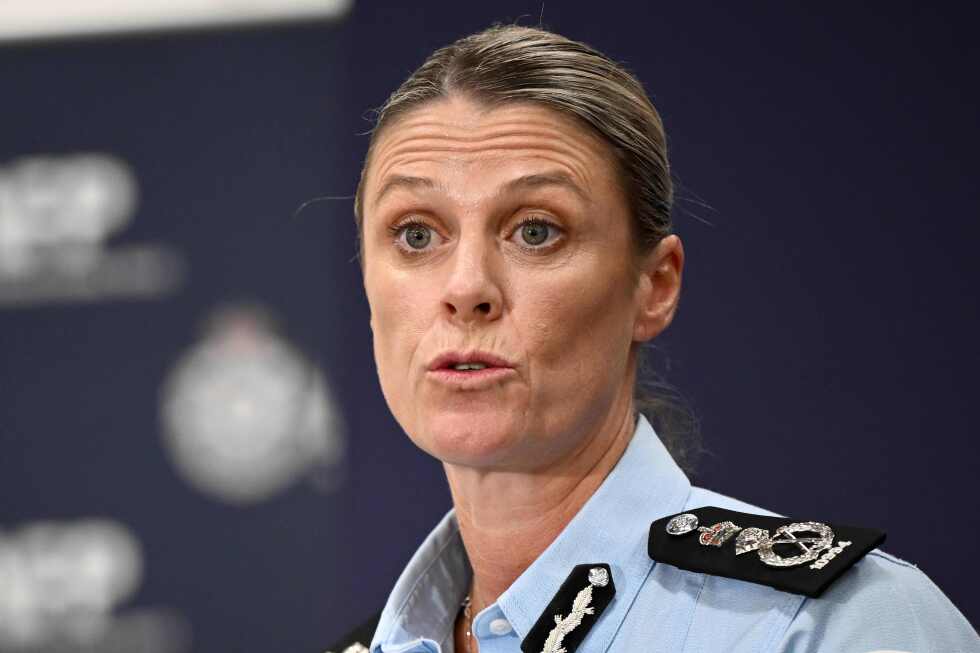
    AFP Commissioner Krissy Barrett confirmed to reporters that the former Special Air Service Regiment (SASR) soldier faces five counts of war crime murder. The alleged offenses took place between 2009 and 2012, during Australia’s long-term participation in US- and NATO-led counter-insurgency operations in Afghanistan. All of the victims were civilians or detained prisoners who were not actively engaged in hostilities at the time of their deaths, Barrett said. Prosecutors will argue that the victims were either shot directly by Roberts-Smith, or killed by his subordinates acting on explicit orders from him.

    Once hailed as Australia’s most distinguished living war hero, Roberts-Smith’s reputation began to unravel in 2018, when investigative journalists from *The Age* and *The Sydney Morning Herald* published a series of explosive reports linking him to a pattern of unlawful killings and unprofessional conduct during his tour of duty. The outlets alleged that Roberts-Smith kicked an unarmed Afghan civilian off a cliff before ordering his troops to shoot the man, and that he participated in the machine-gun killing of a man with a prosthetic leg — later repurposing the limb as a drinking trophy during celebrations with fellow soldiers.

    The 2018 media reports triggered a sweeping national inquiry into allegations of war crimes committed by Australian special forces in Afghanistan. A landmark 2020 military-led investigation ultimately confirmed that special forces personnel unlawfully killed 39 unarmed Afghan civilians and prisoners between 2005 and 2016, uncovering widespread evidence of summary executions, competitive body-counting practices, and systemic torture among deployed troops.

    Under intense public and international pressure to hold perpetrators accountable, the Australian government established a dedicated special investigation unit to pursue criminal charges against current and former service members linked to the atrocities. Throughout the years of investigation and public scrutiny, Roberts-Smith has consistently maintained his complete innocence. He launched a costly defamation lawsuit, reported to be worth millions of Australian dollars, against the newspapers that first published the war crime allegations against him.

    Over the 20-year duration of the Western military campaign in Afghanistan, Australia deployed more than 39,000 troops to the country to fight against the Taliban and other affiliated militant groups. In recent years, as veterans have returned to civilian life, the conduct of Australian troops during the conflict has come under unprecedented legal and public scrutiny, with Roberts-Smith’s arrest marking one of the most high-profile legal actions to date in the national reckoning over wartime conduct.

  • Former Australian soldier charged with committing 5 war crime murders in Afghanistan

    Former Australian soldier charged with committing 5 war crime murders in Afghanistan

    CANBERRA, Australia — Australian federal law enforcement officials have unveiled historic war crime charges against a 47-year-old former Australian soldier, marking only the second such prosecution stemming from decades of Australian military deployments in Afghanistan. The accusations, laid Tuesday, center on claims the veteran unlawfully killed five unarmed, non-combatant Afghans between 2009 and 2012 while he served with Australian forces in the country.

    The identity of the accused has not been publicly released by authorities. He was taken into custody Tuesday morning at Sydney International Airport, after disembarking a domestic flight from Brisbane, and is scheduled to make his first court appearance in Sydney later the same day.

    Australian Federal Police Commissioner Krissy Barrett outlined the specifics of the allegations during a press briefing Tuesday. According to Barrett, prosecutors will argue that all five victims were in custody, disarmed, and under the control of Australian Defence Force (ADF) personnel at the time of their deaths, meaning none were participating in active hostilities. “It will be alleged the victims were shot by the accused, or shot by subordinate members of the ADF in the presence of and acting on the orders of the accused,” Barrett told reporters.

    This prosecution comes nearly four years after the release of a landmark 2020 independent military inquiry, which uncovered conclusive evidence that elite Australian Special Air Service Regiment (SAS) and commando troops had unlawfully killed 39 unarmed Afghan civilians, prisoners, and local farmers between 2005 and 2016. In response to the report’s findings, the Australian government established the Office of the Special Investigator (OSI) to probe the allegations and pursue criminal charges where evidence warranted.

    This is only the second war crime charge brought against an Australian Afghanistan veteran to date. The first case involves 44-year-old former SAS soldier Oliver Schulz, who has pleaded not guilty to one count of war crime murder. Schulz is accused of shooting 39-year-old Dad Mohammad three times in the head in a wheat field in Afghanistan’s Uruzgan Province in May 2012.

    Under Australian federal law, a conviction for war crime murder carries a maximum sentence of life imprisonment. The offense is legally defined as the intentional killing of a person not actively participating in armed conflict, a classification that includes civilians, captured prisoners of war, and wounded combatants.

    OSI’s investigations director Ross Barnett told reporters that as of the latest update, investigators have probed 53 separate war crime allegations stemming from the 2020 report, with 39 of those inquiries concluding without sufficient evidence to file charges.

    Commissioner Barrett emphasized Tuesday that the alleged misconduct tied to the new charges is limited to a small number of current and former ADF personnel, and does not reflect on the broader service of the Australian military. “The alleged conduct related to these charges is confined to a very small section of our trusted and respected ADF which helps keep this country safe,” Barrett said. “The overwhelming majority of our ADF do our country proud. Today’s charges are not reflective of the majority of members who serve under our Australian flag with honor, with distinction and with the values of a democratic nation.”

    Between 2001, when Australia joined the U.S.-led invasion of Afghanistan, and the full withdrawal of Australian troops in 2021, roughly 40,000 Australian military personnel deployed to the country, with 41 Australian service members killed during the 20-year campaign.

  • Australia’s most-decorated soldier arrested over alleged war crimes – local media

    Australia’s most-decorated soldier arrested over alleged war crimes – local media

    In a landmark development that marks one of the most significant legal milestones in Australia’s military history, Australia’s most highly decorated living soldier has been taken into custody, with criminal war crime charges related to his service in Afghanistan set to be formally brought against him, local media has confirmed.

    Forty-seven-year-old Ben Roberts-Smith, who ended his career with the Australian Defence Force in 2013, was detained by authorities at Sydney Airport. The former Special Air Service corporal and Victoria Cross recipient is scheduled to appear before an Australian court on Tuesday to face five counts of murder related to alleged war crimes committed during his deployment in Afghanistan.

    This arrest comes nearly two years after a 2023 civil defamation trial delivered a pivotal ruling that found Roberts-Smith unlawfully killed four unarmed Afghan civilians during his time in the country. Despite the court’s findings, the former soldier has repeatedly denied all allegations against him, previously describing the claims as “egregious” and “spiteful”. He has long maintained that any killings attributed to him occurred legally amid active combat operations, or that they never took place at all. Last year, he lost an appeal against the 2023 defamation verdict.

    The case traces its origins back to the 2020 Brereton Report, a landmark independent investigation into alleged war crimes by Australian forces in Afghanistan. The report uncovered credible evidence that elite Australian soldiers had unlawfully killed 39 Afghan civilians between 2005 and 2016, and formally recommended that 19 current and former service members be investigated for criminal prosecution. Roberts-Smith’s defamation trial was a historic first: it marked the first time any Australian court had conducted a formal assessment of war crime claims against the country’s military personnel.

    This is an ongoing breaking news story, with new details expected to be released in the coming hours as the legal process progresses. Audiences can access real-time updates through the BBC News mobile app, or by following the BBC Breaking account on X.

  • Trump, top officials detail US operation to rescue airman in Iran

    Trump, top officials detail US operation to rescue airman in Iran

    WASHINGTON — In a Monday press briefing at the White House, former President Donald Trump has publicly outlined the full scope of a daring U.S. military search-and-rescue operation that recovered an American airman stranded inside Iranian territory, confirming that the mission relied on a deployment of up to 155 aircraft and included the deliberate destruction of stranded U.S. cargo planes to prevent sensitive technology from falling into Iranian hands.

    Trump told reporters the rescued pilot suffered serious, life-altering injuries during the incident. When pressed for additional details about the stranded aircraft, the president confirmed that U.S. forces destroyed the disabled planes, which carried sensitive communications infrastructure and cutting-edge anti-missile technology. After the initial aircraft were disabled, he added, the remainder of the extraction operation shifted to lighter, more maneuverable aircraft that could navigate Iranian airspace and terrain with greater speed and a lower risk of detection.

    The high-stakes mission faced internal pushback from some military advisors, Trump acknowledged, with many warning the operation put hundreds of service members at risk of death. “Hundreds of people could have been killed,” he said. “So we had people that were within the military that said this is not wise, and I understood that. But I decided to do it.”

    Chairman of the Joint Chiefs of Staff Dan Caine expanded on the role of U.S. air support during the mission, explaining that an A-10 Warthog aircraft that sustained damage over Iran on Friday was part of a specialized “Sandy” close air support mission designed explicitly for rescue operations. The aircraft’s sole task was to position itself between the stranded airman, advancing rescue teams and incoming hostile fire from Iranian forces. Caine confirmed the A-10 was struck multiple times by Iranian anti-aircraft fire, but the pilot managed to steer the damaged plane out of Iranian territory before ejecting safely over territory held by allied forces. “The plane had only one job: Get to the survivor, bring the rescue force forward, and put themselves between that survivor on the ground and the enemy,” Caine told reporters.

    Central Intelligence Agency Director John Ratcliffe detailed the agency’s critical role in locating the missing airman, saying the CIA leveraged a network of on-the-ground human intelligence assets and advanced surveillance technologies to pinpoint the aviator’s location by Saturday morning, confirming he was alive and alone. Ratcliffe described the search effort as an extraordinarily difficult challenge, comparing it to “hunting for a single grain of sand in the middle of a desert.”

    The mission was also a race against time, Ratcliffe noted, as locating the airman quickly while misleading Iranian forces about the rescue effort was critical to the operation’s success. To pull this off, the CIA launched an elaborate deception campaign against Iran that hid the airman’s location from Iranian forces while keeping U.S. teams updated on his position. The pilot was hiding in a mountain crevice throughout the operation, and remained completely undetectable to Iranian search teams thanks to the CIA’s misdirection, Ratcliffe confirmed.

    Trump also confirmed that an Iranian shoulder-fired anti-air missile was responsible for downing a U.S. Air Force F-15E Strike Eagle that crashed in Iranian territory on Friday. Notably, neither the president nor any of his top senior officials provided additional details about the specific type of missile used, or further context for how the fighter jet was shot down over the country.

  • Tokyo confirms Japanese national held by Iran freed

    Tokyo confirms Japanese national held by Iran freed

    In a development announced Tuesday by Japanese officials, a Japanese national who had been held in Iranian custody since January has been released, marking the second such release of a Japanese citizen by Iran in as many months. Multiple Japanese media outlets, including Kyodo News, have identified the released individual as the Tehran bureau chief for Japan’s national public broadcaster NHK, though the network has not yet issued an official confirmation.

    Japanese government spokesperson Minoru Kihara shared detailed information on the release with reporters, confirming that Japanese diplomatic representatives in Iran verified the detainee’s release, which took place on April 6 local time. “The Japanese embassy in Iran has confirmed that a Japanese national who was detained by Iranian authorities on January 20 was released on April 6 local time,” Kihara stated. Following the release, Kihara added, Japan’s ambassador to Iran met directly with the freed citizen and confirmed that they are in good health.

    The case dates back to late January, when Iranian authorities first took the Japanese national into custody. Initial media reports at the time suggested the detainee had been transferred to a notorious Tehran prison that commonly holds political detainees. Japanese officials confirmed the detention shortly after it occurred but declined to share any additional details on the case or the identity of the detainee, and NHK also declined to comment on the situation at the time.

    This release comes just one month after the Japanese government confirmed that a second Japanese national being held in Iran had been released. At the time of that previous release, officials also did not share extensive details on the circumstances of the detention or the subsequent release, leaving unanswered questions about the nature of both detentions and the diplomatic process that led to the citizens being freed.