分类: world

  • Indonesia landslide kills 7, dozens more missing

    Indonesia landslide kills 7, dozens more missing

    A devastating landslide has struck Indonesia’s West Java province, resulting in at least seven confirmed fatalities and leaving more than 80 individuals unaccounted for, according to official reports from disaster management authorities.

    The catastrophic event occurred in the Pasirlangu village of West Bandung region, approximately southeast of Jakarta, during the early hours of Saturday at 02:30 local time (19:30 GMT). The disaster unfolded following an extended period of torrential rainfall that saturated the mountainous terrain.

    Indonesia’s National Disaster Mitigation Agency (BNPB) confirmed in an official statement that the massive landslide completely buried residential areas under tons of earth and debris, destroying more than thirty homes in the process. The sudden nature of the landslide caught many residents unaware during nighttime hours, significantly hampering evacuation efforts.

    Abdul Muhari, communications director of the National Search and Rescue Agency, reported that emergency teams have successfully evacuated two dozen survivors from the affected zone. Rescue operations continue amid challenging conditions as responders race against time to locate potential survivors trapped beneath the mud and rubble.

    Visual documentation from local media outlets reveals the sheer scale of destruction, with photographs showing entire structures completely submerged under layers of mud and debris. The catastrophic event has prompted authorities to issue widespread alerts for additional flooding, landslides, and extreme weather conditions throughout the broader region, warning residents of potential further dangers.

    The geographical location of Indonesia, situated within the Pacific Ring of Fire, makes the archipelago nation particularly vulnerable to natural disasters including earthquakes, volcanic eruptions, and climate-related events such as landslides during the rainy season. This latest tragedy highlights the ongoing challenges faced by communities living in geographically vulnerable areas and the critical importance of early warning systems and disaster preparedness measures.

  • Freezing and in the dark, Kyiv residents are stranded in tower blocks as Russia targets power system

    Freezing and in the dark, Kyiv residents are stranded in tower blocks as Russia targets power system

    In the frozen heart of Ukraine’s capital, a profound humanitarian crisis unfolds within the concrete walls of Soviet-era high-rises. Olena Janchuk, a 53-year-old former kindergarten teacher afflicted with severe rheumatoid arthritis, remains imprisoned on the 19th floor of her Kyiv apartment block—650 steps from the ground. This constitutes her fourth winter of war, a season defined by perpetual cold and darkness resulting from Russia’s systematic bombardment of Ukraine’s energy infrastructure.

    With daily blackouts lasting up to seventeen hours, elevators have transformed into inaccessible luxuries. January temperatures plunging to -10°C (14°F) leave permanent frost patterns creeping across interior windows. Residents like Janchuk employ desperate ingenuity for survival: makeshift fireplaces constructed from candles beneath heat-absorbing bricks, USB-powered lamps illuminating darkened rooms, and meticulous rationing of precious power bank reserves for electric blankets during the coldest nights.

    Kyiv’s three million residents now organize their existence around electricity schedules, planning cooking, charging, and washing routines within narrow windows of availability. The urban landscape has adapted—diesel generators rumble along commercial streets, shoppers navigate aisles by phone flashlight, and bars glow with candlelight. Mobile applications deliver critical notifications about narrowing electricity windows, while Telegram chats facilitate neighborly check-ins and blackout updates.

    The architecture itself has become an instrument of isolation. Staircases present insurmountable barriers for elderly residents, people with disabilities, and wounded veterans, effectively trapping them within their homes. While affluent neighborhoods pool resources for building generators, most residential blocks housing pensioners and vulnerable populations cannot afford such solutions. Disability advocates urgently petition city officials for generator funding, arguing that staircases have created an invisible social barrier.

    The scale of destruction is catastrophic. Energy sector damage exceeds $20 billion according to World Bank, European Commission, and UN estimates. Shift supervisor Yuriy (name withheld for security) surveys the wreckage of a repeatedly struck coal-fired power plant—charred machinery, collapsed roofs, and control panels melted into uselessness. Repairs proceed by torchlight behind giant sandbag barriers, with photographs of deceased colleagues hanging near entrances.

    Despite Kyiv’s implementation of austere power-saving measures—dimming streetlights and investing in decentralized generation—restoration feels distant for those enduring winter in darkness. As 72-year-old Lyudmila Bachurina summarizes while managing household chores during brief power intervals: ‘I’m tired, really tired. When you can’t go outside, when you don’t see the sun… it wears you down. But we will endure anything until the war ends.’ Across the snow-covered city, the nighttime horizon continues to flash with explosions as Russia persists in its campaign against Ukraine’s energy resilience.

  • UAE pulls back from plan to manage Pakistan’s Islamabad airport: Report

    UAE pulls back from plan to manage Pakistan’s Islamabad airport: Report

    The United Arab Emirates has abruptly terminated negotiations to assume management operations at Islamabad’s primary airport, marking a significant setback for Pakistan’s aviation sector privatization efforts. According to a Friday report by The Express Tribune, the collapse follows months of stalled discussions after both parties had initially agreed upon a privatization framework in August 2025.

    The breakdown occurred primarily due to the UAE’s declining interest in the project and its failure to designate a local partner for operational outsourcing. While the report did not attribute political motivations to the withdrawal, it coincides with increasingly divergent Gulf foreign policies across South Asia. The development emerges against a backdrop of deepening defense cooperation between Pakistan and Saudi Arabia, contrasted by the UAE’s strengthening strategic partnership with India, Pakistan’s regional rival.

    Pakistan’s aviation sector presents considerable challenges for potential investors, plagued by a history of fatal accidents, licensing scandals, and outdated infrastructure. This abandonment deals another blow to a nation that once played pivotal roles in Middle Eastern aviation, including foundational support for Emirates Airlines during the 1980s. Meanwhile, Pakistan International Airlines, once an enviable carrier, has deteriorated into a perennial loss-maker recently acquired by a consortium led by Pakistani business magnate Arif Habib.

    The geopolitical dimensions extend beyond aviation, reflecting broader regional realignments. Saudi Arabia has reinforced its longstanding security relationship with Islamabad through a mutual defense pact signed in September 2025, with Turkey considering accession. Concurrently, the UAE has pursued enhanced defense and trade cooperation with India, including a substantial $3 billion liquefied natural gas agreement signed this week.

    Both Gulf nations have historically utilized financial assistance to advance strategic interests, though their approaches differ markedly. While the UAE moved swiftly to execute a $35 billion coastal development investment in Egypt in 2024, negotiations with Pakistan progressed slowly before ultimately collapsing. This divergence underscores how Gulf powers are increasingly pursuing distinct foreign policy objectives across South Asia and the Middle East.

  • Explained: NCM official breaks down the latest cold wave across UAE, parts of the world

    Explained: NCM official breaks down the latest cold wave across UAE, parts of the world

    Meteorological authorities in the United Arab Emirates have provided scientific clarification regarding the recent cold spell affecting the region, confirming its connection to broader global climate patterns. Dr. Mohamed Al Ebri, Director of Meteorology at the National Center of Meteorology (NCM), revealed that the unusual chill represents a localized manifestation of the La Niña climate phenomenon currently influencing weather systems worldwide.

    The current temperature drop stems from complex atmospheric interactions driven by cooler-than-normal sea surface temperatures in the Pacific Ocean. This La Niña configuration has altered global pressure and wind patterns, facilitating the southward movement of colder air masses into Northern Hemisphere regions including the UAE. Despite the noticeable chill, historical data confirms these conditions do not represent record-breaking lows for the Emirates.

    Globally, meteorological institutions including the World Meteorological Organisation have detected weak La Niña conditions with approximately 55% probability of persistence through coming months. The Northern Hemisphere has experienced particularly pronounced effects, with disruptions to the polar vortex enabling cold air outbreaks across North America and Europe.

    The Southern Hemisphere presents a contrasting picture, with Australia experiencing severe heatwaves exceeding 40°C in major cities despite the La Niña phase. This paradox demonstrates how climate change can produce extreme weather variations simultaneously across different regions.

    Dr. Al Ebri emphasized that climate oscillations now occur more frequently due to global warming influences, shifting from traditional 5-7 year cycles to 2-3 year intervals. This accelerated pattern creates increased weather variability and prediction challenges.

    For UAE residents, meteorologists anticipate continued below-average temperatures with overnight chills particularly in desert interior regions. A gradual warming trend is expected imminently, with potential light rainfall in northern and eastern areas around January 25th. The winter season will likely continue featuring temperature fluctuations between moderate warm periods and occasional cold spells.

    Authorities advise standard precautions during cooler periods, especially during early morning and evening hours when temperatures reach their lowest points.

  • Chinese asylum seeker who exposed rights abuses fights to stay in the US

    Chinese asylum seeker who exposed rights abuses fights to stay in the US

    A Chinese whistleblower who documented human rights violations in Xinjiang faces an uncertain future as he fights against deportation from United States custody. Guan Heng, 38, remains detained at the Broome County Correctional Facility in New York while awaiting a critical court decision on his asylum appeal scheduled for Monday.

    Guan fled China over four years ago after covertly filming detention facilities in Xinjiang, capturing evidence supporting allegations of widespread rights abuses against ethnic minorities. The Chinese government maintains these facilities are vocational training centers aimed at combating extremism.

    His legal troubles began in August when U.S. Immigration and Customs Enforcement (ICE) apprehended him during an operation targeting his housemates outside Albany. Although the Department of Homeland Security initially pursued deportation to Uganda, the plan was abandoned in December following congressional attention and public outcry.

    Guan represents one of tens of thousands of asylum seekers caught in intensified deportation efforts under the Trump administration. According to data from California-based nonprofit Mobile Pathways, approximately 170,626 asylum seekers received deportation orders in 2025, with asylum application abandonment rates skyrocketing from 11% to 31%.

    Immigration advocates express deep concern over what they describe as the systematic erosion of asylum protections. ‘We are very worried about the number of asylum seekers that will be sent back to extremely dangerous conditions,’ said Vanessa Dojaquez-Torres of the American Immigration Lawyers Association.

    Despite his predicament, Guan maintains faith in American democracy and institutions. He acknowledges understanding the rationale behind stricter immigration policies while appreciating the support from local communities and lawmakers. Representative Raja Krishnamoorthi, a member of the House Select Committee on the Chinese Communist Party, has urged Homeland Security to release Guan and approve his asylum request, emphasizing America’s commitment to protecting human rights whistleblowers.

    Should he prevail in his legal battle, Guan aspires to contribute meaningfully to American society, hoping to establish connections that would enable him to help others while cherishing the freedom from fear he found in the United States.

  • India and EU set for ‘mother of all deals’ as Trump’s tariff uncertainty looms

    India and EU set for ‘mother of all deals’ as Trump’s tariff uncertainty looms

    In a significant diplomatic development, European Council President Antonio Luis Santos da Costa and European Commission President Ursula von der Leyen will attend India’s Republic Day celebrations as chief guests on January 26th. Beyond the ceremonial honors, their visit marks a crucial juncture in nearly two decades of free trade negotiations between the European Union and Asia’s third-largest economy.

    The potential agreement, which some reports suggest could be announced as early as January 27th during a high-level summit, represents a strategic pivot for both parties. For India, this constitutes its ninth free trade pact in four years, following recent deals with the UK, Oman, and New Zealand. The EU, meanwhile, continues expanding its trade network after concluding agreements with Mercosur nations, Japan, South Korea, and Vietnam.

    This accelerated negotiation timeline occurs against a backdrop of global trade uncertainty. Recent geopolitical tensions, including former President Donald Trump’s threatened tariffs against European allies and ongoing US-India trade disputes, have created renewed urgency for both parties to secure reliable trading partnerships. As Chietigj Bajpaee of Chatham House notes, “It sends a signal that India maintains a diversified foreign policy and that it is not beholden to the whims of the Trump administration.”

    The economic stakes are substantial. The EU is already India’s largest trading bloc, with bilateral trade currently favoring India—$76 billion in exports versus $61 billion in imports. The agreement would restore Generalized System of Preferences (GSP) benefits withdrawn in 2023, potentially boosting Indian exports in garments, pharmaceuticals, steel, petroleum products, and machinery.

    For Europe, partnering with the world’s fourth-largest and fastest-growing major economy—projected to surpass Japan’s GDP this year—offers access to a massive consumer market. Von der Leyen previously emphasized that an EU-India partnership would create a free market of two billion people accounting for a quarter of global GDP.

    Nevertheless, significant challenges remain. Europe seeks stronger intellectual property protections, including enhanced data security and patent regulations. India faces concerns regarding the EU’s new Carbon Border Adjustment Mechanism (CBAM), which effectively imposes border charges on Indian exports regardless of FTA provisions—particularly burdensome for small and medium-sized enterprises.

    India is expected to protect sensitive sectors like agriculture and dairy, while gradually reducing tariffs on automobiles, wine, and spirits—a approach consistent with previous trade agreements. As analyst Sumedha Dasgupta observes, the deal represents “a continuing and significant effort to shed India’s notoriously protectionist carapace.”

    Despite these hurdles, analysts ultimately view the agreement as mutually beneficial. Alex Capri of the National University of Singapore notes that the pact could “expedite trade decoupling from unreliable partners,” reducing vulnerabilities to arbitrary tariffs and weaponized supply chains. The agreement may also benefit from improved EU-India relations following India’s reduction of Russian crude oil purchases since November 2025.

    As Dasgupta concludes, recent political friction with the US means “EU leaders will now be more welcoming towards this trade deal than they would have otherwise been,” suggesting favorable conditions for finalizing this long-anticipated agreement.

  • ‘Half of my friends were killed’ – the girls returning to a school caught up in war

    ‘Half of my friends were killed’ – the girls returning to a school caught up in war

    In a harrowing account from Sudan’s civil war, 18-year-old twins Makarem and Ikram survived a devastating artillery attack on their school in el-Obeid, North Kordofan, in August 2024. The sisters were attending separate classes when shells struck the Abu Sitta girls’ school, killing their English teacher and 13 classmates while injuring dozens more.

    Makarem sustained serious injuries during the attack, suffering shoulder and head wounds from shrapnel. ‘We took cover beside the wall when a classmate noticed my bleeding shoulder,’ she recalls. In the ensuing chaos, the twins desperately searched for each other amid the destruction, with Makarem eventually transported to hospital by local residents using private vehicles and animal-drawn carts due to the absence of functional ambulance services.

    The attack left a permanent physical reminder for Makarem—a small shrapnel fragment embedded in her head that continues to cause periodic pain, particularly during colder weather. ‘The headaches were unbearable initially, requiring constant pain medication,’ she explains.

    Despite the trauma, both twins have demonstrated remarkable resilience. Following three months of school renovations, they returned to the same classrooms where their friends and teacher perished. ‘Initially, I couldn’t imagine returning,’ Ikram admits. ‘But seeing my friends come back gave me courage.’ The emotional toll remains evident as she confesses to closing her eyes while passing the attack site to avoid traumatic memories.

    The school administration implemented comprehensive support measures, including psychological counseling and medical facilities with beds and nurses to accommodate injured students during examinations. Headteacher Iman Ahmed describes the girls’ determination to continue their education as ‘a form of defiance and loyalty to those who were lost.’

    Their story unfolds against the backdrop of Sudan’s devastating conflict, which has claimed over 150,000 lives since April 2023 and created the world’s worst humanitarian crisis according to UN assessments. The strategically vital Kordofan region, rich in oil resources, has become a major frontline in the war between the Sudanese army and paramilitary Rapid Support Forces (RSF).

    Regional authorities attribute the school attack to RSF forces, though the group has never acknowledged responsibility for the incident. The conflict has severely disrupted education nationwide, with approximately 13 million of Sudan’s 17 million school-aged children currently unable to attend classes according to UN estimates.

    In el-Obeid, educational challenges persist despite the city’s liberation from an 18-month RSF siege in February 2025. Dozens of schools have been converted into shelters for nearly one million displaced persons, creating overcrowded conditions that complicate learning environments.

    Despite these obstacles, both twins maintain hopeful outlooks. Ikram now studies English at a local university, inspired by her deceased teacher, while Makarem aspires to become a doctor despite initially falling short of the required exam scores for medical school. ‘The shrapnel made studying difficult—I could only manage one-hour sessions,’ she reveals. Undeterred, she plans to retake her exams, asserting: ‘I believe I will achieve my target score. I am hopeful for the future.’

    Neurologist Dr. Tarek Zobier notes that retained shrapnel effects vary case by case, with some patients requiring no intervention while others need surgery for severe symptoms. For Makarem, pain management continues through medication as she pursues her academic ambitions amid ongoing conflict.

  • US carries out first known strike on alleged drug boat since Maduro’s capture

    US carries out first known strike on alleged drug boat since Maduro’s capture

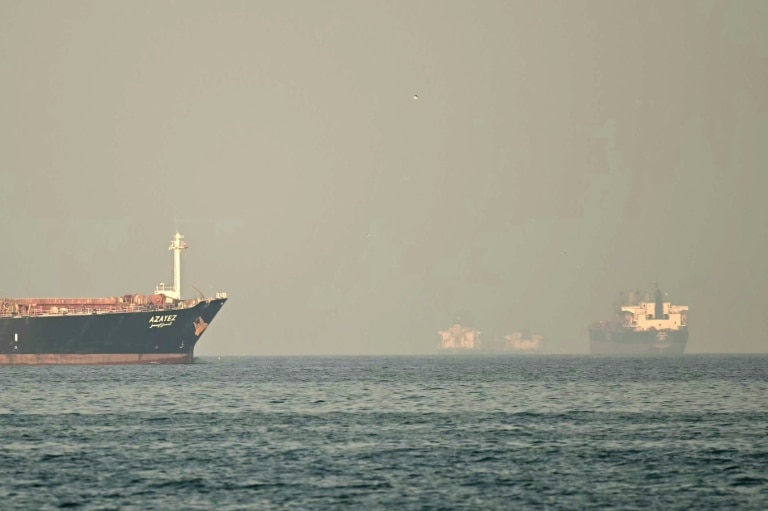
    In a significant escalation of its counter-narcotics operations, the United States military has confirmed conducting a lethal strike against a suspected drug trafficking vessel in the eastern Pacific Ocean. This operation, executed on Friday, represents the first such action since the high-profile raid that captured Venezuelan President Nicolás Maduro earlier this month.

    According to U.S. Southern Command’s official statement released through social media channels, the targeted boat was actively engaged in narco-trafficking operations. The military operation resulted in two fatalities with one individual surviving the attack. Search and rescue procedures were immediately initiated for the survivor through coordination with the U.S. Coast Guard.

    Accompanying visual evidence depicts a maritime vessel navigating through open waters before being engulfed in explosive flames. This development occurs amid intensified U.S. military focus on intercepting sanctioned oil tankers with connections to Venezuela, following the Trump administration’s audacious operation to apprehend President Maduro and transfer him to New York to face federal drug trafficking charges.

    The previous maritime strikes occurred in late December when military forces targeted five alleged drug-smuggling boats over a 48-hour period, resulting in eight casualties with numerous individuals abandoning vessels. The Coast Guard subsequently suspended its search operations days after these engagements.

    President Donald Trump has consistently defended these military operations, asserting their critical effectiveness in disrupting narcotics transportation routes through Caribbean and eastern Pacific corridors. During recent remarks at the World Economic Forum in Davos, Trump claimed unprecedented success, stating: “We’ve stopped — virtually stopped almost 100% of all drugs coming in by water.”

    Meanwhile, Maduro had previously characterized U.S. military actions as politically motivated attempts to remove him from power, allegations that gained renewed attention following the January 3rd large-scale strike in Caracas that resulted in his capture and extradition to the United States.

  • Israeli soldier’s videos show continued demolitions in Gaza after ceasefire

    Israeli soldier’s videos show continued demolitions in Gaza after ceasefire

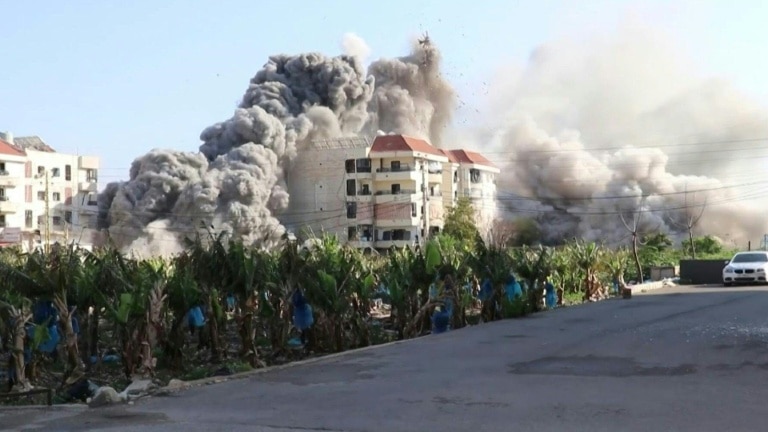
    New evidence has emerged through social media posts by an Israeli soldier documenting the continued demolition of Palestinian homes in the Gaza Strip, occurring more than 100 days after the implementation of a ceasefire agreement. Middle East Eye has verified and analyzed three separate videos uploaded in late December by a soldier operating under the private Instagram account name Ariel Ashkenazi.

    One video, dated December 25th, was geolocated to the northern Gaza area of Beit Hanoun, showing extensive demolition operations. Subsequent posts on December 26th and 28th featured additional footage of destruction activities. The videos contained concerning captions, with two using the phrase ‘Aliyah Bet’ – a historical reference to illegal Jewish immigration to Palestine between 1921 and 1948. Another video carried the caption ‘the power of the Spartan,’ evoking imagery of brutal strength and enemy elimination.

    This terminology aligns with Israeli Prime Minister Benjamin Netanyahu’s September statement urging Israel to prepare to become a ‘super Sparta,’ referencing ancient Greek warfare tactics against Persia.

    The documented demolitions have occurred on both sides of the so-called ‘yellow line’ established by Israeli forces following the October ceasefire. This ceasefire was intended to conclude over two years of intense conflict in Gaza that resulted in approximately 71,000 Palestinian fatalities and the destruction of nearly 90% of the territory’s infrastructure.

    Despite the ceasefire agreement, reports indicate Israeli forces have killed at least 477 individuals and wounded more than 1,300 others since its implementation. According to Gaza’s Government Media Office, Israeli forces have committed at least 1,300 ceasefire violations, including approximately 200 incidents involving structural demolitions, 430 cases of gunfire directed at civilians, 66 incursions into residential areas, and more than 600 strikes.

    Throughout the Gaza conflict, Israeli soldiers have extensively recorded themselves engaging in activities that international experts suggest may constitute war crimes. Documented footage shows soldiers celebrating while detonating civilian structures including homes, universities, and mosques. Other videos reveal disturbing conduct including soldiers forcing bound and blindfolded prisoners to deliver humiliating messages, looting money from Palestinian homes, destroying humanitarian aid parcels with military bulldozers, and burning educational facilities while singing inflammatory songs. Additional content shows soldiers posing in women’s underwear taken from Palestinian residences.

  • UAE offers condolences to Tunisia over victims of deadly floods

    UAE offers condolences to Tunisia over victims of deadly floods

    The United Arab Emirates has formally expressed its profound condolences and solidarity with the Republic of Tunisia in the wake of devastating floods that have claimed multiple lives and caused extensive damage. Through an official statement released by its Ministry of Foreign Affairs, the UAE conveyed its deepest sympathies to the families of the victims and the Tunisian people, alongside wishes for a swift recovery to all those injured.

    The catastrophe unfolded as torrential rains, described by the National Institute of Meteorology as the heaviest in over seven decades, battered the North African nation beginning Monday night. The relentless downpour continued through Tuesday night, with residual showers persisting into Wednesday, leading to widespread school and business closures and severe disruptions to transportation networks.

    Official reports confirm a death toll of at least five individuals. Four fatalities occurred in the town of Moknine within the Monastir governorate, while a fifth was reported in Nabeul. Furthermore, local media outlets have reported four fishermen as missing after one colleague was successfully rescued in the coastal town of Teboulba, south of Monastir.

    Tunisian emergency services have been engaged in a large-scale response effort. The civil defence agency reported that its teams have rescued approximately 350 people trapped by rapidly rising floodwaters since the onset of the crisis. Khalil Mechri, a spokesman for the civil defence, indicated that while the intensity of the severe weather has subsided, a high state of alert remains in effect across affected regions.

    Visual evidence from AFP and social media platforms depicts scenes of severe inundation, with homes and roadways submerged and vehicles left stranded. The regions of Monastir, Nabeul, and greater Tunis were among the hardest hit. President Kais Saied visited several affected areas, including Moknine and Teboulba, to assess the damage firsthand.

    This extreme weather event highlights critical vulnerabilities in Tunisia’s urban infrastructure. Drainage and stormwater systems, often antiquated and poorly maintained, are frequently overwhelmed during heavy rainfall, a situation exacerbated by waste clogging the networks. Furthermore, rapid urbanization has reduced ground permeability, increasing surface runoff and flood risk.

    The devastating floods present a stark paradox for Tunisia, a country that has been grappling with a severe seven-year drought intensified by climate change, which has led to a critical decline in national water reserves. Neighbouring Algeria has also experienced significant rainfall and flooding, with authorities there reporting two fatalities in western regions.