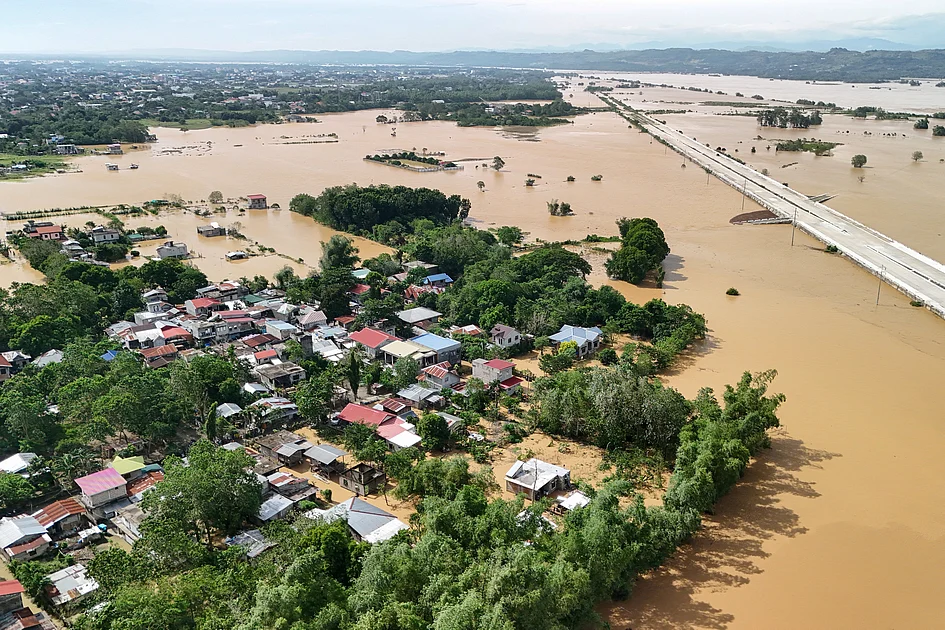
Super Typhoon Fung-wong, locally referred to as Uwan, is poised to re-enter the Philippines’ Area of Responsibility (PAR) on November 12, despite its current weakened state as it approaches Taiwan. According to the Philippine Atmospheric, Geophysical and Astronomical Services Administration (Pagasa), the typhoon has sustained maximum winds of 95 km/h near its center, with gusts reaching up to 115 km/h. While the storm is expected to make landfall on Taiwan’s southwestern coast, several areas in Luzon, including Batanes, Cagayan, and Ilocos Norte, remain under Tropical Cyclone Wind Signal No. 1. Pagasa forecasts that the typhoon will emerge near the Ryukyu Islands by Thursday, eventually weakening into a remnant low by Friday. The storm’s potential return comes just days after Typhoon Kalmaegi caused significant damage in the Philippines, prompting the evacuation of over a million residents as floodwaters surged. Authorities continue to monitor the situation closely, urging residents in affected areas to remain vigilant and prepare for possible impacts.
分类: world
-
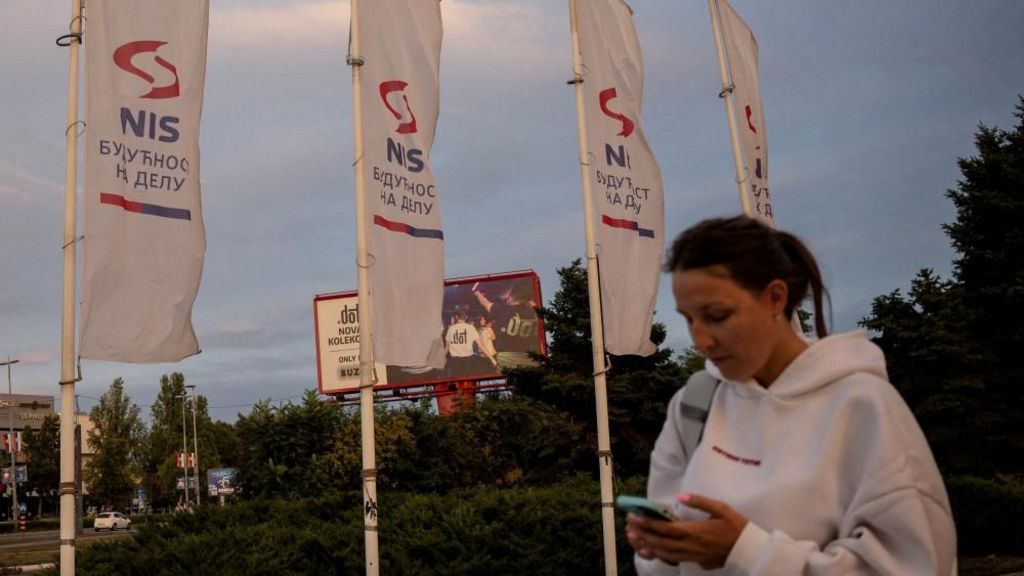
Serbia’s energy reliance on Russia comes unstuck facing US oil sanctions
Serbia finds itself in a precarious position as US sanctions on its national oil company, NIS, exacerbate tensions with its traditional ally, Russia. Russian state-owned energy giants Gazprom and Gazprom Neft control over 50% of NIS, placing the company in a bind following the sanctions imposed last month due to its ties to Russia’s energy sector. Serbian Energy Minister Dubravka Djedovic Handanovic revealed that NIS’s Russian shareholders have sought a US waiver, signaling their willingness to transfer control to a third party. However, time is running out, with Serbia’s oil refineries expected to exhaust their crude supply by the end of November. The sanctions have already disrupted NIS’s operations, forcing its petrol stations to stop accepting Visa and Mastercard payments, while Croatia has halted oil deliveries via the Janaf pipeline. Serbia is not alone in facing such challenges; neighboring Bulgaria has moved to nationalize its sole oil refinery ahead of impending sanctions. Meanwhile, Hungary secured a one-year waiver from US sanctions, highlighting the region’s divergent responses. The crisis has strained Serbia’s historically close ties with Russia, particularly over energy and arms trade. While Serbia relies on Russian gas at favorable rates, Moscow appears reluctant to renew the supply deal, leaving President Aleksandar Vucic ‘very disappointed.’ Additionally, Serbia’s arms exports to third countries, which indirectly support Ukraine, have further soured relations. Despite these challenges, Vucic remains committed to Serbia’s EU integration, a stance that may be reinforced by the current crisis. The outcome of the US waiver request remains uncertain, but the episode underscores the broader geopolitical shifts reshaping the Balkans.
-
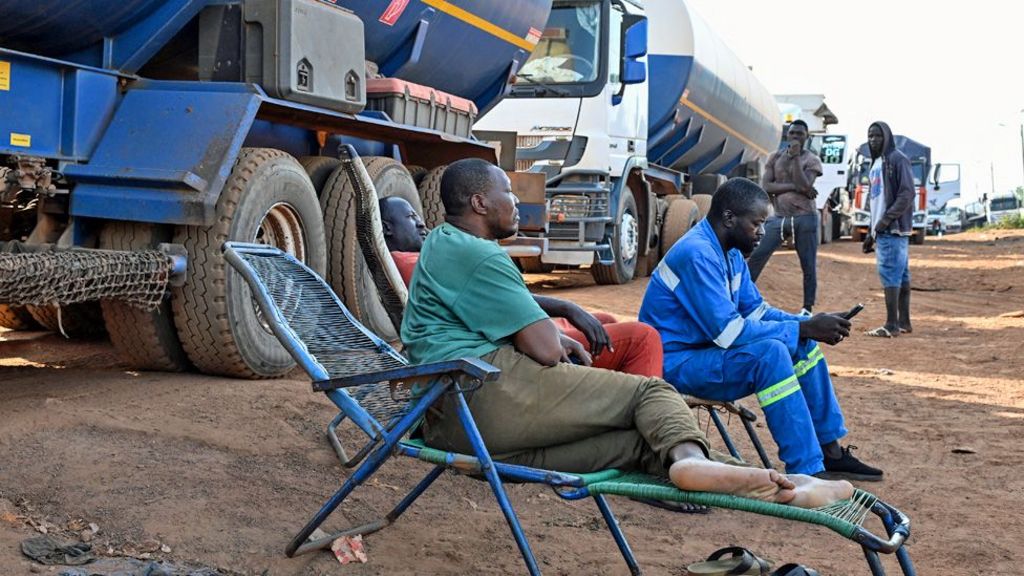
How jihadists have brought a nation to a standstill with their fuel blockade
Mali, a landlocked West African nation, is grappling with a severe fuel crisis that has disrupted daily life and exposed the government’s vulnerabilities. The crisis stems from a blockade orchestrated by Jama’at Nusrat al-Islam wal-Muslimin (JNIM), an al-Qaeda-affiliated jihadist group, which has targeted fuel convoys entering Mali. Over the past two months, JNIM fighters have kidnapped drivers, torched more than 100 trucks, and effectively cut off fuel supplies to the capital, Bamako. This economic warfare has paralyzed the country, forcing schools and universities to close, driving up food prices, and leaving hospitals struggling with power cuts. The crisis has also sparked international concern, with the US and France advising their citizens to avoid or leave Mali. The fuel shortage has led to long queues at petrol stations, with some drivers resorting to sleeping at stations in hopes of refueling. Public transport fares have tripled in some areas, forcing many to walk long distances to work. Traders report that food prices have surged due to increased transport costs and dwindling supplies of imported goods. The blockade has highlighted the government’s inability to secure key transport routes and maintain public confidence. In response, the military-led government has implemented emergency measures, including escorting fuel convoys with army trucks and negotiating a fuel supply agreement with Russia. However, critics argue that the junta’s reactive approach has failed to address the root causes of the crisis. The fuel shortage has also deepened Mali’s reliance on Russia, potentially alienating Western aid and investment. For ordinary Malians, the crisis has brought immense hardship, raising fears of increased crime and a worsening security situation. Amidou Diallo, a welder, warns that prolonged shortages could lead to dangerous consequences. As Mali struggles to navigate this crisis, the government faces mounting pressure to restore stability and regain public trust.
-
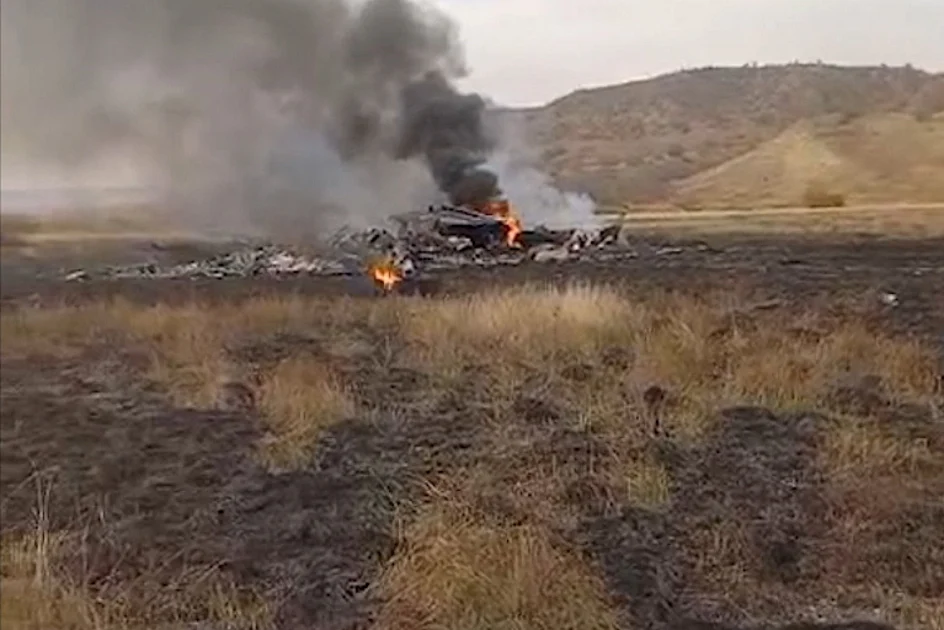
Video: Turkish military plane with 20 on board crashes in Georgia; casualties feared
A Turkish military cargo plane carrying 20 passengers and crew crashed near the Georgia-Azerbaijan border on Tuesday, according to Turkey’s defence ministry. The C-130 Hercules aircraft, en route from Azerbaijan to Turkey, went down in the Sighnaghi area, approximately five kilometers from the Georgian state border. Dramatic footage from Azerbaijani media depicted the plane spiraling out of control before crashing, with thick black smoke rising from the wreckage. Search and rescue operations are currently underway, with Turkish and Georgian authorities coordinating efforts. Turkish President Recep Tayyip Erdogan expressed deep sorrow over the incident, referring to the victims as ‘martyrs.’ Azerbaijan’s President Ilham Aliyev also extended condolences to Turkey. The aircraft, manufactured by US-based Lockheed Martin, disappeared from Georgian air traffic control radar shortly after entering Georgian airspace, without issuing a distress signal. The Turkish defence ministry has urged the press to refrain from publishing images of the crash site.
-
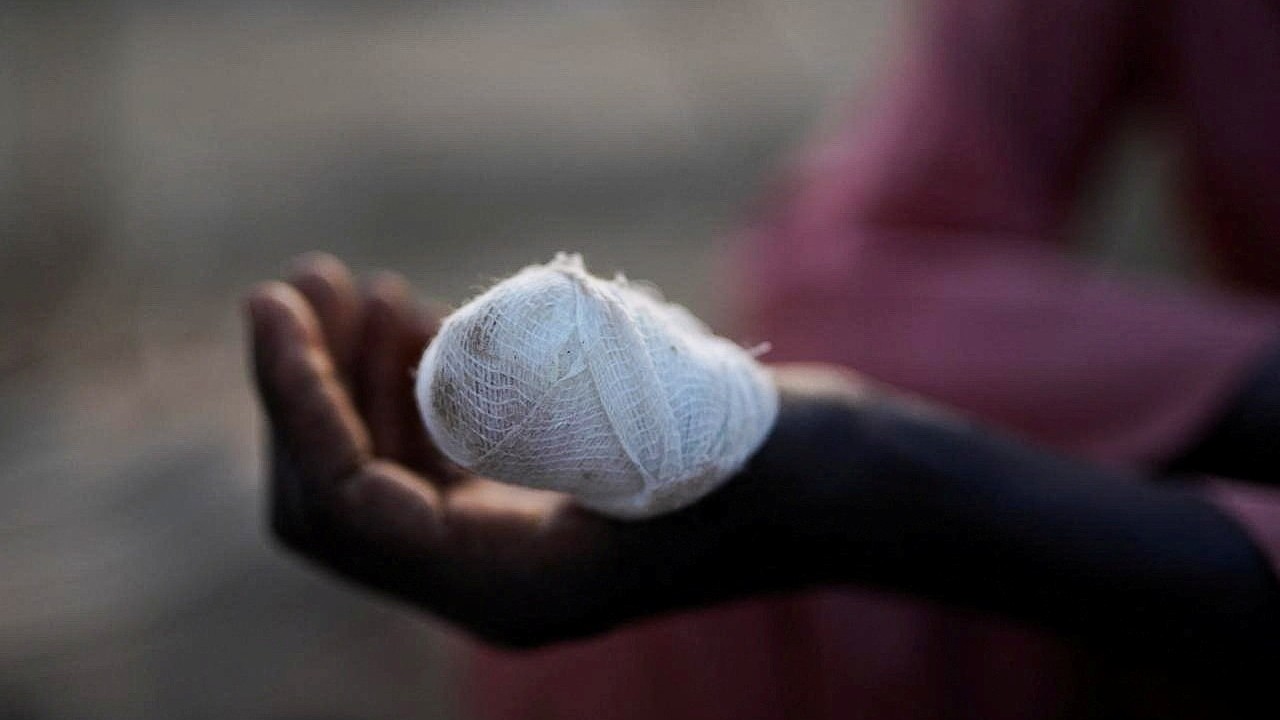
Sudanese women describe sexual violence and beatings while escaping el-Fasher
Women who escaped the Rapid Support Forces’ (RSF) brutal takeover of Sudan’s el-Fasher have recounted harrowing tales of sexual violence, beatings, and killings as they fled to nearby towns. These survivors shared their testimonies with the United Nations Population Fund (UNFPA) after reaching Tawila, 50 kilometers away, with some walking as far as al-Dabbah, a staggering 1,500 kilometers from el-Fasher—a journey that took nine days. Amina, one of the survivors, described the horrors she witnessed: ‘There were many bodies on the roads, dead people everywhere, and many children in the streets who had lost their families. Rape happened before our eyes, and killings too.’ Fatima, another survivor, recounted being beaten in front of her daughter, whom she had been carrying on her back. ‘They ordered me to put her down and started whipping me. They hit me on the chest with my mobile phone, and my children began screaming and crying,’ she said. Soraya, who was sexually assaulted during her escape, lamented the inhumane treatment: ‘They searched us in an inhumane way. A man searching a woman like that, she is not your wife, you cannot touch her in such a way.’ The RSF’s violence extended to mass killings, with survivors reporting that women were beaten and killed in the streets. ‘We left so many corpses behind us. If you cannot hide well, they will kill you,’ one woman said. According to the UNFPA, nearly 82,000 of the 260,000 civilians in el-Fasher have fled since the RSF seized the city, while others remain trapped. Satellite images confirm that a critical exit route was recently closed by the RSF. The Yale School of Public Health’s Humanitarian Research Lab corroborated reports of civilians being killed near a makeshift wall constructed around the city. Video footage reviewed by Middle East Eye showed dead bodies and executions near the wall. Survivors also reported that young men were forcibly accused of being soldiers, leading to their imprisonment or execution. Amira, whose husband is missing, said, ‘From our group that left el-Fasher, they took 60 young men. My husband is still missing. We don’t know where he is or where he went.’ Soraya, who lost her 16-year-old twin sons, added, ‘I don’t know whether they are alive or dead.’ The RSF’s atrocities included looting and burning homes, seizing livestock, and destroying crops. Nadia, whose son was killed, said, ‘Nothing they took from me hurt as much as his death. He was a teacher at the school. He had gone to university. He was responsible for the whole household. They killed him.’ The RSF’s actions in el-Fasher, documented by its own fighters and satellite imagery, are part of a broader conflict that erupted in April 2023 between the Sudanese Armed Forces (SAF) and the RSF over plans to integrate the RSF into the regular army. The war has killed tens of thousands and displaced 13 million people. Middle East Eye has reported that the United Arab Emirates is supplying the RSF with weapons through a complex network of supply lines across Libya, Chad, Uganda, and Somalia. Both the RSF and SAF have been accused of war crimes, with the RSF facing allegations of genocide in Darfur.
-
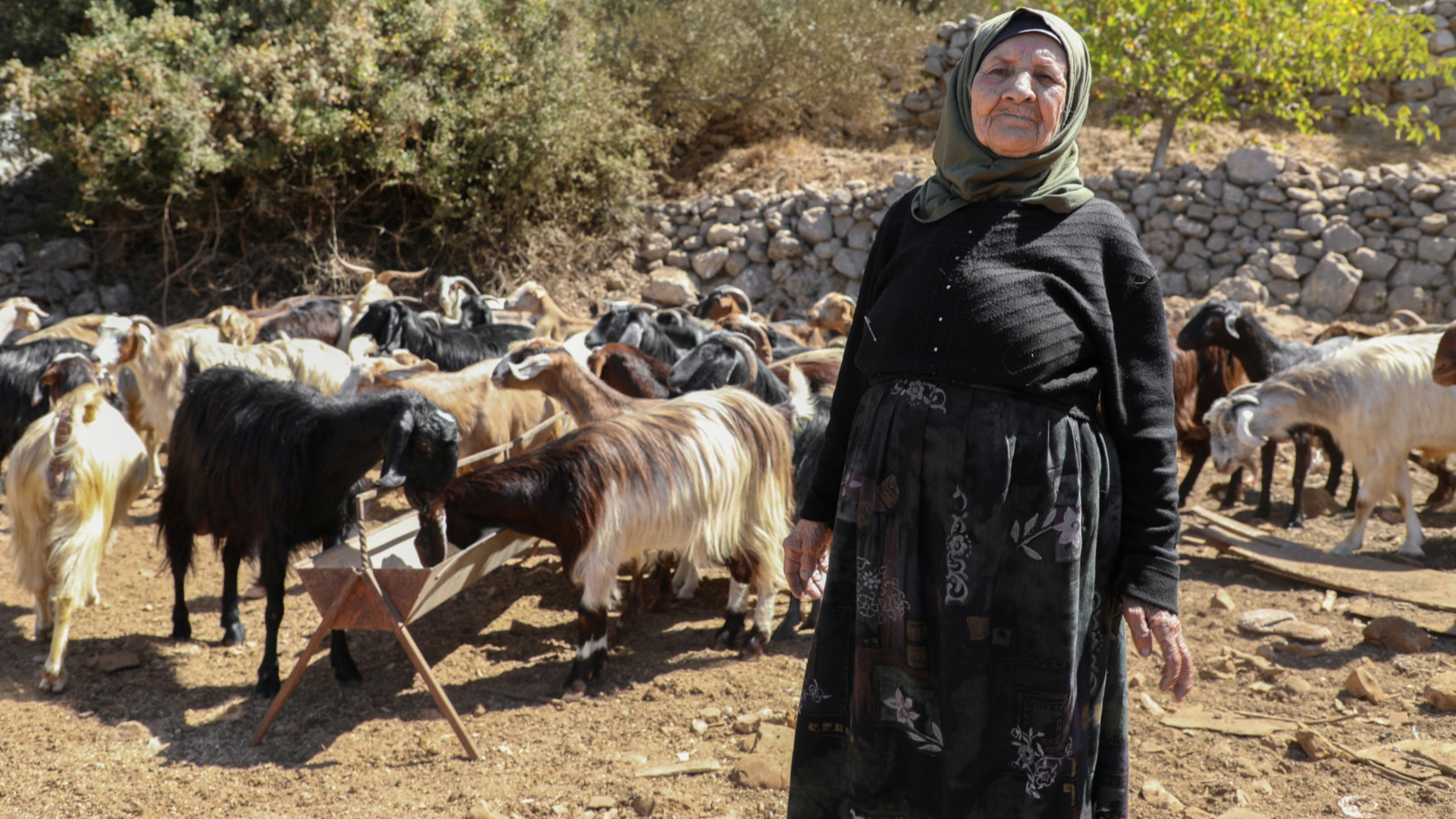
Israel’s occupation and bombing of south Lebanon makes return home impossible
Residents of southern Lebanon face an unrelenting crisis as Israeli military strikes continue to target Hezbollah’s infrastructure, forcing thousands to flee their homes. Avichay Adraee, the Israeli army’s Arabic-language spokesperson, has issued urgent warnings on social media platform X, signaling imminent attacks. These messages have become a grim routine for families in border villages, who live in constant fear of displacement.
-
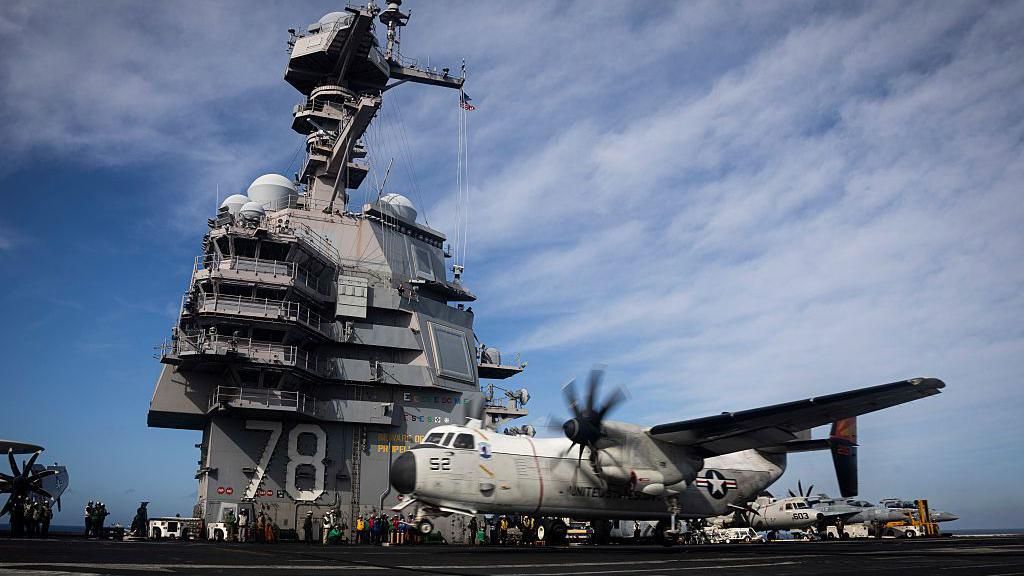
US aircraft carrier group arrives in Caribbean
The US Navy has confirmed the arrival of a formidable naval strike force in the Caribbean, led by the USS Gerald R Ford, the world’s largest warship. This deployment, ordered by President Donald Trump last month, coincides with ongoing US military operations targeting alleged drug trafficking vessels and escalating tensions with Venezuela. The strike group, which entered the area of responsibility of US Southern Command on November 11, includes the USS Gerald R Ford aircraft carrier, guided-missile destroyers, and various support vessels. The carrier alone houses over 4,000 sailors and dozens of aircraft, significantly enhancing US military capabilities in the region. Pentagon spokesman Sean Parnell emphasized that the force aims to bolster the US capacity to detect, monitor, and disrupt illicit activities, particularly narcotics trafficking, which threatens the safety and prosperity of the nation. This deployment joins substantial military assets already stationed in the region, including thousands of troops, a nuclear-powered submarine, and military aircraft based in Puerto Rico, marking the largest US military presence in Latin America in decades. The US has conducted at least 19 strikes against suspected drug boats in the Caribbean and the eastern Pacific, resulting in 76 fatalities. These operations have drawn criticism from Venezuelan President Nicolas Maduro, who accuses the US of fabricating a crisis to destabilize Venezuela’s socialist government. Concerns have also been raised by observers regarding potential human rights violations and lack of due process. President Trump, however, defended the strikes, claiming they are essential to curbing drug trafficking into the US. In a recent interview, Trump refused to rule out the possibility of land-based strikes, further fueling speculation about US intentions in the region.
-
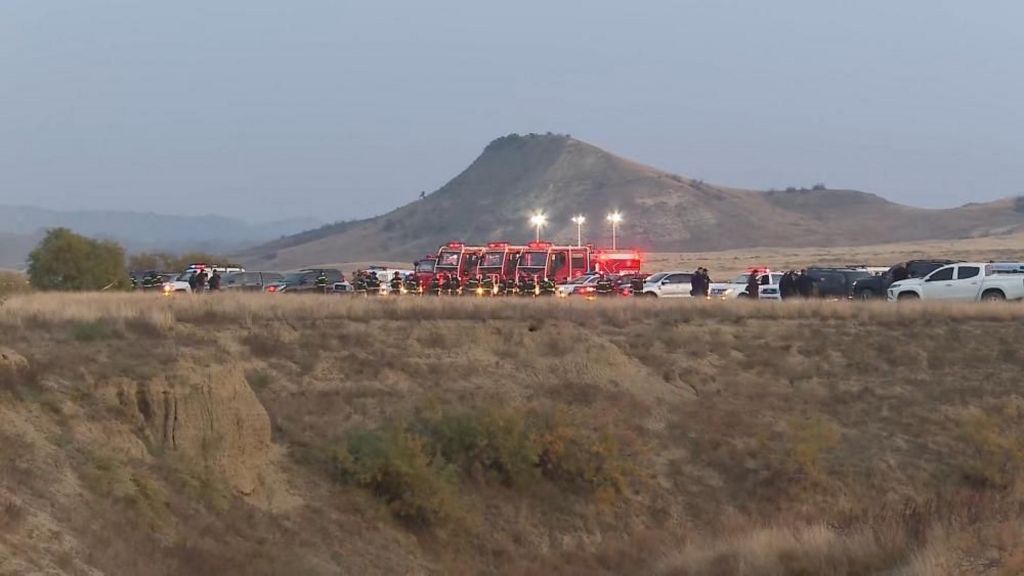
Turkish military cargo plane crashes with at least 20 on board
A Turkish military cargo plane carrying at least 20 individuals has crashed near the Azerbaijan-Georgia border, according to Turkey’s defence ministry. The C-130 aircraft, en route from Azerbaijan to Turkey, disappeared from radar without issuing a distress signal, as reported by Georgia’s aviation authority. The crash occurred near Sighnaghi, approximately 5 kilometers from Azerbaijan. Search and rescue operations are currently underway, with emergency services on site and wreckage visible in images from the scene. Turkish President Recep Tayyip Erdogan expressed his condolences to ‘our martyrs,’ though the exact number of casualties remains unconfirmed. Azerbaijan’s President Ilham Aliyev and US Ambassador to Turkey Tom Barrack also extended their sympathies to the victims’ families and the Turkish people. The C-130, a widely used US-made transport plane, is a staple in air forces globally.
-

Indigenous groups get the spotlight at UN climate talks, but some say visibility isn’t power
The COP30 United Nations climate talks, held in Belem, Brazil, were dubbed the “Indigenous peoples COP” with promises to center Indigenous voices. However, the event’s opening was marred by a power outage, symbolizing the broader challenges faced by Indigenous participants. Despite the setback, attendees persevered, using paper fans and improvising without microphones during songs, dances, and prayers. Indigenous groups, who safeguard much of the world’s biodiversity and are disproportionately affected by climate change, expressed skepticism about whether their voices would truly be heard. Thalia Yarina Cachimuel, a Kichwa-Otavalo delegate, highlighted the systemic barriers Indigenous people face, stating they must work “10 times harder” to be included in spaces not designed for them. The Brazilian government’s decision to host the summit near the Amazon rainforest was seen as a nod to Indigenous communities’ sustainable practices. However, logistical challenges, such as limited lodging and language barriers, hindered robust participation. Edson Krenak of Cultural Survival noted the frustration of being excluded from policy development but expected to comply with decisions. Despite these hurdles, some remained hopeful. Lucas Che Ical of Ak’Tenamit emphasized the need for direct funding to Indigenous communities and expressed optimism that this COP could yield meaningful results. The summit’s focus on implementing past promises rather than forging new agreements underscored the ongoing struggle for Indigenous inclusion in global climate negotiations.
-
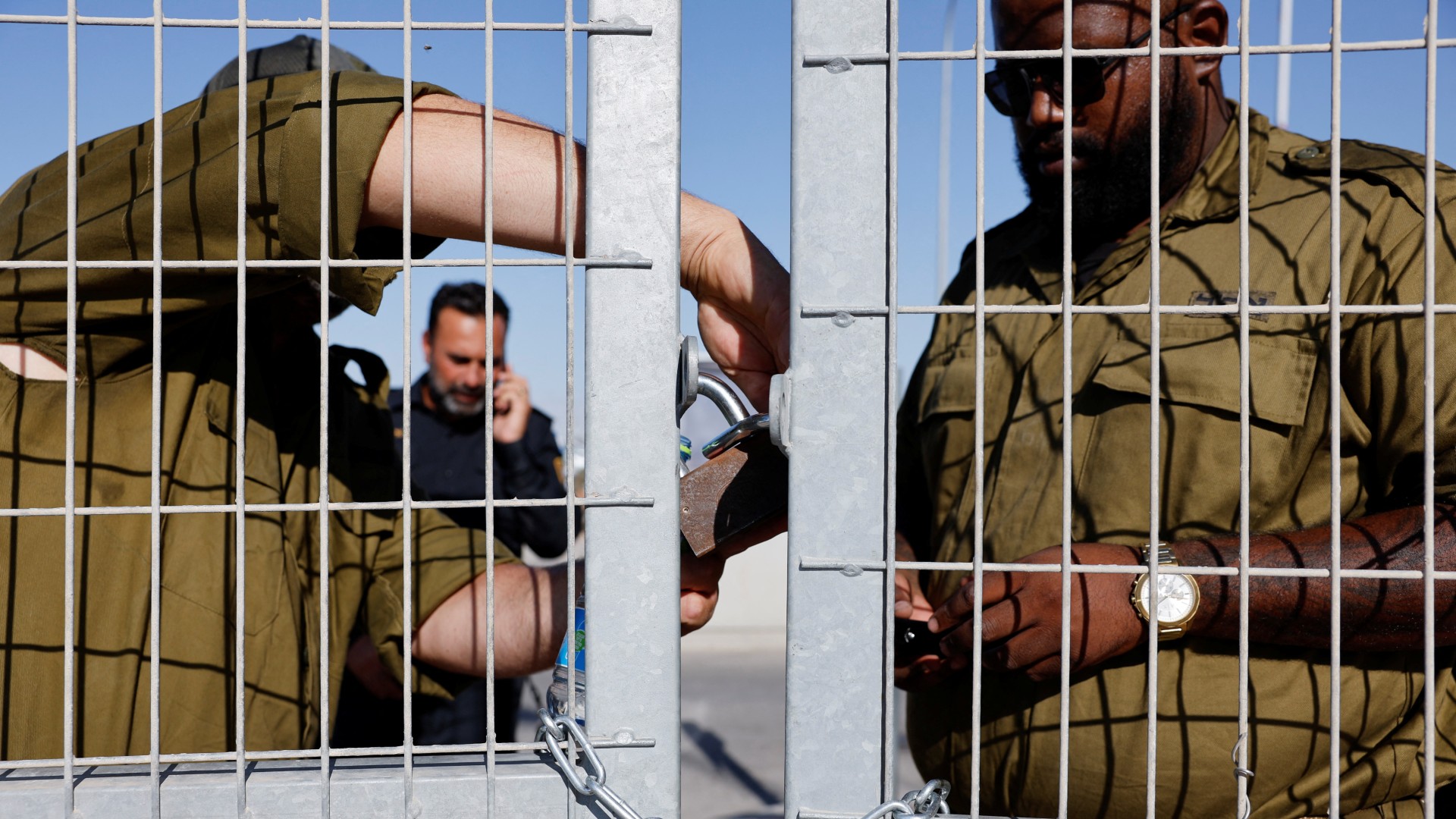
‘I wished for death’: Report accuses Israel of ‘systematic’ torture of Palestinian prisoners
A groundbreaking report by the Palestinian Centre for Human Rights (PCHR) has unveiled harrowing accounts of systematic sexual torture inflicted upon Palestinian prisoners from Gaza held in Israeli detention. The investigation, based on testimonies from released detainees, details a pattern of abuse including rape, forced stripping, filming of assaults, and psychological humiliation.