分类: world

  • Zelensky says 11 countries asking Ukraine for drone help against Iran

    Zelensky says 11 countries asking Ukraine for drone help against Iran

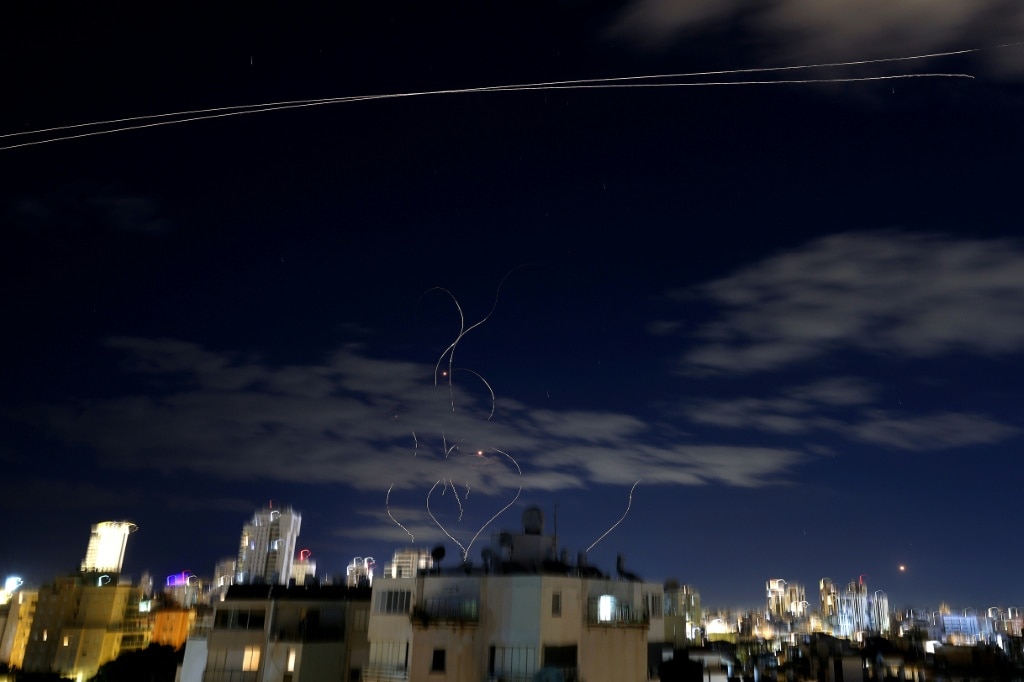
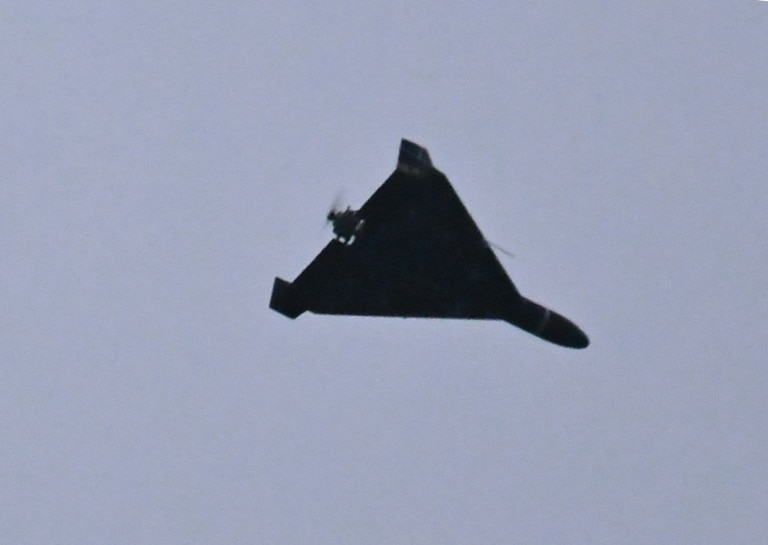
    Ukrainian President Volodymyr Zelensky has revealed that eleven nations have formally requested Kyiv’s assistance in developing defense capabilities against Iranian-designed attack drones. The unprecedented international outreach comes as Ukraine continues to withstand nightly barrages of Shahed-136 drones deployed by Russian forces, while similar Iranian-origin systems now threaten stability across the Middle East.

    Speaking on Monday, Zelensky confirmed that multiple countries—including regional neighbors of Iran, European states, and the United States—have sought access to Ukraine’s hard-won expertise in counter-drone warfare. “There is clear interest in Ukraine’s experience in protecting lives, relevant interceptors, electronic warfare systems and training,” the president stated, without identifying the specific nations involved.

    The Ukrainian military has achieved remarkable success against drone threats, consistently neutralizing over 80% of incoming Russian drones through an integrated defense approach. This sophisticated system combines affordable drone interceptors—specially designed aircraft that collide with hostile drones mid-flight—with advanced electronic jamming technology, acoustic detection systems, multi-spectrum radars, anti-aircraft artillery, and fighter jets.

    According to Igor Fedirko, CEO of the Ukrainian Council of Defence Industry, Kyiv has developed a unique “body of knowledge and skills” unmatched globally. “No one in the world has the expertise and experience that we do,” Fedirko emphasized, noting that Ukraine employs combined systems and early warning technologies refined through continuous combat conditions.

    Ukrainian drone specialists are already deploying to the Middle East, with initial teams expected to arrive this week. In exchange for sharing their valuable knowledge, Ukraine has proposed a strategic barter arrangement: trading their proven drone interception capabilities for sophisticated air defense missiles that remain in critically short supply.

    Fedirko underscored that this expertise came at tremendous cost, stating: “These technologies that we paid a huge price for, with the blood and death of citizens and soldiers, cannot be just handed over for free.” The development positions Ukraine, once primarily a recipient of international military aid, as an emerging exporter of cutting-edge defense technology and tactical knowledge.
  • US-Israel bombing aims to depopulate Iran’s capital

    US-Israel bombing aims to depopulate Iran’s capital

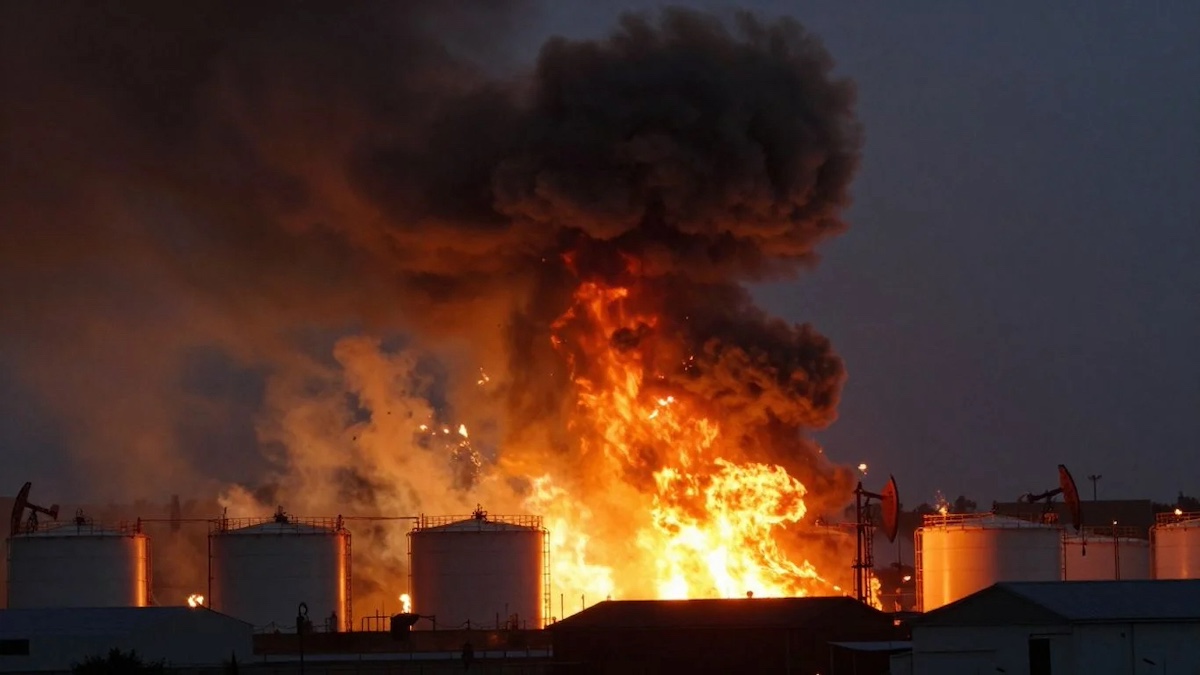
    Tehran’s approximately 10 million residents confronted an environmental disaster Sunday morning following coordinated airstrikes by United States and Israeli forces targeting the Iranian capital’s oil storage facilities. The attack created a massive inferno that generated towering pillars of fire and spewed toxic smoke across the metropolitan area, blotting out sunlight and producing blackened precipitation that fell across the city.

    The strategic bombardment exacerbates Tehran’s existing severe water shortage crisis, which had previously prompted President Masoud Pezeshkian to contemplate evacuation measures. Military analysts suggest the infrastructure targeting represents a calculated escalation designed to cripple civilian life and pressure Iran into unconditional surrender, as recently demanded by the Trump administration.

    Additional strikes reported against police stations further degrade urban security infrastructure, potentially accelerating population flight from the capital. The systematic destruction of energy facilities and critical civilian infrastructure mirrors tactics employed by Russia in Ukraine, though the proximity of these targets to dense residential areas raises profound moral questions.

    The humanitarian consequences are rapidly compounding Iran’s existing crises. Mass displacement could overwhelm national resources and security services, particularly if desperate citizens begin rioting in evacuation camps. Such scenarios might test the loyalty of Iran’s Revolutionary Guard Corps and allied militias if ordered to use lethal force against starving civilians rather than anti-government protesters.

    CENTCOM has justified the strikes by alleging Iran uses populated areas for military operations, thereby voiding protected status under international law. This legal framing suggests potential further escalation toward systematic targeting of civilian areas if Iran maintains its refusal to surrender. The conflict has now unequivocally expanded beyond purely military targets to encompass semi-military infrastructure with devastating collateral impacts on civilian populations.

  • Water emerges as a dangerous new war target

    Water emerges as a dangerous new war target

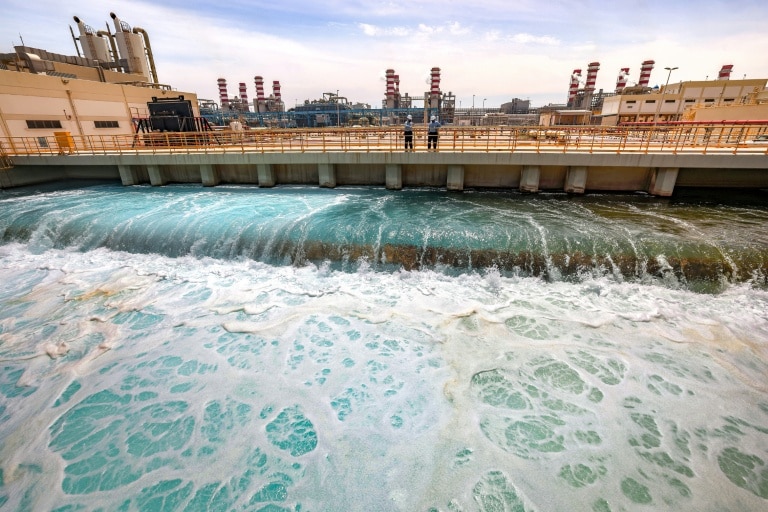
    Water desalination facilities are becoming unprecedented military targets in Middle Eastern conflicts, marking a dangerous escalation in warfare tactics. Recent attacks have highlighted the vulnerability of these critical installations that provide drinking water to millions across the arid region.

    Bahrain’s interior ministry reported Sunday that an Iranian drone strike damaged a water desalination plant, accusing Tehran of indiscriminately targeting civilian infrastructure. Iranian authorities countered by alleging the United States attacked a desalination facility on Qeshm Island serving 30 villages from a Bahrain-based installation.

    These developments occur in a region where water scarcity presents extreme challenges. According to World Bank data, the Middle East experiences water availability approximately ten times lower than global averages. Desalination technology consequently becomes indispensable, with approximately 42% of global capacity located throughout the region.

    National dependencies reveal staggering figures: desalinated water provides 42% of drinking water in the UAE, 70% in Saudi Arabia, 86% in Oman, and 90% in Kuwait. Experts warn that targeting these facilities could trigger catastrophic consequences. Water economist Esther Crauser-Delbourg cautioned that initial attacks on water infrastructure could unleash conflicts far exceeding current scales.

    Historical precedents exist but remain limited. Houthi rebels have previously targeted Saudi desalination plants, while Saudi-led coalitions struck Yemeni water infrastructure. Israeli operations have affected water systems in Gaza, with similar incidents dating back to the 1991 Gulf War.

    Security measures are intensifying in response to growing threats. Philippe Bourdeaux, Veolia’s regional director for Africa and the Middle East, confirmed enhanced security protocols including missile defense systems around major facilities. Operators are implementing contingency plans for power outages and seawater contamination scenarios, while maintaining water reserves sufficient for two to seven days of consumption.

    The CIA warned as early as 2010 that disrupting Arab desalination facilities could yield more severe consequences than losing any other industry. A 2008 diplomatic cable suggested Riyadh might require evacuation within one week if critical desalination infrastructure suffered severe damage.

  • Police release images of Oslo US embassy explosion suspect

    Police release images of Oslo US embassy explosion suspect

    Norwegian authorities have launched a high-priority investigation into an explosive device detonated outside the U.S. Embassy in Oslo, releasing surveillance images of a suspect while exploring potential terrorist motivations behind the incident.

    On Monday, Oslo police disseminated two heavily pixelated photographs extracted from security footage, depicting an individual clad in dark attire with facial features concealed, carrying a backpack. The explosion occurred at approximately 01:00 local time on Sunday at the embassy’s consular section entrance in Morgedalsvegen district, causing minor structural damage but no casualties.

    Law enforcement confirmed the device was improvised and deliberately positioned at the building’s entrance. Investigators are examining multiple angles including a since-deleted Google Maps video featuring Iran’s Supreme Leader Ayatollah Ali Khamenei, who was assassinated last month during joint U.S.-Israeli operations in Tehran. While terrorism remains a possible motive, police stated no definitive conclusions have been reached regarding the perpetrator’s intentions.

    The investigation has employed advanced resources including canine units, drones, and helicopters to process the scene. Social media photographs from the incident reveal shattered glass scattered across snow-covered grounds, fractured door panels, and scorch marks on tiled flooring.

    Norwegian Foreign Minister Espen Barth Eide characterized the attack as ‘unacceptable,’ emphasizing the critical importance of diplomatic mission security. The U.S. State Department has concurrently initiated its own investigation into the explosion. Authorities have appealed for public assistance regarding any unusual activity observed between midnight and 02:00 local time on Sunday.

  • Blast outside Belgium synagogue was ‘antisemitic act’, mayor says

    Blast outside Belgium synagogue was ‘antisemitic act’, mayor says

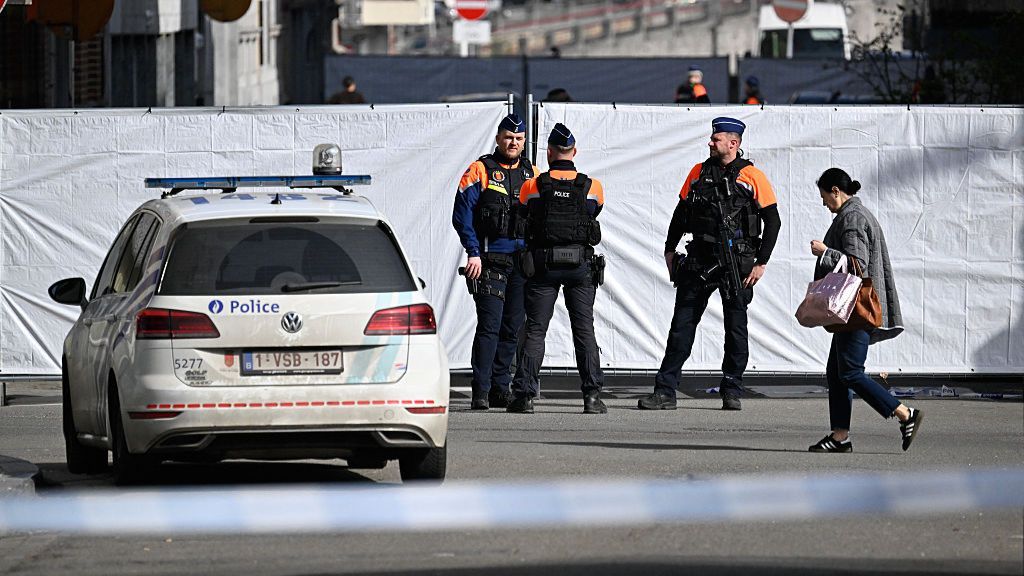
    An explosion rocked the Belgian city of Liège in the early hours of Monday, causing significant damage to a historic synagogue. The blast occurred at approximately 04:00 local time directly in front of the religious building, shattering windows across the street though fortunately resulting in no injuries.

    Local authorities have characterized the incident as a deliberate antisemitic attack. Liège Mayor Willy Demeyer immediately condemned the explosion as targeting the Jewish community, while Prime Minister Bart De Wever expressed solidarity through social media, stating: “Antisemitism is an attack on our values and our society, and we must combat it unequivocally.”

    The Belgian federal prosecutor’s office, which handles terrorism and organized crime cases, has assumed leadership of the investigation. Police established an extensive security perimeter around the site, closing the street throughout Monday morning as forensic experts examined evidence including scorch marks and debris visible in photographs from the scene.

    Local residents reported being awakened by the powerful blast that shook nearby buildings. One woman residing close to the synagogue told RTBF public broadcaster that she initially mistook the explosion for a gas-related incident.

    Interior Minister Bernard Quintin denounced what he called a “despicable antisemitic act that directly targeted Belgium’s Jewish community.” He confirmed that security measures around Jewish institutions would remain heightened, noting that security services had already been on high alert due to concerns about potential threats motivated by the ongoing conflict in the Middle East.

    The Liège synagogue, constructed in 1899, additionally functions as a museum documenting the history of the city’s Jewish community according to its website. This incident follows recent security concerns in Belgium, including the October arrest of three individuals suspected of plotting a jihadist-inspired drone attack against Prime Minister De Wever and other politicians.

  • Ghana calls on Commonwealth to condemn attack on its peacekeepers in Lebanon

    Ghana calls on Commonwealth to condemn attack on its peacekeepers in Lebanon

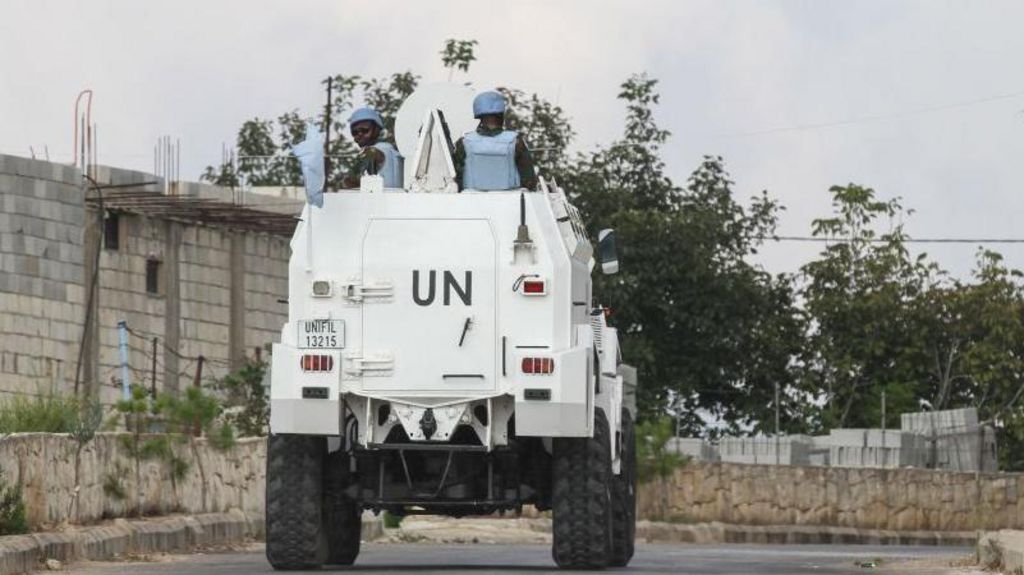
    Ghana has issued a formal appeal to the Commonwealth for a decisive condemnation of Friday’s missile strike targeting United Nations peacekeepers in southern Lebanon, which left four Ghanaian soldiers wounded. The attack occurred at approximately 18:00 local time, striking a base of the United Nations Interim Force in Lebanon (Unifil) where the Ghanaian battalion was stationed.

    Addressing Commonwealth counterparts at a meeting in London on Sunday, Ghana’s Foreign Minister Samuel Okudzeto Ablakwa characterized the assault as “an attack on every principle that the UN Charter exists to defend.” While not explicitly attributing responsibility, Ablakwa emphasized the urgent need for investigation and accountability.

    The Ghana Armed Forces confirmed all injured personnel are in stable condition, with three sustaining minor injuries. One critically wounded soldier successfully underwent surgical procedures and is reportedly responding well to treatment.

    Social media documentation revealed extensive damage to battalion facilities, with videos showing significant structural impact and fires at the peacekeeping compound.

    The incident occurs amid escalating cross-border hostilities between Israel and Hezbollah. While Lebanese President Joseph Aoun attributed the strike to Israel, Ghanaian officials have maintained diplomatic caution regarding attribution. The Iranian-backed Shia group had previously claimed rocket and drone attacks targeting Haifa, Israel, citing retaliation for the killing of Iran’s Supreme Leader Ayatollah Ali Khamenei.

    Ghana’s foreign ministry has formally lodged a protest with UN Secretary-General António Guterres, who echoed calls for accountability, stating “those responsible must be held accountable.” As one of the longest-standing contributors to UN peacekeeping operations in Lebanon, Ghana’s appeal carries significant weight in international diplomatic circles.

  • India offered sanctuary to Iranian ship three days before US sank it

    India offered sanctuary to Iranian ship three days before US sank it

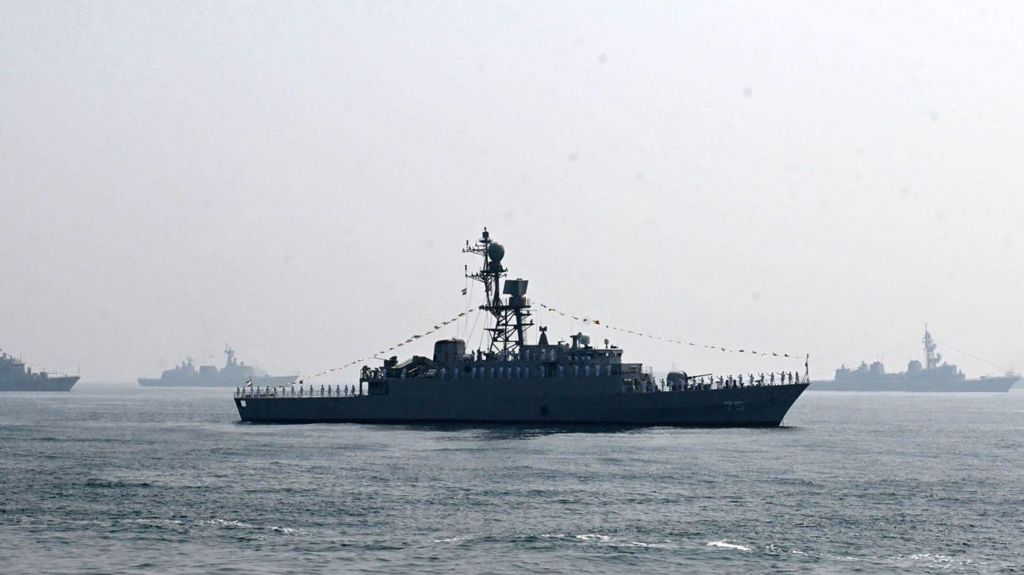
    In a significant escalation of hostilities beyond the Middle East, the Iranian warship Iris Dena was sunk by a U.S. submarine on March 4th in international waters off Sri Lanka’s southern coast. The attack resulted in the deaths of at least 87 sailors from a crew of 130, marking a dramatic expansion of the U.S.-Israel military campaign against Iran.

    The incident has cast a spotlight on India’s delicate diplomatic position. Indian Foreign Minister S. Jaishankar confirmed to parliament that Iran had formally requested docking permissions for three of its warships—Iris Dena, Iris Bushehr, and Iris Lavan—on February 28th, the very day the war began. India granted this permission on March 1st. This timing places India in a complex situation, having just days earlier hosted the same vessels for a joint military exercise in Visakhapatnam from February 15th to 25th.

    The post-attack movements of the Iranian fleet revealed a fragmented outcome. While the Iris Dena was destroyed, the Iris Lavan successfully docked in Kochi, India, on March 4th, with its crew currently under Indian naval protection. Minister Jaishankar defended this decision, stating it was ‘the right thing to do.’ Separately, Sri Lanka provided sanctuary to the Iris Bushehr on March 5th after it reported an engine malfunction.

    The sinking has ignited strong international reactions. Iranian Foreign Minister Abbas Araghchi condemned the strike as an ‘atrocity’ committed without warning, thousands of miles from Iran’s shores. In contrast, U.S. Defense Secretary Pete Hegseth boasted of the operation, incorrectly touting it as the first torpedo sinking of an enemy vessel since World War II, though similar incidents have occurred involving the UK and Pakistan. The Iris Dena is among approximately 20 Iranian naval assets destroyed since the conflict’s inception, with President Donald Trump explicitly stating the destruction of Iran’s navy is a key objective.

  • Iran war sends oil price soaring as Khamenei son takes charge

    Iran war sends oil price soaring as Khamenei son takes charge

    Global energy markets experienced significant turbulence as escalating hostilities between Iran and Israel triggered a dramatic surge in oil prices, coinciding with the appointment of Mojtaba Khamenei as Iran’s new supreme leader. The benchmark Brent crude surpassed $100 per barrel for the first time since the Ukraine conflict four years prior, while West Texas Intermediate recorded a staggering 75% increase since the conflict’s initiation.

    The transition of power occurred amidst intensified military exchanges, with Tehran launching missile barrages targeting Israeli positions and Gulf energy infrastructure. Saudi Arabia reported drone incursions targeting oil fields, while Bahrain’s state energy company Bapco declared force majeure, indicating potential contract defaults due to circumstances beyond its control. The United Arab Emirates and Kuwait similarly reported fresh attacks on energy facilities.

    Financial markets worldwide reacted immediately to the geopolitical instability. Asian economies bore early brunt with Japanese and South Korean markets closing down over 5%, while European markets opened sharply lower with continental gas prices soaring 30%. The Philippine government implemented fuel rationing measures, and Vietnam prepared to eliminate import tariffs on petroleum products.

    G7 finance ministers convened emergency discussions regarding potential strategic oil reserve releases to mitigate price pressures. French President Emmanuel Macron, current chair of the group, emphasized the need to protect the global economy from energy market volatility.

    International responses revealed deepening geopolitical divisions. Russian President Vladimir Putin extended direct support to the new Iranian leadership, affirming Russia’s continued partnership. China cautioned against targeting leadership figures while emphasizing respect for Iranian sovereignty. Conversely, former U.S. President Donald Trump characterized Mojtaba Khamenei as politically insignificant despite his influential connections to Iran’s Revolutionary Guard Corps.

    The conflict expanded beyond the immediate region with Hezbollah engaging Israeli forces in eastern Lebanon, while Israeli strikes targeted financial institutions linked to the militant group in Beirut. The U.S. State Department ordered non-emergency personnel evacuation from Saudi Arabia following a drone strike on its embassy, signaling anticipation of prolonged hostilities.

  • Belgium describes a blast near a synagogue as a ‘despicable antisemitic attack’

    Belgium describes a blast near a synagogue as a ‘despicable antisemitic attack’

    BRUSSELS — Belgian authorities have launched a federal investigation into an explosive device detonated outside a synagogue in Liege during the early hours of Monday, which Interior Minister Bernard Quintin explicitly condemned as a “despicable antisemitic act.

    The incident occurred in eastern Belgium’s city of Liege, where local police confirmed the blast resulted in structural damage to a building adjacent to the synagogue, shattering windows but causing no injuries. Security personnel immediately cordoned off the affected area for forensic examination.

    In an official statement via social media platform X, Minister Quintin asserted that the attack “directly targeted the Jewish community of Belgium” and pledged enhanced security measures around Jewish institutions nationwide. Notably, Belgian officials made no connection between the explosion and the ongoing U.S.-Israel military operations against Iran.

    The incident coincides with heightened security alerts across multiple European nations including France and Germany, which have announced reinforced protective measures for sensitive locations. While these countries acknowledge increased vigilance in response to Middle Eastern hostilities, they maintain no direct military involvement in the conflict. Belgium’s Transport Ministry has separately called for intensified security protocols around the national railway infrastructure.

  • Indonesian court sentences 3 men for shooting death of fellow Australian in Bali

    Indonesian court sentences 3 men for shooting death of fellow Australian in Bali

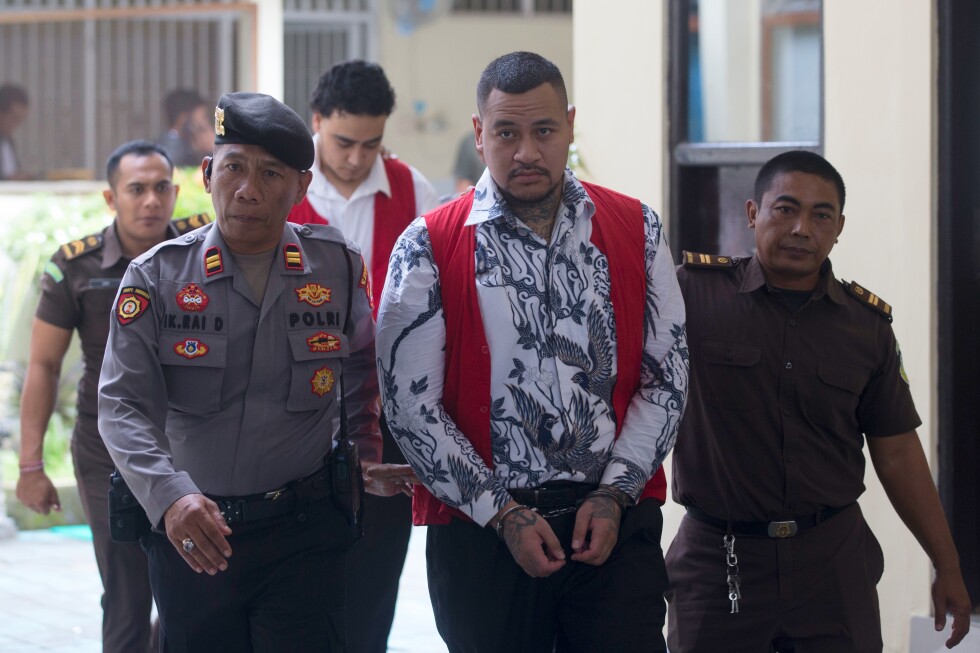
    DENPASAR, Indonesia — Three Australian nationals received substantial prison sentences Monday at Denpasar District Court for their roles in the fatal shooting of a fellow Australian during a June incident on Indonesia’s resort island of Bali.

    The convicted individuals—Mevlut Coskun (22), Paea I Middlemore Tupou (27), and Darcy Jenson (24)—were found guilty in the death of Zivan Radmanovic, a 32-year-old Melbourne resident. A second victim, 34-year-old Sanar Ghanim, survived the attack despite sustaining gunshot wounds and physical assault.

    Judicial authorities handed down 16-year sentences to Coskun and Tupou, while Jenson received a 12-year term. Throughout proceedings, Coskun and Tupou maintained the shooting was unintentional, occurring during nocturnal chaos rather than premeditated violence.

    The tragedy unfolded while Radmanovic was celebrating his wife’s birthday alongside her sister and Ghanim, who was the sister’s partner. Forensic examination revealed Radmanovic succumbed to multiple gunshot injuries compounded by blunt force trauma.

    Prosecutors established that Jenson orchestrated the assault while Coskun and Tupou executed the physical attack. International cooperation proved crucial in apprehending the perpetrators: Jenson was intercepted at Jakarta’s Soekarno Hatta Airport attempting to flee the country, while his accomplices were captured in Singapore and Cambodia through Interpol-assisted operations.

    During October’s trial proceedings, defendants revealed they had accepted payment from an unidentified Australian man to travel to Bali and intimidate Ghanim into repaying outstanding debts. They consistently refused to identify their benefactor, citing legitimate fears for family safety. Investigators corroborated the existence of instructions from a mysterious “Mr. X” whose identity remains undetermined.

    Although prosecutors sought 18-year sentences for Coskun and Tupou plus 17 years for Jenson, the judicial panel slightly reduced these terms. Presiding Judge Wayan Suarta acknowledged the defendants’ lack of criminal history and cooperative behavior during investigation and trial, while simultaneously recognizing the profound trauma inflicted upon victims’ families.

    “They are still young and have the chance to improve themselves in the future,” Judge Suarta emphasized, clarifying that “punishment is not intended as revenge, nor to degrade their dignity, but as a preventive measure so similar acts do not occur again.”