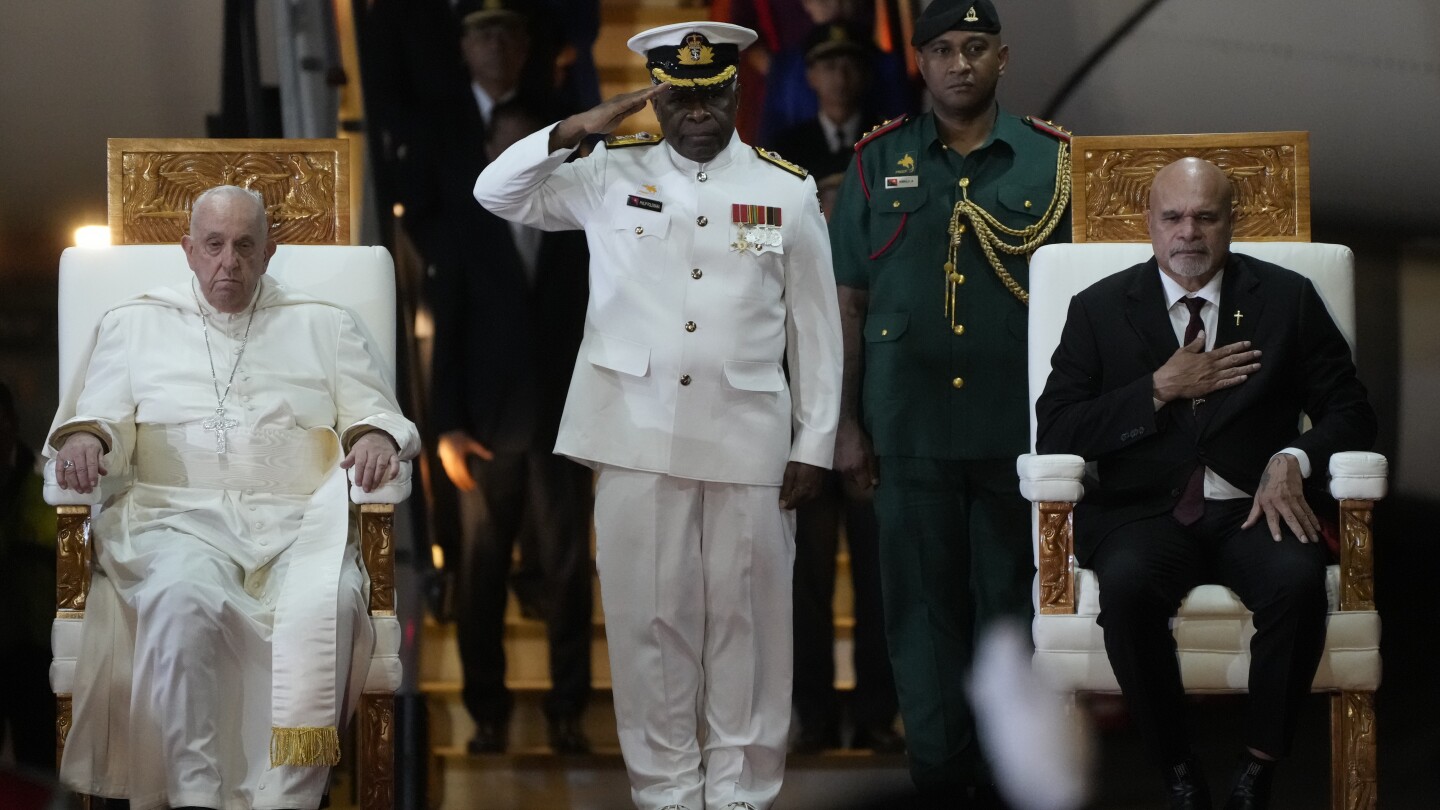
Pope Francis arrived in Papua New Guinea on Friday, marking the second stop of his extensive 11-day journey across Southeast Asia and Oceania. This visit makes him only the second pope to set foot in the strategically significant South Pacific nation, following in the footsteps of St. John Paul II, who visited in 1984 and 1995. The 87-year-old pontiff was greeted at Port Moresby airport with a cannon salute and a marching band, though he briefly lost his balance during the welcome ceremony, requiring assistance from his security team. Francis’ visit comes on the heels of a vibrant three-day stay in Indonesia, where he addressed a crowd of over 100,000 at a jubilant Mass and signed a historic interfaith declaration with Jakarta’s grand imam, pledging to combat religious violence and protect the environment. In Papua New Guinea, Francis’ agenda focuses on social justice, environmental stewardship, and fostering harmony among the nation’s diverse tribal communities. He is scheduled to meet with government officials, address local clergy, and visit Catholic missionaries working in remote areas. The country, home to over 10 million people, faces challenges such as tribal conflicts, environmental degradation, and the impacts of climate change. Francis’ visit is seen as a beacon of hope for the nation’s Catholic community, which makes up a significant portion of the population. The pope’s journey will continue to East Timor and Singapore before concluding on September 13.
分类: world
-
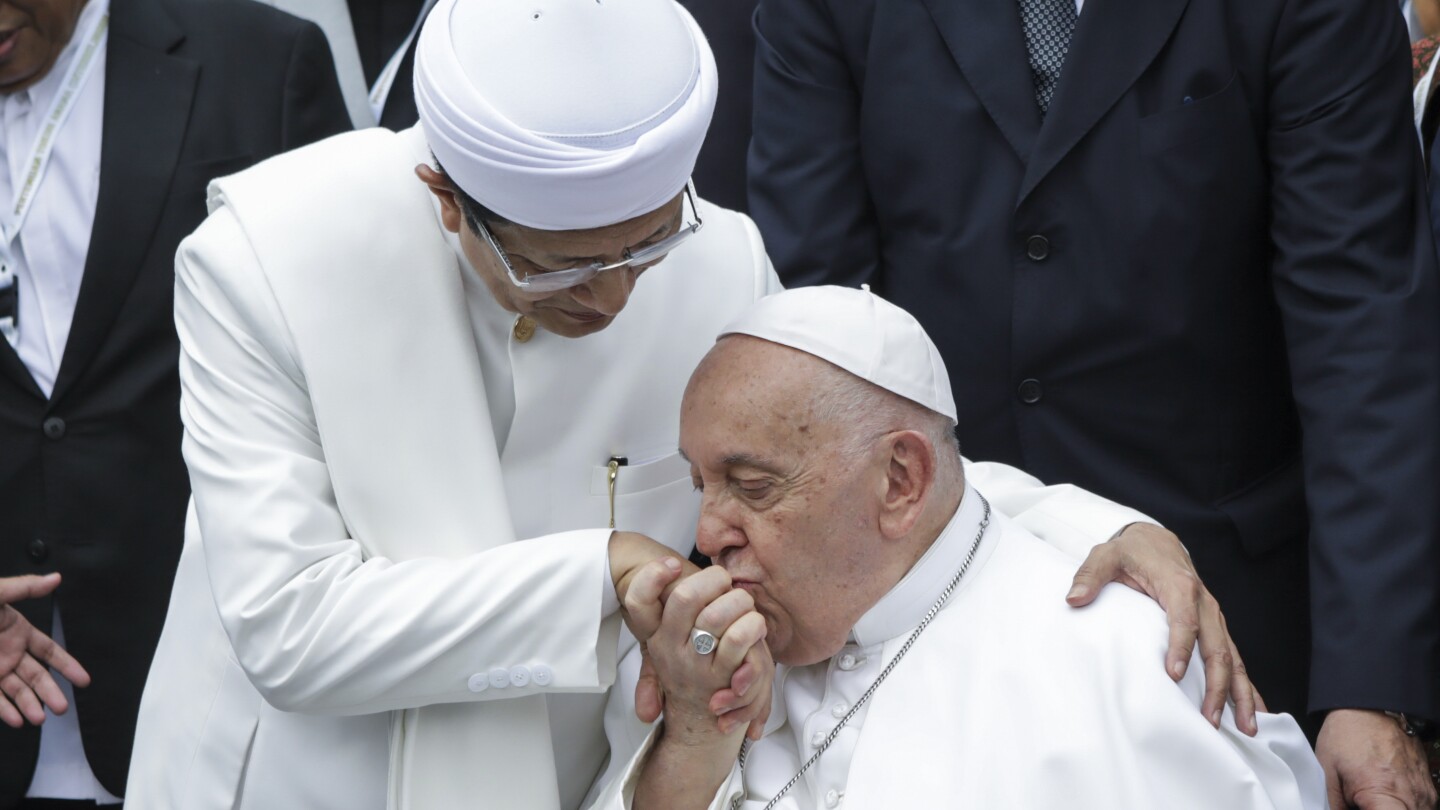
Pope and imam of Southeast Asia’s largest mosque make joint call to fight violence, protect planet
In a historic moment of interfaith solidarity, Pope Francis and Grand Imam Nasaruddin Umar of Southeast Asia’s largest mosque, Istiqlal Mosque in Jakarta, jointly pledged to combat religiously inspired violence and address the pressing climate crisis. The leaders issued the “Joint Declaration of Istiqlal 2024” during the Pope’s visit to Indonesia, marking a significant step in fostering global harmony and environmental stewardship. The declaration emphasized that religion must never be used to justify violence but should instead promote peace, human dignity, and environmental protection. The event, held at the iconic Istiqlal Mosque, brought together representatives of Indonesia’s six officially recognized religions: Islam, Buddhism, Confucianism, Hinduism, Catholicism, and Protestantism. The gathering underscored the nation’s commitment to religious freedom, despite ongoing challenges of intolerance and discrimination. Francis and Umar’s personal rapport was evident as they shared heartfelt gestures of mutual respect, symbolizing the potential for unity across faiths. The Pope’s visit also included a jubilant Mass at Jakarta’s stadium, attended by an estimated 100,000 faithful, where he urged Indonesians to build a civilization of peace and hope. This visit is part of Francis’ 11-day journey across Southeast Asia and Oceania, aimed at strengthening Catholic-Muslim ties and promoting fraternity. The Istiqlal Declaration builds on Francis’ longstanding efforts to bridge religious divides, following similar initiatives in the Gulf and Iraq. The document also highlighted the urgent need for decisive action to combat climate change, a cause close to the Pope’s heart, particularly in Indonesia, a nation vulnerable to environmental crises. Umar emphasized the mosque’s role as a unifying space, designed by a Christian architect and serving diverse communities. The event concluded with a powerful message of unity, as Francis and Umar called on people of all faiths to work together for a sustainable and peaceful future.
-
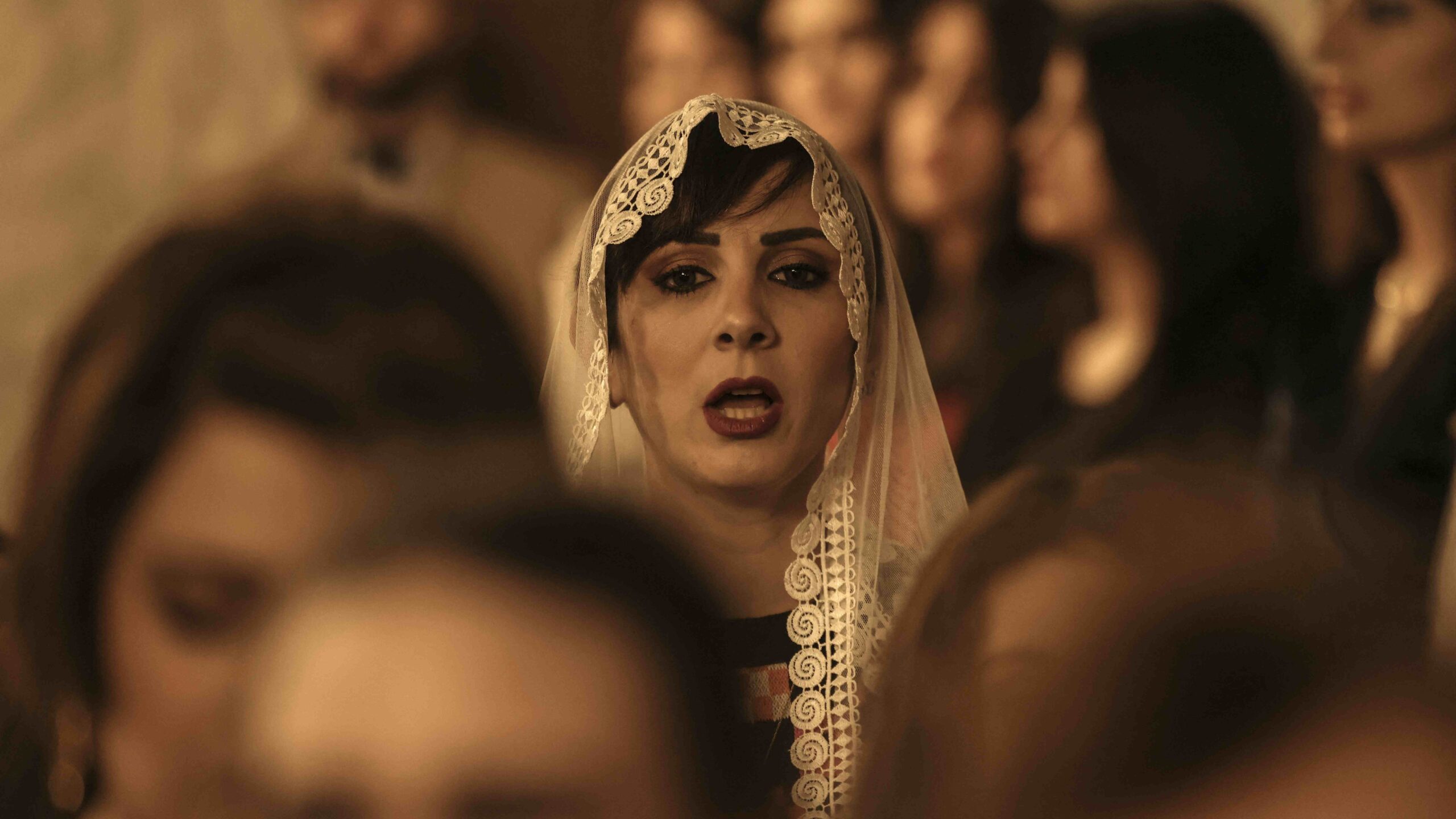
Israel-Palestine war: A quick history of Christianity in Gaza
The Israeli airstrike on the fifth-century Church of Saint Porphyrius in Gaza has drawn international attention to the besieged territory’s diminishing Christian population, killing at least 18 civilians who had sought refuge within its sacred walls. This attack on one of Christianity’s oldest surviving places of worship underscores the vulnerable position of Palestinian Christians in the conflict-ridden region.
Gaza’s Christian community, numbering approximately 1,100 today, represents a continuous spiritual lineage dating back to the earliest centuries of Christianity. The territory holds profound biblical significance, specifically mentioned in Acts 8 regarding Philip the Evangelist’s journey between Jerusalem and Gaza. The Church of Saint Porphyrius, established in 425 CE and reconstructed by Crusaders in the 12th century, stands alongside the fourth-century Tell Umm Amer monastery as testament to Gaza’s rich Christian heritage.
Christianity took firm root in Gaza during the fifth century under Byzantine influence, overcoming strong pagan traditions through the missionary work of figures like Bishop Porphyrius. The faith flourished until the Arab conquests brought gradual Islamization, though a Christian minority persisted through centuries of change.
The modern era has witnessed a dramatic decline in Gaza’s Christian population, from approximately 6,000 in the 1960s to today’s precarious numbers. Like their Muslim counterparts, Palestinian Christians have endured displacement since the 1948 Nakba and Israel’s subsequent blockade imposed in 2007. They face severe restrictions on movement, requiring Israeli permits to visit holy sites in Jerusalem or the West Bank—permits that are frequently denied even for major religious observances like Christmas and Easter.
Despite their small numbers, Gaza’s churches have traditionally served as sanctuaries for all civilians during conflicts. The bombing of Saint Porphyrius challenges this historical protection and raises concerns about the preservation of ancient Christian heritage in the region. The incident highlights how Gaza’s Christians, while maintaining unique religious traditions, see themselves as inseparable from the broader Palestinian national identity and shared struggle.
-
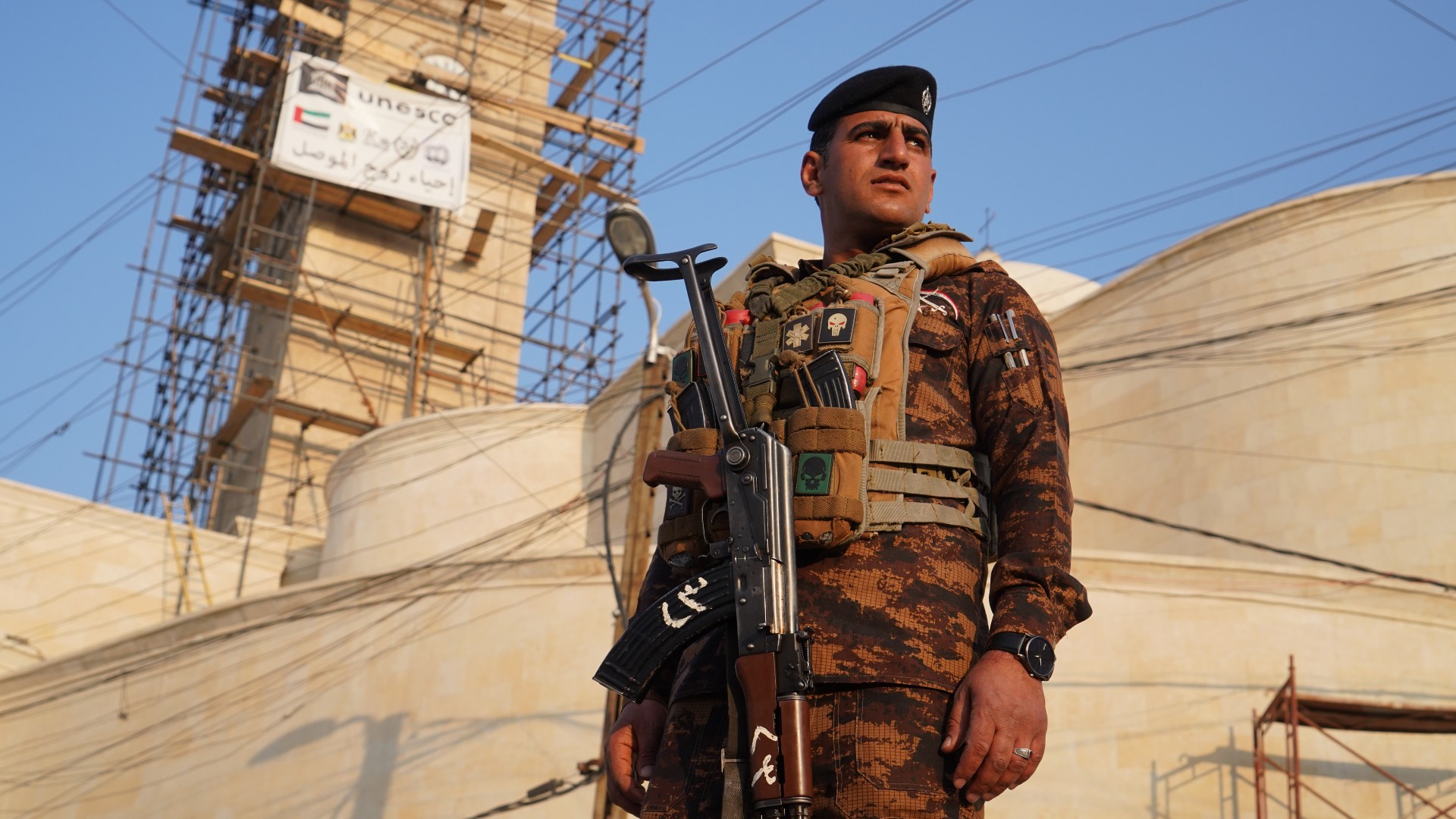
Iraq war: Twenty years after ‘shock and awe’, Mosul residents still picking up the pieces
Two decades ago, on March 20, 2003, the United States and its allies launched a devastating military campaign against Iraq, marking the beginning of a conflict that would reshape the nation’s destiny. The invasion, initiated under the pretext of eliminating weapons of mass destruction (WMDs) allegedly harbored by Saddam Hussein, quickly escalated into a full-scale war. The ‘shock and awe’ strategy saw hundreds of missiles rain down on Baghdad, leaving the city in ruins and its citizens in chaos. Despite the swift overthrow of Saddam’s regime, the invasion unleashed a cascade of unintended consequences that continue to haunt Iraq today. The absence of WMDs, later confirmed, raised questions about the legitimacy of the war, while the power vacuum left in its wake fueled sectarian violence, insurgencies, and the rise of extremist groups like the Islamic State (IS). The invasion’s aftermath has been marked by widespread destruction, displacement, and a profound sense of loss among Iraqis. Cities like Mosul, once vibrant cultural hubs, remain scarred by years of conflict. The Christian community, which once thrived in Iraq, has dwindled significantly, with many fleeing persecution. Despite the fall of IS, the road to recovery remains fraught with challenges, as Iraqis grapple with the enduring legacy of a war that promised liberation but delivered devastation.