分类: world

  • Le Monde publishes new details of campaign against Karim Khan and ICC

    Le Monde publishes new details of campaign against Karim Khan and ICC

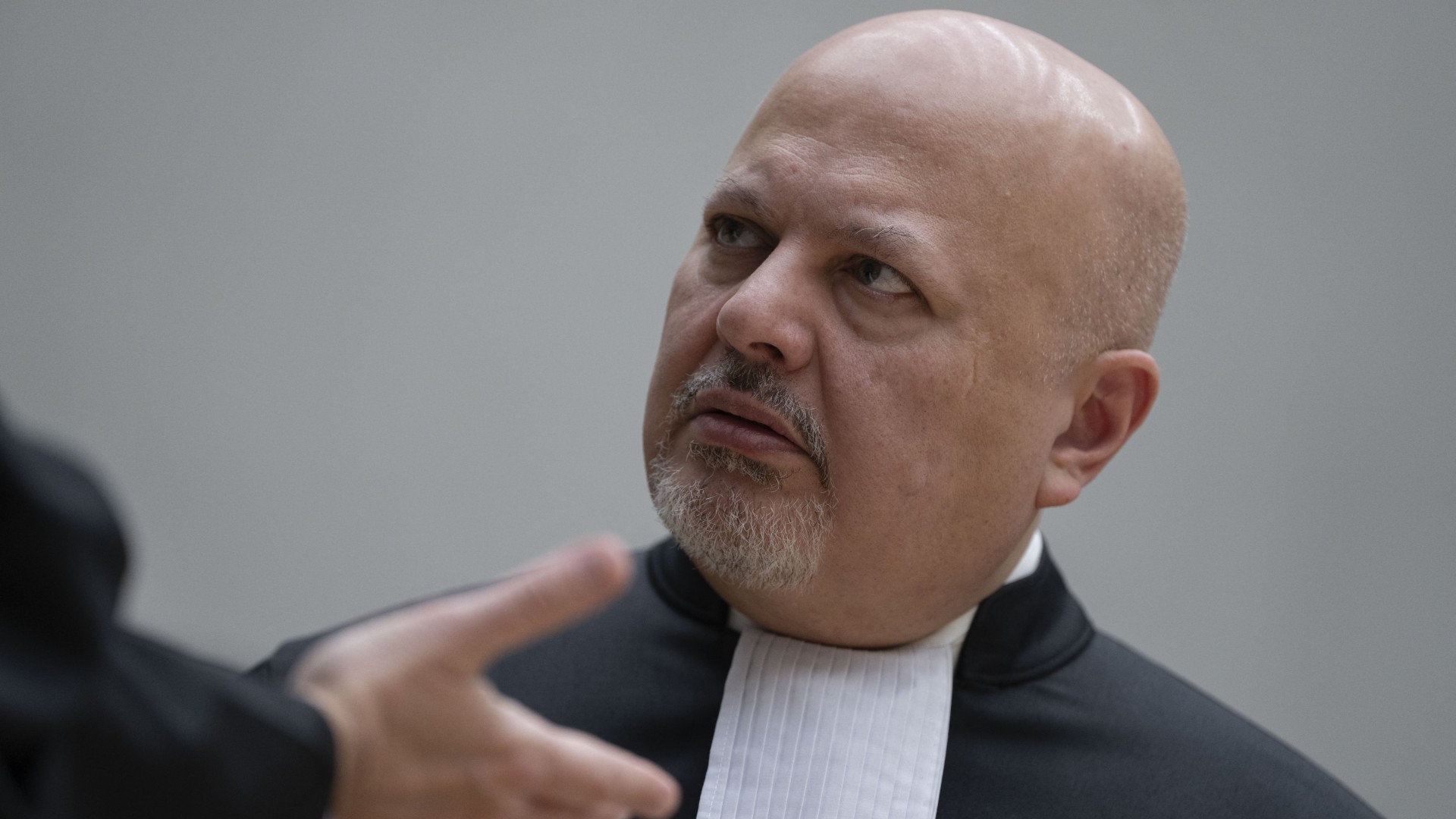
    An alarming intimidation campaign targeting International Criminal Court Chief Prosecutor Karim Khan has been extensively documented by French publication Le Monde, revealing systematic pressure tactics from multiple nations and internal sabotage attempts. The coordinated effort emerges directly from Khan’s pursuit of war crimes charges against Israeli Prime Minister Benjamin Netanyahu, former Defense Minister Yoav Gallant, and other Israeli officials.

    The campaign features direct threats against ICC personnel, including British barrister Andrew Cayley who oversaw the Palestine investigation. Dutch intelligence warned Cayley of security risks in The Hague, followed by explicit December 2024 threats labeling him ‘an enemy of Israel’ who should ‘watch his back.’ Cayley subsequently left his position citing health impacts from pressure and fear of U.S. sanctions.

    Internal undermining came from Thomas Lynch, Khan’s senior legal adviser and longtime colleague tasked with liaising with Israel. Lynch allegedly proposed arranging a Jerusalem dinner between Khan and Netanyahu through lawyer Alan Dershowitz—a move Khan reportedly rejected as inappropriate spectacle. Lynch later triggered internal harassment investigations against Khan and attempted to have him suspended following sexual misconduct allegations, which Khan denies.

    Government-level intimidation included then-British Foreign Secretary David Cameron’s April 23, 2024 threat that Britain would withdraw from the Rome Statute if Khan pursued arrest warrants, comparing the action to detonating ‘a hydrogen bomb.’ Similarly, British-Israeli ICC lawyer Nicholas Kaufman warned Khan in a May 1 meeting that he and the ICC would be ‘destroyed’ unless warrants were reclassified as confidential to allow private Israeli challenges.

    The pressure campaign extends to tangible sanctions: Khan has had his U.S. visa revoked, family members banned from traveling to America, UK bank accounts frozen, and credit cards canceled. Despite these pressures, Khan was reportedly preparing additional warrants for far-right Israeli ministers Bezalel Smotrich and Itamar Ben Gvir over West Bank settlement expansions before taking leave amid internal turmoil. The U.S. escalated pressure further by sanctioning four ICC judges on June 8, with State Department legal adviser Reed Rubinstein warning ‘all options remain on the table’ unless the investigation is dropped.

  • China seeks power beyond water with world’s biggest dam

    China seeks power beyond water with world’s biggest dam

    China has embarked on an ambitious new phase of its infrastructure development with the commencement of the Motuo hydropower project. This mega dam, comprising five cascade hydropower stations, is set to become the world’s largest source of hydroelectric power, surpassing the Three Gorges Dam by a factor of four. Chinese Premier Li Qiang has hailed it as the ‘project of the century,’ underscoring its significance in reflecting China’s geopolitical ambitions and technological prowess. However, the project’s location on the Yarlung Zangbo River, which feeds into the Brahmaputra River flowing through India and Bangladesh, has sparked regional tensions. Both nations have expressed concerns over potential disruptions to their water supplies, particularly given the already strained Sino-Indian relations over the disputed region of Arunachal Pradesh, which China refers to as Zangnan. The dam’s strategic location grants Beijing significant leverage over downstream water flows, a tactic previously demonstrated in the Mekong River Delta. Beyond its geopolitical implications, the Motuo project symbolizes China’s historical quest to control its rivers, a theme deeply rooted in its civilization. It also aligns with China’s push for energy self-sufficiency, with the dam expected to generate 300 billion kilowatt-hours annually—equivalent to the UK’s total electricity production. While the project promises economic and environmental benefits for China, it also raises concerns about its broader impact on regional water security and geopolitical dynamics in South Asia.

  • Gaza ceasefire talks collapse as starvation crisis mounts

    Gaza ceasefire talks collapse as starvation crisis mounts

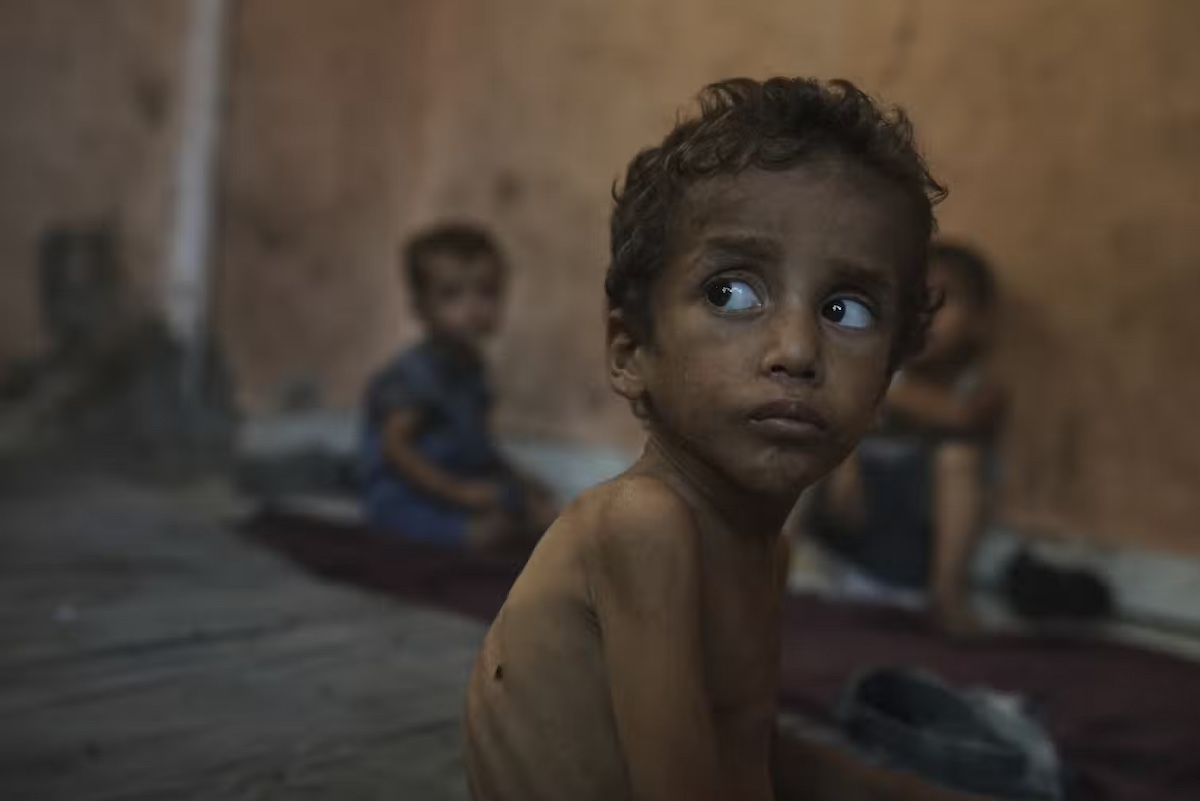
    The latest efforts to broker peace in Gaza have hit a significant roadblock as negotiations in Qatar abruptly ended, with both the United States and Israel withdrawing their delegations. The U.S. special envoy, Steve Witkoff, accused Hamas of lacking genuine intent to reach a ceasefire, stating that the group appeared uncoordinated and unwilling to act in good faith. This development has dashed hopes for an immediate resolution to the 21-month-long siege of Gaza, which has left the territory in a state of humanitarian crisis. The collapse of talks coincides with France’s historic decision to formally recognize a Palestinian state, a move French President Emmanuel Macron described as essential for Middle Eastern security. Meanwhile, the humanitarian situation in Gaza continues to deteriorate, with the United Nations and aid agencies warning of widespread famine. UNRWA Commissioner-General Philippe Lazzarini reported that over 100 people, mostly children, have died of hunger, with one in five children in Gaza City malnourished. Despite having 6,000 trucks of emergency supplies ready in Jordan and Egypt, aid remains blocked due to Israel’s ongoing restrictions. The proposed ceasefire deal, which included a 60-day truce and the release of hostages and prisoners, failed to materialize due to disagreements over the terms of a lasting peace. Israel insists on maintaining a military presence in Gaza, while Hamas demands a complete end to hostilities. The lack of mutual trust has further complicated negotiations. France’s recognition of a Palestinian state adds diplomatic pressure on Israel, but Israeli Prime Minister Benjamin Netanyahu condemned the move, claiming it rewards terrorism. With no clear path forward, the prospects for a new ceasefire appear bleak, leaving Gaza’s population in dire straits.

  • Inside the drugs factory: How captagon is fuelling the war in Sudan

    Inside the drugs factory: How captagon is fuelling the war in Sudan

    Deep within an industrial wasteland on the eastern bank of the Nile, three inconspicuous, half-finished buildings stand surrounded by a minefield. For months, residents were warned by Rapid Support Forces (RSF) fighters to avoid this walled compound. Inside, authorities discovered machinery and chemical products allegedly used to produce approximately 1,000 captagon pills per hour. This cheap, addictive amphetamine, popular among fighters and partygoers in the Middle East, has become a significant concern for Arab governments. The RSF reportedly distributes the drug to its fighters to enhance alertness and suppress hunger, while also selling it to civilians for profit. Until recently, Syria was the primary hub for captagon production. However, the fall of Bashar al-Assad’s government disrupted the industry, leading to the shutdown of numerous laboratories and smuggling routes. Despite this, Sudan’s ongoing conflict has provided fresh opportunities for captagon production. Earlier this year, the Sudanese Armed Forces (SAF) forced the RSF out of Khartoum and its surrounding areas, uncovering a captagon factory near the al-Jaili oil refinery in February. The facility contained five machines, two of which were operational at the time of discovery. Authorities also found pills bearing the double crescent symbol, a hallmark of illegal captagon production. The other machines were still in their packaging, suggesting the facility was in its early stages of operation. Shipping labels on the equipment indicated it was imported via a Dubai-based company, Amass Middle East Shipping Services, though the company did not respond to inquiries. The UAE has been accused of supplying arms to the RSF, though it denies these allegations. Experts noted the equipment’s similarity to that found in Syrian laboratories, raising concerns about a potential connection between Sudanese and Syrian criminal networks. The compound also contained hundreds of packets of white powder, labeled as veterinary supplements and electrolytes, though their contents remain under investigation. Sudanese police suspect the powder could be precursor materials for captagon production. The discovery of this factory follows earlier findings of captagon labs in Sudan, indicating a growing trend. Authorities are investigating whether the drug was being manufactured for export, given the lucrative Gulf market just across the Red Sea. The collapse of the Syrian captagon market has left a void, and Sudan appears to be filling it. Experts warn that the technical knowledge to produce captagon remains intact and could be redeployed elsewhere, posing a continued threat to regional security.

  • Post-Assad Syria reeling in waves of ethnic violence

    Post-Assad Syria reeling in waves of ethnic violence

    In July 2025, the southern Syrian province of Sweida became the epicenter of a deadly sectarian conflict between the Druze religious minority and Sunni Arabs, backed by government-affiliated forces. The clashes resulted in hundreds of casualties, prompting Israel to launch airstrikes in support of the Druze. This violence echoed the March 2025 massacres, where supporters of the former Assad regime targeted security units, leading to retaliatory killings of Alawites by militias aligned with the new Damascus government. Over 1,300 individuals, predominantly Alawites, were killed, with reports of entire families being executed. Despite government promises of investigations, extrajudicial killings, kidnappings, and home invasions persist, particularly against Alawites. The conflict underscores the deep-seated sectarian divisions in post-Assad Syria, where religious minorities like the Alawites and Druze face systemic marginalization and violence. While the new government seeks to project unity, its fractured control and the historical stigmatization of these groups continue to fuel instability. International efforts, including U.S.-brokered ceasefires and Israeli military support for the Druze, add further complexity to the region’s fragile political landscape.

  • Thucydides trap averted: China speed, dodgy data and the Houthis

    Thucydides trap averted: China speed, dodgy data and the Houthis

    The 21st century has witnessed a seismic shift in global power dynamics, with China’s rapid ascent challenging traditional notions of military and economic dominance. The Thucydides Trap, a theory predicting inevitable conflict between a rising power and an established one, may have been averted due to China’s strategic maneuvers and the obsolescence of expeditionary navies. Recent events in the South China Sea, the Black Sea, and the Red Sea have demonstrated that traditional naval power is no longer the ultimate arbiter of global influence. China’s focus on building airstrips, missile sites, and naval bases in the South China Sea has extended its maritime security perimeter, while its anti-ship ballistic missiles (ASBMs) have rendered US carrier strike groups (CSGs) ineffective. The US Navy’s inability to respond decisively to challenges in the Red Sea and the South China Sea has exposed its limitations, leading to a reevaluation of alliances and strategies. Japan, South Korea, and other nations are increasingly realigning with China, recognizing its economic and technological prowess. China’s manufacturing sector, scientific output, and human capital pipeline have surpassed those of the US, solidifying its position as the established power. As nations adapt to this new reality, the speed of realignment will be astonishing, potentially benefiting all involved and allowing the US to focus on domestic recovery after decades of global hegemony.

  • Japanese seafood imports conditionally resumed

    Japanese seafood imports conditionally resumed

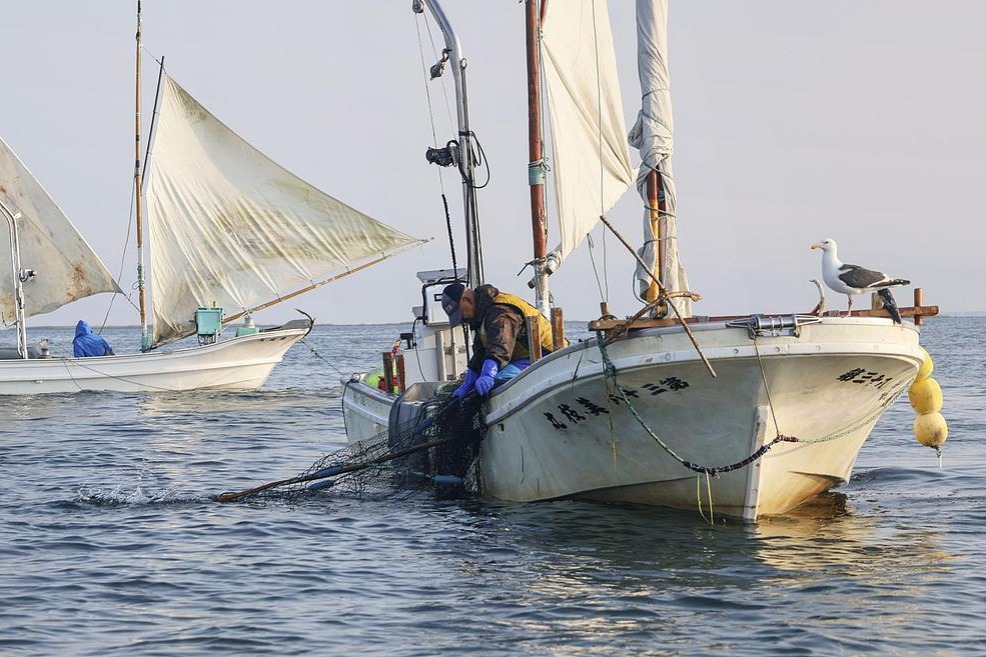
    China has announced the conditional resumption of seafood imports from select regions of Japan, effective immediately. The decision, disclosed by the Foreign Ministry on Monday, comes with stringent safeguards to ensure public health and food safety. Mao Ning, the ministry’s spokesperson, emphasized that the move aligns with Chinese laws, international trade regulations, and scientific assessments. However, China retains the authority to impose immediate restrictions should any risks emerge. The announcement follows the General Administration of Customs’ Sunday declaration, which outlined the resumption of imports from certain Japanese areas while maintaining a ban on products from 10 prefectures, including Fukushima. These regions remain excluded due to ongoing concerns over radioactive wastewater discharges from the Fukushima Daiichi Nuclear Power Plant, which began in August 2023. China, previously the largest overseas market for Japanese seafood, had imposed a comprehensive ban following the wastewater release. Mao highlighted that Japan has agreed to international monitoring and independent sampling by China, pledging to ensure the safety of exported aquatic products. Despite the conditional resumption, China reiterated its opposition to Japan’s ocean discharge practices, underscoring the need for long-term risk management and international collaboration.

  • 4 giant pandas at western Japan zoo depart for China

    4 giant pandas at western Japan zoo depart for China

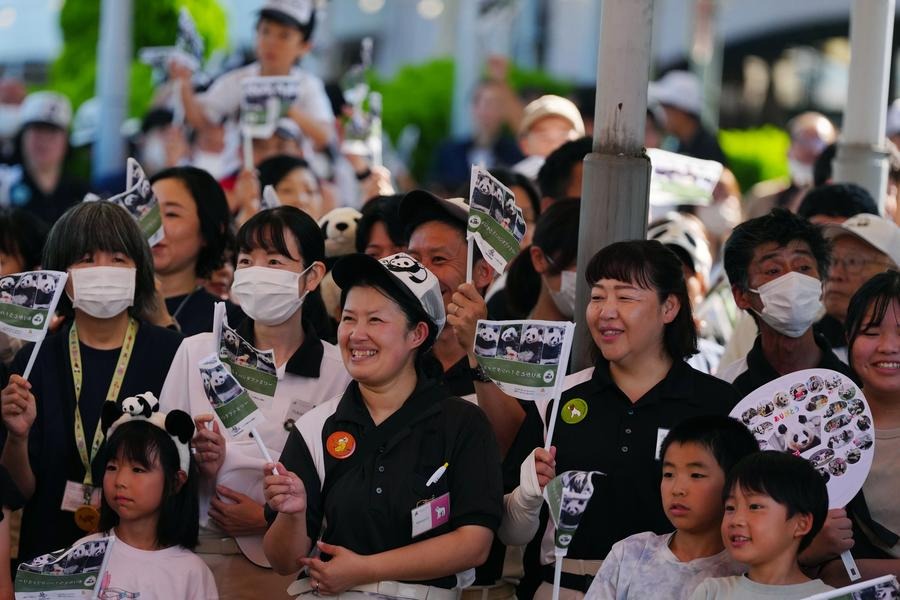
    On June 28, 2025, four giant pandas from Adventure World amusement park in Shirahama, Wakayama Prefecture, Japan, embarked on their journey back to China. The pandas, 24-year-old Rauhin and her three daughters—Yuihin (8), Saihin (6), and Fuhin (4)—were transported to the Chengdu Research Base of Giant Panda Breeding in Sichuan Province. The departure marked the end of their stay in Japan, where they had been part of a joint breeding program initiated in 1994. Early in the morning, park staff and fans gathered to bid farewell, waving flags and wearing T-shirts adorned with images of the pandas. The zoo’s director, Koji Imazu, expressed his hopes for the pandas’ healthy and long lives in China, emphasizing their role in fostering goodwill between the two nations. The transfer was scheduled for June to avoid the physical strain of summer heat, especially for Rauhin, who is now in her senior years. The younger pandas are expected to contribute to future breeding efforts in China. The zoo’s panda breeding team ensured a smooth transition by sharing detailed information about each panda’s traits with their Chinese counterparts.

  • Sudan in danger of self-destructing as conflict and famine reign

    Sudan in danger of self-destructing as conflict and famine reign

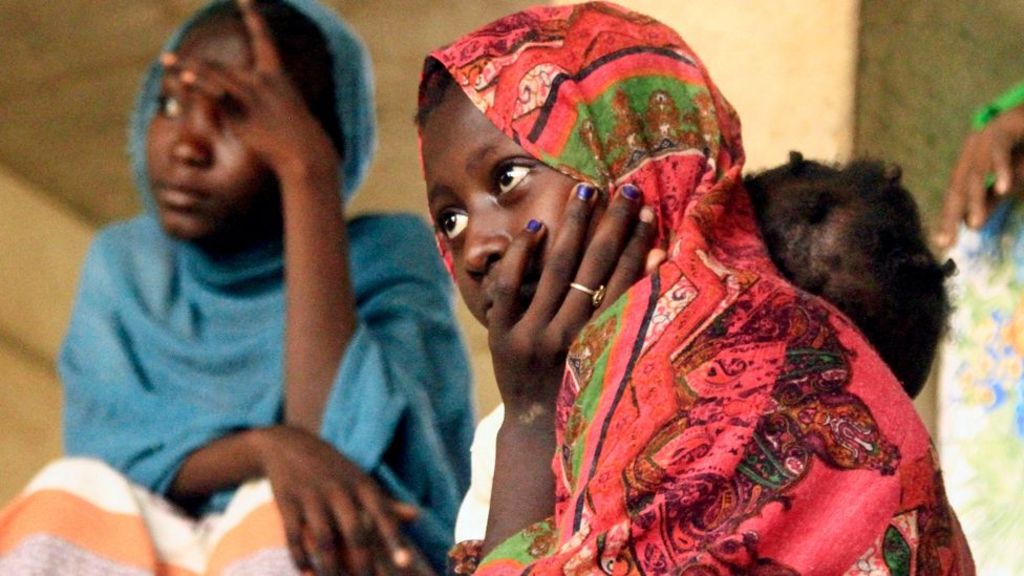
    Sudan’s protracted conflict has plunged the nation into a humanitarian catastrophe, with over half of its 45 million population displaced and nearly a million facing famine. The war, now in its 27th month, remains in a strategic deadlock, with neither the Sudanese Armed Forces (SAF) nor the Rapid Support Forces (RSF) able to secure a decisive advantage. The SAF, led by General Abdel Fattah al-Burhan, recently recaptured central Khartoum, showcasing newly acquired weaponry from Egypt, Turkey, Qatar, and Iran. However, their offensive quickly stalled. Meanwhile, the RSF, under General Mohamed Hamdan Dagalo (Hemedti), launched a devastating drone attack on Port Sudan, the interim capital and primary hub for humanitarian aid. The RSF has expanded its operations southward, striking alliances with rebel groups and besieging North Darfur’s capital, el-Fasher. The conflict has exacerbated ethnic tensions, with the RSF accused of genocide against the Massalit people in West Darfur. Civilians, who once united to overthrow former leader Omar al-Bashir, are now fragmented, with some aligning with Burhan, others with Hemedti, and many attempting neutrality. Despite international efforts, including a UN peace plan and a London conference, no credible peace process exists. The UAE and Saudi Arabia’s disagreements further complicate diplomatic resolutions. As the world’s largest humanitarian emergency worsens, multilateral organizations like the UN and African Union are called upon to prioritize Sudan’s crisis and remind global powers of their commitments to human rights and peace.

  • Fallen WWII Chinese laborers honored in Japan

    Fallen WWII Chinese laborers honored in Japan

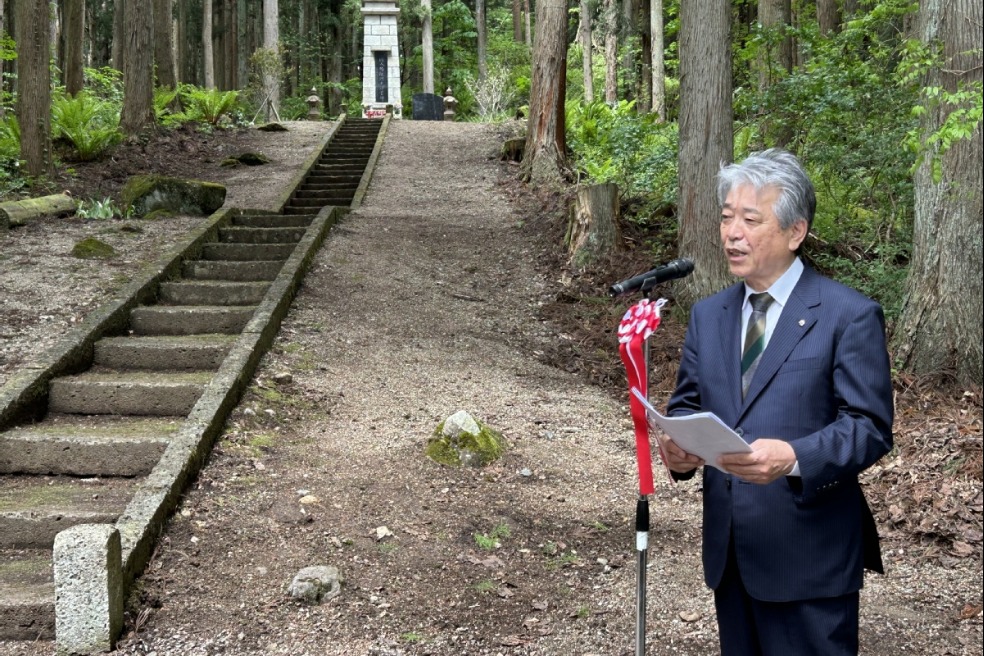
    In a poignant ceremony held in Inawashiro, Fukushima Prefecture, Japan, diplomats and advocates for Japan-China friendship gathered to honor the memory of Chinese laborers who perished during World War II. The event, which took place on May 18, marked the completion of the renovation of a monument dedicated to these fallen workers and included a commemorative tree-planting ceremony. Historical records reveal that near the end of WWII, approximately 40,000 Chinese individuals were forcibly brought to Japan, enduring brutal labor conditions and inhumane treatment, leading to the deaths of nearly 7,000 people. Among them, about 1,000 were sent to Fukushima, where 25 lost their lives due to persecution. The monument, initially unveiled in 1971 and expanded in 1988, underwent a significant renovation in 2023, supported by Japan-China friendship organizations. Cui Weilei, Chinese consul general in Niigata, emphasized the importance of remembering history not to perpetuate hatred but to learn from the past and foster a peaceful future. He urged Japan to reflect on its historical responsibilities and reject the revival of militarism. Hisashi Endou, president of the Fukushima Prefectural Japan-China Friendship Association, highlighted the spirit of gratitude and reconciliation, noting that the monument was built with the support of a repatriated Japanese POW. The ceremony also saw the participation of Shinji Oguma, a member of Japan’s House of Representatives, who stressed the significance of a strong Japan-China relationship for regional and global peace. Wang Jiangkun, a PhD graduate from the University of Aizu, expressed hope that younger generations would continue to build a future of understanding and cooperation between the two nations.