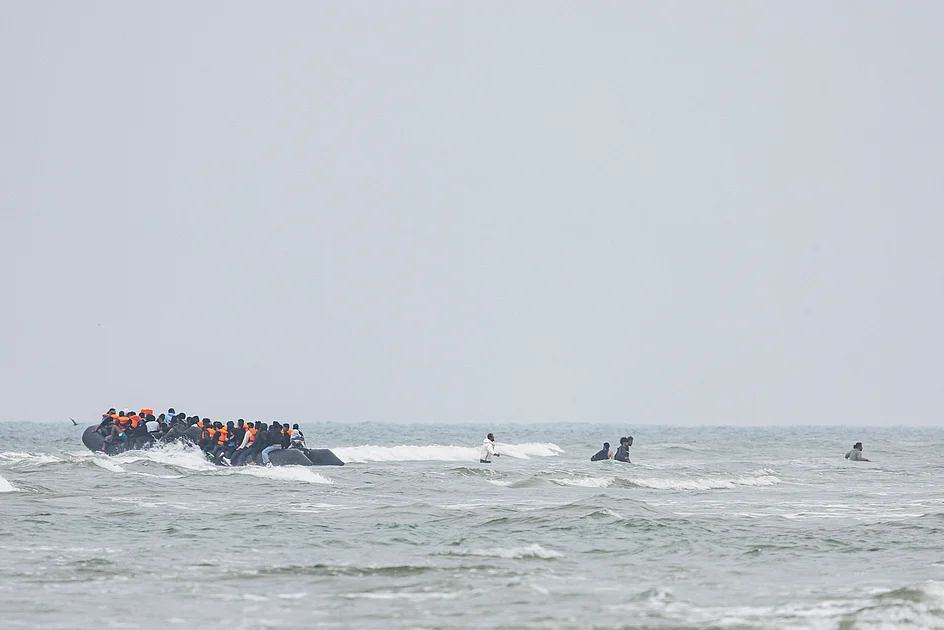
In a devastating maritime disaster, at least 70 migrants lost their lives when a boat capsized off the coast of West Africa, according to a statement released by Gambia’s foreign affairs ministry on Friday. The vessel, believed to have departed from Gambia and carrying predominantly Gambian and Senegalese nationals, sank near Mauritania early Wednesday. Another 30 individuals are feared dead, bringing the potential death toll to over 100. The boat was reportedly carrying around 150 passengers, with only 16 survivors rescued so far. Mauritanian authorities have recovered 70 bodies, while witness accounts suggest the tragedy may have claimed even more lives. This incident marks one of the deadliest accidents along the perilous migration route from West Africa to Europe. The Atlantic migration route, particularly the journey from West Africa to Spain’s Canary Islands, is notorious for its dangers. Last year, over 46,000 irregular migrants reached the Canary Islands, a record number, according to the European Union. However, more than 10,000 died attempting the journey, a 58% increase from 2023, as reported by the rights group Caminando Fronteras. Gambia’s foreign affairs ministry has urged its citizens to avoid such hazardous voyages, which continue to claim countless lives. Mauritania remains a critical transit point for undocumented migrants from across Africa, many of whom risk their lives on overcrowded and unsafe vessels in pursuit of a better future in Europe. The tragedy underscores the ongoing humanitarian crisis and the urgent need for safer migration pathways.
分类: world
-
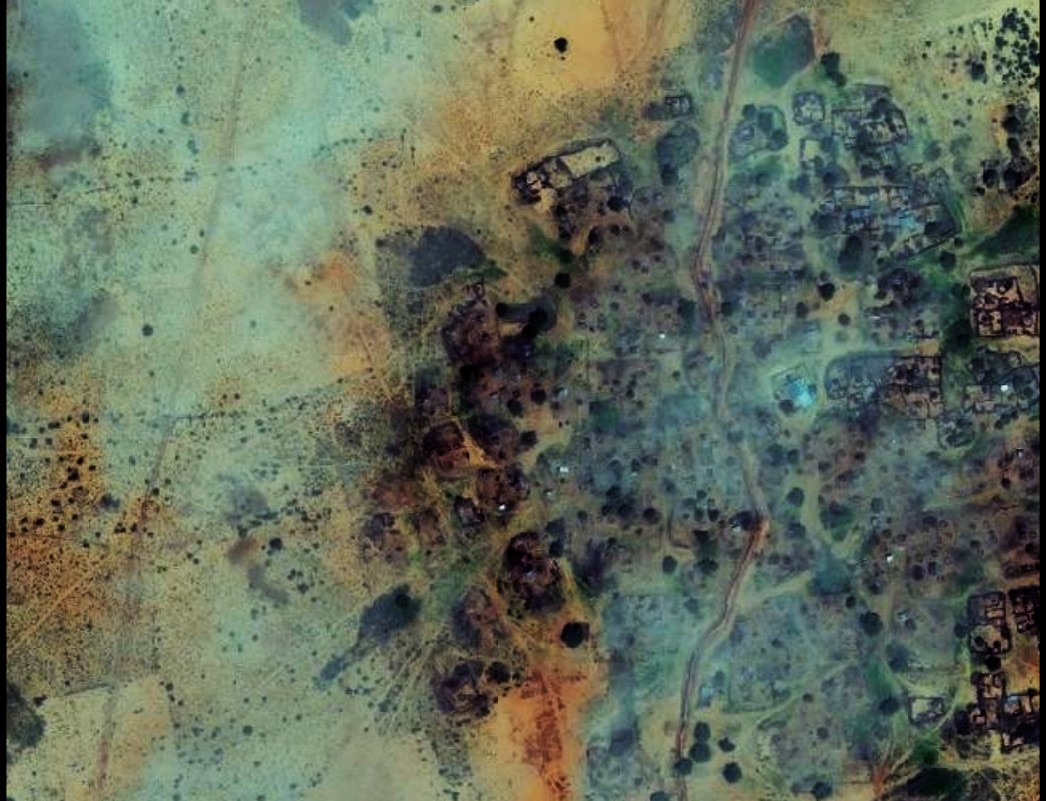
Sudan’s RSF traps el-Fasher inside network of earth walls
The Rapid Support Forces (RSF) in Sudan have erected a network of earth walls, known as berms, around the city of el-Fasher, effectively trapping hundreds of thousands of civilians. This siege, ongoing for over 500 days, has intensified the humanitarian crisis in the region. According to a report by the Yale School of Public Health’s Humanitarian Research Lab (HRL), over 31 kilometers of berms have been constructed since May 2024, encircling the capital of North Darfur. While hundreds of thousands have fled, approximately 750,000 civilians remain trapped, with 260,000, including 130,000 children, stranded in the Abu Shouk displacement camp. Nathaniel Raymond, executive director of the HRL, noted that civilian movement has dwindled, with many either deceased, attempting to escape, or hiding in bomb shelters. The RSF’s actions have created what the HRL describes as a ‘literal kill box,’ preventing the entry of essential supplies like food and medicine and blocking escape routes. The conflict between the RSF and the Sudanese Armed Forces (SAF) has led to over 1,100 verified human rights violations in el-Fasher alone, including the killing and maiming of more than 1,000 children. The RSF, accused of genocide by the US government and international human rights groups, controls much of western Sudan, with el-Fasher being a notable exception. The international community’s inaction has been criticized, with calls for the UAE, a key RSF supporter, to end the siege and allow humanitarian aid. Despite denials, evidence suggests the UAE’s involvement in supplying the RSF. The SAF’s 6th Division remains confined to a garrison surrounded by mines, while the Joint Forces maintain mobility. The siege of el-Fasher highlights a broader failure to protect civilians from atrocities, reminiscent of the Janjaweed militias’ actions in Darfur two decades ago.
-
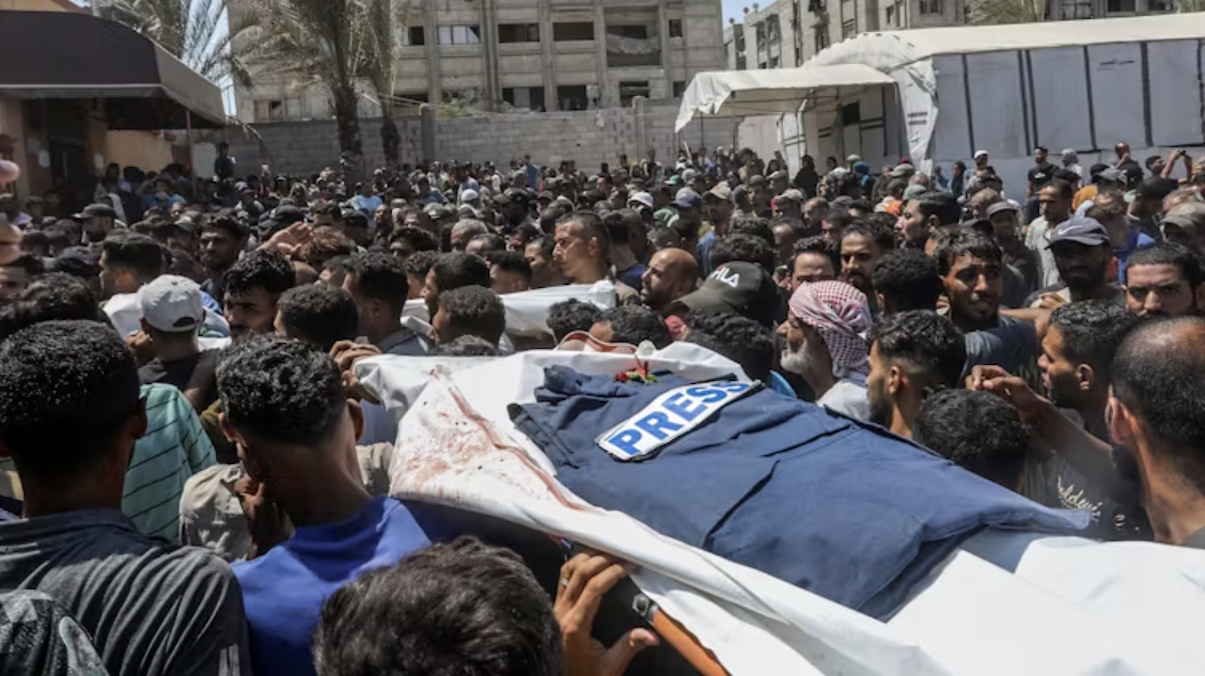
Nothing new in Israel’s killing of Palestinian journalists
In a devastating turn of events, five journalists were among the 22 individuals killed in Israeli strikes on Nasser Hospital in the Gaza Strip on August 25, 2025. This incident has drawn global condemnation, with Israeli Prime Minister Benjamin Netanyahu’s office issuing a statement claiming Israel “values the work of journalists.” However, the grim statistics paint a starkly different picture. The death toll of journalists in Gaza has now reached 192 over nearly two years of conflict, according to the Committee to Protect Journalists (CPJ). The CPJ has accused Israel of engaging in the “deadliest and most deliberate effort to kill and silence journalists” in its history. Palestinian journalists are reportedly being threatened, targeted, detained, and tortured by Israeli forces in retaliation for their work. This alarming trend is part of a broader historical context dating back to 1967, when Israel began its military occupation of Palestinian territories. Over the decades, Israel has systematically attempted to control and censor Palestinian journalism through legal and military measures, including the issuance of Military Order 101 in 1967, which criminalized political assembly and propagandistic publications. Despite these oppressive tactics, Palestinian journalism has persisted, with local publications flourishing in the 1980s, albeit under strict Israeli military censorship. Editors were forced to submit all content, including articles, photos, and even crossword puzzles, to Israeli censors for approval. Violations of these censorship rules often resulted in detention or deportation. The situation has escalated in recent years, with Israeli forces increasingly targeting journalists, often under the guise of combating terrorism. The international community has repeatedly called for Israel to allow independent media access to Gaza, but these requests have been consistently denied. As a result, Palestinian journalists remain the primary witnesses to the ongoing devastation in Gaza, often at great personal risk. The question now is whether the international community will hold Israel accountable for these egregious violations of press freedom and human rights.
-
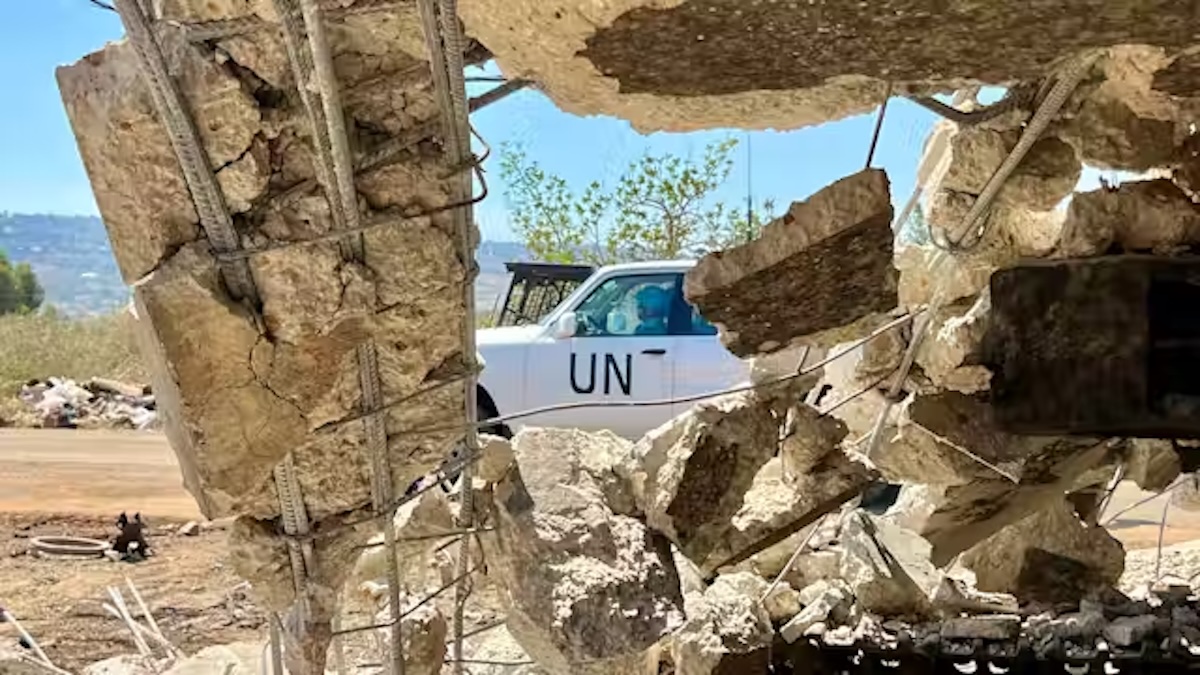
Push to end UN Lebanon peacekeeping mandate risks regional chaos
The United Nations Interim Force in Lebanon (UNIFIL), a critical peacekeeping entity between Israel, Lebanon, and Hezbollah, faces an uncertain future as its mandate renewal deadline of August 31 looms. Israeli pressure, US skepticism over its cost-effectiveness, and Lebanon’s fragile political landscape have raised concerns that the mission could be terminated rather than extended. Such a move would create a perilous security vacuum along the Israeli-Lebanese border, with far-reaching implications for Middle Eastern stability. The US, aiming to reduce its financial commitments to UN peacekeeping, has echoed Israeli claims that UNIFIL has been ineffective in countering Hezbollah’s threats. However, UNIFIL’s mandate has never been to disarm Hezbollah directly; instead, it focuses on supporting the Lebanese Armed Forces (LAF) to maintain a demilitarized zone in southern Lebanon. Israeli criticism of UNIFIL’s failure to uncover Hezbollah’s tunnel network overlooks the fact that Israeli intelligence also missed these tunnels for over a decade. Meanwhile, Lebanon has taken significant steps to curb Hezbollah’s military dominance, including expanding LAF deployments and consolidating weapons under state control. Yet, these efforts face fierce resistance from Hezbollah, as evidenced by deadly incidents like the August 9 explosion that killed six LAF troops. UNIFIL’s continued presence remains vital as a stabilizing buffer during this precarious process. Despite this, wrangling at the UN Security Council has delayed a vote on the mandate renewal, with the US being the sole holdout. France, as the penholder for the UNIFIL mandate, has proposed various options to appease the US, but divisions in Washington persist. A recent draft resolution suggested a strategic review by March 2026 to assess conditions for UNIFIL’s withdrawal, but the US insists on a firm endpoint. Israel’s strategy of delegitimizing UNIFIL, coupled with its military actions in Lebanon, further complicates the situation. Prime Minister Benjamin Netanyahu’s conciliatory gestures toward Lebanon’s disarmament efforts risk inflaming political tensions within the country. Amid these maneuvers, UNIFIL’s role as a stabilizing force remains indispensable, and its abrupt withdrawal could escalate tensions, potentially leading to another conflict between Hezbollah and Israel.
-
Netanyahu’s Gaza City assault tied to fight for his own survival
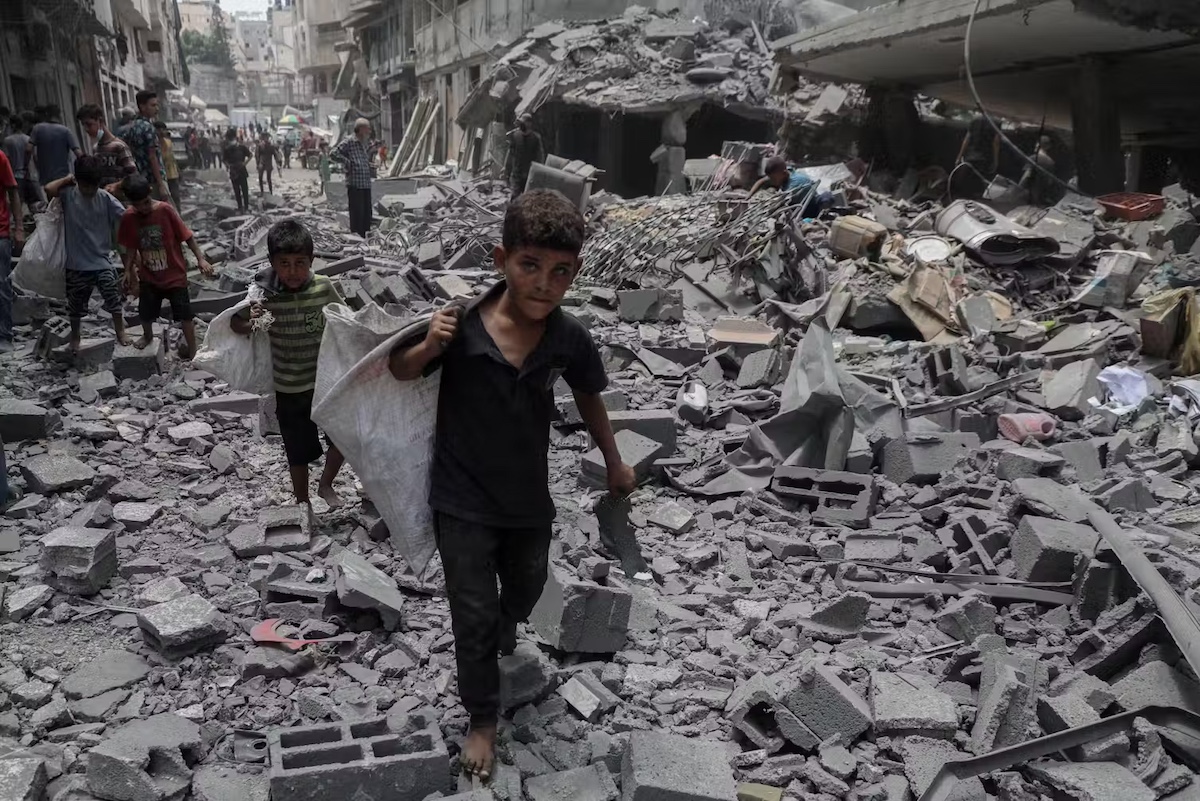
In Gaza City, a renewed Israeli military offensive has forced thousands of Palestinians to flee their homes, following days of intense airstrikes that have claimed dozens of lives. This latest escalation comes just days after Hamas officials, in Cairo, announced their acceptance of a ceasefire proposal brokered by Qatari and Egyptian mediators. However, the assault has likely derailed any hopes of a truce. Meanwhile, across Israel, hundreds of thousands of citizens have taken to the streets in protest against Prime Minister Benjamin Netanyahu’s handling of the war, demanding an end to the conflict and the return of hostages. While some may view Hamas’s ceasefire acceptance and the protests as potential turning points, the situation on the ground suggests otherwise. Gaza City has endured repeated bombardments over the 22-month-long war, and past ceasefire agreements have consistently collapsed. Similarly, large-scale protests in Israel have failed to yield tangible results. The Israeli government has expressed disinterest in partial deals, insisting on a comprehensive agreement that secures the release of all hostages. Netanyahu’s coalition members have already rejected the current proposal, highlighting the deep divide between Israel and Hamas. The latter demands a permanent truce and Israeli troop withdrawal, while Israel’s five-point plan includes disarming Hamas, demilitarizing Gaza, and establishing a new civil administration. These conflicting objectives, coupled with Israel’s plans to maintain security control in Gaza, present significant obstacles to peace. Amid growing public discontent in Israel and internal divisions within Hamas, the prospects for a ceasefire remain bleak, leaving civilians and hostages to bear the brunt of the ongoing violence.
-

How Sudan and Libya’s triangle border region became a hotbed of crime and war
On June 12, Sudan’s Rapid Support Forces (RSF) announced their takeover of the Sudanese portion of the Almuthallath Triangle, a remote and lawless border region shared by Sudan, Libya, and Egypt. This area, long shrouded in secrecy, has been a hotbed of illicit activities, including gold smuggling, weapon trafficking, and human exploitation. The RSF’s capture marks a significant escalation in the ongoing conflict between the paramilitary group and the Sudanese Armed Forces (SAF), which has displaced millions since April 2023. The triangle’s strategic importance lies in its role as a vital trade and transportation hub between North and East Africa, coupled with its rich reserves of oil, gas, and minerals. The region has been a battleground for governments, militias, and foreign-backed armed groups since the fall of Libyan leader Muammar Gaddafi in 2011. The RSF’s dominance in the area has disrupted smuggling routes, previously used by bus drivers and traffickers, and intensified the struggle for control over lucrative illegal trades, including fuel and gold. Experts warn that the instability in the triangle threatens the security of Libya, Sudan, and the broader Sahel region, with external actors like the UAE playing a significant role in fueling the conflict. As tensions rise, the battle for this desert frontier is expected to intensify, further destabilizing an already volatile region.
-
‘Our children are dying’: Rare footage shows plight of civilians in besieged Sudan city
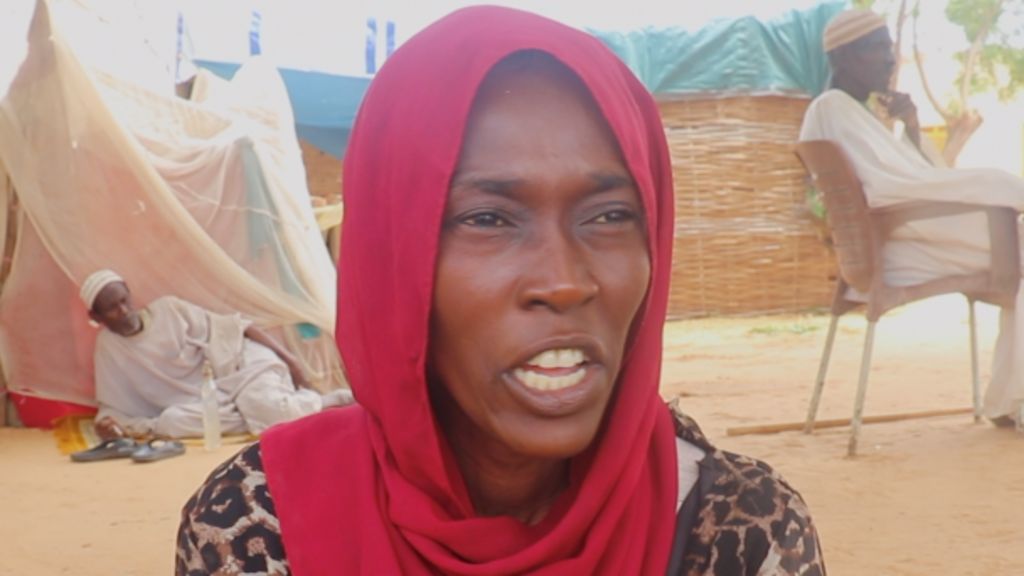
The city of el-Fasher in Sudan has become a harrowing symbol of the ongoing civil war, as residents face starvation, disease, and relentless violence. Rare footage obtained by the BBC reveals the dire conditions inside the besieged city, where women at a community kitchen express their despair. ‘Our children are dying before our eyes,’ one woman laments, highlighting the innocence of those caught in the crossfire. Food scarcity has driven prices to unprecedented levels, with money that once bought a week’s worth of meals now covering just one. International aid organizations have condemned the deliberate use of starvation as a weapon of war, while a cholera outbreak exacerbates the crisis. Doctors Without Borders (MSF) reports nearly 100,000 cholera cases and 2,470 deaths in the past year, with el-Fasher at the epicenter. The conflict between the Sudanese army and the Rapid Support Forces (RSF) has raged for over two years, with el-Fasher emerging as one of the most brutal frontlines. The RSF has tightened its blockade, escalating attacks on the city. Despite the army’s clearance for aid convoys, the UN awaits official approval from the RSF, which accuses the army of using civilians as shields. Hospitals are overwhelmed, with shortages of medical supplies and therapeutic food. ‘The children of el-Fasher are dying daily due to lack of food and medicine,’ says Dr. Ibrahim Abdullah Khater. The international community has been urged to intervene as NGOs warn of a deliberate strategy to break civilians through hunger and fear. Meanwhile, displaced persons face violence and extortion as they flee to overcrowded camps, where cholera thrives due to polluted water and inadequate facilities. The situation remains catastrophic, with residents pleading for any form of assistance to end their suffering.
-

Madonna to Pope Leo: ‘Please say you will go to Gaza’
Pop icon Madonna has issued a direct public appeal to Pope Leo, urging him to personally travel to Gaza to alleviate the suffering of children affected by the ongoing humanitarian crisis. In a heartfelt Instagram post published Monday evening, the music superstar addressed the pontiff with the words: “Most Holy Father, Please go to Gaza and bring your light to the children before it’s too late.
The artist, speaking from her perspective as a mother, expressed profound distress at witnessing the deteriorating conditions, stating she could no longer bear to observe the anguish of innocent children. Madonna emphasized the universal responsibility toward children worldwide, noting that the Pope possesses unique diplomatic and spiritual authority that might facilitate access where others are denied.
This plea emerges amidst growing international concern over Gaza’s humanitarian situation. Last month witnessed a rare visit by Cardinal Pierbattista Pizzaballa, Jerusalem’s highest-ranking Catholic official, who toured Gaza alongside Greek Orthodox Patriarch Theophilos III. Their visit followed a tragic incident where an Israeli strike on Gaza City’s Holy Family Church—the territory’s last Catholic church—resulted in three Palestinian fatalities and multiple injuries.
Pope Leo initially faced criticism for his measured response to the church attack, which acknowledged casualties without explicitly identifying Israel as responsible. He later attributed the strike to the Israeli military, drawing comparisons to his predecessor Pope Francis’s more outspoken condemnation of Israel’s military actions.
The blockade imposed by Israel since March has severely restricted food and humanitarian assistance entering Gaza, creating widespread starvation and malnutrition. Despite the controversial US and Israel-backed Gaza Humanitarian Foundation (GHF) assuming control of aid distribution in late May, the organization has distributed only a fraction of required supplies. Tragically, at least 1,800 Palestinians have perished while seeking aid, predominantly near heavily militarized GHF locations.
According to Gaza’s Palestinian health ministry, at least 222 Palestinians, including 101 children, have died from starvation since the conflict began.
Madonna carefully framed her appeal as humanitarian rather than political, explicitly stating: “I am not pointing fingers, placing blame or taking sides. Everyone is suffering. Including the mothers of the hostages. I pray that they are released as well.” She characterized her outreach as an attempt to leverage spiritual consciousness rather than political discourse, describing the Pope as “a Man of God” who might effect change where politics has failed.
The singer’s relationship with the Catholic Church has been historically complex. Raised Roman Catholic, Madonna has frequently incorporated Catholic imagery into her artistic work, sometimes provocatively. Her Blond Ambition Tour (1990) was condemned by Pope John Paul II as “one of the most satanic shows in the history of humanity,” while her 2006 Confessions tour drew criticism from Cardinal Ersilio Tonini—speaking with Pope Benedict XVI’s approval—as “a blasphemous challenge to the faith.” Most recently, Madonna sparked controversy by sharing an AI-generated image depicting Pope Francis with his arm around her waist.
Adding an intriguing dimension to their relationship, a New York Times investigation revealed in June that Madonna and Pope Leo share a common ancestor six generations removed, making them ninth cousins.
-
UAE and Haftar behind RSF capture of Sudan’s triangle border region
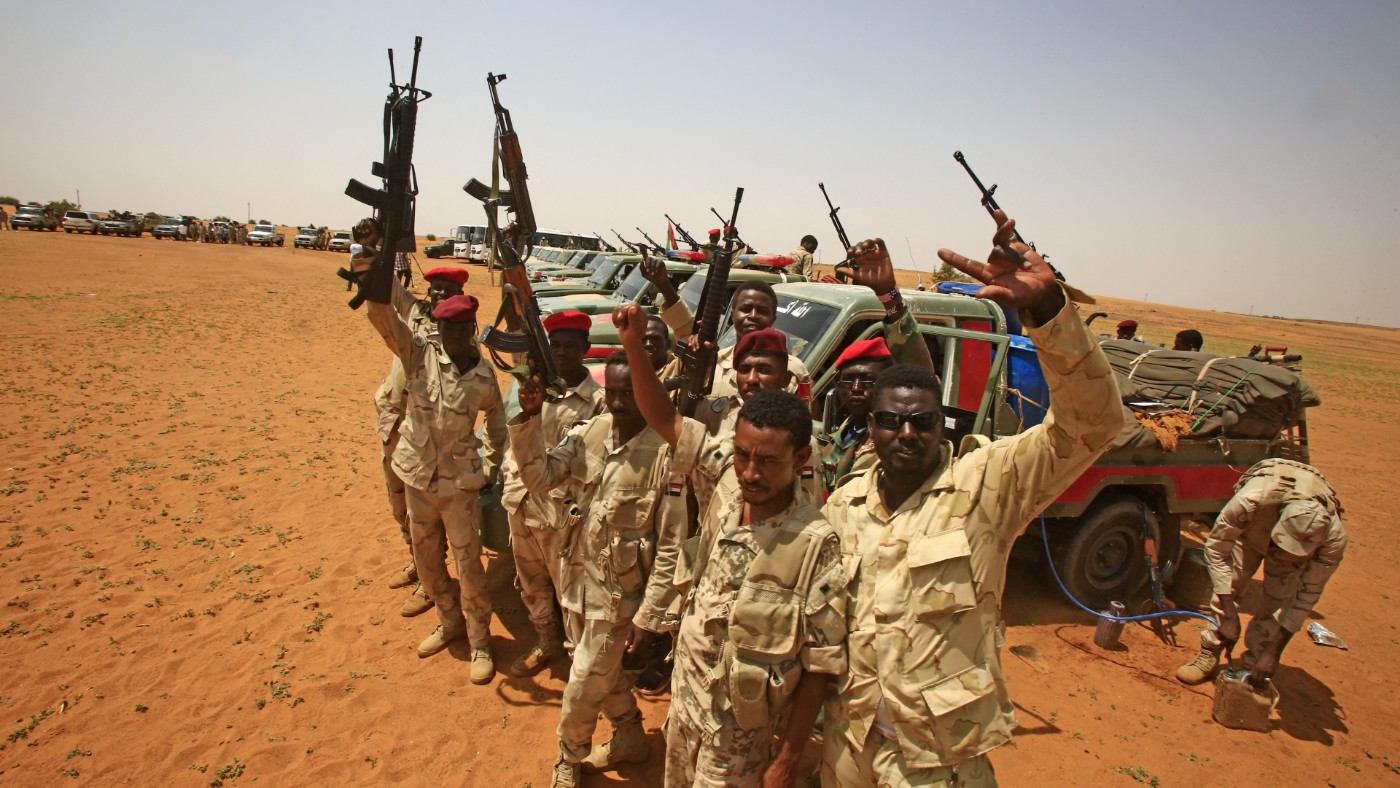
In a significant escalation of the ongoing conflict in Sudan, the Rapid Support Forces (RSF), a Sudanese paramilitary group, has taken control of the strategic Almuthallath triangle border region, which connects Sudan, Libya, and Egypt. The operation, which began on June 10, saw over 250 military vehicles, including fighters from the RSF and Libyan mercenary groups affiliated with eastern Libyan commander Khalifa Haftar, enter the area. According to Ismail Hassan, a local gold miner and trader, the RSF declared control of the region and proceeded to loot markets, taking gold, money, vehicles, and other valuables. The Sudanese Armed Forces (SAF) and their allied Joint Forces militia were forced to retreat following the attack. The RSF’s success in the lawless border region was reportedly facilitated by logistical support from the United Arab Emirates (UAE) and Russia, as well as the involvement of Haftar’s Libyan forces. Satellite imagery and flight tracking data revealed that Emirati planes delivered weapons and supplies to the RSF via southeastern Libya’s al-Kufra airport. The UAE’s involvement has further strained its relations with Egypt, which has attempted to mediate between Haftar and SAF leader Abdel Fattah al-Burhan. The RSF’s control of the border region has solidified its hold on western Sudan, particularly Darfur, and has raised concerns about the potential for prolonged conflict and regional instability. The RSF has also declared a parallel government in Nyala, South Darfur, which borders five countries, including Libya and Egypt. Analysts warn that the RSF’s control of border areas could exacerbate Sudan’s war, facilitate weapons smuggling, and enable the illegal extraction of gold and other resources.
-
‘I learnt to fire an RPG with YouTube’: How one Sudanese village fought the RSF – and won
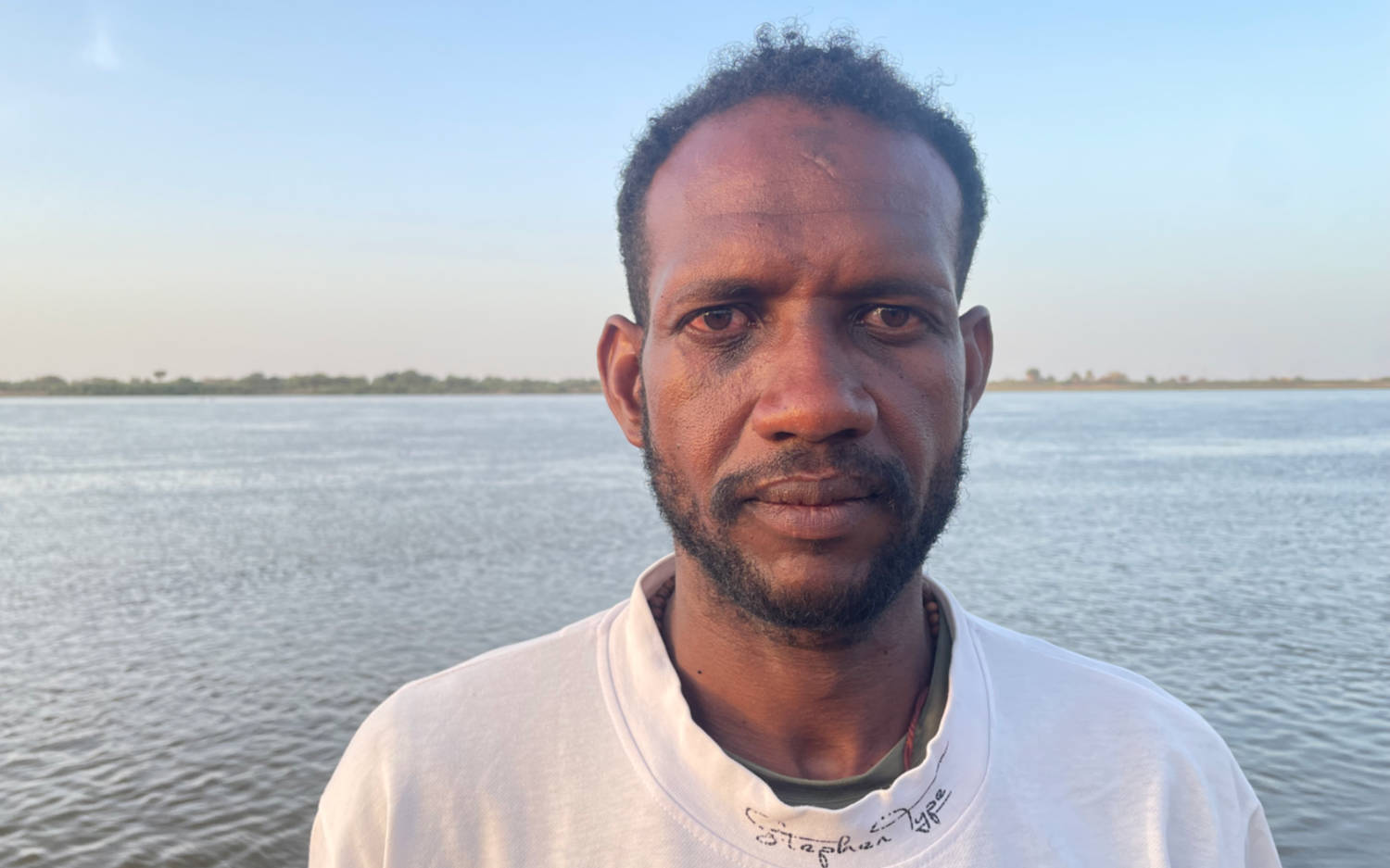
In the heart of Sudan’s al-Jazira state lies al-Tekeina, a village that has become a symbol of resilience and self-reliance in the face of war. Before the conflict erupted in April 2023, al-Amin Idriss Mohammed, a 41-year-old businessman, had never held a weapon. Yet, as the Rapid Support Forces (RSF) advanced, Mohammed and his fellow villagers transformed into a formidable self-taught militia, defending their home against relentless paramilitary attacks.