
Madagascar has been engulfed in widespread protests, driven by mounting anger over persistent power and water shortages, corruption, and a severe cost-of-living crisis. The unrest, led by the youth movement known as Gen Z Mada, has escalated into violent clashes between demonstrators and police, resulting in significant casualties and property damage. According to the United Nations, at least 22 people have lost their lives in the early days of the protests, including a one-month-old infant who succumbed to the effects of police tear gas. Razanasoa Edmondine, the infant’s grandmother, recounted the tragic incident, describing how her daughter-in-law and grandson were caught in the chaos as police dispersed protesters with tear gas. The infant’s death has become a symbol of the human toll of the crisis. President Andry Rajoelina has dismissed the UN’s casualty figures as misinformation but has not provided alternative numbers. He has defended the police, labeling the deceased as rioters rather than peaceful protesters. The protests have disrupted daily life, with businesses reporting significant losses and the tourism sector, a key economic driver, facing widespread cancellations. The socio-economic challenges fueling the unrest are deeply rooted, with high unemployment, inadequate education, and poor economic planning exacerbating the situation. Professor Hery Ramiarison, an economist at the University of Antananarivo, highlights the interconnected cycles of poverty and political instability that have trapped the nation. President Rajoelina has pledged to address the issues within a year, threatening to resign if he fails. However, skepticism remains high among the populace, with many questioning the government’s ability to deliver meaningful change. As the protests continue, the calls for Rajoelina’s resignation grow louder, reflecting the deep-seated frustrations of Madagascar’s youth and their demand for a better future.
分类: world
-
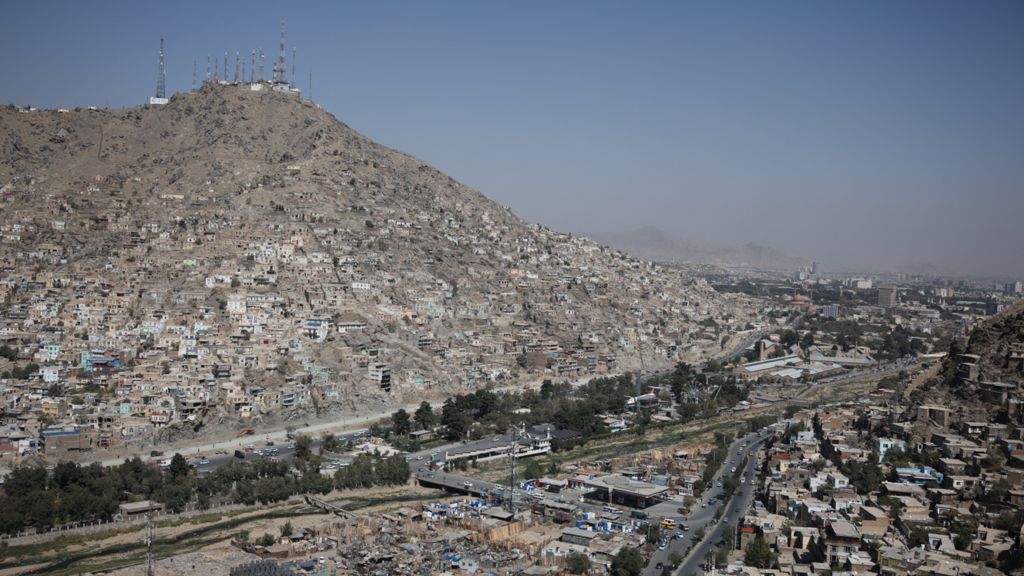
Afghanistan accuses Pakistan of ‘violating Kabul’s sovereign territory’
Kabul was shaken by loud explosions on Thursday night, prompting the Afghan Taliban to accuse Pakistan of violating Afghanistan’s sovereign territory. The Taliban’s Defense Ministry labeled the incident as an “unprecedented, violent, and provocative act.” The accusations followed reports of airstrikes in the border province of Paktika, located in southeastern Afghanistan, where a civilian market was allegedly bombed. Local residents informed the BBC’s Afghan service that several shops were destroyed in the attack. Pakistan has neither confirmed nor denied its involvement in the alleged incursion. However, during a press conference on Friday, a senior Pakistani military official claimed that Afghanistan was being used as a “base of operation for terrorism against Pakistan” and vowed to take “whatever necessary measures” to safeguard the country. The incident has further strained the already tense relations between the two neighboring nations, raising concerns about regional stability.
-

A list of this year’s Nobel Prize winners so far
The Nobel Prize announcements for 2023 reached their climax on Friday with the awarding of the Nobel Peace Prize to Venezuelan opposition leader María Corina Machado. This marked the conclusion of a week filled with prestigious recognitions across various fields, leaving only the economics prize, which will be announced on Monday. The peace prize is uniquely awarded in Oslo, Norway, while the other categories are celebrated in Stockholm, Sweden. The official award ceremony is scheduled for December 10, commemorating the death of Alfred Nobel, the founder of the prizes.
This year’s Nobel laureates have made groundbreaking contributions to their respective fields. On October 6, the Nobel Prize in Medicine was awarded to Mary E. Brunkow, Fred Ramsdell, and Dr. Shimon Sakaguchi for their pioneering research on regulatory T cells, a discovery that has advanced the understanding and treatment of autoimmune diseases like Type 1 diabetes and lupus. Their work has also paved the way for improved organ transplant success and cancer therapies.
On October 7, the Nobel Prize in Physics honored John Clarke, Michel H. Devoret, and John M. Martinis for their exploration of quantum tunneling, a phenomenon that has enabled ultrasensitive measurements in MRI machines and laid the foundation for faster computing and advanced technology.
The Nobel Prize in Chemistry, awarded on October 8, recognized Susumu Kitagawa, Richard Robson, and Omar M. Yaghi for their development of molecular structures capable of trapping gases. Their work holds promise for addressing global challenges, such as reducing greenhouse gases and harvesting moisture in arid environments.
In literature, Hungarian writer László Krasznahorkai was awarded the Nobel Prize on October 9 for his surreal and anarchic novels, which the judges praised for their artistic power amidst ‘apocalyptic terror.’ Krasznahorkai, a vocal critic of Hungarian Prime Minister Viktor Orbán, has authored over 20 books, including ‘The Melancholy of Resistance’ and ‘Baron Wenckheim’s Homecoming.’
The week concluded with the Nobel Peace Prize being awarded to María Corina Machado, a unifying figure in Venezuela’s opposition movement. Machado, who was disqualified from last year’s presidential election, has faced significant repression from Nicolás Maduro’s government. Her current whereabouts remain unknown, raising questions about her attendance at the December ceremony. Machado is the 20th woman to receive the Nobel Peace Prize, joining 112 individuals honored in this category.
-
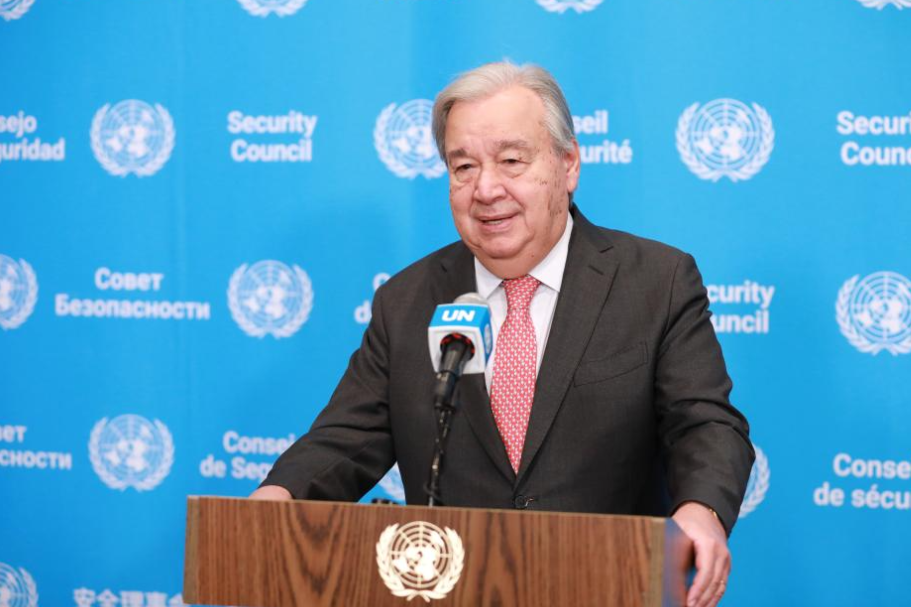
UN ready to scale up humanitarian relief to Gazans following ceasefire deal: Guterres
UN Secretary-General Antonio Guterres announced on Thursday that the United Nations is poised to significantly enhance humanitarian assistance to Gaza in the wake of a newly brokered ceasefire agreement. Speaking to reporters at the UN headquarters in New York, Guterres emphasized the organization’s readiness to mobilize resources immediately. ‘The United Nations will provide its full support. We and our partners are prepared to act now,’ he stated. ‘We have the expertise, distribution networks, and community relationships in place. Supplies are ready, and our teams are on standby. We can scale up food, water, medical, and shelter assistance without delay.’ Guterres underscored that the cessation of hostilities alone is insufficient to ensure lasting progress. ‘We need full, safe, and sustained access for humanitarian workers; the removal of bureaucratic obstacles; and the reconstruction of damaged infrastructure. Additionally, UN Member States must ensure that humanitarian operations are adequately funded to address the immense needs,’ he added. The UN chief highlighted the ceasefire as a pivotal moment for both Israelis and Palestinians, urging all parties to seize this opportunity to forge a credible political path toward peace. ‘This agreement offers a glimmer of relief, which must evolve into the dawn of peace and the beginning of the end of this devastating war,’ Guterres remarked. He called for the recognition of Palestinian self-determination, the end of occupation, and the realization of a two-state solution, emphasizing that such measures are essential for achieving a just and lasting peace in the Middle East. Guterres also praised the diplomatic efforts led by the United States, Qatar, Egypt, and Turkiye in facilitating the ceasefire and hostage release, based on a proposal by former US President Donald Trump. He urged all parties to fully adhere to the agreement’s terms and to embrace the opportunities it presents for lasting stability.
-
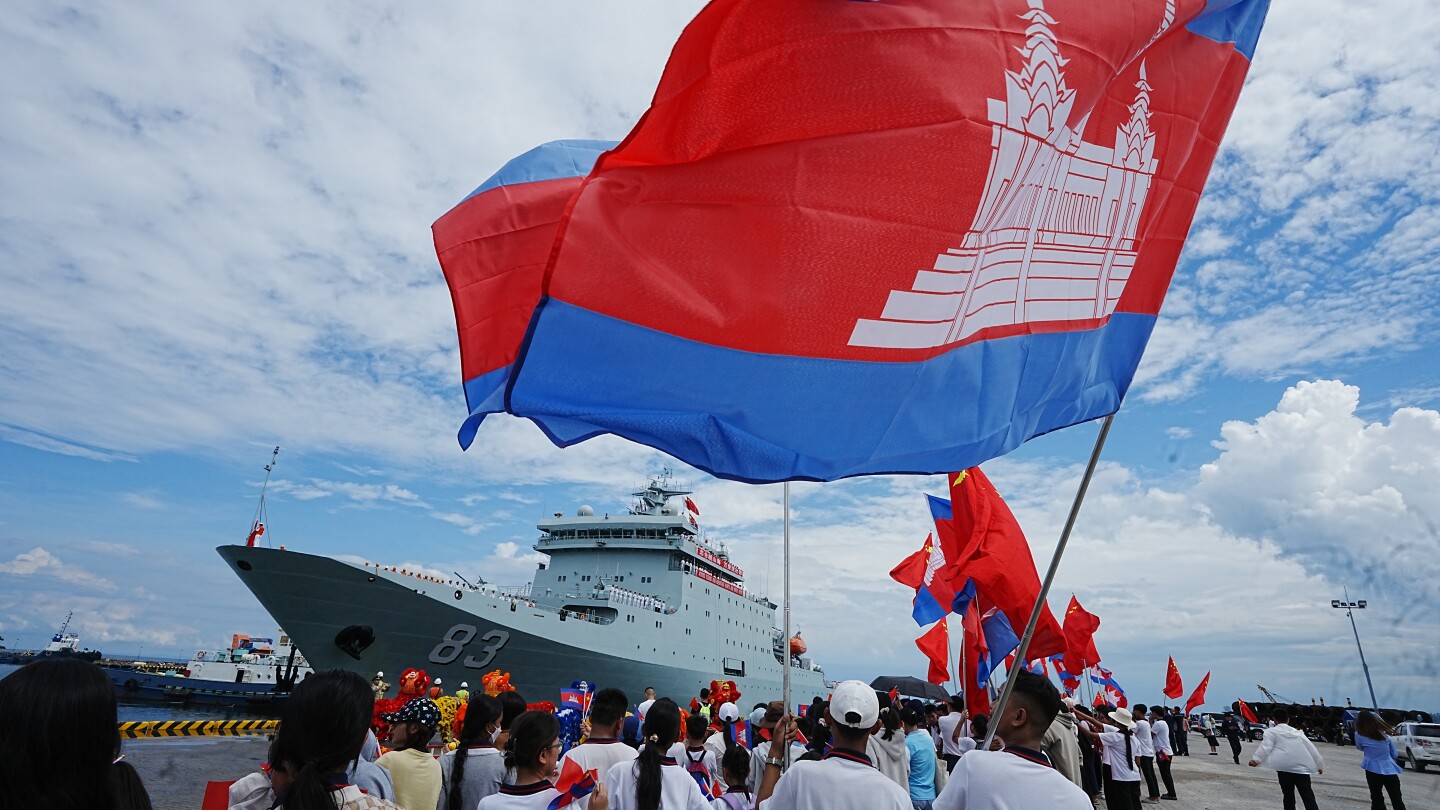
Chinese navy ships make a friendship visit to Cambodia as concerns over military links linger
Two Chinese warships, the amphibious warfare ship Yimeng Shan and the training ship Qijiguang, arrived at Sihanoukville’s civilian port in Cambodia on Friday for a friendship and training visit. This visit underscores China’s strategic ties with Cambodia, its closest ally in Southeast Asia, amidst ongoing regional tensions. The warships are scheduled to depart next Tuesday and will subsequently visit Thailand and Singapore. The visit coincides with heightened diplomatic sensitivities, particularly between Cambodia and Thailand, which recently engaged in a five-day armed conflict over border disputes. China’s military support to Cambodia has reportedly caused friction with Thailand, and the unresolved border issues continue to strain relations. Cambodian navy spokesperson Sam Sokha emphasized that the visit aims to strengthen cooperation rather than signal support in the border dispute. Notably, the ships docked at a commercial port instead of the nearby Ream Naval Base, a move seen as an effort to ease political concerns. The Ream Naval Base has been a point of contention, with U.S. suspicions that China has secured exclusive access, a claim denied by Cambodian officials. The Gulf of Thailand, where Sihanoukville is located, is adjacent to the South China Sea, a region of strategic importance for China’s naval operations. Rear Adm. In Sokhemra of the Ream Naval Base highlighted that foreign ships frequently visit Cambodia for cooperative exercises, including those from China, the Philippines, Australia, and the United States. On the same day, the Australian Navy’s frigate HMAS Ballarat also docked nearby, part of its Regional Presence Deployment aimed at fostering regional security and cooperation. China’s Ambassador to Cambodia, Wang Wenbin, reiterated China’s commitment to supporting Cambodia’s sovereignty and development. The visit was met with enthusiasm from local ethnic Chinese communities, who welcomed the ships with traditional dragon dances and Chinese flags. Sihanoukville, a hub for Chinese investment, has also been associated with Chinese-run criminal activities, including scam centers exploiting foreign workers.
-
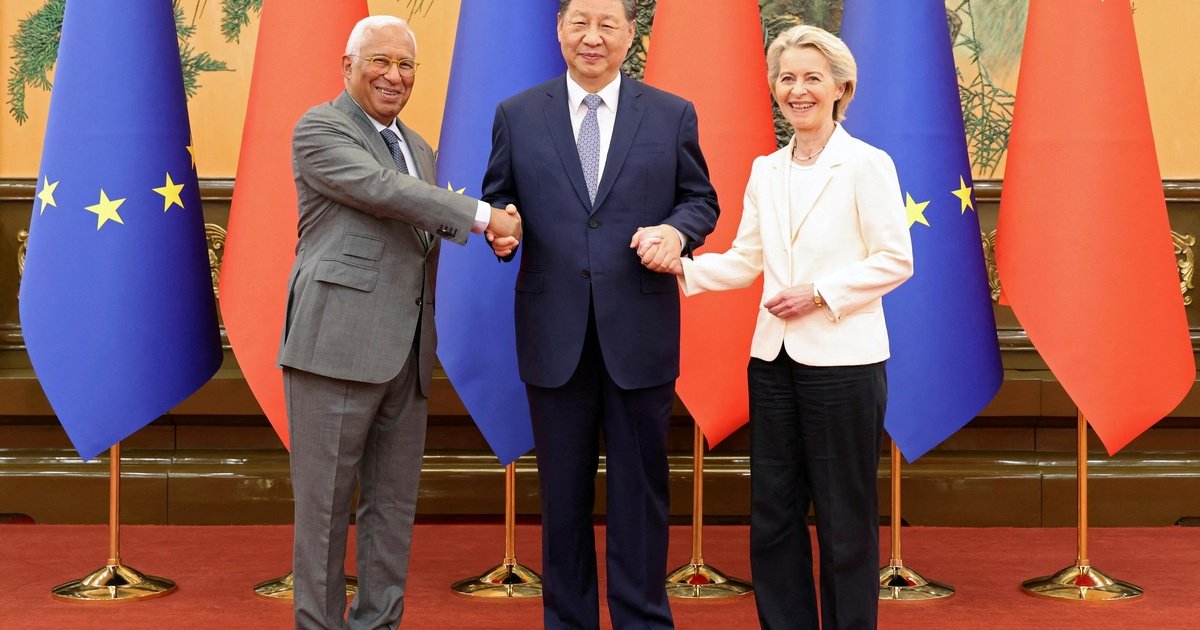
Midlife crisis as EU relationship with China turns 50?
The 50th anniversary of diplomatic relations between the European Union (EU) and China has underscored the deepening rifts between the two powers on critical issues of security and trade. At a July summit commemorating the milestone, the EU urged China to cease its support for Russia’s invasion of Ukraine and halt the influx of subsidized exports into European markets. China, however, rejected these demands, leaving the relationship at an impasse. Bridging these divides would require significant concessions from either side—either the EU compromising its security and economic interests or China altering its alliance with Russia and its trade policies. Neither scenario appears likely in the near future.
-
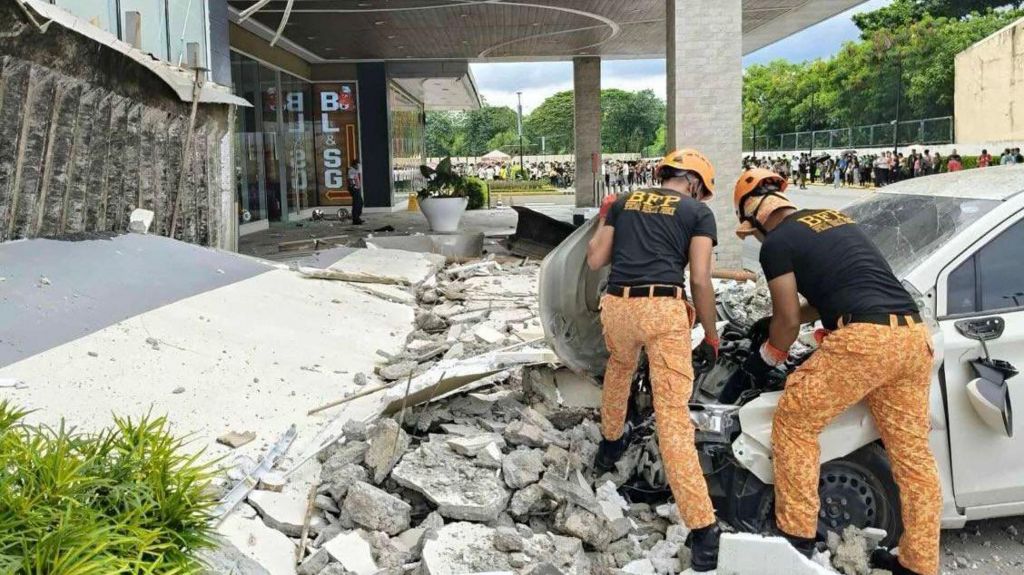
Strong 7.4 magnitude quake hits southern Philippines
A powerful 7.4 magnitude earthquake struck off the southern coast of the Philippines on Friday, prompting immediate tsunami warnings from both Philippine and Indonesian authorities. Residents in coastal towns across central and southern regions were urgently advised to evacuate, with fears of waves exceeding one meter above normal tide levels. The quake resulted in at least one fatality, widespread power outages, and the suspension of classes in affected areas. This seismic event follows closely on the heels of a 6.9 magnitude earthquake in Cebu province just over a week prior, which claimed 74 lives and left hundreds injured. Local media captured scenes of chaos, with overhead cables swaying violently and vehicles coming to a halt as the ground shook. In Davao City, near the epicenter, hospitals overflowed into parking lots as medical staff treated patients outdoors. Edwin Jubahib, governor of Davao Oriental province, reported significant building damage and described the quake as ‘very strong.’ Richie Diuyen, a local disaster agency worker, recounted the terror of the moment, stating, ‘I am still scared and shook. This was the first time I have experienced that.’ The Philippines, situated on the volatile ‘Ring of Fire,’ has been grappling with a series of natural disasters, including typhoons, volcanic eruptions, and earthquakes. Dr. Teresito Bacolcol, director of the Philippine volcanic agency Phivolcs, emphasized the need for preparedness, urging Filipinos to ‘accept our reality’ and remain vigilant. While the Pacific Tsunami Warning Center later declared the threat had passed, aftershocks continued to rattle the southern region of Mindanao. In Indonesia, minor tsunamis were detected, with the highest wave reaching 17cm in the Talaud Islands. Authorities in both nations have called for calm and advised residents to avoid damaged structures.
-
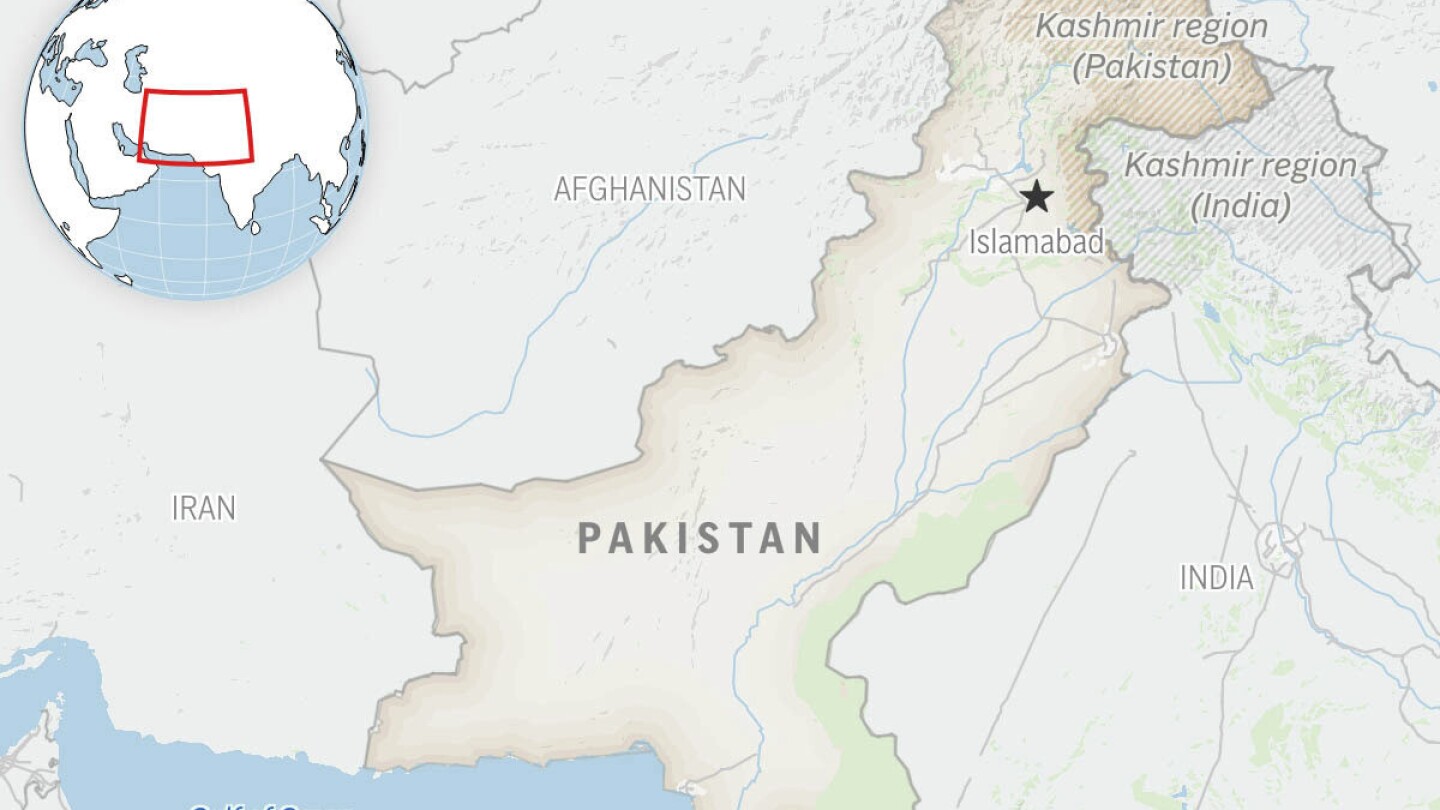
Pakistani forces kill 30 militants after deadly ambush that killed soldiers in country’s northwest
Pakistani security forces have conducted a series of targeted operations in the northwestern region, resulting in the deaths of 30 militants linked to the Pakistani Taliban, according to a military statement released on Friday. The raids were launched in response to a deadly ambush earlier this week that claimed the lives of 11 soldiers, including two senior officers, in Orakzai, a district within Khyber Pakhtunkhwa province. The military identified the slain militants as members of “Khwarij,” a term used by the government to describe groups allegedly supported by India, including the banned Tehrik-e-Taliban Pakistan (TTP).
The operations, carried out on Wednesday and Thursday, were described as a decisive response to the ambush. “These successful operations have avenged the heinous act and brought the main perpetrators to justice,” the military stated. It further emphasized that efforts are ongoing to eliminate any remaining “Indian-sponsored Khwarij” in the area, underscoring Pakistan’s resolve to eradicate terrorism.
In a separate incident on Friday night, a group of Pakistani Taliban militants, including suicide bombers, attacked a police training center in Dera Ismail Khan, another city in the northwest. Local police reported multiple blasts and an ongoing exchange of gunfire, with reinforcements dispatched to the scene. The TTP claimed responsibility for the attack, which occurred hours after Pakistan’s army spokesperson, Lt. Gen. Ahmad Sharif, urged Afghanistan’s Taliban government to prevent the use of its territory for launching attacks on Pakistan.
Pakistan has long accused India of supporting separatist movements in Balochistan and the TTP, allegations India denies. The recent surge in militant violence has strained relations between Pakistan and Afghanistan, with many TTP leaders believed to operate from sanctuaries across the Afghan border. Pakistani Defense Minister Khawaja Mohammad Asif reiterated the country’s commitment to responding decisively to such attacks, stating that Pakistan would target “those places from where insurgents attack our security forces.”
The escalation in violence comes amid a broader resurgence of militant activity in the region, with the TTP gaining momentum since the Taliban’s takeover of Kabul in 2021. The situation remains tense as Pakistani forces continue their operations to neutralize threats and restore security.
-
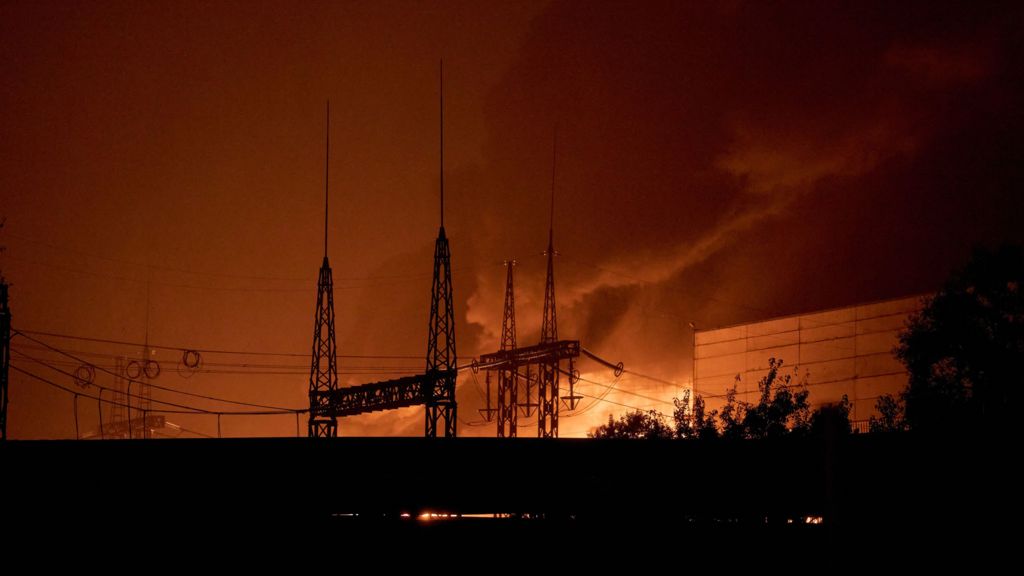
Major Russian strikes cut power across Kyiv
In a significant escalation of hostilities, Russian missile and drone strikes have targeted Ukraine’s energy facilities, leading to widespread power outages and civilian casualties. Overnight attacks in Kyiv left nine people injured, with five requiring hospitalization, according to Mayor Vitali Klitschko. Residents in eastern districts faced prolonged darkness and disruptions to water supplies. Meanwhile, in the Zaporizhzhia region, a seven-year-old child was killed, and three others were injured in a separate drone strike. Regional head Ivan Fedorov reported intense attacks in the area, which has been under Russian control for some time. Ukrainian President Volodymyr Zelensky accused Moscow of deliberately targeting the country’s energy grid to create chaos and exert psychological pressure. Energy Minister Svitlana Hrynchuk confirmed that repair crews are working to restore power after a ‘massive strike’ on facilities nationwide. The attacks have also damaged apartment buildings, with images released by Ukraine’s state emergency services showing firefighters battling blazes at a 10-story structure. The entire country remains on high alert for hypersonic Kinzhal missile strikes, which are harder to detect. Zelensky warned that Russia’s strategy aims to dismantle Ukraine’s energy infrastructure, with gas facilities already disrupted. Authorities and energy workers are preparing for further assaults as the conflict intensifies.
-

Russian strikes wound at least 20 in Ukraine’s capital as child is killed in separate attack
In a devastating escalation of hostilities, Russian drone and missile strikes early Friday inflicted significant damage across Ukraine, leaving at least 20 people wounded and causing widespread power outages. A child was tragically killed in separate attacks in the southeastern region, underscoring the grim toll of the ongoing conflict. In Kyiv, the Ukrainian capital, rescue teams worked tirelessly to evacuate over 20 individuals from a 17-story apartment building engulfed in flames, with five requiring hospitalization. Ukrainian President Volodymyr Zelenskyy condemned the attacks, accusing Moscow of targeting civilian infrastructure in retaliation for its battlefield setbacks. ‘They can show nothing on the battlefield. All they can do is attack our power sector and our cities,’ Zelenskyy stated. The strikes, described by Prime Minister Yuliia Svyrydenko as ‘one of the largest concentrated strikes’ against Ukraine’s energy infrastructure, disrupted power in Kyiv and multiple regions, including Sumy, Kharkiv, and Zaporizhzhia. Russia’s Defense Ministry claimed the attacks targeted energy facilities supplying Ukraine’s military, utilizing Kinzhal hypersonic missiles and strike drones. Meanwhile, Ukraine’s air force reported intercepting or jamming 405 drones and 15 missiles out of a barrage of 465 drones and 32 missiles. The relentless assault on Ukraine’s power grid, a recurring tactic by Russia ahead of winter, aims to undermine public morale. Zelenskyy, buoyed by recent diplomatic progress in the Middle East, called for enhanced international support, including advanced weaponry, to bolster Ukraine’s defenses and counter Russian aggression.