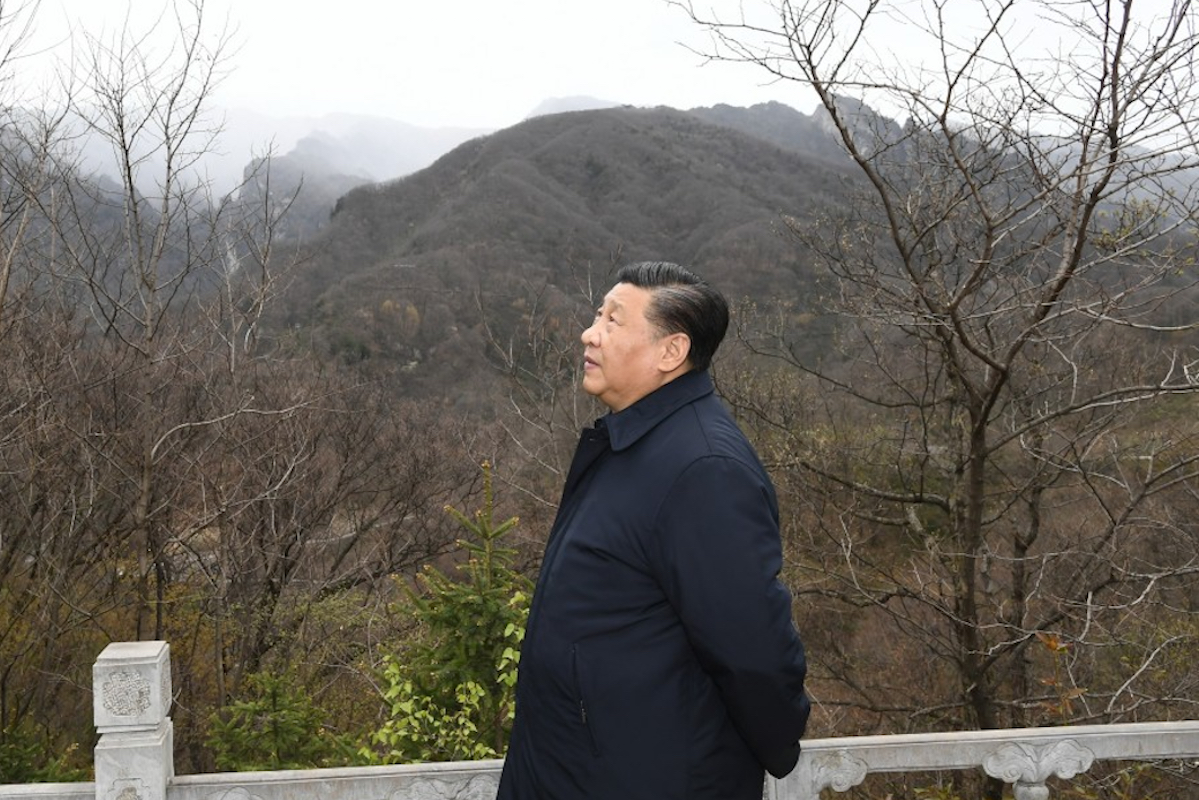
The geopolitical landscape has undergone significant shifts in recent years, with the once-anticipated battle for global hegemony between the United States and China now appearing less likely. This change is largely attributed to America’s own strategic missteps, particularly under the Trump administration, which has alienated key allies essential for countering China’s growing influence. Tariffs imposed by the U.S. have further weakened its already struggling manufacturing sector, leaving the nation isolated against a China that is four times its size. Meanwhile, China has continued to assert its dominance in trade negotiations, effectively positioning itself as the world’s preeminent power by default. This has led to speculation that the 21st century may indeed become the ‘Chinese century,’ though it will likely differ from the ‘American century’ in how China wields its power and influence. However, history reminds us that rising powers often squander their potential, as seen with Germany, Japan, and Russia in the 20th century. While China’s demographic challenges and macroeconomic issues pose significant threats, its sheer size and strategic investments in technology and manufacturing suggest that it may still maintain its dominance for decades to come. Internal dissent and potential political instability remain the most plausible threats to China’s rise, but if these are managed effectively, the world may continue to witness the unfolding of the ‘Chinese century.’
分类: world
-

Mexico floods leave at least 27 dead and more missing
Torrential rains that battered Mexico on October 10 and 11 have unleashed catastrophic flooding and landslides, claiming at least 27 lives and leaving many others unaccounted for. The deluge, which caused rivers to overflow, wreaked havoc across multiple regions, with Hidalgo in eastern Mexico bearing the brunt of the disaster, reporting 16 fatalities. The floods swept away homes, vehicles, and bridges, leaving thousands of houses either damaged or completely destroyed. Fast-moving floodwaters inundated streets, carrying cars and debris, while highways were blocked and electricity supplies were severed.
-
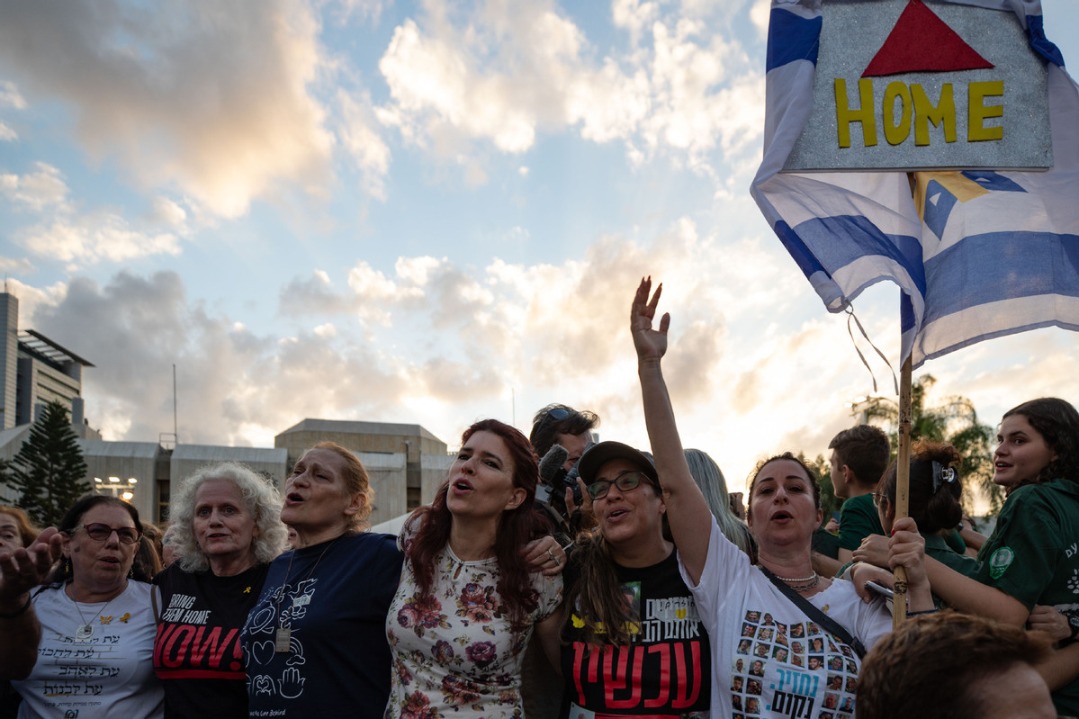
Gaza ceasefire brings calls for full implementation
A long-awaited ceasefire agreement between Israel and Hamas has taken effect in the Gaza Strip, marking a significant step toward de-escalation in the region. The truce, which commenced at 12:00 noon local time (0900 GMT) on Friday, has been met with cautious optimism as both parties pledge to uphold the terms of the deal. The international community has emphasized the critical need for full implementation, urging all sides to avoid violations and ensure lasting peace. The agreement, brokered through intensive negotiations mediated by Egypt, Qatar, Turkiye, and the United States, outlines a phased approach to peace. The initial phase includes the withdrawal of Israeli forces from key areas such as Gaza City, the north, Rafah, and Khan Younis, alongside the opening of five crossings for humanitarian aid and the exchange of hostages and prisoners. Israeli Prime Minister Benjamin Netanyahu confirmed the government’s approval of the framework, which includes the release of all hostages, both living and deceased. As part of the deal, Israel will release 1,700 Palestinian prisoners in exchange for 48 hostages held in Gaza. Despite the ceasefire, reports of Israeli fighter jets near the Nuseirat refugee camp have raised concerns about potential breaches. Hamas’ top negotiator, Khalil al-Hayya, assured in a televised speech that the US administration and mediators have guaranteed the end of the war, allowing Palestinian factions to focus on self-determination and statehood. Meanwhile, Hamas spokesman Hazem Qassem called on mediators to pressure Israel to adhere to the agreed terms, warning that any violations could jeopardize international and regional efforts to end the conflict. The agreement follows US President Donald Trump’s 20-point plan for Gaza, as the region grapples with the devastating toll of the conflict, which has claimed over 67,000 Palestinian lives.
-
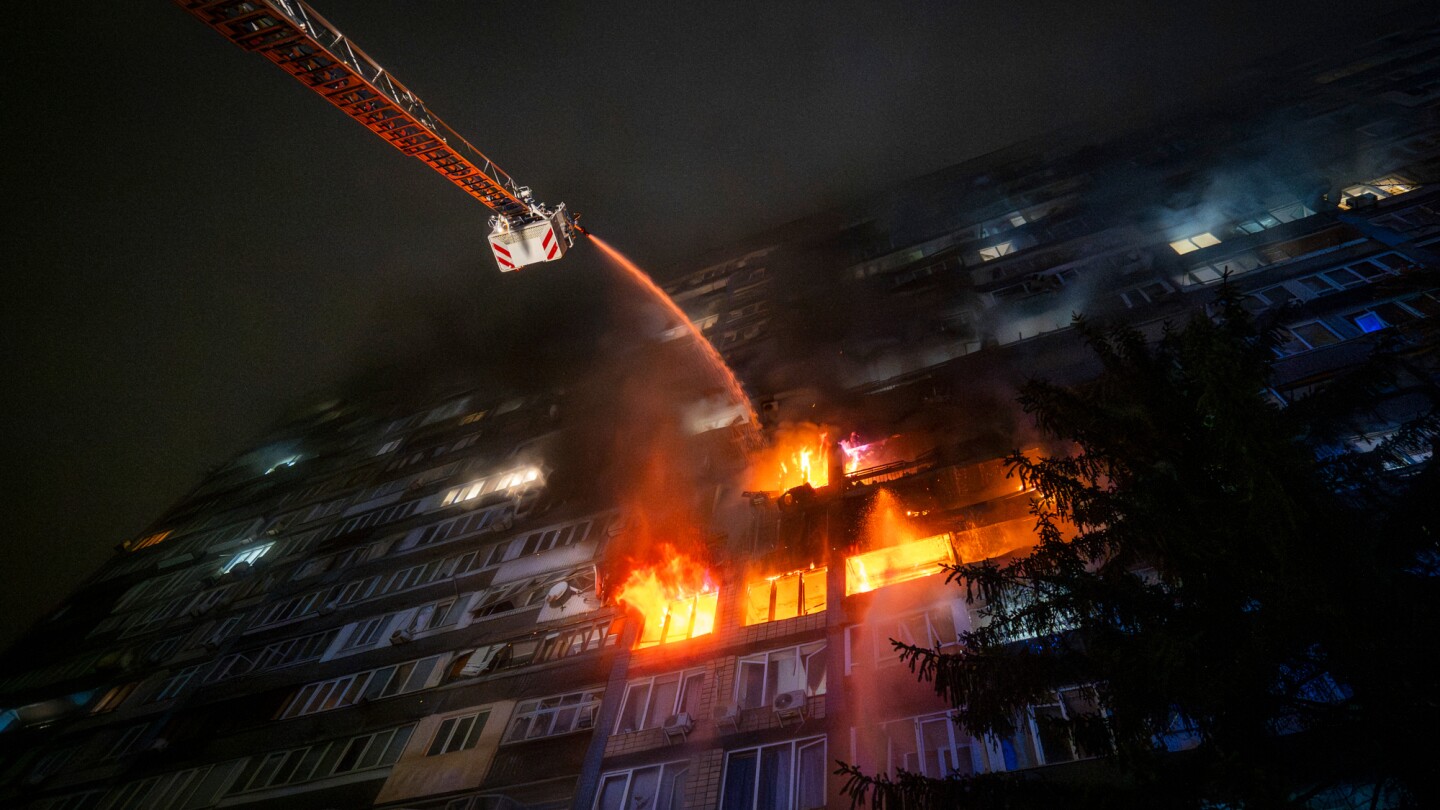
Power restored to 800,000 in Kyiv after major Russian strikes on Ukraine’s energy grid
Electricity was reinstated to more than 800,000 residents in Kyiv on Saturday, following a devastating series of Russian attacks on Ukraine’s power grid the previous day. The strikes, which caused widespread blackouts across the country, also injured at least 20 people in the capital and damaged residential buildings. Ukraine’s largest private energy company, DTEK, confirmed that the primary restoration efforts had been completed, though localized outages persisted in some areas. Prime Minister Yulia Svyrydenko described the assault as one of the most significant concentrated attacks on Ukraine’s energy infrastructure to date. The Russian Defense Ministry claimed the strikes targeted energy facilities supporting Ukraine’s military, utilizing Kinzhal hypersonic missiles and drones. The energy sector has remained a critical battleground since Russia’s full-scale invasion over three years ago, with annual attempts to cripple Ukraine’s power grid ahead of the harsh winter months. Ukrainian President Volodymyr Zelenskyy, in his nightly address, accused Russia of exploiting global focus on Middle East peace efforts and called for bolstered air defenses and stricter sanctions. Meanwhile, European leaders, including British Prime Minister Keir Starmer, French President Emmanuel Macron, and German Chancellor Friedrich Merz, announced plans to coordinate the use of frozen Russian assets—valued at hundreds of billions of euros—to support Ukraine’s war effort. The European Union has already contributed 174 billion euros since the conflict began in February 2022, with additional funds available through frozen Russian assets held in Belgium, Japan, and other nations. Ukraine’s air force reported intercepting or jamming 54 of 78 Russian drones launched overnight, while Russia claimed to have downed 42 Ukrainian drones over its territory.
-
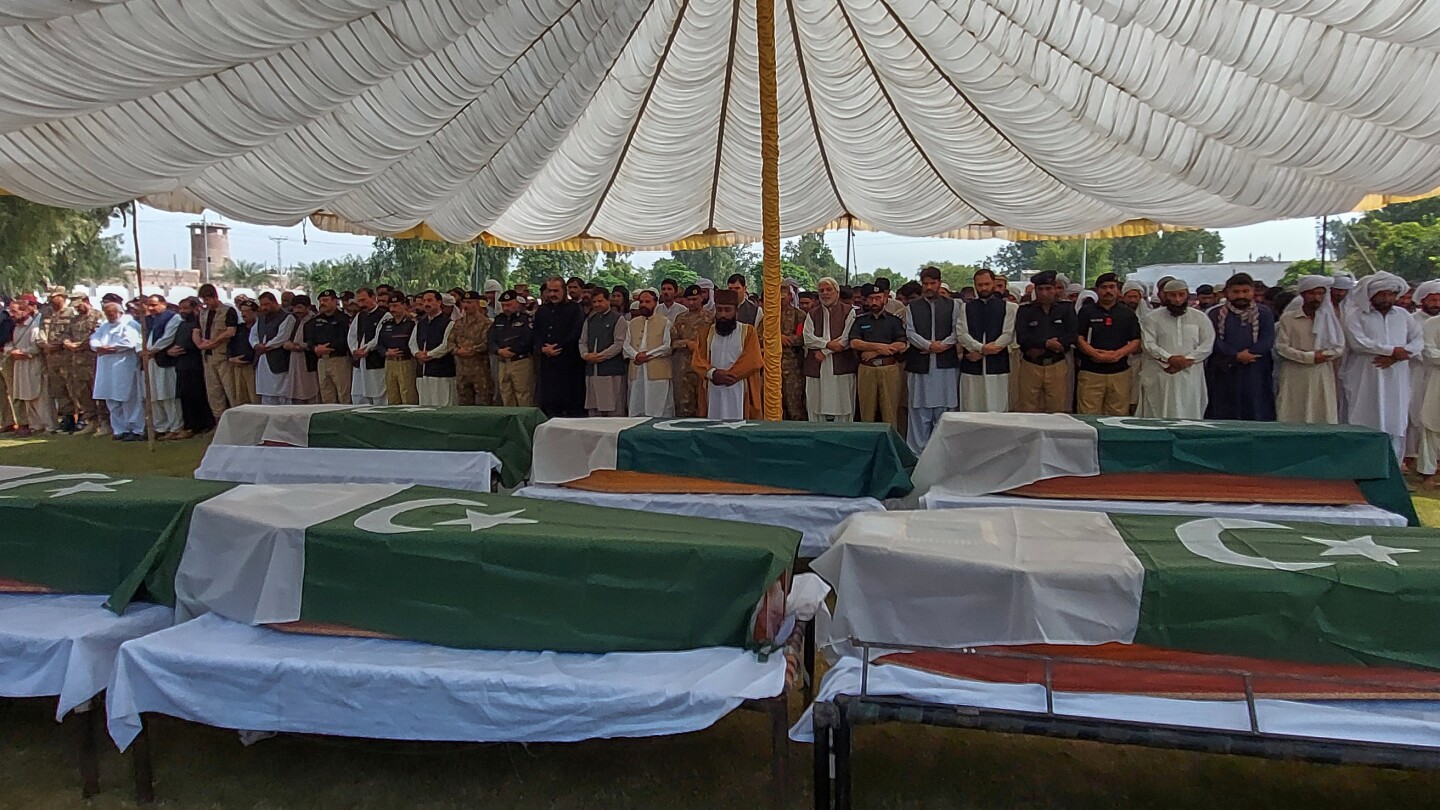
Militant attack on Pakistani police station kills at least 7 officers and wounds 13
In a brazen assault on Friday night, gunmen attacked a police training center in Ratta Kulachi, near Dera Ismail Khan city in northwestern Pakistan, resulting in the deaths of at least seven police officers and six militants. The attack, which involved heavy weapons and a suicide bomber, triggered a prolonged firefight lasting nearly six hours. Officials reported that the assailants attempted to breach the compound after detonating an explosives-laden truck at the facility’s main gate, collapsing part of the boundary wall and killing one officer. Approximately 200 recruits and trainers were present during the assault. Police and paramilitary units eventually regained control, killing six militants and recovering suicide vests, explosives, and weapons. The banned group Tehreek-e-Taliban Pakistan initially claimed responsibility but later denied involvement. Pakistani Interior Minister Mohsin Naqvi praised the slain officers for their bravery. The attack underscores the worsening security situation in the region, which has seen a surge in terrorism since 2021, particularly in Khyber Pakhtunkhwa province bordering Afghanistan. Pakistani security forces have conducted over 10,000 counterterrorism operations this year, resulting in significant casualties on both sides.
-

Murdered Kenyan woman’s niece to push for ex-soldier’s extradition during UK visit
The niece of Agnes Wanjiru, a Kenyan woman allegedly murdered by a former British army soldier in 2012, is set to visit the UK to meet with Defence Secretary John Healey and other MPs. Her mission is to push for the extradition of the accused, who remains in the UK despite a Kenyan High Court arrest warrant issued last month. Wanjiru’s body was discovered in a septic tank near a British army training camp in Nanyuki, Kenya, with stab wounds to her chest and abdomen. The case has long been marred by accusations of a cover-up by the British army and inadequate investigations by Kenyan authorities. Esther Njoki, Wanjiru’s 21-year-old niece, expressed her frustration, stating that the UK has been ‘too slow in acting,’ leaving her family in prolonged trauma. The case gained renewed attention in 2018 when an inquest concluded that Wanjiru was unlawfully killed by one or two British soldiers. A 2021 Sunday Times investigation further revealed that a soldier had confessed to the murder. In 2024, the British army launched an internal review, uncovering 35 suspected cases of sexual exploitation and abuse by soldiers in Kenya. Njoki plans to question Healey about measures to protect vulnerable women near international army bases. Extradition expert Ben Keith noted that while the UK-Kenya extradition treaty exists, the process could be lengthy and complex. The UK has previously extradited Kenyan nationals, offering a glimmer of hope for Wanjiru’s family. A Ministry of Defence spokesperson reiterated the UK’s commitment to helping the family secure justice.
-

A look at how Venezuelans in the US are reacting to Maria Corina Machado’s Nobel Prize win
In Doral, Florida, often referred to as ‘Little Venezuela,’ the Venezuelan community has greeted the news of opposition leader Maria Corina Machado winning the Nobel Peace Prize with a mix of pride and apprehension. While the award recognizes her relentless fight for democracy in Venezuela, it offers little solace to the thousands of Venezuelans facing deportation threats in the United States. The Trump administration’s decision to terminate Temporary Protected Status (TPS) and humanitarian parole programs has placed over 700,000 Venezuelans at risk of being deported. Hundreds have already been sent to El Salvador, accused of being members of the Tren de Aragua gang and allegedly ‘invading’ the U.S. This policy shift comes amid a mass exodus of Venezuelans fleeing economic and political instability in their homeland. According to the United Nations High Commissioner for Refugees, more than 7.7 million Venezuelans have left since 2014, marking the largest migration crisis in Latin America’s recent history. While Machado’s Nobel Prize is celebrated as a symbol of hope for Venezuela’s democratic future, many in the diaspora fear it will not translate into tangible protections for those living in the U.S. Machado, who has aligned herself with President Trump’s policies on Venezuela, has not publicly expressed concerns about the termination of TPS, despite earlier promises to seek alternative protections for migrants. Frank Carreño, a prominent figure in the Venezuelan American community, noted that Machado views the U.S. government as an ally in her fight against Nicolás Maduro’s regime rather than a protector of Venezuelan migrants. Meanwhile, Venezuelan refugees like José Antonio Colina and Iris Wilthew expressed hope that the award would bolster efforts to remove Maduro from power, even as they grapple with the uncertainty of their own futures in the U.S.
-
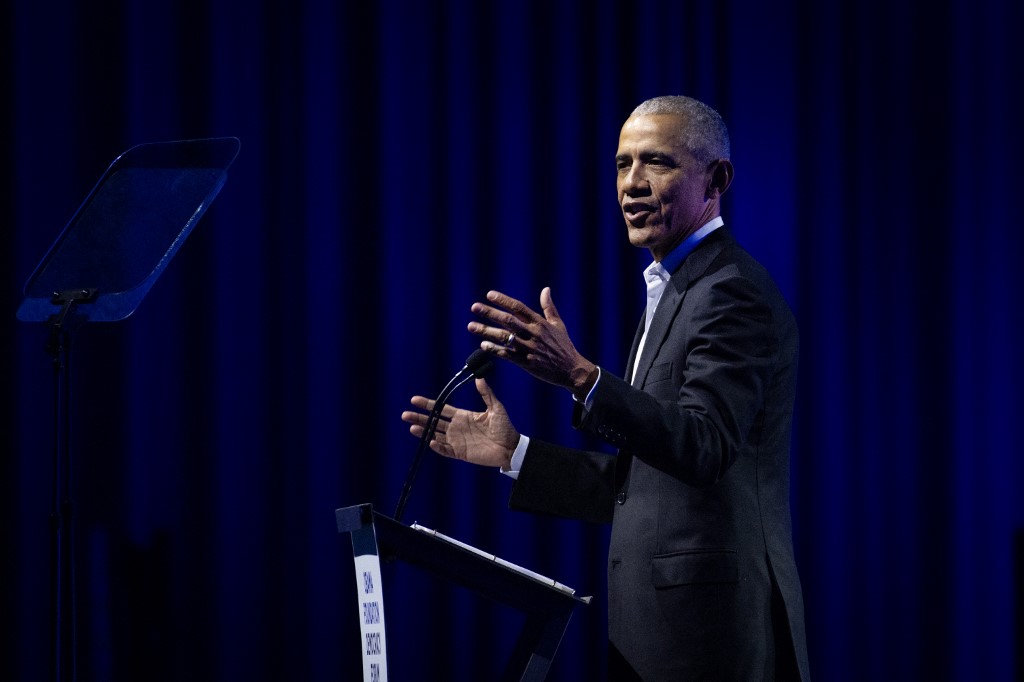
Gaza ceasefire: Obama is criticised for ‘bothsides-ing’ genocide
Former U.S. President Barack Obama has come under fire from social media users for his recent post on X (formerly Twitter) regarding the ceasefire agreement between Israel and Hamas. Critics accuse him of dehumanizing Palestinians and employing a ‘bothsides-ing’ approach to what many describe as a genocide. In his post, Obama expressed relief at the prospect of ending the conflict, reuniting hostages with their families, and delivering aid to Gaza. However, his choice of words sparked widespread outrage. Many users highlighted his distinction between ‘Israeli families’ and ‘the people of Gaza,’ arguing that it perpetuates a long-standing pattern of Western rhetoric that diminishes Palestinian humanity. Palestinian-American human rights attorney Noura Erakat emphasized that the people of Gaza are Palestinians who have endured a century-long struggle for survival. Media critic Sana Saeed described Obama’s language as a ‘masterclass in rendering Palestinians faceless and nameless.’ Others criticized his use of the term ‘conflict,’ which they argue misrepresents the situation as a war between equals rather than a genocide. Historian Assal Rad stressed that acknowledging the genocide is essential for accountability and justice. This is not the first time Obama has faced criticism for his stance on Israel and Palestine. In 2023, he supported Israel’s ‘right to defend itself’ while urging attention to Palestinian suffering, a stance some labeled as ‘bothsides-ing.’ The recent ceasefire agreement, signed on Thursday, includes the exchange of captives and aims to begin rebuilding Gaza. However, critics argue that true peace cannot be achieved without justice and accountability for Israel’s actions.
-
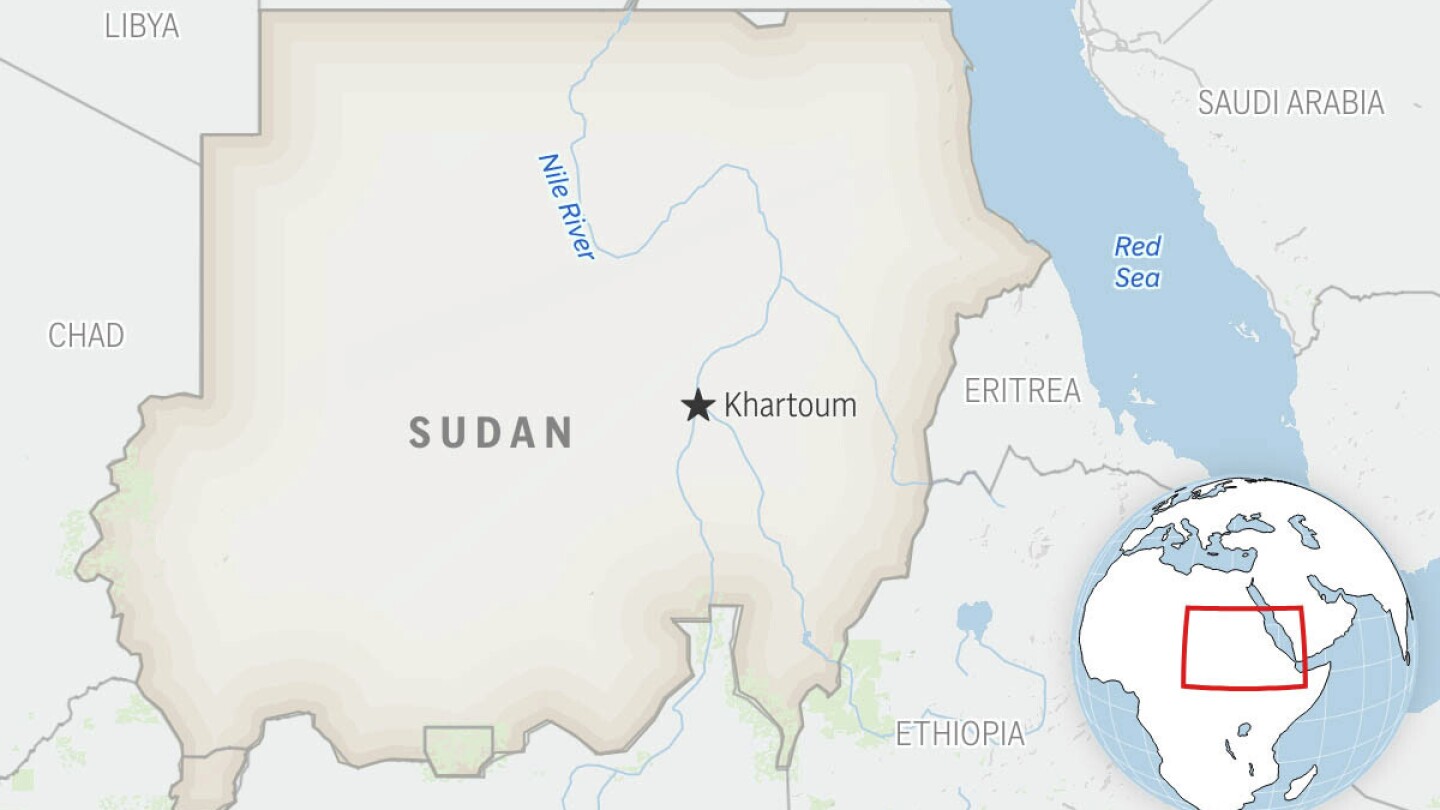
UN says 53 civilians killed during 3 days of attacks in and near el-Fasher camp in western Sudan
BEIRUT (AP) — A recent surge in violence in western Sudan has resulted in the deaths of at least 53 civilians and left more than 60 injured over a three-day period, according to the United Nations High Commissioner for Human Rights, Volker Türk. The death toll continues to rise as the conflict intensifies. Türk reported that drone and artillery strikes by the paramilitary Rapid Support Forces (RSF) targeted the Abu Shouk and Daraja Oula neighborhoods of el-Fasher, as well as the el-Fasher displaced persons camp, killing 46 people. Among the victims, over a dozen perished in shelling at one of the last functioning hospitals in el-Fasher. A nearby mosque, where civilians had sought refuge, was also struck. Additionally, at least seven individuals were summarily executed during ground raids by the RSF in what appears to be ethnically motivated killings. Both the RSF and the Sudanese military are under investigation by the International Criminal Court for alleged war crimes and crimes against humanity. Türk condemned the ongoing violence, stating, ‘Despite repeated calls, including my own, for specific care to be taken to protect civilians, they continue instead to kill, injure, and displace civilians, and to attack civilian objects, including IDP shelters, hospitals, and mosques, with total disregard for international law. This must end.’ He urged U.N. Member States with direct influence to take immediate action to protect civilians and prevent further atrocities in el-Fasher and across the Darfur region. Sudan has been engulfed in conflict since 2023, when tensions between the RSF and the Sudanese military erupted. Darfur has been particularly hard-hit, with over 40,000 people killed and more than 14 million displaced. Famine has been declared in parts of the country, including Darfur. El-Fasher, the provincial capital of North Darfur, has been under siege for over a year, trapping 260,000 civilians. Hundreds of thousands have fled to Tawila, just outside el-Fasher. Denise Brown, the U.N. humanitarian coordinator in Sudan, described Tawila as ‘one of the epicenters of, frankly, what is clearly a humanitarian catastrophe here.’ She noted that about 600,000 internally displaced persons are in Tawila, mostly fleeing from el-Fasher. The U.N. humanitarian plan is only 25% funded, and local actors in el-Fasher are providing limited basic assistance, which is ‘totally insufficient.’ The U.N. is working to negotiate access to el-Fasher to address the dire situation.
-
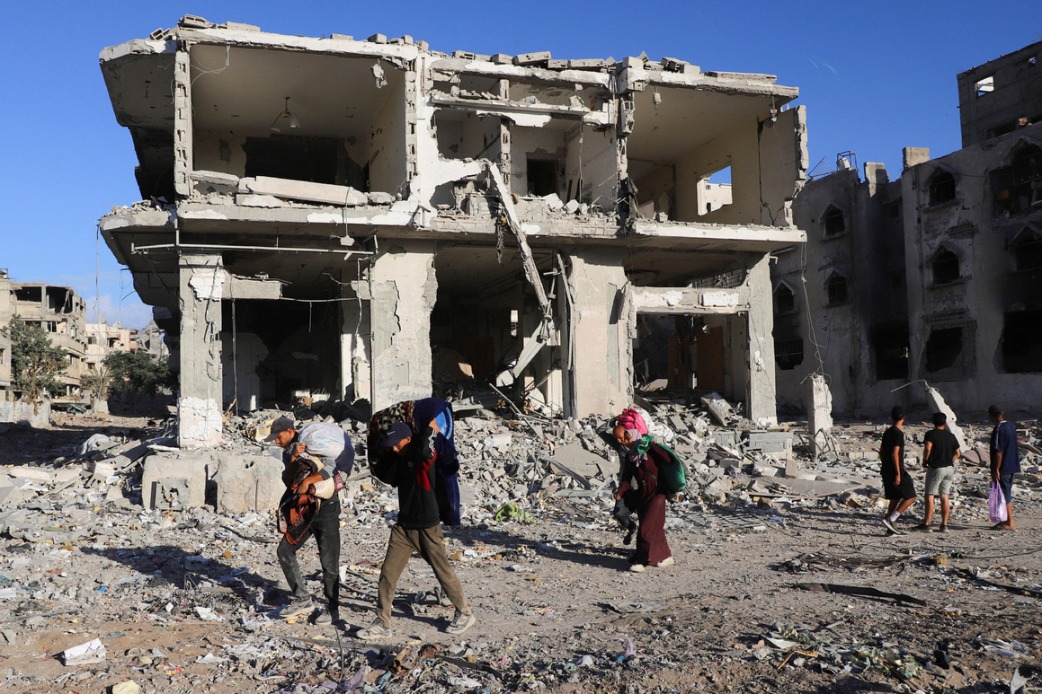
Ceasefire agreement comes into effect in Gaza: sources
A long-awaited ceasefire agreement between Israel and Hamas officially commenced in the Gaza Strip at 12:00 noon local time (0900 GMT) on Friday, October 10, 2025, according to reliable sources. The Israeli military confirmed the implementation of the truce in a concise statement, while local residents reported a noticeable calm across most areas of the coastal enclave following the announcement. This development marks the culmination of weeks of arduous negotiations, facilitated by Egypt and supported by various international stakeholders. The agreement aims to halt the recent escalation of violence that has plagued the region, offering a glimmer of hope for stability and relief to the war-torn population. Eyewitnesses described scenes of cautious optimism as Palestinians navigated the aftermath of the conflict, with many returning to damaged neighborhoods to assess the destruction. The ceasefire represents a critical step toward de-escalation, though its long-term sustainability remains uncertain as both sides cautiously monitor the situation.