
A magnitude 6.1 earthquake rattled the southern Philippines on Friday, October 17, 2025, as reported by the United States Geological Survey (USGS). The tremor originated near Dapa municipality in Surigao del Norte province, at a depth of approximately 69 kilometers (43 miles). Provincial rescuer Ralph Cadalena confirmed to AFP that there were no immediate reports of casualties or damage, describing the event as a “sudden strong shake” that lasted only briefly. This seismic activity follows a series of powerful quakes that have recently struck the region, including a magnitude 6.9 earthquake in Cebu province, which claimed 76 lives and damaged 72,000 homes, and two subsequent quakes of magnitudes 7.4 and 6.7 in eastern Mindanao, resulting in at least eight fatalities. The Philippines, located on the Pacific “Ring of Fire,” experiences frequent earthquakes due to its position along this seismically active arc. The nation’s deadliest natural disaster occurred in 1976 when an 8.0-magnitude quake off Mindanao’s southwest coast triggered a tsunami, leaving 8,000 people dead or missing. Authorities continue to monitor the situation closely as the region remains vulnerable to further seismic events.
分类: world
-
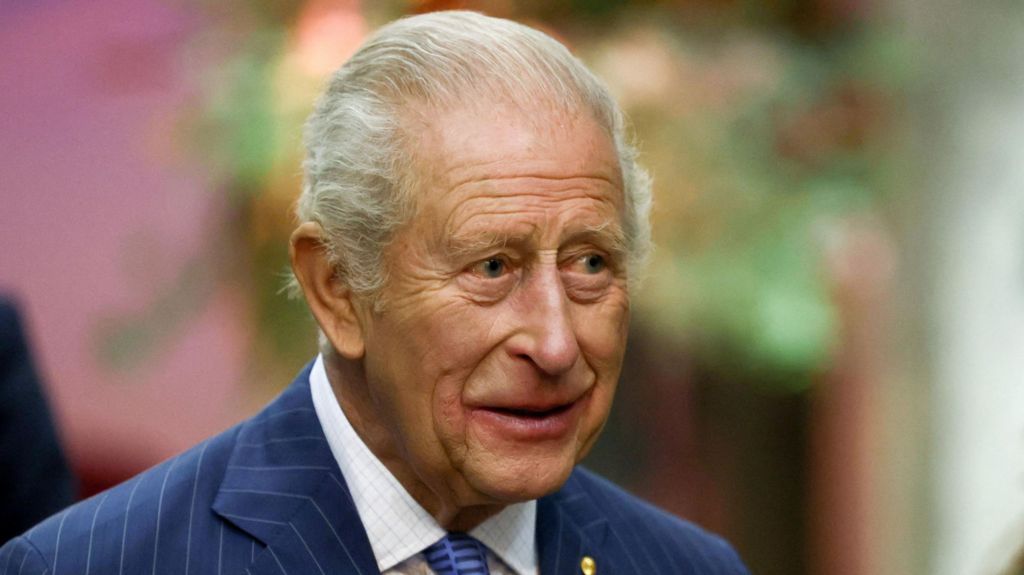
King Charles to pray with Pope during Vatican trip in historic first
In a landmark event bridging centuries of religious history, King Charles III and Pope Leo XIV will pray together at a church service in the Vatican’s Sistine Chapel next week. This unprecedented moment marks the first time a British monarch and a pontiff have shared such a spiritual gathering since the 16th-century Reformation. The service, held under Michelangelo’s iconic ceiling, will unite clergy and choirs from both the Roman Catholic Church and the Church of England, of which King Charles is the supreme governor. The visit, scheduled for October 22 and 23, is being hailed as a powerful symbol of reconciliation between the two faiths. The King and Queen Camilla will also meet Pope Leo, the first US-born pontiff, and senior Vatican officials, further strengthening ties between the UK and the Catholic Church. The ecumenical service will focus on environmental protection, reflecting King Charles’s longstanding commitment to environmental causes. Additionally, the King will attend a service at St. Paul’s Outside the Walls, a church historically linked to the English monarchy, where he will receive an honorary spiritual title as a “royal confrater.” This visit underscores the King’s dedication to fostering interfaith dialogue and unity.
-
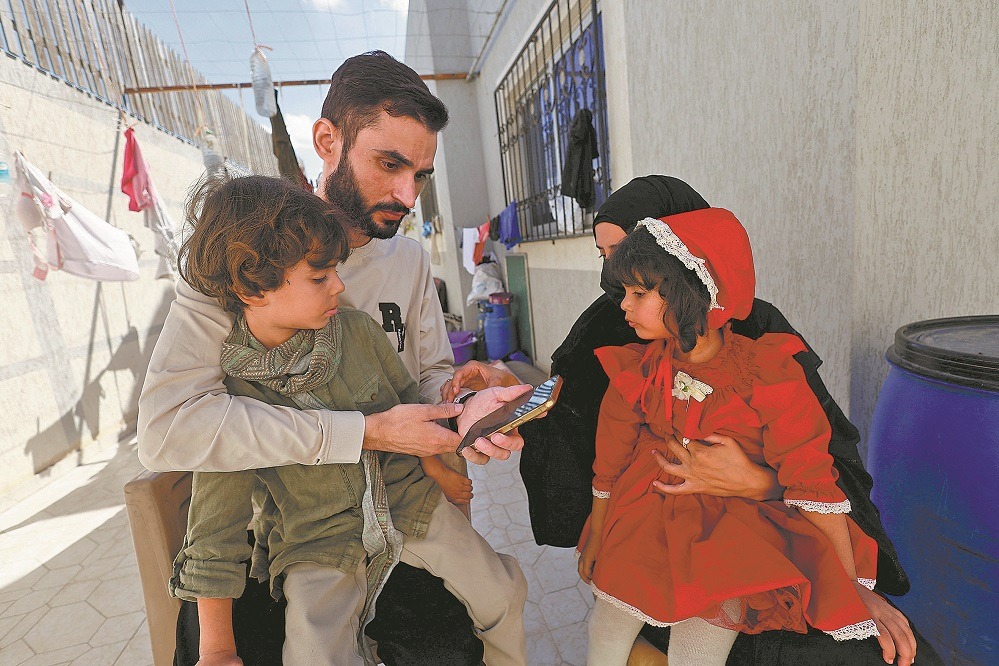
Detained Gaza man reunites with family
Shadi Abu Sido, a Palestinian photojournalist from Gaza, has been reunited with his family after being released from Israeli detention as part of a US-mediated ceasefire agreement between Hamas and Israel. The deal, which ended two years of conflict, also saw the release of 1,700 Palestinians and 250 prisoners convicted or suspected of involvement in deadly attacks, in exchange for 20 Israeli hostages held by Hamas since October 2023.
Abu Sido, who was detained at Al-Shifa Hospital in northern Gaza on March 18 last year, had been told by Israeli guards that his wife and two children were dead. Overwhelmed with grief, he described the moment as shattering his world. However, upon his release on Monday, he discovered that his family was alive. His wife, Hanaa Bahlul, rushed to embrace him at their home in Khan Younis, and he held his children tightly, repeatedly kissing their cheeks and murmuring words of love.
Abu Sido’s detention was reportedly under Israel’s Unlawful Combatants Law, which allows for administrative detention without charge or trial. According to Addameer, a Palestinian human rights group, 2,673 Gazans are currently held under this law. The Israeli military stated that its detention policies comply with Israeli law and the Geneva Conventions.
During his detention, Abu Sido endured severe mistreatment, including beatings, prolonged kneeling, and being handcuffed and blindfolded. His wife revealed that he was initially held at Sde Teiman military detention camp in Israel, then transferred to Ofer military camp in the West Bank, and finally to Ketziot prison in Israel. Bahlul emphasized that her husband’s arrest was solely for his work as a journalist for a Palestinian institution.
The ceasefire deal has brought a temporary halt to the prolonged conflict, offering a glimmer of hope for families torn apart by the violence. Abu Sido’s reunion with his family serves as a poignant reminder of the human cost of the ongoing tensions in the region.
-
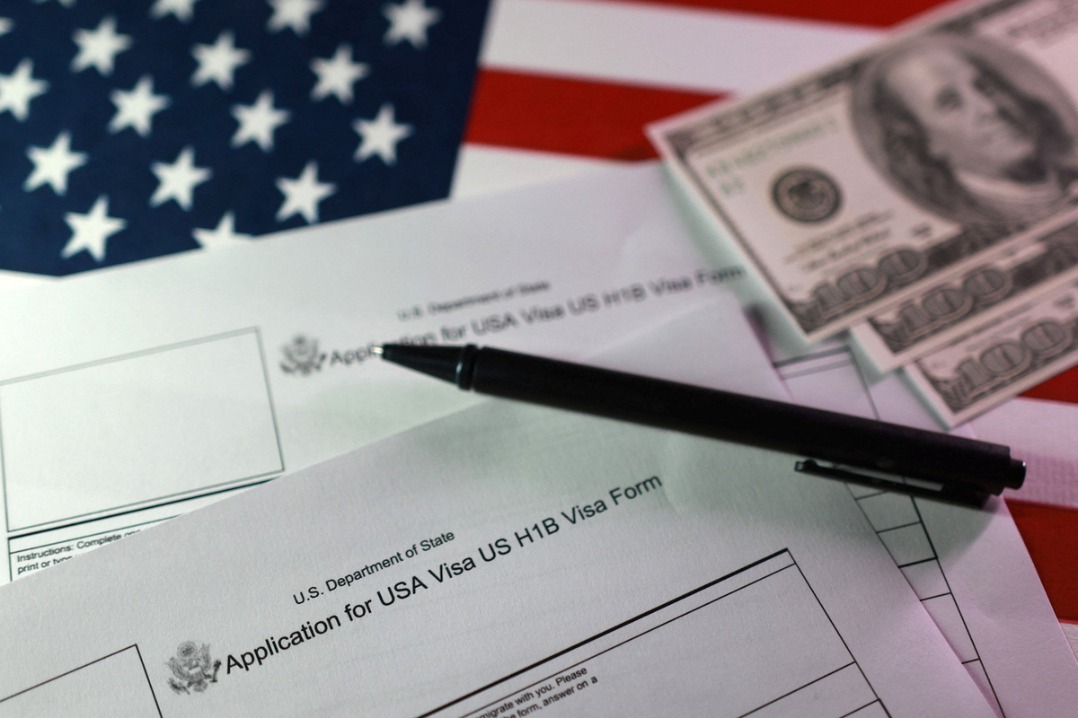
Hefty US visa fee rise slams door on Africans
The United States’ decision to significantly increase the application fee for the H-1B visa has sparked widespread concern among African professionals and analysts, who warn that the move could hinder talent mobility and innovation. Last month, the US administration announced a sharp rise in the visa fee from a few thousand dollars to a flat $100,000, payable by employers at the time of filing. The H-1B visa, which allows highly skilled foreign professionals to live and work in the US for up to six years, is a critical pathway for African talent seeking opportunities abroad. However, the new fee structure has been criticized as a barrier that could disproportionately affect smaller companies and startups, while also discouraging African professionals from pursuing opportunities in the US. James Shikwati, director of the Inter Region Economic Network, a Nairobi-based think tank, noted that the policy could stifle innovation in the US and disrupt global talent exchange. He emphasized that the higher fee might push Africa’s youthful workforce toward other regions, accelerating the continent’s digital transformation. Melha Rout Biel, founder of the Institute for Strategic and Policy Studies in South Sudan, described the move as unfair, arguing that it could deter mobility and ultimately harm the US, which relies on immigrants to address its aging population and low birth rates. Analysts also highlighted the potential impact on industries such as healthcare and education, which depend on H-1B visas to fill critical roles. The American Immigration Council reported that over 2.8 million Black immigrants were part of the US workforce in 2022, supporting fast-growing sectors. The fee hike could slow future inflows from Africa, further complicating the US’s labor market dynamics. Meanwhile, experts like Dieudonne Dany Mbarga, a financial analyst in Ghana, suggested that the policy might encourage African professionals to explore opportunities closer to home, leveraging initiatives like the African Continental Free Trade Area to drive regional competition and growth.
-

Polish court considers extradition to Germany of suspect in Nord Stream pipeline attack
A Polish court deliberated on Friday whether to extradite a Ukrainian man, identified only as Volodymyr Z., who is suspected by German prosecutors of involvement in the 2022 attack on the Nord Stream gas pipelines. The case has the potential to strain diplomatic relations between Poland and Germany. The 46-year-old suspect, described as a trained diver, was arrested near Warsaw on September 30 under a German warrant. German authorities allege he was part of a group that planted explosives on the pipelines near Denmark’s Bornholm island. The Warsaw District Court’s decision, which could be appealed, remains pending. Volodymyr Z.’s lawyer, Tymoteusz Paprocki, stated that his client denies any involvement in the attack and questions the charges. He also argued that no Ukrainian should be prosecuted for actions against Russia. Poland, historically opposed to the Nord Stream pipelines, has shown reluctance to extradite the suspect. Prime Minister Donald Tusk emphasized that such a move would not align with Poland’s interests. The Nord Stream 1 and 2 pipelines were severely damaged in September 2022, escalating tensions amid Europe’s efforts to reduce reliance on Russian energy following the invasion of Ukraine. Germany’s push for Nord Stream 2 had previously faced criticism for increasing Europe’s dependence on Russian gas. Volodymyr Z., a resident of Poland, is one of two Ukrainians sought by German authorities in the case. Another suspect, arrested in Italy, saw his extradition annulled by Italy’s top court, which ordered a reassessment of the case.
-
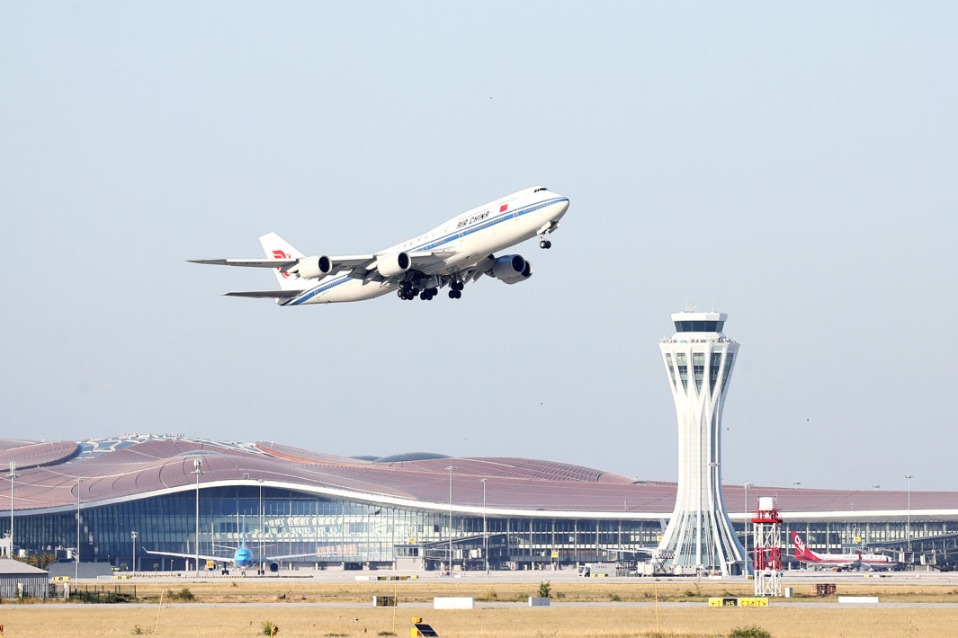
Chinese airlines oppose US ban on flights over Russia
Major Chinese airlines have strongly opposed a recent US proposal to prohibit them from using Russian airspace for round-trip flights between China and the United States. The proposed ban, which could be enforced as early as November, has sparked significant backlash from the aviation industry and raised concerns about its broader implications. The US claims that Chinese carriers gain an unfair cost advantage over US airlines, which are barred from Russian airspace due to existing restrictions. In response, seven Chinese airlines, including Air China, China Eastern Airlines, and China Southern Airlines, have formally requested an extension of the comment period from two to seven business days to assess the impact and prepare a comprehensive response. Industry experts warn that the ban would disrupt travel for thousands of passengers, increase airfares, and force travelers to opt for longer connecting flights via hubs like Hong Kong, Japan, or South Korea. Qi Qi, a senior civil aviation analyst, criticized the US demand as unreasonable and unprofessional, emphasizing the need for rational and practical solutions. The proposal comes amid escalating tensions in US-China trade and economic relations. Chinese Foreign Ministry spokesman Lin Jian highlighted that the restrictions would harm people-to-people exchanges and ultimately damage US interests. As of September, Chinese airlines operated 50.73% of direct China-US flights, with US carriers accounting for the remaining 49.27%. Analysts argue that rerouting flights would increase travel time and costs, negatively impacting business and trade exchanges between the two nations. Lin Zhijie, an independent aviation analyst, suggested that Chinese airlines should be granted reciprocal rights to operate stopover routes via Tokyo, similar to US carriers.
-

Revivals and farewells: Africa’s top shots
This week, the African continent witnessed a vibrant tapestry of cultural events, political shifts, and historic milestones. In Lagos, Nigeria, the Innovate Dance Company captivated audiences with a groundbreaking performance, showcasing the city’s thriving arts scene. Meanwhile, Ethiopian model Awar Odhiang turned heads on a U.S. catwalk, adorned in a celestial headdress that blended tradition with modernity. Nairobi, Kenya, became a hub for sustainable fashion as designers like Morgan Azedy showcased upcycled creations at the Wasteland Gikomba Fashion event, highlighting the growing trend of eco-conscious design. Madagascar experienced a dramatic political upheaval as weeks of youth-led protests culminated in a coup d’état, leading to the installation of a new military leader. The nation’s capital, Antananarivo, echoed with the triumphant sounds of marching bands during street rallies. In Kenya, the death of opposition leader Raila Odinga at 80 sparked widespread mourning, with thousands gathering to honor his legacy. Lagos also hosted the Fela Kuti Afrobeat Rebellion exhibition, celebrating the iconic musician’s enduring influence. Cape Verde made history as its football team qualified for their first World Cup, igniting jubilation among supporters of the small Atlantic nation. Cameroon’s presidential election saw millions casting their votes, though unofficial claims of victory by Issa Tchiroma Bakary stirred controversy. In Mali, the annual replastering of the 14th-century Djinguereber Mosque, a UNESCO World Heritage site, continued a centuries-old tradition. Burkina Faso’s Grand Mosque of Bobo-Dioulasso, built over 130 years ago, stood as a testament to the region’s rich architectural heritage. South Africa debated renaming the world-famous Kruger National Park, sparking discussions about identity and history. These events, captured through powerful imagery, reflect the diversity and dynamism of Africa.
-
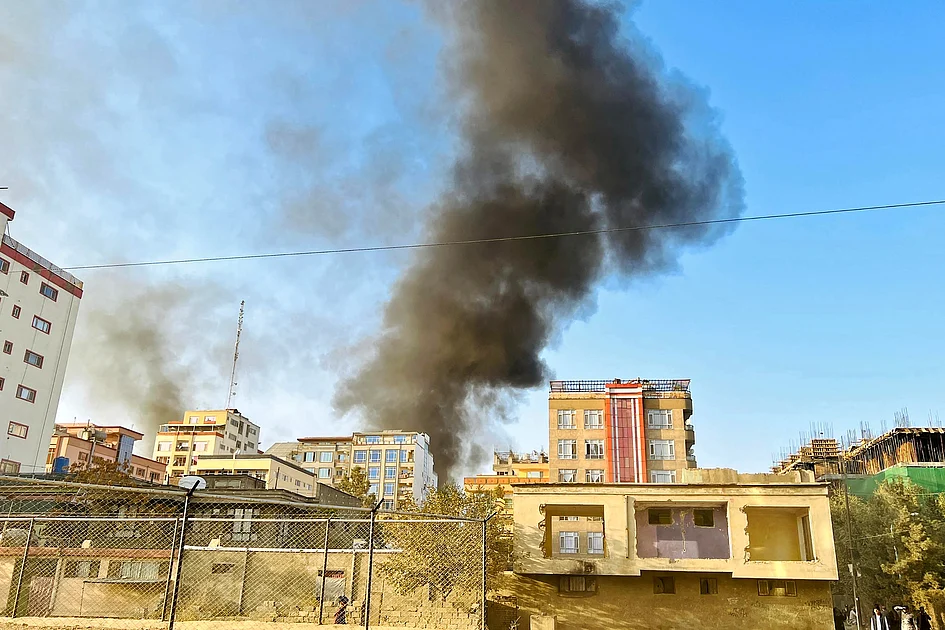
Pakistan PM says ‘ball in Afghan Taliban’s court’ for permanent ceasefire
Pakistan’s Prime Minister Shehbaz Sharif declared on Thursday that the responsibility for establishing a permanent ceasefire now lies with the Afghan Taliban, following a temporary 48-hour truce aimed at de-escalating recent cross-border violence. Sharif emphasized that Pakistan is prepared to engage in dialogue if the Taliban addresses Islamabad’s concerns within the stipulated timeframe. He reiterated Pakistan’s demand for the elimination of Pakistani Taliban militants and stressed that Afghan territory must not be used as a base for planning attacks against Pakistan. The temporary ceasefire, which began at 6 pm Islamabad time on Wednesday, was implemented after a week of intense clashes along the Pakistan-Afghanistan border, resulting in significant casualties on both sides. Pakistan has accused Afghanistan of harboring the Tehreek-e-Taliban (TTP) and its affiliates, a claim Kabul denies. Tensions escalated further last week when explosions rocked Afghan territory, including the capital, with Taliban officials blaming Pakistan for the attacks. The violence coincided with a rare diplomatic visit by Afghanistan’s foreign minister to India, Pakistan’s regional rival. In response to the border skirmishes, Afghan Taliban forces launched an offensive, prompting Pakistan to vow retaliation. Islamabad has repeatedly urged the Taliban to prevent militant groups from using Afghan soil for cross-border attacks since the Taliban’s return to power in 2021.
-
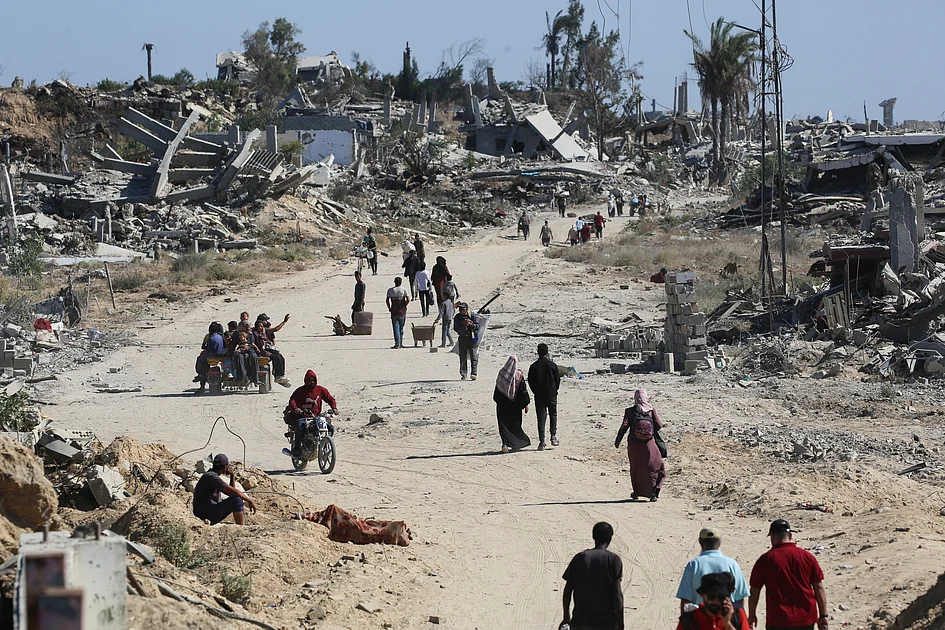
‘Everything turned to ash’: Gazans return to razed homes
As a fragile ceasefire takes hold in Gaza, displaced residents are returning to their homes only to find them obliterated. The streets of Gaza City, once bustling with life, are now eerily empty, lined with heaps of concrete that were once apartment buildings. Many structures have completely collapsed, leaving families to confront the harsh reality of their losses. Amid the ruins, individuals like Hossam Majed, 31, are salvaging what little remains of their belongings, including essential items like a large water tank. Majed has set up a makeshift shelter to guard his possessions from potential thieves, but the challenges are immense. ‘Even food is more expensive than in the south because it’s scarce. There’s no electricity, no water, no internet,’ he lamented. Umm Rami Lubbad, who fled to southern Gaza for safety, returned to find her home reduced to rubble. ‘My heart nearly stopped when I saw the house reduced to rubble,’ she said. Now, she and her children are effectively homeless, sleeping in the streets or relying on neighbors for shelter during artillery shelling. Ahmad al-Abbasi, who fled south during the bombings, returned to find his five-storey building completely destroyed. ‘We came back north hoping to find our homes and rebuild our lives. As you can see… Gaza has turned into a ghost town,’ he said. Mustafa Mahram, another resident, found his three-storey house reduced to ashes. ‘Everything’s gone, turned to ashes… There’s no way to live here,’ he lamented. The residents are now struggling to rebuild their lives with limited resources, hoping for aid and the eventual delivery of tents to provide some semblance of shelter.
-
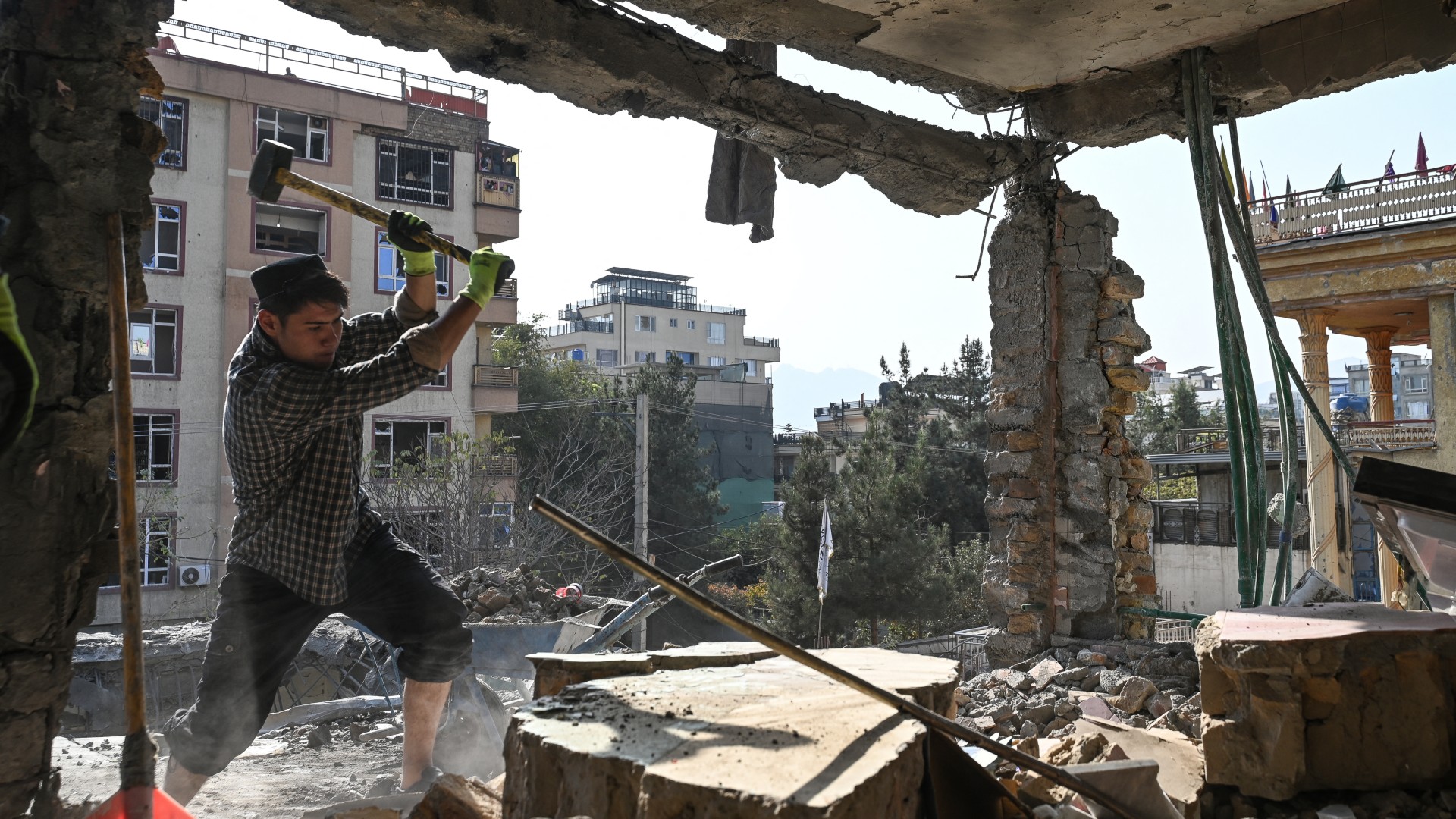
Why Pakistan and the Taliban are at war with each other
A 48-hour ceasefire between the Taliban administration and Pakistan has brought a temporary lull to one of the world’s most volatile borders, the 2,640-kilometre Durand Line. While the truce offers a brief respite from the intense fighting that has claimed dozens of lives on both sides, it is widely seen as a fragile pause rather than a step toward lasting peace. Witnesses describe the recent violence as unprecedented, with skirmishes escalating into full-scale warfare. The conflict underscores deeper systemic issues, particularly the resurgence of militancy in Pakistan, which analysts link to the Taliban’s return to power in Afghanistan in 2021. Pakistan now faces a security nightmare, with the Taliban accused of sheltering the Tehrik-e-Taliban Pakistan (TTP), a banned militant group responsible for hundreds of attacks. The Global Terrorism Index ranks Pakistan as the world’s second most terrorism-affected country, highlighting the severity of the crisis. The Taliban’s victory has emboldened various militant groups, including the TTP, Islamic State Khorasan Province (ISKP), and Baloch separatists, leading to a surge in terrorist attacks. Despite Pakistan’s military campaigns and diplomatic efforts, the situation remains dire. The Taliban administration faces a policy dilemma: curbing the TTP risks internal dissent, while inaction fuels cross-border violence. Pakistan has shifted from cautious diplomacy to coercive measures, including air strikes in Afghanistan and the expulsion of undocumented Afghans. The ceasefire, brokered by Qatar and Saudi Arabia, offers a temporary reprieve, but analysts warn that without structural changes, the border will remain a powder keg. The fall of Kabul in 2021, once celebrated in Pakistan as a strategic victory, has become the source of its most complex security crisis in decades.