分类: world

  • Zelensky sends drone teams to Middle East, touting Ukraine’s expertise

    Zelensky sends drone teams to Middle East, touting Ukraine’s expertise

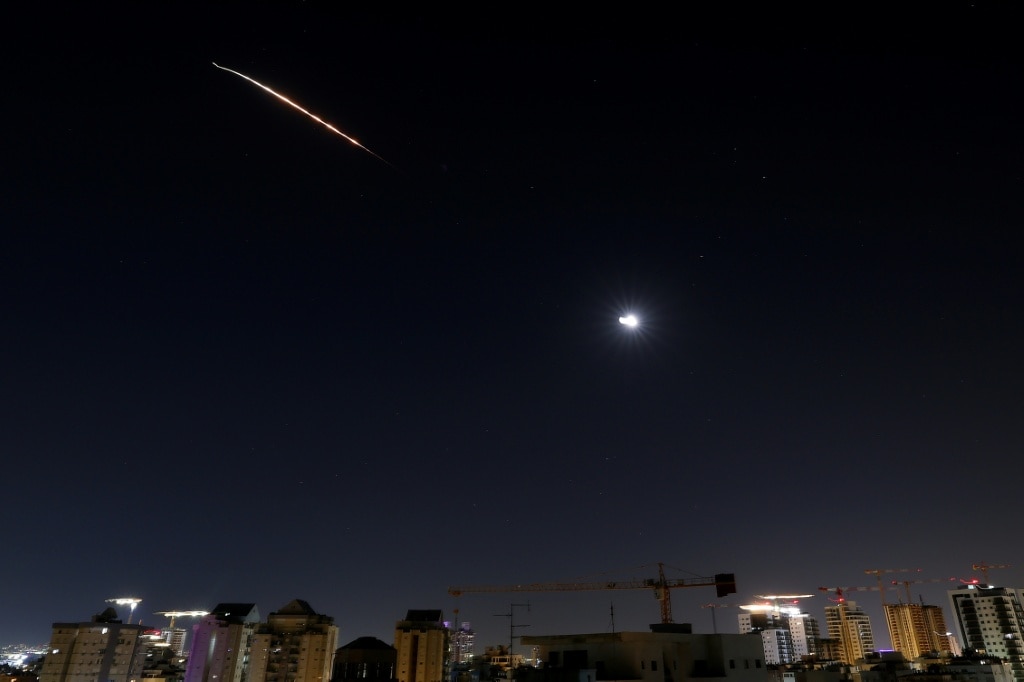
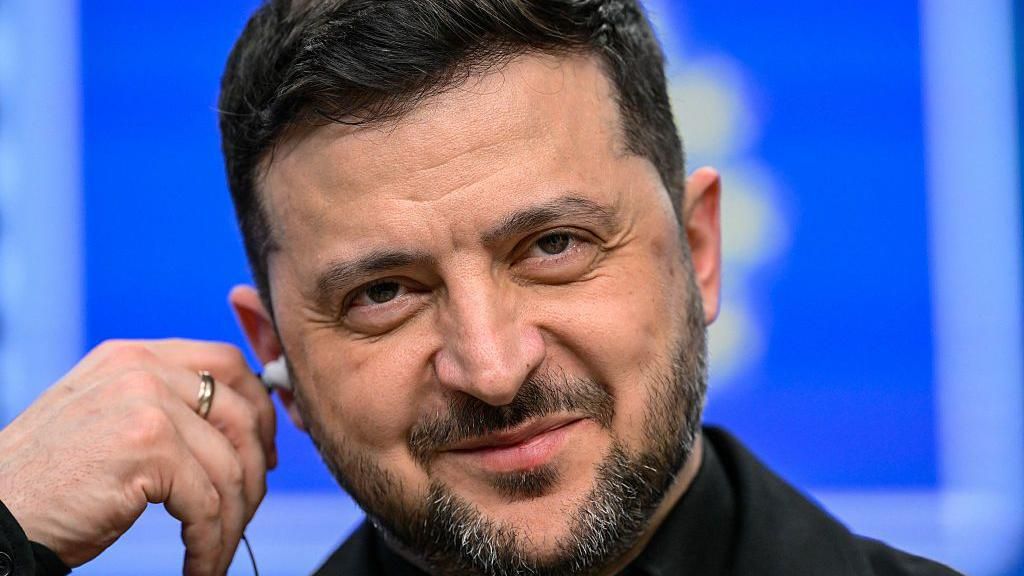
    In a significant geopolitical shift, Ukraine is now exporting its hard-earned military expertise to Western and Middle Eastern allies, deploying specialist teams to assist in countering Iranian drone threats. President Volodymyr Zelensky confirmed the dispatch of Ukrainian military, intelligence, and defense officials to Qatar, the United Arab Emirates, Saudi Arabia, and Jordan following formal requests for assistance. This development marks a dramatic reversal from Ukraine’s longstanding position as a recipient of international military aid.

    Zelensky emphasized that Ukraine possesses ‘the world’s most extensive practical experience in neutralizing attack drones,’ a capability forged through over four years of relentless aerial assaults from Russia. The Ukrainian approach, which utilizes cost-effective, mass-produced interceptor drones to eliminate incoming threats, offers a financially sustainable alternative to deploying million-dollar missiles against inexpensive Iranian Shahed drones.

    This cooperation carries substantial diplomatic implications for Ukraine, which seeks to strengthen ties with Gulf nations that have previously maintained neutrality in the Russia-Ukraine conflict. National Security and Defense Council Secretary Rustem Umerov is leading negotiations for ‘concrete agreements’ that would formalize these defense partnerships.

    President Zelensky explicitly framed the assistance as reciprocal, stating that nations receiving Ukrainian expertise must continue supporting Ukraine’s defense needs—particularly enhanced air defense systems like Patriot batteries capable of intercepting Russia’s advanced missiles. The strategy serves dual purposes: generating crucial revenue for Ukraine’s depleted military coffers through arms sales while cultivating strategic alliances.

    Despite the diplomatic advantages, the initiative faces domestic criticism regarding resource allocation amid ongoing conflict needs. The presidential office acknowledged that a similar drone defense proposal was declined by the US a year ago, highlighting evolving perceptions of Ukrainian capabilities. This development directly counters former President Donald Trump’s assertions that Ukraine held ‘no cards’ in international negotiations, with Zelensky suggesting his administration had strategically withheld certain capabilities until their value was fully recognized.

    The assistance packages currently under discussion do not involve US direct funding, as the Trump administration has significantly reduced military aid to Ukraine. Instead, European allies are procuring US-made defense systems for subsequent transfer to Kyiv, though deliveries have proceeded slower than required for comprehensive air defense coverage.
  • French aid worker killed in DR Congo air strike

    French aid worker killed in DR Congo air strike

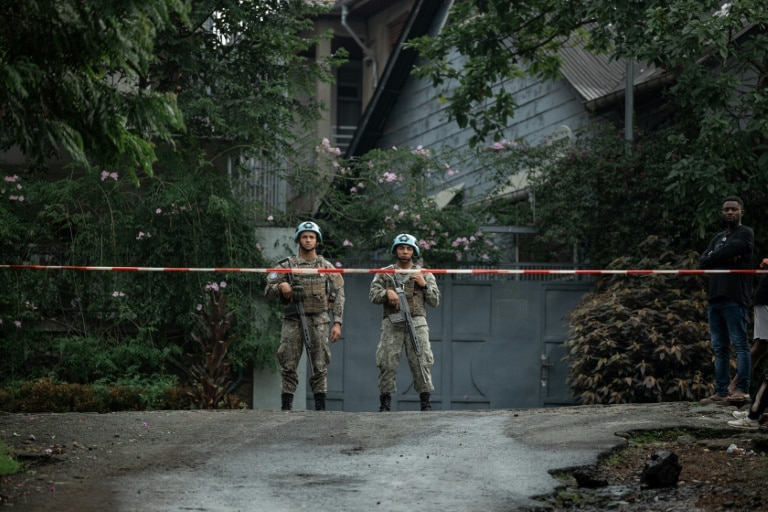
    A French humanitarian worker serving with UNICEF has been killed in an overnight drone strike on a residential compound in Goma, eastern Democratic Republic of Congo, a city currently under the control of the Rwanda-backed M23 rebel militia. The incident has drawn international condemnation and heightened concerns over the escalating violence in the mineral-rich region.

    The strike targeted a house in Himbi, an upscale neighborhood on the shores of Lake Kivu that serves as a base for numerous expatriates and humanitarian organization headquarters. According to multiple humanitarian sources and rescue personnel at the scene, the aid worker was fatally wounded when the residence she was staying in was hit. Witnesses reported hearing two distinct explosions preceded and followed by the characteristic buzzing sound of unmanned aerial vehicles.

    French President Emmanuel Macron confirmed the death on social media platform X, expressing the nation’s solidarity with her family, loved ones, and colleagues while urgently calling for respect for humanitarian law and the protection of personnel committed to saving lives.

    Security sources indicate the strikes were likely intended to target officials or allies of the M23 armed group, with the humanitarian worker’s residence struck by mistake. Large residences in the Himbi area were previously requisitioned by M23 leaders following their seizure of Goma in a lightning offensive in early 2025.

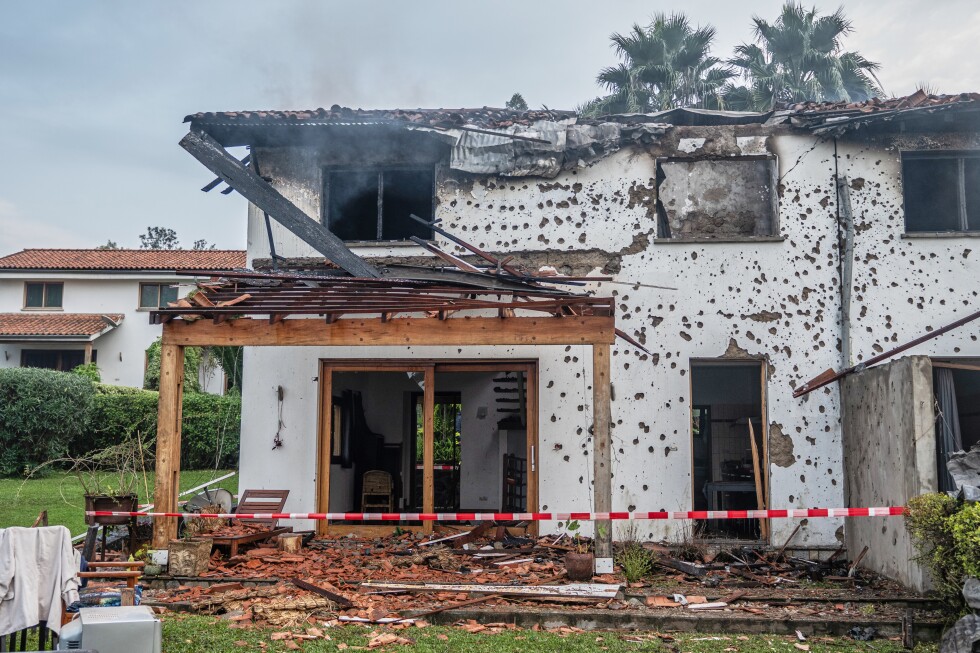
    Emergency teams, firefighters, United Nations employees, and M23 officials were present at the severely damaged site on Wednesday. The building showed extensive damage with a destroyed roof, partially burnt structures, and walls riddled with tiny impact marks. No debris from a drone or projectile has been identified thus far.

    This tragic event occurs amidst continued clashes between the M23 and Congolese forces, despite a peace deal brokered by the United States in early December. The Congolese army regularly conducts long-range drone strikes on M23 positions, while security sources confirm the rebel group likewise employs explosive drones at the front lines.

    The eastern DRC has been embroiled in conflict for three decades, with numerous armed groups vying for control over the region’s vast mineral wealth, including coltan essential for mobile phones and electric car batteries. UN experts assert that Rwanda uses the M23 as a proxy to control these critical mineral veins, leading the US to recently announce sanctions against the Rwandan army. Rwanda denies direct military support for the M23 but maintains it faces existential threats from genocidal armed groups operating in the eastern DRC.

  • IEA agrees to record release of emergency oil reserves in an effort to calm surging prices

    IEA agrees to record release of emergency oil reserves in an effort to calm surging prices

    In an unprecedented response to escalating Middle East tensions, the International Energy Agency (IEA) has authorized the largest emergency oil reserve release in its five-decade history. The Paris-based consortium of 32 nations will deploy 400 million barrels from strategic petroleum reserves to stabilize global energy markets disrupted by Iran’s blockade of critical shipping channels.

    The decision, ratified Wednesday, more than doubles the previous record of 182.7 million barrels released during the 2022 Ukraine crisis. This coordinated action follows emergency consultations among G7 energy ministers who endorsed proactive measures to address supply disruptions that have reduced Persian Gulf exports to less than 10% of pre-conflict levels.

    Iran’s military campaign has effectively halted maritime traffic through the Strait of Hormuz—a vital corridor transporting approximately 20% of globally traded oil. Attacks on commercial vessels, oil fields, and refineries across Gulf Arab states represent a calculated strategy to inflict economic pressure on the United States and Israel through energy market manipulation.

    Germany and Austria immediately committed to the reserve release, with Japan scheduled to begin deployments Monday. IEA members collectively maintain over 1.2 billion barrels of public emergency stocks, supplemented by 600 million barrels of industry reserves under government mandate.

    Concurrently, European nations are implementing consumer protection measures. Germany will restrict fuel stations to single daily price adjustments, while Austria will limit increases to three times weekly—safeguards against speculative pricing during supply emergencies.

    The strategic petroleum reserve system, established after the 1973 Arab oil embargo, has been activated during previous conflicts including the Gulf Wars, Libyan civil war, and Russia’s invasion of Ukraine. Current disruptions represent the most significant challenge to global energy security since the reserve’s inception.

  • Ukraine says it has hit Russian ‘missile component’ plant

    Ukraine says it has hit Russian ‘missile component’ plant

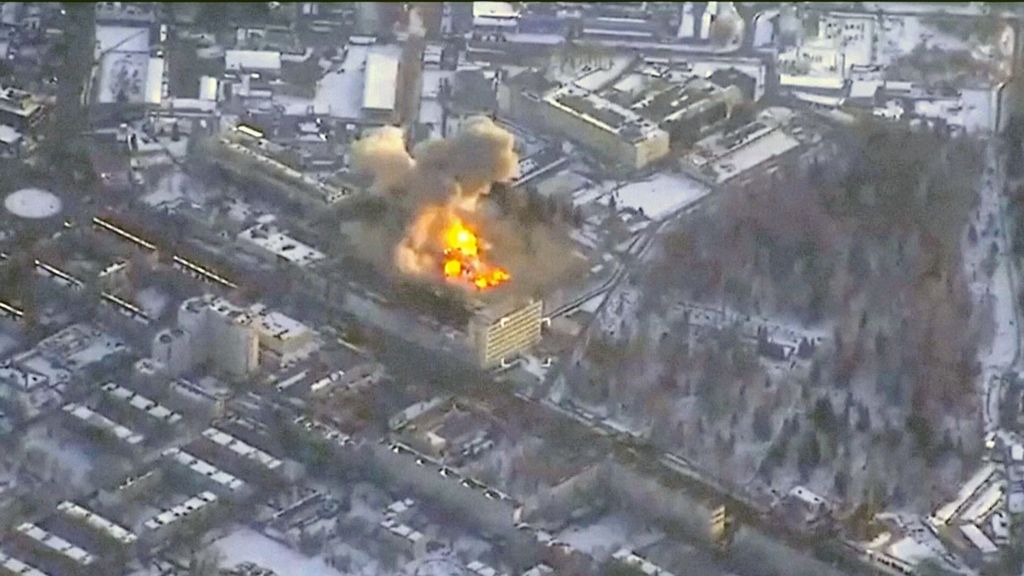
    In a significant escalation of hostilities, Ukrainian forces have targeted and struck a critical Russian defense manufacturing facility using British-supplied Storm Shadow missiles. President Volodymyr Zelensky confirmed the operation against the Kremniy El plant in Bryansk, describing it as one of Russia’s “most important military factories” responsible for producing electronic components for missiles used against Ukrainian civilian populations.

    The attack prompted strong reactions from Russian authorities, who reported substantial civilian casualties with at least six fatalities and 42 injuries. Kremlin spokesman Dmitry Peskov characterized the operation as a “terrorist missile attack” and suggested British specialists were necessarily involved in the missile launch. Peskov reiterated Russia’s justification for its ongoing military campaign, stating the invasion aims to demilitarize Ukraine and prevent further attacks on Russian territory.

    Meanwhile, the conflict continues to intensify with reciprocal assaults across multiple fronts. Russian forces employed Iranian-supplied Shahed drones in Kharkiv, resulting in two deaths and five injuries according to Ukrainian officials. Additional Russian strikes in Slovyansk claimed four lives and wounded sixteen others yesterday.

    Despite the military stalemate, both nations report incremental territorial gains while diplomatic efforts continue. US President Donald Trump is facilitating negotiations between Russian and American representatives scheduled for next week. The proposed settlement reportedly involves Ukraine potentially relinquishing claims to portions of the Donbas region not currently under its control—a concession Ukrainian officials have previously rejected given Russia’s existing occupation of over 80% of this territory.

    The incident underscores the conflict’s expanding international dimensions, with Western nations supplying advanced weaponry to Ukraine while Russia receives military support from allies including Iran and North Korea.

  • Poland starts human trafficking probe into Epstein ring

    Poland starts human trafficking probe into Epstein ring

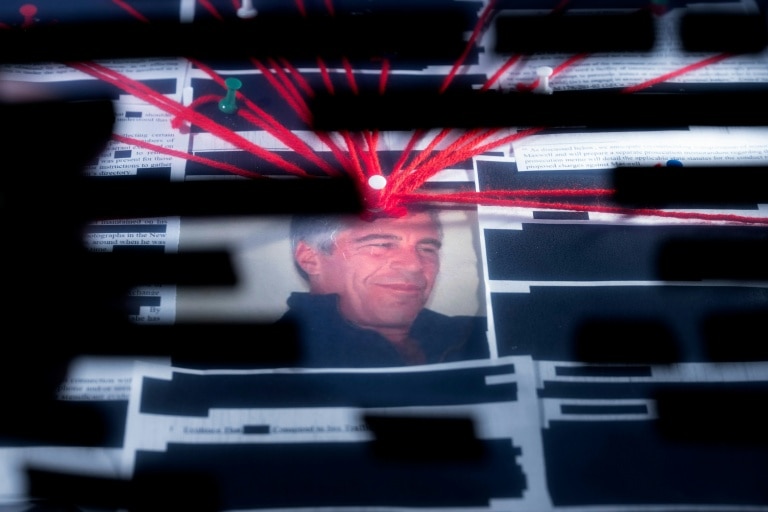
    Polish judicial authorities have initiated a formal criminal investigation into human trafficking activities allegedly connected to the international network of convicted sex offender Jeffrey Epstein. The National Prosecutor’s Office confirmed Wednesday that it is examining whether women and minors were recruited within Polish territory under false pretenses regarding employment opportunities abroad, ultimately leading to their sexual exploitation.

    The probe follows earlier statements by Prime Minister Donald Tusk indicating that Polish officials were examining potential connections between Epstein and Russian intelligence agencies, as well as any links the financier might have maintained within Poland. Justice Minister Waldemar Zurek subsequently announced a coordinated effort involving Poland’s secret services, prosecutors, and police forces to identify any Polish accomplices who facilitated Epstein’s operations.

    Prosecutors outlined their suspicion that perpetrators arranged transportation of victims beyond Poland’s borders, transferring them to other individuals specifically for sexual exploitation purposes. The investigation has expanded internationally, with Polish authorities submitting formal requests for judicial cooperation to two unnamed European countries to assist with the cross-border aspects of the case.

    Under Polish criminal law, human trafficking convictions carry severe penalties, including imprisonment of up to 20 years. The case represents one of the most significant international responses to the Epstein network since his death in 2019, demonstrating continued global efforts to uncover the full extent of his operation and bring accomplices to justice.

  • Over 1,300 Iranian civilians killed, nearly 10,000 civilian sites destroyed in US-Israeli military strikes: Iran’s UN envoy

    Over 1,300 Iranian civilians killed, nearly 10,000 civilian sites destroyed in US-Israeli military strikes: Iran’s UN envoy

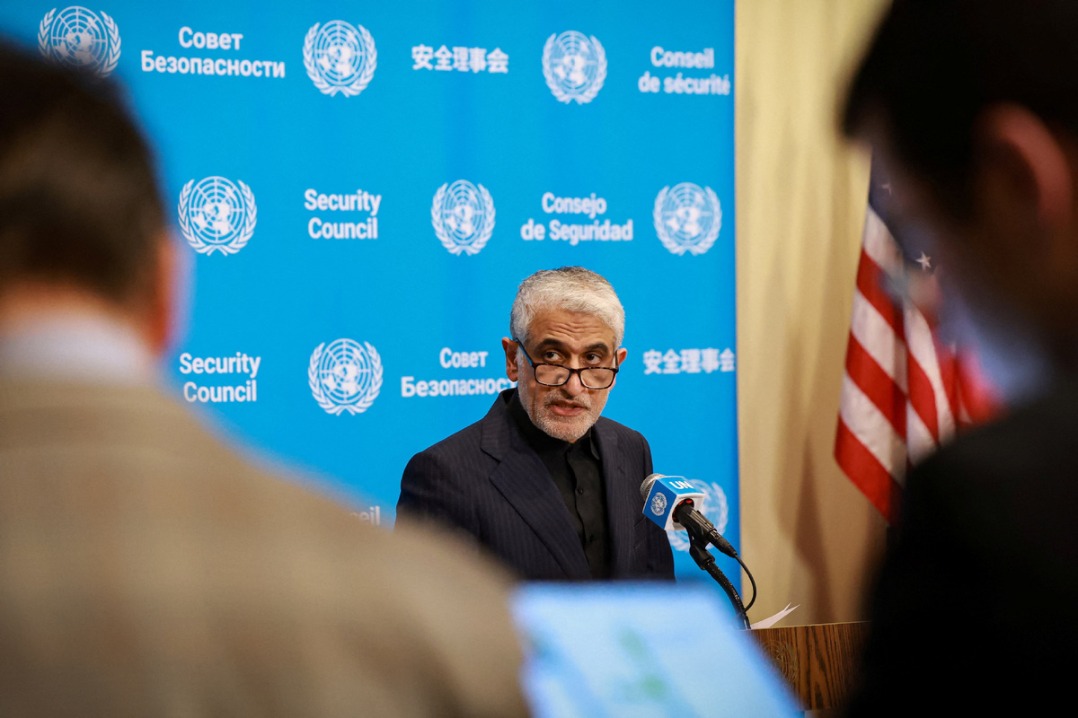
    In a grave address to the international community, Iran’s United Nations envoy has presented devastating casualty figures from recent military operations. Ambassador Amir Saeid Iravani disclosed that coordinated strikes by American and Israeli forces have resulted in approximately 1,300 civilian fatalities and the destruction of nearly 10,000 non-military sites across Iranian territory since late February 2026.

    The comprehensive damage assessment includes 7,943 residential properties, 1,617 commercial establishments, 32 medical facilities, 65 educational institutions, and multiple Red Crescent humanitarian centers. Critical infrastructure such as energy supply systems and water purification plants have also been deliberately targeted, according to the ambassador’s detailed account.

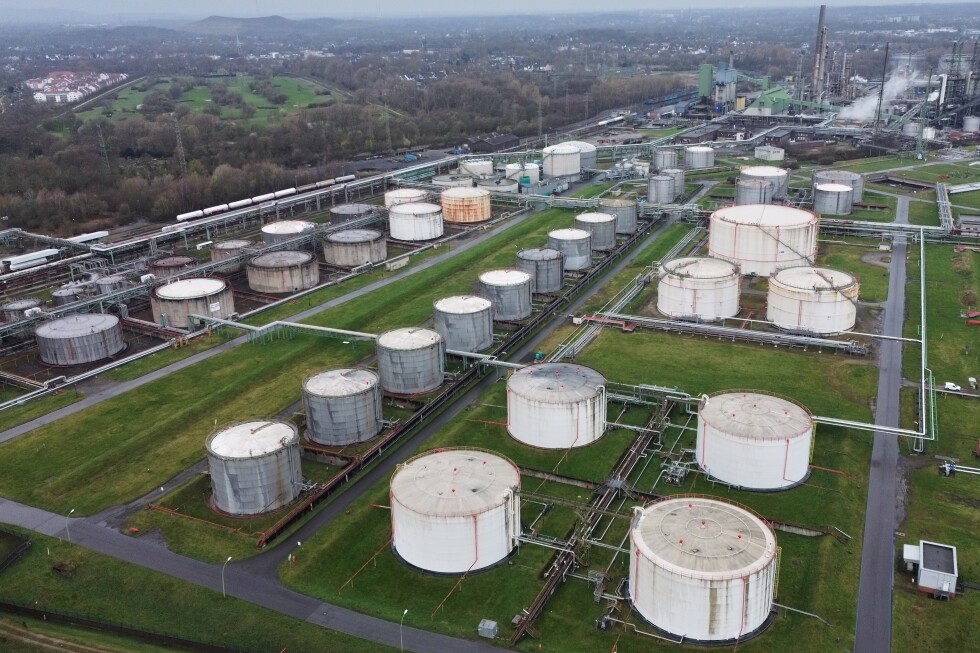
    Iravani characterized these operations as systematic violations of international humanitarian law, stating that coalition forces have shown ‘no restraint in committing these crimes’ against civilian populations. The ambassador provided specific examples of alleged war crimes, including attacks on Tehran’s Mehrabad Airport that destroyed civilian aircraft and strikes on fuel storage facilities that released hazardous pollutants into the atmosphere.

    The environmental impact of these operations extends beyond immediate casualties, with the ambassador noting violations of international climate agreements due to widespread contamination. Additionally, Iravani revealed that four Iranian diplomats were killed in what he described as a ‘deliberate terrorist attack’ on a Beirut hotel, marking a significant escalation in the conflict.

    Iran’s representative concluded with an urgent appeal for international intervention, warning that casualty numbers continue to rise as attacks persist. The Iranian government reserves the right to take all necessary measures to protect its sovereignty and civilian population, while calling for immediate diplomatic action to halt the ongoing military campaign.

  • UAE defense ministry says intercepts new missiles, drones targeting Dubai

    UAE defense ministry says intercepts new missiles, drones targeting Dubai

    The United Arab Emirates’ Ministry of Defense confirmed early Wednesday that its advanced air defense systems successfully intercepted and neutralized multiple ballistic missiles and unmanned aerial vehicles targeting the metropolitan area of Dubai. The projectiles were identified as originating from Iranian territory, marking the latest escalation in regional hostilities.

    Authorities issued emergency mobile alerts to Dubai residents, warning of imminent aerial threats and instructing civilians to seek immediate shelter in protected areas. The alerts were subsequently deactivated following the successful interception operation.

    This military engagement occurs against the backdrop of heightened Middle Eastern tensions that began with coordinated US-Israeli strikes against Iranian targets starting February 28. Tehran has responded with sustained offensive operations against Israeli and American strategic assets throughout the region.

    In an official statement released Tuesday, the UAE Defense Ministry emphasized its continued vigilance and enhanced defensive capabilities, noting an exceptional 94% interception rate against 1,475 drone incursions and a 92% success rate against 270 missile attacks over the preceding eleven-day period. The ministry attributed this defensive effectiveness to strengthened cooperation with international security partners.

  • Drone strike reportedly kills at least 1 person in the eastern Congo city of Goma

    Drone strike reportedly kills at least 1 person in the eastern Congo city of Goma

    GOMA, Democratic Republic of Congo — A deadly drone assault struck the heart of Goma on Wednesday, resulting in at least one confirmed fatality and escalating tensions in the ongoing conflict between Congolese forces and M23 rebels. The explosions targeted areas near Lake Kivu and a private residence situated approximately 50 meters from the home of former President Joseph Kabila Kabange.

    According to M23 representatives and local witnesses, the attack claimed the life of Karine Buisset, a French national serving as a UNICEF employee who was present in the residence during the strike. While M23 officials reported three casualties, local residents confirmed observing only one body, and the exact death toll remains unverified.

    The rebel group immediately attributed responsibility for the drone strikes to the Congolese government, which has not issued any official response to the allegations. The incident has drawn international attention, with French President Emmanuel Macron expressing condolences to Buisset’s family and emphasizing the critical need to respect humanitarian law and protect aid workers in conflict zones.

    This attack represents the latest escalation in violence that has gripped eastern Congo since January 2025, when Rwanda-backed M23 rebels launched rapid offensive operations across the region, capturing strategic urban centers. The conflict has persisted despite diplomatic intervention efforts led by the United States and Qatar, creating one of Africa’s most severe humanitarian emergencies with approximately 7 million displaced persons.

    The February drone strike that eliminated a key M23 spokesperson and operational commander demonstrated the increasing sophistication of aerial warfare in the conflict. Wednesday’s attack marks a significant geographical expansion of hostilities, bringing the violence directly to Goma’s urban center and threatening humanitarian operations throughout the region.

  • Washington signals quick end to conflict

    Washington signals quick end to conflict

    The United States and Iran present starkly divergent projections regarding the timeline and conclusion of their ongoing military conflict, with Washington signaling imminent resolution while Tehran pledges indefinite resistance.

    President Donald Trump declared at a Monday press conference that military operations were progressing significantly ahead of schedule, suggesting the conflict could conclude ‘very soon.’ Despite previously estimating several more weeks of engagement, Trump asserted that campaign momentum indicated a ‘short-term excursion’ that would continue until Iran’s ‘total and decisive defeat.’ The administration characterized current achievements as substantial yet insufficient, without providing specific criteria for defining ultimate victory.

    Tehran’s leadership presented a contrasting narrative through multiple channels. Foreign Minister Seyed Abbas Araghchi informed PBS News that Iranian forces remained fully prepared to sustain missile attacks indefinitely. The Islamic Revolutionary Guard Corps separately asserted their authority to ‘determine the war’s conclusion,’ while state media broadcast images of substantial public rallies across Iranian cities demonstrating support for new Supreme Leader Mojtaba Khamenei.

    The strategic Strait of Hormuz emerged as a critical flashpoint in the conflict. President Trump guaranteed the vital oil passageway’s security, offering US naval escorts for tankers if necessary. French President Emmanuel Macron concurrently announced allied nations were developing defensive measures to reopen the shipping lane, describing the mission as focused on vessel escort operations following the conflict’s most intense phase.

    Diplomatic prospects appear increasingly remote according to Kamal Kharazi, foreign policy adviser to Iran’s supreme leader. He explicitly rejected current negotiation possibilities based on previous experiences with US diplomatic engagements, suggesting only severe economic pressure compelling third-party intervention might terminate American and Israeli aggression against Iran.

    Oil markets demonstrated volatility throughout the crisis, with West Texas Intermediate crude briefly approaching $120 per barrel before retreating to approximately $94. Brent crude settled near $90, reflecting market sensitivity to Hormuz shipping disruptions, regional conflict expansion, and production reductions by major Middle Eastern suppliers.

    Domestic US perspectives reveal significant concerns according to a Reuters/Ipsos poll, with 67% of Americans anticipating rising gasoline prices and 60% expecting prolonged military involvement in Iran. The administration acknowledged considering tariff or sanction relief for certain nations to help moderate oil prices amid these economic pressures.

  • Cargo vessels hit as Iran threatens to close Gulf oil chokepoint

    Cargo vessels hit as Iran threatens to close Gulf oil chokepoint

    The strategic Strait of Hormuz has become the epicenter of a rapidly escalating global energy crisis following coordinated Iranian attacks on commercial shipping vessels. On Wednesday, three commercial ships sustained damage from projectile strikes in the Gulf waters, marking a significant escalation in regional hostilities that began with US-Israeli military actions against Iran in late February.

    The conflict’s expansion into critical maritime channels has triggered dramatic fluctuations in global oil markets, with prices surging as much as 20% since hostilities commenced. The G7 nations convened an emergency virtual summit to address the growing crisis, with energy ministers announcing readiness to deploy strategic petroleum reserves to stabilize markets.

    Maritime security agencies reported that a cargo vessel in the Strait of Hormuz required emergency evacuation after being struck by an unidentified projectile, while separate incidents involved a bulk carrier and container ship near United Arab Emirates territorial waters. These attacks occurred despite US military operations that reportedly destroyed 16 Iranian mine-laying vessels capable of threatening shipping traffic.

    Pentagon officials expressed grave concerns about Iran’s substantial naval mine arsenal, estimated between 2,000-6,000 units, which could effectively blockade the vital waterway that facilitates 20% of global oil and gas shipments. Analysis from security think tanks indicates that naval escort missions would face persistent threats from Iranian missiles and drones, potentially making transit costs prohibitively expensive.

    The human toll continues to mount, with Iranian health authorities reporting over 1,200 casualties and 10,000 injuries from ongoing strikes. Conflict has spread to proxy battlegrounds in Iraq and Lebanon, where Iranian-backed militias have suffered casualties and civilian displacement numbers reach hundreds of thousands.

    Iranian leadership has remained defiant, with parliamentary speaker Mohammad Bagher Ghalibaf explicitly stating that Tehran is ‘not seeking a ceasefire.’ The country’s police chief warned that domestic dissent would be treated as enemy action, indicating heightened internal security measures amid the external conflict.

    While the status of Iran’s leadership remains uncertain following the reported death of Ayatollah Ali Khamenei, presidential family members have asserted that designated successor Mojtaba Khamenei remains ‘safe and sound’ despite earlier reports of injuries.