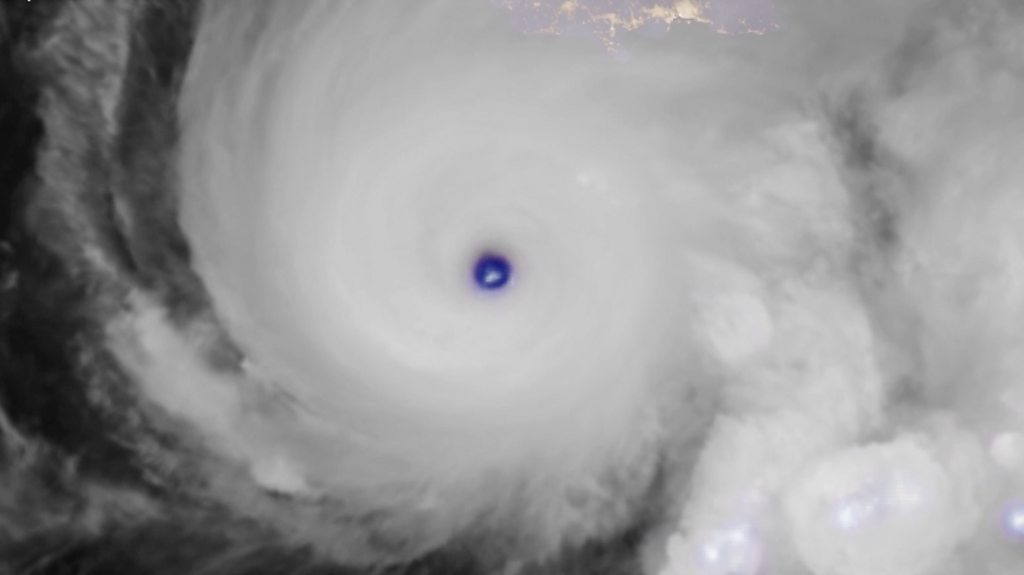
Recent satellite imagery has revealed the alarming intensification of Hurricane Melissa as it approaches Jamaica, marking it as the most formidable storm of the year. Currently traversing the Caribbean Sea, the hurricane has garnered significant attention from meteorological experts and local authorities alike. The footage underscores the storm’s growing strength, with its swirling clouds and expanding eye signaling potential devastation. Jamaica, already bracing for impact, has issued urgent warnings to residents to prepare for severe weather conditions, including torrential rains, high winds, and possible flooding. The rapid escalation of Hurricane Melissa has raised concerns about its trajectory and the broader implications for the Caribbean region. Emergency response teams are on high alert, coordinating efforts to mitigate the storm’s impact and ensure public safety. As the hurricane continues to gain momentum, the international community is closely monitoring its path, with neighboring countries also preparing for potential fallout.
分类: world
-
Plane with 12 on board crashes near Kenya’s coast
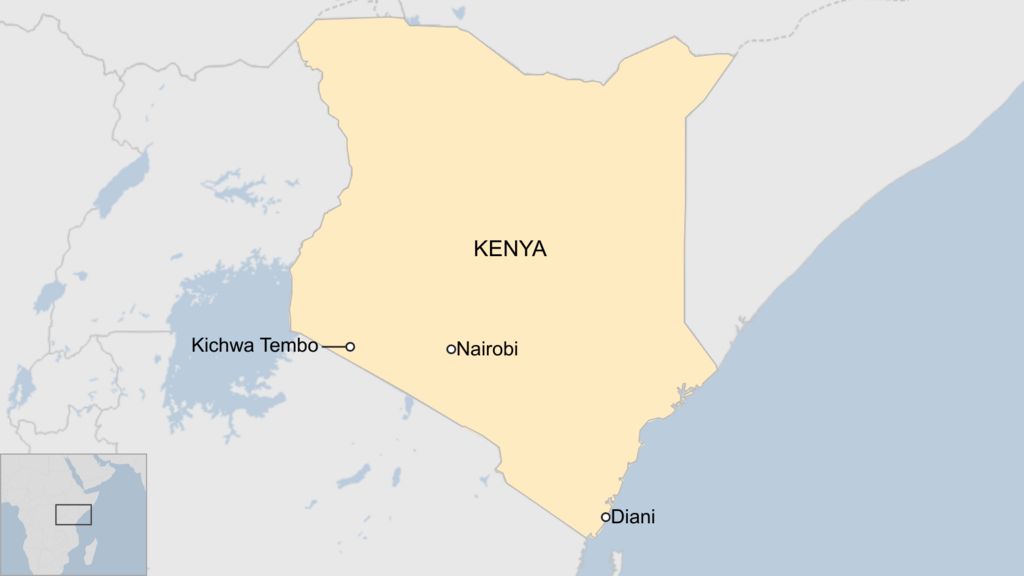
A devastating plane crash occurred in Kwale, near Kenya’s coast, early Tuesday morning, according to the Kenya Civil Aviation Authority (KCAA). The aircraft, carrying 12 passengers, was en route from the coastal town of Diani to Kichwa Tembo, a popular resort within a game park, when it crashed at approximately 05:30 local time (02:30 GMT). Initial reports suggest that tourists were among those on board. Kenyan media outlets have released harrowing images of the wreckage, showing the plane engulfed in flames with debris scattered across the crash site. The KCAA has confirmed that government agencies are actively investigating the incident to determine the cause of the accident and evaluate its broader impact. This tragic event has sent shockwaves through the region, raising concerns about aviation safety in the area. For further updates and comprehensive coverage of news across the African continent, visit BBCAfrica.com or follow BBC Africa on social media platforms such as Twitter, Facebook, and Instagram.
-
Small plane carrying foreign tourists crashes in Kenya, with 12 people feared dead
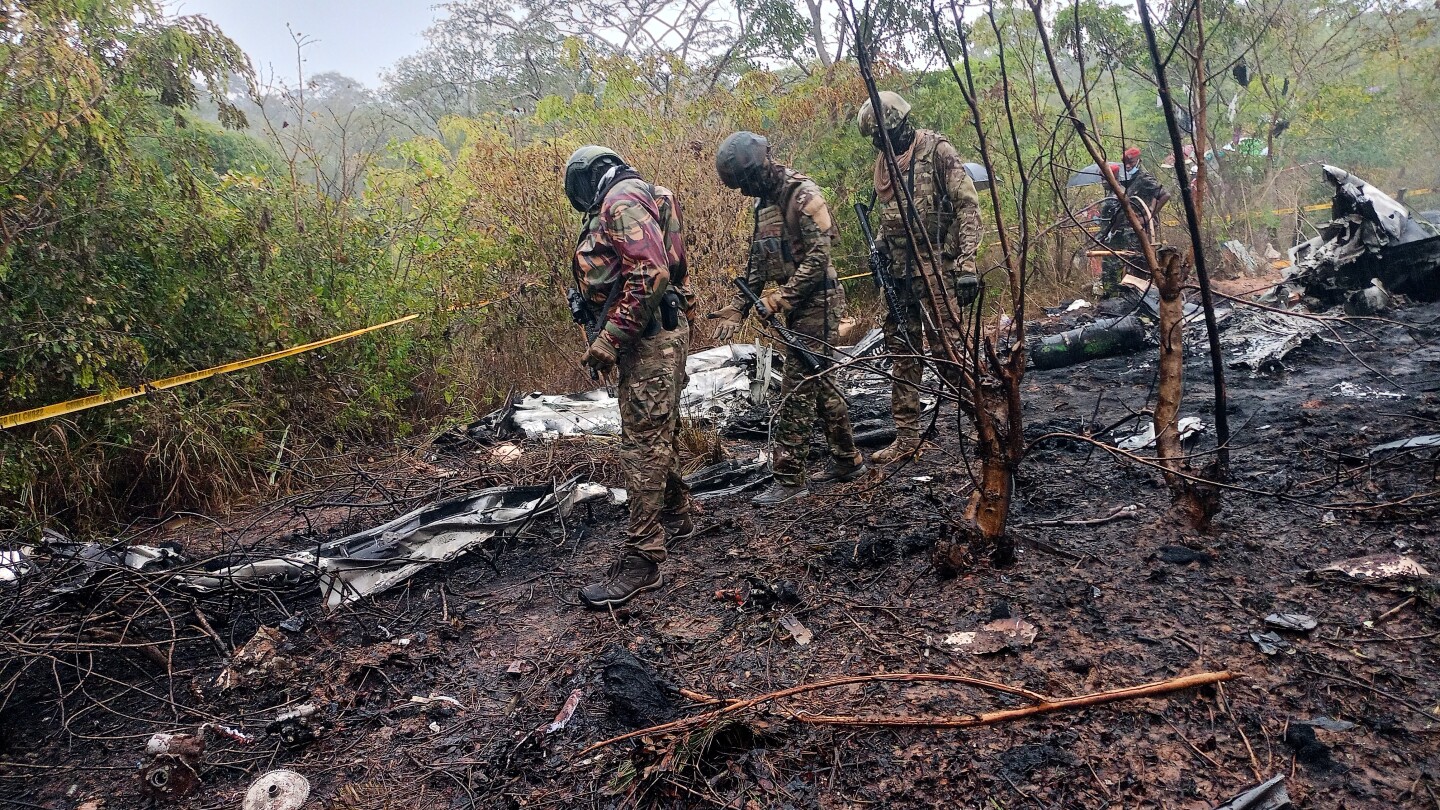
A devastating plane crash occurred in Kenya’s coastal region of Kwale early Tuesday, resulting in the feared deaths of all 12 individuals on board. The aircraft, a Cessna Caravan, was en route to the renowned Maasai Mara National Reserve when it crashed in a hilly, forested area approximately 40 kilometers (25 miles) from Diani airstrip. According to Kwale County Commissioner Stephen Orinde, the passengers were all foreign tourists, with their nationalities yet to be confirmed. The Kenya Civil Aviation Authority has initiated an investigation into the cause of the crash, though details regarding the number of passengers versus crew remain unclear. Witnesses reported hearing a loud explosion before discovering the charred wreckage and unrecognizable human remains at the scene. The airline involved, Mombasa Air Safari, has stated it is cooperating with authorities and will provide updates through the civil aviation body. The Maasai Mara National Reserve, a top tourist attraction known for the annual wildebeest migration, is a significant draw for visitors from around the globe.
-
Sudan’s army loses key city of el-Fasher to paramilitary RSF after 18-month siege
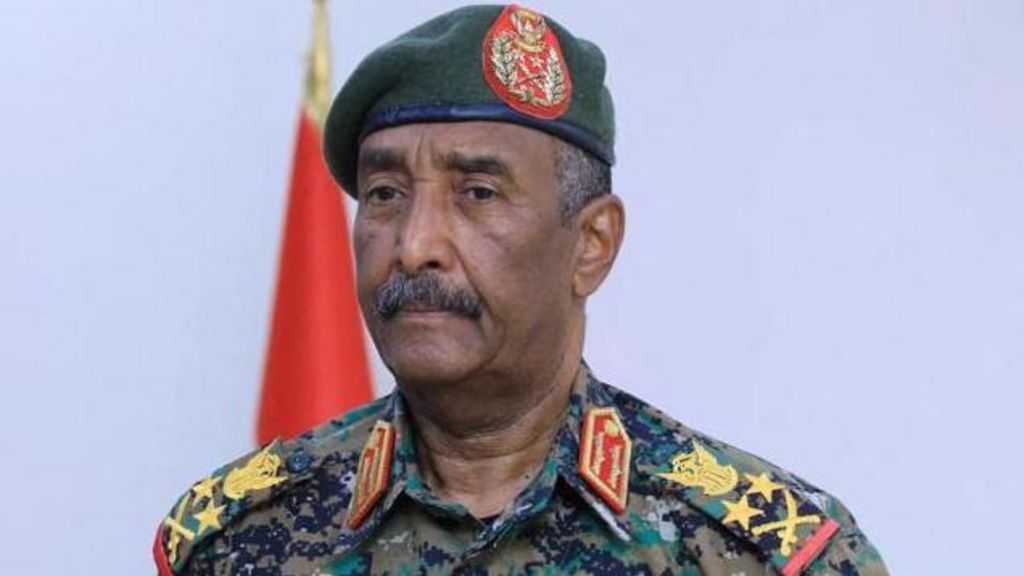
In a significant development in Sudan’s ongoing conflict, the Sudanese military has withdrawn from its last stronghold in the western region of Darfur, el-Fasher, following the paramilitary Rapid Support Forces (RSF) claiming control of the city. General Abdel Fattah al-Burhan, Sudan’s military chief, announced the decision in a televised address, citing the need to protect civilians from “systematic destruction and killing.” He emphasized that the withdrawal was coordinated with local leaders to safeguard remaining residents and prevent further devastation. The United Nations has expressed grave concern over reports of atrocities committed by the RSF in el-Fasher, urging safe passage for trapped civilians. UN Secretary-General Antonio Guterres condemned the violations of international humanitarian law and human rights abuses, highlighting the dire humanitarian crisis in the region. The 18-month siege of el-Fasher and North Darfur has resulted in widespread suffering, with malnutrition, disease, and violence claiming lives daily. The UN Human Rights Office has warned of escalating ethnically motivated atrocities and called on influential states to act. General Burhan criticized the international community’s inaction and vowed to reclaim the region. The fall of el-Fasher marks a pivotal moment in Sudan’s war, which has displaced nearly 12 million people and killed tens of thousands since April 2023. The RSF’s control over all five state capitals in Darfur solidifies its parallel administration in Nyala, South Darfur’s capital.
-
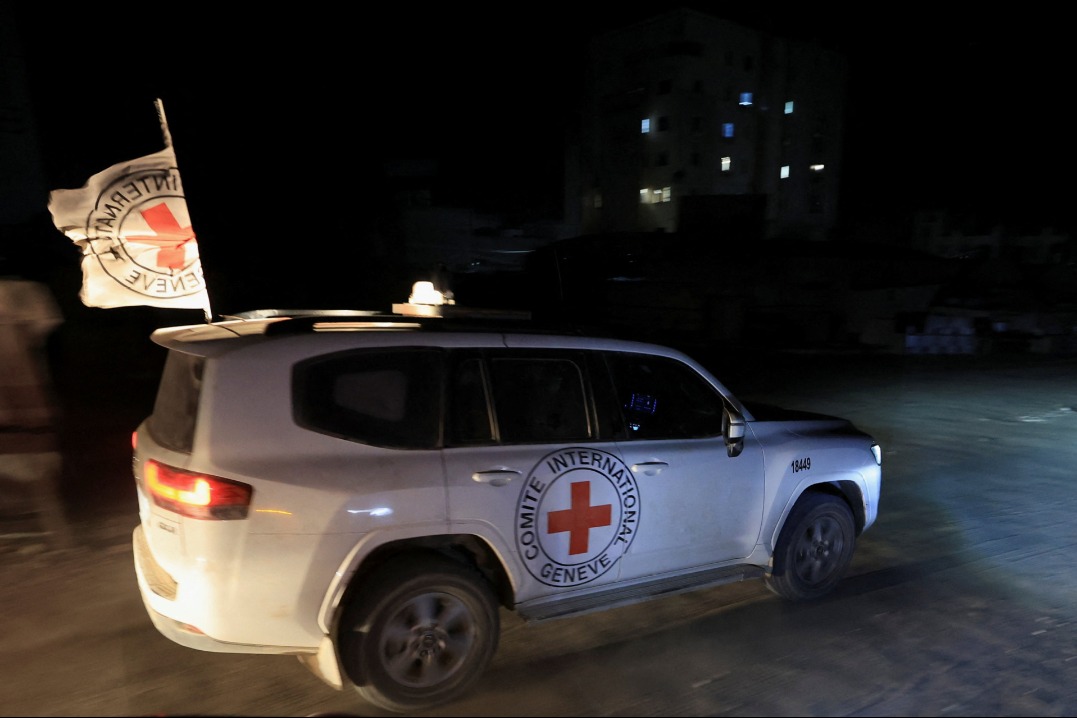
Red Cross transfers body of hostage held by Hamas to Israel
In a significant development amid the ongoing ceasefire between Israel and Hamas, the International Committee of the Red Cross (ICRC) facilitated the transfer of the body of a deceased hostage from Gaza to Israel on Monday night. The hostage, whose identity remains undisclosed, had been held by Hamas since the October 7, 2023, attack. The transfer was part of a broader ceasefire agreement and a hostage-prisoner swap deal between the two parties. Hamas handed over the coffin to the ICRC in Gaza City, which subsequently delivered it to the Israeli military and the Shin Bet security agency. The body will undergo identification at the National Center of Forensic Medicine in Tel Aviv, after which the family will be officially notified. A Hamas source revealed that the body was recovered earlier in the day from the Al-Tuffah neighborhood in eastern Gaza City. This exchange marks the latest in a series of transfers under the ceasefire, which has seen Hamas release all 20 living Israeli hostages and Israel free approximately 2,000 Palestinian detainees. Israel estimates that the bodies of 28 hostages remain in Gaza, with some killed before capture and others dying in captivity. Hamas has previously returned 15 bodies.
-
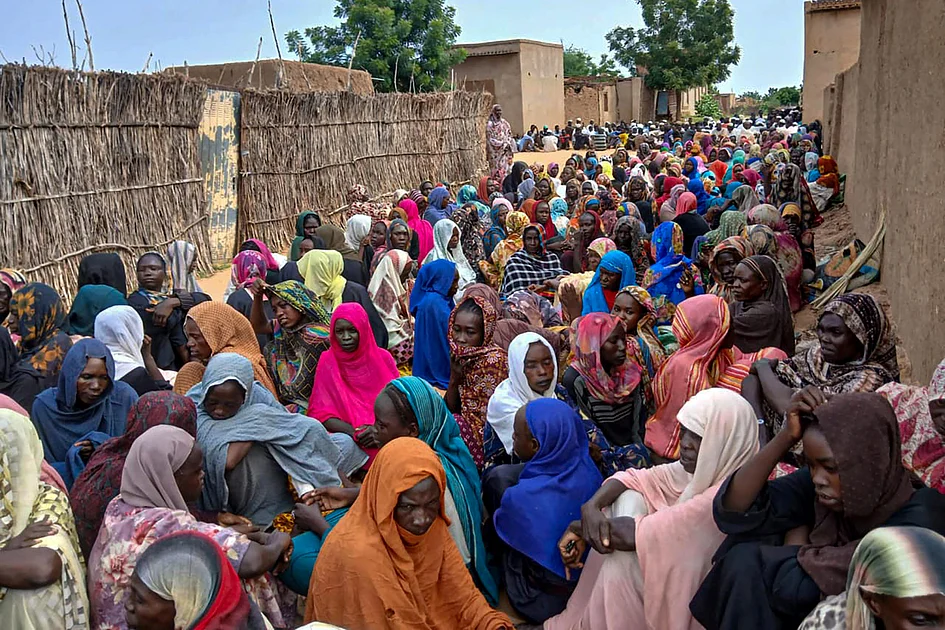
WHO decries deadly attack on only functioning hospital in Sudan’s El-Fasher
The World Health Organization (WHO) has issued a stern condemnation following a deadly assault on the only partially functional hospital in El-Fasher, Sudan. WHO Director-General Tedros Adhanom Ghebreyesus revealed on Monday that the Saudi Maternity Hospital was targeted in the attack, resulting in the tragic death of one nurse and injuries to three other healthcare workers. Ghebreyesus expressed deep concern over the inability to gather further details due to a communication blackout in the region, which has severely hampered verification efforts. He urgently called for an immediate cessation of hostilities to safeguard healthcare facilities and personnel. The attack underscores the dire humanitarian situation in Sudan, where ongoing conflict continues to devastate critical infrastructure and endanger lives. The WHO has repeatedly emphasized the importance of protecting medical facilities during conflicts, as they are vital for providing life-saving care to vulnerable populations. This incident highlights the urgent need for international intervention to address the escalating crisis in Sudan and ensure the safety of healthcare workers and civilians alike.
-
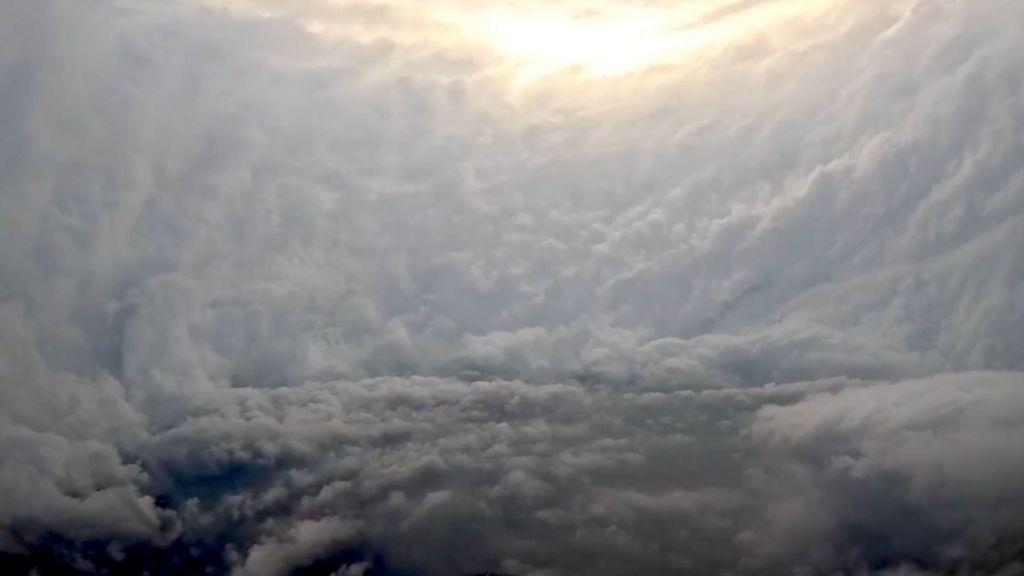
Watch: Storm chasers fly inside the eye of Hurricane Melissa
In a breathtaking display of nature’s fury, the US Air Force Reserve’s elite ‘Hurricane Hunters’ have captured unprecedented footage from within the eye of Hurricane Melissa, a formidable Category 5 storm currently ravaging the Caribbean. The video, shared widely across media platforms, reveals the storm’s intensifying power as it churns through the region. The Hurricane Hunters, a specialized crew tasked with flying directly into hurricanes to gather critical data, provide invaluable insights into the storm’s structure and behavior. This daring mission not only aids meteorologists in predicting the hurricane’s path but also underscores the immense risks faced by those who confront such extreme weather phenomena head-on. As Hurricane Melissa continues to strengthen, the footage serves as a stark reminder of the Caribbean’s vulnerability to such catastrophic events.
-
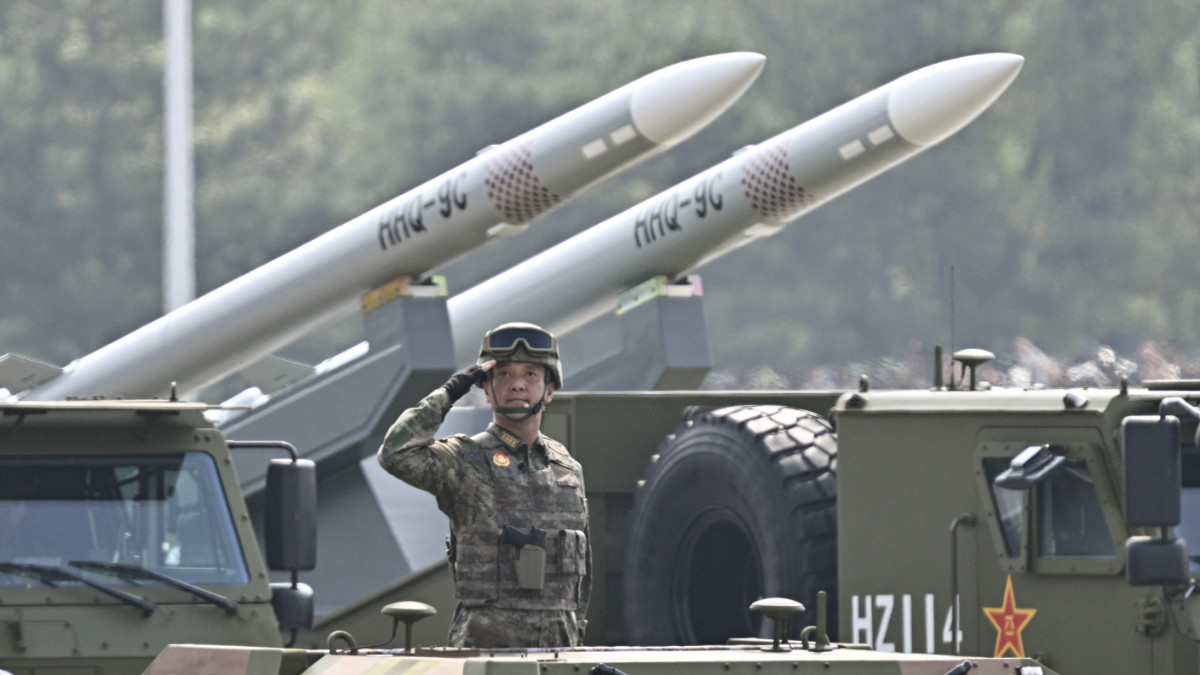
UAE firm provided technology for China to upgrade missiles: Report
In a revelation that has sparked significant geopolitical tension, US intelligence agencies discovered in 2022 that the United Arab Emirates (UAE) provided China with advanced technology to enhance the range of its air-to-air missiles. According to a report by The Financial Times, the technology was transferred by G42, the UAE’s leading AI group, chaired by Sheikh Tahnoon bin Zayed al-Nahyan, the country’s national security adviser. The technology was reportedly passed on to Chinese tech giant Huawei, which utilized it to upgrade China’s PL-15 and PL-17 missiles, potentially giving China a strategic advantage over the US in aerial combat. The technology included software to optimize missile flight, though it remains unclear whether G42 was aware it would be used by China’s People’s Liberation Army. While the UAE may not have violated any laws, the transaction has raised concerns among US officials about the implications for future cooperation with the Gulf state. The advanced nature of the technology could provide Chinese fighter jets with a tactical edge in potential conflicts, particularly over Taiwan. This incident has further strained US-UAE relations, which were already under pressure due to disagreements over Middle Eastern and European policies, as well as the UAE’s perceived alignment with China in technology and military projects. The Biden administration has previously expressed concerns about the UAE’s ties with China, including its involvement in a Chinese port project near Abu Dhabi. Meanwhile, the UAE’s recent agreement to purchase advanced AI chips from Nvidia has faced delays, with US officials reportedly seeking to restrict direct access to these chips for G42.
-

Philippines bans price hikes on basic goods until end of 2025
In a decisive move to stabilize the cost of living, Philippine President Ferdinand Marcos Jr. has mandated a price freeze on basic necessities and prime commodities until the end of 2025. The directive, issued through the Department of Trade and Industry (DTI), aims to curb inflation and ensure affordability during the holiday season and beyond. The price freeze encompasses a broad spectrum of essential items, including canned foods, dairy products, bottled water, instant noodles, condiments, and household staples like candles. President Marcos emphasized the importance of maintaining close collaboration between the DTI and manufacturers to prevent unwarranted price hikes. The announcement was made by Palace press officer Claire Castro during the 47th Association of Southeast Asian Nations (ASEAN) Summit in Kuala Lumpur, Malaysia. DTI Secretary Cristina Roque confirmed that all stakeholders have pledged their cooperation to uphold the price freeze, particularly for imported rice and other food products. This measure underscores the government’s commitment to safeguarding consumer welfare amidst economic challenges.
-

The Indian village which saw the homecoming of one of the world’s oldest rebels
After more than six decades, Thuingaleng Muivah, the 91-year-old general secretary of the National Socialist Council of Nagalim (Isak-Muivah) or NSCN (I-M), returned to his native village of Somdal in Manipur, India. Muivah, once a prominent figure in one of Asia’s longest-running insurgencies, was greeted by a jubilant crowd that sang and draped him in a traditional shawl. His return marks a poignant moment in the Naga struggle for sovereignty, a movement that has sought either full independence or a ‘Greater Nagaland’ uniting Naga people across borders. Born in Manipur, Muivah left his village in 1964 to join the Naga National Council (NNC), later co-founding the NSCN in 1980. The NSCN (I-M) has been accused of extortion and running a parallel government, allegations it denies. Despite a ceasefire with India since 1997, Muivah’s demands for a separate Naga flag and constitution remain unresolved. Critics argue that his movement has lost its former influence, while supporters see him as a symbol of resilience. Muivah’s return, though deeply personal, underscores the enduring but fading aspirations of the Naga people.