
As the APEC Economic Leaders’ Meeting convenes in Gyeongju, Republic of Korea, China has emerged as a focal point of discussions. Amid significant economic challenges in the Asia-Pacific region, China’s role is increasingly pivotal. Experts highlight how China’s strategies and collaborations could drive regional recovery and sustainable growth. Herman Tiu Laurel, president of the Asian Century Philippines Strategic Studies Institute, emphasized China’s potential to revitalize APEC through free trade agreements, regional value chains, and investments in digital and green economies. He pointed to China’s zero-tariff policy for African exports and infrastructure projects in APEC nations as key initiatives enhancing economic resilience. Sourabh Gupta, a senior fellow at the Institute for China-America Studies, underscored the importance of China and APEC in defending trade multilateralism and regional development. He noted that the next three decades of Asia-Pacific cooperation will be more challenging, requiring a united effort to maintain the region’s economic dynamism. As APEC leaders strive to innovate and prosper, China’s active participation and collaboration with other members are seen as essential to addressing current challenges and fostering a sustainable future. The spirit of cooperation is crucial for building a resilient global economy and ensuring collective prosperity.
分类: world
-
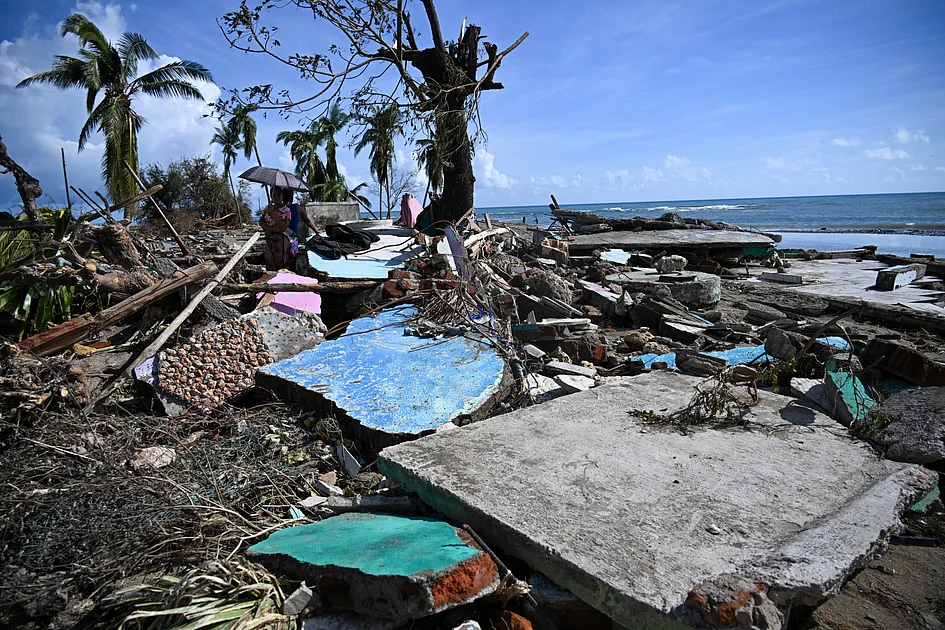
UAE swiftly responds to aid people affected by hurricane Melissa
In a swift and decisive move, the United Arab Emirates (UAE) has mobilized emergency relief efforts to assist communities devastated by Hurricane Melissa, which recently wreaked havoc across Jamaica, Haiti, and Cuba. Through the UAE Aid Agency and in collaboration with the Caribbean Disaster Emergency Management Agency (CDEMA), the UAE has dispatched critical supplies, including food, shelter materials, and infrastructure support, to aid recovery efforts. This initiative underscores the UAE’s commitment to global humanitarianism and its dedication to assisting vulnerable populations during times of crisis. Dr. Tareq Ahmed Al Ameri, Chairman of the UAE Aid Agency, emphasized the nation’s proactive approach to disaster response, highlighting its role in providing essential resources such as food, medicine, and shelter to those in need. The UAE’s efforts reflect its longstanding tradition of solidarity with nations facing natural disasters, wars, and conflicts, reinforcing its ethical and international responsibilities.
-
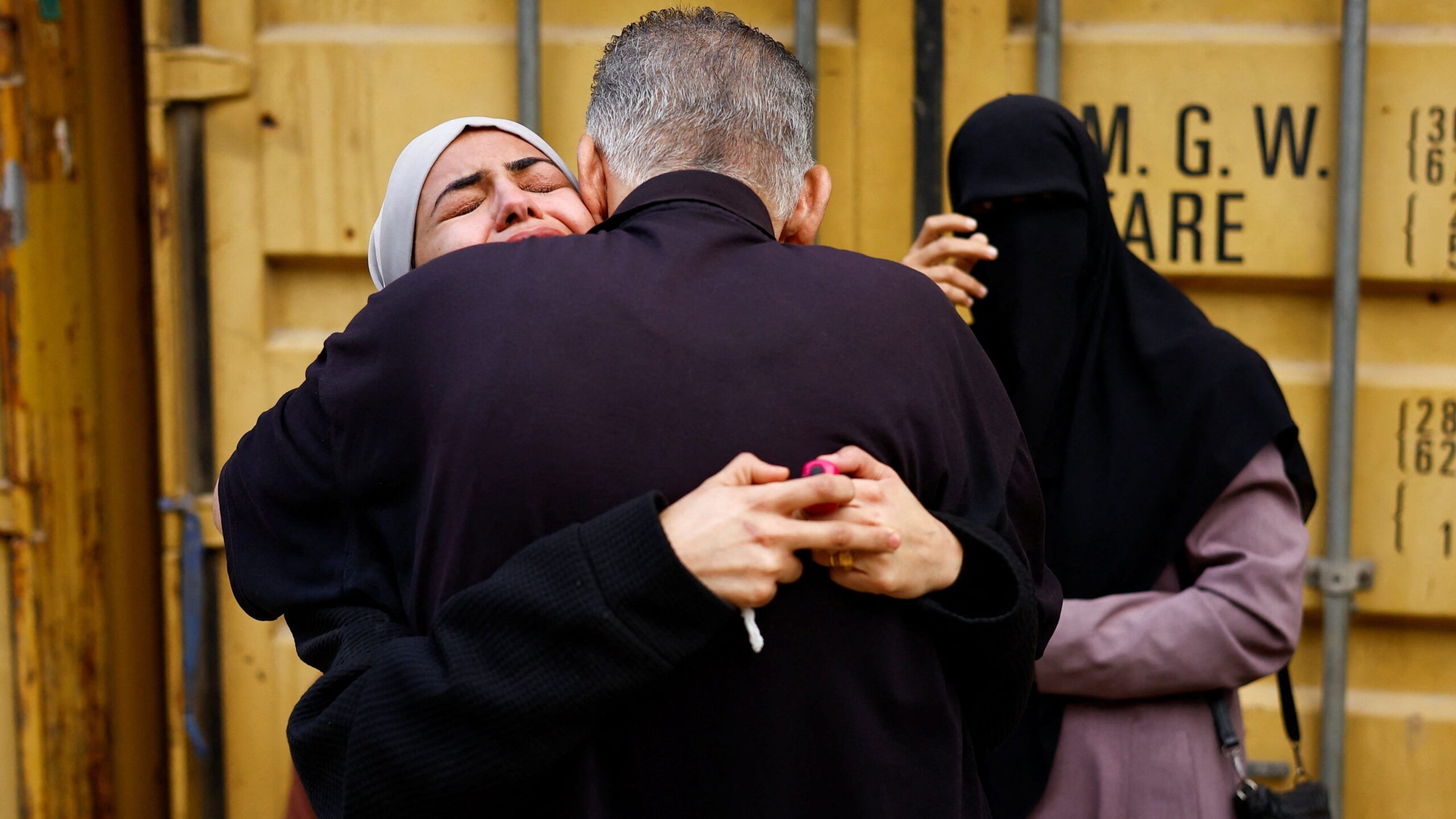
Israel once again violates Gaza ceasefire in fresh attacks and killings
The Gaza Strip witnessed renewed violence on Friday as Israeli military operations resulted in the deaths of at least five Palestinians, despite earlier announcements of a ceasefire resumption. Local media reported that Israeli forces carried out demolitions, artillery shelling, and aerial bombardments across the region, with the highest casualties recorded in Gaza City and Khan Younis. Among the victims was a young man killed in an air strike on his home in Abasan al-Kabira, east of Khan Younis, while another succumbed to injuries from a prior attack. Israeli troops also opened fire in the Shujaiya neighborhood, east of Gaza City, killing one and injuring another. A fourth fatality occurred near al-Jalaa Street, and a fifth Palestinian was killed in Jabalia, north Gaza, after Israeli forces targeted civilians. These assaults have exacerbated the humanitarian crisis affecting over two million people in the besieged enclave. Since October 11, Israel has committed at least 125 ceasefire violations, with the death toll surpassing 100 Palestinians and dozens more injured. Displaced families in Khan Younis expressed fears of a return to full-scale conflict, citing sleepless nights and dwindling supplies. Health officials have raised alarms over the severe shortage of necessities, with only a limited number of food aid trucks entering Gaza through the Kissufim crossing. Al Jazeera reported that Israel’s blockade continues to restrict humanitarian efforts, despite agreements to allow aid. Over 1,000 Palestinians in need of medical treatment have died due to Israel’s restrictions on essential supplies. Since October 2023, Israeli forces have killed nearly 70,000 Palestinians and wounded over 170,000. In a related development, the bodies of 30 Palestinians were handed over to the Palestinian Ministry of Health as part of a prisoner exchange deal with Hamas. The ministry confirmed that some bodies showed signs of severe torture, with missing organs and limbs. Hamas has released 20 Israeli captives in exchange for approximately 2,000 Palestinian prisoners and has returned 15 out of 28 deceased Israeli captives, with the remainder expected to be handed over once recovered.
-
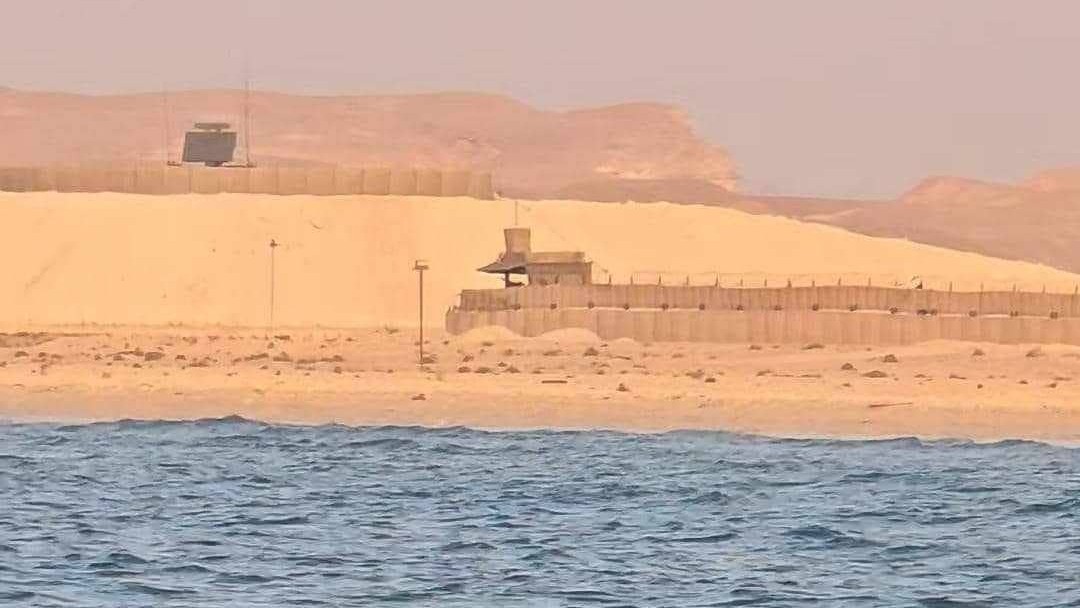
Exclusive: Inside the UAE’s secret Sudan war operation at Somalia’s Bosaso
At Bosaso Airport in Somalia’s Puntland state, the roar of heavy cargo planes has become a familiar sound. These aircraft, identified as IL-76 transport planes, are part of a clandestine operation that has raised eyebrows among local residents and international observers alike. According to multiple sources, including flight tracking data and satellite imagery, these planes originate from the United Arab Emirates (UAE) and are destined for Sudan’s Rapid Support Forces (RSF), a paramilitary group accused of committing atrocities in the ongoing conflict in Darfur. The logistics materials transported are immediately transferred to standby aircraft, ensuring swift delivery to the RSF. The operation is shrouded in secrecy, with heavy security measures in place during loading and offloading. Local authorities, including the Puntland Maritime Police Force (PMPF), have expressed concerns over the nature of these shipments, which are not for domestic use but rather serve as a covert transit point. The UAE has long funded the PMPF to combat piracy, but the recent influx of weapons and logistical support has strained relations between Mogadishu and Abu Dhabi. The presence of Colombian mercenaries at Bosaso Airport further complicates the situation, as they are reportedly involved in the conflict in Sudan. The UAE’s expanding influence in the region, driven by strategic interests and financial leverage, has drawn criticism from analysts who warn of the potential for broader geopolitical rivalries. Despite the concerns, Mogadishu has been unable to challenge the UAE’s activities in Puntland, highlighting the complex dynamics at play in the Horn of Africa.
-
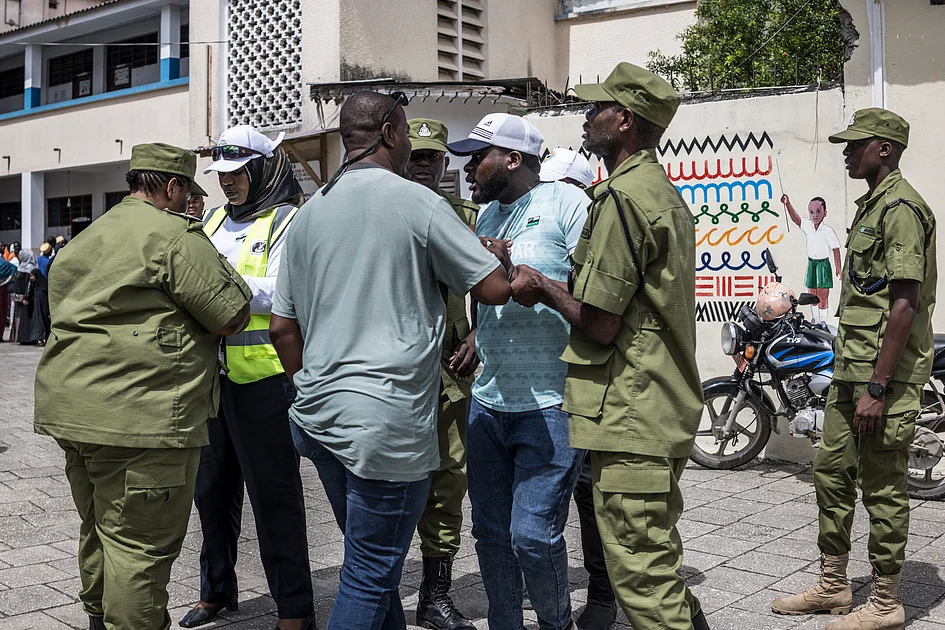
‘Around 700 dead’ in Tanzania election protests, opposition party says
In a tragic escalation of tensions surrounding Tanzania’s recent elections, the main opposition party, Chadema, has reported that approximately 700 people have lost their lives during three days of violent protests. The unrest, which erupted in the economic capital Dar es Salaam and other regions, saw demonstrators marching towards the city center on Friday, according to party spokesman John Kitoka. Kitoka stated that the death toll in Dar es Salaam alone is estimated at 350, with an additional 200-plus fatalities in Mwanza and other areas across the country. A security source corroborated these figures, indicating a widespread and devastating impact. The protests have underscored deep political divisions and raised concerns about the state of democracy and human rights in Tanzania. Authorities have yet to officially confirm the numbers or provide a detailed response to the crisis.
-
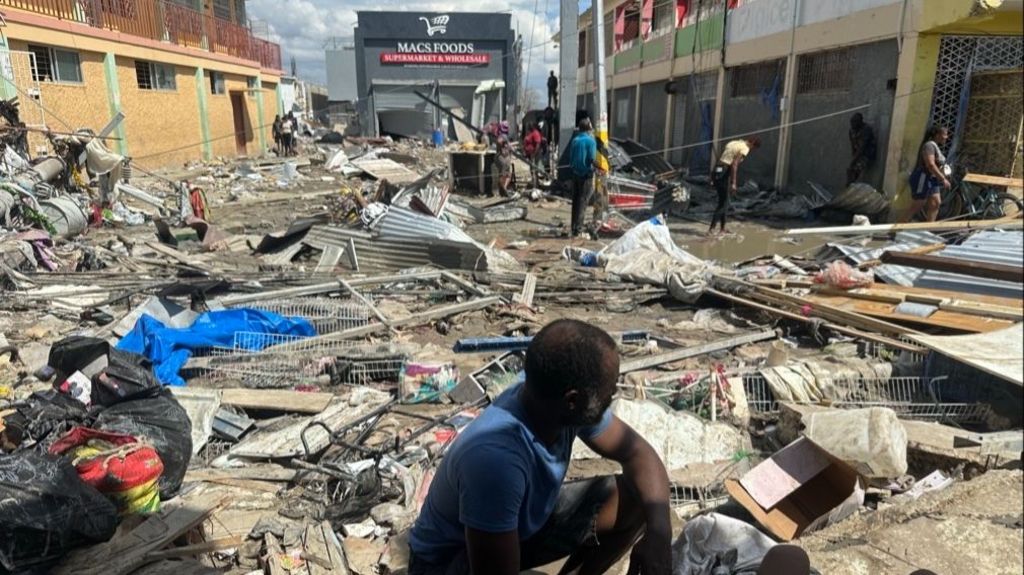
‘No inch here was spared’: Hurricane Melissa destroys Jamaica town
The coastal town of Black River in Jamaica has been left in ruins following the catastrophic impact of Hurricane Melissa, the most powerful storm to strike the country in modern history. BBC correspondent Nada Tawfik, reporting from the scene, described a landscape of utter devastation, with no area left untouched by the hurricane’s fury. Homes, businesses, and infrastructure have been reduced to rubble, leaving residents in a state of desperation and despair. The storm’s unprecedented intensity has overwhelmed local authorities, who are now scrambling to provide emergency aid and assess the full extent of the damage. The international community is being called upon to assist in the recovery efforts, as Jamaica faces one of its most challenging moments in recent memory. The aftermath of Hurricane Melissa serves as a stark reminder of the increasing severity of weather events in the era of climate change, prompting urgent discussions about disaster preparedness and resilience in vulnerable regions.
-
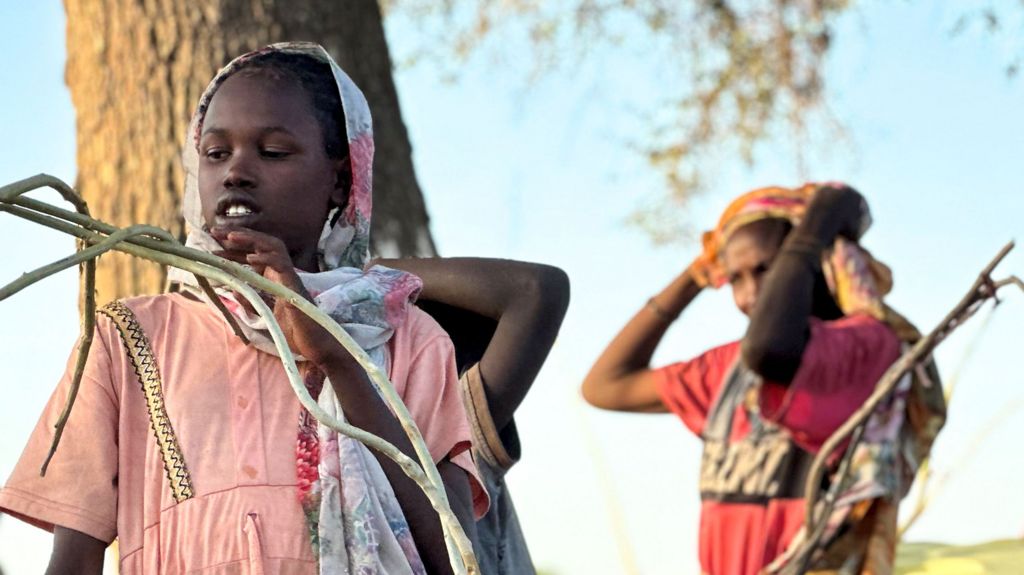
More than 60,000 flee Sudanese city after its capture by RSF militia – UN
The humanitarian crisis in Sudan has reached alarming levels as the Rapid Support Forces (RSF) consolidate control over western regions, including the strategically significant city of el-Fasher. Reports from the ground reveal harrowing conditions, with over 150,000 people trapped in el-Fasher, many suffering from severe malnutrition. Survivors of the siege have recounted witnessing executions and widespread abuse by armed militias. The RSF has denied allegations of ethnically motivated killings, but its detention of Abu Lulu, a militiaman accused of summary executions, has drawn international attention. TikTok has banned an account linked to Lulu, though it remains unclear if he personally managed it. The conflict, which erupted in April 2023 between the Sudanese army and the RSF, has claimed over 150,000 lives and displaced 12 million people, creating what the UN describes as the world’s largest humanitarian crisis. The RSF now dominates western Sudan and parts of Kordofan, while the army retains control of Khartoum and eastern regions. The two factions, once allies in a 2021 coup, have since clashed over a transition to civilian rule, plunging the nation into chaos.
-
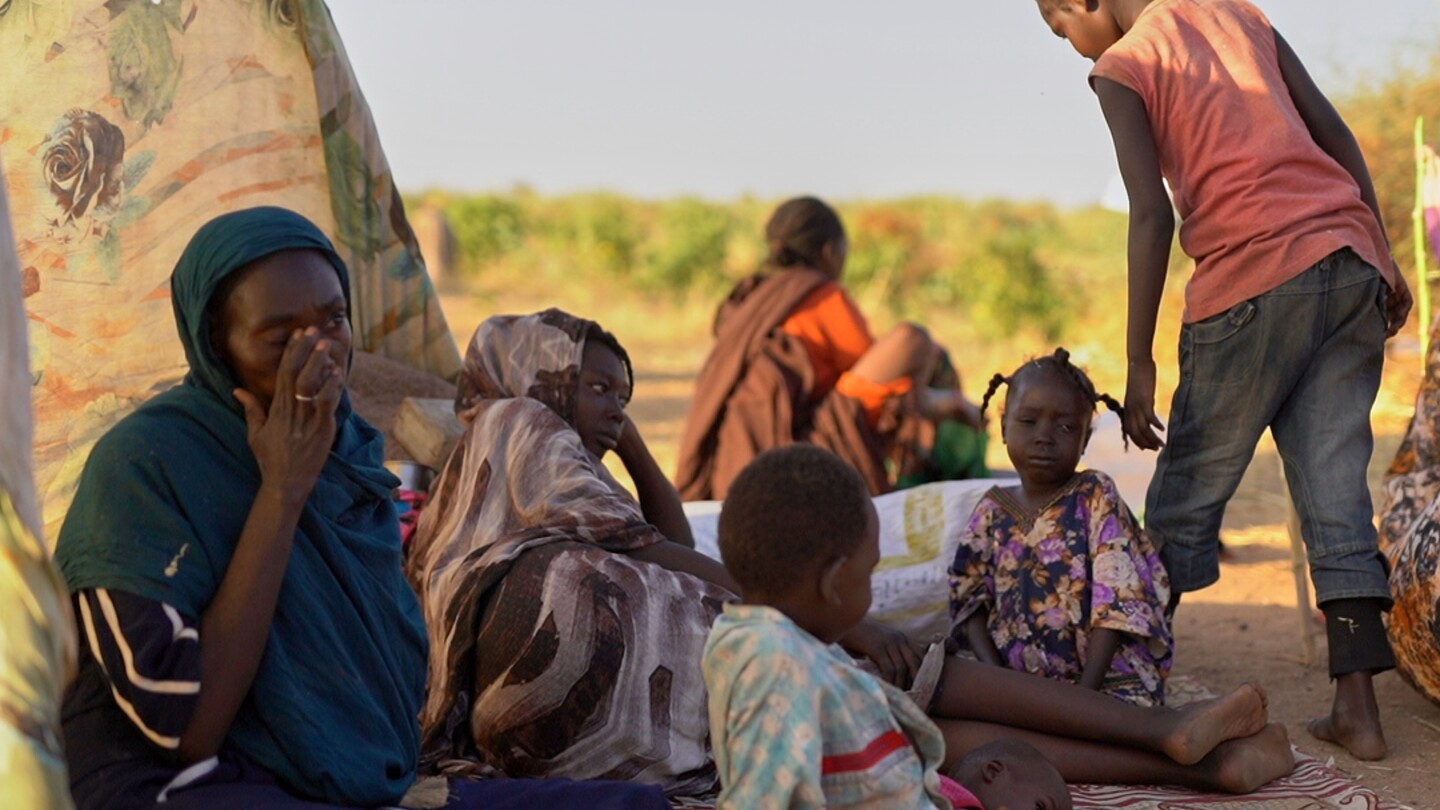
Militia attack on hospital in Darfur came in waves, WHO says
In a harrowing escalation of Sudan’s ongoing conflict, gunmen affiliated with the Rapid Support Forces (RSF) launched a brutal attack on a hospital in the Darfur region, killing at least 460 people, according to the World Health Organization (WHO). The assault, which occurred in multiple waves, involved the abduction of medical staff and the indiscriminate killing of patients and civilians seeking refuge. This atrocity marks a grim milestone in the two-year war between the RSF and Sudan’s military, which has already claimed over 40,000 lives and displaced more than 14 million people. The fall of el-Fasher, the military’s last stronghold in Darfur, signals a new phase in the conflict, raising fears of further violence and humanitarian catastrophe. Survivors recount horrifying journeys to safety, while aid groups warn of widespread famine and disease outbreaks. The RSF, a paramilitary group with roots in the Janjaweed militia, has been accused of repeated mass killings and sexual violence, particularly targeting civilians of Central and East African ethnicities. As communications remain down in el-Fasher, the full scale of the devastation is yet to be uncovered.
-
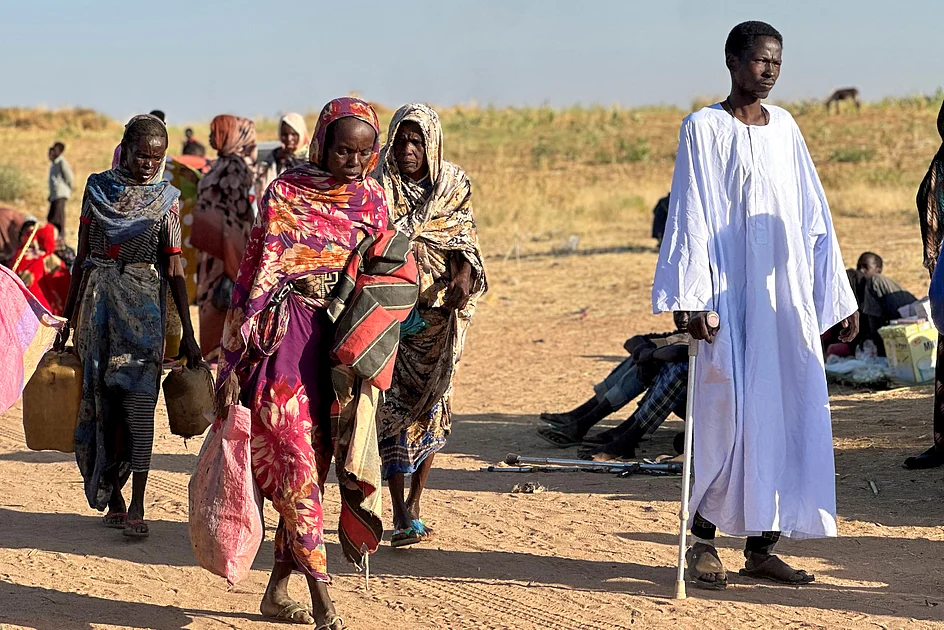
Sudan’s RSF arrests fighters accused of abuses in Al Fasher amid global outrage
In a significant development amid escalating global condemnation, Sudan’s paramilitary Rapid Support Forces (RSF) announced the arrest of several of its fighters accused of committing human rights abuses during the capture of Al Fasher, the capital of North Darfur. Among those detained is Abu Lulu, a figure identified in multiple execution videos circulating on social media platforms like TikTok. The RSF stated that the arrests were made in response to ‘violations that occurred during the liberation’ of the city. Al Fasher, home to approximately 300,000 people, has been described by the United Nations as an ‘epicentre of child suffering,’ with reports of intensified bombardment, artillery fire, drone strikes, and ground incursions by the RSF. The conflict between the RSF and Sudan’s regular army, which began in April 2023, has seen Al Fasher become the latest focal point of violence in the Darfur region. The United Arab Emirates, in a strong statement at the United Nations, condemned the ‘heinous attacks against civilians’ and pledged an additional $100 million in humanitarian aid. The international community has called for both warring parties to cease targeting civilians and exercise restraint.
-
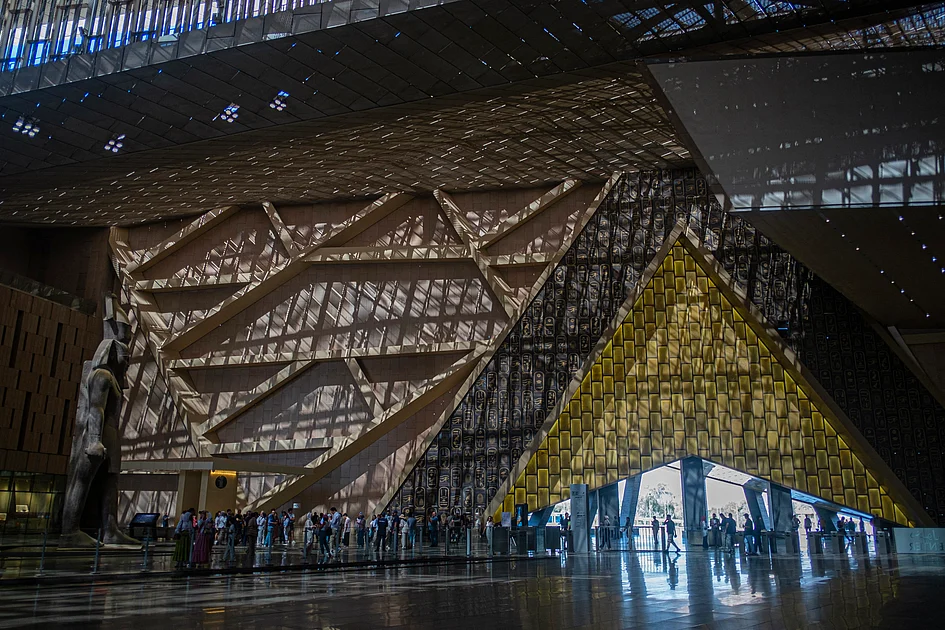
Tutankhamun treasures, Ramses statue: 5 major highlights at Grand Egyptian Museum
After two decades of meticulous planning and construction, the Grand Egyptian Museum (GEM) is set to open its doors on November 4, 2025, near the iconic Pyramids of Giza. This monumental $1 billion facility, spanning 24,000 square meters of exhibition space, is poised to become a global cultural landmark, attracting over 5 million visitors annually. Egyptian authorities have hailed it as “the largest cultural building of the 21st century.” The museum’s design, inspired by the nearby pyramids of Khufu, Khafre, and Menkaure, features a striking triangular glass structure created by Heneghan Peng Architects. It houses an impressive collection of 100,000 artefacts from Egypt’s 30 dynasties, with half on display and the remainder preserved for research and restoration. Among the highlights are the 11-meter granite statue of Ramses II, the complete collection of King Tutankhamun’s treasures, and the 4,600-year-old solar boat of Pharaoh Khufu. The museum also offers a panoramic view of the pyramids from its six-story staircase, lined with colossal statues and ancient tombs. With its state-of-the-art facilities, including laboratories and restoration workshops, the GEM aims to play a pivotal role in revitalizing Egypt’s economy while preserving its rich heritage.