分类: world

  • Hainan surpasses Dubai resident’s expectations

    Hainan surpasses Dubai resident’s expectations

    Awad Mohamed Bin AI Sheikh Magrin, the head of Dubai’s Travelers Festival Committee, recently embarked on a family trip to Boao, Hainan, which left him thoroughly impressed. ‘Hainan is a very beautiful island. I hadn’t expected it to be this beautiful until I came here,’ he remarked during his visit, which combined medical tourism with exploring the island’s investment potential. His connection to Hainan began in May during a significant meeting with a Hainan delegation in Dubai, where they discussed cooperation between the United Arab Emirates and the Hainan Free Trade Port. Having visited over a hundred countries, including Chinese cities and special administrative regions like Beijing, Guangzhou, Shenzhen, and Hong Kong, Awad noted that Hainan is ‘really very special.’

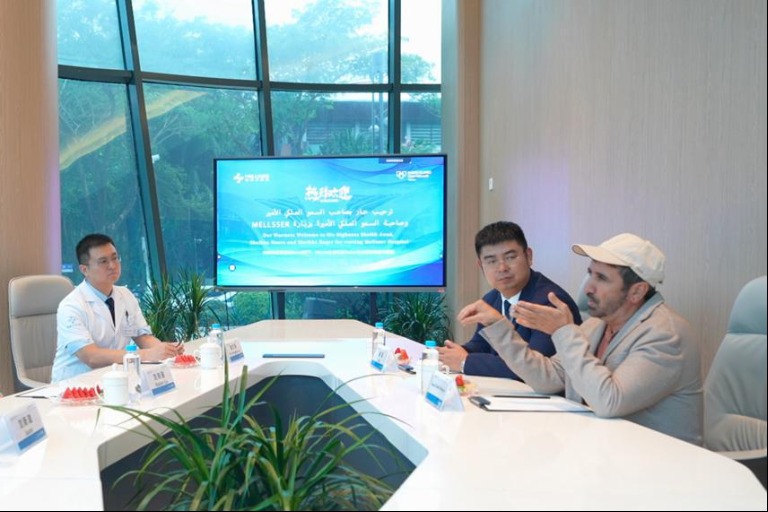
    A central part of his trip was visiting the Hainan Mellsser Hospital in the Boao Lecheng International Medical Tourism Pilot Zone. Drawn by the Hainan Free Trade Port preferential policies, Mellsser Hospital is a key medical enterprise in Hainan province, which has been striving to align with international standards in recent years. ‘The medical expertise and advanced technology… It’s more than what I imagine,’ said Awad, adding that he was impressed to learn the hospital is a member of the Mayo Clinic Care Network. ‘This will give more trust for the medical travelers.’

    He highlighted that the appeal of Boao Lecheng International Medical Tourism Pilot Zone, China’s sole ‘medical special zone,’ is perfectly suited for high-end patients. ‘Premium travelers often don’t want crowded places; they want clear air, good food, nice hospitality, a safe environment, and good medical treatment. This is all here in Boao.’ The seamless visa-free procedure and advanced facilities further solidified Awad’s positive impression. ‘My family is very happy to be here… even my wife was talking about inviting more of her family members here.’

    Looking ahead, Awad sees a ‘very bright future’ for Hainan and strong potential for collaboration with Dubai. ‘I think Dubai and Hainan Free Trade Port can cooperate in fields like medical tourism, trade, and technology,’ he said, expressing confidence that many more from the Middle East will soon discover this tropical island.
  • Magnitude 4.6 earthquake hits Musandam; tremors felt in UAE

    Magnitude 4.6 earthquake hits Musandam; tremors felt in UAE

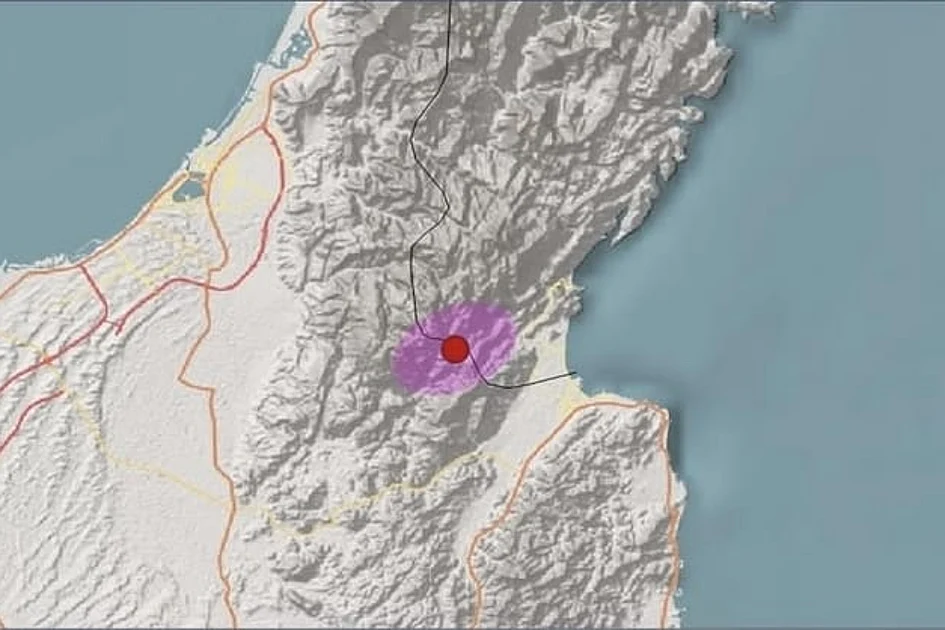
    A moderate earthquake measuring 4.6 on the Richter scale struck the southern region of Musandam on Tuesday, November 4, 2025, at 4:40 PM local time. The seismic event, recorded by the National Seismic Network of the National Centre of Meteorology (NCM), originated at a depth of 5 kilometers. While the tremors were felt by residents in the UAE, no significant damage or impact was reported in the country. The UAE, though not situated in a major earthquake-prone zone, occasionally experiences minor tremors due to its proximity to the seismically active Zagros mountain range, which spans Iran and Iraq. This region is known for frequent seismic activity, sometimes causing tremors to ripple into the Northern Emirates. Earlier this year, Oman’s Madha region, an exclave within the UAE, experienced a 2.2 magnitude quake in August, followed by a 3.3 magnitude tremor in Fujairah’s Safad area on August 22. Seismologist Mohamed Alhassani of the NCM highlighted that while such events are often centered far away, their effects can occasionally be felt in the UAE. The incident underscores the importance of continued seismic monitoring and public awareness in the region.

  • Iran releases two French nationals from detention

    Iran releases two French nationals from detention

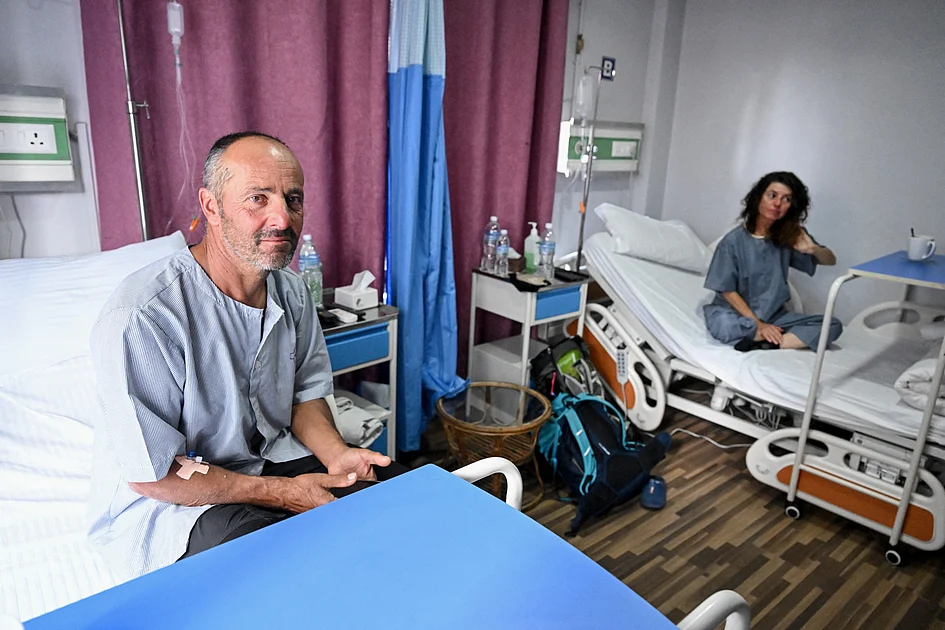
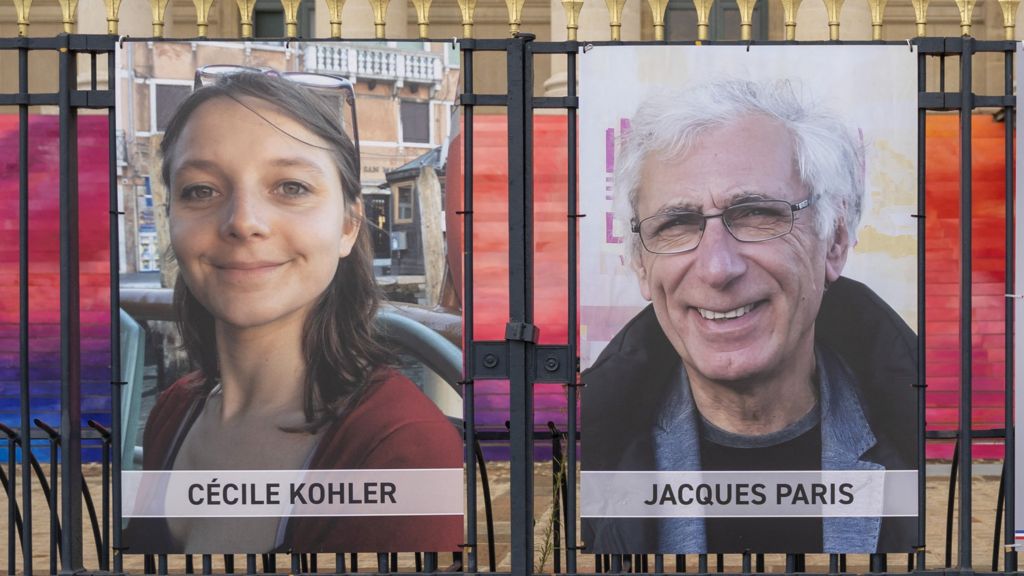
    In a significant diplomatic development, Iran has released two French nationals, Cécile Kohler, 41, and her partner Jacques Paris, 72, who had been detained since May 2022. French President Emmanuel Macron announced their release from Evin prison on Tuesday, with France’s foreign minister confirming their safety at the embassy in Tehran, pending their final return to France. Macron expressed relief at this initial step and emphasized ongoing dialogue to expedite their repatriation. The couple, arrested during a tourist trip, were the last French nationals held in Iran. Last month, Iranian state media reported they were convicted of espionage for France and Israel, receiving lengthy prison sentences. Their release follows a potential prisoner exchange deal involving Mahdieh Esfandiari, an Iranian woman detained in France on terrorism charges, who was conditionally released last month. France has repeatedly accused Iran of state hostage-taking and inhumane detention conditions, allegations Tehran denies. The legal team of Kohler and Paris, based in Paris, stated their 1,277-day arbitrary detention had ended, with their families maintaining their innocence. This development marks a pivotal moment in Franco-Iranian relations, though underlying tensions persist.

  • Britain’s richest man Gopichand Hinduja dies at 85

    Britain’s richest man Gopichand Hinduja dies at 85

    Gopichand Hinduja, the esteemed chairman of the Hinduja Group and Britain’s wealthiest individual, has passed away at the age of 85. The news of his demise was confirmed on Tuesday, November 4, 2025, in London, where he had been residing. Hinduja, a prominent figure in global business and philanthropy, leaves behind a legacy of immense contributions to industry and society. The Hinduja Group, a multinational conglomerate with diverse interests ranging from automotive to finance, flourished under his leadership, cementing its position as a powerhouse in the global economy. His passing marks the end of an era for the business world, as colleagues and admirers reflect on his visionary leadership and unwavering commitment to excellence. Tributes have poured in from across the globe, highlighting his impact on both the corporate and philanthropic landscapes. Gopichand Hinduja’s life and achievements will continue to inspire future generations, as his legacy endures through the institutions he built and the lives he touched.

  • ‘They’re forcing us to gain weight’: Select foods allowed in Gaza as essentials remain missing

    ‘They’re forcing us to gain weight’: Select foods allowed in Gaza as essentials remain missing

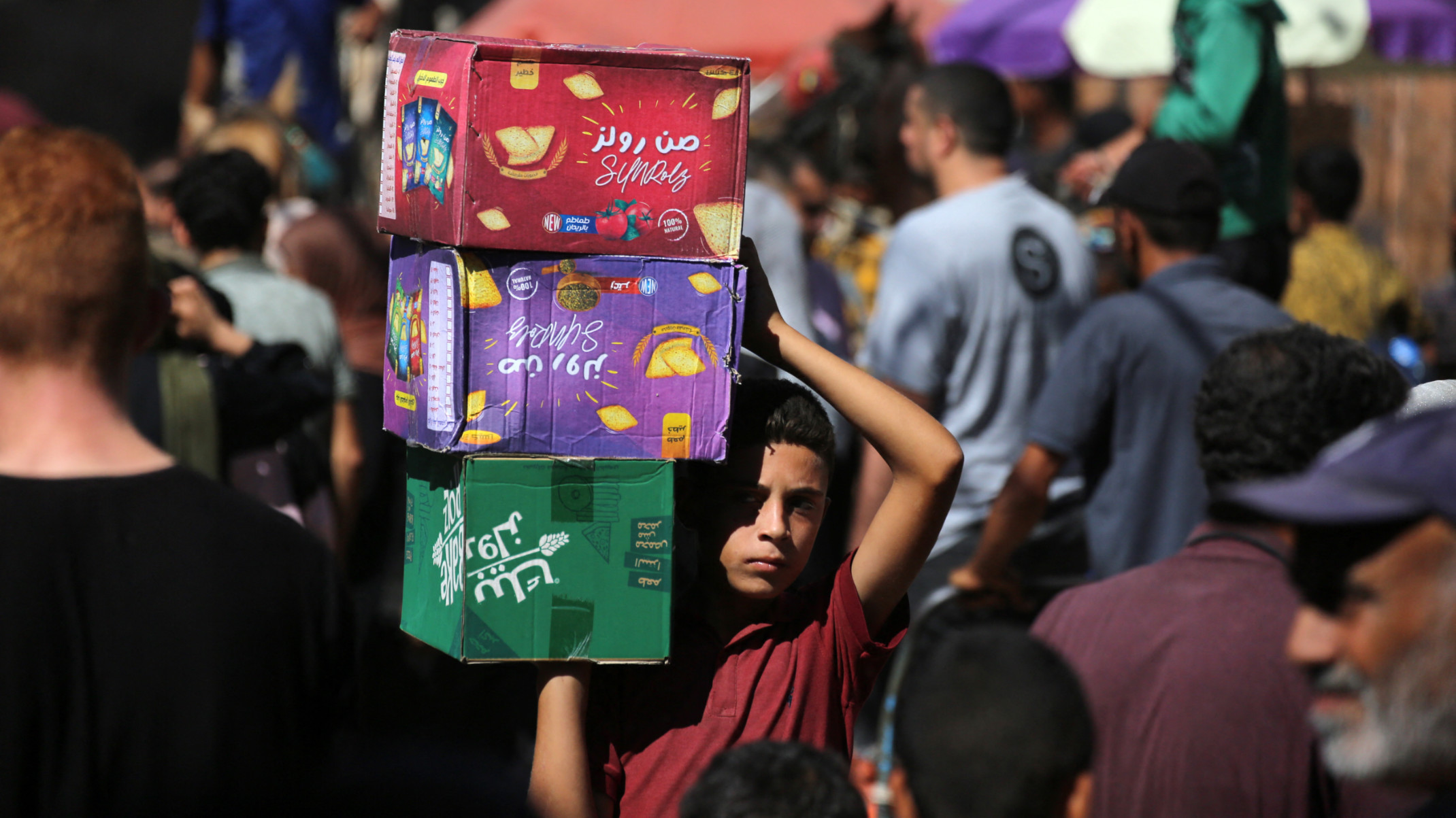
    In the wake of a ceasefire that ended two years of conflict, supermarkets in Gaza have reopened, revealing a stark contrast between the return of luxury items and the continued scarcity of essential goods. Monther al-Shrafi, a resident of Gaza City, observes shelves stocked with chocolates, soft drinks, and cigarettes—items that were once considered unattainable during the famine. However, basic necessities like eggs, fresh meat, and vital medicines such as antibiotics remain conspicuously absent. Shrafi laments, “Can you imagine that there is chocolate in Gaza while there are no antibiotics?”

    Following the ceasefire on October 10, Israeli authorities partially reopened the Kerem Shalom border crossing, allowing the entry of goods and international aid for the first time since March 2. While carbohydrates, starches, and sugary products like chocolate and candies have flooded the markets, animal proteins and dairy products are severely restricted. For instance, frozen chicken now costs around 80 shekels (approximately $25) per kilogram, making it unaffordable for most residents.

    Shrafi highlights the ongoing food crisis, stating that the available items are unhealthy and cannot replace basic natural foods. He recounts his futile search for painkillers for his daughter’s infected toe, underscoring the dire shortage of essential medicines. According to Gaza’s Ministry of Health, Israeli restrictions have led to significant shortages in drugs (56%), medical consumables (68%), and laboratory supplies (67%). Critical medical services, including orthopaedic and open-heart surgeries, face severe gaps.

    Israeli authorities control the entry of goods into Gaza, either through direct bans or by delaying import requests. While hundreds of truckloads have entered Gaza in recent weeks, the focus on carbohydrates and sugars has created a misleading impression of abundance. Abdallah Sharshara, a Gaza-based lawyer, argues that Israel is deliberately allowing certain items to conceal the visible signs of starvation. He notes that people are gaining weight unnaturally due to the reliance on processed foods, while fresh meat and eggs remain banned.

    Sharshara emphasizes that the partial entry of goods does not meet the actual needs of the population, stating, “Even if Israel allows some goods in, they do not truly reach the people.” The situation in Gaza remains a paradox, with luxury goods symbolizing a superficial recovery while the essential needs of the population continue to be unmet.

  • Hunger monitor says parts of South Sudan face famine threat after months without aid

    Hunger monitor says parts of South Sudan face famine threat after months without aid

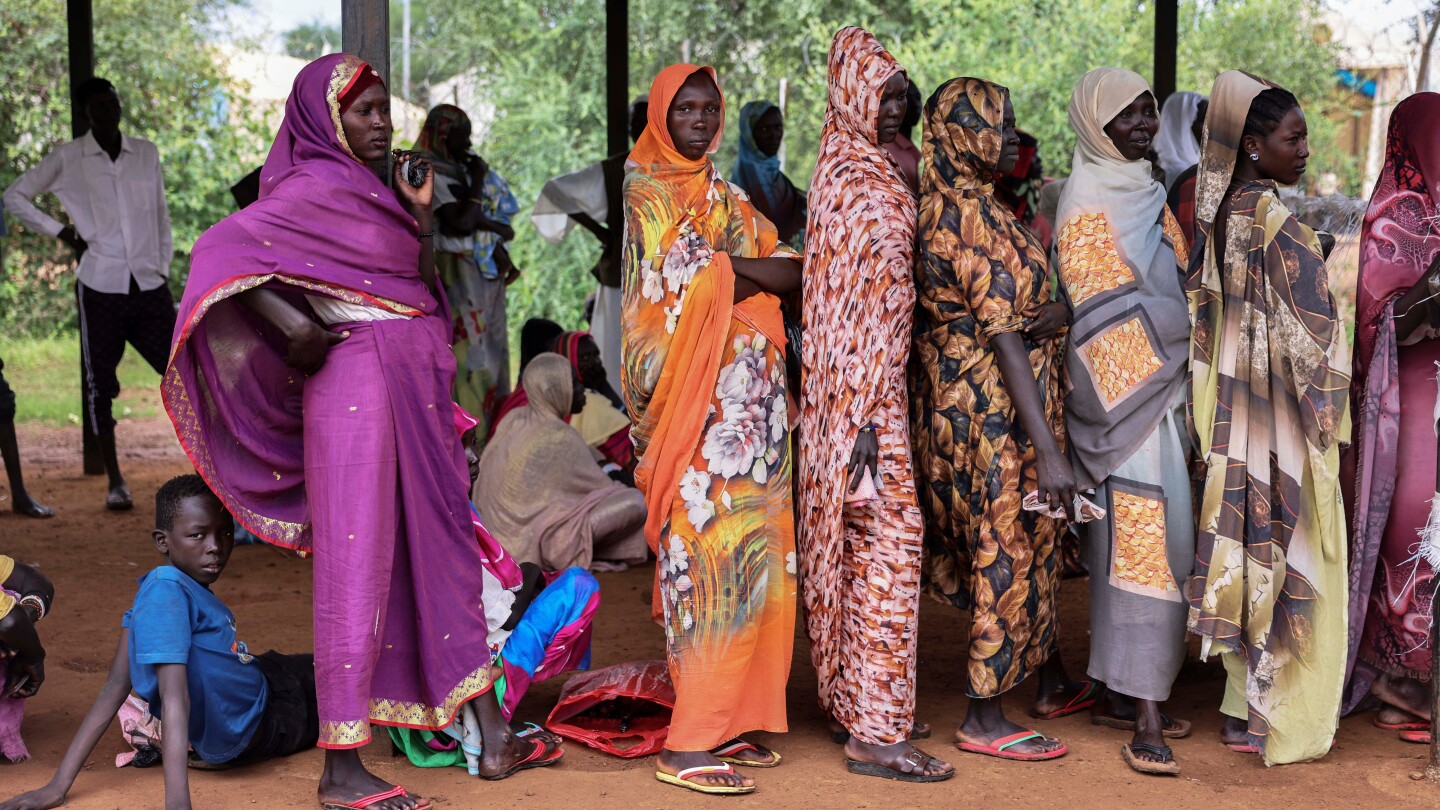
    In the conflict-ridden regions of South Sudan, a dire humanitarian crisis is unfolding as food aid fails to reach thousands of vulnerable people. According to a report released by the Integrated Food Security Phase Classification (IPC), a global monitor, approximately 28,000 individuals in Nasir and Fangak counties are experiencing “catastrophic food insecurity,” the most severe level of hunger. The IPC has called for an “immediate and large-scale response” to avert a potential famine. These areas, historically controlled by the SPLM-IO opposition party led by suspended First Vice President Riek Machar, have been engulfed in violence for months. Machar faces treason charges related to a militia attack on a military garrison in Nasir, which the government claims resulted in the deaths of 250 soldiers. Government-led military operations, including aerial bombardments, have targeted opposition forces and allied militias throughout the year. The conflict has effectively partitioned Nasir, with opposition forces controlling large swathes of the county and government forces holding other areas. Heavy fighting and airstrikes have displaced tens of thousands of people, who now reside in informal sites along the Sobat River, a major tributary of the Nile. The violence has severely hindered aid delivery, with Mary-Ellen McGroarty, the South Sudan director for the World Food Program (WFP), stating that access restrictions have “significantly limited” their ability to reach eastern Nasir since February. However, a recent WFP-led mission secured access assurances, marking the first time aid will reach these populations this year. SPLM-IO spokesperson Lam Paul Gabriel accused the government of blocking aid to opposition-controlled areas, a claim denied by Stephen Kueth, chairperson of South Sudan’s Relief and Rehabilitation Commission. Kueth emphasized that food cannot be used as a weapon of war and highlighted government efforts to conduct airdrops in Nasir earlier this year. Despite these efforts, aid groups and opposition officials criticized the airdrops for targeting areas allegedly abandoned by civilians but occupied by the military. The IPC, the only globally recognized framework for declaring famine, outlines strict criteria for such a declaration, including malnutrition-related deaths, severe food shortages, and acute malnutrition among children. Famine declarations are rare, with the last in South Sudan occurring in 2017 during the civil war. Alarmingly, the IPC predicts that over half of South Sudan’s population will face severe hunger by 2026.

  • ‘Critical mistake’: UAE diplomat says world collectively failed to stop Sudan coup

    ‘Critical mistake’: UAE diplomat says world collectively failed to stop Sudan coup

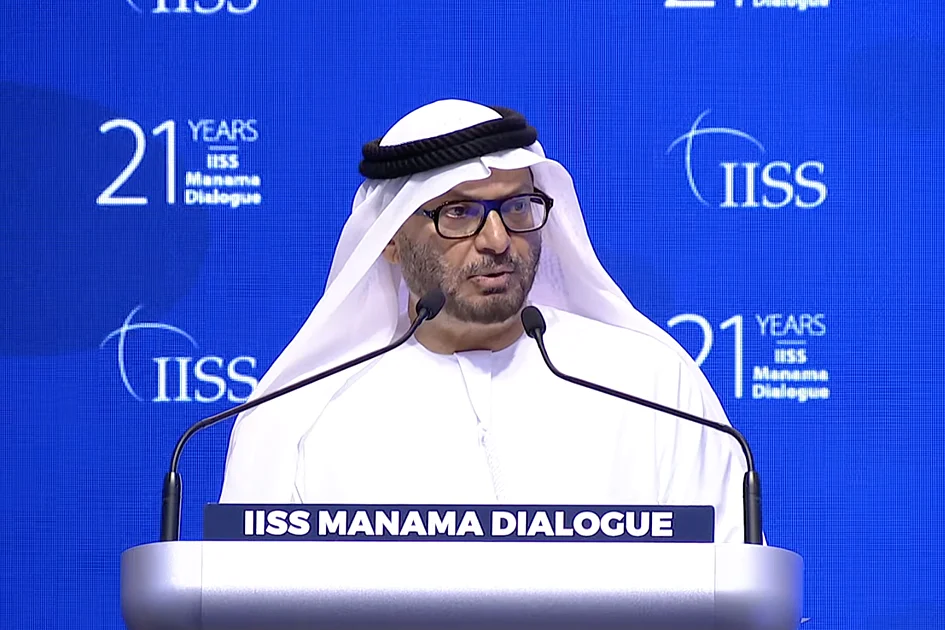
    A senior UAE diplomat has openly criticized the international community for its collective failure to prevent the 2021 military coup in Sudan, describing it as a ‘critical mistake’ that led to the ongoing civil war. Dr. Anwar Gargash, diplomatic adviser to UAE President Sheikh Mohamed bin Zayed Al Nahyan, made these remarks during the Manama Dialogue in Bahrain. He emphasized that the global community should have taken a firmer stance when the coup occurred, as it has since resulted in widespread ethnic violence and a severe humanitarian crisis. The conflict, which erupted in April 2023 between the Sudanese Armed Forces (SAF) and the Rapid Support Forces (RSF), has caused tens of thousands of deaths and displaced approximately 13 million people. In response, the UAE has pledged an additional $100 million in humanitarian aid, focusing on areas like El Fasher. This aid will be distributed through international organizations such as the Red Crescent and the World Food Programme. Dr. Gargash also reiterated the UAE’s commitment to the Quad statement, which calls for a three-month humanitarian ceasefire and the establishment of a transitional civilian government within nine months. The Quad, comprising the US, UAE, Saudi Arabia, and Egypt, was formed in September 2025 to address the Sudan conflict. Dr. Gargash stressed the urgent need for peace and the importance of holding perpetrators of atrocities accountable.

  • Fierce mountain snowstorms and avalanche kill nine in Nepal

    Fierce mountain snowstorms and avalanche kill nine in Nepal

    A series of devastating snowstorms and a catastrophic avalanche in Nepal’s Himalayan region have resulted in the deaths of nine individuals, including five Italian climbers. The incidents occurred over several days, with the most severe event taking place on Monday at the base camp of the 5,630-meter Yalung Ri peak near the Chinese border. An avalanche struck a group of 12 climbers, claiming the lives of seven, including three Italians, two Nepalis, a German, and a French national. The remaining five survivors were rescued and airlifted to Kathmandu for medical treatment. Survivors described the terrifying moment when massive ice slabs descended upon them, burying some under the snow. In a separate incident, two Italian climbers lost their lives while attempting to scale the 6,887-meter Panbari mountain in western Nepal. The climbers had been missing since Friday and were confirmed dead by local authorities. Nepal, home to eight of the world’s ten highest peaks, including Mount Everest, attracts hundreds of climbers and trekkers annually. The autumn season, though less popular than spring, still sees significant expedition activity despite the challenging conditions. Last week, Cyclone Montha brought heavy rain and snowfall, stranding many trekkers on popular routes. According to the Himalayan Database, avalanches have been responsible for nearly a third of the 1,093 recorded deaths on Himalayan peaks since 1950.

  • Zelensky visits troops near embattled front line town of Pokrovsk

    Zelensky visits troops near embattled front line town of Pokrovsk

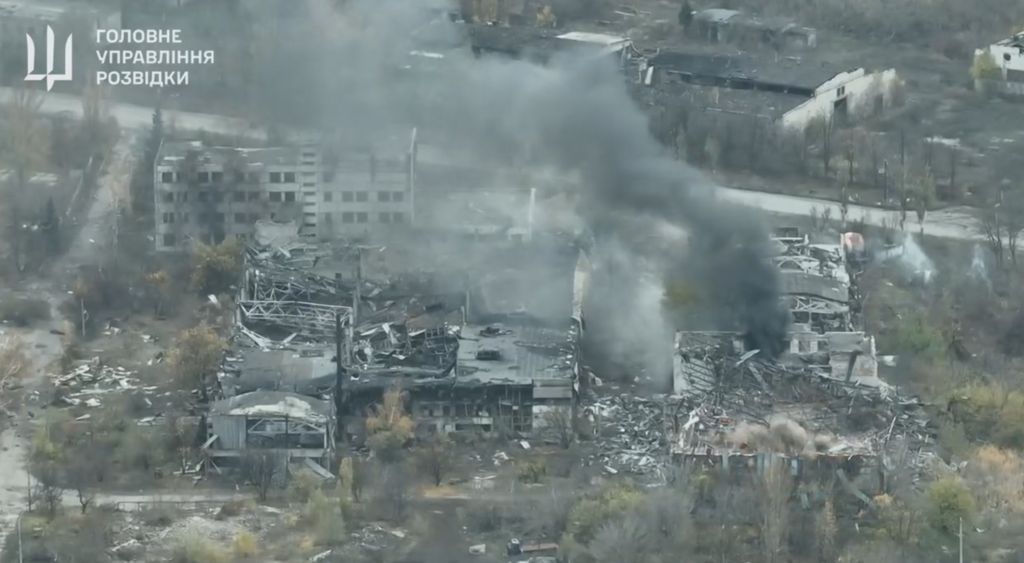
    Ukrainian President Volodymyr Zelensky recently visited troops near the embattled town of Pokrovsk, a key strategic location in the ongoing conflict between Russia and Ukraine. Accompanied by Commander-in-Chief Oleksandr Syrskyi, Zelensky met with soldiers at a command post in the Dobropillya sector, approximately 20 kilometers north of Pokrovsk in the Donetsk region. The visit underscores the town’s critical importance as a logistical hub and frontline stronghold in the war-torn Donbas region.

  • Narco-sub carrying 1.7 tonnes of cocaine seized in Atlantic

    Narco-sub carrying 1.7 tonnes of cocaine seized in Atlantic

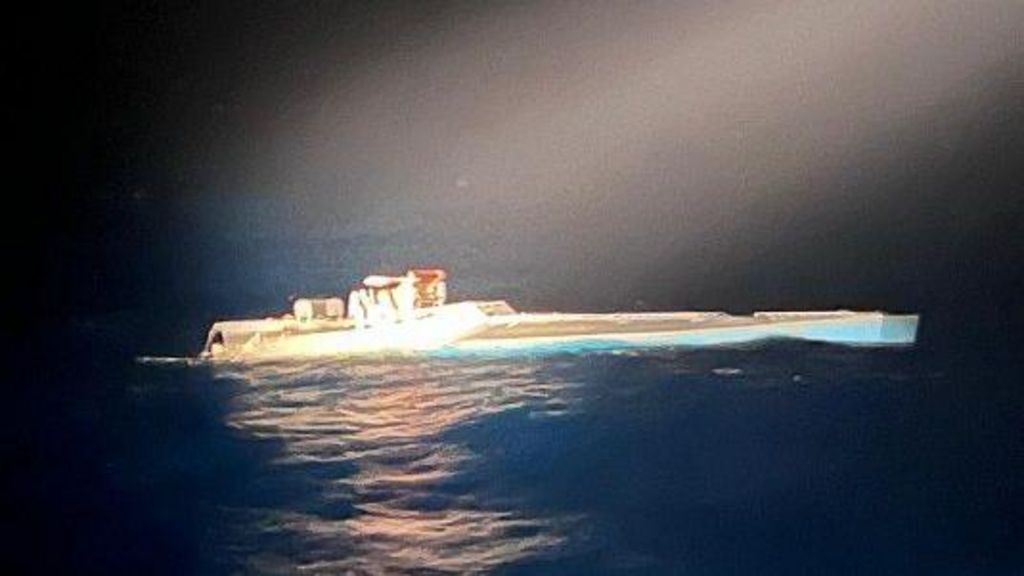
    In a significant maritime operation, Portuguese authorities have intercepted a semi-submersible vessel transporting over 1.7 tonnes of cocaine in the mid-Atlantic, approximately 1,000 nautical miles off the coast of Lisbon. The vessel, en route to the Iberian Peninsula, was seized in a coordinated effort involving the Portuguese police, navy, and international agencies, including the UK’s National Crime Agency and the US Drug Enforcement Administration. Four crew members, identified as two Ecuadorians, a Venezuelan, and a Colombian, were arrested and remanded in pre-trial custody following their court appearance in the Azores. Vítor Ananias, head of Portugal’s drug trafficking police unit, highlighted the multinational nature of the operation, suggesting the involvement of a transnational criminal organization. The narco-sub, deemed too fragile to tow back to shore due to adverse weather conditions, eventually sank in the open sea. This incident follows a similar seizure in March, where a vessel carrying 6.5 tonnes of cocaine was intercepted 1,200 nautical miles from Lisbon. Meanwhile, the Trump administration has intensified its crackdown on drug smuggling, with recent strikes on alleged drug vessels in the Caribbean drawing criticism from Latin American leaders over their legality and human rights implications.