
In a remarkable display of cross-border unity, approximately 40,000 Sikh pilgrims from India were warmly welcomed in Nankana Sahib, Pakistan, to celebrate the 556th birth anniversary of Guru Nanak, the founder of Sikhism. This pilgrimage marks the first major religious gathering since deadly clashes in May 2025 temporarily closed the land border between the two nuclear-armed neighbors. Despite ongoing political tensions, the atmosphere in Nankana Sahib was one of devotion and camaraderie. The streets were meticulously cleaned, and banners adorned the city, creating a festive ambiance. Pilgrims expressed their gratitude for the hospitality, with many noting the stark contrast between the warmth of the people and the strained relations between their governments. Inside the shrine complex, marigold flowers decorated the walls, and the air resonated with religious hymns. Devotees prayed fervently, some performing ritual dips in a sacred pond. The event also witnessed emotional reunions, such as the heartfelt meeting between 90-year-old Muhammad Bashir and Sharda Singh, whose families had been separated during the 1947 partition. The festival, which continues through November, serves as a powerful reminder of shared humanity and the potential for peace amidst political discord.
分类: world
-
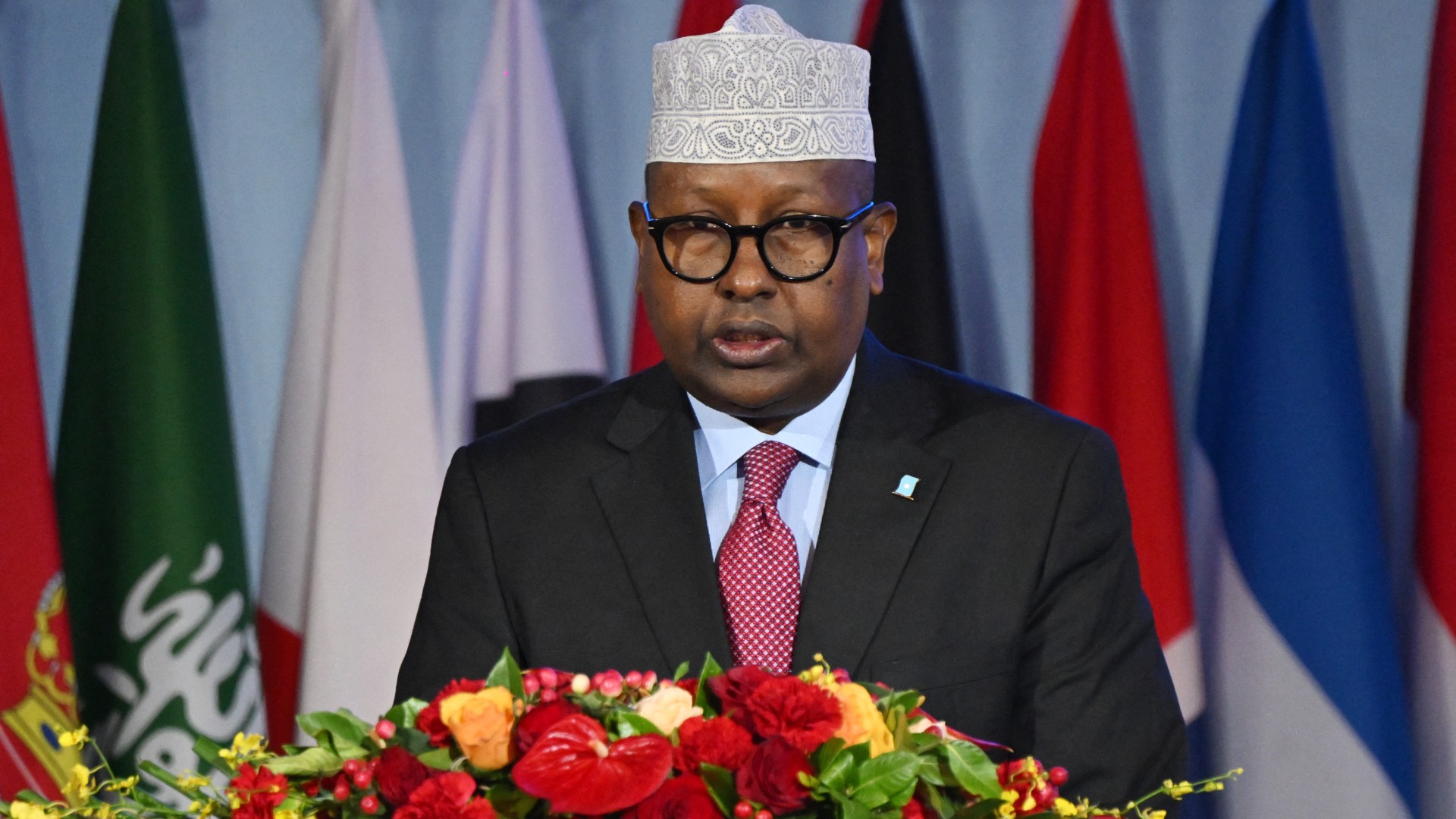
Somali defence minister confirms MEE report of flights from Bosaso to Sudan
Somalia’s Defence Minister, Ahmed Moallim Fiqi, has confirmed that transport aircraft carrying undisclosed cargo have been flying between Bosaso Airport in Somalia’s Puntland region and western Sudan. This admission follows a Middle East Eye (MEE) report last week, which detailed the use of Bosaso Airport by the United Arab Emirates (UAE) to support Sudan’s paramilitary Rapid Support Forces (RSF). The RSF has been engaged in a brutal conflict with the Sudanese Armed Forces (SAF) since April 2023, with allegations of genocide and widespread human rights abuses, including rape and murder of civilians in North Darfur’s el-Fasher city. MEE’s investigation revealed that heavy logistical materials were offloaded at Bosaso Airport before being transported to Sudan via neighboring countries. Additionally, Colombian mercenaries, reportedly fighting alongside the RSF, have been observed transiting through Bosaso Airport. Flight tracking data and satellite imagery suggest the UAE as the origin of these operations. The UAE has long funded Puntland’s regional security forces, and the semi-autonomous region maintains close ties with Abu Dhabi. Somalia’s federal government, which controls the country’s airspace, has not openly confronted the UAE over its activities in Puntland. Former Somali Foreign Minister Abdisaid Muse Ali accused Somalia of complicity in the genocide in Sudan, stating that the use of Bosaso as a logistical hub implicates Somalia in sustaining the RSF’s operations. The report has sparked widespread debate in Somali and regional media, with prominent figures condemning the alleged involvement of Bosaso Airport in Sudan’s conflict. Despite historical support from Sudan, including scholarships for Somali students, Somalia’s role in the war has drawn criticism and calls for accountability.
-

At least 9 dead in cargo plane crash in US state Kentucky
A tragic cargo plane crash near Louisville International Airport in Kentucky has resulted in the deaths of at least nine individuals, with fears that the toll may rise as investigations proceed. Louisville Mayor Craig Greenberg disclosed the grim details during a Wednesday morning interview with local media. Kentucky Governor Andy Beshear had earlier indicated on social media that at least seven fatalities and 11 injuries were reported. The incident involved a UPS cargo plane en route to Honolulu, which crashed around 5:15 pm (2215 GMT) on Tuesday. The National Transportation Safety Board has been tasked with leading the investigation into the crash, as confirmed by the Federal Aviation Administration. Meanwhile, Louisville International Airport has resumed passenger flights, according to its official website.
-

Seven Italian climbers still missing in Nepal
A devastating avalanche in Nepal’s Himalayan region has left seven Italian climbers missing and three confirmed dead, according to Italian and Nepalese authorities. The incident occurred near the Dolma Khang peak, which stands at 6,332 meters (20,774 feet) in the Dolakha district. The Italian team was stationed at the base camp when the avalanche struck earlier this week, claiming the lives of three climbers. Among the missing are Marco Di Marcello and Markus Kircheler, who were reportedly in the Yalung Ri area, where the avalanche hit. Italian diplomat Paolo Cocco was among the seven climbers confirmed dead near the Yalung Ri base camp. The Italian foreign ministry has dispatched a senior diplomat from neighboring India to Kathmandu to coordinate with Nepalese authorities and search teams. Nepal has been grappling with severe weather conditions, including avalanches and storms, which have disrupted climbing expeditions and claimed lives. Ram Krishna Lamichhane, a Nepali tourism official, stated that five individuals, including three foreign climbers and two Nepali guides, are missing in the Dolma Khang base camp area. Conflicting reports have emerged regarding the number of casualties and missing persons, complicating rescue efforts. The Italian climbers were part of an expedition organized by a trekking agency, which is now assisting in the search. In a separate incident, the bodies of Stefano Farronato and Alessandro Caputo, who went missing while attempting to scale the Panbari peak in western Nepal, have been recovered. Autumn is typically a popular season for mountaineering in Nepal due to favorable weather conditions, but the risk of avalanches and severe weather remains high. Last week, Cyclone Montha brought heavy rain and snowfall, stranding climbers in the Himalayas.
-
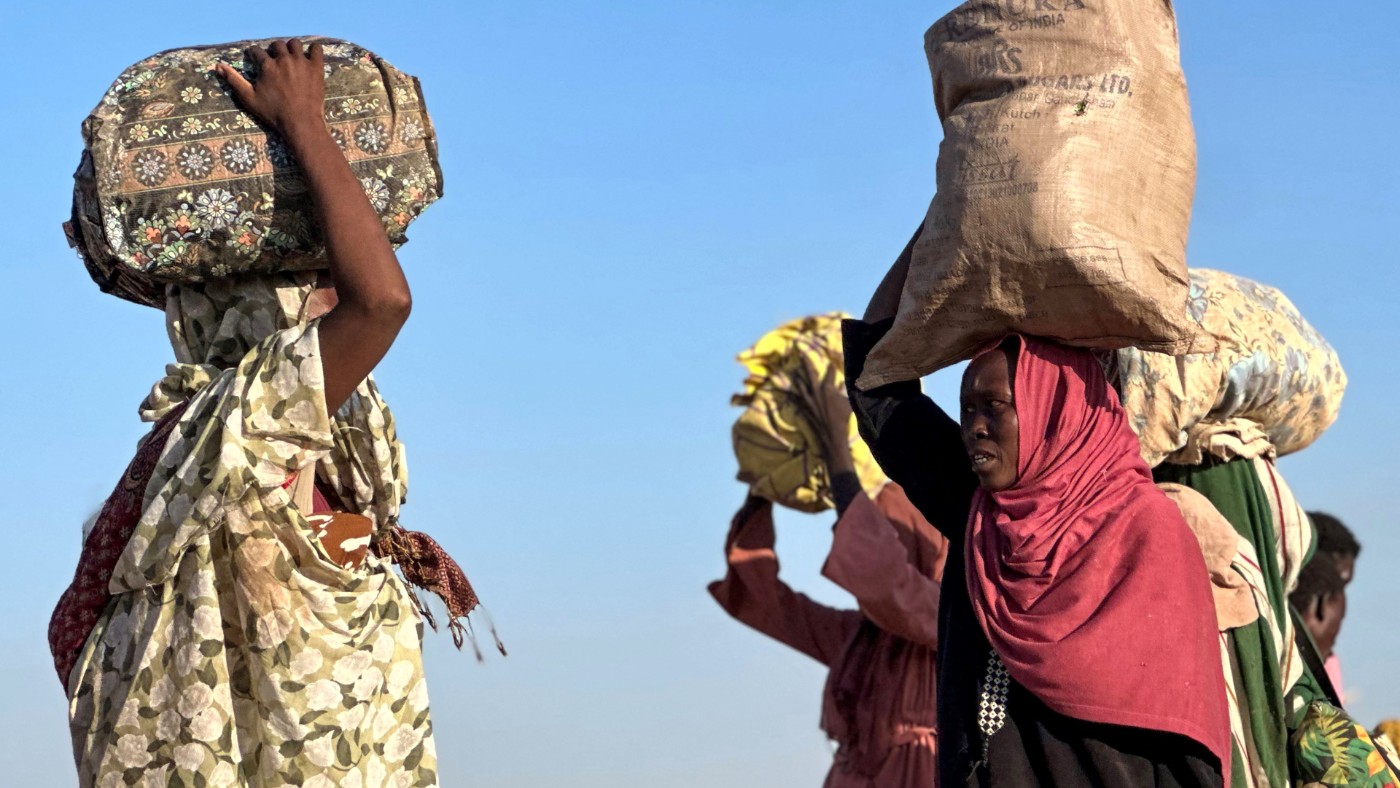
Rape, ransom and execution: The road out of Sudan’s el-Fasher
The city of el-Fasher, the capital of Sudan’s North Darfur state, has become a harrowing scene of mass violence and devastation following its capture by the Rapid Support Forces (RSF) last week. As civilians attempted to flee the besieged city, they were met with unimaginable horrors, including executions, sexual violence, and widespread looting. The RSF, reportedly armed with weapons and technology supplied by the United Arab Emirates (UAE), has been accused of perpetrating atrocities reminiscent of the Rwandan genocide. Survivors recount scenes of men being separated from women and children and executed, boys as young as two killed in front of their families, and women subjected to rape and sexual assault. Hostages were held for ransom, with families forced to transfer exorbitant sums via mobile banking apps to secure their release. The Yale Humanitarian Research Lab (HRL) has identified evidence of mass graves in RSF-controlled areas, with body disposal operations underway. Civilians attempting to escape faced further dangers, including falling into deep trenches surrounding the city. Many who managed to flee to Tawila, a safer area west of el-Fasher, arrived in dire conditions, with hundreds of children separated from their families. Survivors describe consistent patterns of looting, ransom demands, and targeted killings based on ethnicity or perceived political affiliations. The RSF’s actions have drawn international condemnation, with calls for the UAE to be held accountable for its role in arming the paramilitary group. The Sudanese government has documented numerous cases of sexual violence, but the true scale of the atrocities remains unknown due to limited access to affected areas. Humanitarian organizations are calling for urgent aid to address the dire needs of displaced populations, including food, water, shelter, and medical care. The international community’s inaction has been criticized, with activists urging governments to take decisive steps to end the violence and hold perpetrators accountable.
-
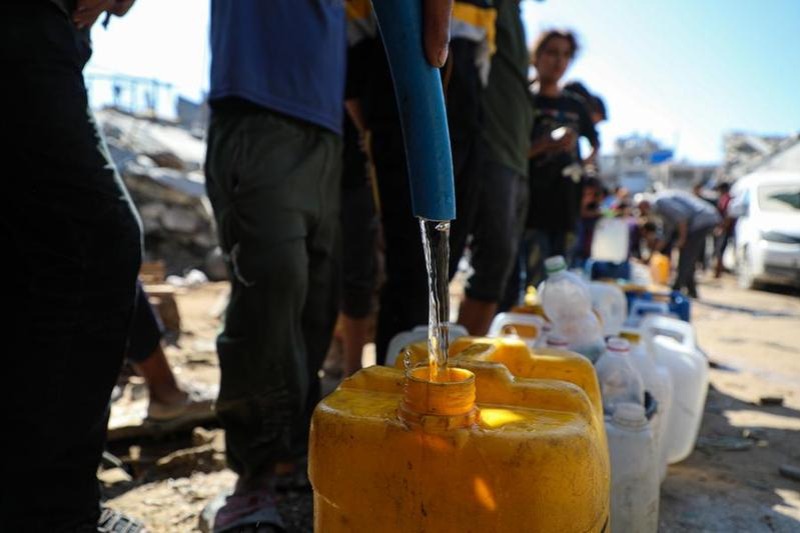
UN chief demands halt to truce violations amid violence, Israeli aid restrictions
United Nations Secretary-General Antonio Guterres has issued a stern call for an immediate halt to ceasefire violations in Gaza, as reports of ongoing violence and restricted humanitarian aid continue to surface. Speaking at the Second World Summit for Social Development in Doha, Qatar, and via a post on X (formerly Twitter), Guterres emphasized the urgent need for all parties to adhere to the terms of the peace agreement. Despite a U.S.-brokered ceasefire that took effect three weeks ago, daily incidents of violence, including drone strikes, raids, and home demolitions, persist, according to Palestine’s Wafa News Agency and other sources. The UN and international aid organizations have repeatedly appealed for unimpeded access to deliver essential aid to Gaza, where famine was declared in August. Abeer Etefa, senior spokesperson for the World Food Programme (WFP), highlighted the dire situation, noting that hundreds of thousands of displaced Palestinians face severe food shortages and inadequate shelter. The WFP has distributed food parcels to approximately one million people, but this falls short of the target of 1.6 million. Etefa stressed the need for more border crossings and improved access to key roads within Gaza to address the escalating humanitarian crisis. The Norwegian Refugee Council (NRC) also raised concerns about the impending winter, warning that thousands of families lack adequate protection from the cold and rain. Israeli authorities have reportedly rejected numerous requests from aid agencies to bring in essential shelter supplies, leaving over 260,000 families exposed to worsening conditions. Humanitarian partners have underscored the necessity of heavy machinery to clear the estimated 55 to 60 million tons of rubble, which is critical for installing temporary shelters. Angelita Caredda, NRC’s Middle East and North Africa regional director, emphasized the urgency of the situation, stating that every day of delay puts lives at risk as winter approaches.
-

China-Laos international passenger line launched
A groundbreaking international passenger rail service linking Mohan Railway Station in China’s Yunnan Province and Boten Railway Station in Laos commenced trial operations on November 3. This marks the first commuter-style international rail link between the two nations, offering five daily round-trips in each direction. The 16-kilometer journey, which takes approximately 50 minutes, includes stops at border ports for passenger boarding and customs clearance. Operated by Yunnan Tourism Co Ltd, the service aims to provide a seamless and efficient travel experience, integrating directly with the China-Laos Railway for enhanced road–rail intermodal transport. Xia Mo, deputy general manager of Yunnan Tourism Co Ltd, emphasized the company’s commitment to safety, professionalism, and dedication, ensuring travelers experience the convenience and warmth of this ‘road of friendship.’ The new rail line is expected to significantly improve cross-border travel convenience and strengthen regional connectivity, fostering closer ties between China and Laos.
-
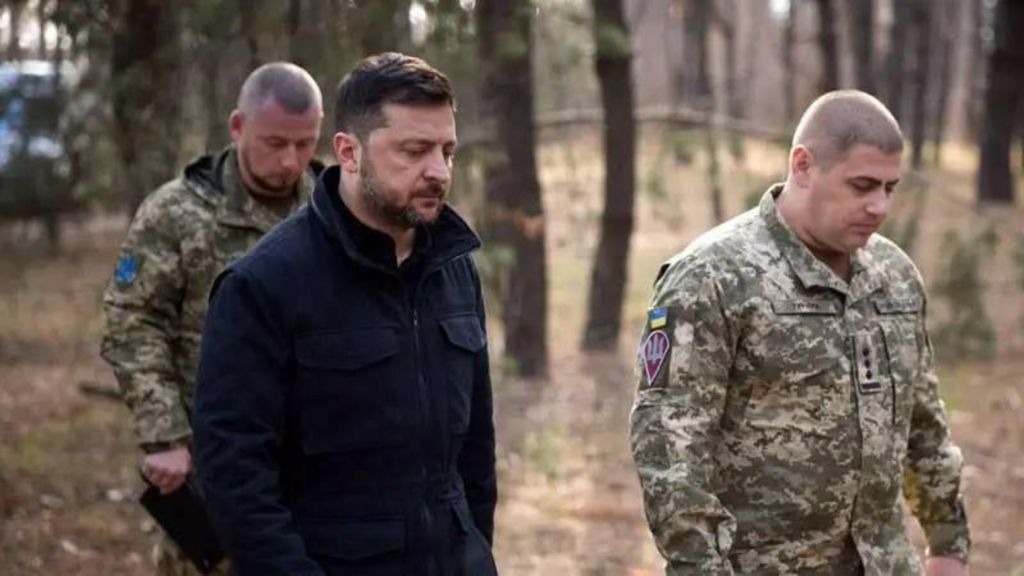
Why the fall of Pokrovsk would matter to Ukraine and Russia
The eastern Ukrainian city of Pokrovsk has become the focal point of a critical battle between Ukrainian and Russian forces, with significant implications for the ongoing conflict. Russian troops, bolstered by tens of thousands of reinforcements, have gradually infiltrated the city, seizing key buildings and streets. Despite Ukraine’s claims of active resistance and successful operations, such as the Skelya regiment’s recapture of the city council building, open-source intelligence suggests Russian forces are gaining ground. Pokrovsk, a strategic road and rail junction, is vital for Ukraine’s defense of the Donbas region. Its fall could pave the way for Russian advances toward Dnipropetrovsk and other key areas. Analysts, however, argue that Russia’s slow progress and lack of momentum may hinder significant breakthroughs. Meanwhile, Ukrainian President Volodymyr Zelensky remains resolute, asserting that Russia faces years of protracted warfare if it aims to control the entire Donbas. The battle for Pokrovsk not only impacts military strategy but also carries political weight, potentially influencing international negotiations and Ukraine’s morale as winter approaches.
-

Verified video shows huge fireball after plane crash in Kentucky
A shocking video, verified by BBC Verify, has emerged showing a massive fireball following a plane crash in Kentucky. The footage, compiled from various clips circulating online, provides a harrowing glimpse into the incident as it unfolded. The crash, which occurred in an undisclosed location in Kentucky, has drawn significant attention due to the intensity of the blaze captured in the video. Authorities are currently investigating the cause of the crash, while emergency responders worked tirelessly to manage the aftermath. The verified video serves as a crucial piece of evidence in understanding the sequence of events leading up to the disaster. As the investigation progresses, the footage underscores the dangers of aviation accidents and the importance of safety measures in the industry.
-
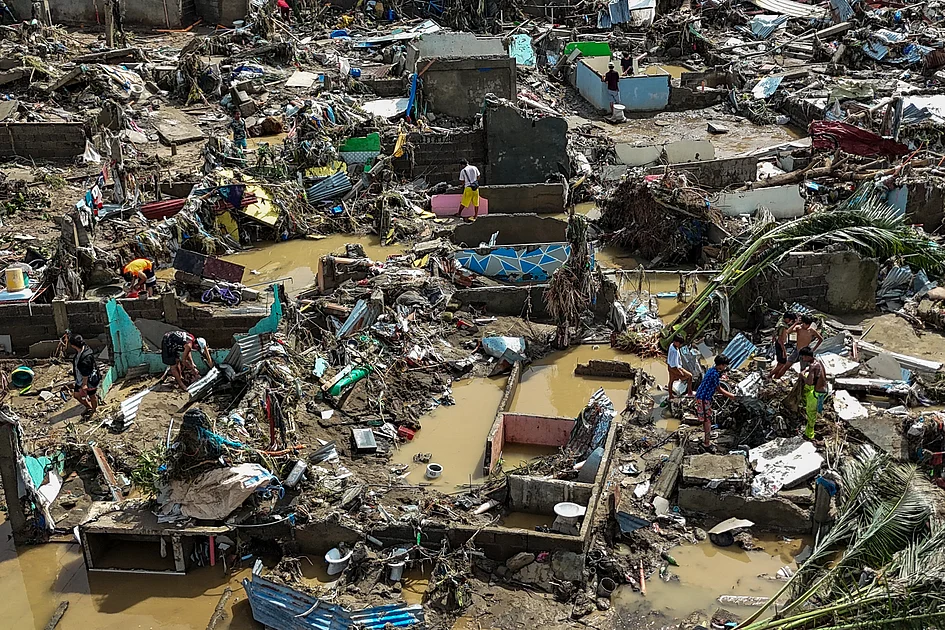
Death toll tops 100 as Philippines digs out after typhoon
The Philippines is reeling from the catastrophic aftermath of Typhoon Kalmaegi, which has claimed over 100 lives and left a trail of destruction in its wake. The central province of Cebu bore the brunt of the storm, experiencing the worst flooding in recent memory. Unprecedented floodwaters swept through towns and cities, carrying away vehicles, riverside shanties, and even massive shipping containers. Cebu spokesman Rhon Ramos reported that 35 bodies were recovered from Liloan, a town within Cebu City’s metro area, bringing the death toll in Cebu alone to 76. On Negros Island, at least 12 people perished, and 12 remain missing after volcanic mudflows triggered by the typhoon buried homes in Canlaon City. The disaster has exposed vulnerabilities exacerbated by climate change, with scientists warning that warmer oceans and a moisture-laden atmosphere are intensifying storms. The tragedy has also reignited public outrage over a corruption scandal involving ‘ghost’ flood-control projects, which allegedly siphoned billions of dollars meant for disaster mitigation. As the Philippines braces for more storms, the nation faces an uphill battle in rebuilding and addressing systemic issues that amplify the impact of such natural disasters.