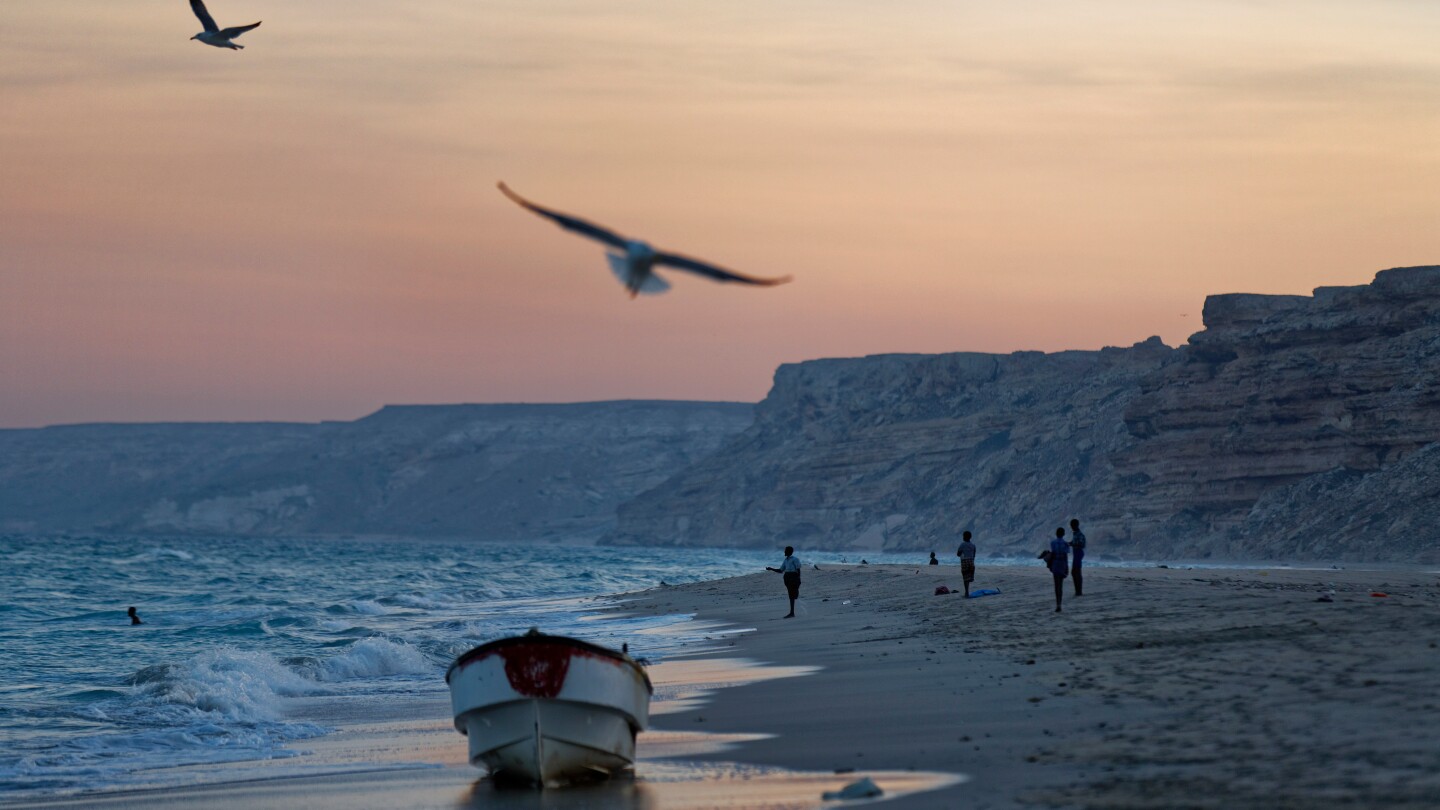
In a brazen act of maritime piracy, attackers armed with machine guns and rocket-propelled grenades boarded a Malta-flagged tanker off the coast of Somalia on Thursday, according to British officials. The vessel, identified as the Hellas Aphrodite, was en route from Sikka, India, to Durban, South Africa, when it came under assault. The British military’s United Kingdom Maritime Trade Operations (UKMTO) center issued an alert, warning other ships in the area of the ongoing threat. Private security firm Ambrey confirmed the attack, attributing it to resurgent Somali pirates who have been increasingly active in the region. The attackers reportedly seized an Iranian fishing boat, the Issamohamadi, to use as a base of operations, though Iran has not officially acknowledged the incident. The Hellas Aphrodite’s crew of 24 mariners locked themselves in the ship’s citadel for safety during the attack, as the vessel lacked an armed security team. This incident follows a recent suspected pirate attack on the Cayman Islands-flagged Stolt Sagaland, where armed security forces engaged in a firefight with the assailants. Somali piracy, which peaked in 2011 with 237 attacks and $7 billion in global economic losses, had diminished due to international naval patrols and a stronger Somali government. However, piracy has resurged in recent months, partly fueled by regional instability caused by Yemen’s Houthi rebels and the ongoing Israel-Hamas conflict. In 2024 alone, seven incidents have been reported off Somalia, with multiple fishing boats seized by pirates.
分类: world
-
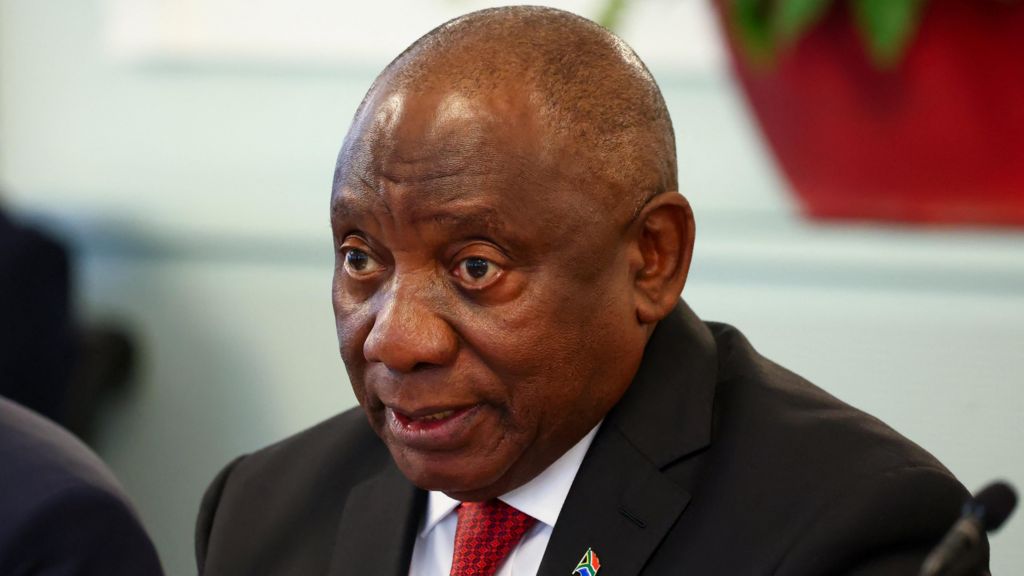
South Africans trapped in Donbas after joining Russia-Ukraine war, Ramaphosa says
The South African government has disclosed that it has received distress calls from 17 of its citizens who were allegedly recruited as mercenaries in the ongoing Russia-Ukraine conflict. These individuals, aged between 20 and 39, are reportedly stranded in Ukraine’s war-torn Donbas region. President Cyril Ramaphosa has initiated an investigation into the circumstances surrounding their recruitment, which appears to have been facilitated under the guise of lucrative contracts. The government has not specified which side of the conflict these South Africans are fighting for, but it emphasized that such activities are illegal under South African law unless authorized by the government.
Vincent Magwenya, a government spokesperson, stated that the South African authorities are utilizing diplomatic channels to secure the safe return of these citizens. He also revealed that 16 of the men hail from KwaZulu-Natal, while one is from the Eastern Cape. President Ramaphosa has condemned the exploitation of vulnerable young people by foreign military entities, labeling it as a grave concern.
This incident comes amid broader geopolitical developments involving Russia’s expanding influence in Africa. The Africa Corps, a Russian mercenary group under the control of the Russian Ministry of Defence, has effectively replaced the Wagner Group in West Africa following the death of its leader, Yevgeny Prigozhin, in a plane crash. Additionally, the South African government had previously issued warnings about deceptive recruitment schemes targeting young women for jobs abroad, particularly in Russia. A BBC investigation uncovered that over 1,000 women from Africa and South Asia were recruited to work in weapons factories in Russia’s Alabuga Special Economic Zone.
In a related development, Kenyan police rescued over 20 individuals from a suspected human trafficking ring that lured them with job offers in Russia, only to intend sending them to fight in Ukraine. Ukraine has also reported holding citizens from various countries, including Somalia, Sierra Leone, Togo, Cuba, and Sri Lanka, in prisoner-of-war camps.
-
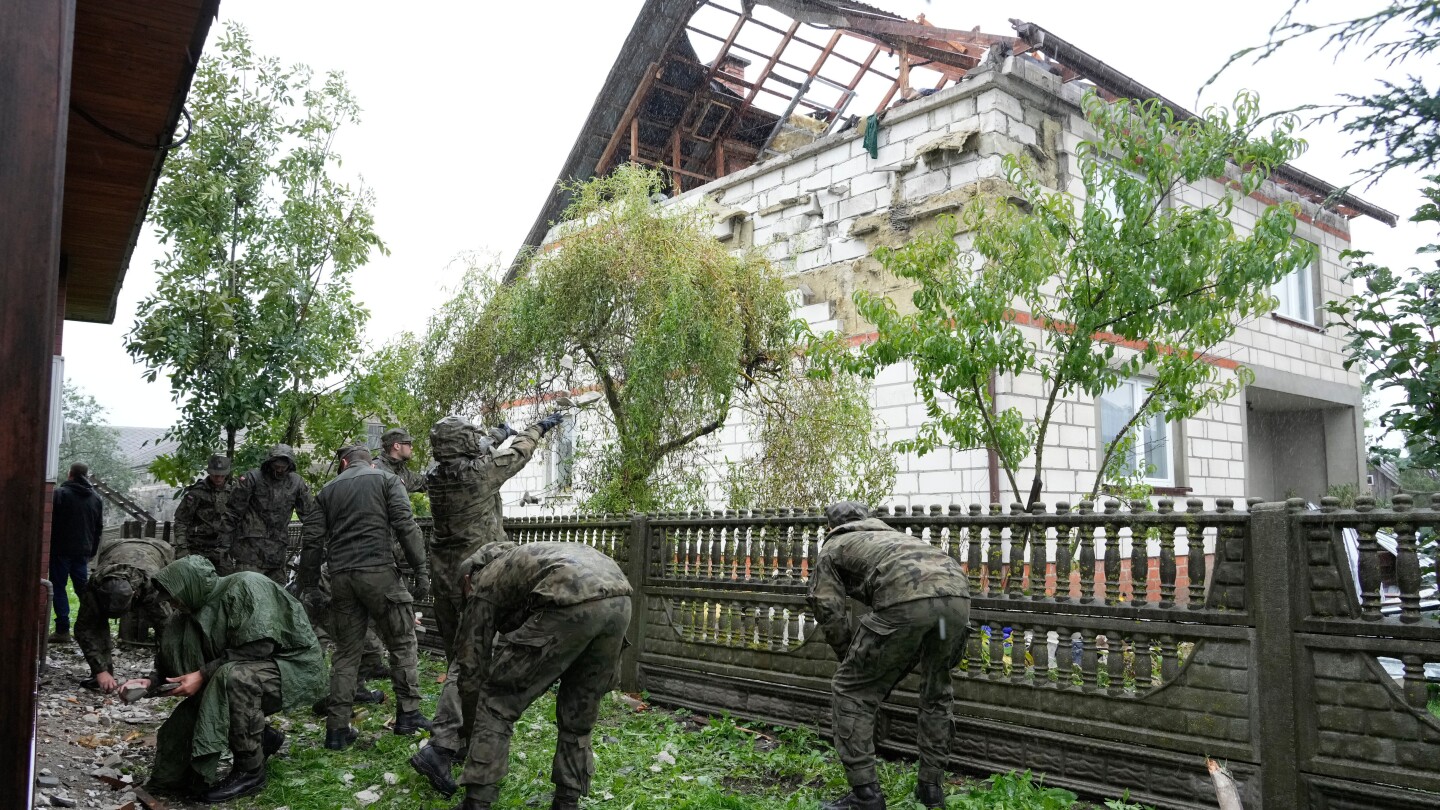
As Russian drone incursions rattle Europe, Poland and Romania deploy a new defensive system
In response to escalating Russian drone incursions into NATO airspace, Poland and Romania are deploying the American-made Merops system, an advanced AI-powered defense technology designed to identify and neutralize hostile drones. This move comes after a series of alarming incidents, including the penetration of Polish airspace by approximately 20 Russian drones in early September, which exposed vulnerabilities in NATO’s eastern flank. The Merops system, compact enough to fit in a midsize pickup truck, operates independently of satellite and electronic communications, making it highly effective in jamming environments. Denmark has also joined the initiative, signaling a broader effort to fortify NATO’s defenses against Russian aggression. The system’s deployment aims to create a robust deterrent along the alliance’s eastern border, stretching from Norway to Turkey. NATO officials emphasize that Merops offers cost-effective solutions compared to traditional methods, such as deploying multimillion-dollar fighter jets to counter low-cost drones. The technology has already proven effective in Ukraine, where it has been used to protect critical infrastructure and military operations. As drone warfare evolves rapidly, NATO is investing in a range of counter-drone technologies, including anti-drone missiles and collaborative EU efforts to establish a ‘drone wall’ along its eastern border. The alliance is also advocating for an Eastern Flank Deterrence Line, a layered defense network integrating advanced sensors and command systems. Despite Russia’s numerical advantage in deployable forces, NATO is leveraging its technological edge to offset this disparity. The Merops system represents the first phase of a multi-year defense strategy, with further developments expected in the coming years.
-
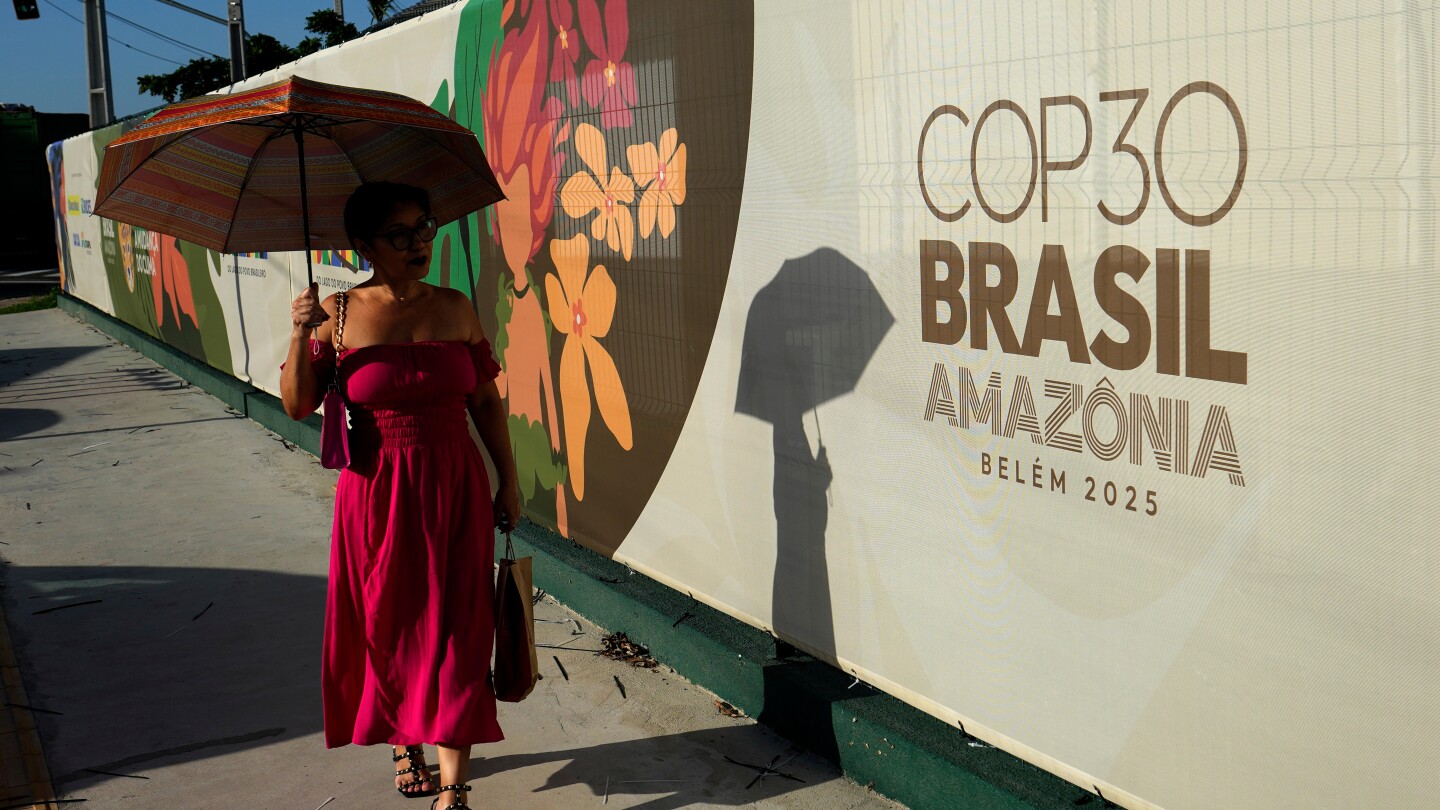
UN climate summit kicks off in Brazil’s Amazon with hopes for action despite US absence
As world leaders gather in Belem, Brazil, for the United Nations’ annual climate summit, COP30, the urgency of the global climate crisis is starkly visible. The Amazon rainforest, often referred to as the ‘lungs of the world,’ surrounds the city with its lush greenery and winding rivers. Yet, the view also reveals vast barren plains, a testament to the 17% of the Amazon’s forest cover lost over the past 50 years due to deforestation for agriculture, logging, and mining. This biodiverse ecosystem, crucial for absorbing carbon dioxide, has been increasingly threatened by wildfires and cattle ranching. Brazilian President Luiz Inácio Lula da Silva aims to use this summit to rally global support for halting the destruction of tropical rainforests and advancing critical climate goals. However, the absence of key leaders from the world’s largest polluters—China, the United States, and India—casts a shadow over the event. U.S. President Donald Trump’s withdrawal from the Paris Agreement and his administration’s absence from the summit have raised concerns about a potential global retreat from climate commitments. Meanwhile, Brazil faces its own contradictions as a major oil producer, with Lula’s decision to allow oil exploration near the Amazon River drawing criticism. Despite logistical challenges in hosting the summit in Belem, including a shortage of accommodations and surging prices, the event has become a platform for activists to voice their demands for climate justice and Amazon preservation. The freedom to protest in Brazil contrasts sharply with previous summits held in autocratic nations, offering a unique opportunity for dialogue and action.
-
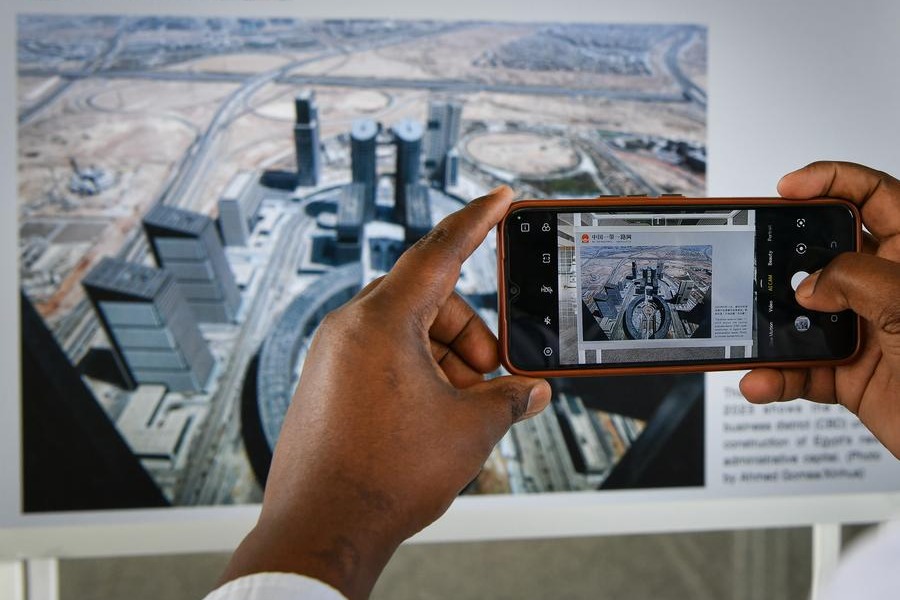
China’s vision expected to benefit Africa
China’s Global Governance Initiative (GGI), launched in September 2025 at the ‘Shanghai Cooperation Organization Plus’ Meeting in Tianjin, is poised to reshape Africa’s role in the global landscape. Rooted in principles of sovereignty, equality, and multilateralism, the GGI seeks to reform global governance systems, particularly in climate, technology, and institutional representation. Experts believe this initiative offers African nations unprecedented opportunities to assert their independence and foster sustainable development. Warwick Powell, an adjunct professor at Australia’s Queensland University of Technology, emphasized that the GGI moves beyond the hierarchical structures of the post-war Western-dominated order, enabling African countries to advocate for reforms in global institutions like the United Nations, IMF, and World Bank. Powell highlighted key areas of focus, including energy sovereignty, data sovereignty, and financial independence, urging African nations to invest in local infrastructure and adopt mechanisms like currency swaps with China’s central bank. James Shikwati, director of the Inter Region Economic Network, noted that the GGI aligns with Africa’s long-standing aspirations to reshape international finance and governance. Thomas Namwambah, a senior lecturer at Kenya’s Kenyatta University, praised China’s approach for its emphasis on equality and justice. As Africa navigates the challenges of colonial legacies and external pressures, the GGI provides a framework for collective security, regional cooperation, and shared prosperity, positioning the continent to seize its moment on the global stage.
-
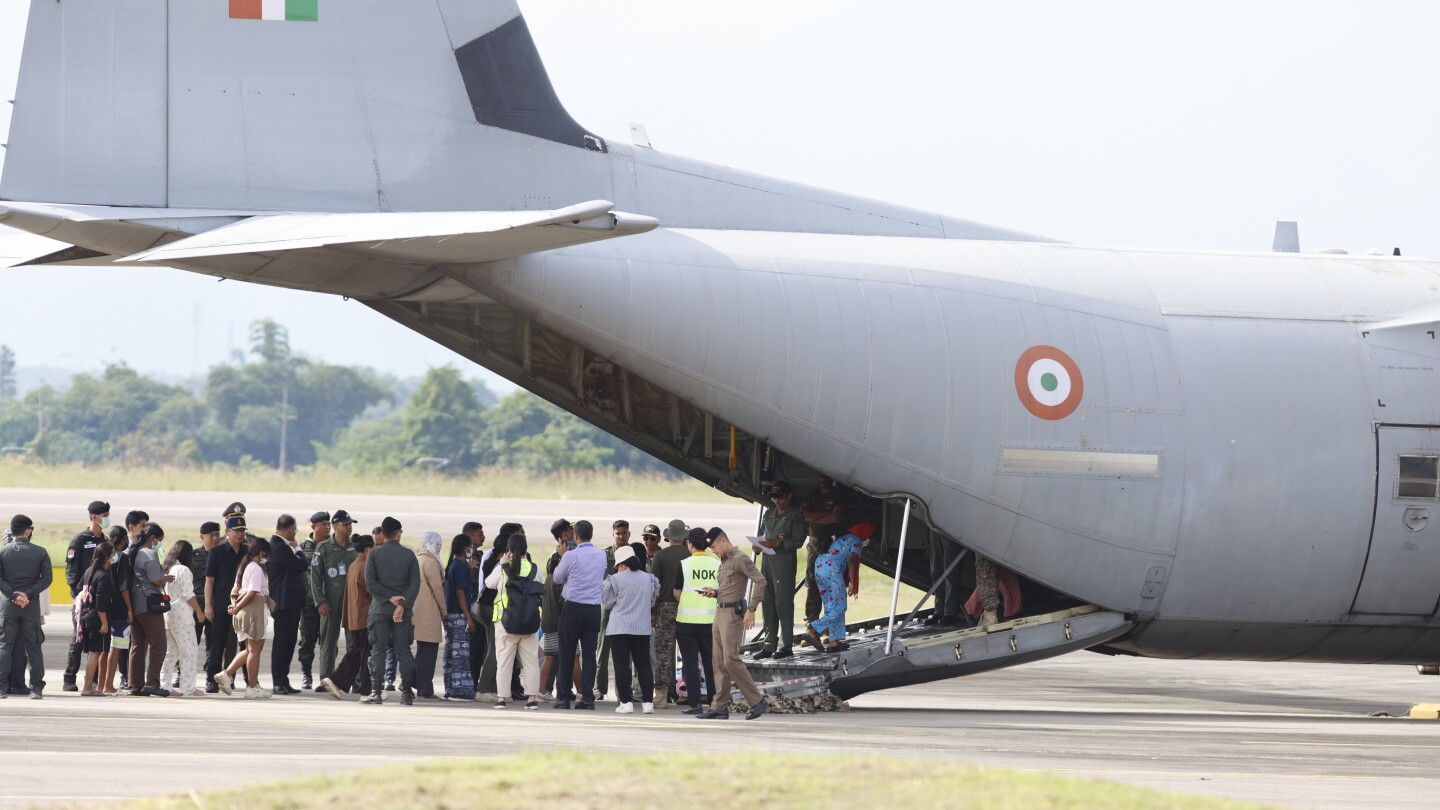
Indians who fled a Myanmar cyberscam center are being flown home from Thailand
India has initiated the repatriation of hundreds of its nationals who fled Myanmar last month, where many were employed at a notorious cybercrime center known as KK Park. Located near the border city of Myawaddy, the facility was raided by Myanmar’s military in mid-October to combat cross-border online scams and illegal gambling. An Indian Air Force transport plane departed Thailand on Thursday, carrying approximately 270 of the 465 Indians slated for repatriation, with the remainder scheduled to leave next Monday, according to Maj. Gen. Maitree Chupreecha, commander of the Thai army’s northern region Naresuan Task Force. This marks the second such operation this year, following the repatriation of 549 Indians in March after a similar crackdown on cybercrime operations at the Myanmar-Thai border. The current repatriation effort includes individuals from over 28 nations, totaling more than 1,500 people who escaped the Myawaddy raid. Thai authorities in Mae Sot have established temporary facilities to house and process refugees, including Chinese, Filipinos, Vietnamese, Ethiopians, and Kenyans. Southeast Asia remains a global hotspot for online scams, with hundreds of thousands of individuals lured to work in Myanmar, Cambodia, and Laos, often under false pretenses. Many are coerced into participating in fraudulent schemes, including fake romances, investment scams, and illegal gambling. Human trafficking is a significant issue, as workers are frequently deceived into accepting legitimate-sounding jobs, only to find themselves trapped in exploitative conditions. The raid on KK Park, part of Myanmar’s broader anti-scam operations, reportedly led to the demolition of parts of the facility. However, independent media reports suggest that organized cybercrime continues to thrive in the Myawaddy area. The global cybercrime problem gained renewed attention last month when the U.S. and Britain imposed sanctions on a major Cambodian cyberscam gang, with its alleged leader indicted in a U.S. federal court. Meanwhile, South Korea has been shaken by the case of a young man who died after being lured to work at a Cambodian cyberscam operation.
-
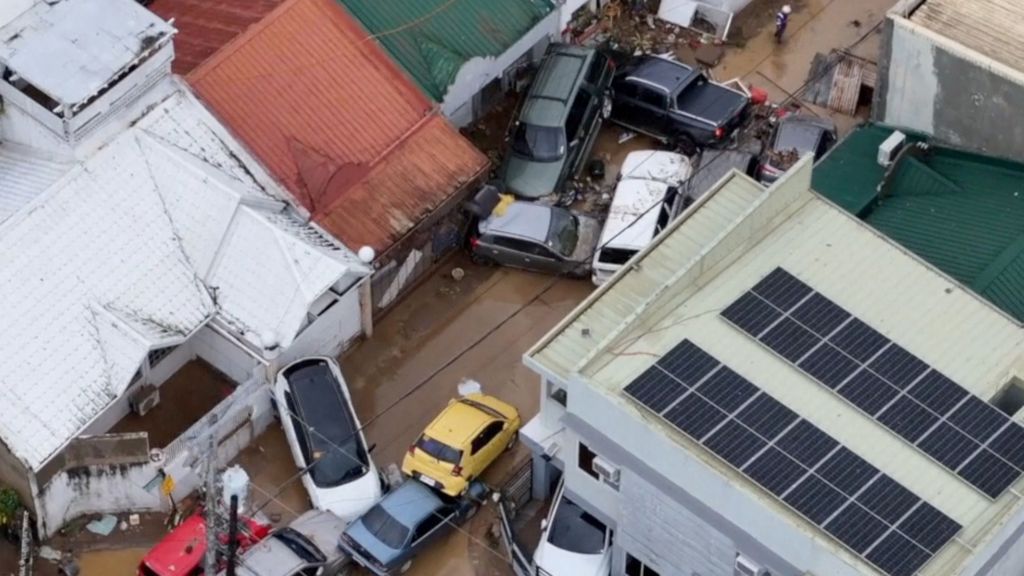
Watch: Cars pile up on Philippines streets after typhoon
In the wake of a devastating typhoon, the Philippines has been left grappling with catastrophic flooding that has claimed the lives of at least 85 individuals, with 75 more still unaccounted for. The calamity has transformed urban landscapes into scenes of chaos, with vehicles piled up on streets submerged under water. Rescue operations are in full swing as emergency teams work tirelessly to locate survivors and provide aid to affected communities. The typhoon’s torrential rains have overwhelmed infrastructure, leaving towns inundated and residents stranded. Authorities have issued warnings for continued heavy rainfall, urging citizens to remain vigilant. This disaster underscores the increasing vulnerability of the region to extreme weather events, exacerbated by climate change.
-
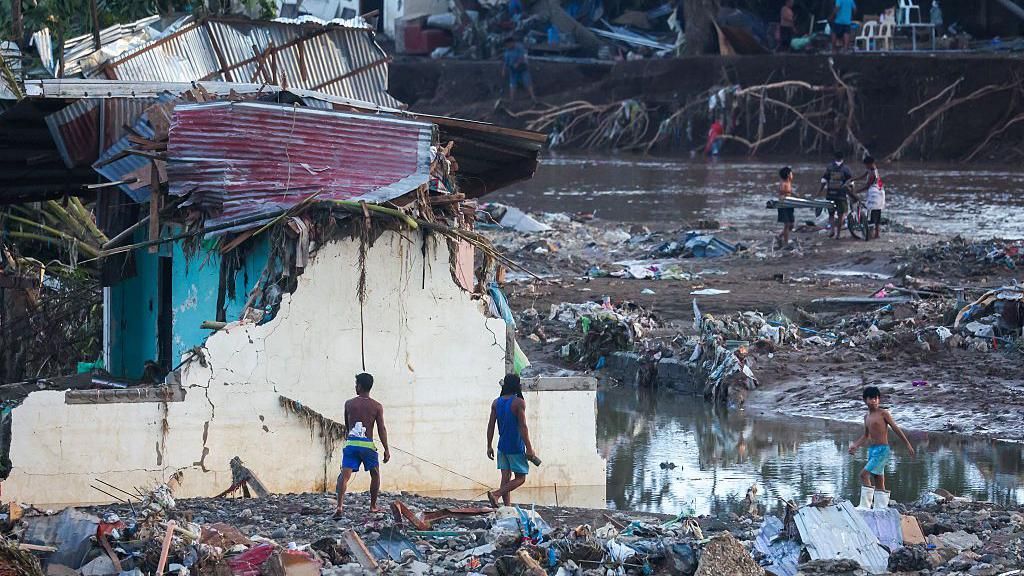
At least 114 dead as Philippines reels from Typhoon Kalmaegi
The Philippines is grappling with the aftermath of Typhoon Kalmaegi, one of the most powerful storms to hit the region this year. As of Thursday, the death toll has climbed to at least 114, with 127 people still missing and 82 injured, according to authorities. The typhoon caused catastrophic flooding across Cebu, the country’s most populous island, where 71 fatalities were reported. Provincial authorities in Cebu have confirmed an additional 28 deaths, which were not included in the national civil defense office’s initial tally. Kalmaegi has since exited the Philippines and is now heading toward central Vietnam, where residents are already dealing with severe flooding that has claimed dozens of lives. The storm unleashed torrents of muddy water, sweeping through towns and cities, leaving behind widespread destruction. Residential areas in Cebu were particularly hard-hit, with many small buildings destroyed and thick layers of mud covering the landscape. Local officials described the devastation as ‘unprecedented.’ Residents returning to their homes are struggling to cope with the aftermath. Jel-an Moira Servas, a business owner from Mandaue city, recounted her harrowing experience of being waist-deep in water within minutes and evacuating with her family. ‘Our houses are filled with mud, and everything is in shambles,’ she said. ‘We don’t even know where to start cleaning.’ The national disaster agency reported that over 400,000 people have been displaced in Cebu, home to 2.5 million residents. The death toll also includes six crew members of a military helicopter that crashed during relief operations on Mindanao island. Volunteer rescuer Carlos Jose Lañas described the situation as the worst flood he has ever witnessed, with emergency responders overwhelmed by the scale of the disaster. Kalmaegi, locally known as Tino, is the 20th tropical cyclone to strike the Philippines this year, a country frequently battered by powerful storms. This disaster follows closely on the heels of back-to-back typhoons in September that killed over a dozen people and caused significant damage to infrastructure and crops. The region has also faced an unusually wet monsoon season, exacerbating the crisis and sparking public outrage over inadequate flood control systems. As Kalmaegi strengthens, with winds reaching 155 km/h, it is expected to make landfall in central Vietnam on Friday, where more than 50 flights have already been canceled or rescheduled. Thailand is also preparing for potential impacts, including flash floods and landslides.
-
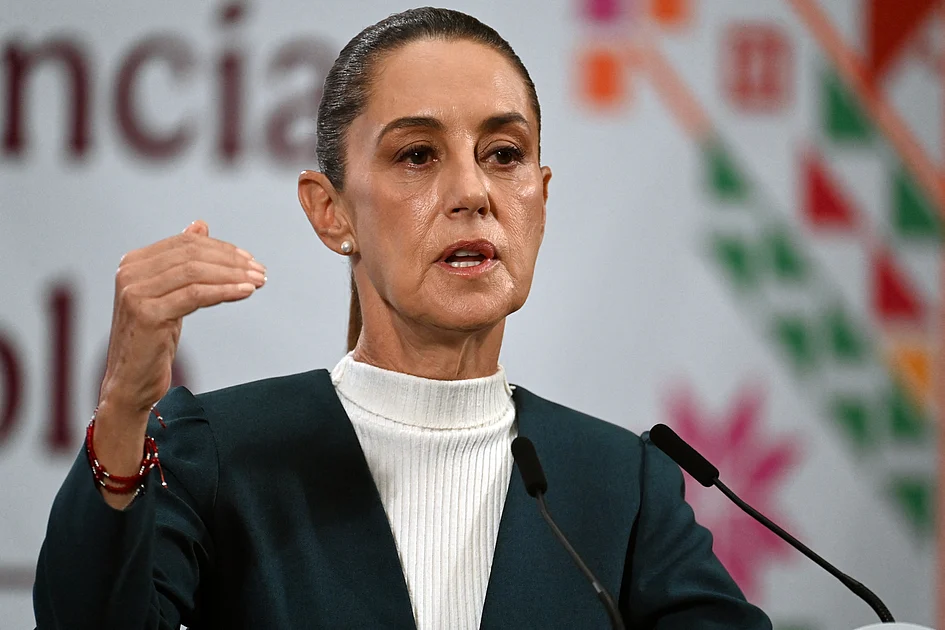
Man arrested after groping Mexican President Claudia Sheinbaum
Mexican President Claudia Sheinbaum has called for nationwide criminalization of sexual harassment following an unsettling incident where a man groped and attempted to kiss her. The event took place on Tuesday as Sheinbaum, Mexico’s first female president, was walking to an event near the presidential palace. Videos circulating on social media captured the moment when the man, appearing intoxicated, approached her from behind, placed his arm around her shoulder, and touched her inappropriately while trying to kiss her neck. A member of the presidential security detail swiftly intervened, removing the man from the scene. Despite the violation, Sheinbaum maintained her composure, agreeing to take a photo with the man and even patting him on the back. However, upon realizing that the man continued to harass other women, she decided to file a formal complaint with the police. Authorities later confirmed the man’s arrest. Sheinbaum emphasized the broader implications of the incident during her morning press conference, stating, ‘If they do this to the president, what will happen to all women in our country?’ She announced plans for a government review to ensure that such behavior is classified as a criminal offense across all 32 federal districts, as current laws vary. The incident has also drawn criticism of the president’s security team and highlighted pervasive ‘macho’ attitudes that normalize violations of women’s personal space. According to UN Women, approximately 70% of Mexican women aged 15 and over have experienced at least one incident of sexual harassment in their lives.
-

Are Christians being persecuted in Nigeria as Trump claims?
The recent claims of widespread Christian persecution in Nigeria, amplified by U.S. political figures and media personalities, have sparked intense debate. President Donald Trump’s threat to intervene in Nigeria “guns-a-blazing” to halt the alleged killings of Christians has drawn attention to the issue, but the accuracy of the data fueling these assertions remains questionable. Campaigners and politicians, including Senator Ted Cruz and comedian Bill Maher, have cited figures suggesting that over 100,000 Christians have been killed since 2009, with thousands of churches destroyed. However, the Nigerian government and independent analysts dispute these claims, labeling them as a “gross misrepresentation of reality.”
Much of the data cited by U.S. figures originates from the International Society for Civil Liberties and Rule of Law (InterSociety), a Nigerian NGO. InterSociety’s reports claim that jihadist groups, including Boko Haram and Fulani herders, have systematically targeted Christians. Yet, the organization’s methodology has been criticized for its lack of transparency and reliance on unverified sources. For instance, while InterSociety cites media reports as evidence, many of these reports do not specify the religious identity of victims. The BBC’s analysis of InterSociety’s data found significant discrepancies, with the total number of deaths reported by the NGO far exceeding verifiable figures.
Nigerian officials argue that the violence is not religiously motivated but rather part of a broader security crisis involving jihadist groups, criminal networks, and ethnic tensions. Security analyst Christian Ani emphasized that while Christians have been victims of attacks, there is no evidence to support claims of deliberate targeting. Similarly, other monitoring groups, such as Acled, report that the majority of victims in Nigeria’s political violence are Muslims, not Christians.
The controversy has significant political implications, with U.S. politicians using the issue to criticize Nigeria’s government and advocate for intervention. However, Nigerian authorities have welcomed international support, provided it is not unilateral. The debate also highlights the complexities of Nigeria’s security challenges, which include jihadist insurgencies, ethnic conflicts, and criminal activities. As the discourse continues, the need for accurate, verifiable data remains critical to understanding and addressing the situation.