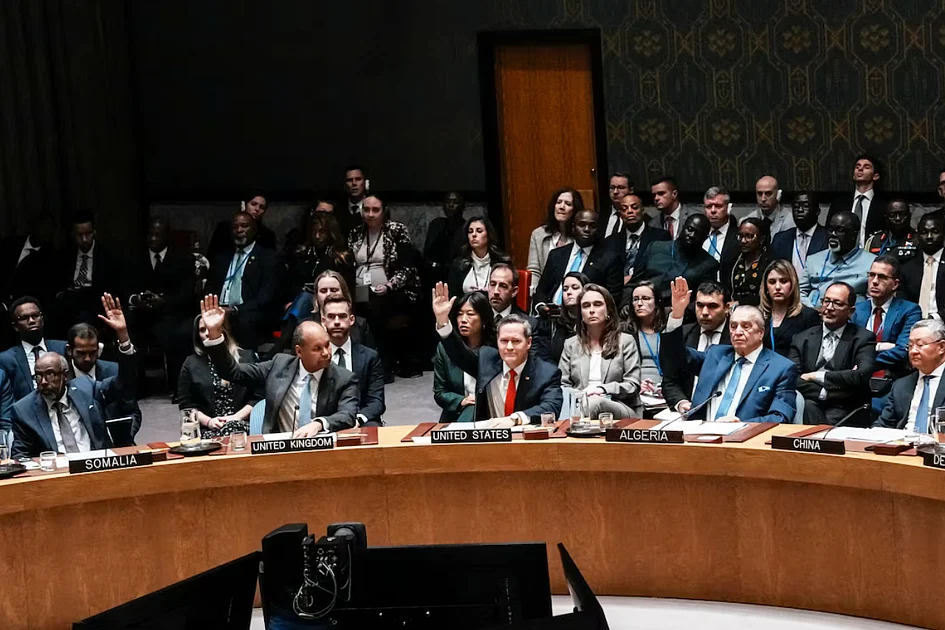
The United Nations Security Council has adopted a US-drafted resolution endorsing President Donald Trump’s 20-point plan to end the ongoing conflict in Gaza. The resolution, passed on Monday, authorizes the establishment of an international stabilization force and a transitional governance body known as the ‘Board of Peace.’ This body, chaired by Trump, will oversee Gaza’s reconstruction and economic recovery while ensuring demilitarization by decommissioning weapons and dismantling military infrastructure. The plan includes a ceasefire and a hostage-release deal, previously agreed upon by Israel and Hamas last month. However, the resolution has sparked controversy in Israel due to its reference to a potential future Palestinian statehood. The Palestinian Authority has expressed support for the resolution, while Hamas-led factions have opposed it, viewing it as a step toward foreign control over Gaza. Russia, a Security Council member with veto power, abstained from the vote, allowing the resolution to pass. Prime Minister Benjamin Netanyahu reiterated Israel’s opposition to a Palestinian state and vowed to demilitarize Gaza by any means necessary.
分类: world
-
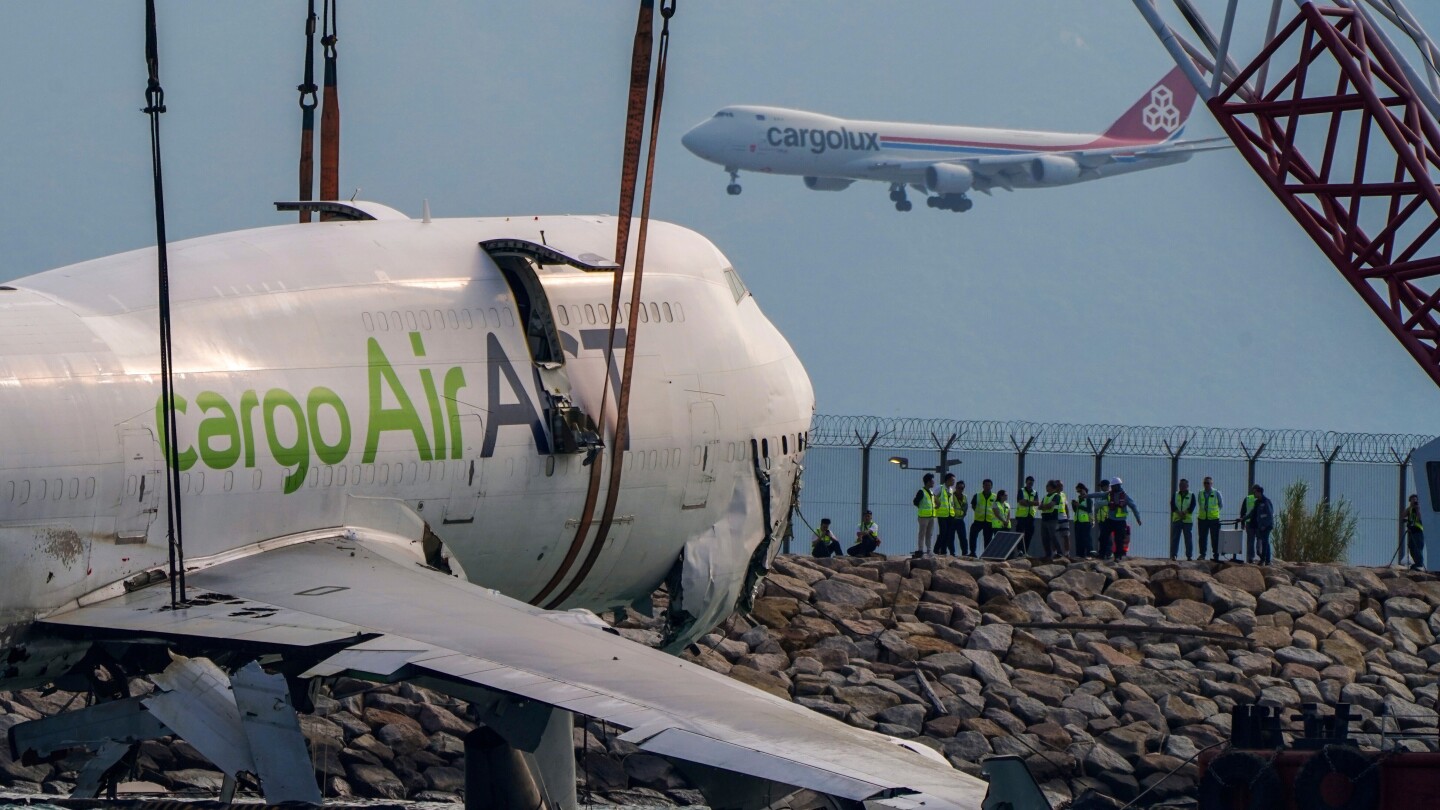
Engine accelerated after landing, a probe into deadly Hong Kong plane crash finds
A preliminary investigation into the fatal plane crash at Hong Kong International Airport last month has uncovered critical details about the incident. The report, released on Tuesday, indicates that the Number 4 engine of the Boeing 747 aircraft accelerated unexpectedly after the plane touched down on October 20. The aircraft, operated by Turkey-based ACT Airlines and leased by Emirates, skidded upon landing, colliding with a security patrol car and plunging both vehicles into the sea. Tragically, the two workers in the car lost their lives, while the four crew members on the plane escaped unharmed. The Transport and Logistics Bureau confirmed that flight conditions, including weather, runway status, and air traffic control, were normal prior to the accident. The Air Accident Investigation Authority classified the event as an accident, noting that the thrust lever of the Number 4 engine was in the full forward thrust position, contrary to the other engines, which were set to maximum reverse thrust. Investigators are now focusing on determining why the Number 4 engine’s thrust lever was in this position, examining potential issues with aircraft systems, engine conditions, maintenance records, and human factors. The investigation, supported by experts from Turkey’s Transport Safety Investigation Center, the U.S. National Transportation Safety Board, and Boeing, aims to produce a comprehensive report within a year.
-
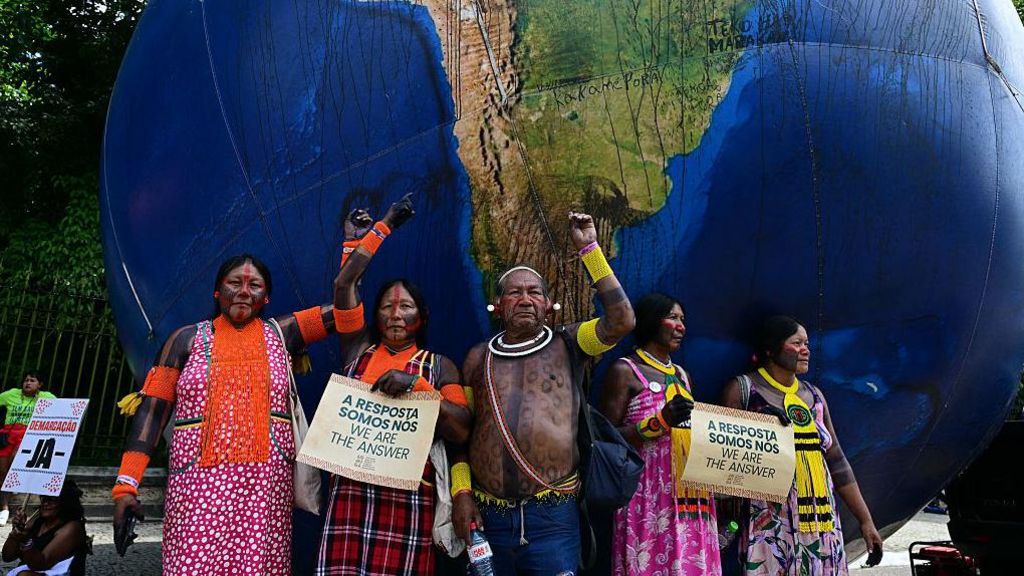
Brazil creates new Indigenous territories after COP30 protests
In a landmark decision during the COP30 climate summit in Belém, Brazil, the government has officially designated 10 new Indigenous territories. This move, formalized through a presidential decree, aims to protect the culture and environment of these areas under Brazilian law, though enforcement remains inconsistent. The announcement follows President Luiz Inácio Lula da Silva’s previous recognition of 11 Indigenous territories last year, marking a significant shift from the policies of his far-right predecessor, Jair Bolsonaro, who promoted mining on Indigenous lands. The newly protected regions span hundreds of thousands of hectares and are home to thousands of Indigenous people from various communities, including the Mura, Tupinambá de Olivença, and Guarani-Kaiowá. One of the areas overlaps with 78% of the Amazon National Park, a critical component of the global climate system. The decision aligns with Indigenous Peoples’ Day at COP30 and responds to protests demanding immediate demarcation of Indigenous lands. Demonstrators, some from Indigenous groups, carried signs reading ‘our forests are not for sale’ and clashed with security earlier in the week. Studies suggest that expanding Indigenous territories could prevent up to 20% of deforestation and reduce carbon emissions by 26% by 2030. Currently, Indigenous lands cover 117.4 million hectares, roughly the size of Colombia. The Amazon rainforest, already under threat from deforestation, plays a vital role in carbon sequestration. The COP30 summit aims to address global climate challenges, with countries striving to limit temperature rises to 1.5°C above pre-industrial levels to avoid severe consequences like extreme heat and food insecurity.
-
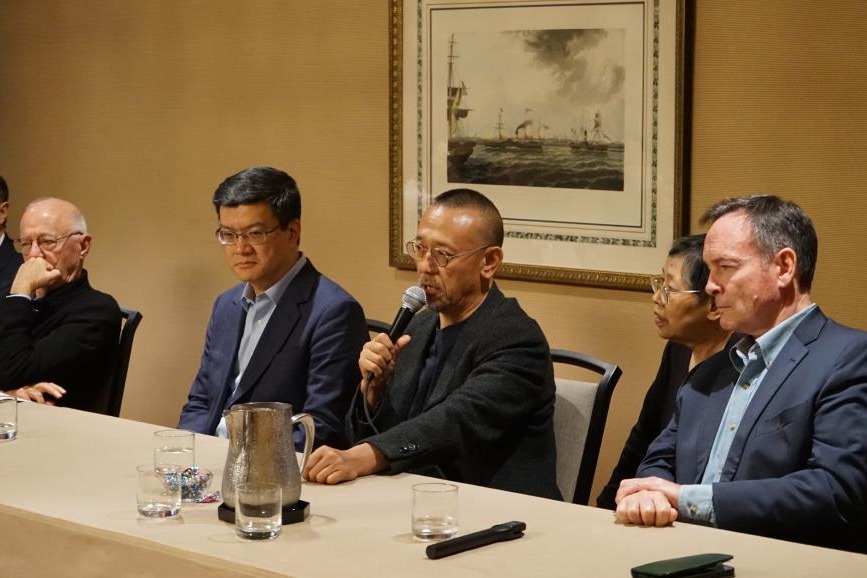
US-China People’s Dialogue highlights essential role of people-to-people exchanges
The 2025 US-China People’s Dialogue commenced in Los Angeles on Sunday, highlighting the indispensable role of people-to-people exchanges in stabilizing bilateral relations. Organized jointly by Tsinghua University’s Center for International Security and Strategy (CISS) and the National Committee on US-China Relations (NCUSCR), the three-day event brought together over 30 experts from academia, business, technology, and cultural sectors to discuss pressing issues under the theme ‘Bridging the Cultural and Informational Divide.’ Topics ranged from higher education and artificial intelligence to pop culture and the Chinese American community. This year’s dialogue introduced an innovative ‘group dialogue+’ format, featuring plenary discussions, breakout sessions, field visits, and interactions with international students, aiming to foster deeper understanding and trust. Yang Bin, vice chair of Tsinghua University Council, emphasized the event’s goal of exploring new mechanisms for cultural exchanges and promoting a constructive public opinion environment in the US. Stephen Orlins, president of the NCUSCR, stressed the need to identify and overcome barriers to people-to-people exchanges, calling for actionable recommendations to enhance bilateral relations. The dialogue, now in its third consecutive year, continues to serve as a vital platform for strengthening societal ties between the two nations.
-
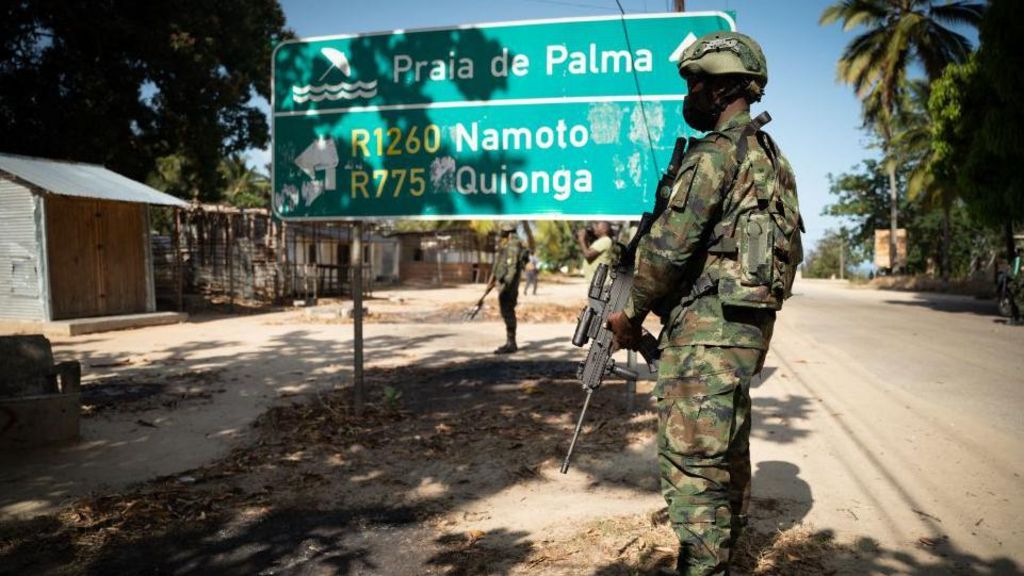
Total faces war crimes allegations over Mozambique massacre
French energy giant TotalEnergies is embroiled in a legal and ethical controversy following allegations of complicity in war crimes during a 2021 massacre near its multi-billion-dollar gas project in northern Mozambique. The European Center for Constitutional and Human Rights (ECCHR) has filed a complaint with French prosecutors, accusing the company of enabling the torture and execution of dozens of civilians by local security forces at its facility. The incident occurred in the resource-rich Cabo Delgado province, where government troops were combating Islamist militants linked to the Islamic State group. TotalEnergies has consistently denied responsibility for the actions of the security forces involved in guarding its Afungi peninsula gas refinery development, which was Africa’s largest foreign investment project at the time. The massacre followed a brutal Islamist attack on the town of Palma, where 1,563 civilians were killed or kidnapped near TotalEnergies’ gas plant. Investigative journalist Alex Perry, who first documented the tragedy, described it as the ‘bloodiest disaster in oil and gas history.’ The complaint highlights the ethical dilemmas faced by corporations operating in conflict zones and calls for accountability. Environmental campaigners are urging the UK and Dutch governments to withdraw financial support for TotalEnergies’ liquefied natural gas project in Mozambique, citing the severity of the allegations. Critics draw parallels between TotalEnergies’ actions and those of Lafarge, another French company currently on trial for allegedly funding jihadist groups in Syria. Despite the controversy, supporters argue that the project could bring significant economic benefits to a neglected region of Africa.
-
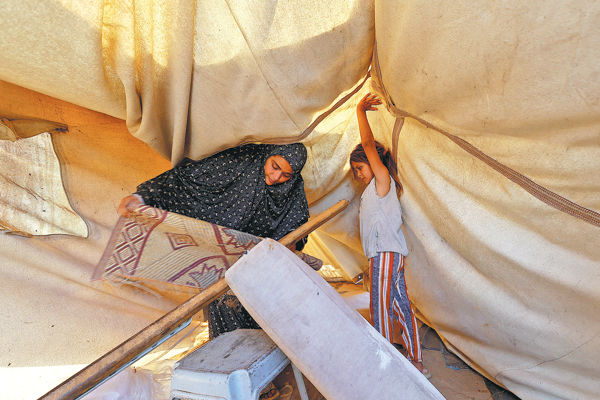
Palestinian groups urge UN mandate for Gaza mission
Palestinian factions, including Hamas, have strongly emphasized that any international mission in Gaza must operate under a United Nations mandate. This demand comes as the UN Security Council prepares to vote on a US-drafted resolution aimed at establishing a ‘Board of Peace’ and an international stabilization force in the Gaza Strip. The factions argue that a mission outside UN authority could lead to external domination over Palestinian decision-making and turn humanitarian aid into a tool of pressure, thereby undermining Palestinian institutions and the UN agency for Palestinian refugees. They insist that any mission must coordinate exclusively with official Palestinian institutions to avoid compromising Palestinian sovereignty. Additionally, the groups are calling for international mechanisms to hold Israel accountable for its violations of the ceasefire agreement, including the humanitarian crisis caused by Israel’s control of Gaza’s crossings. The US-drafted resolution, which follows a recent ceasefire brokered by the US, includes provisions for a potential future Palestinian state and the disarmament of Hamas. However, experts like Arhama Siddiqa of the Institute of Strategic Studies Islamabad argue that the resolution fails to address the core issue of Israel’s occupation and the denial of Palestinian self-determination, making it unlikely to gain credibility on the ground.
-
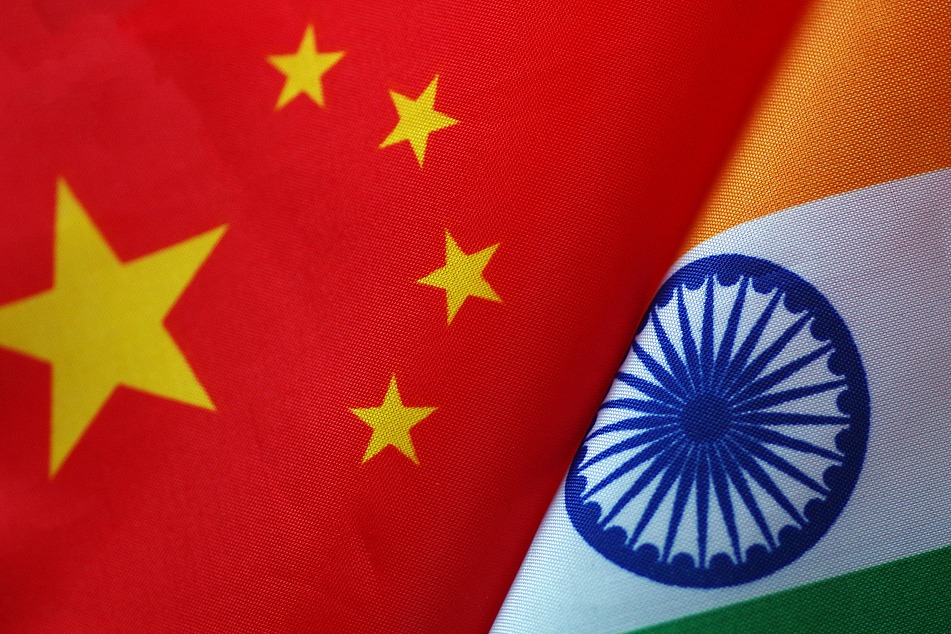
Experts call on India, China to bridge communication gap
In a bid to mend strained relations, experts and media leaders from India and China have emphasized the need to bridge the communication gap between the two nations. The call was made during a special plenary session at the 31st annual conference of the Asian Media Information and Communication Centre, held in Mumbai in October. The session focused on promoting dialogue to improve bilateral ties, with participants stressing the importance of rebuilding trust to reduce negative perceptions. Padma Rani, a senior professor at the Manipal Institute of Communication, highlighted the role of multilateral organizations like BRICS, G20, and the Shanghai Cooperation Organisation in aligning views on global issues. She advocated for consistent dialogue and non-official exchanges between experts, think tanks, and civil society members to address the trust deficit. Wang Xiangwei, a professor at Hong Kong Baptist University, reflected on the cultural differences in communication styles between the two nations, noting that these differences could serve as bridges rather than barriers. He lamented the lack of accredited journalists in each other’s countries, which has led to negative portrayals in the media. Biplab Loho Choudhury, chairman of the Indian Communication Congress, recalled Rabindranath Tagore’s vision of a ‘common Asian viewpoint’ and urged the two nations to embrace an Asian way of thinking. Ji Li, a professor at Wuhan University, highlighted a project encouraging young journalists to report on sustainable development goals, aiming to shift media narratives from confrontation to cooperation. K.G. Suresh, vice-president of the Indian Communication Congress, called for more academic exchanges to shape perceptions, while Wang suggested partnerships between media organizations to reduce dependency on Western sources and foster empathy through shared bylines.
-
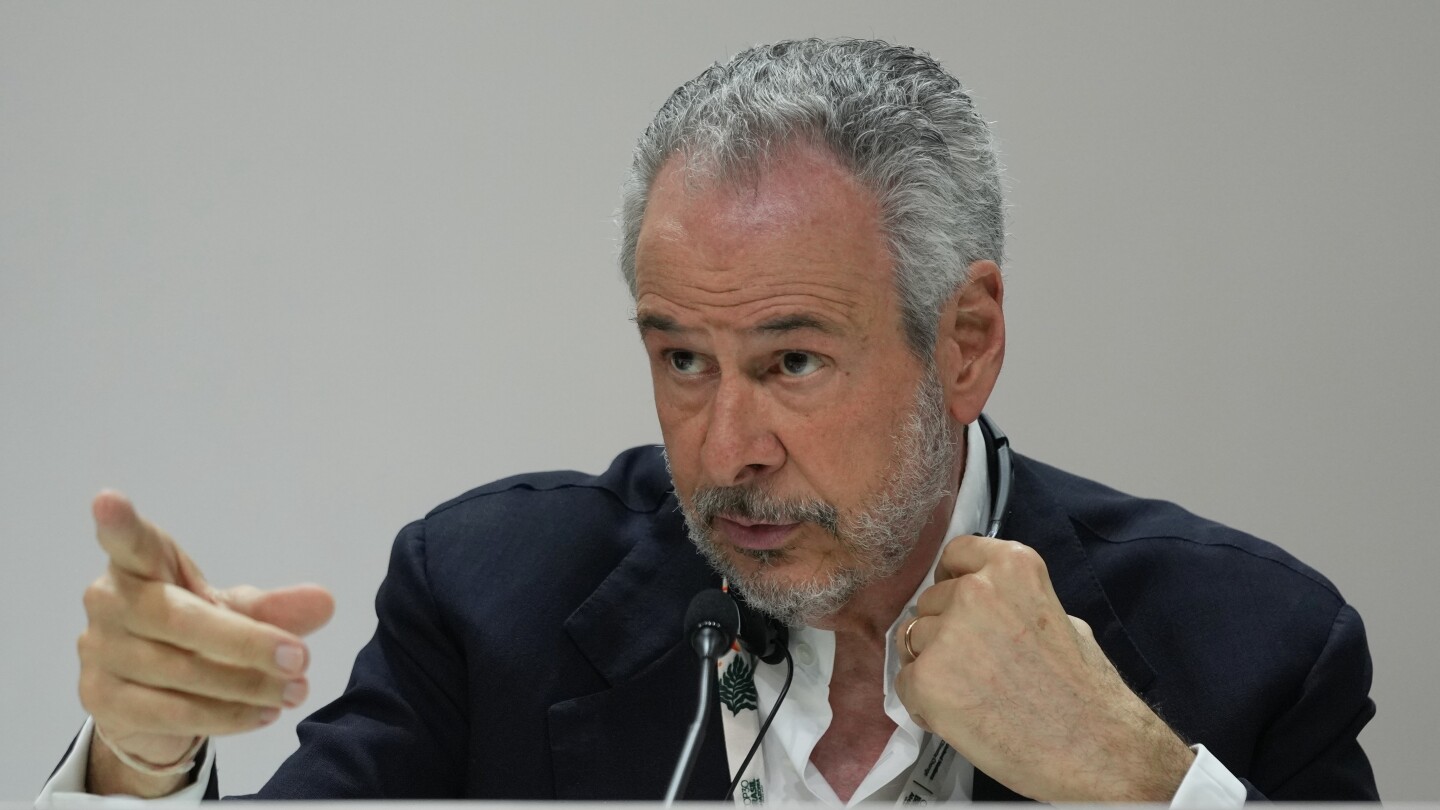
UN climate conference host Brazil urges nations to negotiate and find solutions to global warming
As the United Nations COP30 climate summit in Brazil reaches its pivotal final week, host nation Brazil has issued a direct appeal to participating countries to accelerate negotiations. The letter, dispatched late Monday, underscores the urgency of reaching consensus on key issues before the summit concludes on Friday. This historic gathering, the first of its kind in the Amazon rainforest, highlights the region’s critical role in climate regulation through its vast carbon-absorbing forests.
-
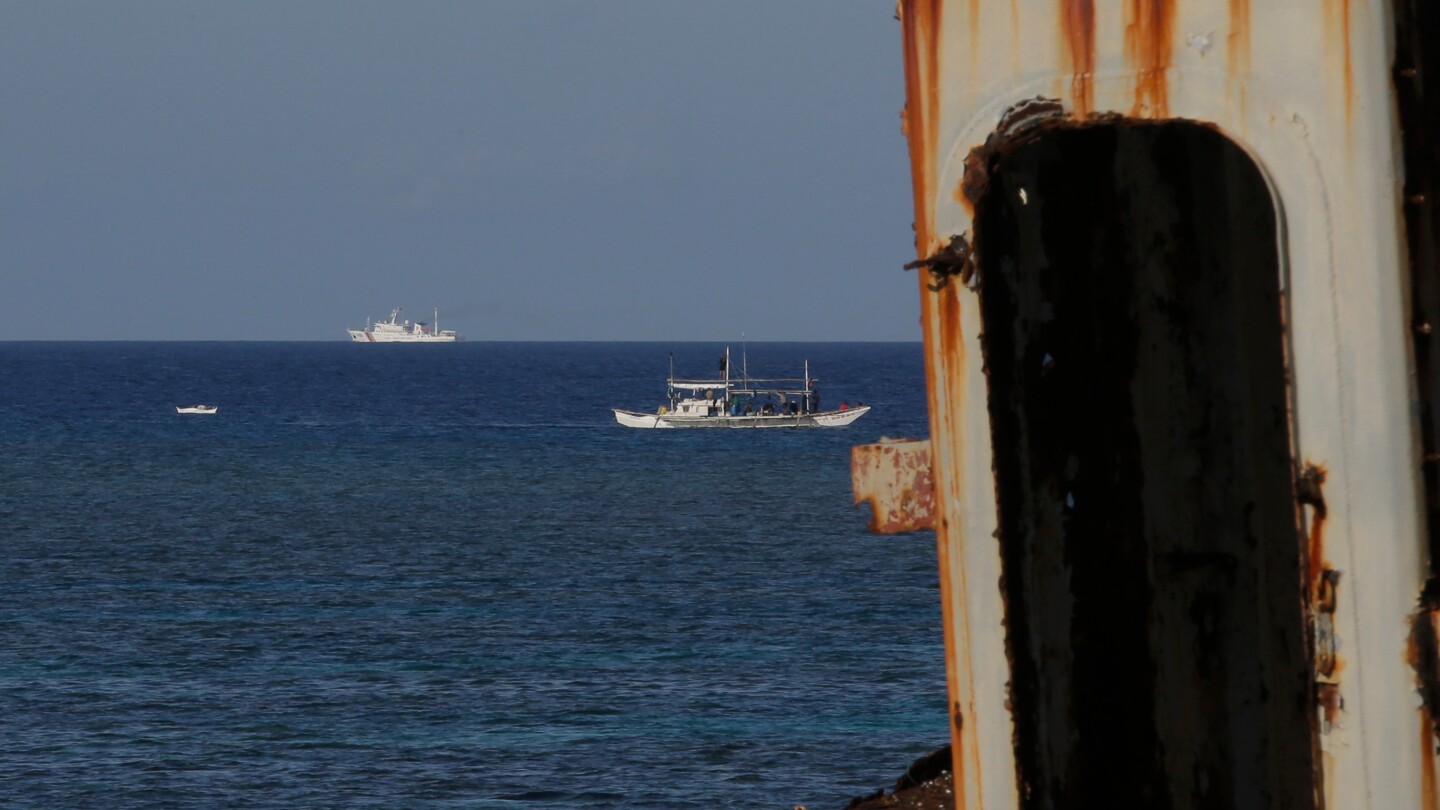
Chinese ship jams communications as Filipino forces deliver supplies to Philippines-occupied shoal
In a tense maritime operation, Philippine forces successfully transported essential supplies and personnel to the Second Thomas Shoal, a disputed territory in the South China Sea, despite interference from Chinese government ships. The mission, conducted on Friday, saw the Armed Forces of the Philippines deliver food, fuel, and a fresh batch of navy personnel to the BRP Sierra Madre, a grounded warship serving as a territorial outpost. Chinese Coast Guard vessels, which have long guarded the periphery of the shoal, reportedly jammed communications during the operation, ostensibly to prevent potential drone surveillance by the United States or other foreign forces. Philippine officials confirmed the mission was completed without incident, though they spoke anonymously due to the sensitivity of the issue. China, which claims sovereignty over the shoal and much of the South China Sea, has repeatedly demanded the removal of the Sierra Madre. The two nations had previously signed a temporary nonaggression agreement in July 2024 to avoid confrontations in the area. However, tensions have persisted, with China deploying additional coast guard and militia ships to the shoal in August, some equipped with advanced weaponry. The Philippines has conducted 12 such supply missions since last year, all without incident. The South China Sea remains a flashpoint for regional disputes, with Vietnam, Malaysia, Brunei, and Taiwan also laying overlapping claims. The U.S., while not claiming the waters, has pledged to defend the Philippines, its oldest Asian ally, in the event of armed conflict.
-

Takeaways from AP’s report on the violence in northern Nigeria
Northern Nigeria has been engulfed in a prolonged security crisis, marked by widespread violence that has drawn international attention. U.S. President Donald Trump has specifically criticized Nigeria for what he describes as the “killing of Christians” by “radical Islamists.” While victims and church leaders affirm that Christians face persecution, many experts and residents argue that the situation is more complex. The violence, they say, spares no one, regardless of religious affiliation.