分类: world

  • Endangered species convention proposes new rules for growing exotic pet trade

    Endangered species convention proposes new rules for growing exotic pet trade

    SAMARKAND, UZBEKISTAN – International conservation authorities are convening urgent talks this week to address the alarming expansion of digital wildlife trafficking, as exotic pet markets migrate from physical stores to unregulated online platforms and social media networks.

    The ongoing Convention on International Trade in Endangered Species of Wild Fauna and Flora (CITES), meeting through Friday in Uzbekistan’s historic city, is considering sweeping trade restrictions for multiple vulnerable species. Proposed protections include complete bans on commerce involving Galapagos Islands iguanas, numerous Latin American tarantula species, and Africa’s distinctive Home’s Hinged-back Tortoise.

    Susan Lieberman, Vice President for International Policy at the Wildlife Conservation Society, highlighted the paradigm shift: “The trade dynamics have fundamentally transformed. Consumers now pursue rare reptiles and amphibians through digital marketplaces rather than physical pet shops. Thousands of endangered and illegally obtained animals become available through simple online searches.”

    Matt Collis, Senior Director at the International Fund for Animal Welfare, detailed how technological advances have revolutionized trafficking operations: “Explosive growth in online platforms directly connects consumers with global wildlife criminals. In an era where any commodity can be purchased with a click and shipped worldwide within days, no species remains secure from exploitation.”

    Recent data reveals particularly concerning trends in Latin America, where an IFAW investigation documented over 100,000 animal seizures and poaching incidents between 2017-2022. Reptiles constitute approximately 60% of trafficked specimens, with birds representing 30% and amphibians exceeding 10%. While regional trade dominates, evidence confirms shipments reaching collectors in Europe, Asia, and the United States.

    The United States has emerged as a primary market, importing approximately 90 million live animals annually according to an upcoming Center for Biological Diversity report. This extensive trade occurs despite systematic abuse of CITES permitting processes, where traffickers falsely label wild-caught specimens as captive-bred to circumvent regulations.

    Collis emphasized systemic failures: “Countries issue export permits without verifying animal origins, enabling traffickers to launder illegally sourced wildlife. This undermines the entire protective framework established by CITES.”

    While conservation organizations advocate for strengthened protections, industry representatives including the United States Association of Reptile Keepers oppose expanded regulations, arguing current measures sufficiently protect wild populations and that captive breeding reduces pressure on natural habitats.

    The conference outcomes could establish critical safeguards for numerous species facing extinction risks from combined pressures of illegal trade, habitat destruction, and climate change.
  • Ukrainian troops near the front doubt the proposed pact with Russia will bring lasting peace

    Ukrainian troops near the front doubt the proposed pact with Russia will bring lasting peace

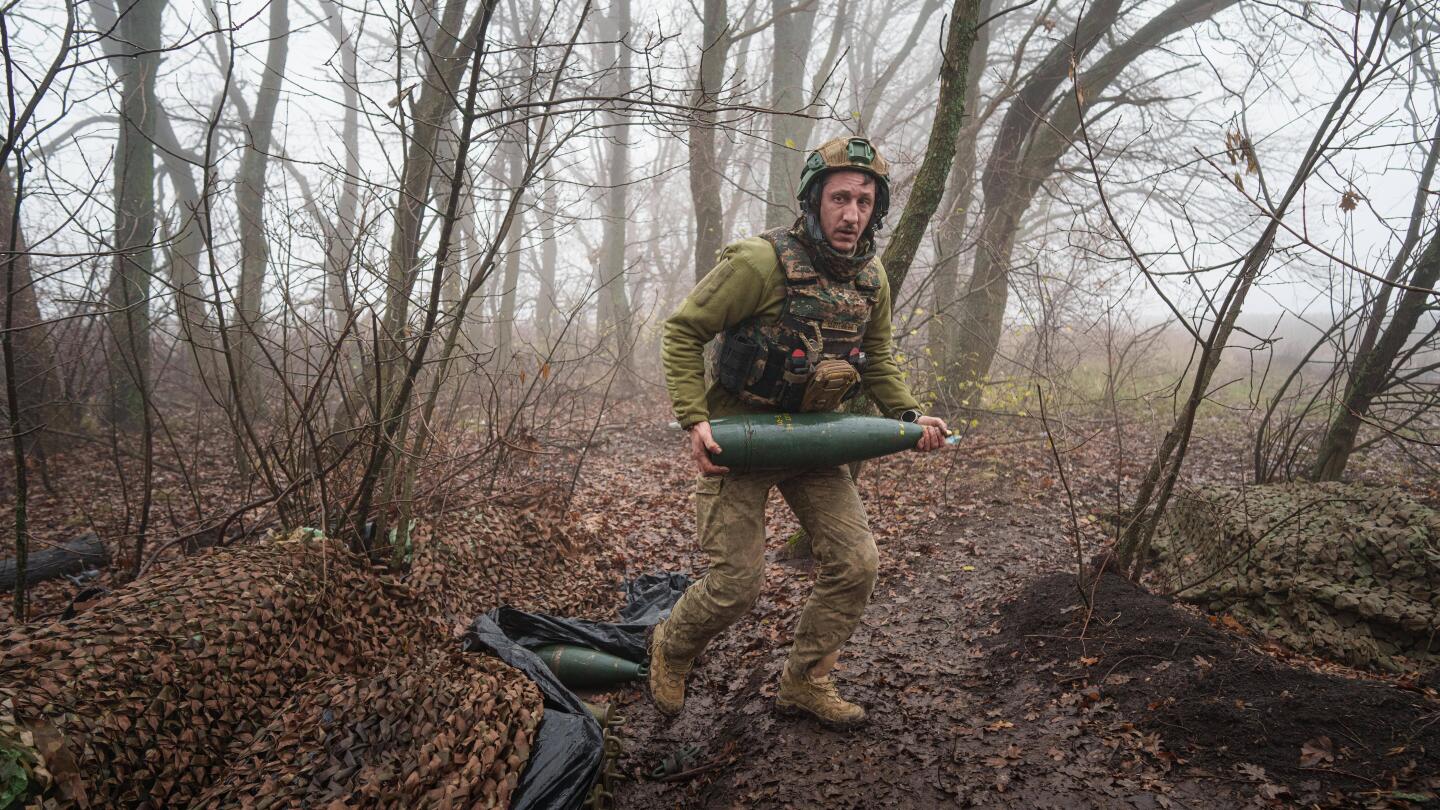
    On the sprawling eastern frontlines of Ukraine, a profound skepticism permeates the ranks of battle-weary soldiers. Embedded in damp basements and muddy trenches, these troops express unwavering resolve in defending their homeland against Russian aggression, yet hold deep-seated doubts about the prospects for a durable peace. Military personnel, operating under call signs like ‘Kelt’, articulate a widespread belief that any negotiated settlement would merely provide Moscow with a strategic pause to reconstitute its forces for future offensive operations.

    The prevailing sentiment among frontline units indicates that Russia’s ultimate objective remains the full conquest of Ukraine, regardless of diplomatic agreements. This perspective is reinforced by military analysts who warn that without substantial security guarantees—potentially including NATO membership—Ukraine faces inevitable renewed aggression. The situation is further complicated by severe manpower challenges, with reports indicating some battalions operating at critically reduced strength of merely 20 fighters instead of standard complements of 400-800 personnel.

    Despite these constraints, Ukrainian forces continue demonstrating remarkable resilience in key defensive positions including Pokrovsk, Kupiansk, and Vovchansk. These holding actions occur against a backdrop of complex geopolitical negotiations, including a U.S.-Russia draft peace plan that proposes limiting Ukraine’s military capabilities—a notion frontline troops vehemently oppose as strategically dangerous.

    The financial dimensions of sustaining Ukraine’s defense efforts present additional challenges. With nearly all domestic tax revenue allocated to military expenditures, the nation remains heavily dependent on Western support for essential civilian functions including healthcare, education, and social programs. Economic projections indicate significant funding gaps loom for 2026-2027, highlighting how Ukraine’s future security posture is inextricably linked to continued international assistance and the management of frozen Russian assets.

  • Pope prays at site of 2020 port explosion, consoles relatives of victims on last day of trip

    Pope prays at site of 2020 port explosion, consoles relatives of victims on last day of trip

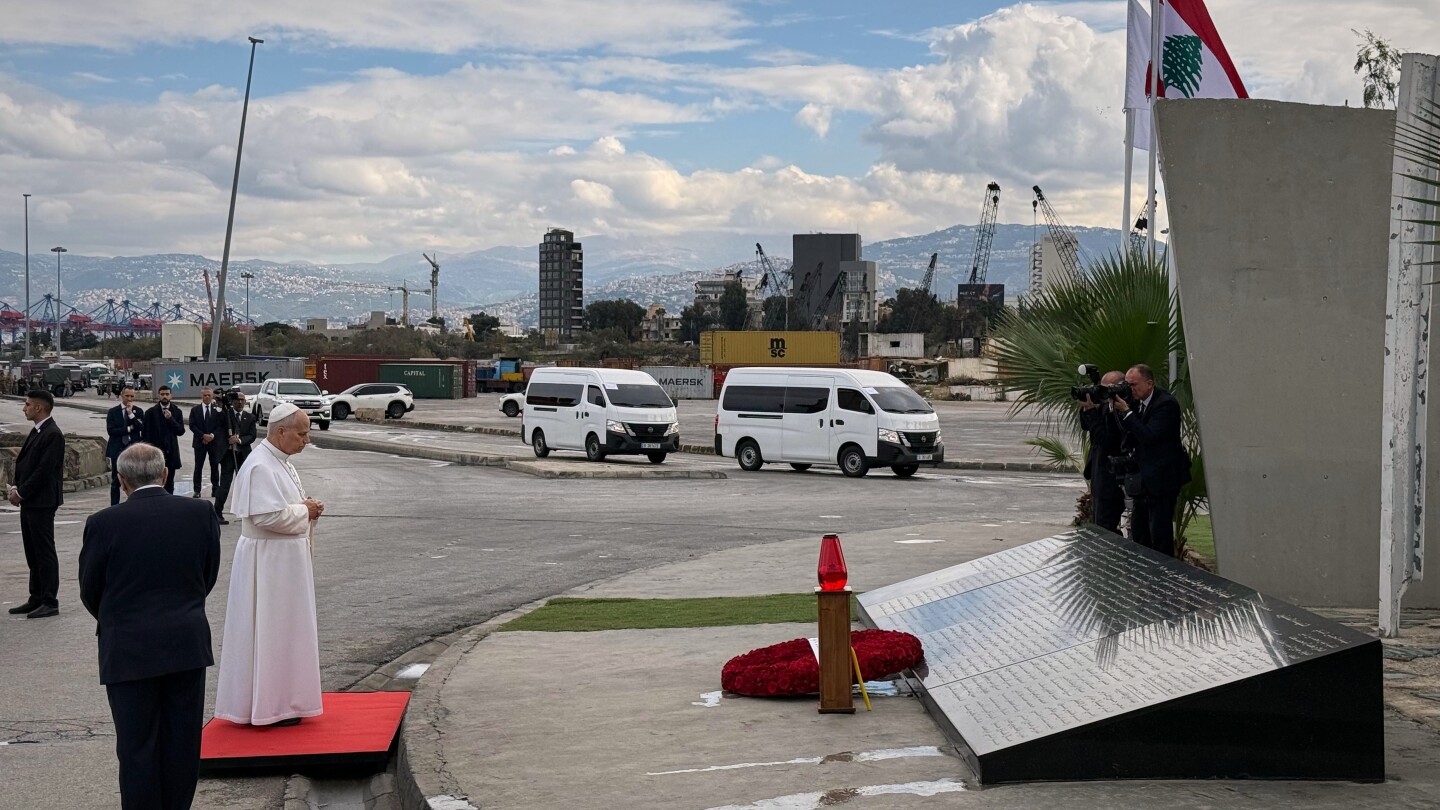
    BEIRUT — Pope Leo XIV concluded his inaugural international journey with a profoundly symbolic visit to the devastated Beirut port, the epicenter of the catastrophic 2020 explosion that claimed 218 lives and became an enduring emblem of Lebanon’s systemic governance failures.

    On Tuesday, the pontiff offered prayers and personal consolation to grieving families at the blast site, where relatives stood holding photographs of their lost loved ones. The emotional gathering occurred beside the skeletal remains of the last standing grain silo and mountains of incinerated vehicles—tangible remnants of the August 4 disaster that detonated hundreds of tons of improperly stored ammonium nitrate, causing billions in damages.

    Five years after the tragedy, no officials have been held accountable in an investigation repeatedly obstructed by political interference. “The visit clearly sends the message that the explosion was a crime,” stated Cecile Roukoz, who lost her brother Joseph in the blast. “The country should end impunity and ensure justice is served.”

    The papal visit included an earlier stop at De La Croix psychiatric hospital, where Leo emphasized societal responsibility toward vulnerable populations. “We cannot forget those who are most fragile,” he declared, criticizing societies that “race ahead at full speed clinging to false myths of wellbeing” while ignoring poverty and vulnerability.

    Mireille Khoury, whose 15-year-old son Elias perished in the explosion, articulated the families’ unwavering demand for accountability. “Justice is the foundation of building any country,” she told The Associated Press. “Our children were killed in their homes because someone kept ammonium nitrate near a residential area.”

    While acknowledging the symbolic comfort of the papal visit, Khoury emphasized that only concrete justice could partially soothe the enduring anger: “I will not say this anger will fully disappear until justice is served.”

    The damaged grain silos—whose preservation families successfully advocated for as both memorial and potential evidence—stand as physical testament to the unresolved tragedy. Although the port has regained partial functionality, reconstruction remains incomplete, mirroring Lebanon’s broader struggle with economic collapse, political paralysis, and the aftermath of regional conflicts.

  • Colombia expels members of ultra-Orthodox Jewish sect Lev Tahor

    Colombia expels members of ultra-Orthodox Jewish sect Lev Tahor

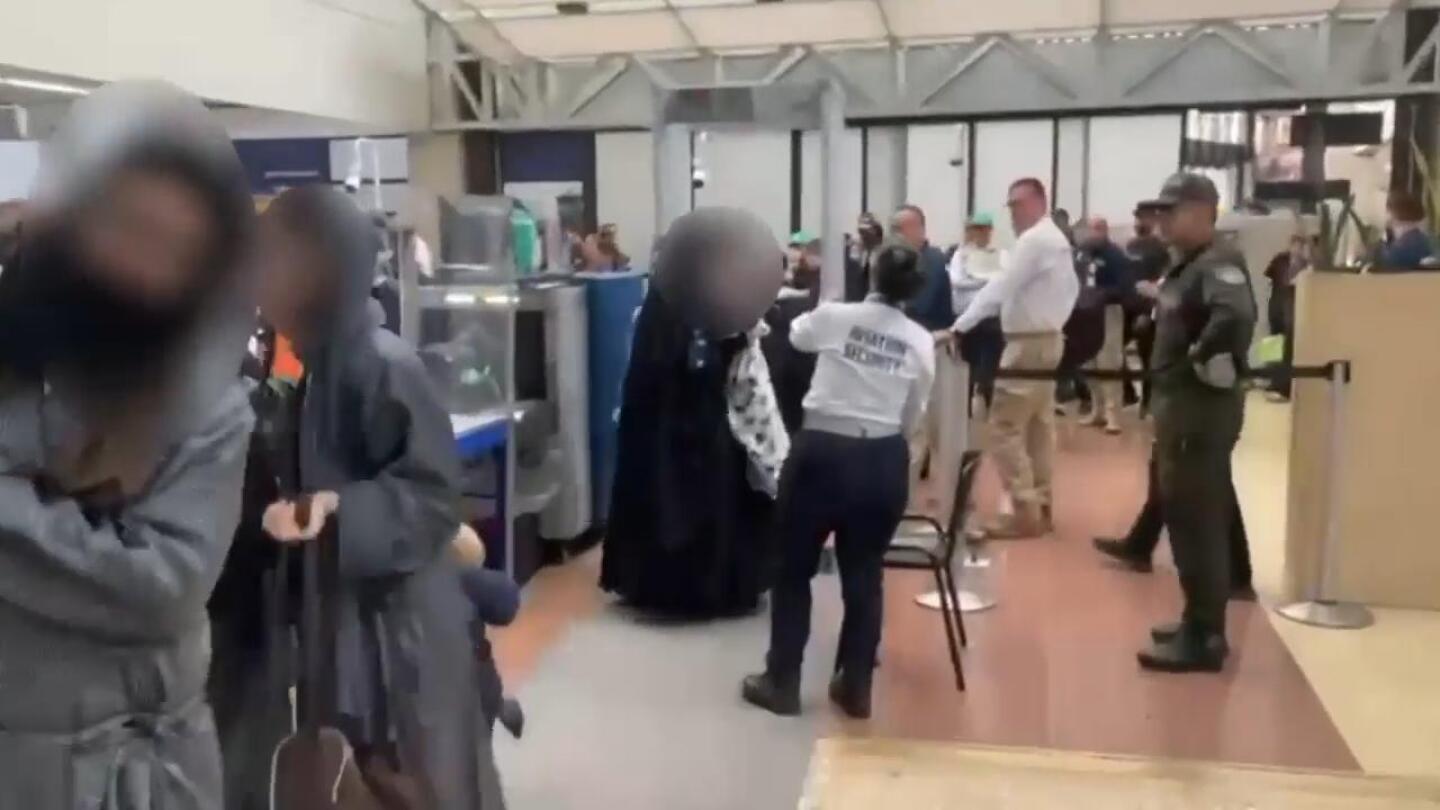
    Colombian authorities have intervened to protect minors belonging to the controversial Lev Tahor ultra-Orthodox Jewish sect, deporting 26 members to the United States following child welfare concerns. The group, comprising 17 children and 9 adults, was apprehended during a November 22nd hotel raid in Yarumal, northwestern Colombia, after local residents alerted officials to their presence.

    Immigration officials discovered five children with American and Guatemalan passports subject to Interpol yellow notices, indicating they had been reported missing or as potential victims of parental or criminal abduction. While all children were accompanied by at least one parent, the alerts prompted immediate protective action.

    The detained individuals spent a week at immigration facilities in Medellín, where Colombia’s National Institute for Family Welfare provided specialized support for the minors before their coordinated transfer to New York. US officials received the group at their destination, where Child Protective Services assumed responsibility for the children while authorities examine potential investigations against adult members.

    This incident represents the latest international chapter in Lev Tahor’s troubled history. The sect has faced legal scrutiny across multiple jurisdictions, with previous interventions occurring in Guatemala (2023), Mexico (2022), and the United States (2021). Previous allegations include child kidnapping, forced adult-minor marriages, and sexual exploitation crimes resulting in convictions of group leaders.

    Gloria Eperanza Arriero, director of Colombia’s immigration agency, emphasized the preventative nature of the operation, noting the group had arrived in October seeking rural property to establish a compound. ‘The positive outcome is that we reached the children before they established a compound,’ Arriero stated, ‘which would have necessitated judicial authorization for intervention.’

    The sect, established in the 1980s, maintains presence across North America and Israel, consistently drawing international law enforcement attention due to its practices regarding minor protection and welfare.

  • Syria launches first official print newspaper since fall of Assad

    Syria launches first official print newspaper since fall of Assad

    In a significant development for Syria’s media landscape, the nation witnessed the launch of its first official print newspaper since the fall of long-time ruler Bashar Al Assad. The inaugural issue of ‘Al Thawra Al Souriya’—meaning ‘the Syrian Revolution’ in Arabic—was published on Monday, December 1, 2025, marking the return of print media after a five-year hiatus.

    The resurrection of print publications follows their suspension during the COVID-19 pandemic, when the previous government cited escalating printing costs and distribution difficulties as primary reasons for ceasing operations. This new publication replaces ‘Al Thawra,’ the state newspaper that operated during the Assad regime.

    At the official launch ceremony, Information Minister Hamza Mustafa articulated his vision for the publication, stating it should serve as ‘a mirror to people’s pain, their daily lives and their hopes in a space of free discussion.’ This statement signals a potential shift from the previously tightly controlled media environment.

    Under Assad’s rule, media freedoms were severely constrained with robust security oversight of content and frequent harassment of journalists. State media predominantly echoed government narratives, while the few privately-owned outlets permitted to operate maintained strict alignment with official positions under heavy supervision.

    The new Syrian authorities have assumed control and relaunched pre-existing media institutions, including the state-run SANA news agency. Private publications have been granted permission to operate under the current administration, suggesting a possible liberalization of media policies in the post-Assad era.

  • 604 killed in floods, landslides in Indonesia

    604 killed in floods, landslides in Indonesia

    Indonesia faces a mounting humanitarian crisis as catastrophic flooding and landslides across Sumatra Island have resulted in 604 confirmed fatalities with 464 individuals still unaccounted for, according to the latest figures released by the National Disaster Management Agency (BNPB) on Monday.

    The devastating natural disasters have triggered massive displacement, forcing approximately 570,000 residents from their homes across three severely impacted provinces: North Sumatra, West Sumatra, and Aceh. Rescue operations are proceeding at maximum capacity despite significant logistical challenges caused by damaged infrastructure and compromised communication networks that have rendered numerous affected zones unreachable by conventional ground transportation.

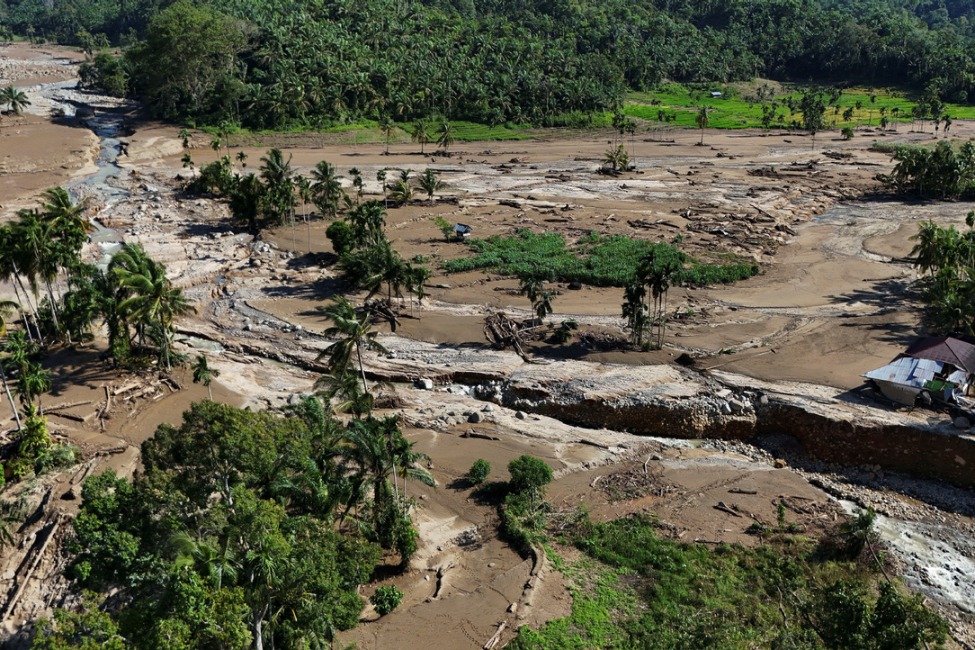
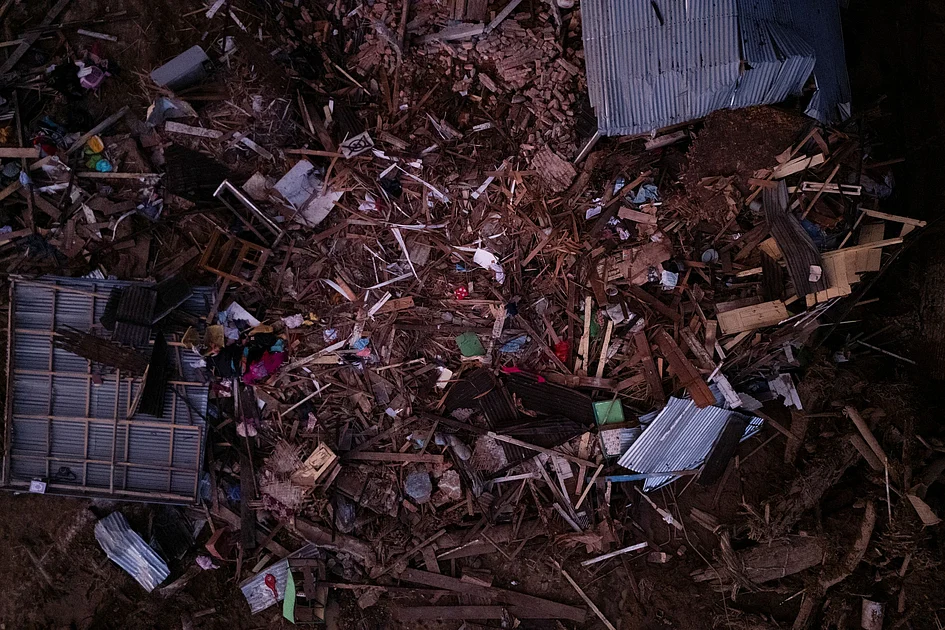
    Aerial reconnaissance from the Palembayan region of Agam regency in West Sumatra province reveals the extensive devastation wrought by sudden torrential downpours that triggered deadly flash floods. Relief efforts are currently heavily dependent on air support for delivering essential supplies to isolated communities.

    Indonesian President Prabowo Subianto has emphasized the government’s full-scale mobilization of rescue and relief initiatives while simultaneously highlighting the critical need for enhanced climate change adaptation strategies. The president called for more substantial involvement from local governments in both environmental conservation measures and preparedness planning for increasingly frequent extreme weather phenomena.

  • Sudanese children abducted for recruitment by RSF and allies in South Kordofan raid

    Sudanese children abducted for recruitment by RSF and allies in South Kordofan raid

    In a disturbing escalation of Sudan’s ongoing conflict, paramilitary forces and rebel factions have been implicated in the systematic abduction of 21 children from South Kordofan state with the apparent intention of coercing them into military service. According to multiple eyewitness accounts and verification from the Sudan Doctors Network, the incident occurred on November 24th when joint forces from the Rapid Support Forces (RSF) and Abdelaziz al-Hilu’s faction of the Sudan People’s Liberation Movement-North (SPLM-N) overran the al-Zallataya gold mining region.

    The operation resulted in the capture of approximately 150 individuals, predominantly young males, with the targeted children all being between 14 and 15 years of age. Witness testimony reveals the abductions were conducted through aggressive house-to-house raids and workplace detentions, despite the area experiencing no active hostilities at the time. A local activist described how victims were subsequently held in confined recruitment facilities with no means of escape.

    This development is particularly alarming as it follows the RSF’s recent announcement of a unilateral three-month humanitarian ceasefire. Medical authorities confirmed at least four casualties during the raid, which targeted an area previously under Sudanese Armed Forces (SAF) control before most troops were redeployed.

    The incident reflects the rapidly deteriorating security situation in strategically vital South Kordofan state, where fighting has intensified significantly in recent days. The region has witnessed reciprocal allegations of civilian targeting, including rebel claims of a SAF drone strike that allegedly killed 45 civilians, mostly children.

    This abduction campaign appears consistent with previously documented patterns of child recruitment by Sudanese paramilitaries. United Nations reports from October 2023 already indicated the RSF was systematically recruiting vulnerable children, particularly those from impoverished or unaccompanied backgrounds. Humanitarian organizations have documented the catastrophic impact of the conflict on children, with Save the Children reporting approximately one child displaced every ten seconds since hostilities began in April 2023.

    The alliance between the RSF and SPLM-N factions has evolved from tacit cooperation to formal integration, with al-Hilu now participating in the RSF’s parallel governance structure. This partnership has significantly altered the dynamics of Sudan’s complex conflict, which has already claimed tens of thousands of lives and displaced over 13 million people.

  • Italy to deport Egyptian imam over comments at pro-Palestine rally

    Italy to deport Egyptian imam over comments at pro-Palestine rally

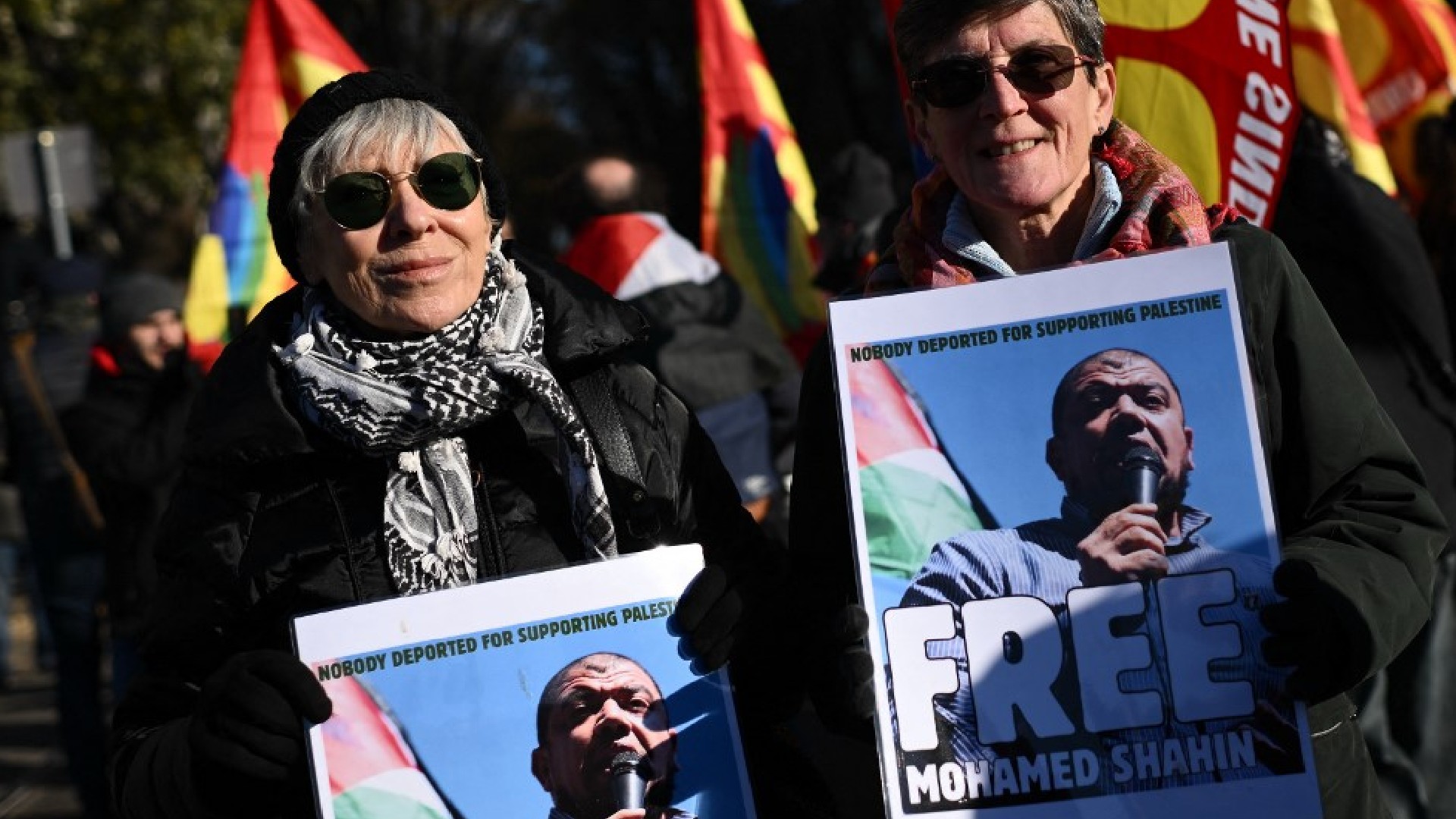
    Italy’s Ministry of the Interior has initiated deportation proceedings against Mohamed Shahin, a 46-year-old Egyptian imam who has resided in the country for over two decades. The controversial decision follows remarks Shahin made during a pro-Palestine demonstration in Turin on October 9th, where he characterized Hamas’ October 7th attack on southern Israel—which resulted in approximately 1,200 fatalities—as a form of “resistance after years of occupation.”

    Counter-terrorism units arrested Shahin in a dawn operation on November 24th after authorities revoked his residence permit and issued an expulsion order. The former imam of Turin’s San Salvario mosque is currently detained at a repatriation facility in Caltanissetta, Sicily, awaiting adjudication of his asylum application.

    During proceedings at the Turin Court of Appeal, Shahin asserted that returning to Egypt would expose him to torture and potential execution due to his well-documented criticism of President Abdel Fattah el-Sisi’s administration. “I maintain no affiliation with Hamas and do not advocate violence,” Shahin testified. “My consistent position has been that the Palestinian people deserve sovereign autonomy.”

    Legal representatives for the imam have issued grave warnings that repatriation would equate to a “death sentence.” These concerns appear substantiated by investigative reporting from Il Fatto Quotidiano, which revealed that Turin’s prosecutor’s office found insufficient evidence that Shahin’s comments violated penal codes or constituted criminal incitement.

    The case has sparked significant opposition across Italian society. Approximately 180 academics endorsed an open letter demanding Shahin’s release, while Turin’s interfaith leadership coalition expressed “profound shock and concern” in correspondence to Interior Minister Matteo Piantedosi. They characterized Shahin as instrumental to interreligious dialogue and warned his expulsion would “undermine years of peaceful coexistence.”

    Solidarity protests have emerged nationwide, including a strike coordinated by the Unione Sindacale di Base (USB) that merged labor demands with condemnation of Italy’s Gaza policy. The demonstration attracted international figures including climate activist Greta Thunberg and UN Special Rapporteur Francesca Albanese.

    Ismaele La Vardera of Sicily’s regional assembly, who visited Shahin in detention, acknowledged reservations about the imam’s statements but deemed the deportation order “absolutely disproportionate and unworthy of any democratic nation.”

  • Drug lord El Chapo’s son pleads guilty in US drug trafficking case

    Drug lord El Chapo’s son pleads guilty in US drug trafficking case

    In a significant blow to Mexico’s most powerful drug trafficking organization, Joaquín Guzmán López, 39, has entered a guilty plea to narcotics charges in a United States federal court. The defendant—one of four sons of imprisoned kingpin Joaquín ‘El Chapo’ Guzmán—acknowledged his criminal activities as part of a plea agreement reached with U.S. prosecutors.

    This judicial development follows the U.S. government’s commitment last May to exclude capital punishment from potential sentencing. Guzmán López represents the second consecutive son from the notorious ‘Los Chapitos’ faction to admit guilt this year, following his brother Ovidio’s July confession to drug trafficking, firearms, and money laundering violations.

    Federal prosecutors assert that the Guzmán siblings ascended to leadership roles within the Sinaloa Cartel following their father’s 2019 life sentence conviction and subsequent imprisonment at Colorado’s ADX Florence supermax facility. The criminal organization, co-founded by El Chapo and currently led by Ismael ‘El Mayo’ Zambada, remains one of Mexico’s most prolific drug syndicates.

    Guzmán López’s arrest occurred last year after his private aircraft landed in Texas, where authorities apprehended him alongside cartel boss Zambada. The guilty plea emerges amid heightened political tensions regarding U.S. counter-narcotics strategies, including the Trump administration’s controversial missile strikes against suspected maritime drug traffickers and proposals to designate cartels as terrorist organizations.

    The administration justifies these aggressive measures as necessary interventions to combat the opioid crisis and prevent narcotics-related fatalities within American borders. This case underscores the ongoing international efforts to dismantle transnational criminal networks through judicial cooperation and targeted law enforcement operations.

  • Death toll nears 800 in Southeast Asia storms as scale of disaster revealed

    Death toll nears 800 in Southeast Asia storms as scale of disaster revealed

    Southeast Asia confronts a catastrophic humanitarian crisis with fatalities approaching 800 after a rare tropical cyclone unleashed devastating floods and landslides across the region. The disaster’s full magnitude became apparent on Monday as improved weather conditions permitted assessment teams to survey the widespread destruction.

    Indonesia bears the heaviest burden, reporting 604 confirmed deaths with an additional 464 individuals still missing. Neighboring Thailand has documented 176 fatalities, while Malaysia records three deaths from the extreme weather event. The tropical storm originated unusually in the Malacca Strait, generating torrential rainfall and powerful winds that persisted for seven days, severely complicating rescue operations.

    In Indonesia’s West Sumatra province, the town of Palembayan presented scenes of utter devastation under suddenly clear skies. Hundreds of volunteers joined official crews in clearing mudslides, fallen trees, and wreckage from roadways. Residents sifted through the ruins of their homes attempting to recover documents and salvageable possessions from structures reduced to rubble. The Indonesian disaster agency reports more than 28,000 homes damaged and approximately 1.5 million people affected nationwide.

    President Prabowo Subianto visited three impacted provinces, acknowledging the catastrophe while praising citizens’ resilience. “We face this disaster with resilience and solidarity. Our nation is strong right now, able to overcome this,” he declared in North Sumatra, noting that severed transportation links remained a significant challenge.

    The catastrophe extends beyond Indonesia’s borders. Malaysia maintains 11,600 evacuees in emergency shelters, with authorities preparing for potential secondary flooding. Thailand’s southern provinces experienced their worst flooding in centuries, with approximately 3 million residents affected. The trading hub of Hat Yai received 335mm of rainfall on November 21—the highest single-day accumulation in three centuries—followed by persistent downpours.

    Thai Prime Minister Anutin Charnvirakul has established a seven-day timeline for residents to return home, though the disaster response has faced criticism for its perceived sluggishness, potentially impacting the leader’s popularity ahead of anticipated January elections. Restoration efforts continue with 85% of water services already resumed in hardest-hit Songkhla province.

    Climate scientists note this disaster continues a pattern of increasingly severe weather events across Southeast Asia, consistent with warnings about global warming intensifying extreme meteorological phenomena.