分类: world

  • Migrant Channel crossings resume after four-week gap

    Migrant Channel crossings resume after four-week gap

    The prolonged hiatus in small boat migrant arrivals across the English Channel concluded this weekend as Border Force vessels transported dozens of individuals to Dover, Kent. This event terminated a four-week period without recorded crossings—the most extended interruption since 2018.

    Photographic evidence depicted groups wearing life jackets disembarking from a government vessel on Saturday. While official statistics from the Home Office will be released Sunday, this arrival breaks a significant pause that began after the last documented crossing on November 14th.

    Seasonal patterns indicate December typically experiences reduced crossing activity due to harsh winter weather in the Channel, which is considered a primary factor in the recent lull. Despite this temporary respite, the cumulative figure for 2025 has reached 39,292 individuals, positioning it as the second-highest annual tally on record, trailing only the peak of 45,774 arrivals witnessed in 2022. Historical data reveals that more than 187,000 people have undertaken the perilous journey via small boats since official record-keeping commenced seven years ago.

    Concurrently, the UK government is intensifying its multifaceted strategy to combat irregular migration. Prime Minister Sir Keir Starmer has publicly committed to dismantling people-smuggling networks with the objective of significantly reducing crossings by 2029. On the diplomatic front, Deputy Prime Minister David Lammy recently engaged with European counterparts to deliberate on potential reforms to the European Convention on Human Rights (ECHR), aiming to streamline deportation procedures for those deemed to have entered illegally.

    Further policy adjustments were unveiled in November by Home Secretary Shabana Mahmood, introducing a system of temporary refugee status subject to reassessment every 30 months. This framework includes provisions for returning individuals to their countries of origin if conditions are subsequently classified as safe.

    A notable bilateral initiative, the “one in, one out” pilot program established with France in August, continues its operation. This agreement facilitates the return of a migrant to France in exchange for the UK accepting another individual with a substantiated asylum claim. As of late November, this mechanism has resulted in 153 individuals being returned under its provisions.

  • Visa-free transit and direct flights to boost travel to China

    Visa-free transit and direct flights to boost travel to China

    In a significant move to reinvigorate its tourism sector and strengthen global connectivity, China is implementing a dual strategy of expanded visa-free transit policies and increased direct flight routes. The initiative comes as the country positions itself as a premier destination for international travelers following recent global travel disruptions.

    China Southern Airlines recently demonstrated this commitment by hosting a cultural bridge event titled “Bridging Cultures Across the Sky” in San Francisco on December 9. The event specifically targeted the promotion of US-China travel routes, highlighting the airline’s expanded service offerings between the two nations.

    The visa-free transit program, which allows passengers from numerous countries to stay in China for up to 144 hours without a visa when connecting to international flights, has been expanded to include additional major hub airports. This policy streamlining eliminates bureaucratic hurdles that previously discouraged short-term visits and layover tourism.

    Aviation industry analysts note that the combination of eased transit regulations and enhanced direct flight availability creates a powerful synergy. Travelers can now more conveniently use Chinese airports as connecting hubs while also having improved options for direct access to China’s numerous cultural and commercial centers.

    The strategic timing of these developments coincides with China’s broader efforts to strengthen people-to-people exchanges and economic ties with key partners worldwide. The travel facilitation measures are expected to provide substantial benefits to sectors including hospitality, retail, and business services across China’s major urban centers.

  • Fighting rages on Thai-Cambodian border despite Trump’s ceasefire claim

    Fighting rages on Thai-Cambodian border despite Trump’s ceasefire claim

    Intense combat operations continued unabated along the Thailand-Cambodia border region on Saturday, directly contradicting former U.S. President Donald Trump’s assertion of having brokered a new ceasefire agreement between the two Southeast Asian nations.

    The diplomatic friction intensified when Thai Foreign Minister Sihasak Phuangketkeow publicly challenged the accuracy of Trump’s statements, particularly his characterization of a land mine explosion that injured Thai soldiers as merely a ‘roadside accident.’ Minister Sihasak expressed profound disappointment that Trump appeared to rely on ‘sources that deliberately distorted the facts’ rather than trusting Thailand’s account, noting this stance ‘hurt the feelings of the Thai people’ given their nation’s status as America’s oldest treaty ally in the region.

    This recent escalation traces back to December 7 skirmishes that derailed a previous ceasefire agreement originally negotiated in July through Malaysian mediation and strong diplomatic pressure from Trump, who had threatened trade privilege suspensions. The October formalization of that agreement occurred during a regional summit in Malaysia attended by the former president.

    The human cost has been substantial, with official reports indicating over two dozen combat fatalities and more than half a million civilians displaced from border communities. Thailand acknowledges 15 military casualties while estimating approximately 165 Cambodian soldier deaths. Cambodia has confirmed at least 11 civilian fatalities with dozens more wounded.

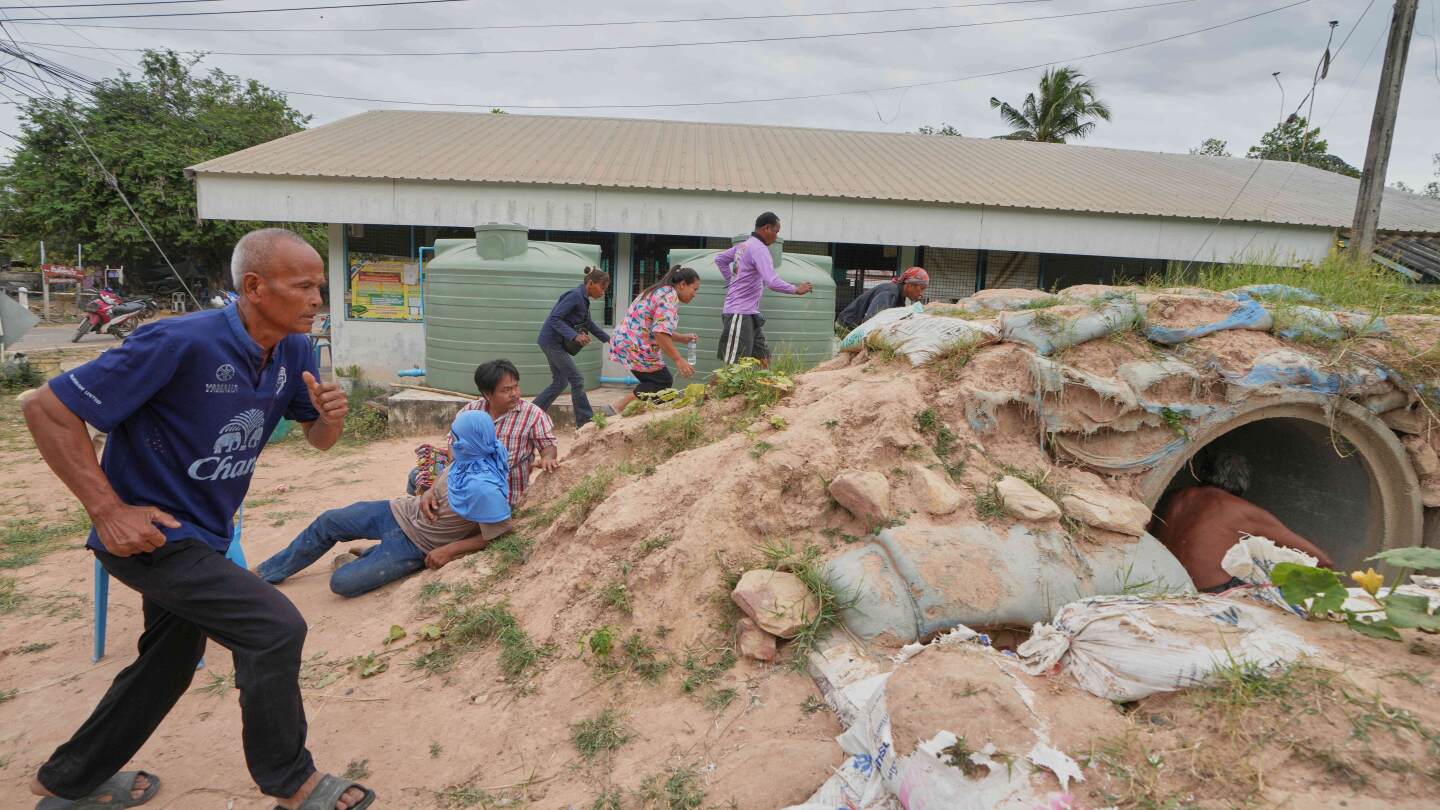
    The military confrontation has involved sophisticated weaponry, with Thailand conducting precision airstrikes on purported military targets while Cambodia has deployed volleys of BM-21 rockets—imprecise artillery systems capable of firing 40 rockets simultaneously across 30-40 kilometer ranges. Tragically, these rockets struck civilian areas in Thailand’s Sisaket province on Saturday, seriously injuring two civilians attempting to reach bunkers during warning sirens.

    The conflict expanded to maritime domains Saturday morning as both nations reported naval engagements in the Gulf of Thailand, with each side accusing the other of initiating hostilities.

    Despite Trump’s social media announcement of a ceasefire agreement following phone discussions with Thai Prime Minister Anutin Charnvirakul and Cambodian Prime Minister Hun Manet, both governments subsequently denied any such arrangement. Prime Minister Anutin had previously stated that peace would require Cambodia to cease attacks first, while simultaneously managing domestic political developments including Parliament’s dissolution ahead of anticipated early elections.

  • Eritrea withdraws from regional bloc as UN expresses concern over tensions with Ethiopia

    Eritrea withdraws from regional bloc as UN expresses concern over tensions with Ethiopia

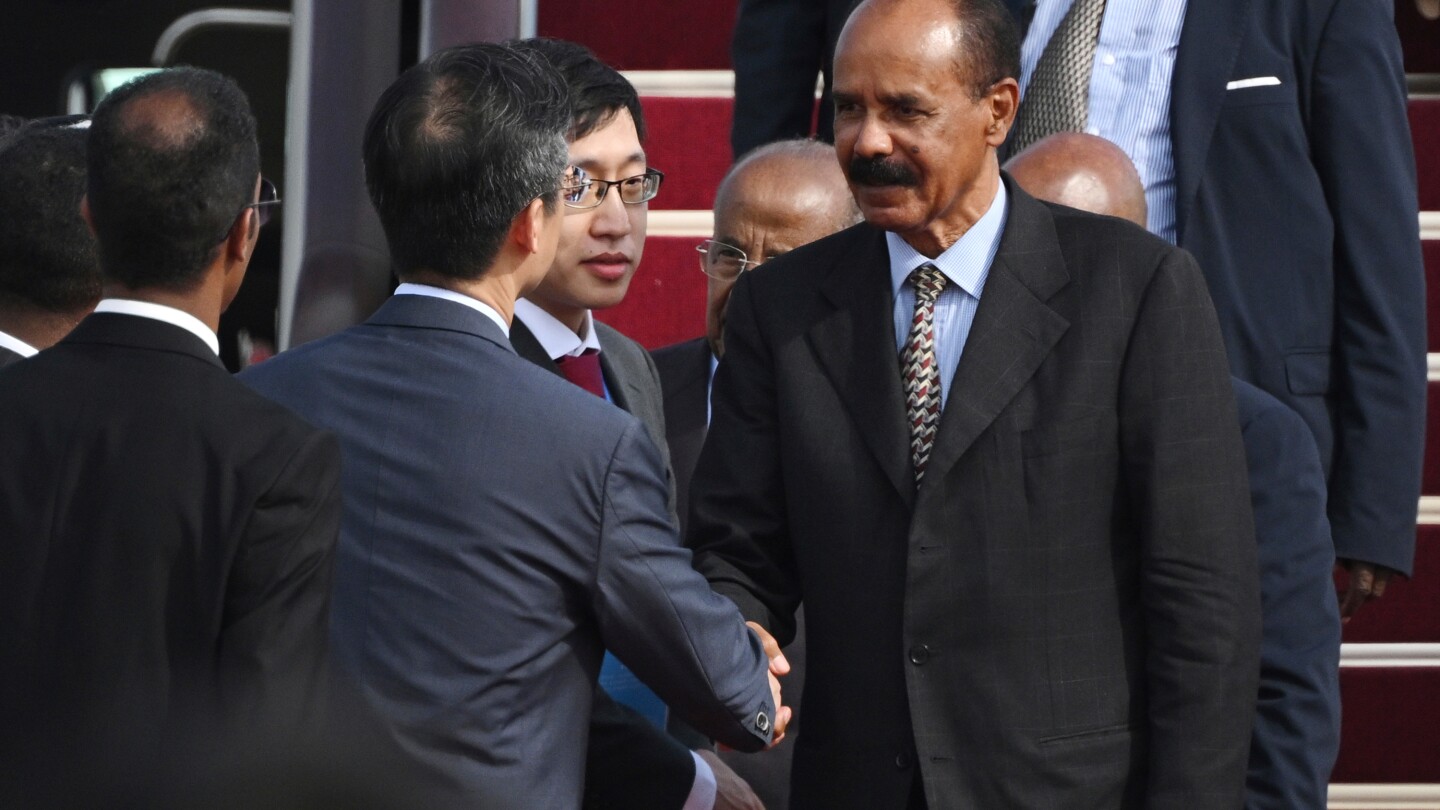
    NAIROBI, Kenya — In a significant regional development, Eritrea has formally announced its withdrawal from the Intergovernmental Authority on Development (IGAD), denouncing the East African bloc for allegedly acting against its national interests. The Eritrean foreign ministry issued a statement Friday asserting that IGAD had “forfeited its legal mandate and authority” while failing to deliver “discernible strategic benefit” or contribute meaningfully to regional stability.

    This marks the second time Eritrea has exited the eight-nation coalition, having previously withdrawn in 2003 before rejoining just two years ago. IGAD responded by noting that Eritrea had remained largely inactive in regional activities since its return to the organization.

    The withdrawal coincides with mounting international concern over deteriorating relations between Eritrea and neighboring Ethiopia. United Nations officials expressed alarm about renewed tensions between the two nations, which signed a historic peace agreement a quarter-century ago.

    The core dispute centers on maritime access, with Ethiopian Prime Minister Abiy Ahmed recently declaring it a “mistake” to have lost Red Sea access when Eritrea gained independence in 1993. Ethiopia has expressed intentions to peacefully secure port access through Eritrea, which previously served as Ethiopia’s primary trade corridor. Eritrean officials have interpreted these statements as provocative, accusing Ethiopia of maintaining a “long-brewing war agenda” aimed at seizing its strategic ports.

    UN Secretary-General Antonio Guterres’ office has urgently called for both nations to “recommit to the vision of lasting peace and the respect for sovereignty and territorial integrity,” specifically referencing the landmark Algiers Agreement that ended their devastating border conflict in 2000.

    IGAD, comprising Djibouti, Ethiopia, Kenya, Somalia, South Sudan, Sudan, and Uganda alongside Eritrea, facilitates regional cooperation on trade, transportation, agriculture, and environmental policies. The organization’s effectiveness now faces renewed challenges amid these escalating diplomatic tensions.

  • Myanmar military claims armed opposition groups used hospital hit by airstrike as base

    Myanmar military claims armed opposition groups used hospital hit by airstrike as base

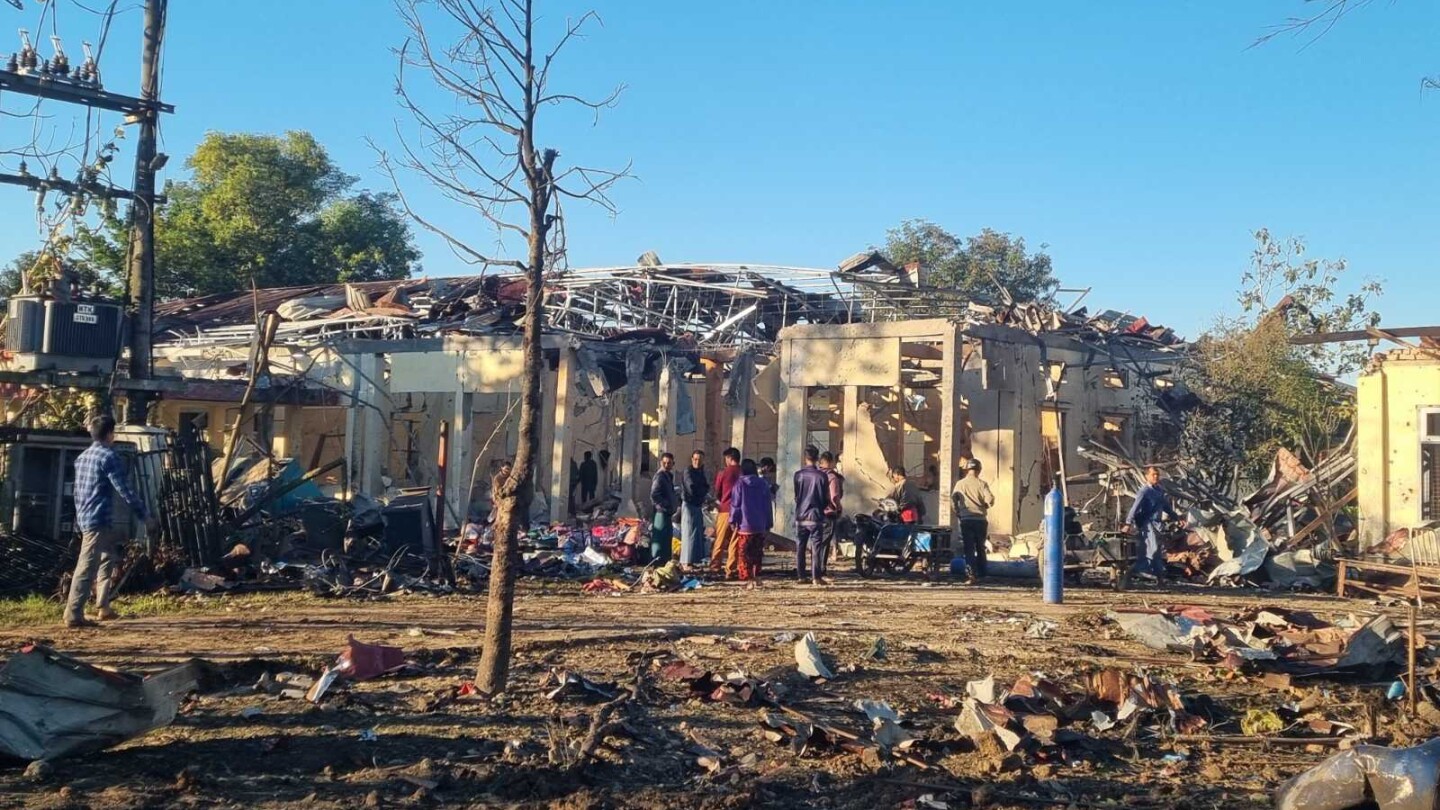
    Myanmar’s military leadership has officially acknowledged conducting an airstrike on a medical facility in Rakhine State, following days of international outcry over an attack that local sources claim resulted in over 30 fatalities. The military’s information office released a statement through state media asserting that armed opposition groups had been utilizing the hospital as an operational base, justifying the Wednesday assault as a necessary counter-terrorism measure.

    The military’s account sharply contradicts eyewitness reports from rescue personnel who described a devastating scene at Mrauk-U Township’s general hospital, where patients, medical staff, and children were reportedly among the casualties. According to local emergency responders, the aerial bombardment destroyed the healthcare facility and left approximately 80 individuals wounded.

    This incident occurs against the backdrop of intensifying conflict across Myanmar since the 2021 military takeover, with the ethnic Arakan Army establishing control over significant portions of Rakhine State, including Mrauk-U which fell under their authority in February 2024. The well-organized ethnic force has captured strategic military positions and now governs most of the region’s townships.

    The international community has responded with unprecedented criticism. The United Nations condemned the attack as part of a disturbing pattern of violence affecting civilian infrastructure, while World Health Organization director-general Tedros Adhanom Ghebreyesus expressed profound dismay at the destruction of a critical healthcare provider. In a rare move, ASEAN—currently chaired by Malaysia—issued a formal condemnation, describing the attack as unacceptable and in violation of the bloc’s foundational principles.

    The Arakan Army has vowed to pursue accountability through international channels and promised decisive action against military forces, reporting subsequent airstrikes across multiple Rakhine towns that have resulted in additional civilian casualties.

  • Video sheds new light on Japan’s wartime atrocities

    Video sheds new light on Japan’s wartime atrocities

    A chilling 38-minute video testimony from a former member of Japan’s infamous Unit 731 has been publicly released by China’s Harbin-based Exhibition Hall of Evidences of Crimes Committed by Unit 731 of the Japanese Imperial Army. The footage, featuring Tsuruo Nishijima’s firsthand account recorded in 1997, was disclosed on the eve of China’s National Memorial Day for Nanjing Massacre Victims, providing unprecedented insight into one of history’s most brutal biological warfare programs.

    Nishijima, who joined Unit 731’s meteorological unit in October 1938, offered detailed descriptions of horrific human experimentation methodologies. His testimony reveals how he assisted in measuring wind patterns to optimize the dispersal of bacterial agents and participated in frostbite experiments conducted on human subjects. The video particularly highlights the so-called “shower experiments” where aircraft sprayed bacterial solutions at extremely low altitudes over rows of tethered prisoners, including Chinese, Korean, Mongolian, and Soviet captives.

    The former unit member recounted how victims were forced at gunpoint to open their mouths and look upward during these aerial pathogen deployments, noting that “inhaling the solution meant certain death.” After exposure, subjects were transported in refrigerated trucks for continuous observation and data recording. Nishijima’s testimony also mentions instances where Japanese military doctors succumbed to infections despite wearing multiple protective masks, underscoring the extreme lethality of the developed pathogens.

    Unit 731, established in 1933 as Japan’s top-secret biological and chemical warfare research center, developed over 50 types of bacteria including typhoid, cholera, plague, anthrax, and glanders. The unit conducted experiments on at least 3,000 people while Japan’s biological weapons claimed over 300,000 lives across China. The testimony further describes Unit 731’s operational deployment during the 1941 Zhejiang-Jiangxi Campaign, where small teams of 30-40 members spread bacteria in civilian areas during Japanese troop withdrawals.

    Jin Shicheng, director of the museum’s education department, emphasized that the testimony “provides an insider’s perspective on their atrocities, confirming the crimes against humanity committed by the Japanese Army during the invasion of China.” He further noted that Japanese medical and academic communities actively supported and participated in these crimes, making Unit 731’s operations “a large-scale, organized group crime from top to bottom in Japan.” The video was originally recorded by Japanese scholar Fuyuko Nishisato and donated to the museum in 2019.

  • APEC ‘China Year’ kicks off at Shenzhen meeting

    APEC ‘China Year’ kicks off at Shenzhen meeting

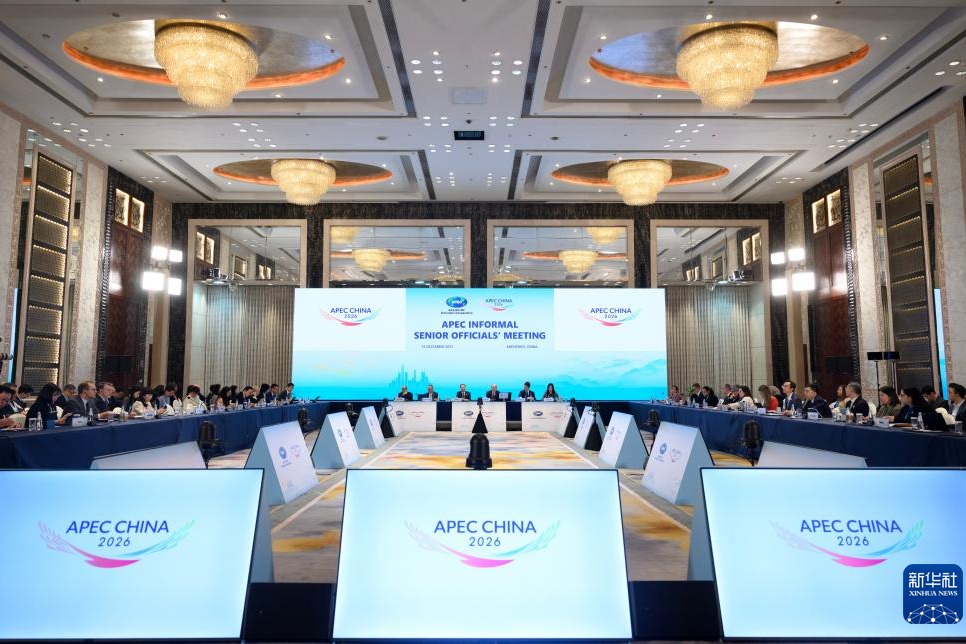
    Shenzhen has formally inaugurated the APEC ‘China Year’ as the host nation unveiled an extensive schedule of nearly 300 events spanning multiple Chinese cities throughout 2026. The announcement came during the conclusion of the APEC Informal Senior Officials’ Meeting in Shenzhen, where China revealed its three-pillar cooperation framework focusing on openness, innovation, and collaborative development.

    The centerpiece of China’s APEC leadership will be the 33rd APEC Economic Leaders’ Meeting scheduled for November 18-19, 2026 in Shenzhen, under the theme ‘Building an Asia-Pacific Community to Prosper Together.’ The program will include the APEC CEO Summit, joint ministerial meetings, and three senior officials’ meetings in Guangzhou, Shanghai, and Dalian throughout the year.

    Foreign Ministry spokesman Guo Jiakun detailed that approximately 10 specialized ministerial meetings will address critical areas including digital economy transformation, trade facilitation, sustainable transportation, tourism development, energy security, financial cooperation, and women’s economic empowerment. These meetings will commence in May 2026 across various host cities.

    Vice-Foreign Minister Ma Zhaoxu emphasized China’s commitment to strengthening regional economic integration, describing openness as ‘the lifeline of Asia-Pacific prosperity’ and innovation as ‘the engine of regional development.’ He urged member economies to uphold multilateral trading systems, stabilize regional supply chains, and accelerate digital transformation through technical standardization.

    The selection of Shenzhen as primary host city carries symbolic significance, with experts noting its reputation as China’s innovation hub and demonstration of economic opening. Professor Zheng Yongnian of the Chinese University of Hong Kong (Shenzhen) highlighted that the city’s strengths in artificial intelligence, biomedicine, and internet technologies align perfectly with regional development needs.

    International response appeared positive, with Peru’s senior APEC official Victor Munoz expressing enthusiasm for exploring ‘new avenues of technical cooperation’ through Shenzhen’s innovative ecosystem. The meetings attracted nearly 200 participants from APEC member economies, academic institutions, and business organizations, signaling strong regional engagement with China’s agenda.

  • Ukraine’s health supplies hit in series of Russian strikes on medical warehouses

    Ukraine’s health supplies hit in series of Russian strikes on medical warehouses

    A systematic Russian campaign targeting pharmaceutical infrastructure has crippled Ukraine’s medical supply chain, destroying over $300 million worth of vital medicines in recent months through precision strikes on distribution centers.

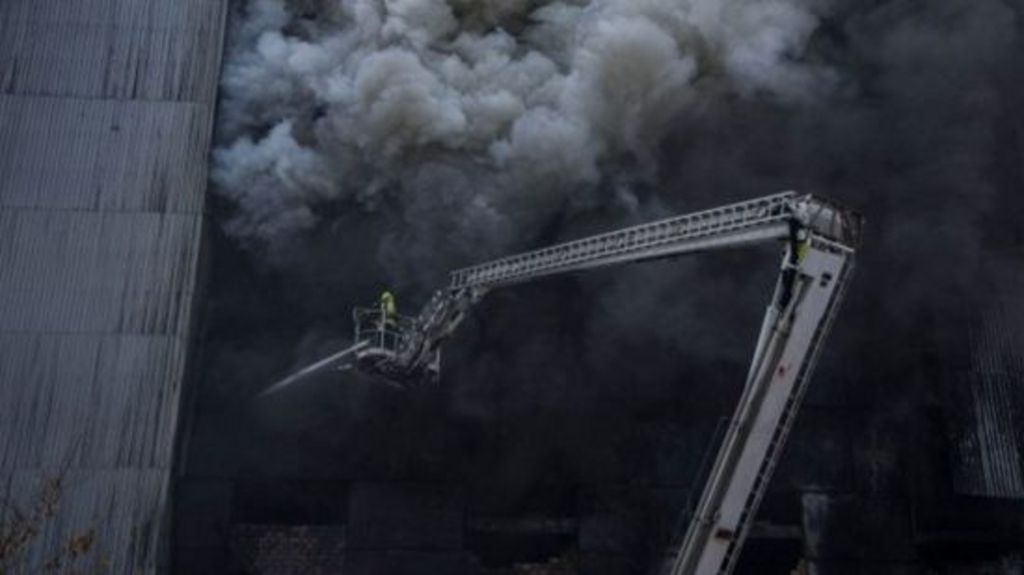
    The strategic bombardment culminated on December 6th when kamikaze drones struck the Dnipro warehouse facility operated by BADM, one of Ukraine’s two major pharmaceutical distributors. The attack ignited an uncontrollable blaze that consumed approximately $110 million in medications—representing nearly 30% of the nation’s monthly medical inventory.

    Dmytro Babenko, BADM’s acting director-general, recounted the precision strike: ‘Missiles flew past but the drones hit their mark. The resulting fire proved impossible to contain, leading to total destruction of the facility.’

    This incident follows similar attacks on Optima Pharm, the other primary distributor serving Ukraine’s pharmacy network. Their Kyiv storage complex was destroyed in an October assault costing over $100 million, with additional strikes occurring in August and November. Together, these two companies supply approximately 85% of medications to Ukrainian pharmacies.

    The International Rescue Committee confirmed the loss of $195,000 in humanitarian medical supplies stored at the Dnipro facility, enough to treat 30,000 vulnerable patients. Andriy Moskalenko of IRC described the devastation: ‘All this medicine could have served people for years, lost in a single moment.’

    Russia’s defense ministry continues to deny targeting civilian infrastructure, claiming instead it struck military equipment and drone production facilities. These assertions contradict eyewitness accounts and documented evidence from attack sites.

    According to Ukrainian authorities, the systematic targeting of medical infrastructure has damaged over 2,500 healthcare institutions and killed more than 500 medical professionals since the invasion began. The World Health Organization recorded 2,763 attacks on Ukraine’s healthcare system through 2025, noting a 12% year-over-year increase in assaults.

    Despite the catastrophic losses, BADM officials express cautious optimism about recovery, predicting potential shortages only in specific medication categories with full supply restoration expected within six weeks.

  • Turkish car ferry damaged in strike at Ukrainian port

    Turkish car ferry damaged in strike at Ukrainian port

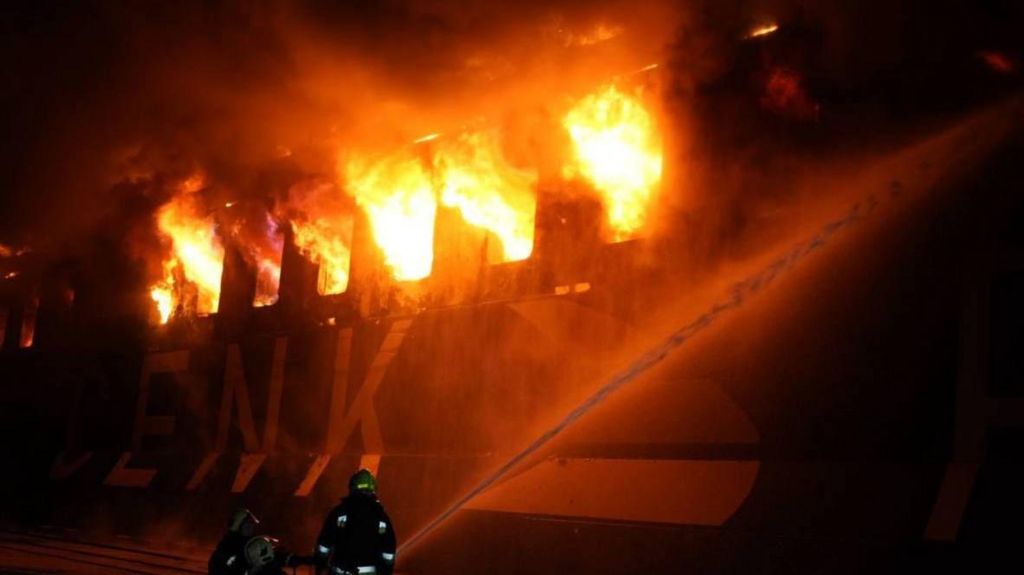
    A Turkish-flagged cargo vessel, the Cenk T, was struck by a missile while docked at the Chornomorsk port near Odesa, Ukraine, on Friday afternoon, triggering a significant fire aboard the civilian ship. The attack occurred at precisely 16:00 local time (14:00 GMT), shortly after the ferry had completed its docking procedures.

    Operating company Cenk Denizcilik confirmed the vessel, which plies the Karasu-Odesa route across the Black Sea, was carrying essential food supplies when it was hit. Emergency protocols were immediately activated, with the ship’s crew, port fire services, and assisting tugboats combating a major blaze that erupted on the vessel’s forward section. Preliminary reports indicate no casualties among the crew members.

    Ukrainian President Volodymyr Zelensky publicly attributed the strike to Russian forces, sharing video footage on his Telegram account that showed emergency crews desperately fighting the intense fire. Zelensky condemned the attack as militarily meaningless, emphasizing the vessel’s civilian status and humanitarian cargo. Moscow has maintained silence regarding the incident.

    The maritime assault occurred mere hours after Turkish President Recep Tayyip Erdogan proposed a limited ceasefire covering energy infrastructure and port facilities during discussions with Russian President Vladimir Putin. This diplomatic overture marks Turkey’s continued effort to mediate between the warring nations, a role it has maintained since Russia’s full-scale invasion began in February 2022.

    Ankara’s Foreign Ministry subsequently issued a statement urging an immediate agreement to guarantee shipping security and suspend attacks against critical infrastructure, emphasizing the urgent need to prevent further escalation in the strategically vital Black Sea region. Turkey’s geopolitical significance is amplified by its control of the Bosphorus Strait, the crucial maritime passage for Ukrainian grain and Russian oil exports to Mediterranean markets.

    This incident represents a significant escalation in Moscow’s campaign to isolate Ukraine from maritime commerce, coming in response to Kyiv’s ongoing drone attacks against Russian oil tankers operating as part of the so-called ‘shadow fleet’—a primary source of funding for Russia’s military operations.

  • Palestinian refugee detained in France ‘at Israel’s request’

    Palestinian refugee detained in France ‘at Israel’s request’

    A Palestinian refugee residing in France under granted asylum faces over 18 months of imprisonment following an extradition request from Israeli authorities, according to advocacy group Free Ali. The individual, identified only as Ali, was apprehended in May 2024 during a dawn raid at his family residence, where French police forcibly entered the property, damaged vehicles, and conducted extensive searches in the presence of his children.

    Ali’s refugee status has been formally revoked by French authorities citing national security concerns, despite the absence of formal charges or trial proceedings. This decision directly contradicts France’s previous acknowledgment of his persecution by Israel, where he endured multiple detainments without trial before his 2014 expulsion.

    The case has ignited serious concerns regarding international refugee protections and judicial independence. Free Ali representatives contend that France’s compliance with Israeli requests constitutes a dangerous precedent wherein geopolitical alliances potentially override humanitarian obligations. Notably, Israel currently faces international legal scrutiny including genocide allegations at the International Court of Justice regarding its Gaza operations.

    Ali’s personal history reveals extensive trauma: at age 14, he witnessed his younger brother’s fatal shooting by an Israeli soldier; he subsequently endured approximately seven years of intermittent imprisonment under Israel’s administrative detention system without formal charges. Following his expulsion, he briefly faced detention in Italy based on Israeli claims before eventually securing asylum in France where he established family life and stable employment.

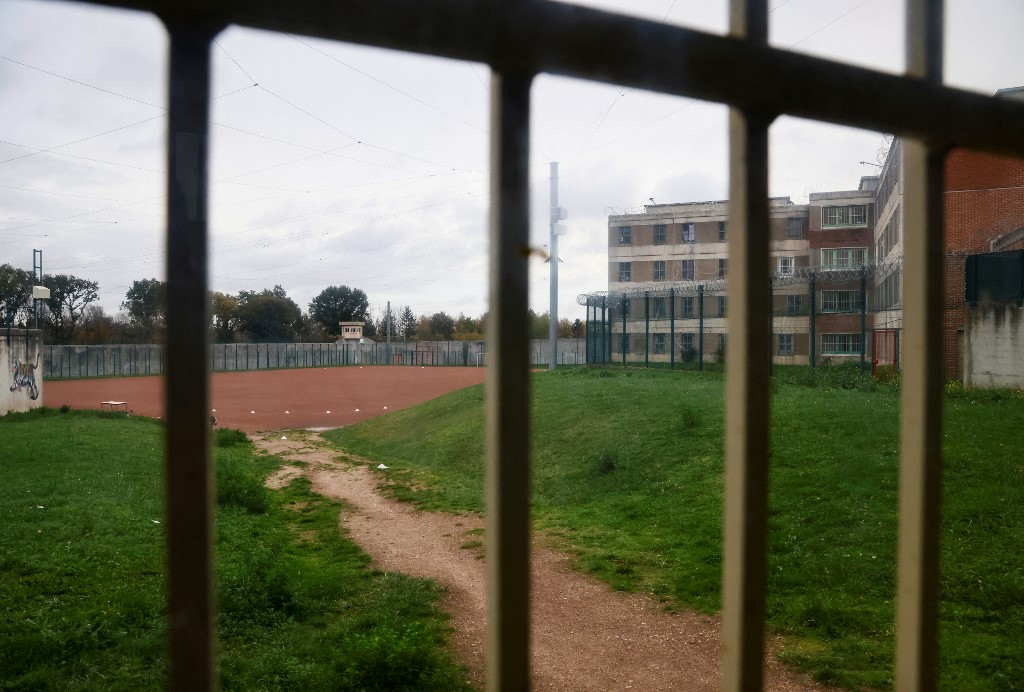
    The psychological impact on his family has been severe: his partner received a cancer diagnosis potentially linked to extreme stress shortly after his detention, while their children developed acute anxiety disorders following the violent arrest circumstances. Currently incarcerated at Osny prison near Paris, Ali has faced denied release requests despite no criminal record in France.

    Advocates emphasize that extradition to Israel would effectively constitute a death sentence given the documented deterioration of Palestinian detainee conditions and systematic torture allegations in Israeli prisons. The case reflects broader patterns of Palestinian criminalization within European jurisdictions through overlapping immigration and anti-terrorism legal frameworks.