分类: world

  • Five arrested over plot to attack German Christmas market

    Five arrested over plot to attack German Christmas market

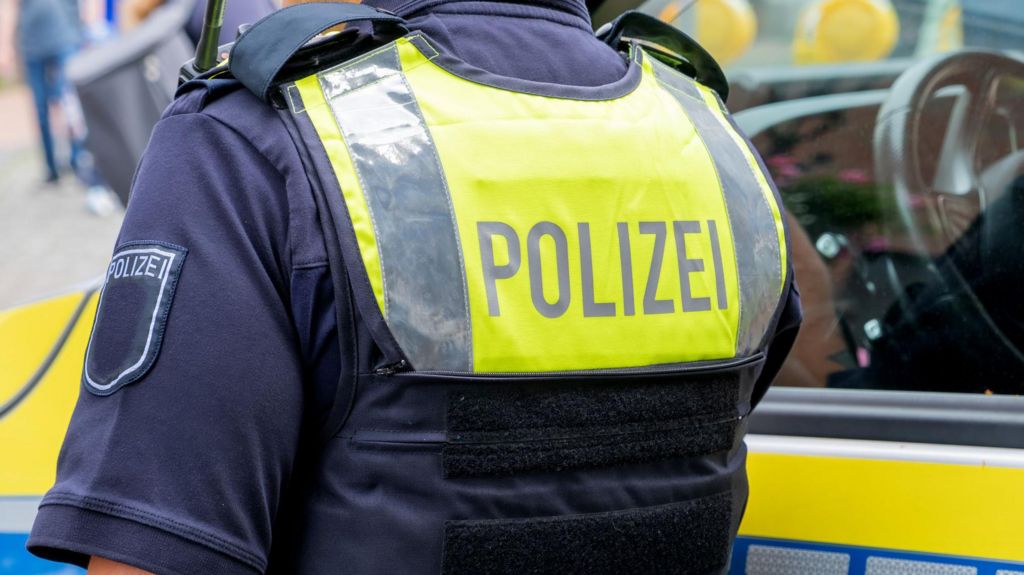
    German security forces have successfully intercepted a potentially devastating terrorist plot targeting a Christmas market in Bavaria, arresting five individuals with suspected Islamist motivations. The coordinated operation on Friday led to the detention of three Moroccan nationals (aged 22, 28, and 30), a 56-year-old Egyptian imam, and a 37-year-old Syrian accomplice.

    According to federal prosecutors, the Egyptian suspect allegedly masterminded the scheme by explicitly advocating for a vehicle-ramming attack designed to ‘maximize casualties.’ The three Moroccan suspects reportedly consented to execute the violent plan, while the Syrian national is accused of providing encouragement for the intended crime.

    Although authorities have not disclosed the specific timing or exact location of the planned assault, intelligence suggests the Dingolfing-Landau district northeast of Munich was the probable target. All five suspects faced judicial proceedings before a magistrate on Saturday and remain in preventive detention.

    Bavarian Interior Minister Joachim Herrmann praised the operation as exemplary of effective inter-agency cooperation, emphasizing how security services prevented what could have been a catastrophic attack. The incident highlights ongoing security concerns surrounding German Christmas markets, which attract substantial crowds and tourism during the holiday season.

    This thwarted plot follows previous Christmas market attacks, including last December’s tragedy in Magdeburg that claimed six lives and the devastating 2016 Berlin truck attack that killed twelve people. In response to these threats, German authorities have significantly enhanced security measures at public gatherings and festive events across the country.

  • Takeaways from AP report on sexual violence in Mali

    Takeaways from AP report on sexual violence in Mali

    DOUANKARA, Mauritania — In a disturbing development within Mali’s protracted conflict, multiple women have provided The Associated Press with harrowing accounts of surviving or witnessing alleged sexual assaults perpetrated by members of the newly established Russian Africa Corps. This military unit, which has replaced the Wagner mercenary group, is currently assisting Malian forces in counter-extremism operations.

    Medical professionals and aid workers on the ground confirm that sexual violence has become a weapon employed by all factions in the conflict, including gang rape and sexual slavery. However, the deeply conservative and patriarchal nature of local societies creates a culture of silence that prevents most victims from reporting these atrocities, thereby hindering accountability efforts.

    The AP gained unprecedented access to refugee settlements along the Mauritanian border, where thousands of Malians have sought sanctuary. Beyond sexual violence, refugees reported indiscriminate killings and beheadings, alleging that Africa Corps has adopted the same brutal tactics previously associated with Wagner mercenaries. Legal experts emphasize that Russian authorities bear direct responsibility for these fighters’ actions, as the unit reports to Moscow’s defense ministry, which declined to respond to inquiries.

    Among the most distressing cases documented was a 14-year-old victim who developed severe infections following sexual assault by individuals her family identified as Russian soldiers. The AP verified four additional cases of sexual violence involving Africa Corps fighters, consistently described by survivors as ‘white men.’

    One survivor recounted defending herself ‘by the grace of Allah’ when armed men invaded her home and attempted to undress her. Another victim exhibited visible scratch marks on her neck and experienced uncontrollable trembling when recounting her ordeal. A third woman described her experience as something that ‘stays between God and me,’ while a fourth witnessed armed men abducting her 18-year-old daughter, whom she has not seen since.

    The complex landscape of sexual violence in Mali extends beyond Russian fighters. A women’s health clinic in the Mopti region reported treating 28 survivors of sexual assault by JNIM militants, an al-Qaeda affiliate that represents the most powerful armed group in the country.

    According to Mirjam Molenaar, a medical team leader with Doctors Without Borders (MSF), ‘People undergo these things and they live with it, and it shows in post-traumatic stress.’ The organization notes that fear of reprisals, limited access to healthcare, and social stigma surrounding sexual assault contribute to significant underreporting.

    This pattern of abuse echoes previous allegations against Wagner mercenaries, including one refugee’s account of witnessing mass rape in her village in March 2024, where even her 70-year-old mother was victimized. A 2023 UN report documented at least 58 cases of rape and sexual assault during an attack on Moura village by Malian troops and ‘armed white men,’ leading Mali’s government to expel the UN peacekeeping mission and creating an information blackout regarding conflict-related sexual violence.

    The humanitarian situation continues to deteriorate, with the refugee camp on the Mauritanian border operating at full capacity with over 150,000 people. Recent fighting has pushed an additional 3,000 refugees across the border in the past month, many settling in fragile shelters made of fabric and branches. MSF has established a free clinic that has already treated three survivors of sexual violence, but aid workers express concern about the countless women who never come forward.

    ‘We know from the stories shared that there is a huge need,’ Molenaar stated, highlighting the urgent requirement for specialized support services in an environment where accountability remains elusive and trauma largely unaddressed.
  • Girls and women fleeing Mali describe sexual violence by Russian forces

    Girls and women fleeing Mali describe sexual violence by Russian forces

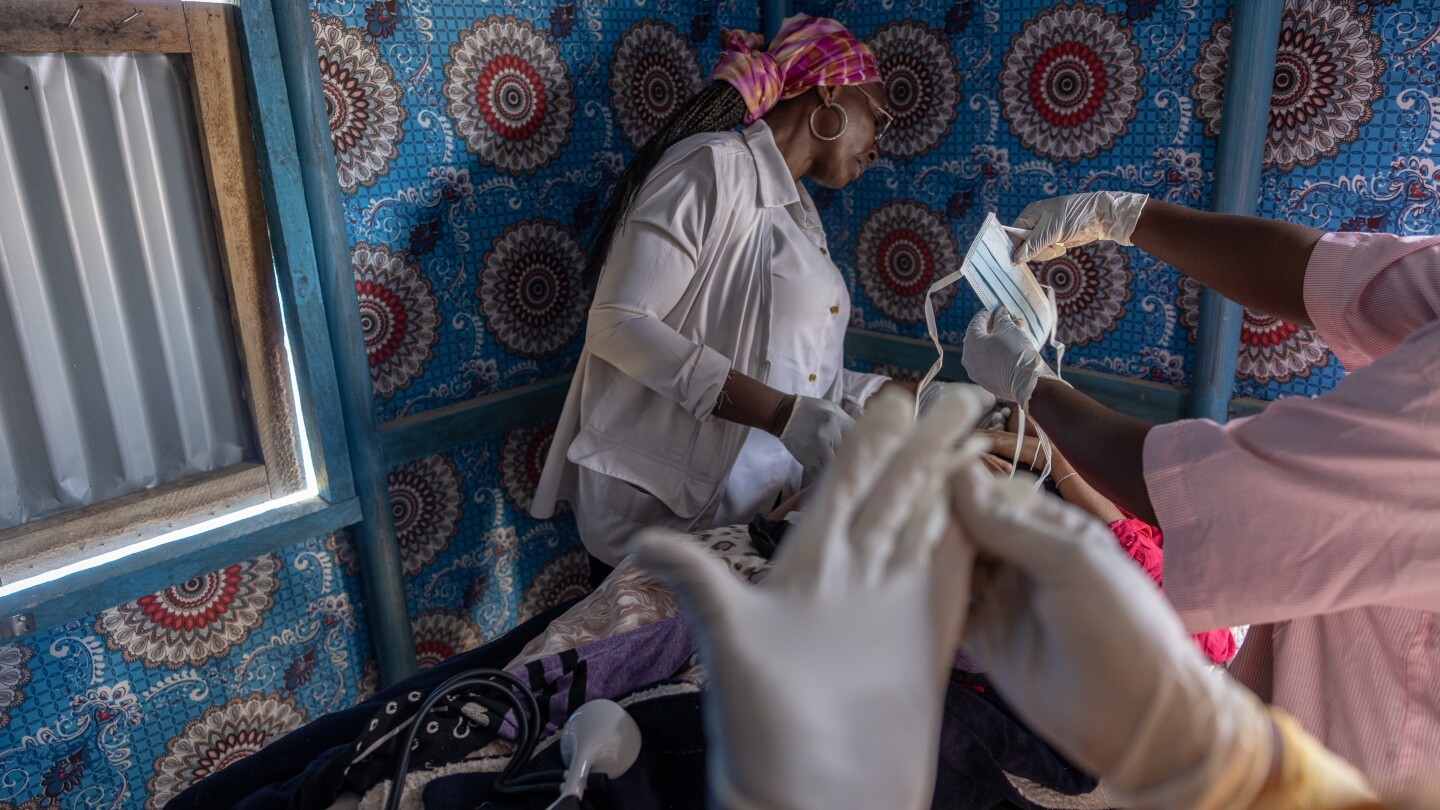
    In a makeshift medical clinic in Douankara, Mauritania, a 14-year-old Malian girl fights for her life after surviving a brutal sexual assault allegedly committed by Russian Africa Corps fighters. Her case represents just one of numerous documented incidents of conflict-related sexual violence emerging from Mali’s decade-long insurgency, where a culture of silence perpetuates both human suffering and impunity.

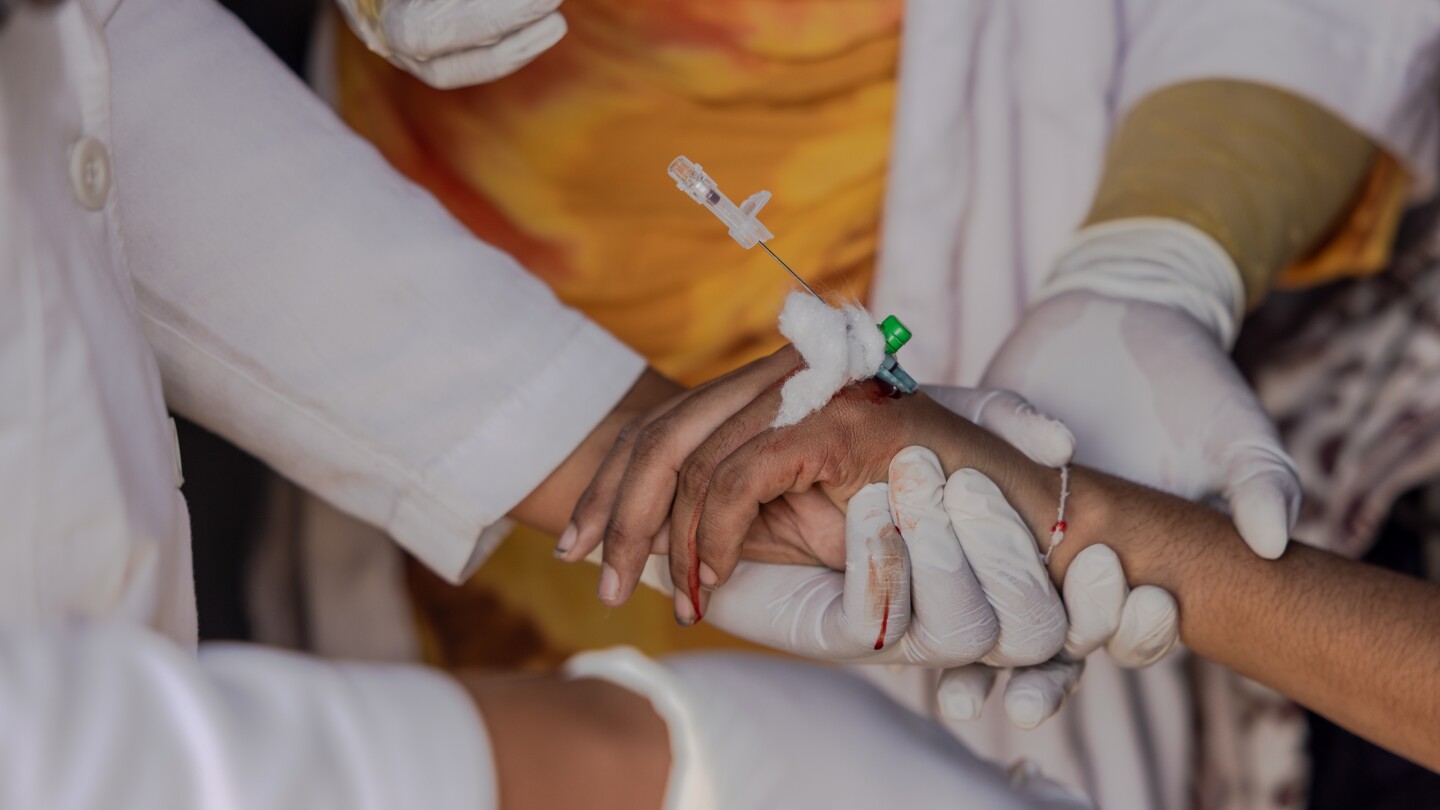
    The adolescent victim arrived at the Doctors Without Borders (MSF) facility in critical condition after a three-day journey from Mali. Medical staff discovered she had developed a severe infection following the assault, requiring immediate intervention to save her life. According to her family, Russian mercenaries—described as “white men”—stormed their tent in Mali, executed her uncle by decapitation, and then two soldiers dragged the girl away and raped her.

    This case exemplifies a broader pattern of sexual violence occurring within Mali’s complex conflict landscape. The AP investigation has documented at least five separate allegations of sexual assaults attributed to Africa Corps personnel, Russia’s newly established military unit that replaced the Wagner Group six months ago. However, aid workers emphasize that the true scale remains obscured by cultural taboos and fear of retaliation.

    Bethsabee Djoman Elidje, women’s health manager at the clinic, noted the profound challenges in treating sexual violence survivors: “We are convinced that there are many cases like this, but so far, very few patients come forward because it’s still a taboo subject here. They only seek help when complications develop.”

    The problem extends beyond Russian mercenaries. Islamic militants affiliated with al-Qaida’s JNIM group have also been accused of sexual assaults, with one clinic in Mopti reporting 28 cases in six months. Yet the response differs significantly from other conflict zones—MSF’s Mirjam Molenaar observed that while Congolese women sought help “in huge numbers,” Malian survivors typically endure in silence, manifesting symptoms through severe post-traumatic stress.

    Refugees described a climate of terror that prevents reporting. Several women who discreetly shared their experiences with AP journalists displayed visible trauma, with one showing scratch marks on her neck from resisting assault. Others recounted watching family members being abducted or described mass rape incidents dating back to Wagner Group operations in 2024.

    The international response remains inadequate. Russia’s Defense Ministry ignored requests for comment, while a Kremlin-linked information agency dismissed the investigation as “fake news.” Meanwhile, Mali’s government has expelled UN peacekeepers, making independent verification of atrocities nearly impossible.

    As the 14-year-old survivor receives psychiatric care—a rarity in a country with only six practicing psychiatrists—aid workers warn that countless others suffer silently, their stories untold and perpetrators unaccountable in a conflict that shows diminishing regard for human dignity.

  • Three US personnel killed in Islamic State attack on convoy in central Syria

    Three US personnel killed in Islamic State attack on convoy in central Syria

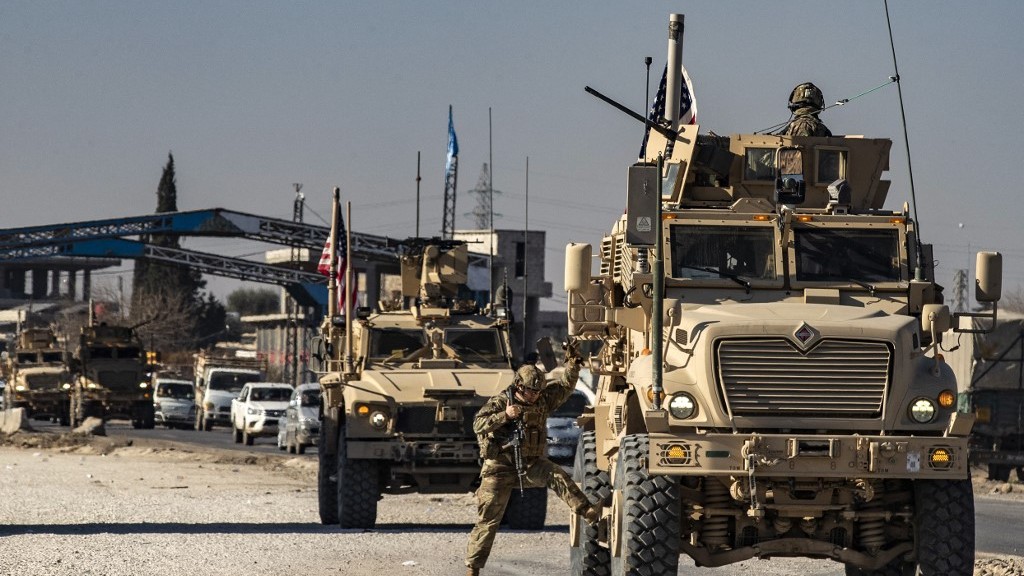
    A deadly assault on a joint U.S.-Syrian military convoy in central Syria has resulted in significant casualties, marking a severe escalation in regional security concerns. According to U.S. Central Command, three American personnel—two army soldiers and one civilian interpreter—were killed when a lone gunman opened fire during a ‘key leader engagement’ operation in the town of Palmyra on Saturday. Three additional U.S. service members sustained injuries in the attack.

    The suspected Islamic State attacker was subsequently neutralized by accompanying ‘partner forces,’ as confirmed by U.S. Secretary of Defence Pete Hegseth via social media. While IS has not formally claimed responsibility for the assault, preliminary assessments from senior U.S. officials indicate the armed group as the probable perpetrator. The incident occurred in an area beyond Syrian government control, highlighting the persistent volatility in the region.

    Syrian state media SANA, citing security sources, reported that two Syrian service members were wounded in the exchange and were evacuated by U.S. helicopters to the Al-Tanf base near the Iraqi border. The U.S. military has announced it will withhold the identities of the deceased until 24 hours after next-of-kin notifications are completed.

    Tom Barrack, U.S. Ambassador to Turkey and special envoy to Syria, condemned the attack, stating: ‘We mourn the loss of three brave U.S. service members and civilian personnel and wish a speedy recovery to the Syrian troops wounded in the attack. We remain committed to defeating terrorism with our Syrian partners.’

    This violence occurs weeks after Syria and the U.S.-led coalition announced enhanced political cooperation against IS, coinciding with Syrian President Ahmed al-Sharaa’s White House visit. U.S.-led forces have intensified counter-IS operations in recent months, frequently collaborating with Syrian security forces who reported arresting over 70 suspected IS affiliates nationwide last month. The United States maintains several hundred troops in northeastern Syria as part of ongoing counterterrorism efforts.

  • South Sudanese community fights to save land from relentless flooding worsened by climate change

    South Sudanese community fights to save land from relentless flooding worsened by climate change

    In the vast swamplands along the Nile River in South Sudan, the Akuak community demonstrates extraordinary resilience against catastrophic flooding through generations-old adaptation techniques. For approximately 2,000 residents of this aquatic region, daily survival involves the meticulous construction and maintenance of human-made islands using papyrus plants, grass, and clay mud—a centuries-old method now challenged by intensifying climate conditions.

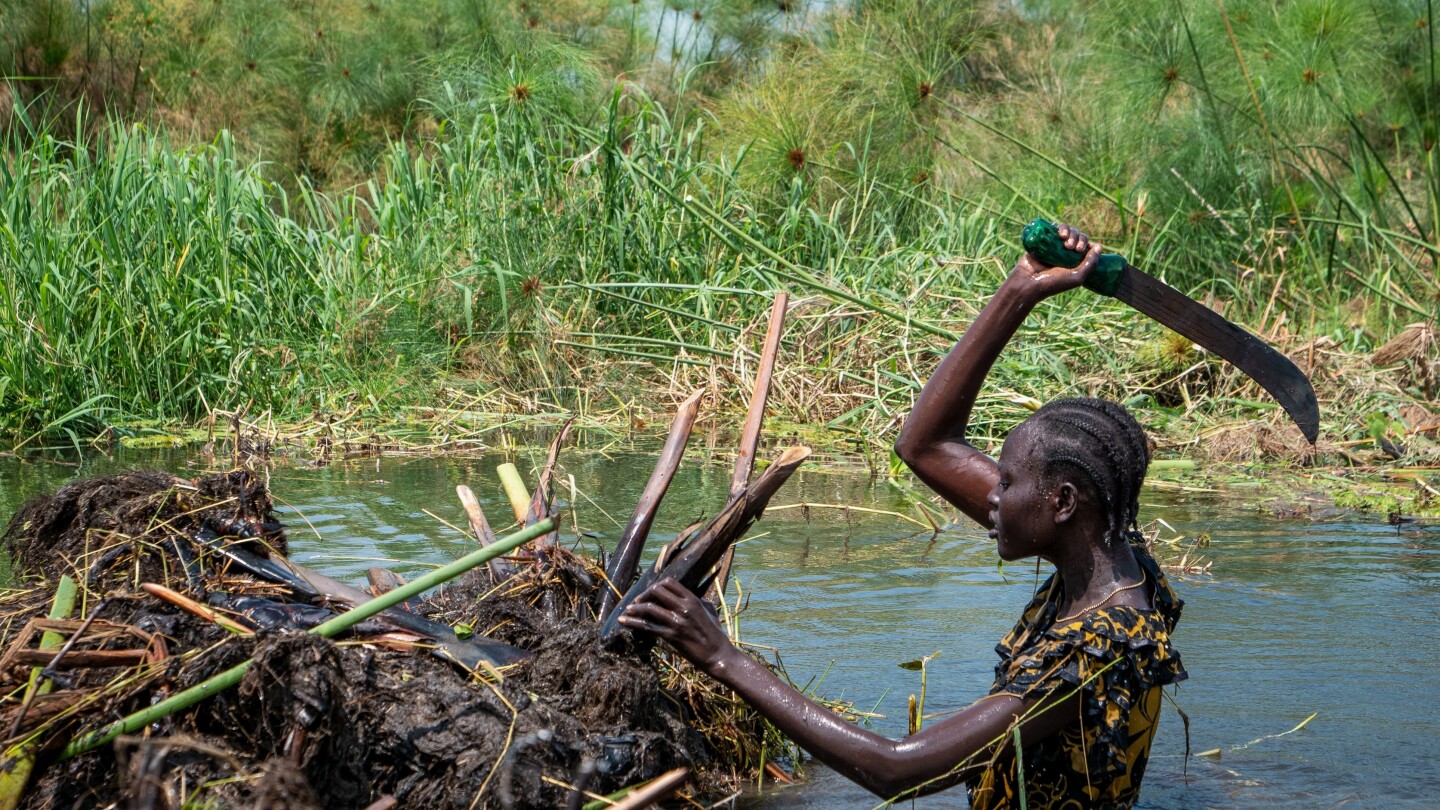
    Ayen Deng Duot, a mother of six, exemplifies this relentless struggle as she stands waist-deep in water, wielding a machete to harvest papyrus roots. Each piece contributes to expanding the spongy, layered foundation that keeps her family’s home above water. “We must do this work every day so water does not chase us away,” Duot explains. “We have no choice; we need to protect our homes because we have nowhere else to go.”

    The Akuak people, part of the Dinka ethnic group, have inhabited this watery landscape for countless generations. Their existence revolves around canoes rather than roads, with traditional grass-thatched tukuls dotting the artificial atolls. According to Chief Makech Kuol Kuany, the community abandoned cattle herding in the late 1980s due to rising water levels, transitioning entirely to fishing—a shift that significantly reduced their economic resilience.

    South Sudan currently experiences its sixth consecutive year of catastrophic flooding, with over 375,000 people displaced nationwide according to UN estimates. The Norwegian Foreign Policy Institute confirms in a March 2025 report that seasonal flooding has become increasingly severe and unpredictable, with historical dry periods no longer providing relief. Researchers note that consecutive record-breaking floods have permanently altered the region’s geography.

    The physical labor required to maintain these islands is immense. Fisherman Anyeth Manyang, 45, describes the process: “I learned this work from childhood with my father and mother. It’s very tiresome work because we do it with our bare hands—cutting grass and papyrus, gathering mud. At night, one’s body will be in pain.”

    Beyond housing, the flooding has devastated community infrastructure. The region’s first school, established in 2018, closed within two years due to inundation. Eighteen-year-old Philip Jok Thon gestures toward a rusted, unreadable signpost: “We need our school back because we want to study. We want to learn about the world.”

    Despite the hardships, the Akuak remain committed to their ancestral land. “This is the land of our ancestors,” states fisherman Matuor Mabior Ajith. “We have been living here for thousands of generations, so we have learned how to resist the water. We will never abandon our land.”

    The community’s determination persists even as options diminish. While some consider relocation to urban centers like Bor—25 kilometers and five hours of rowing away—most recognize the challenges of urban transition. Duot expresses concerns about city life for her children: “If our children go there, they may become child laborers or gang members. It’s better for them to stay here, and for us to work hard for them, until we die here.”

    As climate change intensifies, the Akuak’s traditional knowledge represents both an extraordinary adaptation story and a warning about the limits of indigenous resilience in facing unprecedented environmental challenges.

  • Two American troops, interpreter killed in Syria in ambush attack

    Two American troops, interpreter killed in Syria in ambush attack

    In a devastating attack in central Syria on Saturday, two American military personnel and a local interpreter were killed by a lone ISIS gunman. The ambush occurred during a joint US-Syrian patrol operation near the historic city of Palmyra, marking the first such incident since the recent political upheaval in Syria.

    US Central Command (CENTCOM) confirmed the fatalities through an official statement on social media platform X, revealing that three additional troops sustained injuries during the engagement. According to Pentagon spokesman Sean Parnell, the soldiers were participating in ‘key leader engagement’ activities supporting counter-terrorism initiatives when the attack unfolded.

    The assailant, identified as an alleged Islamic State operative, was subsequently ‘engaged and killed’ by partner forces according to CENTCOM. US Defense Secretary Pete Hegseth characterized the perpetrator as ‘the savage who perpetrated this attack’ in his own social media response.

    The complex operational environment was highlighted by a Pentagon official speaking anonymously, who noted the attack occurred in ‘an area where the Syrian President does not have control.’ Syrian state media SANA initially reported multiple casualties among both US and Syrian service members, citing security sources who described the operation as a ‘joint field tour’ in territory formerly controlled by Islamic State militants.

    According to the Syrian Observatory for Human Rights, the meeting represented part of broader American efforts to ‘strengthen its presence and foothold in the Syrian desert.’ Anonymous military sources indicated the shooting occurred during direct negotiations between Syrian and American officers at a Syrian base in Palmyra, with witnesses reporting gunfire originating from within the military installation.

    Medical evacuation helicopters promptly transported the wounded to the US-operated Al-Tanf base in southern Syria. The timing is particularly significant following last month’s diplomatic milestone that saw Damascus formally join the US-led global coalition against ISIS during President Ahmed al-Sharaa’s visit to Washington.

    US forces maintain strategic deployments across northeastern Kurdish-controlled regions and at the Al-Tanf garrison near the Jordanian border, continuing their counter-terrorism mission despite the evolving security landscape.

  • London police will not probe former Prince Andrew over Giuffre allegation

    London police will not probe former Prince Andrew over Giuffre allegation

    The Metropolitan Police Service has formally concluded its assessment into allegations against the Duke of York, Andrew Mountbatten-Windsor, announcing it will pursue no criminal investigation regarding claims he utilized royal protection officers to discredit his accuser. This decision marks another significant development in the long-running saga involving the British royal family and the Jeffrey Epstein scandal.

    Commander Ella Marriott, a senior Metropolitan Police official, stated that a comprehensive review of available evidence failed to establish grounds for misconduct or criminal proceedings. The assessment specifically addressed allegations that emerged in the posthumously published memoir of Virginia Giuffre, which detailed claims that Andrew directed his taxpayer-funded security detail to investigate her for a potential smear campaign in 2011.

    Despite this closure, the legal challenges for the former prince may not be entirely over. Commander Marriott noted that the force remains open to reviewing any new evidence that might emerge from ongoing court document unsealing proceedings in the United States. This statement leaves a conditional avenue for future investigation should substantial information come to light.

    The police decision follows King Charles III’s historic October move to strip his brother of royal titles and military affiliations, effectively removing him from official royal duties. The monarch additionally revoked Andrew’s residence privileges at the royal estate in Windsor, signaling the firmest institutional response to the controversy to date.

    Giuffre’s memoir, published following her tragic death in April at age 41, contained detailed accounts of alleged sexual encounters with Andrew, including instances she claimed occurred while she was a minor. These allegations initially sparked widespread public condemnation and intensified scrutiny of Andrew’s association with convicted sex offender Jeffrey Epstein.

    The Metropolitan Police’s announcement represents the latest chapter in a story that continues to unfold through American legal channels, where additional court documents related to the Epstein case remain pending release.

  • DNA, IP addresses: What US may ask visitors to submit, who will be affected

    DNA, IP addresses: What US may ask visitors to submit, who will be affected

    The United States Department of Homeland Security has unveiled a comprehensive overhaul of its Electronic System for Travel Authorization (ESTA) that would fundamentally transform entry procedures for visitors from visa-waiver countries. These proposed changes, currently open for public commentary, represent the most significant update to US travel screening protocols in recent years.

    While initial media attention focused on the mandatory disclosure of social media histories from the past five years—previously an optional field—this requirement constitutes merely one component of a far more extensive transformation. The proposed modifications would mandate the collection of unprecedented categories of personal data, including IP addresses, photographic metadata, and even biometric identifiers such as facial recognition, fingerprints, iris patterns, and DNA.

    The overhaul extends to practical application processes as well. The ESTA website would be decommissioned for new applications, making the mobile application the exclusive channel for submissions. Additionally, Romania faces removal from the Visa Waiver Program, thereby excluding its citizens from ESTA eligibility.

    Travelers from the 42 participating countries—including major US allies like the United Kingdom, Australia, Japan, and most European nations—would be required to provide:
    – Telephone numbers used over the past five years
    – Email addresses maintained throughout the previous decade
    – Comprehensive family member information (names, birth details, addresses, and contact numbers)
    – Business contact information
    – The extensive biometric data mentioned above

    These proposed measures aim to enhance security screening capabilities but raise substantial questions regarding privacy implications and the balance between national security and individual rights. The changes remain subject to public feedback before potential implementation, marking a pivotal moment in the evolution of international travel security protocols.

  • Israeli military confirms killing of top Hamas commander Raad Saad in Gaza City drone strike

    Israeli military confirms killing of top Hamas commander Raad Saad in Gaza City drone strike

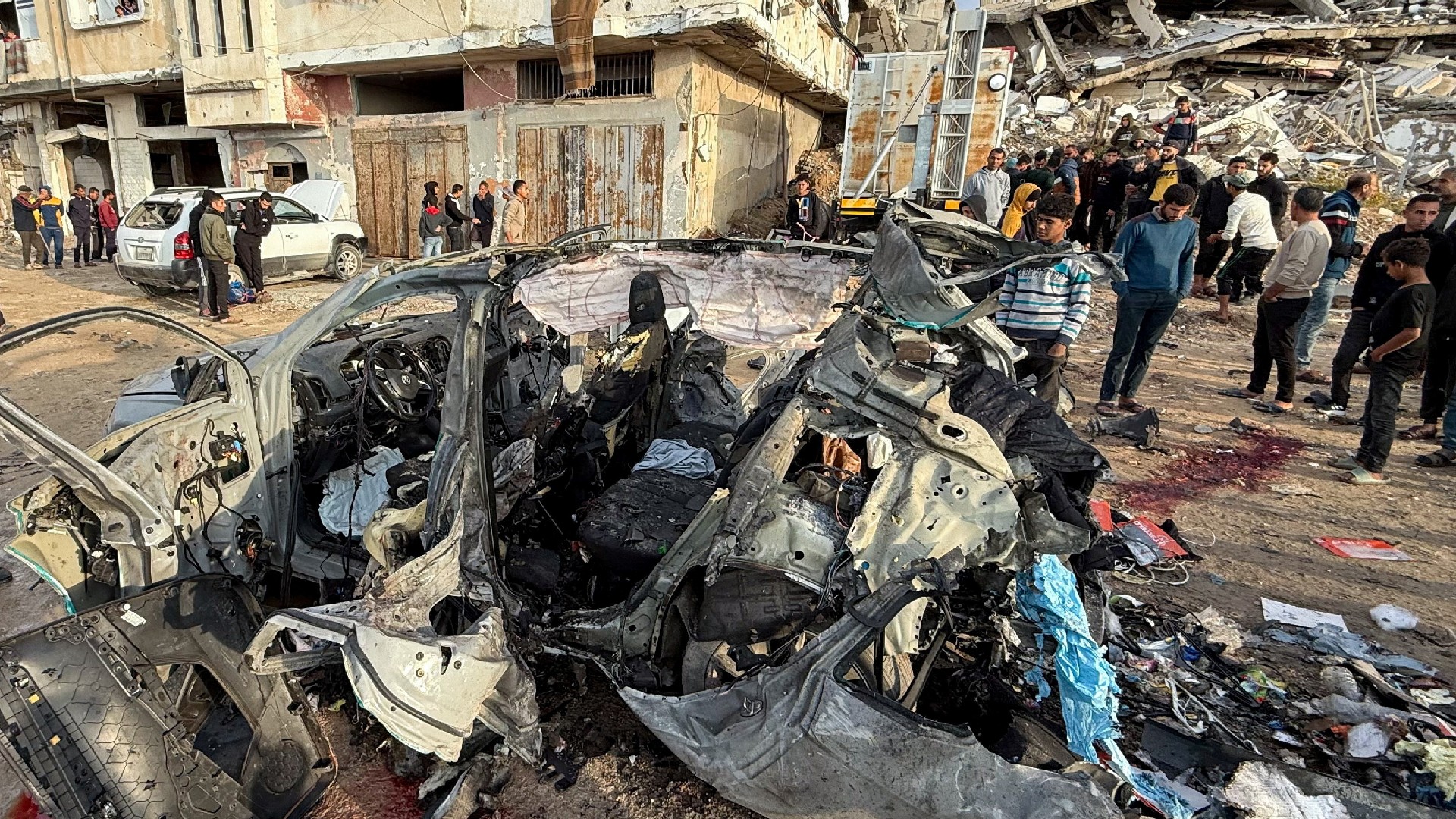
    A targeted Israeli drone strike in western Gaza City on Saturday resulted in the death of Raad Saad, a high-ranking Hamas military commander. The Israeli military confirmed the operation, stating it was coordinated with the Shin Bet intelligence agency and targeted what they identified as Hamas’s production headquarters.

    According to Israeli media, the strike hit Saad’s vehicle near al-Nabulsi square, killing him and three others. Conflicting casualty reports emerged, with Gaza’s health ministry reporting four fatalities and at least 25 wounded, while Al Jazeera Arabic placed the death toll at five.

    The Israeli military described Saad as “one of the last senior veterans remaining in the Gaza Strip” who had held numerous leadership positions and was closely associated with Marwan Issa, deputy head of Hamas’s military wing. An Israeli defense official identified him as head of Hamas’s weapons manufacturing operations, with Reuters sources indicating he was second only to the group’s current military chief, Izz al-Din al-Haddad.

    Prime Minister Benjamin Netanyahu’s office stated the operation was ordered in response to a recent explosion that injured Israeli soldiers in Gaza. They characterized the strike as targeting Hamas’s efforts to “restore its capabilities and strengthen itself” in recent weeks.

    Hamas condemned the attack as “a blatant violation” of the October ceasefire agreement, accusing Israel of “deliberately seeking to undermine and sabotage the agreement through its escalating and continuous violations” in a Telegram post. The group did not confirm whether Saad was specifically targeted.

    In a significant diplomatic development, Axios reported that Israel had not provided advance warning of the strike to the United States government.

  • ‘We’re not afraid’: Life goes on for Indigenous Colombians despite volcano eruption risk

    ‘We’re not afraid’: Life goes on for Indigenous Colombians despite volcano eruption risk

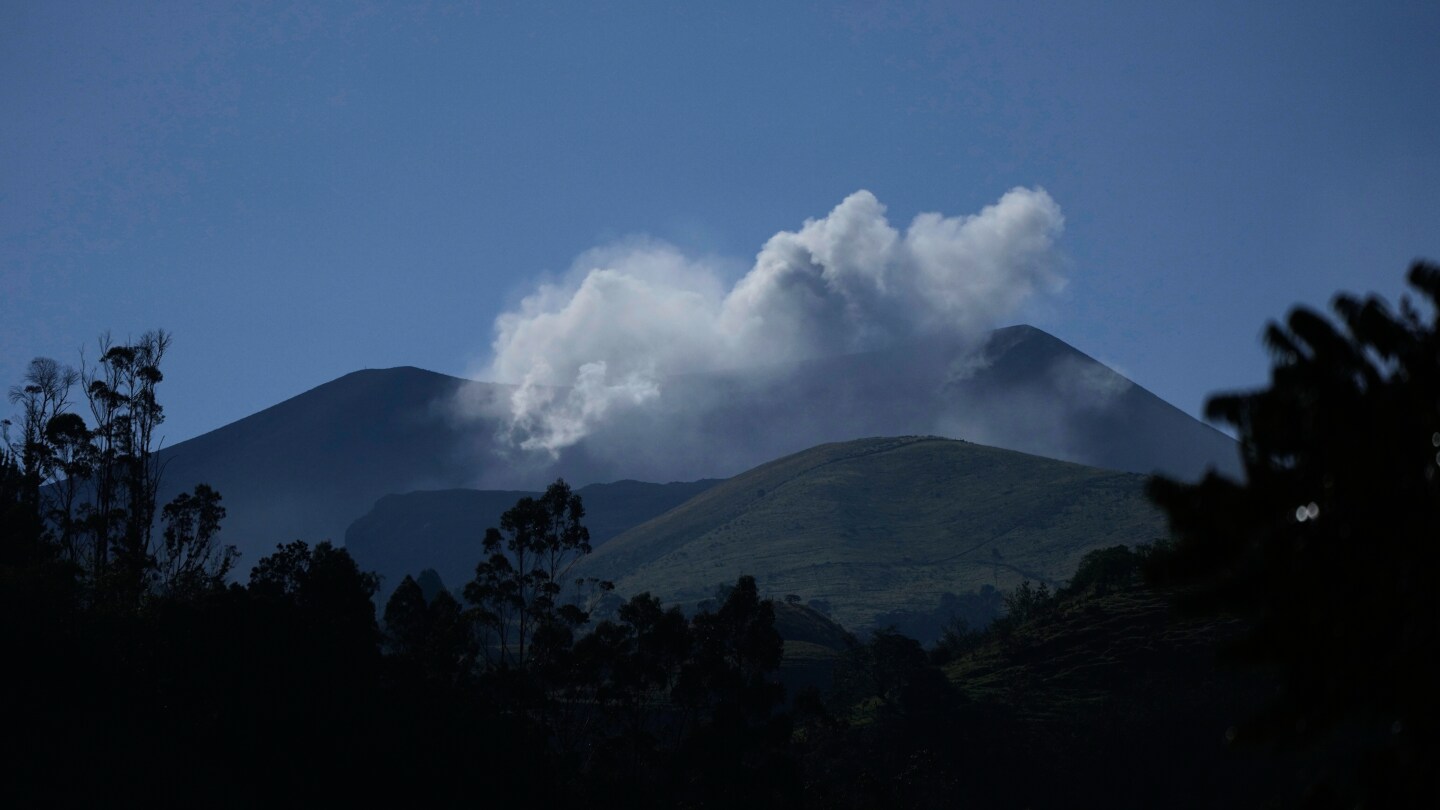
    PUROCÉ, Colombia — Against the backdrop of an increasingly active Puracé volcano, local residents demonstrate a remarkable coexistence with the geological giant that defines their existence. Oliverio Quira, a 65-year-old indigenous farmer, continues his daily routine of tending cattle mere miles from the crater despite official warnings of potential eruption.

    Colombian geological authorities elevated alert levels on November 29th following significant seismic activity and ash emissions reaching 900 meters (approximately 3,000 feet) into the atmosphere. The 4,640-meter (15,200-foot) stratovolcano, one of Colombia’s most active with at least 51 documented eruptions since 1400, last experienced major activity in 1977.

    For the Coconuco Indigenous people who inhabit the Puracé Indigenous Reserve, the volcano represents far more than geological phenomena. “The volcano is our master; we have no reason to fear it,” explained Alfredo Manquillo, deputy governor of the reserve. “We respect it and perform rituals in its name.”

    These spiritual practices include offerings of corn, sweet plants, and guarapo—a traditional alcoholic beverage—to appease the mountain they consider both sacred entity and territorial protector. Community elders interpret the current activity as the volcano’s message requesting greater environmental stewardship, referencing past sulfur extraction and current tourism pressures.

    While emergency preparations advance, with authorities planning evacuation protocols for approximately 800 peripheral residents, many indigenous community members express reluctance to abandon their homes and livelihoods. Reinaldo Pizo, 75, who witnessed the 1977 eruption as a child, stated he would only evacuate if poisonous gases emerged, echoing sentiments shared by neighbors concerned about abandoning livestock and agricultural assets.

    Local officials acknowledge infrastructure challenges for potential mass evacuations, with Mayor Humberto Molano Hoyos coordinating temporary shelter arrangements. Community leaders emphasize the need for comprehensive emergency support including water storage, food supplies, and livestock protection measures to ensure viable evacuation compliance.