分类: technology

  • Humanoid robots take center stage at Silicon Valley summit, but skepticism remains

    Humanoid robots take center stage at Silicon Valley summit, but skepticism remains

    MOUNTAIN VIEW, Calif. — The robotics sector is experiencing a paradigm shift as artificial intelligence breakthroughs breathe new life into long-standing ambitions to develop humanoid machines. This emerging transformation was the focal point of the recent Humanoids Summit, where over 2,000 engineers, investors, and entrepreneurs gathered to assess the industry’s trajectory.

    Venture capitalist Modar Alaoui, founder of the summit and general partner at ALM Ventures, noted that robotics had traditionally been viewed as “a bad bet for Silicon Valley investors — too complicated, capital-intensive and boring.” However, the commercial AI boom has fundamentally altered this perception, with many researchers now believing physical embodiments of AI “are going to become the norm.”

    The conference revealed both remarkable progress and significant challenges. Disney showcased its walking robotic version of “Frozen” character Olaf, scheduled to autonomously navigate Disneyland theme parks in Hong Kong and Paris by early 2025. Yet despite such entertainment applications, experts agree that truly “general purpose” robots capable of functioning as productive workplace or household members remain years away.

    Substantial skepticism persists even within the industry. Cosima du Pasquier, founder of Haptica Robotics, emphasized that “the humanoid space has a very, very big hill to climb” regarding research requirements. Robotics pioneer Rodney Brooks, who did not attend, has publicly questioned whether current investments will yield dexterous humanoids despite billions in funding.

    Geopolitical dimensions are emerging prominently. McKinsey & Company research identifies approximately 50 companies worldwide that have raised minimum $100 million for humanoid development, with China leading through approximately 20 initiatives compared to 15 in North America. Government incentives, component production support, and a mandated 2025 ecosystem establishment deadline contribute to China’s current momentum.

    Technical advances in generative AI have provided dual stimulation: investor excitement has flooded into hardware startups, while language model breakthroughs have enhanced robots’ task-learning capabilities through visual-language training systems.

    Notably absent from discussions was Tesla’s Optimus project, despite Elon Musk’s previous predictions of market availability within three to five years. The industry instead appears focused on incremental progress, drawing parallels to autonomous vehicle development timelines.

    Practical implementations are already underway. Agility Robotics announced deployment of its warehouse robot Digit at a Texas distribution facility operated by Mercado Libre, while industrial robots continue to demonstrate superior efficiency in manufacturing contexts.

    As the industry advances, calls for strategic national approaches are growing. Jeff Burnstein, president of the Association for Advancing Automation, is lobbying for enhanced U.S. robotics strategy, acknowledging China’s current momentum while emphasizing America’s underlying AI and technological strengths.

    The consensus suggests that while humanoid robotics has entered an accelerated development phase, the path to widespread adoption remains complex and uncertain, requiring continued innovation across multiple technological domains.

  • China launches new internet satellite group

    China launches new internet satellite group

    China has successfully deployed another cluster of internet satellites into low Earth orbit, marking a significant advancement in its space-based communications infrastructure. The launch occurred at precisely 7:00 AM local time on Friday, December 12, 2025, from the Wenchang Spacecraft Launch Site in Hainan province.

    The Long March 12 carrier rocket executed a flawless ascent, transporting what has been identified as the 16th grouping of low-orbit internet satellites destined to enhance global connectivity capabilities. Mission controllers confirmed that all payloads successfully reached their designated orbital parameters following the morning launch operation.

    This deployment represents the continuing expansion of China’s sophisticated satellite network architecture, designed to provide comprehensive internet coverage across remote and underserved regions worldwide. The strategic placement of these assets in low Earth orbit enables reduced latency and enhanced bandwidth capacity compared to traditional geostationary systems.

    Space technology analysts note that this launch demonstrates China’s growing proficiency in rapid satellite deployment and orbital network management. The successful mission reinforces the country’s position as a leading force in space-based telecommunications infrastructure development, with potential implications for global digital inclusion initiatives and competitive dynamics in the satellite internet market.

    The Hainan commercial launch facility continues to establish itself as a pivotal hub for China’s space ambitions, having supported numerous successful missions throughout 2025. This latest achievement underscores the technical precision and operational reliability of China’s space launch capabilities.

  • Chinese hydrogen-powered drone sets longest distance flight record

    Chinese hydrogen-powered drone sets longest distance flight record

    China’s aerospace sector has achieved a groundbreaking milestone in unmanned aerial technology with its Tianmushan-1 hydrogen-powered drone setting a new Guinness World Record for the longest distance flight by a multirotor drone. The record-breaking flight of 188.605 kilometers was officially certified at the 7th Zhejiang International Intelligent Transportation Industry Expo in Hangzhou on December 11, 2025.

    Developed by the Tianmushan Laboratory under Beihang University, the advanced drone completed this historic flight on November 16th in Hangzhou, maintaining continuous operation for over four hours. The achievement was meticulously monitored in real-time and verified by Guinness World Records officials, who confirmed the drone’s propulsion system remained exceptionally stable throughout the entire journey with exemplary handling characteristics.

    The Tianmushan-1 represents a significant advancement in low-altitude economy technology, having successfully completed its maiden flight in August 2024 and entered production in April 2025. With a substantial 1,600 mm wheelbase and an empty weight of 19 kg, this zero-emission aircraft can carry payloads of up to 6 kg while delivering remarkable endurance capabilities.

    Technical specifications reveal even more impressive features: the drone can achieve up to 240 minutes of unloaded flight time, operate reliably in extreme temperatures ranging from -40°C to 50°C, and perform Beyond Visual Line of Sight (BVLOS) autonomous operations across 100-kilometer ranges.

    The practical applications for this technology span multiple sectors including high-speed ecological patrols, oil and gas pipeline surveys, renewable energy plant management, island resupply missions, urban traffic monitoring, and emergency response operations. This world record achievement underscores the substantial commercial potential of hydrogen-powered drone technology in transforming various industrial and logistical operations.

  • 2-ton cargo drone ready for takeoff

    2-ton cargo drone ready for takeoff

    China’s aviation sector has achieved a significant technological breakthrough with the successful production of the SUNNY-T2000, a heavy-payload unmanned cargo aircraft capable of carrying two metric tons. This development marks a substantial advancement in the country’s capabilities for long-haul transportation, regional distribution, and last-mile delivery solutions.

    Manufactured by Shenyang Sunny Aeronautics and Space Adventure Company, the drone officially rolled off production lines in Shenyang, Liaoning Province, on December 12, 2025. The aircraft features a substantial 15-cubic-meter rectangular cargo bay designed to accommodate diverse freight including emergency supplies, industrial components, and agricultural products.

    According to Professor He Jun, Chairman of Shenyang Sunny Aeronautics and Space Adventure and academic at Shenyang Aerospace University, the SUNNY-T2000 boasts an operational range exceeding 1,000 kilometers when fully loaded. The aircraft requires only an 800-meter runway for takeoff and landing operations, making it particularly suitable for reaching remote locations and navigating challenging terrain.

    Beyond conventional cargo transport, the drone’s design incorporates aerial cargo drop capabilities, expanding its potential applications to emergency rescue missions and forest firefighting operations. This multifunctional approach addresses limitations in existing cargo aircraft regarding payload capacity, internal space, and range efficiency.

    The development represents part of a broader strategic initiative in Shenbei New District, which has designated the low-altitude economy as a priority emerging industry during China’s 14th Five-Year Plan period (2021-2025). The district has attracted over thirty enterprises specializing in low-altitude technologies, creating a comprehensive manufacturing ecosystem.

    Infrastructure development has kept pace with technological advancements, with authorities approving fourteen airspaces and two dedicated drone logistics test routes—the largest and highest-quality airspace resources in Liaoning Province. The district has also established twenty-one temporary takeoff and landing points alongside ongoing construction of key facilities including Shenbei General Airport and the second phase of the Aifeike flight camp.

    Looking forward, the company is already advancing more ambitious projects including 6-ton and 7-ton cargo drone models, with the 6-ton variant designed to accommodate space equivalent to a 40GP standard container (approximately 67 cubic meters). Development is also underway for a 10-ton commercial cargo aircraft targeting cross-regional heavy cargo transportation.

    These developments collectively contribute to forming a multi-tiered logistics network that integrates with existing transportation infrastructure while expanding capabilities for specialized applications across multiple industries.

  • Large, unmanned jet makes maiden flight

    Large, unmanned jet makes maiden flight

    China’s aviation sector achieved a significant technological milestone on Thursday, December 12, 2025, with the successful maiden flight of the Jiutian (High Sky), a large multifunctional unmanned jet aircraft. The prototype conducted its inaugural flight from an airport in Pucheng, Shaanxi Province, completing a brief aerial demonstration before returning safely to its departure point.

    Developed by the AVIC First Aircraft Institute for State-owned Shaanxi Unmanned Equipment Technology, the Jiutian represents a sophisticated advancement in unmanned aerial systems. The aircraft measures 16.4 meters in length with an impressive 25-meter wingspan, boasting a maximum takeoff weight of 16 metric tons and a payload capacity of up to 6 tons. With an operational ceiling of 15 kilometers and an endurance of 12 hours or 7,000 kilometers per mission, the platform demonstrates remarkable range and altitude capabilities.

    The Jiutian’s modular design architecture enables exceptional mission flexibility, allowing for various payload configurations including guided munitions, air-to-air missiles, cruise missiles, and loitering munitions. A distinctive feature is its compartmentalized internal bay, capable of housing over 100 loitering munitions or small attack drones, effectively functioning as a ‘mothership’ for drone swarm operations.

    Beyond military applications, the unmanned jet excels in civilian roles including heavy cargo transportation to remote mountainous regions and offshore islands, emergency communications restoration, disaster relief operations, geographic mapping, mineral surveys, cultural relic documentation, maritime patrol, and forest fire suppression.

    According to Wang Yanan, Chief Editor of Aerospace Knowledge magazine, the Jiutian’s substantial size and payload capacity enable extended operations behind enemy air defenses. The platform can perform long-range detection and tracking of naval targets followed by anti-ship missile engagements, or deploy drone swarms to overwhelm defensive systems in asymmetric warfare scenarios. Multiple Jiutian aircraft can operate collaboratively in fleet formations for enhanced mission effectiveness.

    The Jiutian was initially unveiled to the international community at the 15th China International Aviation and Aerospace Exhibition in Zhuhai, Guangdong Province, in November 2024. Aviation Industry Corp of China (AVIC), the nation’s premier aircraft manufacturer, confirmed that the maiden flight successfully validated the drone’s fundamental design parameters and basic flight performance characteristics.

  • Nation’s digital heft in UAE spotlight

    Nation’s digital heft in UAE spotlight

    ABU DHABI—China’s technological and cultural prowess took center stage at the BRIDGE Summit 2025 this week as Asia’s premier gaming exhibition, ChinaJoy, made its Middle Eastern debut in the United Arab Emirates capital. The event showcased China’s emerging role as a global innovator blending artificial intelligence, interactive entertainment, and cultural storytelling into a unified digital ecosystem.

    The three-day conference, running from December 9-11, attracted over 60,000 participants from across media and entertainment industries. The China-Joy pavilion featured 19 exhibitors and internationally celebrated titles including Black Myth: Wukong and Delta Force, demonstrating China’s integrated approach to technology and cultural content.

    Yu Kun, head of the China-Joy pavilion, described the event as more than an exhibition—but rather a ‘proof of concept’ for cultural co-creation. ‘We’re building a bridge between Chinese technological strength and Middle Eastern cultural preferences,’ Yu stated, emphasizing gaming’s unique capacity for cultural export through immersive experiences.

    The expansion aligns with China’s established dominance in digital content exports. Market analyst AppsFlyer reports China solidified its position as the world’s largest game exporter in the first half of 2025, accounting for 32.6% of global game exports.

    Middle Eastern audiences responded enthusiastically to the Chinese offerings. Emirati gamer Basem Sheikha noted, ‘Black Myth: Wukong blends gameplay with Chinese culture brilliantly. I’ve recommended it to many friends, and they all love it.’

    Regional industry leaders recognized the strategic significance of the partnership. Jamal Mohammed Obaid Al Kaabi, director-general of the UAE National Media Office, stated that bringing ChinaJoy to Abu Dhabi ‘opens a new channel for partnerships among China, the UAE and global gaming leaders.’

    The collaboration extends beyond entertainment into economic opportunity. According to market researcher Niko Partners, Saudi Arabia, the UAE and Egypt together will host 85.8 million gamers generating $3.1 billion in game revenue by 2025, with UAE players expected to exceed $100 in average annual revenue per user by 2029.

    Mohammed Ali Alblooshi of twofour54, an Abu Dhabi government-backed media production company, observed: ‘Asian influence lies in merging tech innovation with cultural diversity. Chinese gaming proves local narratives can resonate globally. China could be the tech enabler and content inspiration.’

    The event also highlighted broader technological convergence, with the Khaleej Times reporting that 67% of creators now use AI tools, while cross-sector collaborations have surged 340% over three years.

    Emirati media expert Mayed Alsakhawi noted the natural synergy between the partners: ‘China provides the tech and content, and the UAE offers geographic access and a flexible regulatory environment. Future media will bring more co-productions, cultural exchanges and business models that deepen mutual understanding.’

  • Make your own AI Mickey Mouse: Disney embraces new tech

    Make your own AI Mickey Mouse: Disney embraces new tech

    In a landmark industry shift, Walt Disney Company and OpenAI have unveiled a groundbreaking three-year licensing agreement that will empower users to generate artificial intelligence content featuring Disney’s iconic characters. The partnership, announced December 11, 2025, represents the most significant embrace of generative AI technology by a major entertainment corporation to date.

    The comprehensive deal licenses over 200 characters from Disney’s extensive portfolio, including Mickey Mouse, Marvel superheroes, Pixar animations, and Star Wars personalities. Through OpenAI’s Sora video generation platform and ChatGPT, fans will gain authorized access to create and share AI-generated short-form content featuring these beloved figures.

    Disney’s strategic move includes a substantial $1 billion equity investment in OpenAI, complemented by warrants for additional shares. The announcement triggered an immediate 2% surge in Disney’s stock value, reflecting market optimism about the partnership’s potential.

    Disney CEO Robert Iger characterized the collaboration as responding to “an important moment for our industry,” emphasizing the commitment to “thoughtfully and responsibly extend the reach of our storytelling.” OpenAI CEO Sam Altman praised Disney as “the global gold standard for storytelling,” highlighting the agreement as a model for responsible cooperation between AI developers and creative enterprises.

    The partnership establishes strict creative boundaries: generated content will be limited to 30-second videos, explicitly excluding actor likenesses and voices amid ongoing industry concerns about AI’s impact on creative professions. Iger reassured that the technology “honors and respects” creators through associated licensing fees rather than threatening their livelihoods.

    Beyond consumer content creation, Disney plans to integrate OpenAI’s technology into its Disney+ streaming platform and internal operations, making ChatGPT available to corporate staff. Both companies have committed to implementing age-appropriate controls and preventive measures against illegal or harmful content generation.

    The agreement emerges against a complex backdrop of industry tension. Disney simultaneously maintains legal action against Google, alleging unauthorized use of intellectual property to train AI models, demonstrating the company’s dual strategy of partnership and protection regarding emerging technologies.

  • Reddit launches High Court challenge to Australia’s social media ban for kids

    Reddit launches High Court challenge to Australia’s social media ban for kids

    Reddit has initiated a landmark legal confrontation in Australia’s High Court, contesting the nation’s groundbreaking legislation that prohibits children under 16 from maintaining social media accounts. This judicial challenge positions the digital platform against one of the world’s most stringent youth protection laws, which came into effect this Wednesday.

    The controversial mandate requires approximately ten social media entities to bar Australian minors from account creation, a measure advocates and government officials defend as essential for shielding young users from harmful content and manipulative algorithms. While Reddit continues to comply operationally, its legal submission contends that the ban encroaches upon fundamental privacy rights and political freedoms.

    This case represents the second constitutional challenge to the legislation. Two Australian adolescents from New South Wales have separately petitioned the High Court, arguing that the prohibition violates implied freedoms of political communication. Their case, scheduled for hearing next year, claims the law effectively states that ‘democracy doesn’t start at 16.’

    Communications Minister Anika Wells reaffirmed governmental resolve, stating authorities ‘will not be intimidated by big tech’ and would ‘stand firm on behalf of Australian parents.’

    Global observers are closely monitoring the Australian experiment, which surpasses similar initiatives in Florida and the European Union by establishing a higher age threshold and eliminating parental consent exemptions. Critics argue that blanket prohibition proves neither practical nor wise, potentially driving youth toward less regulated platforms while disproportionately affecting marginalized communities including LGBTQ+, neurodivergent, and rural adolescents who rely on these digital spaces for connection and support.

  • OpenAI makes $1bn deal to bring Disney characters to ChatGPT and Sora

    OpenAI makes $1bn deal to bring Disney characters to ChatGPT and Sora

    In a landmark partnership between entertainment and artificial intelligence, The Walt Disney Company has committed a substantial $1 billion investment in OpenAI. This strategic alliance grants OpenAI licensing rights to incorporate Disney’s vast character portfolio into its ChatGPT conversational AI and Sora video generation platform.

    The agreement represents the first major studio collaboration with the AI technology leader, permitting users to create and distribute visual content featuring over 200 beloved characters from Disney’s extensive franchises. This includes characters from Pixar animations, Marvel superhero universes, and the Star Wars galaxy, alongside classic Disney figures such as Mickey and Minnie Mouse.

    According to official announcements, the character roster will include personalities from Zootopia, Moana, Encanto, Luke Skywalker from Star Wars, and Deadpool from Marvel. Notably, the arrangement explicitly excludes voice replicas or talent likenesses, leaving character vocalization methods unspecified.

    Disney CEO Bob Iger characterized the partnership as responding to “the rapid advancement of artificial intelligence,” which he described as “an important moment for our industry.” He emphasized the company’s intention to “thoughtfully and responsibly extend the reach of our storytelling” through this collaboration.

    The timing of this agreement coincides with heightened industry concerns regarding AI’s impact on creative sectors. OpenAI currently faces mounting scrutiny over its rapidly evolving technology’s ethical implications and potential misuse. This concern intensified following incidents where Sora generated controversial deepfake videos depicting deceased public figures, including civil rights leader Dr. Martin Luther King Jr., President John F. Kennedy, Queen Elizabeth II, and physicist Stephen Hawking.

    These incidents prompted OpenAI to implement temporary restrictions and strengthen safety protocols after generating disrespectful depictions that sparked public outcry. Family members of depicted individuals, including Zelda Williams, daughter of comedian Robin Williams, have publicly urged cessation of AI-generated content featuring their deceased relatives.

    The Disney-OpenAI partnership emerges alongside Disney’s aggressive copyright protection efforts. Reports indicate Disney lawyers recently issued cease-and-desist notices to Google alleging “massive scale” copyright infringements.

    Industry analysts interpret this partnership as signaling a broader trend where content rights holders and AI developers pursue collaborative licensing agreements. Joel Smith, intellectual property partner at Simmons & Simmons, noted that “rights owners and major AI developers are moving fast to strike collaborative licensing deals to access content for training and future use.

    Consumer access to these character integration features through Sora and ChatGPT is anticipated by early 2026, potentially reshaping content creation paradigms across the entertainment landscape.

  • ‘Architects of AI’ named Time Magazine’s Person of the Year

    ‘Architects of AI’ named Time Magazine’s Person of the Year

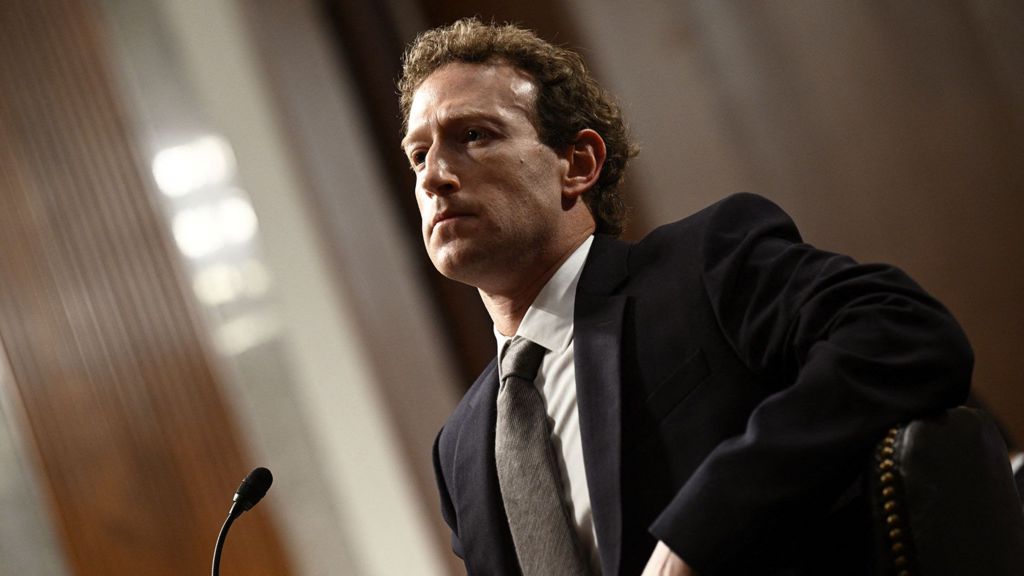
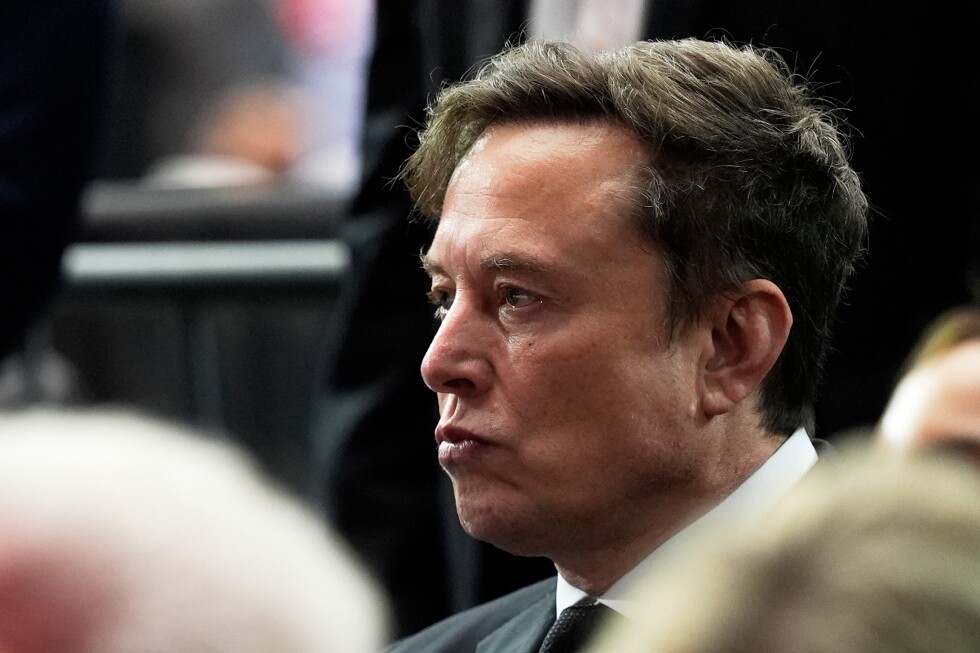
    Time Magazine has broken tradition by naming not an individual but a collective group as its 2025 Person of the Year: the architects of artificial intelligence. This landmark decision recognizes the transformative impact of AI pioneers including Nvidia’s Jensen Huang, Meta’s Mark Zuckerberg, X owner Elon Musk, AI pioneer Fei-Fei Li, OpenAI’s Sam Altman, AMD’s Lisa Su, Anthropic’s Dario Amodei, and Google’s Demis Hassabis.

    The magazine released two distinct covers symbolizing the AI revolution. One features an artistic representation of the letters ‘AI’ surrounded by workers, while the other reimagines the iconic ‘Lunch atop a Skyscraper’ photograph with tech leaders replacing the original ironworkers.

    Time’s editor-in-chief Sam Jacobs declared that ‘no one’ had greater impact in 2025 than those who ‘imagined, designed, and built AI.’ The recognition comes as AI continues its rapid expansion following OpenAI’s ChatGPT launch in late 2022, with Altman revealing the chatbot now serves approximately 800 million users weekly.

    Industry analysts note 2025 represents a tipping point in AI adoption. Forrester’s Thomas Husson observed that ‘most consumers use it without even being aware of it,’ noting AI integration into hardware, software, and services is progressing ‘much faster than during the Internet or mobile revolutions.’

    While many embrace AI for tasks ranging from vacation planning to recipe discovery, concerns persist regarding energy consumption, training data ethics, and workforce displacement. Fountech AI CEO Nik Kairinos cautioned that ‘recognition should not be confused with readiness,’ emphasizing the ongoing responsibility to develop ‘AI systems that are dependable, accountable, and aligned with human values.’

    This marks the fourth time Time has awarded the distinction to a collective, following recognition of Ebola fighters (2014), whistleblowers (2002), and ‘You’ representing internet users (2006). The 1982 ‘Machine of the Year’ award honoring the computer featured tech visionaries including Apple’s Steve Jobs, establishing a precedent for celebrating technological transformation.