
As record-breaking temperatures soar to 45 degrees Celsius across Mecca during this year’s annual Hajj pilgrimage, Saudi Arabian health authorities have turned to cutting-edge drone technology to address a critical logistical challenge: delivering life-saving medical supplies to hundreds of clinics treating pilgrims suffering from extreme heat exposure. For centuries, the sacred rituals of the Hajj have remained largely unchanged, but the 21st century influx of more than 1.5 million pilgrims from across the globe has pushed traditional logistics methods to their limit, prompting officials to integrate modern digital and autonomous technologies into crowd and resource management. Drones have emerged as the most transformative solution among these new tools, solving the persistent problem of supply delivery through congested road networks packed with pilgrim crowds. Prior to the adoption of drone delivery systems, ground vehicle drivers often spent more than an hour navigating gridlocked routes to restock clinics running low on heat exhaustion treatments and emergency medications. Today, 127 clinics spread across the holy sites of Mecca, Mina, and Arafat receive consistent, timely restocks via unmanned aerial vehicles, cutting delivery times dramatically and ensuring patients can access care when they need it most. Fahd Al-Bathi, chief operating officer of the National Unified Procurement Company (NUPCO), the public body overseeing medical supply logistics for the pilgrimage, told reporters that the core mission of the new drone program is to deliver fast, reliable service to the millions of pilgrims gathering for the sacred event. Preparations for the 2024 Hajj medical support operation began nine months in advance, with logistics teams mapping out flight routes, testing drone payload capacities, and training staff to manage the automated delivery network. NUPCO operations officer Turki Al-Obaidi explained that his teams work around the clock throughout the pilgrimage, with staff monitoring every drone delivery in real time from a central command center equipped with a large integrated data display. For large-scale crowd events like the Hajj, speed of access to medical care is a critical factor in preventing avoidable harm, Al-Obaidi added. The central logistics hub now coordinates all drone missions, loading medications, heat relief supplies, and other medical necessities onto aircraft before they launch for their designated clinics. Staff also use electric scooters to move quickly around the sprawling hub, keeping the delivery pipeline running smoothly. “We are seeking to integrate new innovations through which we can ensure that medical supplies arrive safely, as quickly as possible, and with the highest quality,” Al-Bathi said. Drones are just one component of a broader technology-driven overhaul of Hajj management designed to address the unique challenges of the region’s scorching desert climate. Artificial intelligence systems are also being deployed to analyze footage from thousands of security and surveillance cameras across Mecca, helping officials identify crowd congestion hotspots and respond to emergencies faster. These high-tech solutions work alongside traditional heat mitigation strategies that have long been used to protect pilgrims, including giant cooling fans, mobile water trucks distributing free drinking water, and misting systems that lower ambient temperatures for gathered crowds. Saudi health official Jamil Abu Al-Aynayn noted that heat exhaustion and heat stroke remain one of the most common and pressing health threats during the hot-weather pilgrimage, but authorities have maintained a state of constant high readiness to respond to cases, supported by the new technology infrastructure that speeds up access to care across all pilgrimage sites.
分类: technology
-
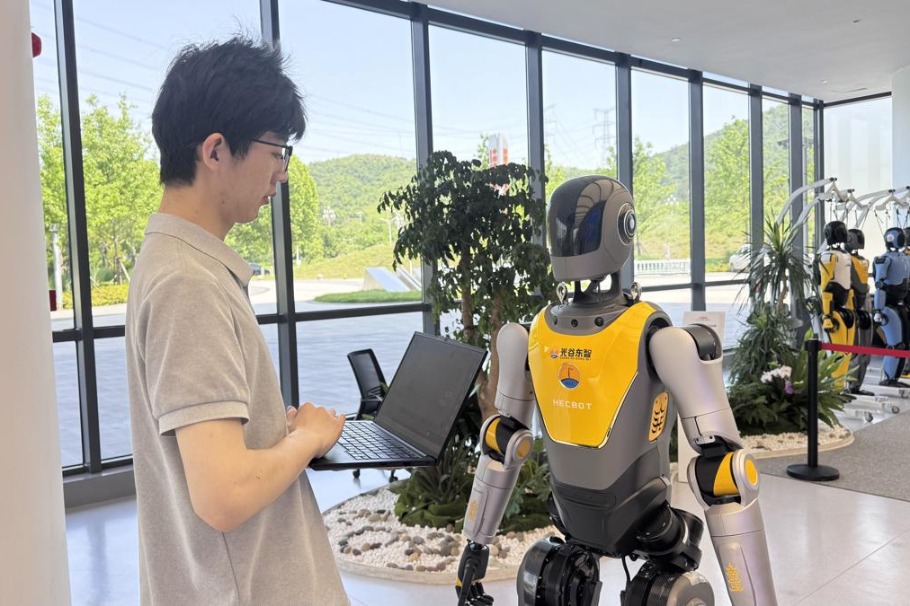
Robots in Hubei to get life-cycle tracing ID numbers
As China’s humanoid robot industry surges ahead to capture a dominant share of the global market, a pioneering new initiative in central China’s Hubei province is set to create the country’s first full-lifecycle digital identity system for humanoid robots, addressing critical gaps in industry standardization and safety oversight.
The program, led by the Hubei Humanoid Robotics Innovation Center based in Wuhan, will assign a unique 29-character alphanumeric ID to every registered humanoid robot, embedding core static information ranging from the robot’s brand origin, manufacturing enterprise, product model, and serial number to factory filing records, hardware specifications, and intelligence rating. Modeled after the national ID system used by Chinese citizens, every robot’s identification code is permanently unique, with 11 extra characters added to accommodate industry-specific tracking needs.
Unlike basic product labeling, the digital ID enables end-to-end traceability across the robot’s entire working life. Beyond static manufacturing details, the system logs dynamic information including routine maintenance histories and deployment application scenarios. A cloud-based management platform also allows authorized stakeholders to access real-time performance data at any time, including readings on joint wear and tear, battery health, and operational accuracy, according to Liu Chuanhou, the innovation center’s chief operating officer.
“In the event of a robot malfunction, we can pull its full operational logs and maintenance records via the unique ID to quickly locate the fault, confirm accountability, and complete efficient repairs,” Liu explained. The ID system also streamlines the secondary market for robots: when a robot is transferred to a new user, the new owner can verify full performance and service histories directly through the ID, eliminating the need for costly redundant testing and boosting reuse efficiency.
On May 11, the innovation center completed the first round of product filing applications and coding trials with China’s Ministry of Industry and Information Technology. The first batch of participating enterprises includes major players across Hubei’s entire humanoid robot industrial chain, including Optics Valley Dongzhi, GLRoad, Hubei Qirobotics, Jingchu Humanoid Robot, HandX, Guanggu Haribit, and Maxnova.
Liu Jieni, business director at Maxnova, confirmed that several of the firm’s flagship humanoid robots have already completed unified coding and official filing. Most of the company’s robots are deployed across industrial manufacturing, commercial services, and professional demonstration training, and Liu said joining the national initiative aligns perfectly with the industry’s growing push toward unified standards.
“Participating in this program not only helps us resolve existing compliance gaps and cut overall operation and maintenance costs, but it also clears the way for large-scale market expansion of our products,” Liu Jieni said. “At the same time, it lets us accumulate valuable data assets that further strengthen our core competitiveness and brand influence across the industry.”
Recent industry data underscores the urgency and importance of the new traceability system. A report published in March 2026 by Beijing CCID Publishing and Media and China Electronics News shows that global humanoid robot shipments hit approximately 17,000 units in 2025, with the total global market valued at 2.88 billion yuan (around $424 million). Thanks to strong advantages in supply chains, core technologies, and diverse application scenarios, China now leads the world in the humanoid robot industry, the report found.
China is home to more than 140 active humanoid robot manufacturers, with domestic shipments reaching 14,400 units in 2025 — accounting for 84.7% of total global supply. The country’s domestic humanoid robot market reached 1.55 billion yuan last year, representing 53.8% of the total global market value.
But despite this rapid growth, the industry still faces systemic challenges. Many enterprises operate with incompatible, disconnected technical standards, and there has been no unified regulatory framework for product traceability, safety supervision, and cross-enterprise data circulation to date, Liu Chuanhou noted. The new ID initiative is designed to address these gaps, drive industry-wide standardization, and build a solid institutional foundation for the large-scale, high-quality development of China’s humanoid robot sector.
As high-end intelligent equipment becomes increasingly integrated into industrial production and everyday public life, humanoid robots also carry underaddressed potential risks related to operational safety, data security, and ethical compliance. “In cases involving safety incidents or potential data hazards, the unique ID number supports rapid traceability and clear liability confirmation, helping prevent risks such as technology misuse and sensitive information leakage,” Liu Chuanhou added.
-
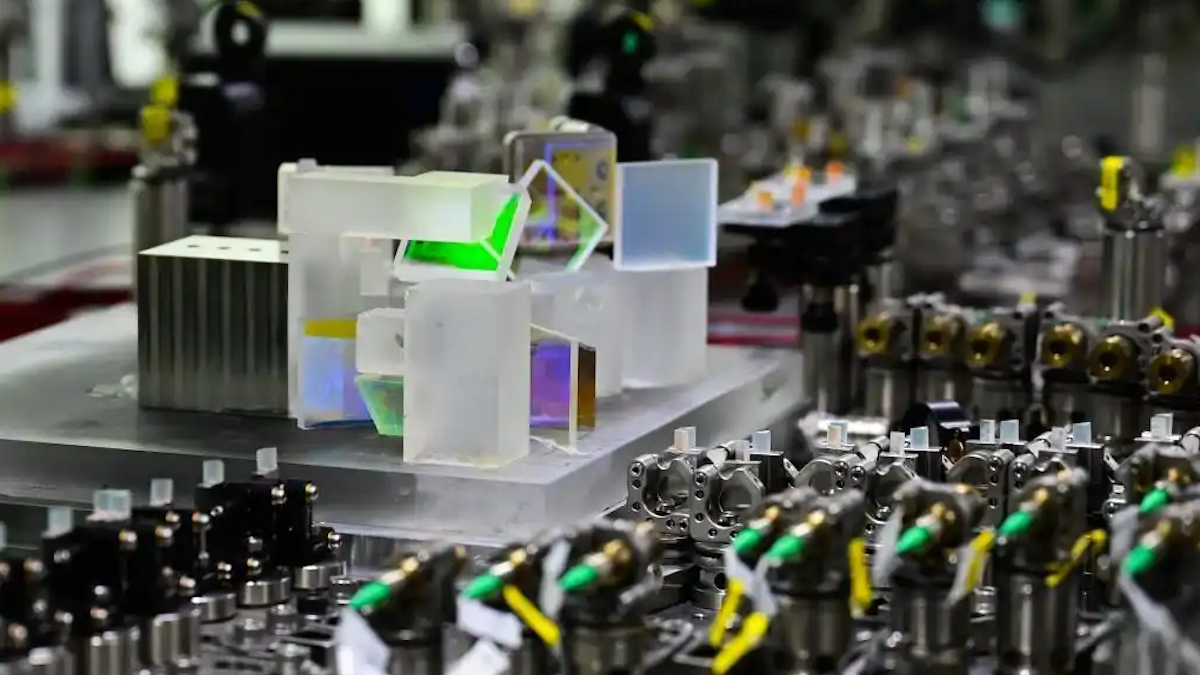
US, China escalate quantum race with rival investment drives
The global quantum technology sector has entered a new phase of accelerated state-backed competition after the U.S. Commerce Department announced a $2.013 billion strategic funding package for nine domestic quantum computing firms on May 21, triggering sharp stock rallies in both U.S. and Chinese quantum companies and underscoring rising stakes in the race for global quantum supremacy.
Under the terms of the CHIPS and Science Act, the U.S. government will take minority non-controlling equity stakes in all funding recipients, marking a historic shift from traditional research grant models to direct government investment in private quantum firms. The bulk of the funding, $1.375 billion, is allocated to domestic quantum foundry development: GlobalFoundries receives $375 million to build a multi-modal quantum chip foundry, while IBM gets $1 billion to launch a new subsidiary focused on manufacturing quantum-grade superconducting wafers. The remaining $538 million is distributed across seven specialized quantum computing companies, with major recipients including D-Wave, Infleqtion, Rigetti, and PsiQuantum, each receiving up to $100 million to solve long-standing engineering challenges across different quantum technology modalities, and smaller player Diraq receiving up to $38 million for silicon spin qubit development.
“With today’s CHIPS Research and Development investments in quantum computing, the Trump administration is leading the world into a new era of American innovation,” U.S. Commerce Secretary Howard Lutnick said in the announcement. “These strategic quantum technology investments will build on our domestic industry, creating thousands of high-paying American jobs while advancing American quantum capabilities.” The equity stake structure is designed to generate potential returns for U.S. taxpayers, and the CHIPS Research and Development Office noted it will continue accepting new proposals for microelectronics and quantum advancement projects.
The funding announcement immediately sent shockwaves through global capital markets. Over the following two trading days, leading U.S. quantum stocks posted double-digit gains: Infleqtion surged more than 30%, Rigetti Computing jumped 63%, D-Wave rose 53%, and IBM gained around 13%. The rally spilled over to Chinese markets, where key domestic quantum companies recorded similar gains: Quantum CTEK climbed 19% to 641.08 yuan, GuoChuang Software gained nearly 18% to 40.24 yuan, and Koal Software rose 9.5% to 20.97 yuan. Investors are betting that the expanded U.S. government push will prompt China to accelerate its own state-backed investment in the sector to maintain its competitive position.
China has already laid significant groundwork in quantum technology, with a flurry of major breakthroughs announced just weeks before the U.S. funding reveal. On May 9, domestic firm Origin Quantum launched Origin Wukong-180, its fourth-generation 180-qubit superconducting quantum computer, which is now open to global users for cloud-based quantum computing tasks. Two days earlier on May 7, the Chinese Academy of Sciences’ Cold Atom Technology (CASCA) unveiled the Hanyuan-2, billed as the world’s first dual-core neutral-atom quantum computer with 200 total qubits, marking a global breakthrough in multi-core quantum processor architecture. On May 13, the University of Science and Technology of China (USTC) published results for its Jiuzhang 4.0 photonic quantum computer in *Nature*, showing the system solves a core benchmark problem 10^54 times faster than the world’s most powerful conventional supercomputer, while scaling up from 255 to 3,050 manipulated photons from its previous generation.
Industry analysts and commentators note that these recent developments, paired with the U.S. funding push, are expected to speed up Beijing’s timeline for expanded state investment in quantum technology. China already designated quantum technology as the top priority among six core future industries in its 15th Five-Year Plan (2026-2030), outlined in 2025. The other five prioritized sectors are biomedical technology, hydrogen and nuclear fusion energy, brain-computer interfaces, embodied artificial intelligence, and 6G telecommunications.
Industry observers widely frame quantum technology as a defining strategic battleground for major global powers, for three core reasons. First, quantum computing and communications will reshape national defense and information security architectures. Second, the unprecedented processing power of quantum systems can dramatically accelerate breakthroughs in drug development and advanced materials design. Third, early technological leadership will grant countries major influence over global industry standards for the next generation of computing.
“The U.S. move represents the first time a national government has directly taken equity stakes in quantum technology companies, marking a formal escalation from a laboratory race to a state-level industrial war,” a technology analyst based in Anhui, China’s central quantum research hub, noted. He added that nearly 70% of U.S. strategic investment is concentrated in quantum wafer manufacturing, mirroring the policy blueprint used to build up the U.S. domestic semiconductor industry and laying the foundational manufacturing infrastructure for next-generation computing power.
China remains one of the only nations capable of competing head-to-head with the U.S. across quantum technology, with a maturing domestic industrial chain. It holds three distinct core competitive advantages: it maintains a global lead in quantum communications, with Quantum CTEK’s quantum cryptography technology already deployed for commercial use nationwide; Origin Quantum operates China’s only 6-inch quantum chip production line, with a daily capacity of over 100 wafers, a 92% yield rate, and its 180-qubit system already available as a cloud service; and quantum technology sits at the top of Beijing’s national priority list for the next five-year development cycle.
However, China also faces key gaps that the U.S. is explicitly targeting with its latest funding push. “China’s core weaknesses lie in dedicated quantum wafer fabrication and high-end control and measurement equipment, precisely the areas Washington is targeting with its latest funding push,” the Anhui-based analyst said. “Domestic quantum chips still partly rely on conventional foundries for production, while purpose-built quantum wafer facilities remain under construction.”
The two superpowers are competing across four major quantum computing architectures, with domestic leaders on each side: for superconducting quantum computing, China’s Origin Quantum and Quantum CTEK face off against IBM, Google and Rigetti; for photonic quantum computing, USTC’s Jiuzhang series rivals U.S. firm PsiQuantum; for trapped-ion quantum computing, China’s Qudoor competes with Quantinuum and IonQ; and for neutral atom quantum computing, China’s CASCA goes up against U.S. firms Atom Computing and Infleqtion.
This competition has unfolded against a backdrop of escalating U.S. export controls targeting China’s quantum sector. During the final months of the Biden administration, Washington introduced sweeping export restrictions on quantum computers, critical components and related software in September 2024, followed by a ban on most U.S. investments in Chinese quantum firms that took effect in January 2025. The Trump administration expanded these controls in March 2025, adding roughly 80 companies to its export blacklist, more than 50 of which are Chinese, including six subsidiaries of leading Chinese cloud and AI firm Inspur Group, which were accused of acquiring U.S. technology for military quantum and supercomputing development. Currently, most major Chinese quantum firms and research institutions, including Quantum CTEK, Origin Quantum, and USTC, are named on the U.S. export blacklist.
Despite these restrictions, Chinese firms have continued to advance their technology, bypassing controls by sourcing key equipment from non-U.S. suppliers and investing in homegrown alternatives that avoid Western-controlled components. For example, in 2023 Chinese state broadcaster CCTV showed Origin Quantum using a mask aligner manufactured by Germany’s SÜSS MicroTec for superconducting quantum chip production, proving U.S. controls have not fully cut off access to critical fabrication equipment. This progress allowed Origin Quantum to launch its third-generation 72-qubit Wukong system in 2024, followed by the 180-qubit fourth-generation model in May 2026.
Chinese researchers have also worked around controls by developing quantum architectures that do not rely on Western-controlled dilution refrigerators, a critical cooling component for superconducting systems. Photonic and neutral-atom quantum computing, the two areas that saw major Chinese breakthroughs in May 2026, fall into this category.
Data on overall investment in the sector paints a mixed picture of the current competitive balance. A columnist based in Liaoning cited McKinsey data showing China invested a total of $15 billion in its quantum sector in 2024, more than double the combined $7 billion invested by the U.S. government and private firms. However, independent observers caution that China’s overall investment figure includes large amounts of general infrastructure spending, and a significant share of Chinese R&D funding is allocated to quantum communications rather than quantum computing, where the U.S. still retains a clear technological lead.
-
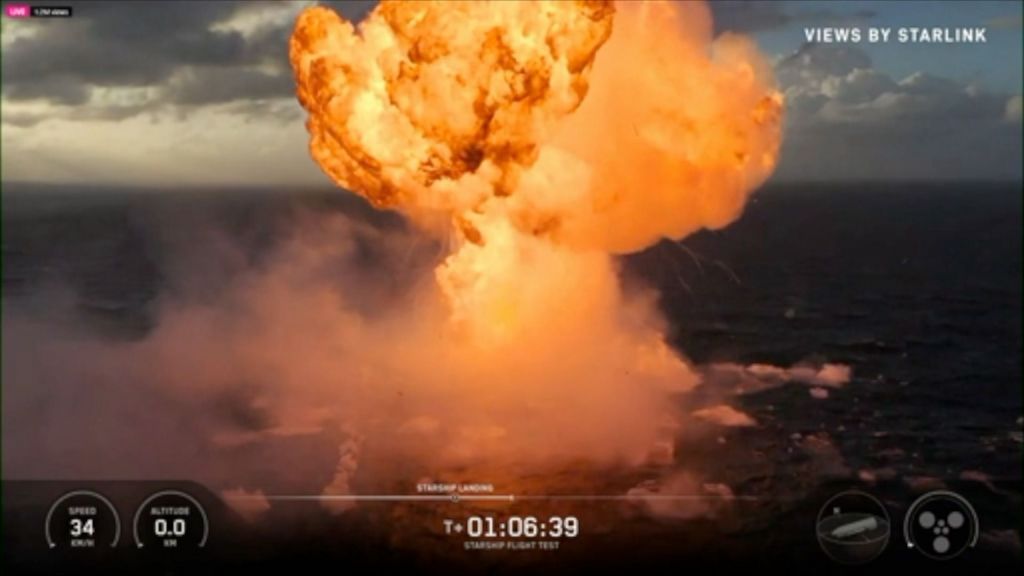
Moment SpaceX rocket explodes in the Indian Ocean after splashdown
In a landmark test for aerospace development, Elon Musk-led private space company SpaceX has pulled off a successful launch of its next-generation Starship V2 rocket, marking another critical step forward in the firm’s ambitious deep space exploration agenda.
Friday’s mission unfolded according to pre-planned test parameters: after completing its scheduled in-flight test objectives, the rocket stage executed its splashdown in the Indian Ocean as projected, and then underwent a deliberate controlled explosive disintegration. The intentional detonation was part of SpaceX’s iterative test design protocol, a strategy the company has long used to gather critical flight data that will inform improvements for future iterations of the Starship system.
SpaceX’s Starship program is designed to eventually carry crew and cargo to lunar surfaces, Mars, and other deep space destinations, as well as support point-to-point travel on Earth. This latest test, even with its planned explosive conclusion, provides the engineering team with invaluable real-world data on vehicle performance, heat shield integrity, and splashdown dynamics that cannot be replicated in ground simulations. Industry analysts note that the successful launch itself is already a major win for the program, with the controlled destruction aligning with the company’s “test fast, iterate faster” philosophy that has accelerated the development of reusable rocket technology over the past decade.
-
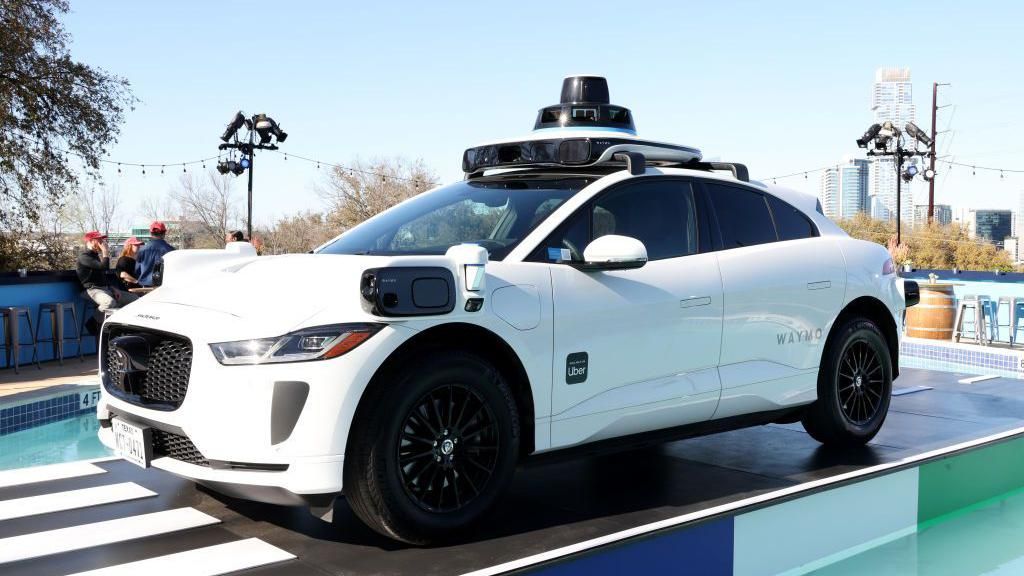
Waymo pauses robotaxis in five US cities after cars drive into flooded roads
Alphabet-owned autonomous vehicle developer Waymo has temporarily suspended commercial robotaxi operations in five U.S. cities and pulled service from major freeways across multiple markets, after a critical software bug left multiple unoccupied vehicles stranded in floodwaters, sparking fresh safety scrutiny for the nascent self-driving industry.
The series of operational changes began after an April 20 incident in San Antonio, Texas, where an empty Waymo robotaxi drove onto a flooded roadway and was swept into a nearby creek. A second identical incident was reported weeks later in Atlanta, Georgia, where another unoccupied vehicle became trapped in standing floodwater. In response to the two events, Waymo announced it would expand its initial pause on operations to include four Texas markets and Atlanta, framing the decision as a proactive precaution.
The underlying hazard was first publicly documented earlier this month in a filing posted to the U.S. National Highway Traffic Safety Administration website. The software flaw, as described in the filing, can lead vehicles to slow down before proceeding into standing water located on higher-speed roadways, increasing the risk of flooding-related breakdowns and stranding. Waymo has since issued a voluntary recall covering nearly 3,800 robotaxis equipped with its fifth- and sixth-generation autonomous driving systems, and the company says it is developing additional software safeguards to address the vulnerability.
Beyond the city-wide service pauses, Waymo has also temporarily suspended autonomous operations on U.S. freeways across its other core markets, including San Francisco, Los Angeles, Phoenix, and Miami. The company told Reuters the freeway suspension is intended to give engineering teams time to refine the vehicles’ performance in construction zones, a common challenge for autonomous mapping and navigation systems. Waymo has emphasized that safety remains its highest priority as it works toward launching the first commercial robotaxi service in London later this year, and it says it is continuously monitoring weather forecasts and real-time conditions to prepare for a return to service.
“We continue to closely monitor forecasts, alerts, and live weather conditions, and we will resume serving riders soon,” the company said in an official statement to the BBC.
Waymo currently operates the largest commercial robotaxi network in the world, delivering more than 500,000 passenger trips per week across active U.S. markets including San Francisco, Austin, and Miami. But the latest recall and service suspension come amid a growing string of high-profile autonomous vehicle incidents that have stoked public and regulatory concerns over the readiness of self-driving technology for mass deployment.
In December 2025, a major grid-wide power outage in San Francisco caused dozens of idle Waymo vehicles to stall across the city, disrupting downtown traffic for hours. Just this past April, a widespread service outage for Baidu’s Apollo Go robotaxi service in the Chinese city of Wuhan left more than 100 autonomous vehicles stranded mid-trip, blocking traffic across multiple busy urban corridors. Industry observers note that as self-driving networks expand into new geographic and climate regions, developers will face growing pressure to address edge-case hazards that have not been fully tested in real-world conditions.
Waymo has said it expects to resume service on paused routes and freeway corridors in the near future, once software updates have been fully tested and validated.
-
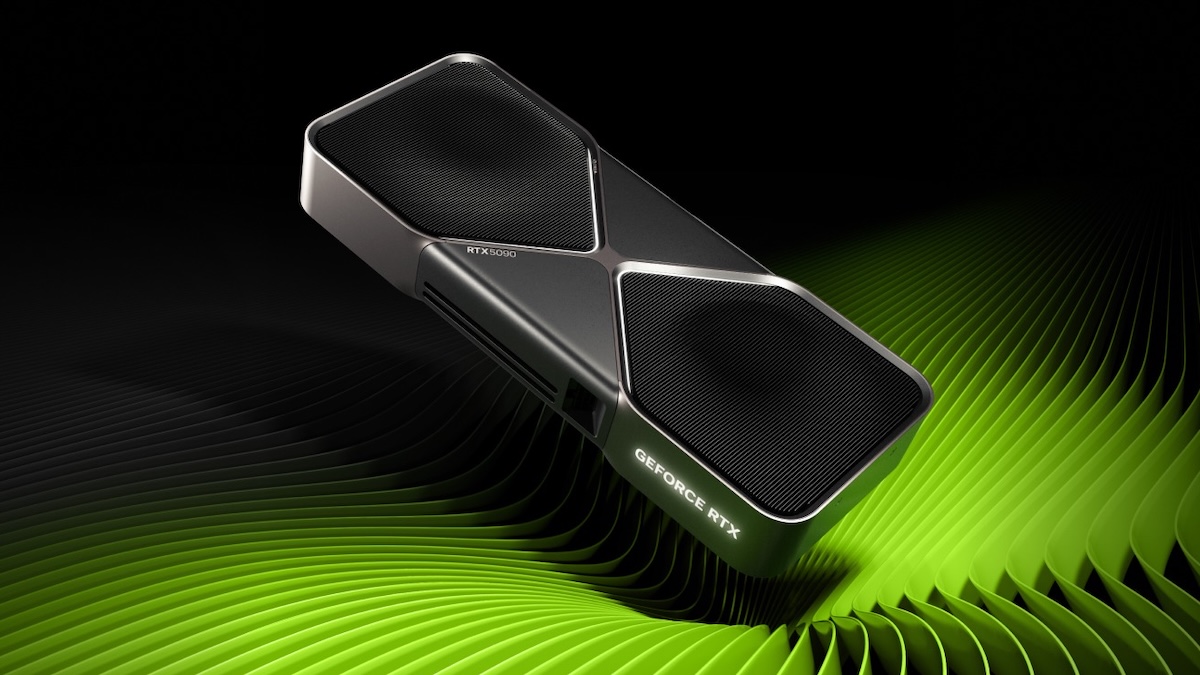
Beijing bans Nvidia’s top graphics card to back domestic rivals
The ongoing technological rivalry between the United States and China entered a new, more tense phase this May, when Beijing implemented a sudden ban on imports of Nvidia’s RTX 5090D V2 – a customized graphics card built specifically for the Chinese market to comply with existing US export controls. The unexpected restriction, which took effect on May 15, the same day US President Donald Trump’s delegation left Beijing after high-level summit talks with Chinese President Xi Jinping, has delivered a fresh setback to Chinese domestic gamers and independent AI hobbyists, who relied on the chip for both leisure and small-scale development work.
First reported by the Financial Times, the RTX 5090D V2 was added to China’s banned import list during the summit. Built on Nvidia’s cutting-edge Blackwell architecture, the chip had only received approval for sale in the Chinese market back in August 2025, after years of incremental adaptations by Nvidia to navigate successive rounds of US export restrictions.
This ban compounds growing pressure on Nvidia, which already faces a Chinese government push to domestic firms to prioritize locally produced chips over the company’s premium H20 and H200 AI chips. Industry analysts estimate that the H200 line alone could generate more than $14 billion in annual revenue for the US semiconductor giant for the Chinese market. The timing of the ban is particularly striking: Nvidia CEO Jensen Huang joined Trump’s Beijing delegation at the last minute, which had stoked widespread market expectations that he could secure formal approval for continued H200 sales in the country.
Alongside the chip ban, the Trump-Xi summit produced a key breakthrough on AI governance talks. US Treasury Secretary Scott Bessent announced that Washington and Beijing have opened discussions to establish binding safety guardrails for advanced artificial intelligence. The core goal of these talks is to prevent the most cutting-edge AI models from falling into the hands of criminal organizations and terrorist groups, while preserving space for continued commercial technological development. Bessent noted that the US entered these talks from a position of strength, holding a clear technological lead over China in the AI sector. He added that cross-border working groups from both nations will soon launch formal consultations to craft shared safety standards that do not stifle innovation or industry growth.
Despite the growing tensions over semiconductor trade, US Trade Representative Jamieson Greer told reporters that chip export controls were not a central topic of negotiation during the bilateral summit. “This was not a major topic of discussion at the bilateral meeting. We did not talk about chip export controls at the meeting,” Greer stated, though he acknowledged that US chief executives in attendance raised individual corporate concerns during the summit. Greer also emphasized that any final decision on allowing H200 imports rests with Beijing.
Industry observers and commentators point out that the impact of the RTX 5090D V2 ban extends far beyond consumer gaming. While the card is marketed as a high-end gaming graphics processing unit (GPU), independent and hobbyist AI developers across China have relied on it to access Blackwell architecture computing power at a time when sales of Nvidia’s full-powered enterprise AI GPUs are blocked by US controls. Many of these developers use consumer-grade RTX cards to run and fine-tune open-source large language models (LLMs) such as Meta’s Llama series, Google’s Gemma, and China’s own DeepSeek from home-based workspaces.
“Although the RTX 5090D V2 appears to be a gaming graphics card, its actual uses go far beyond that,” explained a columnist for Hainan-based news outlet Kdnet.net. “Because access to Nvidia’s more powerful AI graphics processing units has been restricted, many Chinese AI developers have been using the RTX 5090D V2 to tap into the computing power of Nvidia’s Blackwell architecture for AI training and inference tasks. In other words, banning this card is equivalent to cutting off a back channel that allowed indirect access to Blackwell computing power while circumventing export controls.”
The columnist added that the move reflects a clear shift in China’s approach to the US-China chip war: “What is unfolding points in one clear direction. The US is using export controls to pressure China, while China has decided it no longer wants even downgraded versions of foreign chips, turning instead to homegrown alternatives. This episode marks a new phase in the US-China chip contest, though where it ultimately would lead remains to be seen.”
This latest restriction is the culmination of years of back-and-forth adaptation in the US-China semiconductor trade. The cycle began in October 2022, when the previous Biden administration introduced sweeping new export rules that banned sales of Nvidia’s top-tier A100 and H100 AI chips to China. Nvidia responded by launching downgraded, export-compliant variants – the A800 and H800 – specifically built for the Chinese market. In October 2023, Washington tightened restrictions further, adding the A800, H800, and consumer RTX 4090 graphics cards to the banned list. Nvidia again adjusted, launching the even more scaled-back H20 AI chip. After taking office, the Trump administration initially banned H20 exports in 2025, before later reversing course and approving exports of both the H20 and H200.
Even with US approval, however, Chinese government guidance urging domestic tech firms to prioritize local chips such as Huawei’s Ascend 910B has resulted in zero H200 imports to date. A nearly identical pattern has played out in the consumer graphics card segment: when Nvidia launched its flagship RTX 5090 in January 2025, it designed a downgraded RTX 5090D variant for China, but Washington blocked that shipment. A further adjusted, lower-spec version – the RTX 5090D V2 – launched in China last August, only to be banned by Beijing this May.
The ban opens up new market opportunities for Chinese domestic graphics card manufacturers, including Lisuan Technology, Moore Threads, and Biren Technology. But some analysts question whether Chinese consumers will readily shift to local alternatives. Consumer tech commentator Renjian Siliang, based in Henan, noted that for most mainstream 4K gaming use cases, the difference between the full-spec RTX 5090 and the downgraded 5090D V2 is barely noticeable, as Nvidia only cut non-core performance features. The gap becomes far more apparent, however, for 8K gaming, large 3D rendering workloads, and small-scale AI development work.
Critically, Chinese consumers still have access to Nvidia’s RTX 5080, which falls outside the scope of current US export controls. While the RTX 5090 is 30% to 68% faster than the 5080, the 5080 still outperforms the top Chinese-made graphics card by a factor of multiple times. The most advanced current offering from domestic producer Lisuan Technology, the LX 7G100, is only comparable to Nvidia’s last-generation RTX 4080, leaving a substantial performance gap for both enthusiast gamers and independent AI developers.
-

SpaceX postpones highly anticipated Starship launch
Elon Musk’s SpaceX called off the first test flight of its upgraded Starship V3 megarocket on May 21, 2026, following repeated countdown holds and an unresolvable last-minute technical glitch, pushing the highly anticipated launch attempt to the next day at the firm’s South Texas launch facility.
The aborted test comes just 24 hours after the private aerospace company submitted regulatory paperwork to the U.S. Securities and Exchange Commission for a blockbuster initial public offering, widely projected to be the largest IPO in history if it moves forward as planned in June. The IPO filing lays out full financial disclosures, risk assessments and long-term business strategy for potential investors.
Company spokesperson Dan Huot confirmed during the official launch livestream that engineering teams could not resolve the identified issue within the narrow launch window available on Thursday. Within minutes of the scrub, Musk took to social platform X to clarify the root cause: a hydraulic pin designed to secure the launch tower arm failed to retract as planned. If technicians can complete repairs to the system overnight, the next launch attempt is scheduled for 5:30 p.m. local time (2230 GMT) on May 22 at the South Padre Island, Texas, launch pad.
This test flight marks the 12th overall mission for SpaceX’s Starship program, and the first in seven months. The third-generation Starship is larger than earlier iterations, standing 407 feet (124 meters) tall when fully stacked. SpaceX’s long-term goal for the program is to develop a fully reusable heavy-lift launch system that can support deep space missions, including NASA’s Artemis program to return humans to the lunar surface.
If the launch proceeds successfully on Friday, the mission will follow a carefully planned 65-minute suborbital trajectory. The Super Heavy first-stage booster will splash down in the Gulf of Mexico off the Texas coast, while the upper stage will deploy 20 dummy satellite payloads and two modified Starlink satellites fitted with cameras to collect data on the craft’s heat shield. The upper stage will ultimately splash down in the Indian Ocean if all systems perform as designed.
While recent Starship test flights have been deemed partially or fully successful, earlier tests ended in high-profile explosions: three craft broke apart over the Caribbean and one reached space before failing, and a June 2025 ground test destroyed a Starship upper stage.
The stakes for this test could not be higher, industry observers note. Beyond the upcoming IPO, SpaceX holds a multibillion-dollar NASA contract to adapt Starship into a human-rated lunar lander, a core component of the Artemis program’s goal to land the first woman and person of color on the Moon. The U.S. is racing against China’s independent lunar program, which aims to land its own crewed mission by 2030. Current U.S. leadership under the Trump administration has publicly expressed growing anxiety that American delays could cede the milestone of the first 21st-century lunar landing to Beijing.
G. Scott Hubbard, a former director of NASA’s Ames Research Center, told AFP that the outcome of this test carries enormous consequences for public-private lunar exploration efforts. “The government made the decision to go with these arms-length contracts for the human landing system, and now these people have to perform,” Hubbard explained.
SpaceX and its primary competitor, Jeff Bezos’ Blue Origin, have both restructured their development roadmaps to prioritize lunar lander projects. NASA’s current timeline calls for testing in-orbit rendezvous between the Artemis crew capsule and lunar landers in 2027, with the first crewed landing targeted for late 2028. But industry analysts have repeatedly raised skepticism that both private firms will meet the accelerated benchmark schedule.
One major unproven technical hurdle remains in-orbit refueling with super-cooled propellant, a critical capability required for any crewed lunar landing mission that has never been demonstrated successfully. “Let’s hope they succeed, but it’s a major engineering challenge,” Hubbard added. NASA is set to deliver a public update on its Artemis program timeline next Tuesday.
-
Elon Musk’s X Corp given $750,000 penalty for eSafety breach
Elon Musk’s social media giant X Corp has been ordered to pay a total of $750,000 in penalties and legal costs after being found in breach of Australian online safety regulations for failing to respond to a regulator’s inquiry into measures targeting child sexual exploitation material. The case, which stretched more than two years, has set a clear precedent for global technology companies that even large platforms cannot ignore national regulatory requirements when operating in foreign markets.
The story dates back to early 2023, when Australia’s eSafety Commissioner Julie Inman Grant issued a mandatory transparency notice to Twitter, alongside other major social platforms, seeking detailed information on what steps each platform was taking to detect and remove illegal child sexual exploitation content from their services. Just weeks after the notice was issued, Elon Musk completed his $44 billion acquisition of Twitter and rebranded the company as X Corp, merging the original Twitter entity into the new corporate structure.
X Corp missed the original March 29, 2023 deadline to submit a complete, adequate response to the regulator’s questions. The company only addressed the gaps identified by eSafety in a follow-up submission on May 5 of that year. When eSafety brought legal action over the missed deadline, X Corp mounted a legal challenge, arguing that the notice had been issued to the original Twitter entity which no longer existed, so the new corporation had no legal obligation to comply.
That challenge was first rejected by Federal Court Justice Michael Wheelahan in early 2024, and the ruling was later upheld by the full bench of the Federal Court in July 2024. On Thursday, Justice Wheelahan handed down the final penalty at a hearing in Melbourne: X Corp must pay a $650,000 civil penalty for the contravention, and cover $100,000 of eSafety’s legal costs stemming from the court action.
In his written judgment, Justice Wheelahan emphasized that Australia’s Online Safety Act, which grants eSafety the power to issue such information notices, is designed explicitly to protect Australian internet users. “The reporting requirements under the Act are an essential aspect of enforcing those expectations,” he wrote. “Accordingly, where the operator of a large social media platform has failed to comply with those reporting requirements, the public has an interest in the Commissioner seeking and obtaining a public declaration of contravention, which will contribute to a deterrent effect.”
In a post-ruling statement, eSafety Commissioner Inman Grant said the penalty sends an unambiguous message to all technology companies that offer services to Australian users: they are bound by Australian laws, regardless of their size or ownership structure. “Meaningful transparency is critical to holding technology companies to account,” she said. “This is not only a key part of our work as Australia’s online safety regulator, it also provides the Australian public with important information about how these companies are tackling the worst-of-the-worst content on their platforms.”
The ruling comes amid broader global momentum for stricter online child safety regulation, driven in part by News Corp Australia’s high-profile “Let Them Be Kids” campaign. The campaign spent 18 months documenting the widespread harm social media use causes to Australian children’s mental and physical health, including sharing testimonies from families who lost children to suicide linked to harmful online content. Its advocacy helped push Australia to become the first country in the world to pass legislation requiring a minimum age of 16 for social media access, a law set to go into effect in December 2025. To date, 52 other countries have announced they are considering adopting similar age restriction regulations.
-
Elon Musk’s X fined for not complying with Australia’s child protection laws
A years-long legal standoff between Australian regulators and Elon Musk-owned social media giant X Corp has come to a close, with a national court upholding a substantial fine for the company’s deliberate failure to adhere to national online child safety rules.
The dispute traces back to February 2023, when Australia’s independent online safety regulator eSafety issued a formal transparency request to Twitter, the predecessor of X. The regulator demanded internal information about the platform’s systems and practices for identifying and removing child sexual exploitation material circulating on its service. One month after the request was filed, Twitter completed its merger into X Corp, a corporate restructuring led by Musk.
X initially refused to comply with the information order, arguing that the original legal demand was issued to Twitter — an entity that no longer existed after the merger — and that the new X Corp bore no responsibility to meet the request. For three years, the company fought the regulator’s enforcement action in Australian courts, even after an earlier ruling last year confirmed X was legally obligated to respond to the transparency notice.
On Thursday, X reversed its position and formally admitted to the wrongdoing. Justice Michael Wheelahan of the Australian court ordered the US-based company to pay a total fine of A$610,000, adjusted up from the original 2023 penalty, plus an additional A$100,000 to cover eSafety’s legal costs. The combined penalty amounts to approximately US$463,000, with full payment due within 45 days.
In his ruling, Justice Wheelahan explained that a penalty near the maximum allowed under Australian law was necessary given X’s size and global reach. “A penalty near the maximum is appropriate in the case of the respondent, which is a substantial corporation so that it operates as a real deterrent and is not simply a cost of doing business,” he wrote in his judgment.
This is not the first high-profile clash between X and Australia’s eSafety regulator. The agency has previously taken on the platform over its non-compliance with Australia’s world-first ban on social media use for children under 16, and its refusal to take down graphic footage of a 2024 Sydney church stabbing that spread widely across the platform. Tensions escalated dramatically in 2024, when Musk referred to eSafety Commissioner Julie Inman Grant as a “censorship commissar” in a post to his 196 million X followers. In the aftermath of that post, Grant revealed she received death threats, and her children’s personal information was leaked online in a doxxing attack.
In a public statement released after Thursday’s ruling, Grant emphasized that the outcome reaffirmed the importance of holding large tech platforms accountable for child safety online. “Meaningful transparency is critical to holding technology companies to account,” she said, noting that the information request at the center of the case was designed to shed light on how platforms address the spread of harmful child sexual abuse material.
-

Australian judge fines X $465,000 for online safety breach after 3-year court battle
In a landmark ruling that wraps up a three-year regulatory dispute, Australia’s Federal Court has imposed a AUD 650,000 (USD 465,000) penalty on Elon Musk-owned X Corp. for refusing to hand over critical information to the country’s top online safety watchdog about its handling of child sexual exploitation material on its platform. The court also ordered the Texas-based social media giant to cover AUD 100,000 (USD 71,000) in legal costs incurred by the Office of the eSafety Commissioner, with payment required within 45 days of Thursday’s ruling.
The legal conflict dates back to February 2023, when eSafety issued a formal transparency notice to then-Twitter Inc., demanding a public report detailing the company’s actions to curb the spread of child sexual abuse and exploitation content, aligned with Australia’s national Basic Online Safety Expectations. The company was given a March 29, 2023 deadline to submit the completed response, but X failed to provide a report that fully addressed the regulator’s questions. The company ultimately admitted it violated Australia’s 2021 Online Safety Act through this non-compliance.
X’s legal team told the court the non-compliance occurred during a period of significant corporate transition, when Elon Musk completed his high-profile acquisition of the platform and rebranded Twitter as X. The merger between Twitter Inc. and X Corp. closed in March 2023, just weeks after the transparency notice was issued, and X’s legal representative noted the regulator does not claim the violating conduct continued past May 5, 2023.
The long legal battle reached its conclusion after two previous court rulings sided with the regulator: an initial October 2024 judgment upheld by the full Federal Court in July last year confirmed X was legally required to respond to eSafety’s inquiry. Notably, both the regulator and X have agreed the size of the issued fine is appropriate. Christopher Tran, the lead lawyer for eSafety, told reporters the penalty was set at this level specifically because of X’s status as a large global corporation. He emphasized that a significant penalty was necessary to avoid treating regulatory violations as just a routine cost of doing business for large tech firms.
eSafety Commissioner Julie Inman Grant, a former Twitter employee herself, framed the ruling as a critical win for corporate accountability in the tech sector. “In early 2023, we asked some of the world’s biggest technology companies, including Twitter, to report on steps they were taking to comply with the Australian Basic Online Safety Expectations in relation to the proliferation of child sexual exploitation and abuse materials on their platforms,” Inman Grant said in a post-ruling statement. She added, “This is not only a key part of our work as Australia’s online safety regulator, it also provides the Australian public with important information about how these companies are tackling the worst-of-the-worst content on their platforms.”
As of Thursday, X had not issued any immediate public response to requests for comment on the court’s ruling.