分类: technology

  • ChatGPT-maker OpenAI releases browser in attempt to rival Google

    ChatGPT-maker OpenAI releases browser in attempt to rival Google

    OpenAI, the creator of ChatGPT, has introduced a groundbreaking artificial intelligence-powered web browser named ChatGPT Atlas, aiming to compete with industry giants like Google’s Chrome. Launched on Apple’s MacOS operating system, Atlas eliminates the traditional address bar, a staple of conventional browsers, and is designed to integrate seamlessly with ChatGPT. According to OpenAI CEO Sam Altman, the browser is ‘built around ChatGPT,’ offering users a unique, AI-driven browsing experience.

    Atlas features a paid ‘agent mode’ exclusively for ChatGPT subscribers, enabling the chatbot to autonomously conduct searches and enhance browsing efficiency by leveraging contextual information. This innovation is part of OpenAI’s broader strategy to monetize its AI investments and expand its user base, which has grown to 800 million weekly active users as of October, according to Demandsage.

    To further attract users, OpenAI has forged partnerships with e-commerce platforms like Etsy and Shopify, as well as booking services such as Expedia and Booking.com. However, industry experts like Pat Moorhead, CEO of Moor Insights & Strategy, remain skeptical about Atlas’s ability to challenge Chrome or Microsoft Edge, citing the reluctance of mainstream and corporate users to switch from their preferred browsers.

    The launch of Atlas coincides with growing scrutiny of Google’s dominance in online search, following a recent ruling that declared the tech giant an illegal monopolist. Despite calls for Google to divest its Chrome browser, no such action was mandated. Meanwhile, the adoption of large language models (LLMs) like ChatGPT for search purposes is on the rise, with Datos reporting that 5.99% of desktop searches now involve LLMs—more than double the figure from a year ago. Google, too, is heavily investing in AI, prioritizing AI-generated answers in its search results.

    As OpenAI continues to innovate, the tech industry watches closely to see if ChatGPT Atlas can carve out a significant niche in the competitive browser market.

  • AI-driven observability gains momentum as enterprises embrace hybrid work and cloud

    AI-driven observability gains momentum as enterprises embrace hybrid work and cloud

    As digital transformation accelerates across the Middle East, enterprises are increasingly prioritizing observability to address the challenges of performance, visibility, and control in hybrid and cloud-dependent environments. The shift to remote work, widespread cloud adoption, and the growing complexity of IT ecosystems have made observability — the ability to monitor, analyze, and optimize digital experiences — a critical focus for CIOs and IT leaders.

    Riverbed Technology, a leader in network optimization, is positioning itself at the forefront of this evolution. At GITEX, the company unveiled its latest innovations in observability and performance acceleration, including Riverbed IQ Ops, a platform enhanced with AI and machine learning capabilities. These tools enable predictive analysis, automated remediation, and integration with third-party systems like ServiceNow, empowering IT teams to proactively manage performance and security across distributed environments.

    Salman Ali, Riverbed’s Senior Manager for Solution Engineering in the GCC, emphasized the strategic use of AI in their approach. “We’re not just adding AI for the sake of it,” he said. “We’re using causal AI and generative algorithms to deliver actionable insights, break down silos across infrastructure, applications, and networks, and unify observability across the enterprise.”

    Riverbed’s methodology focuses on data quality and relevance. Its platform collects, filters, and analyzes data to ensure AI delivers meaningful outcomes, from forecasting IT issues to correlating performance metrics across domains. This unified observability model is particularly valuable in hybrid work scenarios, where consistent access and performance are essential regardless of user location.

    The company is also playing a pivotal role in the UAE’s digital transformation journey. As organizations migrate services to the cloud and digitize operations, Riverbed provides visibility into user behavior, service adoption, and performance metrics — both before and after migration. “Digitization has enabled us to give companies the right visibility into how services are used and where enhancements are needed,” Ali explained.

    Looking ahead, Riverbed identifies three major trends driving demand for observability: digitization, cloud adoption, and hybrid work. As applications move further from users, the need for deep visibility and control becomes more urgent. “The more digital we become, the more we need to understand our environments,” Ali noted. “Observability is the foundation for that understanding.”

  • Watch: Abu Dhabi rolls out driverless vehicles to clean, sanitise its corniche

    Watch: Abu Dhabi rolls out driverless vehicles to clean, sanitise its corniche

    Abu Dhabi has taken a significant leap in autonomous mobility with the introduction of driverless vehicles, known as RoboSweepers, to clean and sanitize its iconic corniche. These advanced machines, designed for urban environments such as pavements, public spaces, and pedestrian areas, aim to reduce reliance on manual labor while ensuring optimal public hygiene. The project, developed by K2 subsidiary Autogo under the supervision of the Smart and Autonomous Systems Council, is overseen by Abu Dhabi’s Department of Municipalities and Transport (DMT).

    Equipped with sensors and modern navigation technologies, RoboSweepers operate along pre-programmed routes, performing cleaning tasks without human intervention. This initiative follows the success of Abu Dhabi’s robotaxis, which recently completed 30,000 trips across key areas including Yas Island, Saadiyat, and Masdar City. The robotaxi fleet has tripled in size over the past year, expanding to Al Reem and Al Maryah Islands.

    Sean Teo, Managing Director of K2, emphasized the significance of this innovation, stating, ‘The RoboSweeper devices represent a leap forward in building future cities. We remain committed to investing in technologies that support Abu Dhabi’s vision and meet the needs of the community, today and in the future.’

    The emirate’s media office shared a video showcasing the RoboSweepers in action, highlighting their efficiency and role in advancing urban cleanliness. This move underscores Abu Dhabi’s commitment to leveraging cutting-edge technology to enhance public services and improve the quality of life for residents and visitors alike.

  • AWS outage: Are we relying too much on US big tech?

    AWS outage: Are we relying too much on US big tech?

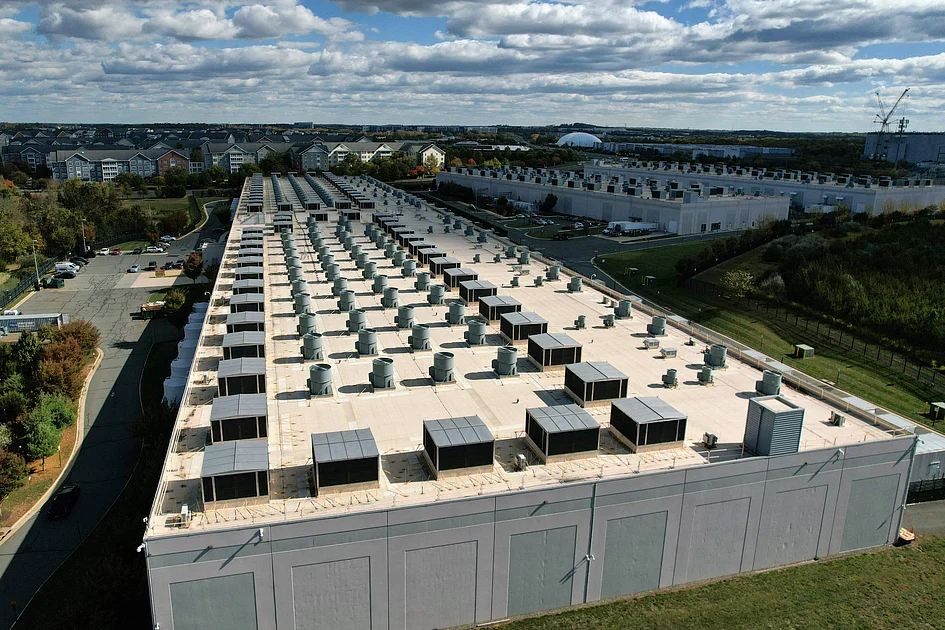
    A significant outage at Amazon Web Services (AWS) on Monday disrupted global digital operations, bringing some of the world’s largest websites and services offline for hours. The incident affected a wide range of users, from those unable to access critical banking and government services to individuals concerned about losing streaks on language-learning app Duolingo. This disruption has reignited concerns about the over-dependence of countries, including the UK, on a handful of US tech giants for cloud computing services.

    Amazon and Microsoft dominate the cloud services market, collectively holding between 30% and 40% of the UK and European markets, according to the UK’s Competition and Markets Authority (CMA). However, their influence extends even further, as many services not directly hosted by these companies still rely on their infrastructure. Professor James Davenport of the University of Bath explained that cloud deployments are complex, with many interdependent components, some of which are invisible to users.

    The outage highlighted the ‘nested dependency’ between digital platforms and the underlying technical services that support them, according to Brent Ellis, principal analyst at Forrester. He warned that the assumption that tech giants are ‘too big to fail’ is a mistake, as even minor outages can have far-reaching consequences. The incident underscored the risks of a highly concentrated market, where a single failure can ripple through the global economy.

    Despite these risks, many companies continue to rely on AWS, Microsoft, and Google due to the significant advantages they offer, including cost savings, scalability, and enhanced cybersecurity. Vili Lehdonvirta, a professor of technology policy at Aalto University, noted that the sector is driven by economies of scale, making it difficult for smaller providers to compete. Stephen Kelly of Circata added that the high cost of migrating data from one provider to another poses a significant barrier to diversification.

    However, there is growing unease about the dominance of a few companies in the cloud sector. Nicky Stewart of the Open Cloud Coalition argued that the outage demonstrated the need for a more open and competitive market. The CMA has also raised concerns, recommending in July that Amazon and Microsoft be investigated for ‘strategic market status’ to promote fair competition.

    Lord Leong, speaking on behalf of the UK government, emphasized efforts to diversify the UK’s cloud ecosystem and encourage greater participation by UK-based and European providers. Experts like Kelly called for political action, urging the government to mandate data resilience standards and promote the use of multiple cloud providers to enhance national resilience.

  • China completes construction of world’s first wind-powered underwater data center

    China completes construction of world’s first wind-powered underwater data center

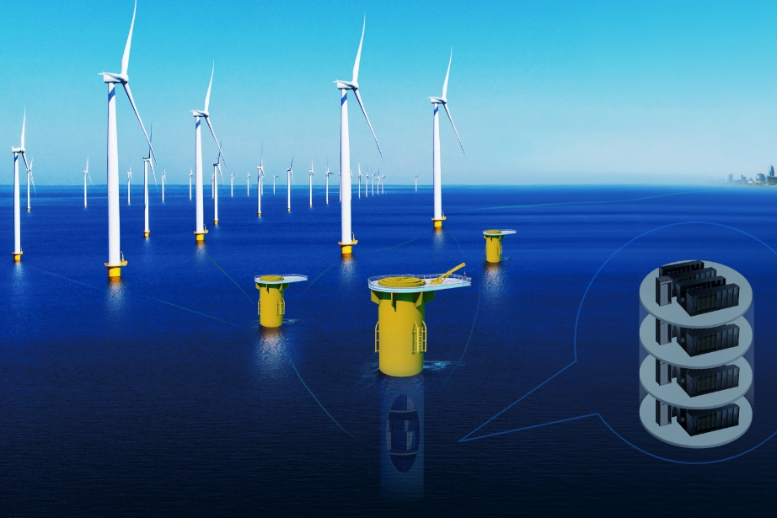
    In a groundbreaking achievement for sustainable technology, China has successfully completed the construction of the world’s first wind-powered underwater data center (UDC) in Shanghai. This innovative project, located in the Lin-gang Special Area of the China (Shanghai) Pilot Free Trade Zone, represents a significant leap forward in the integration of renewable energy and computing infrastructure. With an investment of 1.6 billion yuan (approximately $226 million), the UDC boasts a total power capacity of 24 megawatts. Unlike traditional land-based data centers, this facility is designed to utilize over 95% green electricity, drastically reducing power consumption by 22.8% and eliminating water and land use by 100% and over 90%, respectively. The completion of this project not only sets a new benchmark for green computing but also demonstrates the potential for offshore wind power to support large-scale, low-carbon data processing. This development is expected to inspire further advancements in sustainable technology and renewable energy integration globally.

  • World’s fastest high-speed train blazes to 453 km/h in pre-service trials

    World’s fastest high-speed train blazes to 453 km/h in pre-service trials

    China has achieved a groundbreaking milestone in high-speed rail technology with its CR450 bullet train, which reached an astonishing speed of 453 kilometers per hour during pre-service trials. This achievement solidifies the CR450’s position as the world’s fastest high-speed train, surpassing its predecessor, the CR400, which operates at 350 km/h. The trials are being conducted on the high-speed rail line connecting Shanghai and Chengdu, as reported by Science and Technology Daily. The CR450 is engineered for a top test speed of 450 km/h and a commercial service speed of 400 km/h, showcasing China’s leadership in rail innovation. The train’s design features a longer, sleeker nose, a 20-centimeter lower roofline, and a 50-tonne weight reduction, reducing aerodynamic drag by 22 percent. Additionally, the CR450 can accelerate from 0 to 350 km/h in just 4 minutes and 40 seconds, and two trains set a record by passing each other at a combined speed of 896 km/h. Before entering commercial service, the CR450 will undergo rigorous testing, logging 600,000 trouble-free kilometers to ensure passenger safety and reliability. This development marks a significant leap forward in high-speed rail technology, reinforcing China’s commitment to advancing transportation infrastructure.

  • Amazon says AWS cloud service back to normal after global outage hits thousands of sites

    Amazon says AWS cloud service back to normal after global outage hits thousands of sites

    Amazon Web Services (AWS) has restored normal operations following a significant global outage that disrupted thousands of websites and applications, including major platforms like Snapchat, Reddit, and Venmo. The incident, which began on Monday, marked the largest internet disruption since last year’s CrowdStrike malfunction, which impacted hospitals, banks, and airports. AWS attributed the outage to a subsystem failure within its network health monitoring system, specifically affecting its US-EAST-1 data center in northern Virginia, a region historically prone to such issues. The problem stemmed from the Domain Name System (DNS), which prevented applications from accessing AWS’s DynamoDB API, a critical cloud database. While most services were restored by Monday afternoon, some, including AWS Config and Redshift, faced message backlogs requiring additional processing time. The outage underscored the fragility of global cloud infrastructure and the widespread reliance on a few dominant providers. Experts emphasized the need for better fault tolerance and diversified cloud strategies to mitigate future disruptions. Major companies, including Lloyd Bank, Vodafone, and HMRC, were among those affected, with over 4 million users reporting issues. Despite the chaos, Amazon’s stock rose 1.6%, reflecting Wall Street’s muted reaction to the incident.

  • Photos: Could electric tuk tuks be coming to UAE soon?

    Photos: Could electric tuk tuks be coming to UAE soon?

    The United Arab Emirates (UAE) may soon witness the introduction of electric tuk tuks, a sustainable and innovative mode of transportation that is already popular in countries like Egypt, Thailand, and India. These three-wheeled vehicles, also known as auto rickshaws, are being proposed by Green Power GCC, a company specializing in eco-friendly mobility solutions. Currently awaiting official approval from the UAE’s Road and Transport Authority (RTA), the electric tuk tuks could soon become a common sight on the streets of Dubai and Sharjah. Ahmed Tauseef, a sales executive at Green Power, revealed that the vehicles are not only designed for urban commuting but could also serve as transport options for hotels and resorts, similar to golf carts. The company showcased its electric tuk tuks and motorcycles at the recently concluded Evolve Future Mobility Show, generating significant interest from potential buyers. The electric tuk tuks are powered by a combination of solar energy and electricity, featuring solar panels that charge onboard batteries. They also come equipped with standard charging ports, ensuring functionality even on cloudy days. With a range of up to 500km when fully charged, these vehicles can also be charged at home, and some models offer swappable batteries. Green Power has already shipped 200 solar-powered tricycles to Egypt and has received hundreds of inquiries in the UAE. The company’s website states that the tricycles cost approximately Dh8,000, with periodic maintenance being the only additional expense. The introduction of electric tuk tuks aligns with the UAE’s broader sustainability goals, including the National Electric Vehicles Policy, which aims to reduce energy consumption in the transport sector by 20% and increase the share of electric vehicles to 50% by 2050. This initiative is part of the UAE’s commitment to combating climate change and promoting green mobility.

  • Guquan converter station undergoes 7-day annual overhaul in Anhui

    Guquan converter station undergoes 7-day annual overhaul in Anhui

    The Guquan converter station, a critical component of the Changji-Guquan ultra-high voltage direct current (UHVDC) transmission line, has initiated its annual maintenance period. Located in Xuancheng, Anhui province, the station began its 7-day overhaul on October 17, 2025. This maintenance is essential for ensuring the continued efficiency and reliability of the power transmission system that delivers electricity from Xinjiang to East China. The Changji-Guquan transmission line, operational since September 2019, is globally recognized for its advanced voltage level, substantial transmission capacity, and extensive distance coverage. The maintenance work is being carried out by skilled staff members, who are meticulously inspecting and servicing the station’s infrastructure to prevent potential disruptions and maintain optimal performance. This annual overhaul underscores the importance of regular maintenance in sustaining the operational integrity of critical energy infrastructure.

  • Outage at Amazon Web Services shuts down internet platforms across globe

    Outage at Amazon Web Services shuts down internet platforms across globe

    A widespread internet disruption occurred on Monday as Amazon Web Services (AWS), the world’s largest cloud infrastructure provider, experienced a severe outage. The incident, which began around 3 am Eastern Time at AWS’s oldest and largest data center in Virginia, affected a multitude of services globally, including financial platforms, government websites, airlines, and gaming networks. The outage was attributed to issues with the company’s domain name system, which is essential for browsers and applications to load properly. Major platforms such as Facebook, Snapchat, Fortnite, Reddit, Lyft, Delta Airlines, McDonald’s, and Robinhood were among those impacted, leaving users unable to access critical services. Even Amazon’s own e-commerce platform struggled to process orders. The outage also affected UK government sites, financial institutions like Lloyd Bank and Bank of Scotland, and telecom giant Vodafone. Delta Airlines reported flight delays, while cryptocurrency platform Coinbase assured users that their funds remained secure despite service interruptions. The incident has reignited concerns about global reliance on a few dominant cloud service providers, particularly in Europe, where critics argue that dependency on U.S.-based tech giants poses both security and economic risks. AWS, which controls 37% of the global cloud market and generates $107 billion in revenue, has faced similar outages in 2021 and 2023. Experts estimate the financial damages from this outage could reach billions of dollars. By mid-afternoon, AWS announced that the issue had been resolved, though many services were still in the process of recovering. The outage underscores the fragility of the internet’s infrastructure and the far-reaching consequences when a major provider experiences downtime.