
Abu Dhabi is embracing cutting-edge technology to revolutionize how travelers experience the emirate, with a focus on authenticity and Gen Z engagement. The Department of Culture and Tourism – Abu Dhabi (DCT Abu Dhabi) is testing Meta smart glasses, enabling content creators to capture their surroundings in real-time, offering audiences a first-person perspective of the capital’s culture and attractions. This initiative was unveiled at the Skift Global Forum by Steve Cox, Executive Director of Strategic Marketing and Communication at DCT Abu Dhabi. Cox emphasized the shift from traditional, polished advertisements to creator-led storytelling, which resonates deeply with younger audiences. Engagement rates for such content have reportedly surpassed expectations, highlighting the appeal of genuine, immersive experiences. Maxim Braverman, Managing Director of Sales at Google Mena, noted that Gen Z travelers prioritize storytelling over sightseeing, viewing themselves as creators rather than tourists. This trend is prompting destinations to rethink their marketing strategies. DCT Abu Dhabi is also developing an AI-driven visitor journey, tailoring every stage of travel from airport arrivals to attractions. This system allows for real-time campaign adjustments based on audience feedback, ensuring relevance and personalization. The initiative is part of DCT’s broader digital transformation, leveraging technology to enhance engagement and collaboration with partners like Etihad Airways and the Experience Abu Dhabi platform. By integrating advanced data and AI insights, Abu Dhabi aims to create the world’s best visitor experience, setting a new standard in destination marketing.
分类: technology
-
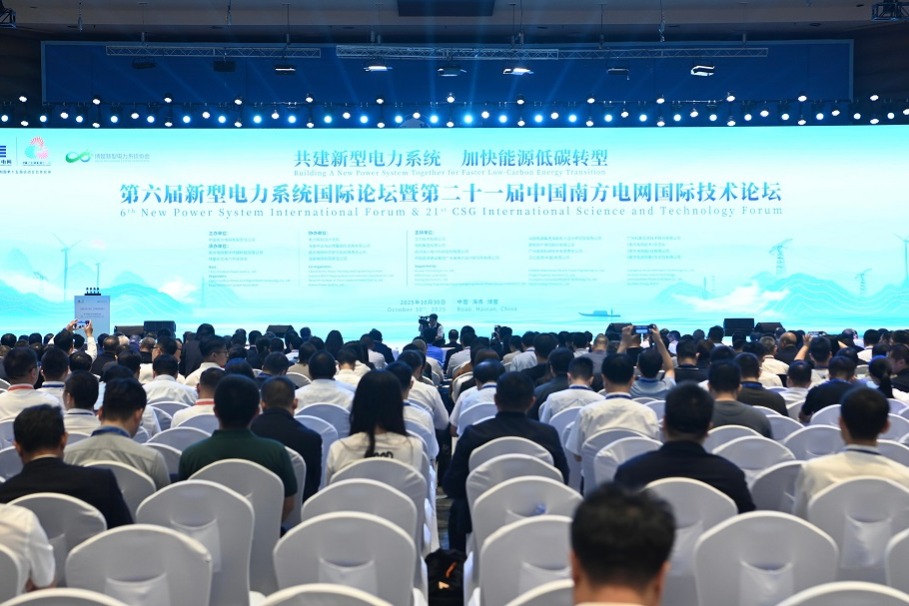
Hainan striving to be a ‘low-carbon island’
Hainan Province has taken a significant step toward becoming China’s first ‘low-carbon island’ with the unveiling of a groundbreaking plan to build a new-type power system. The initiative, announced at the 6th New Power System and 21st CSG International Science and Technology Forum in Boao, aims to establish a provincial demonstration zone for a clean, modernized grid by 2030. This marks the first provincial-level demonstration plan developed in collaboration between the Hainan provincial government and China Southern Power Grid, designed to support the Hainan Free Trade Port and help the province achieve its carbon peak target. The strategy outlines eight key projects, including clean power supply, digital grid resilience, and technological innovation, encompassing 28 specific tasks to accelerate the new power system’s construction. As of late October, Hainan’s installed new energy capacity had exceeded 12 million kilowatts, making it the largest power source in the province. The plan also includes the development of offshore wind, solar, and geothermal energy, as well as the completion of the Hainan 500 kV provincial digital grid project by year’s end. Additionally, a new cross-sea transmission channel is in the works to improve power supply reliability. Hainan is also promoting green power consumption through electrification projects, including shore power for ports and electric vehicles, with the ‘Hainan Charging Pile’ platform linking over 4,800 charging stations. The province will develop vehicle-grid interaction projects to support the integration of millions of new energy vehicles. Power trading is becoming more efficient, with clean power from Western Inner Mongolia transmitted to Hainan for the first time in October. To manage large-scale new energy, Hainan will strengthen its intelligent dispatch system and accelerate pumped hydro and new storage technologies. ‘With this plan, Hainan’s demonstration will become a showcase for global power systems,’ said Jiang Hong of the Hainan Provincial Development and Reform Commission. ‘We are fully building Hainan into a ‘low-carbon island’,’ added Yang Guoqiang, vice governor of Hainan Province, highlighting the island’s commitment to a green development path. Since the 14th Five-Year Plan period (2021-25), Hainan has built the 500 kV main grid and launched a commercial underwater data center cluster, with clean energy ratios among the highest nationally. ‘The global electrification wave is booming,’ said Angela Wilkinson, secretary general of the World Energy Council. ‘We must build a new energy system that balances security, affordability, and sustainability. True resilience comes from common progress, not going it alone.’
-

Automaker leverages premium audio to ride China’s intelligent vehicle wave
As China’s automotive sector rapidly advances toward electrification and intelligent innovation, Beijing Hyundai, a joint venture of Hyundai Motor Group, is seizing new opportunities by enhancing its in-car audio experience. The automaker has integrated Dolby Atmos technology into its vehicles, delivering immersive spatial sound through six built-in speakers. Additionally, an optional Bose external amplifier system with eight speakers is available for audiophiles seeking superior sound quality. This upgrade will debut in the Elexio SUV, Hyundai’s first fully electric model designed exclusively for the Chinese market. Ickkyun Oh, head of Hyundai Motor Co’s China business division, emphasized the company’s commitment to innovation, stating, ‘As the in-car entertainment ecosystem evolves rapidly in China, we are proud to introduce the Dolby Atmos experience in a Hyundai model. We look forward to expanding this to more models and customers globally.’ The move aligns with the surging demand for intelligent connected vehicles, which is transforming automotive entertainment. According to Fortune Business Insights, the global automotive infotainment market is projected to grow from $35.78 billion in 2025 to $58.18 billion by 2032, reflecting a compound annual growth rate of 7.2%. Hyundai’s strategic focus on premium audio underscores its efforts to stay competitive in China’s dynamic automotive landscape.
-

2025 World Internet of Things Exposition to Propel Global IoT Innovation in Wuxi
The 2025 World Internet of Things Exposition (WIOT), a flagship event co-developed by Wuxi city and Jiangsu province, is poised to take center stage from Friday to Sunday in Wuxi. This premier gathering, focusing on the digital economy and next-generation information technology, will serve as a global platform for innovation, collaboration, and industry advancement. The event will kick off with the unveiling of significant milestones, including the IoT Industry Scale Measurement Index System, the Intelligent Connectivity Development Index, and the 2025 Global IoT Top Ten Trends. These announcements are expected to set the tone for the future trajectory of IoT development worldwide. The exposition will bring together leading experts, entrepreneurs, and innovators to engage in in-depth discussions on cutting-edge topics such as artificial intelligence, satellite internet, and brain-computer interfaces. These dialogues aim to explore new frontiers and foster breakthroughs in IoT technology. Over three days, the IoT Products and Applications Exhibition will showcase the latest advancements across four themed pavilions: IoT Capabilities, Industry Applications, Intelligent Connectivity Ecosystem, and Smart Life. This year’s event will feature 387 companies from 15 countries and regions, including the US, France, Germany, Switzerland, Italy, and Singapore, marking a significant increase of over 100 participants compared to the previous year. Since its inception in 2016, the WIOT has grown into one of the most influential IoT events globally, attracting over 5,000 top experts and entrepreneurs from 56 countries and regions. The event has also drawn 3,300 exhibitors, including 87 Fortune Global 500 companies and 322 unicorn enterprises, with offline visits surpassing 2 million. Industry giants such as Google, Microsoft, Huawei, and major telecom operators have consistently debuted groundbreaking products at the exposition. The WIOT’s continued success has played a pivotal role in accelerating Wuxi’s rise as a hub for IoT innovation and industry growth.
-

China’s amphibious AG600 completes first open water scoop-drop drill
China’s domestically developed AG600 Kunlong amphibious aircraft has successfully completed its first scoop-and-drop drill in open water, marking a significant milestone in its operational capabilities. The Aviation Industry Corporation of China (AVIC) announced the achievement on Thursday, highlighting the aircraft’s performance in natural conditions over Songhua Lake in Jilin province. This drill, which involved scooping and dropping water, tested the AG600’s systems comprehensively, a step forward from previous trials confined to the Jingmen test flight base in Hubei province. The AG600, capable of carrying a 12-tonne water load and skimming additional fills from lakes, can drop a total of 120 tonnes of water, sufficient to cover over 4 hectares with heavy-rain intensity during fire-fighting missions. Following its production certification in June, the AG600 has entered mass production, with the first three units set for delivery by the end of 2025.
-
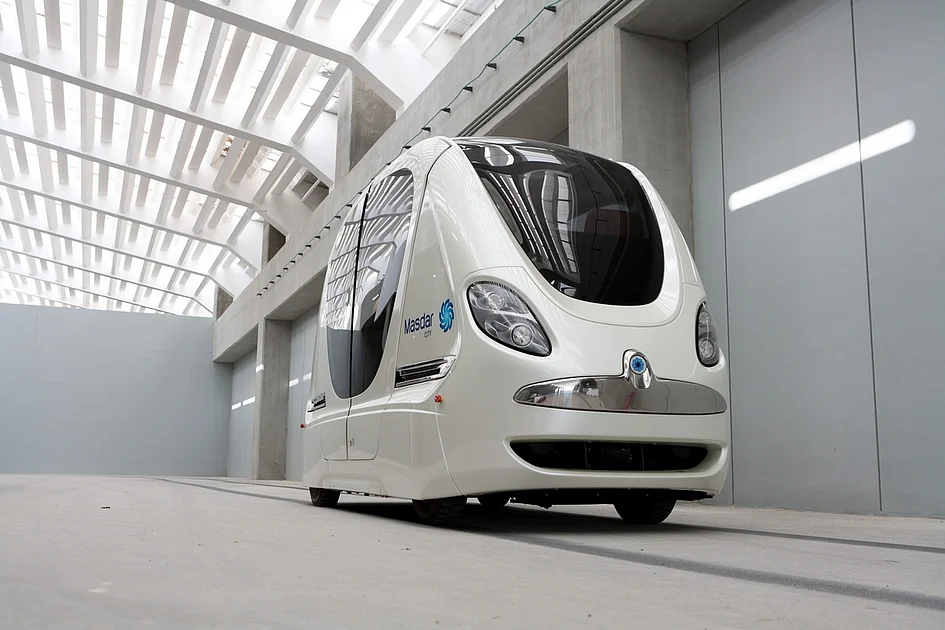
Robotaxis to electric pods, 8 smart mobility options driving Abu Dhabi into future
Abu Dhabi is spearheading a transformative journey in urban mobility, leveraging cutting-edge technologies to redefine transportation. Under the leadership of Abu Dhabi Mobility, the emirate has set an ambitious target: ensuring 25% of all trips are autonomous by 2040. This bold vision is part of a broader strategy to create a sustainable, connected, and efficient transport network. The initiative encompasses a diverse array of smart mobility solutions, ranging from autonomous vehicles to digital twin systems, positioning Abu Dhabi as a global leader in smart city innovation. Among the pioneering projects already in operation are driverless TXAI robotaxis, Autonomous Rapid Transit (ART) buses, and Personal Rapid Transit (PRT) pods in Masdar City. These services are complemented by a growing network of micromobility options, including e-scooters and bikes, all integrated into the city’s transport ecosystem. Looking ahead, Abu Dhabi is developing the Smart and Autonomous Vehicle Industries (SAVI) cluster, a dedicated zone in Masdar City focused on advancing autonomous land, air, and sea transport. Additionally, plans are underway to enhance airport connectivity through light rail, Bus Rapid Transit (BRT), and automated shuttles. The emirate is also exploring intelligent marine transport solutions and has launched the ‘Abu Dhabi Digital Twin’ project, a comprehensive platform using AI and advanced simulations to optimize transport infrastructure. These initiatives underscore Abu Dhabi’s commitment to embracing innovation and sustainability, setting a benchmark for smart mobility worldwide.
-
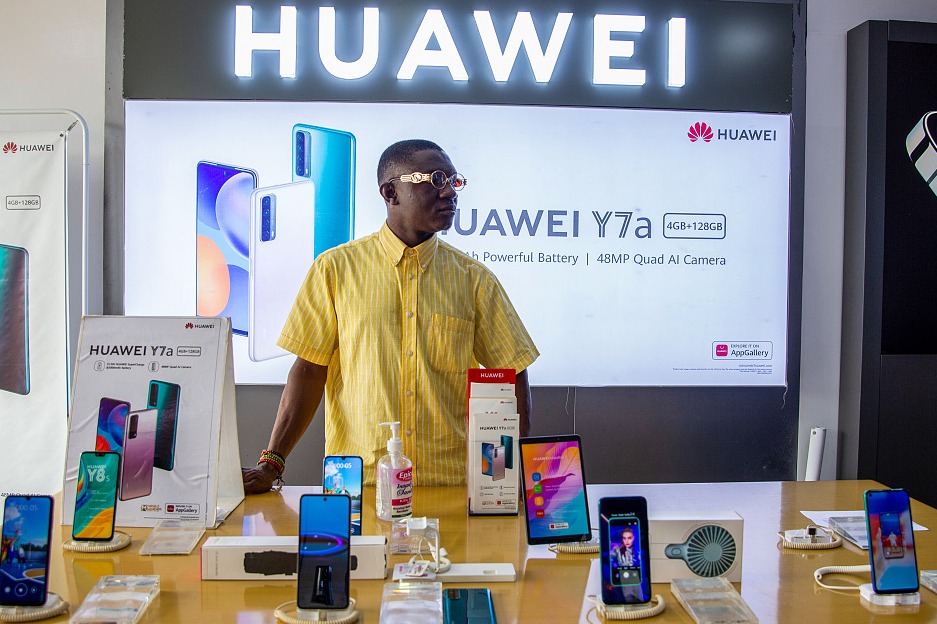
Partnership fuels Africa’s digital leap
As Africa strives to overcome its digital divide, policymakers and technology leaders have highlighted the pivotal role of deepening technological cooperation with China in accelerating the continent’s digital transformation. From affordable smartphones to expanding broadband networks and skills development, this partnership is proving instrumental in bridging the connectivity gap and fostering a more inclusive digital future. According to the World Bank, Africa’s digital economy is projected to reach $712 billion by 2050, underscoring the significance of these collaborations. Aliyu Yusuf Aboki, Executive Secretary of the West Africa Telecommunications Regulators Assembly, emphasized the need for substantial investment to drive infrastructure and reduce device costs to the $20-$30 range, a tipping point for widespread adoption. He noted that Chinese companies are uniquely positioned to help achieve this goal. Despite rising mobile penetration, millions of Africans remain offline due to high device costs and limited rural connectivity. Collaborations with Chinese manufacturers and telecom giants are addressing these challenges by offering affordable smartphones and extending broadband networks into remote areas. In Uganda, partnerships with Chinese firms are enhancing access to digital services and strengthening the country’s ICT backbone. Godfrey Baluku Kabyanga, Uganda’s Minister of State for ICT and National Guidance, praised China’s willingness to share technology, citing Huawei’s role in expanding Uganda’s national backbone fiber network as a prime example of practical cooperation. Analysts have lauded this pragmatic model, which avoids burdensome political or financial preconditions, making China an attractive partner for African nations pursuing rapid digital transformation. Through companies like Huawei, ZTE, and Transsion, Chinese investment has contributed to the development of data centers, 5G infrastructure, e-government systems, and smartphone manufacturing across the continent. Bashir Gwandu, Chairman of the Commonwealth ITU Group, emphasized Africa’s openness to collaboration, welcoming any company that can enhance economic well-being and bridge the technology gap. As Africa positions itself for a more connected future, leaders anticipate that these partnerships will extend beyond infrastructure to encompass skills development, innovation hubs, and green digital solutions. ‘Africa’s digital transformation is not just about connectivity; it’s about creating opportunities for every citizen to participate in the global digital economy — and China’s cooperation is helping make that possible,’ Aboki concluded.
-

AI support at heart of cybersecurity revision
China has enacted a significant revision to its Cybersecurity Law, which will take effect on January 1, 2026. The updated legislation, approved by the Standing Committee of the 14th National People’s Congress, places a strong emphasis on advancing artificial intelligence (AI) research and development while imposing harsher penalties for cybersecurity violations. A key addition to the law is the explicit support for foundational AI research, including the development of algorithms, training data resources, and computing infrastructure. The revision also mandates the establishment of robust AI ethics guidelines, enhanced risk monitoring, and safety oversight to ensure the responsible application of AI technologies. Furthermore, the law encourages the integration of AI into innovative cybersecurity management practices to bolster protection levels. The amendments introduce stricter penalties for violations, particularly those involving large-scale data breaches or the loss of functionality in critical information infrastructure. Operators failing to meet cybersecurity obligations could face fines ranging from 500,000 to 10 million yuan, while individuals directly responsible may be fined up to 1 million yuan. The revised law also strengthens enforcement against the dissemination of prohibited information, with fines escalating to 10 million yuan for severe violations. This marks the second revision of the Cybersecurity Law since its inception in 2016, reflecting China’s commitment to addressing emerging challenges in the digital landscape. The NPC official highlighted the law’s role in curbing harmful cyber activities while acknowledging the persistent threats of network intrusions and illegal content dissemination. The amendments aim to refine liabilities, enhance coordination with related laws, and improve the precision and consistency of cybersecurity governance.
-
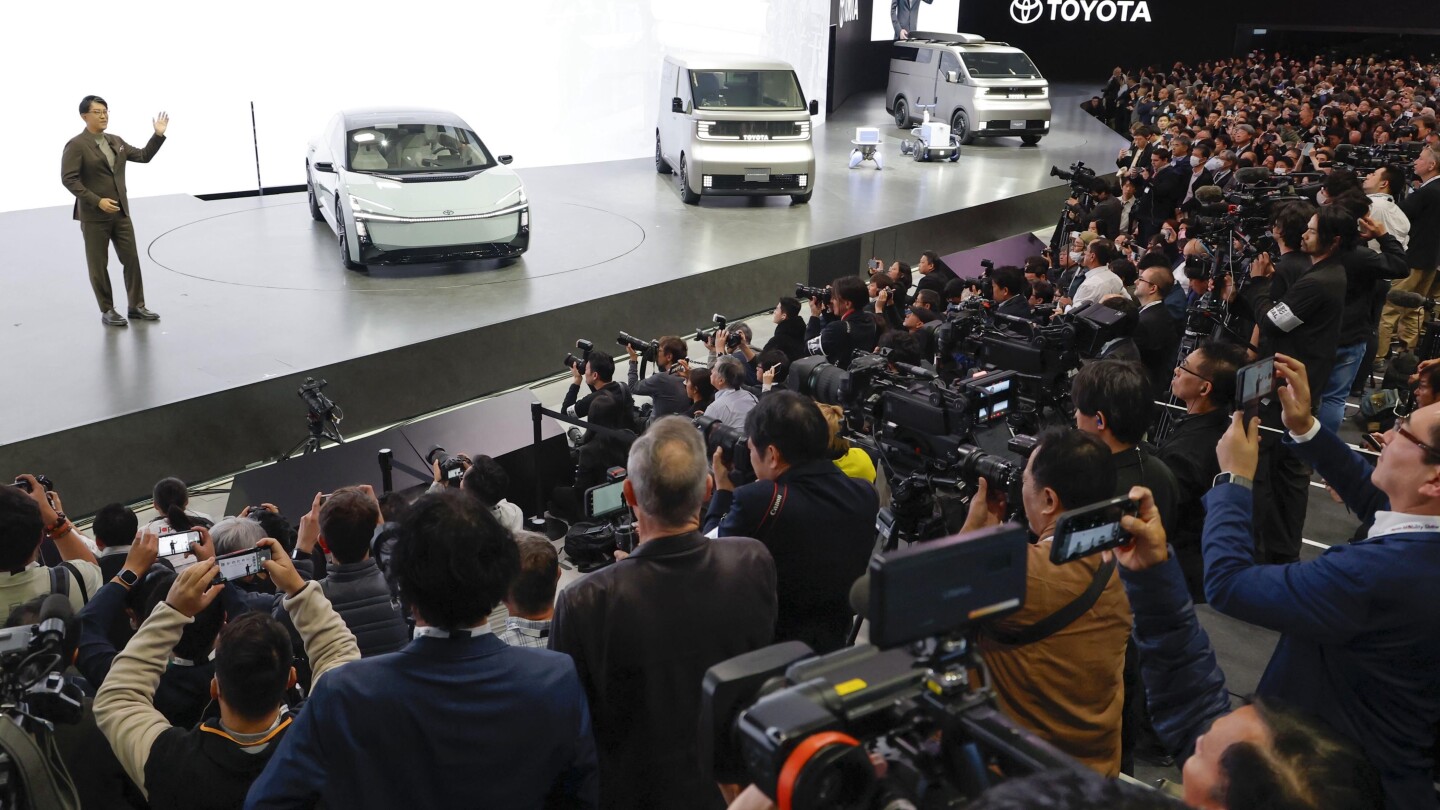
Tokyo auto show highlights technology but Trump’s tariffs loom large
The Tokyo Mobility Show, currently underway at Tokyo Big Sight, is showcasing a dazzling array of futuristic transportation solutions, ranging from electric vehicles to cutting-edge personal mobility devices. Among the highlights is Honda Motor Co.’s Uni-One, a robotic chair designed for quick, quiet personal transport by 2035. Toyota Motor Corp. also unveiled a helicopter-like aircraft with six propellers, developed in collaboration with U.S. aviation firm Joby, though it remains in the experimental phase. The event, which opened to the public on November 9 after a media preview, emphasizes innovation in mobility while addressing broader industry challenges. A significant backdrop to the show is the looming impact of U.S. tariffs on Japanese automakers. President Donald Trump’s decision to raise auto tariffs from 2.5% to 15% is projected to slash over 2 trillion yen ($13 billion) from annual operating profits. Japanese automakers, including Mazda and Nissan, are responding with strategies to mitigate these effects. Mazda’s CEO, Masahiro Moro, highlighted efforts to develop emotionally intelligent vehicles and sustainable technologies. Nissan showcased its Sakura electric car prototype, featuring a solar-powered roof called the ‘Ao-Solar Extender,’ designed to generate electricity for household use and emergency power during disasters. Meanwhile, Toyota and Nissan are considering importing U.S.-made models back to Japan to address trade imbalances. The Japanese government has pledged to invest $550 billion in the U.S. and purchase Ford vehicles. Despite these challenges, Japanese automakers remain committed to innovation and market adaptation. Toyota’s CEO, Koji Sato, emphasized tailoring offerings to diverse customer preferences, while Nissan’s Ivan Espinosa underscored the importance of Japan as a core market. The show also featured Toyota’s Land Hopper, a collapsible electric bicycle designed to complement the upcoming Land Cruiser FJ. As automakers brace for the full impact of tariffs in 2024, analysts predict increased U.S. production and diversification into markets like Australia and Canada.
-

Heathrow, NatWest and Minecraft sites down amid global Microsoft outage
A widespread Microsoft outage has caused significant disruptions to numerous websites and services globally, including Heathrow Airport, NatWest Bank, and Minecraft. The issue, which began on Wednesday, affected Microsoft 365 applications such as Outlook and Teams, as well as the Azure cloud computing platform. Microsoft attributed the outage to DNS issues, similar to the root cause of last week’s Amazon Web Services (AWS) outage. Azure reported a ‘degradation of some services’ at 1600 GMT, with its network infrastructure marked as ‘critical’ in every region worldwide. Other impacted entities include UK supermarket Asda, mobile operator O2, US coffee chain Starbucks, and retailer Kroger. The Scottish Parliament also suspended business due to technical issues with its online voting system, believed to be linked to the Microsoft outage. Microsoft is working to reroute affected traffic and restore services using a recent backup, though no timeline for resolution has been provided. Experts warn that the concentration of cloud services in a few major providers like Microsoft, Amazon, and Google increases the risk of widespread disruptions. Dr. Saqib Kakvi of Royal Holloway University noted that such outages can cripple hundreds, if not thousands, of applications and systems, highlighting the risks of resource consolidation in the tech industry.