
Inspired by a tragic family incident, South African developer Leonora Tima has created Grit, a groundbreaking digital platform designed to address gender-based violence (GBV) in her country. The app, which features an AI chatbot named Zuzi, aims to provide support, gather evidence, and offer immediate assistance to abuse survivors. Leonora’s motivation stemmed from the brutal murder of her 19-year-old pregnant relative in 2020, a crime that went unnoticed in the media due to the alarming frequency of such cases in South Africa. Determined to challenge the normalization of violence against women, Leonora developed Grit with input from local communities and financial backing from organizations like Mozilla, the Gates Foundation, and the Patrick McGovern Foundation. The app includes three key features: a help button that records audio and alerts a rapid-response call center, a secure digital vault for storing evidence, and Zuzi, an AI chatbot offering guidance and support. Grit has already garnered 13,000 users and received 10,000 help requests in September alone. While the app has drawn international acclaim, experts caution that AI tools should complement, not replace, human empathy and professional counseling. Leonora emphasizes the importance of diverse representation in AI development to ensure technology reflects the realities of its users.
分类: technology
-
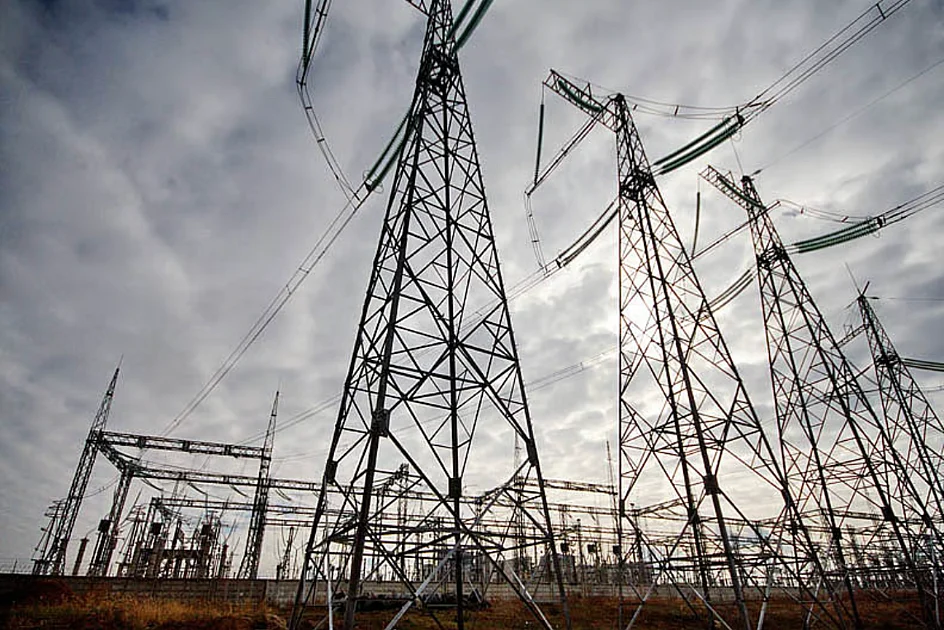
UAE: How AI is driving cleaner, more efficient access to energy worldwide
Artificial Intelligence (AI) is poised to transform the global energy landscape by enhancing efficiency, accelerating the deployment of cleaner power grids, and expanding access to electricity, according to US Secretary of the Interior Douglas Burgum. Speaking at the Abu Dhabi Global AI Summit, Burgum emphasized the convergence of energy abundance and AI, highlighting the technology’s potential to overcome longstanding infrastructure and regulatory challenges. ‘The electrical grid around the world is generally quite inefficient, and we can use AI to get big increases in the efficiency and reliability of the grid,’ he stated. Burgum also underscored the opportunity to uplift developing regions, where millions still rely on wood for cooking and heating, leading to respiratory diseases. ‘We have an opportunity to lift everybody up — that’s part of this energy addition,’ he added. The discussion also addressed the massive infrastructure required to power the AI revolution, with Burgum pointing to Microsoft’s record $84 billion spending plan for building ‘AI factories’ — large-scale data and compute centers. Brad Smith, Vice Chair and President of Microsoft, echoed this sentiment, noting AI’s potential to enhance various sectors, from healthcare and education to clean energy and economic development. Burgum also highlighted the need to cut regulatory bottlenecks to speed up innovation, advocating for accelerated permitting and lower barriers for capital deployment. He tied America’s domestic energy policy to a broader strategy of ‘energy diplomacy,’ aimed at ensuring global stability and supporting allies, including in the Middle East. ‘The US energy policy is about abundance,’ Burgum concluded. ‘We want to have enough energy to be able to sell energy to our friends and allies, so that our allies don’t have to buy from their adversaries.’
-
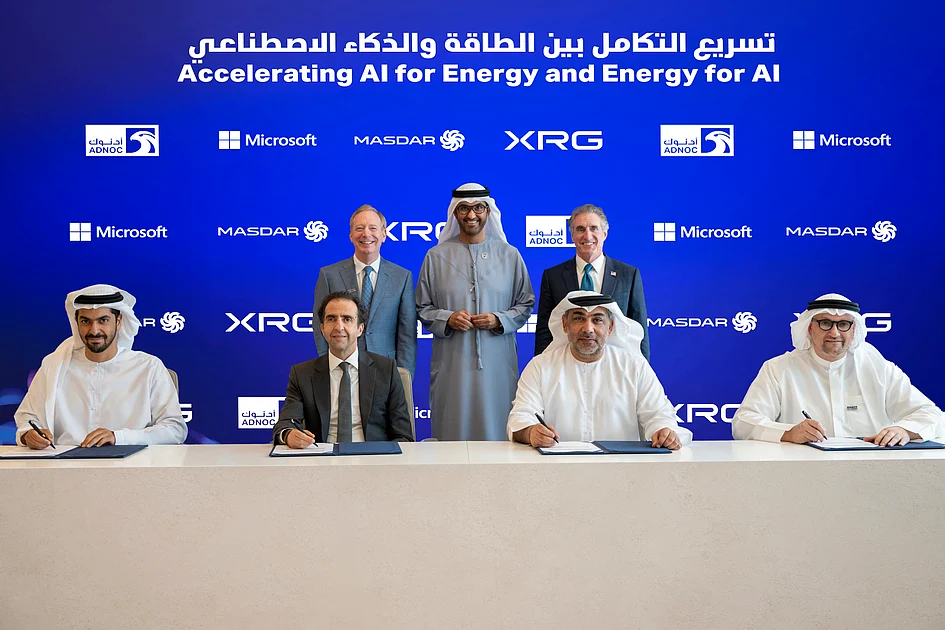
Adnoc, Masdar, XRG, and Microsoft join forces to power the future of AI and energy
In a groundbreaking initiative to revolutionize the energy and artificial intelligence (AI) sectors, Abu Dhabi National Oil Company (Adnoc), Masdar, XRG, and Microsoft have forged a strategic partnership. This collaboration aims to accelerate AI integration across the energy industry and develop sustainable energy solutions to support Microsoft’s expanding global AI and data center infrastructure. The announcement was made at the ENACT Majlis in Abu Dhabi, highlighting the convergence of Adnoc’s industrial expertise, Masdar and XRG’s clean energy leadership, and Microsoft’s digital innovation capabilities. The alliance addresses two critical global challenges: decarbonizing energy systems and meeting the escalating energy demands of AI technologies. Central to the partnership is the co-development of AI agents to enhance operational efficiency, enable autonomous operations, and reduce emissions across Adnoc’s value chain. Microsoft will also provide advanced AI tools and training programs to upskill Adnoc’s workforce, fostering a joint innovation ecosystem for transformative energy solutions. Dr. Sultan Ahmed Al Jaber, UAE Minister of Industry and Advanced Technology and Adnoc Group CEO, emphasized the integration of AI into operations and the advancement of energy systems to power AI. Adnoc has already achieved significant milestones in AI adoption, becoming the first energy company to implement generative AI enterprise-wide through Microsoft Copilot in November 2023. Over 40,000 employees have undergone AI training, resulting in productivity gains exceeding 70,000 hours monthly. Brad Smith, Microsoft Vice Chair and President, stressed the necessity of cross-sector collaboration to achieve a sustainable and secure energy future. The partnership also supports Microsoft’s global AI expansion by leveraging clean energy from Masdar and XRG. Masdar, a global renewable energy leader with a portfolio exceeding 51 GW, aims to scale up to 100 GW by 2030. Together, these organizations are positioning Abu Dhabi as a global hub for energy innovation, setting a new standard for the synergy between AI and clean energy in driving sustainable industrial transformation.
-
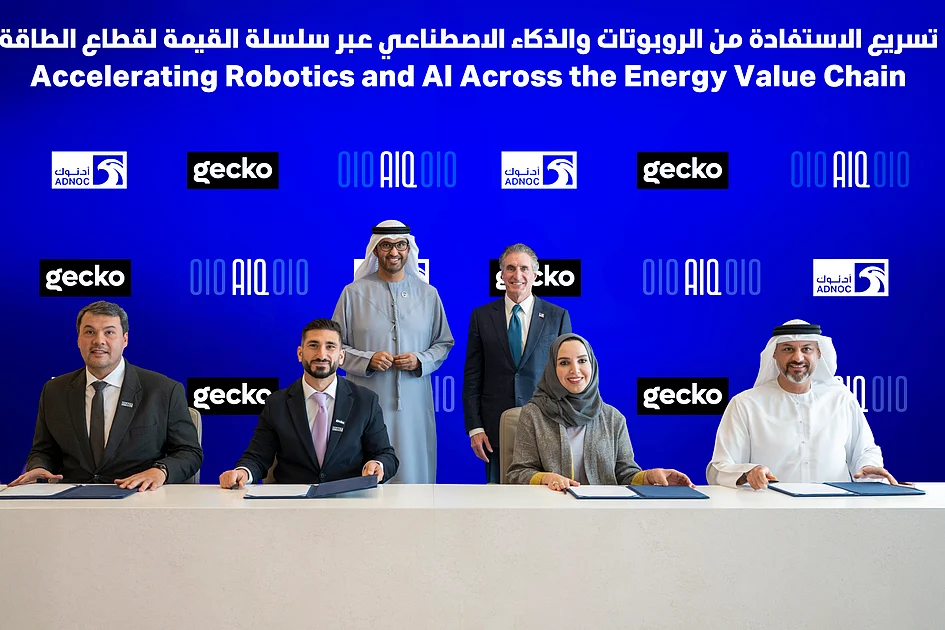
Adnoc and Gecko Robotics forge strategic alliance to power AI and robotics in energy sector
In a groundbreaking initiative to propel the energy sector into the future, the Abu Dhabi National Oil Company (Adnoc) has entered into a strategic partnership with US-based Gecko Robotics. Announced at the ENACT Majlis in Abu Dhabi, this collaboration encompasses three key agreements aimed at integrating artificial intelligence (AI) and robotics into Adnoc’s operations. The partnership signifies a pivotal step in Adnoc’s vision to emerge as the world’s foremost AI-enabled energy enterprise. The agreements include a multi-year technology deployment, a joint effort to enhance skills development for UAE nationals, and an exploration of advanced robotics and AI-powered analytics across Adnoc’s extensive energy infrastructure. Central to this alliance is the implementation of Gecko Robotics’ Cantilever platform, a state-of-the-art operating system that utilizes robotics to gather high-fidelity physical data from industrial assets. This system will be introduced across Adnoc Gas facilities through a new agreement with AIQ, Adnoc’s joint venture with Presight, marking AIQ’s inaugural venture into robotics. Additionally, the partnership will investigate broader applications of robotics and AI within Adnoc’s operations, including the potential local manufacturing of robotic systems in the UAE and the development of AI-driven solutions to boost operational efficiency, minimize downtime, and facilitate predictive maintenance. The third agreement focuses on talent development, with Adnoc Technical Academy (ATA) and Gecko Robotics collaborating on training programs designed to equip UAE nationals with the skills necessary to excel in the increasingly digital energy landscape. Dr. Sultan Ahmed Al Jaber, Adnoc’s Managing Director and Group CEO, emphasized the transformative potential of AI and advanced technology in enhancing efficiency, safety, and performance across Adnoc’s operations. Jake Loosararian, CEO of Gecko Robotics, highlighted the critical nature of the partnership, stating that the energy companies that will lead the AI and energy revolution are those that will evolve into technology companies. This collaboration underscores Adnoc’s dedication to innovation, digital transformation, and talent development, while solidifying the UAE’s status as a global leader in energy and technology.
-
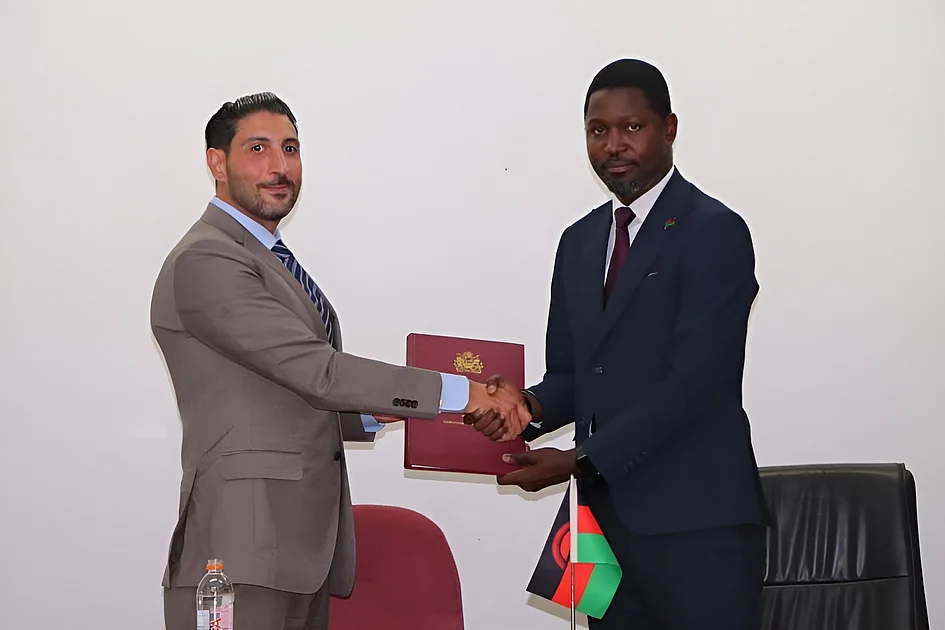
Dubai brings Malawi closer to the Paris Agreement through AI
In a groundbreaking move that highlights Dubai’s emergence as a global leader in climate innovation, the Government of Malawi has joined forces with the Dubai-based Green Economy Partnership (GEP) to introduce the world’s first AI-powered Paris Agreement Implementation Platform (PAIP). This end-to-end digital system is designed to streamline national emissions management, carbon trading, and international compliance under the Paris Agreement, marking a significant leap in climate governance. The collaboration bridges Africa and the Gulf, leveraging Malawi’s commitment to sustainable development and Dubai’s expertise in artificial intelligence and climate technology. The PAIP platform is the first of its kind to automate all compliance aspects of the Paris Agreement, including emission inventories, carbon registries, and transparency reporting. Built on a secure blockchain infrastructure, it ensures data sovereignty while enabling real-time emission tracking, project registration, and finance mobilization. For Malawi, this initiative represents a transformative step toward modernizing its climate systems, consolidating national carbon data into a transparent digital framework. Dr. Yusuf Malsellino Mkungula, Principal Secretary at Malawi’s Ministry of Natural Resources and Climate Change, hailed the partnership as a milestone for the region, emphasizing its role in advancing climate innovation and economic opportunity. The platform’s development involved two years of research and collaboration between GEP engineers and Malawian policymakers, aligning it with international standards such as ISO, ESG, and UNFCCC protocols. Arthur Chirinikian, CEO of GEP, described the initiative as a historic achievement for Africa, setting a global precedent for digital climate governance. The platform will be officially unveiled at COP30, showcasing its potential to empower countries worldwide. This partnership underscores Dubai’s post-COP28 legacy of driving measurable global climate impact through innovation, demonstrating how technology can foster equity and efficiency in the fight against climate change.
-

New unmanned helicopter completes maiden flight in Northeast China
In a significant leap for China’s aviation industry, the T1400 Tandem Rotor Unmanned Helicopter successfully completed its maiden flight in Harbin, Heilongjiang province, on October 30, 2025. Developed by Harbin United Aircraft Technology Co., Ltd., a subsidiary of the United Aircraft Group, this cutting-edge drone marks a pivotal advancement in low-altitude equipment, heralding the ‘tonne-class’ era in unmanned aviation. During its inaugural test flight, the T1400 demonstrated exceptional capabilities, including precise hovering, route navigation, and controlled landings. With a maximum takeoff weight of 1,400 kilograms and a payload capacity of 650 kilograms—equivalent to over ten adults—the T1400 is engineered for endurance, capable of operating for more than eight hours. Its robust design allows it to function in extreme temperatures ranging from -40°C to 55°C, withstand strong winds, and reach altitudes of up to 6,500 meters. Tian Gangyin, Chairman of the United Aircraft Group, emphasized the T1400’s potential to revolutionize industries such as agriculture, logistics, and emergency rescue, particularly in Heilongjiang’s expansive farmlands, forests, and waterways. The province, a key grain producer and forest base, has been actively fostering the low-altitude economy, aiming for significant breakthroughs by 2027. This initiative aligns with China’s broader strategy to position the low-altitude economy as a major growth driver, with projected market values of 1.5 trillion yuan by 2025 and 3.5 trillion yuan by 2035, according to the Civil Aviation Administration of China.
-
‘Abu Dhabi is always first’: UFC’s Dana White meets UAE students, talks about AI in sports
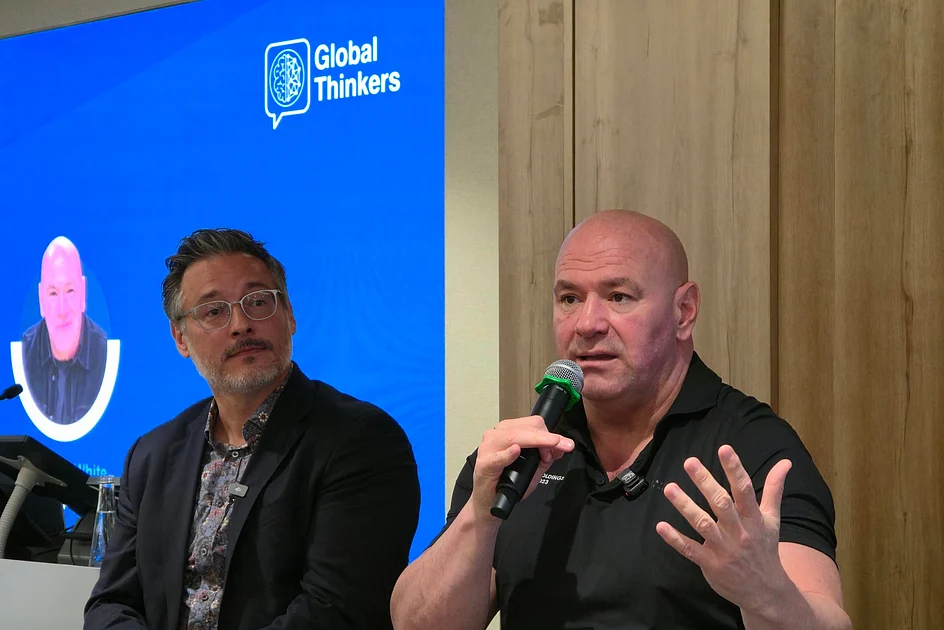
During a recent visit to Abu Dhabi, UFC President Dana White engaged with students at the Mohamed bin Zayed University of Artificial Intelligence (MBZUAI) to discuss the transformative potential of AI in combat sports. The session, part of White’s broader trip to the UAE capital, delved into AI applications such as scoring systems, fighter rankings, injury prediction, and enhancing fan engagement. What began as a campus tour evolved into a promising dialogue when a student proposed establishing the world’s first AI research lab dedicated to martial arts. White expressed enthusiasm for the idea, highlighting the potential synergy between the university’s AI expertise and the UFC’s athlete data and performance tracking systems. He emphasized Abu Dhabi’s pioneering role in integrating technology and sports, citing the upcoming UFC Performance Institute as a hub for global fighter training and data analytics. White also revealed ongoing UFC initiatives to develop AI-driven fighter rankings and explore AI-assisted judging, aiming to improve transparency and fairness in the sport. While acknowledging AI’s limitations in measuring intangible qualities like determination, White praised the students’ innovative ideas, such as using computer vision to analyze fight footage and predict injuries. The event underscored MBZUAI’s growing reputation as a leading AI research institution and its commitment to fostering cross-disciplinary dialogue through initiatives like the Global Thinkers Series. White concluded by commending Abu Dhabi’s long-standing dedication to combat sports, noting its early adoption of jiu-jitsu and MMA as a testament to the city’s forward-thinking approach.
-
Amazon invites Mean3, a leading e-commerce agency, to its New York HQ for an exclusive session
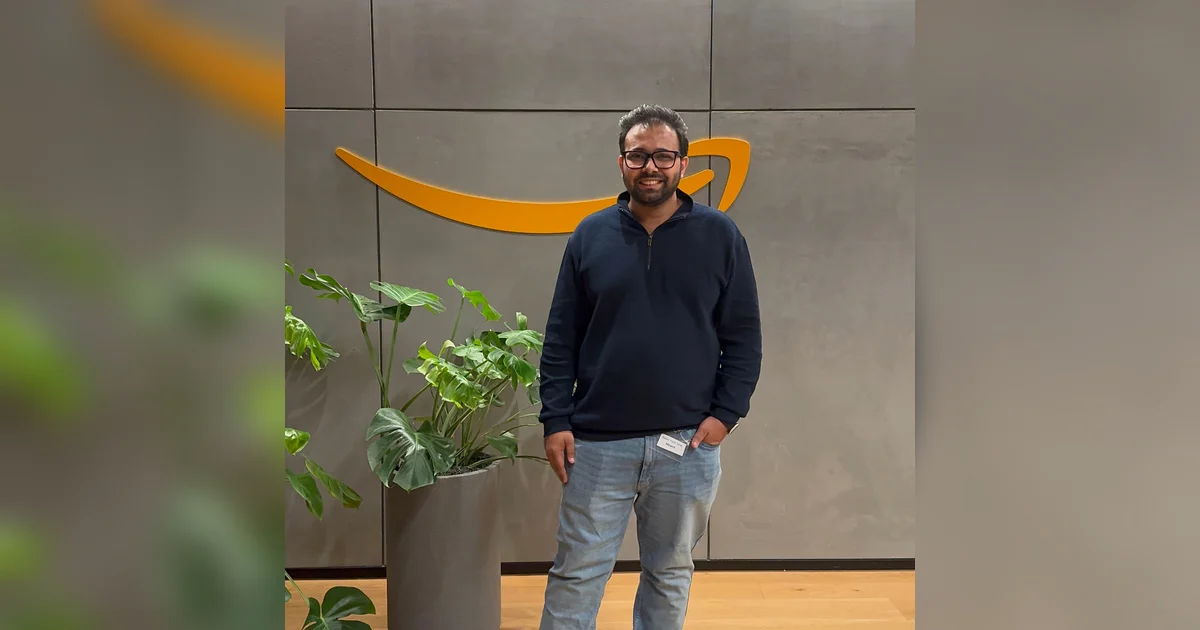
In a significant move underscoring the transformative role of artificial intelligence in global e-commerce, Mean3, a leading digital commerce agency, was invited by Amazon to its New York headquarters for an exclusive closed-door session. The event, attended by industry leaders and senior Amazon executives, focused on the future of agentic and generative AI, digital payments, and seamless global checkout experiences. Mean3’s Founder and CEO, Abdul Hadi Siraj, joined key figures such as Vince Koh (Worldwide Head of Digital Commerce, AWS), Nevin Vages (Senior Manager, Amazon Ads), and Shamil Maindiratta (Head of US & EU Strategic Sales, Amazon Pay) to explore how AI and advanced payment technologies are reshaping online retail. Discussions highlighted Amazon Pay’s use of AI to enhance transaction security, reduce friction, and enable cross-border payments, offering businesses smarter, personalized checkout solutions. Siraj described the invitation as a milestone, emphasizing the growing influence of regional tech companies in the global digital commerce landscape. The event also marked Mean3’s inclusion in the Amazon Pay Partner Network, furthering its international expansion. Founded in 2017, Mean3 has grown into a prominent e-commerce and digital transformation agency, with offices in the UAE, USA, and Pakistan, and a team of over 100 experts serving 300+ brands worldwide. Specializing in Shopify Plus, custom web and app development, and enterprise technology solutions, Mean3 has been recognized as the ‘Fastest Growing Brand of the Year’ and an official Shopify Expert in multiple regions. Its partnerships with global tech leaders reflect its commitment to innovation and excellence in the digital commerce ecosystem. ‘Our participation at Amazon’s HQ reinforces our vision—to empower businesses globally through technology, innovation, and strategic partnerships,’ Siraj concluded.
-

AI ‘taking jobs’ say UAE recruiters after mass Amazon layoffs
The rapid adoption of artificial intelligence (AI) in the workplace is reshaping the job market in the UAE, with recruitment experts warning of significant job losses in the near future. This trend follows mass layoffs at global tech giants like Amazon, where automation and AI have replaced human roles. Zaid Al Hiali, co-founder of Marc Ellis Consulting and Training, predicts that the Gulf region will soon experience a similar wave of AI-driven workforce reductions. He emphasized that AI is not only replacing operational roles but also technical positions, such as software engineering, where AI can now complete tasks like building a website in seconds. Al Hiali urged employees to upskill urgently to remain relevant, citing examples where AI systems have replaced entire teams of engineers in industries like oil and gas, banking, and technology. He also noted that AI adoption is impacting Emiratisation strategies, as entry-level roles traditionally filled by Emiratis, such as call centers, are increasingly being automated. Despite the grim outlook, some companies are taking a more ethical approach by retraining employees rather than replacing them outright. Aws Ismail, Al Hiali’s business partner, views AI as a productivity enhancer rather than a job eliminator. He shared examples of businesses thriving after integrating AI, such as a logistics company that reduced its sales team from 20 to two employees while improving efficiency. Ismail also highlighted the potential of AI in recruitment, with Marc Ellis launching an AI recruiter that has increased hiring speed by 40%. Candidates like Sakina Abdulhusein and Joshua Limcaoco praised AI-led interviews for their efficiency and lack of bias. While large-scale layoffs have yet to hit the UAE, experts agree that employees must embrace AI and upskill to secure their future in an increasingly automated workforce.
-
Saudi Arabia’s unbeatable AI pitch? Having oil and gas to burn
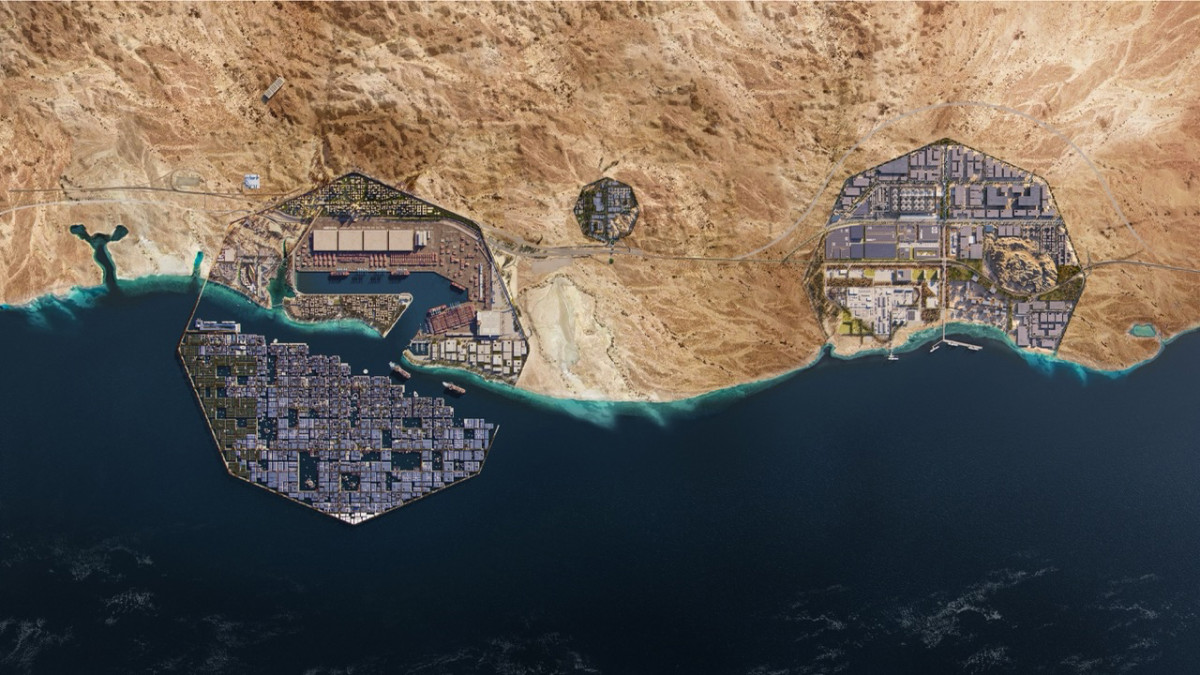
Saudi Arabia is positioning itself as a global hub for artificial intelligence (AI) by leveraging its abundant and inexpensive energy resources. Amid rising energy costs in the US, partly driven by data center demands, the Kingdom is enticing global investors with the promise of low-cost electricity to power AI infrastructure. Greg Priddy, an energy expert at the Center for the National Interest, emphasized that Saudi Arabia’s primary competitive edge in AI lies in its cheap electricity, largely derived from fossil fuels. While other metrics may favor alternative locations, the Kingdom’s ultra-affordable energy costs give it a unique advantage in the race to become an AI powerhouse. This ambition was prominently showcased at the Future Investment Initiative (FII) conference in Riyadh, where Saudi executives outlined plans to establish the country as the third-largest player in AI, alongside China and the US. Major projects, such as Datavolt’s $5 billion data center on the Red Sea coast and Humain’s expansive data center network, underscore the Kingdom’s commitment to AI development. However, experts caution that Saudi Arabia must significantly expand its electrical grid to meet the colossal energy demands of these facilities. The Kingdom’s reliance on fossil fuels, particularly natural gas and crude oil, provides a cost-effective solution for now, but investments in renewable energy and shale gas extraction are also underway. Saudi Aramco’s recent acquisition of a minority stake in Humain highlights the strategic link between energy and AI. With electricity prices 30-50% cheaper than the global average, Saudi Arabia offers a compelling proposition for data center operators. Crown Prince Mohammed bin Salman’s Vision 2030 initiative further supports this push, aiming to diversify the economy beyond oil exports. While challenges such as skilled labor shortages and geopolitical concerns over semiconductor exports persist, Saudi Arabia’s energy wealth and government-driven pricing policies position it as a formidable contender in the global AI landscape.