
The Gulf region is emerging as a global leader in the development and export of Arabic-focused artificial intelligence (AI). What began as a regional push to digitize economies has evolved into a competitive race to create and export AI systems tailored to the linguistic and cultural nuances of the Arab world. At the forefront of this transformation are startups like Arabic.AI, which showcased advanced large language models (LLMs) at GITEX Global 2025, MENA’s premier tech event. These models, capable of processing and responding in Arabic, mark a significant shift from mere adoption to the creation of region-specific AI technologies.
分类: technology
-
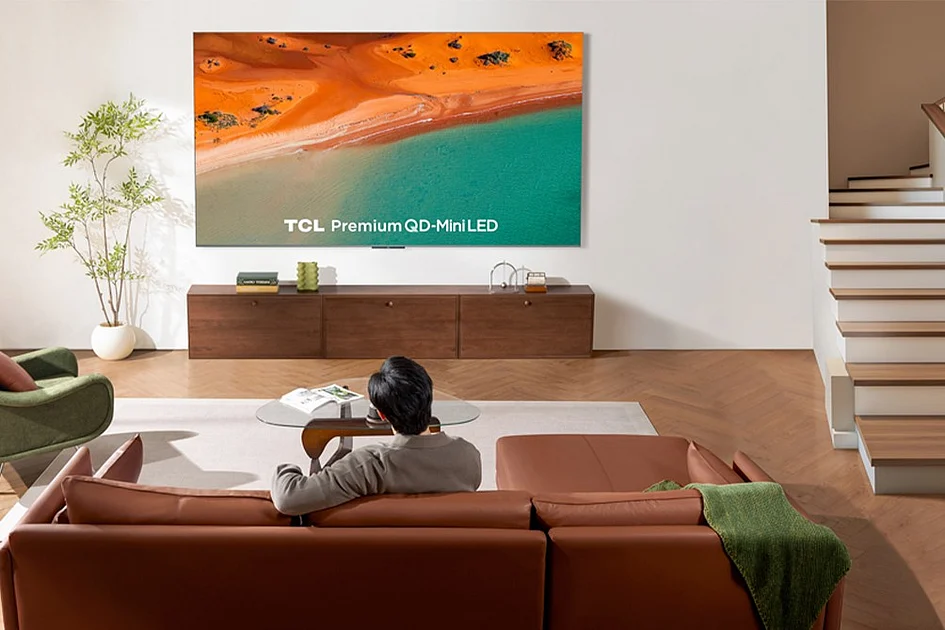
What exactly is a QD-Mini LED TV – and how it’s suddenly everywhere
As home entertainment evolves, QD-Mini LED TVs are emerging as the pinnacle of display technology, blending cutting-edge innovation with immersive viewing experiences. Across the Gulf region, including the UAE, Saudi Arabia, and Qatar, rising incomes and a tech-savvy population are driving demand for larger, more advanced screens. QD-Mini LED technology, combining the precision of Mini LED backlighting with the vibrant colors of Quantum Dots, is at the forefront of this transformation.
Traditional LED TVs use a limited number of backlights, akin to illuminating a stage with a few spotlights. In contrast, Mini LED employs thousands of microscopic light sources, each individually controlled for superior contrast and brightness. Quantum Dot technology enhances this further by converting light into pure, vivid colors, delivering stunning reds, greens, and blues. The result is a display that offers unparalleled brightness, accuracy, and lifelike tones from any angle.
The global shift toward Mini LED began as consumers sought OLED-like contrast without the associated costs or risks of screen burn-in. Early innovators like TCL, which introduced the first Mini LED TV in 2019, have paved the way for this technology to become mainstream. Advances in optical control systems and AI-driven dimming algorithms have further refined the viewing experience, making QD-Mini LED TVs a benchmark for premium home entertainment.
In the GCC, where open-plan homes and natural daylight are common, QD-Mini LED TVs are particularly appealing. Brands like TCL have tailored their offerings to meet regional preferences, balancing high brightness with anti-glare coatings and wide viewing angles. With screen sizes up to 115 inches, these TVs combine cinematic visuals with sleek, modern designs, resonating strongly with consumers’ evolving lifestyles.
QD-Mini LED technology represents a harmonious blend of performance, design, and sustainability, offering energy-efficient solutions for modern homes. As televisions transition from mere screens to lifestyle statements, QD-Mini LED is redefining how we experience light, color, and immersion in our living rooms. TCL’s 2025 lineup, featuring models like the C6K, C7K, C8K, and X11K, exemplifies this innovation, making advanced technology accessible to a broader audience.
Explore TCL’s QD-Mini LED lineup and discover how this groundbreaking technology is transforming home entertainment at www.tcl.com/gulf/en/choose-qd-mini-led.
-
Google to offer free Gemini AI access to India’s 505 million Reliance Jio users
In a strategic move to bolster its presence in India’s rapidly growing tech market, Google has announced a partnership with Reliance Jio to provide free access to its advanced Gemini AI service for all 505 million Jio users. This initiative, spanning 18 months, will grant users access to the premium Gemini AI model, two terabytes of cloud storage, and advanced image and video generation tools—a package typically priced at 35,100 rupees ($399). The rollout will initially target 18-to-25-year-olds on specific telecom plans before expanding nationwide. This collaboration follows Google’s recent commitment to invest $15 billion in AI infrastructure in India, marking its largest investment in the region. The move aligns with similar efforts by competitors like OpenAI and Perplexity, which have also introduced free AI offerings in India to accelerate adoption. India, with nearly 1 billion internet users, has become a focal point for global tech firms seeking to expand their subscriber base and enhance data-driven services. The surge in AI app popularity has prompted Indian authorities to propose regulations requiring clear labeling of AI-generated content to combat deepfakes and misinformation. This strategy mirrors the early tactics of streaming giants like Netflix and Amazon Prime, which partnered with telecom providers to bundle services with data plans, driving widespread adoption.
-

Disney pulls channels from YouTube TV over fee dispute
YouTube TV subscribers in the United States have been abruptly cut off from popular Disney-owned channels, including ESPN, ABC, National Geographic, and the Disney Channel, as negotiations between YouTube TV and Disney over a new licensing agreement have reached an impasse. The channels were removed just before midnight on Thursday, the deadline for the two parties to strike a deal, leaving approximately 10 million subscribers without access to these networks.
-
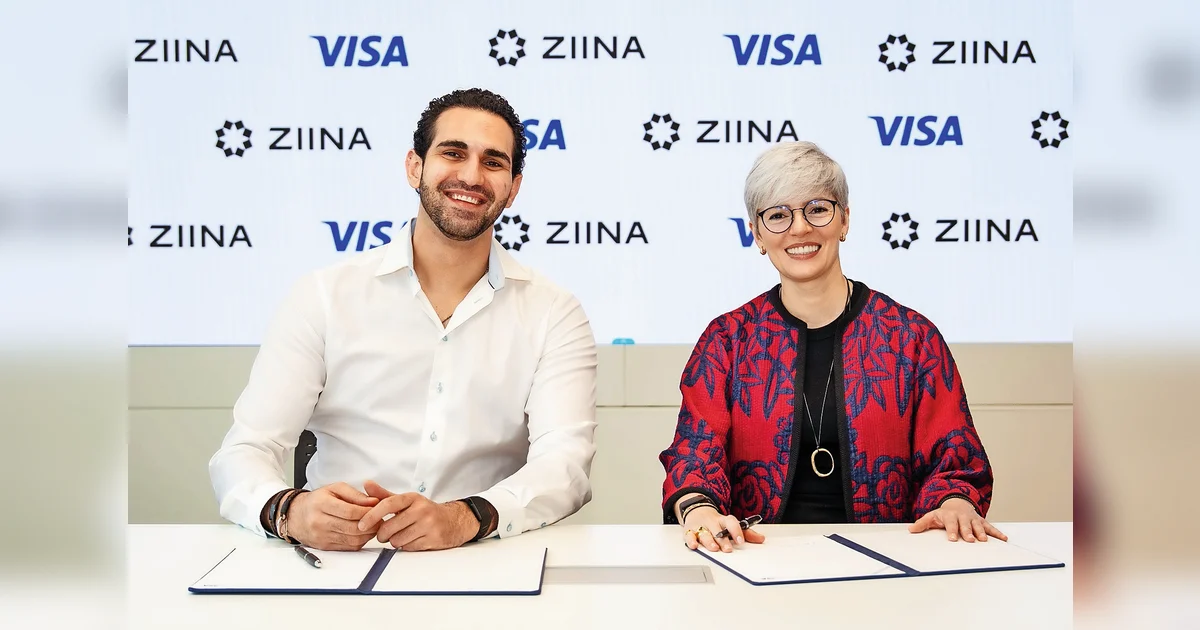
Ziina debuts digital card with Visa to turn payments into instant spending power
Ziina, a prominent UAE-based fintech platform, has unveiled its groundbreaking Ziina Card, a digital payment solution powered by Visa. Seamlessly integrated into Apple Wallet, the card enables users to convert their Ziina balance into immediate spending power, allowing both individuals and businesses to access funds instantly upon receipt. This collaboration with Visa ensures global acceptance, enhanced security, and access to exclusive rewards, aligning with Ziina’s mission to streamline financial transactions in the UAE. The launch of Ziina Card marks a significant milestone for the company, responding to high demand from tens of thousands of users who have eagerly anticipated this feature since Ziina’s inception. Faisal Toukan, co-founder and CEO of Ziina, emphasized the card’s role in adapting financial services to modern lifestyles, stating, ‘Ziina Card is the natural evolution of that vision—your money, always accessible, working the way you need it to.’ Salima Gutieva, Visa’s vice-president and UAE country manager, praised the innovation, highlighting its ability to deliver faster, simpler payment experiences. The launch is timely, as the UAE’s economy increasingly relies on digital payments, with SMEs facing cash flow challenges and consumers seeking seamless, secure transaction methods. Ziina Card eliminates traditional barriers by providing real-time access to funds, enriched data, and improved visibility, completing the company’s integrated payment ecosystem. This innovation builds on Ziina’s earlier introduction of Tap to Pay on iPhone, further solidifying its position as a leader in the fintech space.
-
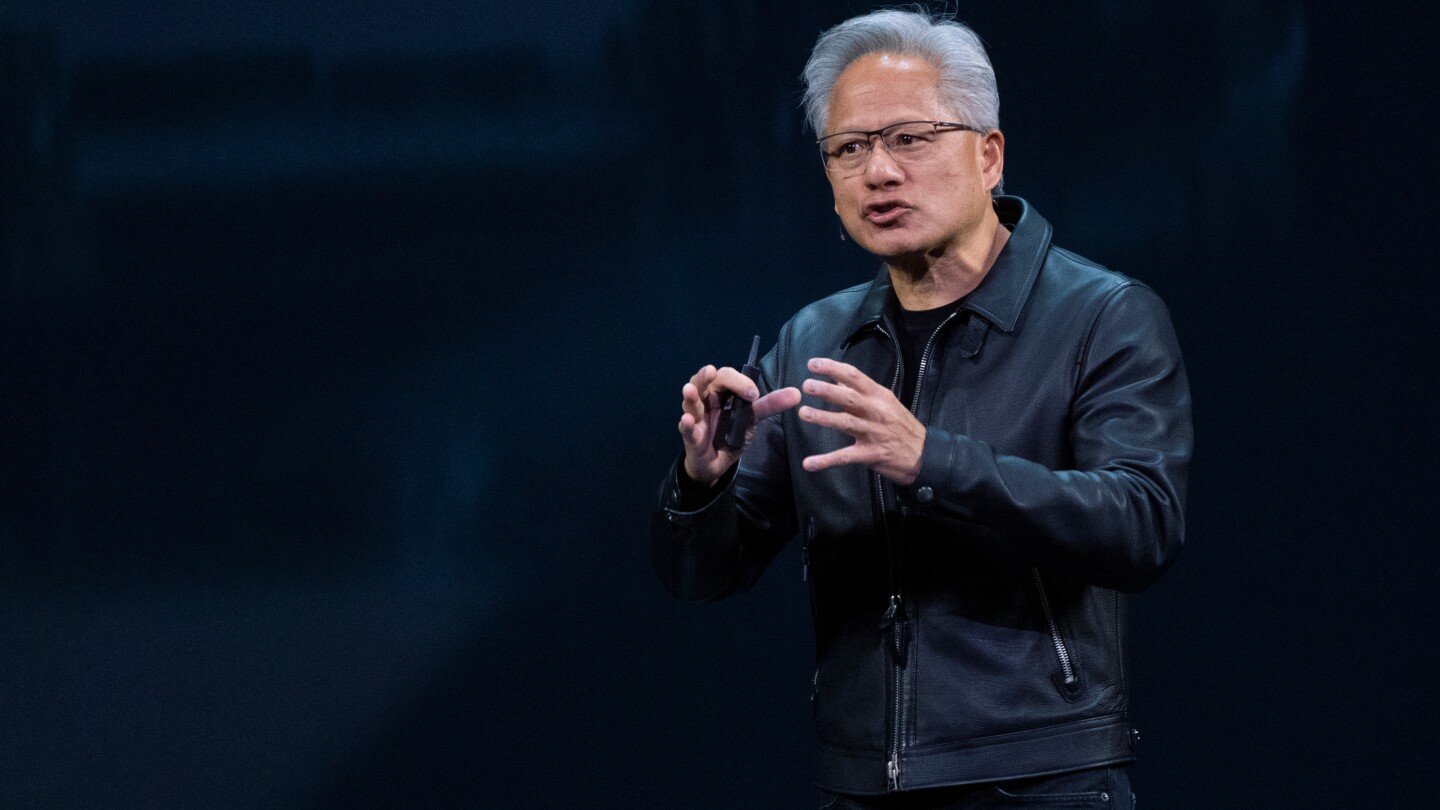
Nvidia partners with South Korean government, companies to boost AI development
In a landmark collaboration, Silicon Valley-based chipmaker Nvidia has announced plans to supply hundreds of thousands of its advanced graphics processing units (GPUs) to South Korea, aiming to bolster the nation’s artificial intelligence (AI) infrastructure and technological capabilities. The agreement, unveiled on Friday, involves key South Korean entities such as Samsung Electronics, SK Hynix, and Hyundai Motor, alongside the South Korean government. The announcement followed a high-profile meeting between South Korean President Lee Jae Myung and Nvidia CEO Jensen Huang, who has been receiving celebrity-like attention during his visit to the country. Huang’s presence in South Korea coincides with the Asia-Pacific Economic Cooperation (APEC) forum in Gyeongju, where the nation is showcasing its AI ambitions. According to the agreement, Nvidia will provide approximately 260,000 GPUs, with 50,000 units allocated to a government initiative to establish a national AI cloud computing center. Samsung and SK Hynix will each receive 50,000 GPUs to enhance their manufacturing processes and accelerate the development of cutting-edge semiconductors. Additionally, Hyundai and Nvidia will collaborate on self-driving cars, smart factories, and robotics, powered by 50,000 of Nvidia’s latest Blackwell GPUs. This partnership underscores Nvidia’s pivotal role in the global AI industry, as the company recently became the first to reach a $5 trillion valuation, driven by the AI boom. However, concerns about a potential AI bubble persist, with warnings from financial institutions about the sustainability of tech stock prices fueled by AI hype.
-

Australian influencer family move to UK to avoid social media ban
The ‘Empire Family,’ a popular Australian YouTube family, has announced their relocation to the United Kingdom in response to Australia’s impending social media ban for individuals under 16 years old. The ban, set to take effect in December, is the first of its kind globally and will require platforms like Facebook, Instagram, Snapchat, TikTok, X, and YouTube to deactivate accounts of users under 16 and prevent them from creating new ones. The family, consisting of mothers Beck and Bec Lea, 17-year-old son Prezley, and 14-year-old daughter Charlotte, expressed their concerns about the ban’s impact on their daughter’s ability to continue creating content. While the family acknowledges the ban’s intent to protect young people from online harm, they emphasize their use of social media for positive purposes. The move to the UK, where Charlotte can continue her online presence, was facilitated by the family’s dual British-Australian citizenship and Charlotte’s recent transition to online schooling. The family’s YouTube channels, which feature makeup tutorials, gaming sessions, and family vlogs, boast millions of subscribers, with Prezley’s account alone attracting 2.8 million followers. The ban’s implementation methods, including ID verification and facial recognition, have raised concerns about data privacy and accuracy. The family’s decision highlights the broader debate over balancing online safety with creative freedom for young content creators.
-

Agentic AI emerges as key driver of enterprise transformation
The emergence of Agentic AI is transforming the landscape of enterprise automation, decision-making, and operational efficiency. Unlike traditional AI systems that merely execute commands, Agentic AI interprets intent, retains memory across interactions, and collaborates with humans and other agents to achieve outcomes. This shift from reactive to proactive intelligence is enabling businesses to tackle complexity with unprecedented agility. Leading this transformation is Inception, a UAE-based AI product company that has gained significant traction with its enterprise-ready solutions. Celebrating its first anniversary at GITEX Global 2025, Inception unveiled a suite of products under the theme “Authentic Intelligence. Real Impact,” including domain-specific and sector-agnostic tools like (In)Procurement, (In)Business Productivity, (In)Business Process, and (In)Sight. These tools are designed to integrate Agentic AI into core business functions, ensuring intelligent delegation and escalation when necessary. Inception’s approach emphasizes augmentation over replacement, particularly in regulated sectors such as finance and healthcare, where ethical, legal, or reputational risks are high. The company’s systems are built to escalate decisions in ambiguous scenarios, ensuring human oversight remains central while AI agents handle low-risk tasks with precision. One of the key challenges in scaling Agentic AI is data fluency, as many enterprises operate with fragmented systems that hinder real-time intelligence. Inception addresses this through coordination layers that manage agent behavior and ensure seamless collaboration across departments. Products like (In)Procurement not only automate workflows but also identify sustainable suppliers, accelerate sourcing cycles, and ensure compliance, delivering measurable savings and operational efficiency. Inception’s presence at GITEX also marked the announcement of strategic partnerships with global consulting firms such as Bain & Company and McKinsey, reinforcing its commitment to enterprise transformation and supporting the UAE’s ambition to become an AI-native nation. “Our goal is to deliver AI that is explainable, secure, and scalable,” said Ashish Koshy, CEO of Inception. “Agentic AI is not just a technology—it’s a new way of thinking about intelligence in the enterprise.”
-

Enterprise AI moves beyond pilots as Magna AI seeks to set new benchmark
As artificial intelligence (AI) transitions from experimental pilots to full-scale enterprise deployments, organizations worldwide are facing significant challenges in scaling AI securely and effectively. A recent MIT report reveals that fewer than 10% of companies have successfully industrialized AI, citing fragmented systems, weak integration, and rising cybersecurity risks as major barriers. Addressing these challenges, Magna AI, a new venture supported by cybersecurity leader Trend Micro and global IT manufacturer Wistron, has emerged with a mission to redefine how AI is built, secured, and scaled across industries and governments. Dr. Moataz Bin Ali, CEO of Magna AI, emphasized the company’s goal to solve real-world challenges that hinder organizations from moving beyond AI pilots. Magna AI’s integrated platform combines infrastructure, intelligence, security, and operations into a seamless model, designed to make AI enterprise-ready from day one. The platform eliminates the need for disconnected tools and complex integrations, offering sovereign-ready AI factories, enterprise-grade applications, and robust security frameworks. This approach accelerates deployment, enhances trust, and ensures compliance with national data sovereignty laws. Magna AI is targeting strategic sectors such as government, finance, energy, healthcare, manufacturing, and smart cities, where secure and scalable AI can drive transformative change. Its systems enable predictive intelligence, intelligent automation, and operational efficiency tailored to each industry’s unique needs. To support global adoption, Magna AI has established a tri-continental presence with its corporate headquarters in Japan, R&D center in Taiwan, and operations hub in Saudi Arabia and the Middle East. Expansion plans are underway to strengthen its footprint in key markets. Security remains a cornerstone of Magna AI’s offering, with Trend Micro’s AI-secured architecture embedded across the platform to provide continuous protection against emerging threats like model integrity attacks and data leakage. Looking ahead, Magna AI anticipates generating over $10 billion in cumulative economic impact within five years, driven by productivity gains, faster time-to-value, and reduced transformation costs. The company aspires to become the default global partner for enterprise AI transformation, delivering secure, sovereign, and sustainable intelligence at scale. Dr. Bin Ali described AI as an industrial revolution, stating that Magna AI is committed to helping governments and enterprises harness its potential responsibly and with measurable impact.
-

Nothing introduces Phone (3a) Lite: Bringing unmistakable style and innovation to more users
Nothing has officially unveiled its latest smartphone, the Phone (3a) Lite, designed to bring the brand’s distinctive style and cutting-edge innovation to a broader audience. Launched on October 30, 2025, the Phone (3a) Lite combines a sleek design, robust features, and an accessible price point, proving that premium experiences don’t require a premium price tag.
The Phone (3a) Lite reinterprets Nothing’s iconic transparent design with a subtle yet confident aesthetic. Encased in durable glass, the device strikes a balance between playful design and practical functionality. Available in classic White and Black, its refined finish and intricate textures set it apart from other entry-level smartphones.
Built to withstand daily wear and tear, the Phone (3a) Lite features IP54 dust and water resistance, along with an internal aluminum frame for added durability. Its triple-camera system, centered around a 50 MP main sensor, delivers exceptional photography with advanced AI editing tools. The device also supports 4K video recording and includes features like Ultra XDR, Portrait Mode, and Night Mode.
One of the standout features is the Glyph Light, an evolution of Nothing’s Glyph Interface. This customizable notification system offers unique functionalities like Flip to Glyph for silent alerts and Camera Countdown for group photos. The Phone (3a) Lite runs on Nothing OS 3.5, powered by Android 15, and promises three years of major updates and six years of security patches.
The device boasts a 6.77-inch AMOLED display with a 120 Hz refresh rate, offering vibrant visuals and smooth performance. Powered by the MediaTek Dimensity 7300 Pro chipset, it ensures fast and efficient multitasking. With a 5000 mAh battery and 33 W fast charging, the Phone (3a) Lite is designed for long-lasting use.
Priced starting at Dh839 (SAR 749) for the 8GB + 128GB variant, the Phone (3a) Lite will be available in select markets from November 4, 2025, via Amazon and noon in the UAE and Saudi Arabia. According to Rishi Kishor Gupta, Nothing’s regional director for MEA, the Phone (3a) Lite is a testament to the brand’s commitment to making innovative, beautifully designed technology accessible to all.