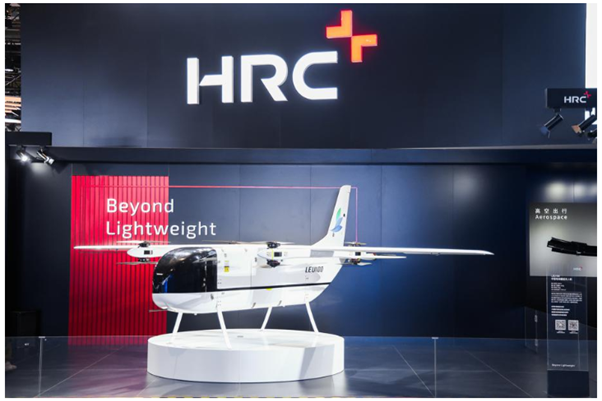
HRC Group, a global leader in composite-material solutions, unveiled its cutting-edge LEU100 drone at the eighth China International Import Expo (CIIE) in Shanghai on November 5, 2025. The drone, designed for low-altitude mobility, marks a significant step in the company’s expansion into China’s burgeoning drone market. The LEU100 boasts a maximum takeoff weight of 140kg, a range of 200km, and a payload capacity of 55kg. Its electric vertical take-off and landing (eVTOL) capabilities make it ideal for diverse applications, including logistics, medical rescue, disaster relief, and remote sensing. HRC Group’s expertise in carbon-fiber composites played a pivotal role in the drone’s development, ensuring lightweight yet durable construction. Ge Hongyi, HRC Group’s Vice President and CFO, emphasized the material’s advantages, noting its high strength and low energy consumption. He also highlighted the company’s decade-long experience in applying carbon-fiber composites to automotive structures, which has driven exponential sales growth. Ge expressed optimism about China’s low-altitude economy, citing the country’s leadership in the sector and the potential for innovative products. Beyond the LEU100, HRC Group showcased its carbon-fiber applications in automotive and commercial aircraft components. The company, a six-time CIIE exhibitor, praised the expo as a diverse and international platform that aligns with its global market strategy. Ge underscored the event’s role in demonstrating China’s commitment to openness and fostering industry growth.
分类: technology
-
Huawei supports Kenya’s shift to clean and digital energy
Huawei, a leading Chinese technology company, has introduced a groundbreaking digitization strategy to revolutionize Kenya’s energy sector. Unveiled at the Huawei Kenya Energy Summit 2025 in Nairobi, the ‘Digitalization White Paper for the Energy Industry’ outlines a comprehensive plan to modernize Kenya’s power infrastructure, enhance grid resilience, and accelerate the adoption of clean and smart energy solutions. The initiative focuses on four key strategies: developing digital green power plants with remote monitoring capabilities, implementing automated systems for grid stability, creating self-healing distribution networks, and optimizing energy source coordination for improved efficiency and sustainability. Kenya’s Cabinet Secretary for Energy and Petroleum, Opiyo Wandayi, praised Huawei’s contributions, expressing confidence in achieving universal access to clean, reliable, and modern energy by 2030. Wandayi emphasized Kenya’s commitment to leveraging both traditional and renewable energy sources, with a focus on clean energy technologies that drive economic growth while ensuring environmental sustainability. Benjamin Muoki, Kenya Power’s telecommunications and service delivery manager, highlighted Huawei’s role in enhancing operational efficiency, customer experience, and network reliability. This partnership underscores Kenya’s potential for strategic collaborations with global technology leaders to transform its energy landscape.
-

Smart technology-aided delivery aiding China’s online shoppers
China is leveraging cutting-edge smart technology to address one of the most persistent challenges in the logistics sector: the ‘last mile’ of package delivery. This critical phase, which involves transporting goods from local distribution centers to consumers’ doorsteps, has been significantly streamlined through innovations such as smart parcel lockers and neighborhood service stations. According to a report unveiled at a national delivery industry conference in Beijing, these smart solutions now account for over 55 percent of all deliveries in the country. The findings are based on a comprehensive survey of more than 35,000 individuals across the delivery ecosystem. Zhang Ping, the lead researcher, emphasized that the focus is on meeting customer needs, whether in urban apartments or rural villages. Companies like Fengchao have installed electronic lockers in residential communities nationwide, expanding their services beyond package delivery to include offerings like laundry collection. Rural areas have also seen remarkable progress, with 78 percent of villages now equipped with package service stations, ensuring equal convenience for rural residents. Liao Jinrong, deputy head of the State Post Bureau of China, highlighted the growing use of drones and delivery robots, particularly in hard-to-reach areas. China’s delivery industry, already one of the most advanced globally, continues to innovate, driven by the annual ‘last mile’ conference that has been held since 2015. This event brings together experts to explore new ways to enhance efficiency for the nation’s vast online shopping population.
-
Musk’s Starlink to start Internet services in India
Elon Musk’s Starlink is set to revolutionize internet connectivity in India, with Maharashtra becoming the first state to roll out the service. The announcement, made by Chief Minister Devendra Fadnavis on X, marks a significant step in India’s digital transformation. Starlink, which utilizes low-orbit satellites to deliver high-speed internet to remote areas, has already sparked intense discussions around predatory pricing and spectrum allocation. India, projected to surpass 900 million internet users by the end of the year, granted Starlink a license in June. Major telecom providers Jio Platforms and Bharti Airtel have also partnered with SpaceX to integrate Starlink into their offerings. Lauren Dreyer, Starlink’s VP of Business Operations, expressed enthusiasm for advancing India’s digital vision, particularly in connecting schools and medical facilities in underserved regions. This move aligns with a broader trend of global tech giants expanding their footprint in India, including Google’s $15 billion investment in AI infrastructure and Anthropic and OpenAI’s plans to establish offices in the country.
-
AeroNero and OI Brewing Co. launch AQUAIR, India’s first bottled water made from air
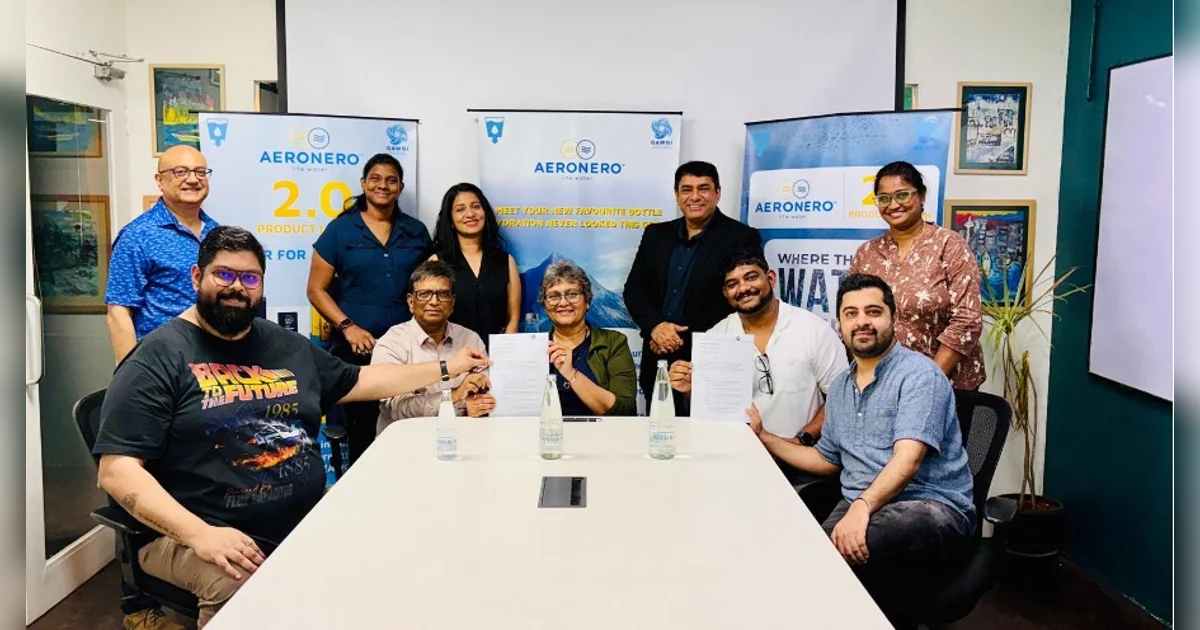
In a groundbreaking move for India’s beverage and sustainability sectors, AeroNero Solutions Pvt Ltd, a pioneer in Atmospheric Water Generation (AWG) technology, has joined forces with OI Brewing Co. to unveil AQUAIR, India’s inaugural bottled water brand derived entirely from atmospheric moisture. This innovative venture signifies a monumental shift in the bottled water industry, offering a renewable drinking water source that eliminates the need for groundwater extraction. Production is set to begin in Pune, with a daily capacity of 10,000 liters, targeting both retail consumers and the broader beverage market. AeroNero will deploy its cutting-edge AWG machines, while OI Brewing Co. will manage bottling, branding, and market distribution, positioning AQUAIR as a premium, eco-conscious water brand. The AWG technology extracts humidity from the air, condenses it, and purifies the water through a multi-stage filtration and mineralization process, delivering lab-certified, naturally pure drinking water. Dr. Durga Das, CEO of AeroNero, emphasized that AQUAIR embodies a future where water is created without depleting natural resources, stating, ‘We are literally producing hope from thin air.’ Aman Talreja of OI Brewing Co. echoed this sentiment, describing AQUAIR as a reimagining of responsible water sourcing. Dr. Subash Cipy, founder of OI Brewing Co., highlighted the technology’s potential to address water scarcity and reshape industry practices. Ketaki Sehgal of AeroNero praised the partnership for its alignment with sustainability goals. Ravi Karkara, co-founder of the Global Air Water Generation Initiative, underscored the transformative potential of AWG in democratizing access to clean water. With plans to expand production across major cities, AQUAIR aligns with India’s Mission LiFE and the UN Sustainable Development Goals, championing a regenerative model for water access and sustainable consumption.
-

GITEX 2025: Technology is as human as it is digital
The 2025 edition of GITEX Global, the world’s largest technology showcase, marked a pivotal shift in the narrative surrounding innovation. While the event traditionally spotlighted cutting-edge advancements in artificial intelligence, automation, and digital systems, this year’s focus was unmistakably human-centric. The overarching theme emphasized that technology’s true value lies in its ability to serve and empower people, rather than merely advancing computational capabilities.
-

UAE: VR experience takes visitors to Holy Kaaba, life in Makkah and Madinah 1,400 years ago
A groundbreaking virtual reality (VR) experience at the Sharjah International Book Fair has captivated visitors by transporting them back over 1,400 years to the early days of Islam. Developed by Ana Al Madina, the immersive project uses cutting-edge VR technology to recreate the streets, homes, and spiritual landmarks of Makkah and Madinah, offering a vivid glimpse into the birth of Islam. Visitors begin their journey in ancient Makkah, standing before the Kaaba, built with rough stones and surrounded by idols. The narrow alleys and bustling markets come alive, showcasing traders, residents, and a narrative detailing life before Islam. The experience then transitions to pivotal moments in Islamic history, including the birth of Prophet Muhammad (PBUH), his spiritual retreat in the Cave of Hira, and the first revelation. Dr. Adil Abdul Qadir, Manager of Ana Al Madina, emphasized the educational purpose of the project, aiming to help visitors understand the culture, lifestyle, and values of that era. The journey concludes with a modern-day view of the Kaaba, allowing users to step inside and experience its sacred serenity. Many visitors have been deeply moved, with some shedding tears as they feel they have truly traveled back in time. The VR experience also includes a segment on Madinah, highlighting the Prophet’s migration, the construction of Masjid Al Nabawi, and the establishment of a society based on compassion and justice. Dr. Adil stated, ‘This journey connects people to faith through knowledge, allowing them to not just see history but feel it.’
-
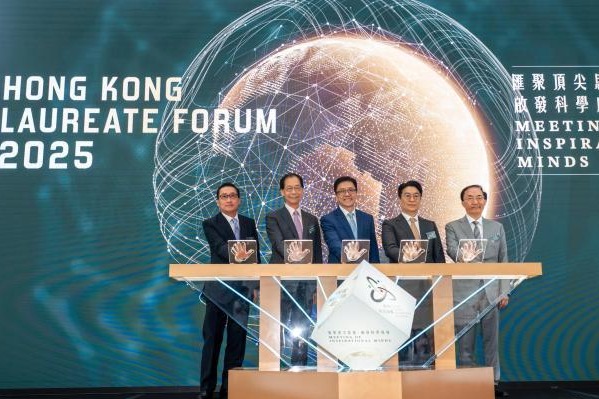
Hong Kong sci-tech forum gathers young scientists amid innovation hub drive
The Hong Kong Laureate Forum 2025, a premier science and technology exchange event, commenced in Hong Kong on Wednesday, November 5, 2025. The forum attracted over 200 young scientists from more than 20 countries and regions, fostering international collaboration and innovation. Chan Kwok-ki, Chief Secretary for Administration of the Hong Kong Special Administrative Region government, emphasized the region’s commitment to becoming a global innovation hub. He highlighted the launch of a 3 billion Hong Kong dollar (approximately $385.8 million) frontier technology research support scheme, aimed at building advanced facilities for cutting-edge scientific research. The forum, themed ‘Meeting of Inspirational Minds,’ will span four days and feature keynote speeches, breakout sessions, and poster presentations. Discussions will focus on astronomy, life science, medicine, and mathematical sciences. Tong Wai-cheung, Chairman of the forum, underscored its mission to cultivate curiosity, ignite passion for science, and empower emerging talent globally. The event not only supports scientific development but also accelerates Hong Kong’s transformation into an international innovation and technology center.
-
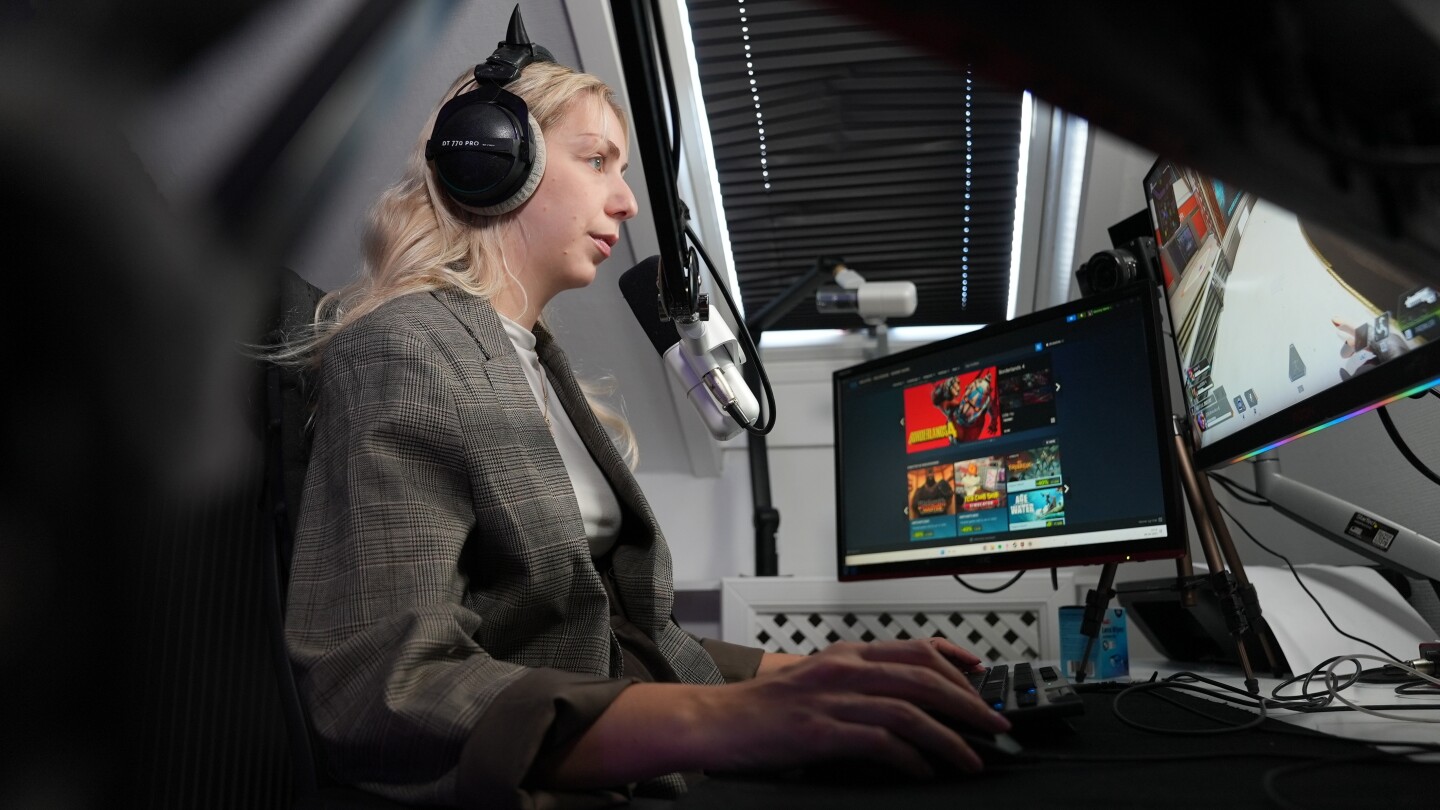
Denmark eyes new law to protect citizens from AI deepfakes
In 2021, Danish video game live-streamer Marie Watson was shocked to discover a manipulated image of herself circulating online. The photo, originally from her Instagram account, had been altered using deepfake technology to remove her clothing, leaving her feeling violated and helpless. Watson’s experience is just one example of the growing threat posed by deepfakes — highly realistic AI-generated images, videos, or audio that can be used for malicious purposes, from humiliating individuals to spreading misinformation. As generative AI tools become more accessible and sophisticated, the problem has escalated globally, prompting Denmark to take decisive action. A new bill, expected to pass early next year, aims to amend copyright law to grant individuals ownership over their likeness, enabling them to demand the removal of unauthorized deepfakes. While the law will allow for parodies and satire, it seeks to protect citizens’ personal characteristics from exploitation. Experts, including Henry Ajder of Latent Space Advisory, have praised Denmark’s initiative, noting the lack of effective protections currently available. The legislation, which has broad political support, could set a precedent for other countries grappling with the ethical and legal challenges of deepfakes. However, enforcement will primarily target tech platforms, with severe fines for non-compliance. Despite these measures, Watson remains skeptical, emphasizing the need for greater accountability from social media companies to prevent the spread of harmful content.
-
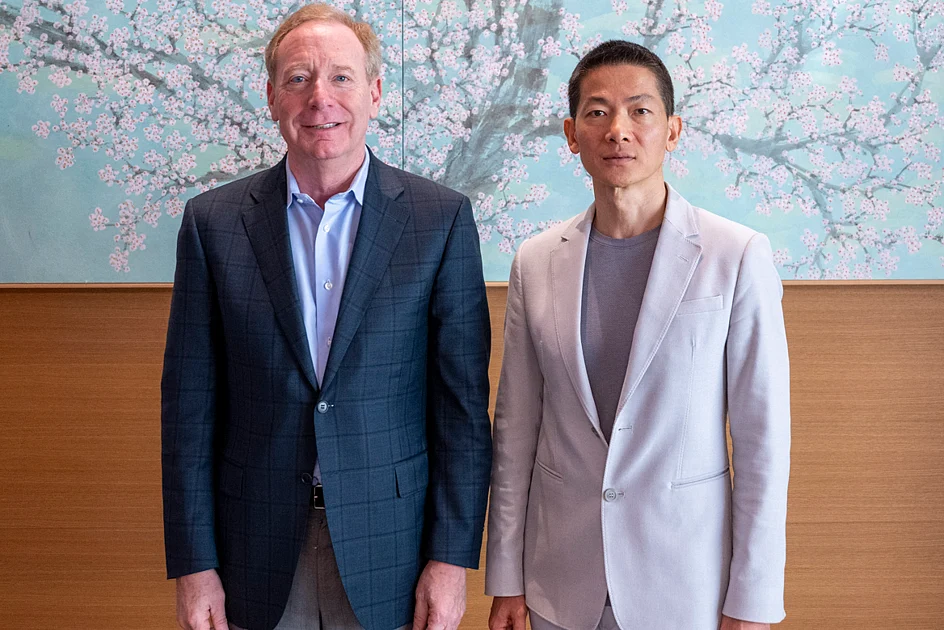
Microsoft and G42 unveil major data centre expansion to power UAE’s digital future
In a landmark initiative to strengthen the UAE’s digital infrastructure, Microsoft and Abu Dhabi-based technology conglomerate G42 have unveiled a significant expansion of data centre capacity in the region. Announced on November 5, 2025, the project is part of Microsoft’s broader $15.2 billion investment in the UAE and will add 200 megawatts (MW) of new capacity through Khazna Data Centres, a subsidiary of G42. The new facilities are slated to become operational by the end of 2026. This expansion underscores the deepening strategic partnership between the two companies, aimed at accelerating the UAE’s digital transformation and doubling the digital economy’s contribution to the nation’s GDP over the next decade. Brad Smith, Vice Chair and President of Microsoft, highlighted the initiative’s broader significance, stating, “This expansion is more than data centres. It’s about powering the UAE’s future.” The enhanced infrastructure will bolster Microsoft Azure’s cloud services, offering advanced AI capabilities and GPU-powered computing to support public sector organisations, regulated industries, and enterprises. The collaboration emphasises trust, cybersecurity, and ethical AI development. Peng Xiao, Group CEO of G42, described the partnership as a step toward building the “Intelligence Grid,” a globally interconnected infrastructure designed to empower industries and individuals in the AI era. The initiative also includes a commitment to developing local talent, with Microsoft pledging to skill one million people in the UAE by 2027. Previous joint efforts, such as the establishment of the Responsible AI Future Foundation, further solidify the UAE’s position as a regional leader in digital innovation.