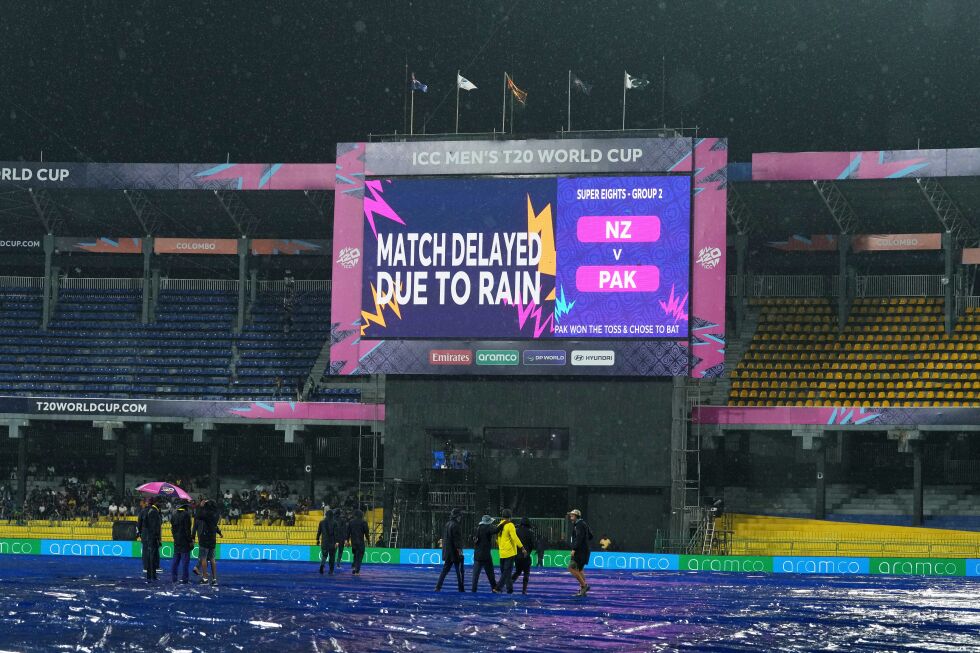
COLOMBO, Sri Lanka — The highly anticipated Super 8s opener between Pakistan and New Zealand at the ICC T20 World Cup encountered an immediate setback as persistent rainfall delayed the start of play at R. Premadasa Stadium on Saturday.
Pakistan’s newly appointed captain, Salman Ali Agha, won the crucial toss and elected to bat first, seeking to establish an early advantage in the Group 2 encounter. Both squads revealed significant strategic changes to their starting lineups ahead of the critical match.
The Pakistani selection committee made one notable alteration to their batting order, recalling veteran power-hitter Fakhar Zaman to replace Khawaja Nafay. Zaman, who was rested during Pakistan’s final group-stage fixture against Namibia, returns to bolster the team’s firepower in the middle overs.
New Zealand responded with their own tactical adjustments, reinstating three key players to their first-choice lineup. Regular captain Mitchell Santner resumed leadership duties, while the Black Caps also welcomed back pace spearhead Lockie Ferguson and leg-spinner Ish Sodhi, significantly strengthening both their bowling attack and strategic leadership.
This match represents a critical juncture for both nations after they finished second in their respective preliminary groups. They now face the daunting challenge of Group 2, which includes tournament hosts Sri Lanka and the defending champions, England, making every match in the Super 8 stage essentially a knockout fixture.
The weather interruption adds another layer of complexity to an already high-stakes encounter, with both teams needing to adapt quickly to conditions and potential Duckworth-Lewis calculations should the rain persist.
Lineups:
Pakistan: Salman Ali Agha (captain), Sahibzada Farhan, Saim Ayub, Babar Azam, Fakhar Zaman, Shadab Khan, Usman Khan, Mohammad Nawaz, Faheem Ashraf, Salman Mirza, Usman Tariq.
New Zealand: Mitchell Santner (captain), Tim Seifert, Finn Allen, Rachin Ravindra, Glenn Phillips, Mark Chapman, Daryl Mitchell, James Neesham, Matt Henry, Ish Sodhi, Lockie Ferguson.