分类: sports

  • Signings tracker: Kelma Tuilagi heading to the Storm in 2027 as the Warriors re-sign star half

    Signings tracker: Kelma Tuilagi heading to the Storm in 2027 as the Warriors re-sign star half

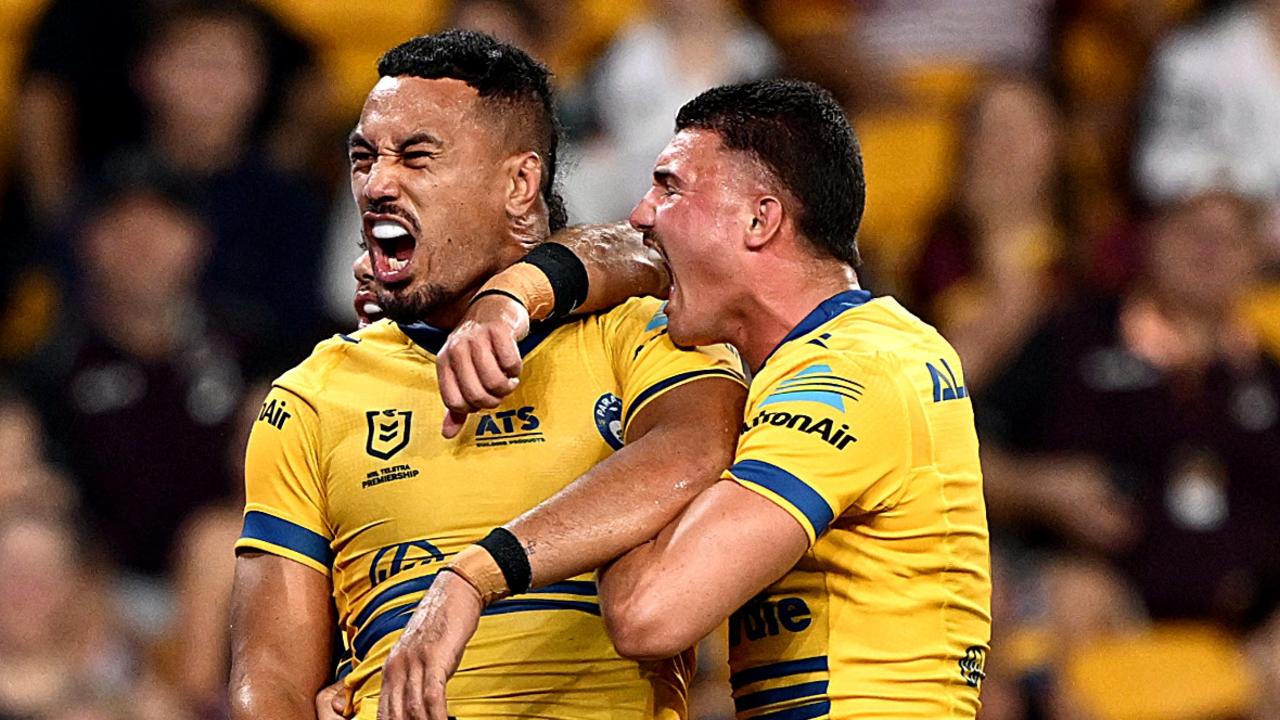
    The NRL 2027 off-season player market is already picking up steam, with two major roster announcements shaking up the competition this week. The Melbourne Storm have continued their strategic squad building for upcoming campaigns, securing the return of Victorian-developed forward Kelma Tuilagi from the Parramatta Eels on a deal starting in the 2027 season.

    Tuilagi’s rugby league journey has deep roots with the Storm. Born in Samoa and raised in New Zealand, he moved to Melbourne at a young age and rose through the club’s famous youth development pathways. Though he did not take the field for the Storm in 2020, he was a member of the club’s premiership-winning squad that year, and stayed with the entire team throughout their pandemic relocation to Queensland.

    After leaving the Storm’s development system, Tuilagi made his senior NRL debut with the Wests Tigers in 2021, before moving to the Parramatta Eels three seasons ago. At the Eels, he cemented himself as a consistent regular starter on the right edge of the forward pack, earning a reputation as a physical and reliable contributor.

    The signing makes solid strategic sense for Melbourne, which is set to lose starting edge forward Shawn Blore to the Brisbane Broncos ahead of next season. With the club currently grappling with a long-term absence of key forward Eli Katoa this year, mid-season recruit Oryn Keeley has already stepped up to fill the gap, and Tuilagi’s arrival will further boost back-row depth for the coming years.

    Melbourne Storm’s director of football Frank Ponissi expressed clear enthusiasm about the homecoming signing in a statement this week. “We’re delighted to have Kelma returning to Melbourne Storm and Victoria in 2027,” Ponissi said. “Kelma has a strong connection to our club. He was part of our 2020 premiership-winning squad and came through the Victorian rugby league system, so it’s fantastic to bring him back after he’s established himself as a regular NRL player. He’s a powerful, athletic forward who has continued to develop over the past few seasons. He’ll add experience and physicality to our forward pack, and we’re excited to see him back in a Storm jersey.”

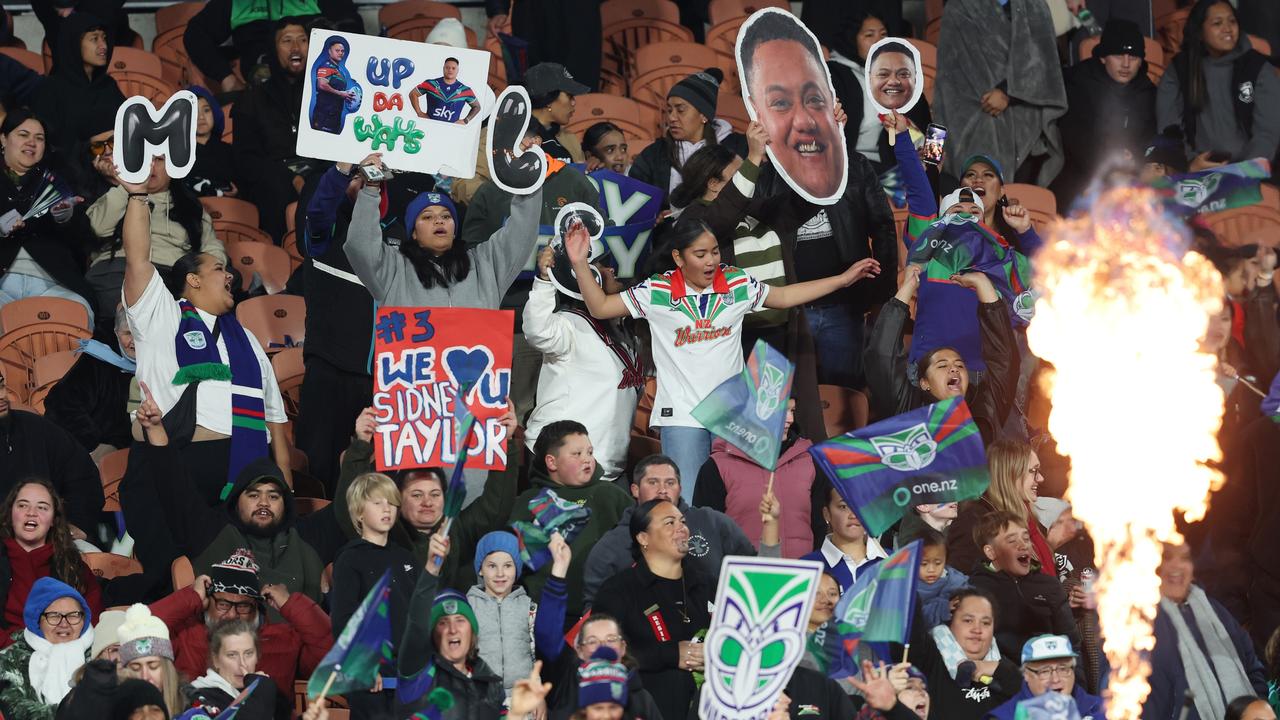
    In a separate announcement from across the Tasman, the New Zealand Warriors have locked in one of their star playmakers for the long haul, extending Chanel Harris-Tavita’s contract through to the end of the 2029 NRL season. The new extension comes just months after Harris-Tavita originally signed a one-year renewal that would have kept him at the club through 2027.

    Andrew McFadden, the Warriors’ general manager of recruitment, pathways and development, said the club jumped at the chance to secure the halfback for a longer tenure. “Initially Chanel renewed for just the one season but we couldn’t be happier to have him with us for a longer term,” McFadden said. “It secures his future and ensures he will continue to be a critical part of our plans for at least the next three seasons. He has worked so hard at improving his game and has become one of the game’s most accomplished halves.”

    The dual announcements round out an early flurry of off-season moves across the NRL, as clubs look to shore up their rosters long before the 2026 campaign gets underway.

  • ‘Not the right thing for me’: Cameron Smith rules himself out of contention for Maroons job as new favourites emerge

    ‘Not the right thing for me’: Cameron Smith rules himself out of contention for Maroons job as new favourites emerge

    Queensland Rugby League’s search for a new State of Origin head coach to replace the outgoing Billy Slater has suffered a major setback, after the early favorite for the position, rugby league legend Cameron Smith, confirmed he will not put his name forward for the role.

    Smith, who holds the record for the most State of Origin appearances with 42 caps for the Maroons, had received high-profile public backing for the job from Queensland’s most successful Origin coach, Wayne Bennett. The 42-game veteran had previously served as an assistant coach alongside Slater in 2022 and 2023, making him a widely tipped successor to his former Melbourne Storm teammate. But in an appearance on the Fox League program 100% Footy, Smith shut down speculation of a promotion to the top job.

    Smith explained that his personal commitments still prevent him from dedicating the full time required for a senior coaching role, a reason that prompted him to step away from his assistant position at the end of 2023. “I’ve heard comments from Wayne Bennett endorsing me and I really appreciate the sentiments, but it’s not the role for me at this current time,” Smith said. “I couldn’t fully commit to the role when I was assistant coach, and nothing in my life has changed since then. At this point in my life, it’s not the right thing for me and my family.”

    He also added that the rugby league community was caught off guard by Slater’s decision to step down after five consecutive series in charge of the Maroons. “We were all fairly surprised Billy made the decision to stand down. I thought he would have gone around another 12 months and I said as much to him,” he noted.

    Smith’s withdrawal follows a similar announcement from incumbent Australian Kangaroos head coach Kevin Walters, who also ruled himself out of the running earlier after the Queensland Rugby League confirmed Slater’s departure on Friday. Queensland assistant coach and another Maroons legend Johnathan Thurston has also distanced himself from the vacancy, leaving the QRL with a drastically shortened list of plausible candidates.

    Smith pointed to two remaining candidates who fit the mold of continuing the program Slater built over the past half-decade: current Brisbane Broncos assistant coach Matt Ballin and former Maroons forward Ben Te’o. Smith argues that promoting from within the existing Origin support staff is the most logical path forward for the QRL. “Logic would suggest taking guys from within that have been there with Billy to continue that path that he’s built over the last five years,” Smith said.

    For Ballin, taking the job would require stepping away from his current senior role with the Broncos, a precedent set by incoming New South Wales Blues coach Matt King, who will leave his position at the Sydney Roosters at the end of the year to take over the State of Origin role. Te’o, who has also worked within the current Maroons setup, remains another viable in-house option, while Thurston confirmed he cannot commit to the full-time demands of the head coaching post.

    Walters’ situation, Smith added, is also non-viable because of the conflicting time demands of the Kangaroos head coach and Queensland State of Origin roles in the modern calendar. “You can’t be Kangaroos coach and Queensland coach in this day and age,” he said. “The two that stand out are Ben Te’o and Matty Ballin.”

  • ‘Complete takeover’:Key detail locked in as massive week planned for State of Origin match in Auckland

    ‘Complete takeover’:Key detail locked in as massive week planned for State of Origin match in Auckland

    Rugby league fans across Australia and New Zealand now have a confirmed date to mark on their calendars, as the Australian Rugby League Commission (ARLC) has officially locked in details for the historic first State of Origin game to be hosted outside of Australia. Game two of the 2026 State of Origin series will be played at Auckland’s iconic Eden Park on Wednesday, June 16, marking the first time in the tournament’s long history that a fixture will be held across the Tasman Sea in New Zealand.

    The confirmation, announced publicly by the ARLC on Tuesday morning, paves the way for fans to book travel and hospitality packages for the groundbreaking event. Organizers have also planned a full week of rugby league-focused celebrations leading up to the main Origin fixture, kicking off with a National Rugby League (NRL) match hosted by the New Zealand Warriors at the same Eden Park venue on the Sunday three days before the Origin clash.

    This historic cross-Tasman move continues a growing trend in recent years of expanding State of Origin hosting beyond the traditional strongholds of Sydney and Brisbane. Over the past decade, Adelaide, Perth and Melbourne have all stepped in to host Origin fixtures, spreading the sport’s most high-profile rivalry to new audiences across the region.

    ARLC Chair Peter V’landys emphasized that the move to Auckland is a natural next step for the iconic tournament, which has carved out an unmatched reputation in Australian sport. “State of Origin is truly one of a kind,” V’landys said. “It delivers an atmosphere you cannot find anywhere else in Australian sport – brutal but respectful rivalry, unfiltered passion, and an intensity that you have to experience in person to understand. This is a bucket-list event for any rugby league fan.”

    He added that the week-long festival of rugby league will not only build excitement for the main match but also showcase the sport to New Zealand audiences and traveling international fans. “It’s going to be a complete takeover of Auckland, putting the very best of rugby league on display for everyone,” he said.

    Current State of Origin champions the New South Wales Blues will head into the fixture looking to extend their recent run of success, with organizers projecting that around 50,000 fans will pack into Eden Park for the historic clash. Growing interest in the match has been fueled by the surging popularity of rugby league across New Zealand, where the Warriors have consistently drawn record crowds at every home match in recent seasons. This strong fan base has also sparked growing speculation that New Zealand could be the home of the NRL’s 20th franchise in coming years.

    Auckland Mayor Wayne Brown called the first-ever Origin match to the city a major win for the region, noting the tournament’s status as one of the biggest sporting events in the Australasian region. “One of the biggest events in Australasian sport is coming to our city, and we can’t wait to put on an incredible experience for fans who live here and those traveling over from Australia,” Brown said. “Now that the date is locked in, fans can start planning their trips. We encourage everyone to stay for more than just the 80 minutes of play – make a full week of it, and experience our city’s take on State of Origin both inside the stadium and across Auckland.”

  • Erasmus fires back at All Blacks’ ‘slow game’ claims ahead of Ellis Park test

    Erasmus fires back at All Blacks’ ‘slow game’ claims ahead of Ellis Park test

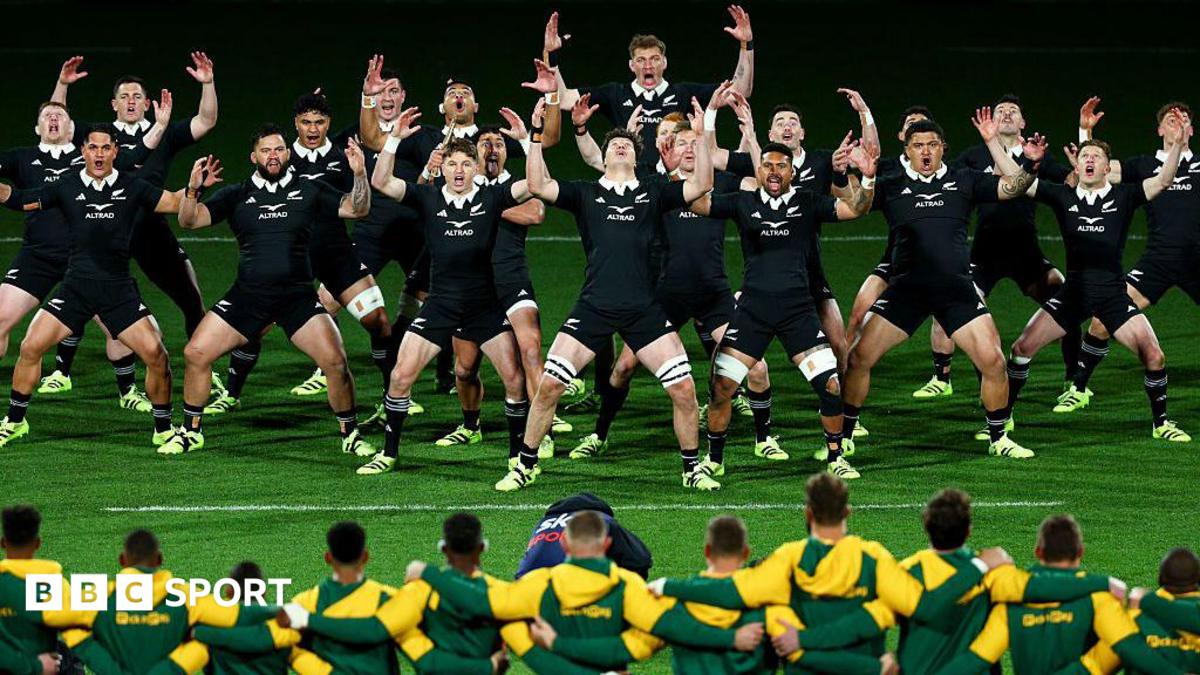
    As the highly anticipated first rugby test match between South Africa and New Zealand at Johannesburg’s iconic Ellis Park stadium approaches on Saturday, pre-series mind games have already taken center stage – a familiar subplot in one of global rugby’s most intense rivalries.

    The touring All Blacks, who put on an impressive dominant display in three warm-up matches against South African club sides, racking up 142 points while conceding just 40, have publicly pushed the narrative that the Springboks and other South African national sides intentionally slow match pace to derail New Zealand’s fast-paced, fluid playing style. The claim has been echoed across the All Blacks camp, from head coach Dave Rennie and assistant coach Tana Umaga to senior forward Codie Taylor.

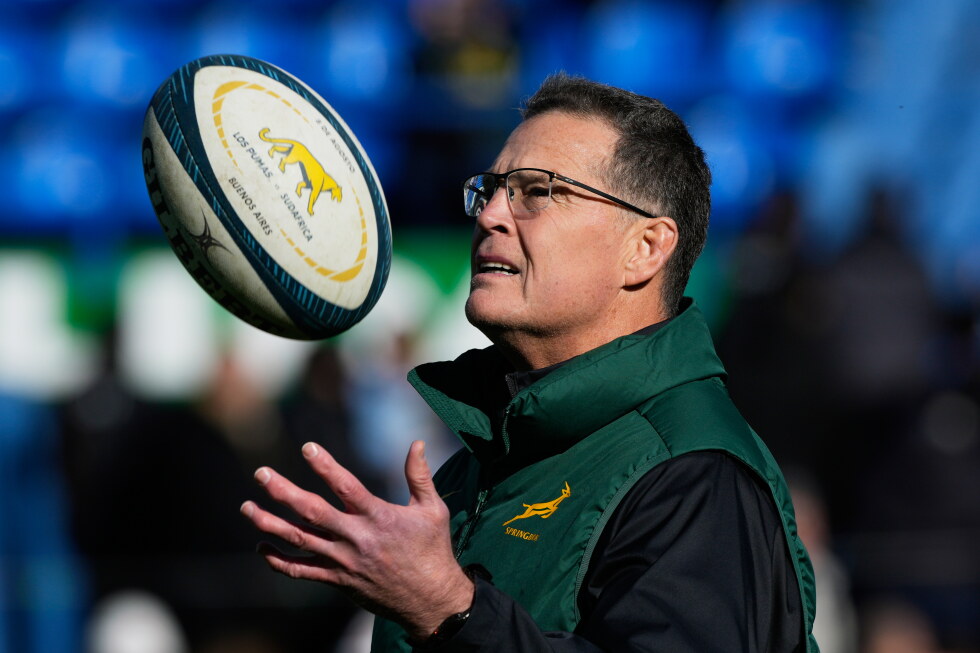
    South Africa’s head coach Rassie Erasmus pushed back firmly on the allegations during a media address Monday, pointing to the pair of test matches between the two sides held last September as evidence to contradict the All Blacks’ claims. In those two contests, New Zealand secured a 24-17 home win in Auckland, while the Springboks responded with a dominant 43-10 victory over the All Blacks just one week later in Wellington. Erasmus posed a sharp rhetorical question to reporters in response to the All Blacks’ claims: “Were those slow games?”

    Joining Erasmus was Jaco Peyper, a veteran test referee with 67 top-level matches under his belt, including countless fixtures featuring the All Blacks, who now serves as a technical advisor to the Springboks. Peyper clarified that World Rugby laws grant teams 30 seconds to set up for a set-piece after the referee marks the spot of the stoppage with their foot. “We have to adhere to that and we train for it,” Peyper said. “You can do whatever you want inside those 30 seconds. There’s nothing in the law that says you can’t idle before the mark is given.” Erasmus expanded on the point, noting: “If in those 30 seconds you want to go down and pray, that is your right.”

    Despite pushing back on the public claims, Erasmus said he understands and even sympathizes with the All Blacks’ decision to raise their concerns in the media. He traced the current dynamic to recent rule changes from World Rugby that have altered pre-match protocols for meetings between head coaches and match officials. Under the new rules, coaches can no longer hold separate private meetings with referees, and if either coach declines a meeting, neither side gets to meet with the official ahead of kickoff.

    Rennie confirmed Monday that Erasmus had declined a pre-match meeting with this weekend’s referee, English official Matthew Carley, and added that he shared that preference. Rennie noted that the All Blacks had submitted video clips of alleged time-wasting to World Rugby through the governing body’s shared open system, and had received official clarity on the rules in response. Erasmus said that skipping the pre-match meeting had actually avoided an open, public argument between the two coaching staffs over the time-wasting issue before the test even kicked off.

    At the same time, Erasmus noted that the new protocol has left all international rugby coaches frustrated, creating a growing communication gap between coaching staffs and match officials that pushes sides to air their grievances through public media channels. “I totally understand why the All Blacks voiced some of their concerns,” Erasmus said. “That’s the only option.”

    Beyond the pre-series verbal sparring, both sides are managing late injury concerns ahead of Saturday’s opening test. For the Springboks, captain Siya Kolisi is dealing with a minor hamstring niggle, while prop Ox Nche is working through a knee issue, and the team is still waiting for both players to receive medical clearance to take the field. For New Zealand, the tour suffered a small setback after loosehead prop Ollie Norris sustained knee cartilage damage in the All Blacks’ final warm-up match against the Bulls that rules him out for the remainder of the tour. New Zealand has already called up uncapped Highlanders tighthead prop Saula Ma’u to replace Norris on the touring squad.

  • What we learned from Wafcon 2026

    What we learned from Wafcon 2026

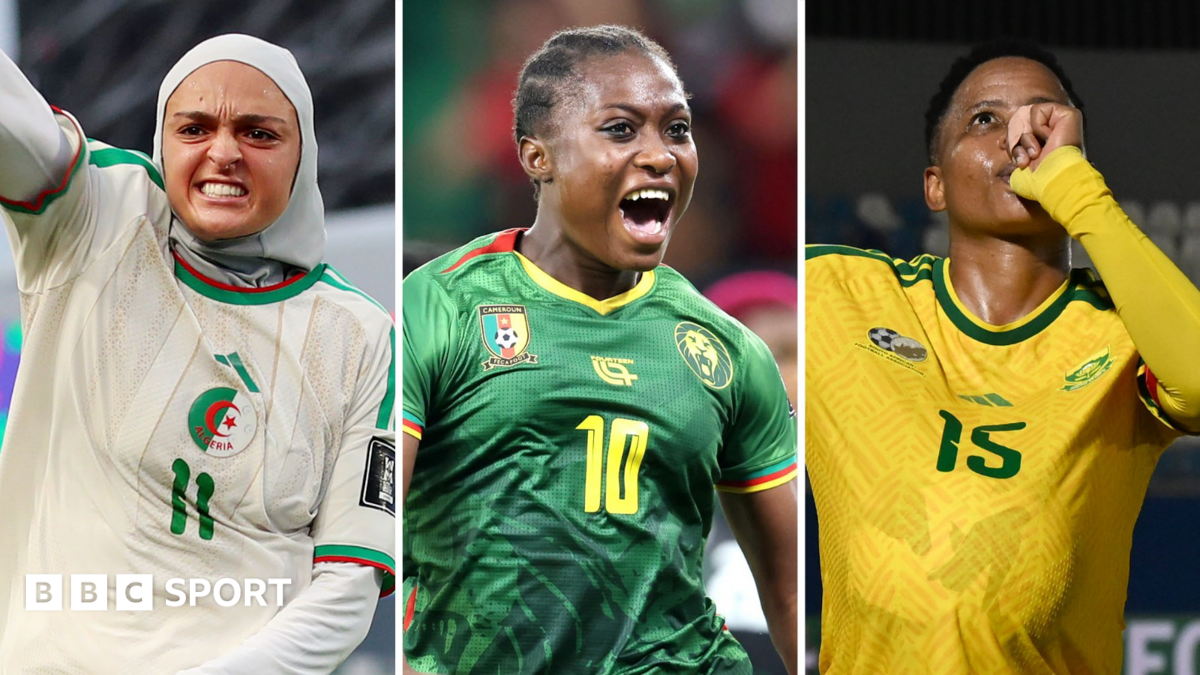
    The 2026 Women’s Africa Cup of Nations (Wafcon), held across Rabat and Casablanca, Morocco, wrapped up Sunday with an unexpected champion, stunning underdog runs, and seismic shifts that are reshaping the landscape of women’s football across the African continent. Cameroon’s Indomitable Lionesses secured their first ever Wafcon crown with a dominant 3-0 victory over debutant finalists Malawi, capping off a remarkable tournament that defied pre-event predictions and delivered on the promise of expanded elite competition for African women’s football. What made Cameroon’s win even more extraordinary is that the side only secured a spot in the expanded 16-team tournament after Confederation of African Football (Caf) made a last-minute format change mid-qualification. Originally planned as a 12-team event, the expansion saw Cameroon – who had been eliminated by Algeria in the initial qualifying round – granted a place based on their global ranking. They made the most of their second chance, cutting through the knockout rounds to lift the trophy, becoming just the fourth nation to claim Wafcon gold after Nigeria, Equatorial Guinea, and South Africa. The format shift has already proven its value: by opening the door to more high-stakes matches for emerging sides, the 16-team structure boosted competitive balance across the three-week tournament, delivering far more upsets than the 2024 edition. Cinderella story Malawi, ranked 153rd in the world entering the competition, shocked 10-time defending champions Nigeria 3-2 in their opening match, then defeated Ghana and Algeria to advance all the way to the final. Their run was powered by the iconic attacking performances of the Chawinga sisters, with Temwa Chawinga claiming the tournament golden boot after netting five goals and adding two assists to outpace other top scorers including Marie Ngah Manga of Cameroon and Zambia’s Barbra Banda. Other shock results saw Tanzania, ranked 65 places lower than 2022 champion South Africa, defeat the defending titleholders in the group stage, while South Africa only salvaged a late 99th-minute equalizer against Ivory Coast – another side that reached the finals thanks to the expanded ranking-based invites. Zambia amassed six points in Group C but still missed out on knockout qualification, while Mali was eliminated on goal difference after tying Ghana on points. In total, the tournament recorded 90 goals across 32 matches (excluding inter-confederation World Cup play-offs), averaging 2.81 goals per game, a marked increase from the 2.54 average recorded at the 2024 edition. All four semi-finalists – Algeria, Cameroon, Malawi, and Morocco – earned automatic qualification to the 2027 FIFA Women’s World Cup, with Algeria and Malawi set to make their historic debuts at the global tournament. South Africa and Ghana, by contrast, will have to navigate inter-confederation play-offs to secure their spots in the 2027 event. Cameroon’s historic win also made history for women in coaching: head coach Valentine Nguele became just the fifth woman to lead a Wafcon-winning side, emulating the achievements of previous trailblazers Clementine Toure, Eucharia Uche, Florence Omagbemi, and Desiree Ellis. What makes her feat even more remarkable is that she only took charge of the side in June, just two months before the tournament kicked off. “We worked as crazy since two months ago, day and night, and this is the result,” Cameroon technical co-ordinator Dimitri Lipoff told BBC World Service. “We had no team, nothing was ready. We tried to build a kind of bubble. This is an incredible team effort.” The tournament also delivered one of the most shocking results in African women’s football history: perennial powerhouse Nigeria, who entered the tournament targeting an 11th Wafcon title, suffered their worst ever performance and will miss the 2027 Women’s World Cup for the first time in the event’s history. After finishing second in their group and being knocked out by Cameroon in the quarter-finals, the Super Falcons fell 2-1 to South Africa in the World Cup play-off, ending their streak of consecutive World Cup appearances. Analysts point to long-term structural issues in Nigeria’s women’s football program, which has relied on talent developed abroad for years while failing to build a sustainable domestic institutional structure. With Cameroon collecting $2 million in prize money to invest back into the program, and Morocco, Algeria, Ghana, and Malawi all making significant strides in women’s football development, Nigeria’s decades-long hold on the top spot in African women’s football is no longer unchallenged. The Nigeria Football Federation has already established a fact-finding committee to examine the team’s failure, with former star striker Desire Oparanozie calling for a full re-evaluation of the program. Despite the many successes of the expanded 2026 tournament, it was not without its challenges. Attendance at matches not featuring hosts Morocco remained a persistent issue, continuing the trend of largely empty stadiums seen at the 2022 and 2024 editions. Organizers cited the tournament’s last-minute postponement – it was pushed back from its original March start date just 12 days before kickoff – as a contributing factor, while longstanding barriers including high cross-continental travel costs and strict visa requirements also suppressed turnout. VAR review processes also faced criticism, with one pitch-side check during Cameroon’s group stage win over Mali taking nearly four minutes to complete, slowing the pace of play. Host Morocco, who have hosted the last three editions of Wafcon, made the semi-finals but saw several controversial late penalty decisions go their way against Cameroon and Algeria, though the side failed to convert nine of 13 total penalties across the tournament, highlighting a key area for improvement as they pursue their first ever Wafcon title. As of yet, Caf has not announced a host or confirmed dates for the 2028 Wafcon tournament, with organizers needing to avoid a schedule clash with the 2028 Los Angeles Olympic Games – a similar conflict with the Paris Olympics forced the 2024 Wafcon to be delayed until 2025, highlighting the ongoing need to secure a consistent, viable slot for the continental tournament on the global FIFA calendar. Attention now turns to qualification for the 2028 Los Angeles Olympic women’s football tournament, which will restart in October and continue across three international match windows next year, with 32 African nations competing for two coveted spots at the global Games.

  • Ipswich sign Strasbourg duo Enciso & Ouattara

    Ipswich sign Strasbourg duo Enciso & Ouattara

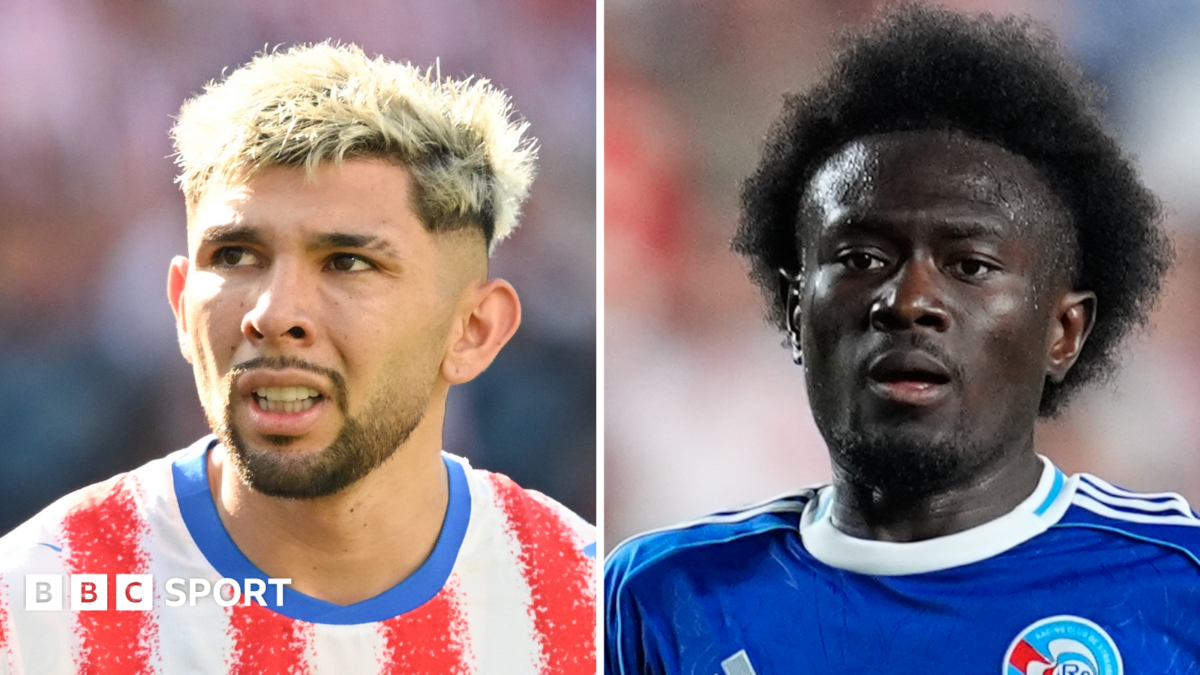
    English Premier League newly-promoted side Ipswich Town has continued its aggressive summer recruitment drive, announcing the double signing of 22-year-old Paraguayan international winger Julio Enciso and 20-year-old Ivorian midfielder Abdoul Ouattara from Ligue 1 club Strasbourg. Both new arrivals have committed to five-year contracts with the East Anglian club, nicknamed the Tractor Boys.

    The total transfer value for the pair could climb to £47.3 million, according to unofficial industry reports. What links both players to Ipswich is their existing working relationship with Tractor Boys manager Gary O’Neil, who coached the duo during his time in charge at Strasbourg. For Enciso, the transfer marks a return to Portman Road, having already turned out for the club during the second half of the 2024-25 season on loan, following a three-year spell at Premier League side Brighton & Hove Albion. He eventually moved to Strasbourg earlier this year before sealing his permanent move back to Ipswich.

    In a statement following the announcement of the deal, Enciso expressed his delight at returning to the club. “I am so happy to be back at Ipswich Town,” he said. “I really enjoyed my time on loan at the club and I was so happy to see them win promotion back to the Premier League last season. I worked with the manager in France last season and the chance to play for him again at a great club like Ipswich is one I’m very excited for.” Enciso, who has earned 37 senior international caps for Paraguay to date, brings both top-flight English football experience and international pedigree to O’Neil’s attacking options.

    For the younger Ouattara, the transfer marks his first move to a Premier League club, and he is yet to earn his first senior cap for the Ivory Coast national team. The promising young midfielder made 45 appearances for Strasbourg in France’s top division last season, and was a key member of the squad that progressed to the semi-finals of the UEFA Conference League, building a strong resume despite his young age. Ouattara said he was eager to integrate with his new squad and connect with the club’s passionate fanbase: “I am still young but have had some good experiences already and I can’t wait to meet the fans and my team-mates and get started.”

    The double signing pushes Ipswich’s total summer spending past the £150 million mark following their promotion from the Championship last season. Enciso and Ouattara are Ipswich’s 12th major senior signing of the transfer window, highlighting the club’s ambition to establish itself in the top flight after its return. Ipswich is set to kick off its 2025-26 Premier League campaign with a home fixture against Sunderland on 22 August. Fans can access exclusive pre-match, post-match and original analysis content for Ipswich Town via BBC Sounds, with dedicated programming covering all updates from the club.

  • Injured Jonas Vingegaard ends season following Tour de France crash

    Injured Jonas Vingegaard ends season following Tour de France crash

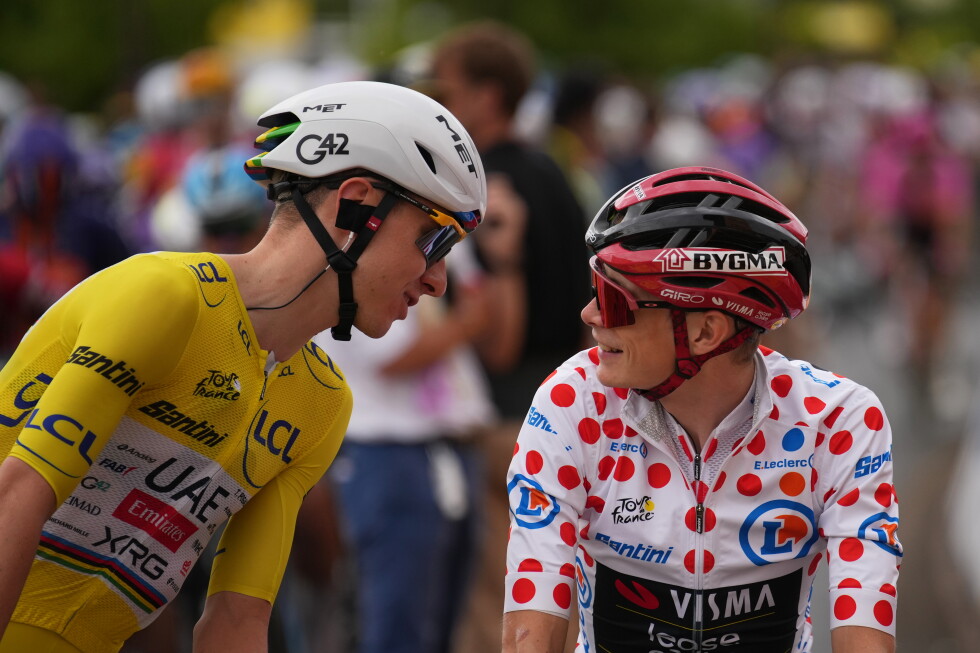
    Danish cycling star Jonas Vingegaard, the two-time winner of the Tour de France, will not return to competitive racing for the remainder of the 2024 season following a collarbone fracture sustained during this year’s Tour de France, his Team Visma-Lease a Bike announced in a formal statement on Monday.

    The 29-year-old had turned in a career-defining, historic performance in the first half of 2024, securing victory at both the Giro d’Italia and the Paris-Nice stage race. His Giro d’Italia win completed a clean sweep of cycling’s three prestigious Grand Tours, a rare milestone that cements his status among the sport’s elite. But a high-profile crash during the 15th stage of the Tour de France one month ago cut his race short, allowing his longtime rival Tadej Pogačar to claim overall domination of this year’s event.

    In the statement released by his team, Vingegaard explained that the collarbone injury has pushed back the timeline for his return to structured training, making it impossible for him to rebuild the peak physical condition required to compete at the highest level in the remaining weeks of the season. Before the crash, Vingegaard was widely expected to compete in two of the sport’s biggest late-season events: the UCI World Championships road race, scheduled for September 27 in Montreal, and the iconic one-day Monument classic Tour of Lombardy, set for October 10. Those appearances are now off the table.

    Looking ahead, Vingegaard said his full attention is now shifted to long-term preparation, with the explicit goal of getting into optimal shape to target major goals in the 2025 cycling season (a correction of the originally printed 2027 reference in the original statement release). The early end to Vingegaard’s breakout season leaves fans waiting to see whether he can translate his historic 2024 form into strong results when he returns to competition next year.

  • Rodri set to arrive as Barcelona finalize transfer of Spain captain from Man City

    Rodri set to arrive as Barcelona finalize transfer of Spain captain from Man City

    MADRID – Fresh off lifting the FIFA World Cup trophy with Spain and claiming the tournament’s Golden Ball award, elite midfielder Rodri is scheduled to touch down in Barcelona on Monday to finalize his high-profile transfer from English Premier League champion Manchester City to the Catalan La Liga side, multiple sources confirmed.

    The 30-year-old star is expected to complete his mandatory medical examination this week as officials from both clubs exchange final administrative documentation to formalize the transfer agreement. An anonymous insider with direct knowledge of the deal, speaking to The Associated Press on condition of anonymity due to the unannounced nature of the negotiations, confirmed Barcelona has agreed to a transfer fee totaling 76.5 million euros, equal to roughly $88.5 million.

    Rodri’s move to Camp Nou reunites him with several of his Spanish national team teammates, including rising star Lamine Yamal, creative midfielder Dani Olmo, young center-back Pau Cubarsí, and fan-favorite playmakers Gavi and Pedri. The World Cup winner was out of contract with Manchester City in just 12 months, leaving the Premier League side with little choice but to negotiate a sale this offseason to avoid losing him for free next year.

    The transfer to Barcelona comes after a period of speculation that also linked Rodri to Spanish rival Real Madrid, who were reportedly keen on a move for the midfielder at one point. Rodri himself has publicly praised Real Madrid, Barcelona’s longstanding domestic foe, in past interviews, adding an extra layer of drama to his eventual move to the Catalan club.

    Under head coach Hansi Flick, Barcelona is targeting a third consecutive La Liga title this season, and has already moved to strengthen its squad following the off-season departures of star striker Robert Lewandowski and attacking midfielder Ferran Torres – the man who scored Spain’s extra-time match-winner in the 2026 World Cup final against Argentina. To offset those exits, Barcelona already added English forward Anthony Gordon earlier in the transfer window, and Rodri’s arrival adds further elite quality to Flick’s starting lineup.

    Rodri first signed for Manchester City from La Liga side Atletico Madrid back in 2019, and went on to become one of the most influential midfielders in the club’s recent history. He scored the decisive winning goal in City’s 2023 UEFA Champions League final victory over Inter Milan, which completed a historic treble for the English club. A year later, after helping Spain claim the UEFA European Championship title, Rodri won the Ballon d’Or, honoring him as the top men’s soccer player on the planet.

    Rodri’s exit marks the second major midfield departure for Manchester City this offseason, following star playmaker Bernardo Silva’s transfer to Real Madrid earlier in the summer. The double exit leaves a significant gap in manager Pep Guardiola’s midfield corps that will require urgent reinforcement before the new season kicks off.

    Rodri did not feature in Manchester City’s 3-0 defeat to Arsenal in the 2025 FA Community Shield on Sunday, as he continues his recovery from minor back surgery he underwent shortly after the conclusion of the World Cup. The Associated Press contributed to this report, with additional reporting from AP Sports Writers Steve Douglas and Joseph Wilson.

  • Is All Blacks’ tour of South Africa a new chapter for rugby union?

    Is All Blacks’ tour of South Africa a new chapter for rugby union?

    It has been three years since South Africa edged out New Zealand by a single point to claim back-to-back Rugby World Cup titles, cementing their place as the first nation ever to lift the Webb Ellis Cup four times. Today, that narrow 2023 final margin sets the stage for one of the most anticipated showings in modern international rugby: a historic four-yearly multi-Test tour between the sport’s two most iconic and successful global powerhouses.

    Rassie Erasmus’ Springboks enter this series as the undisputed dominant force in men’s international rugby, sitting atop the world rankings and having claimed consecutive Rugby Championship titles. For decades, that mantle belonged to the All Blacks, who won back-to-back World Cups of their own in 2011 and 2015. While the pecking order has shifted in recent years, both sides remain the most commercially marketable teams in the sport, and their head-to-head clashes draw unmatched global viewership.

    Against this backdrop, the historic tour is far more than just a series of exhibition matches. To accommodate the All Blacks’ trip to South Africa, 2026’s edition of the Rugby Championship — the southern hemisphere’s flagship international rugby competition — has been called off entirely, leaving Australia and Argentina to arrange independent fixtures for the year. After the three core Test matches in South Africa, the two rivals will cap the tour with a historic first meeting on American soil in Baltimore, a match that hints at long-term plans to grow the sport ahead of the 2031 Rugby World Cup hosted by the United States. This quadrennial tour structure will become a permanent feature going forward, with New Zealand set to host the Springboks for the next iteration in 2030.

    The core driver behind this new tour venture is straightforward: financial sustainability for New Zealand rugby, which has faced mounting economic pressures in recent years. Multiple reports confirm that both rugby unions aim to build a commercial product that can rival the earning power of the British and Irish Lions tours, with projected profits expected to reach millions of dollars for both sides. To put that earning potential in context, the 2025 British and Irish Lions tour of Australia generated $35 million in pure profit for Rugby Australia, enough to erase the governing body’s entire $17.9 million debt.

    For New Zealand rugby, the need for new revenue streams is particularly urgent. A 2025 Deloitte report obtained by New Zealand outlet Stuff paints a grim picture of the current Super Rugby Pacific model, noting that the competition is “under strain economically, commercially, and in delivering on its high performance purpose.” Across the past six years, all five New Zealand Super Rugby provinces have operated at a cumulative loss; 2023 champions the Hurricanes posted a $1.4 million loss that year, followed by an even larger $2 million deficit in 2025. The competition, which now includes teams from New Zealand, Australia and Fiji, lost South African sides when the Springboks opted to join the European-based United Rugby Championship in 2021, exacerbating existing financial strains.

    Compounding these challenges is the ongoing exodus of top All Blacks talent to more lucrative club contracts in Japan and Europe. Three starters from the 2023 World Cup final — Richie Mo’unga, Jordie Barrett and Rieko Ioane — have all recently taken up deals outside New Zealand. While the All Blacks maintain a strict selection policy requiring players to compete domestically to earn a national call-up, the governing body cannot match the inflated wages on offer overseas, putting constant pressure on retention.

    On the pitch, the tour serves as the first major test for new All Blacks head coach Dave Rennie, who took over the role earlier this year after Scott Robertson’s departure in January. Rennie’s side has impressed in pre-tour warm-ups, racking up three comfortable wins over weakened South African franchise sides: a 38-21 victory over the Stormers on 7 August, a dominant 54-0 shutout of the Sharks four days later, and a 50-19 win over the Bulls on 15 August that leaves the All Blacks unbeaten on tour heading into the first official Test. These warm-up results, however, come with a large asterisk, as the franchise fields fielded multiple reserve players. The real test of New Zealand’s form will come on Saturday, when the first Test kicks off at Johannesburg’s Ellis Park.

    History is not on the All Blacks’ side for away success in South Africa: the men in black have only won four Tests on South African soil since 2016, and their last away Test series victory came all the way back in 1996. Key All Blacks stars Will Jordan and Cam Roigard have yet to feature on tour due to minor fitness issues, but both are expected to be fit for selection for the opening Test. The Springboks, by contrast, enter the series in strong form, having held the world number one ranking since November 2024. Erasmus’ side earned comfortable wins over England, Scotland and Wales in July, followed by a victory over Argentina in Buenos Aires, and boasts unrivaled depth across the match day squad.

    Beyond commercial and on-field goals, the tour also signals a potential shift in the structure of international rugby. Talks of a unified global rugby calendar have been ongoing for years, with a proposed launch targeted for 2024 that never materialized. The introduction of the Nations Championship was meant to be a stepping stone toward greater alignment, but a recent incident where France fielded a severely weakened side for a July tour of New Zealand after a lengthy club season highlighted just how difficult scheduling alignment remains. South Africa’s split decision to leave Super Rugby for the URC while continuing to compete in southern hemisphere Test rugby has added another layer of complexity to calendar negotiations.

    For both sides, this series offers unbeatable high-stakes preparation ahead of the 2027 Rugby World Cup, and will almost certainly draw massive global attention from rugby and casual sports fans alike. The final match in Baltimore, on American soil ahead of the 2031 World Cup, makes clear the end goal: growing the global footprint of the sport while capitalizing on the massive appeal of rugby’s greatest rivalry. While Argentina and Australia, who face each other in a standalone series this year, face the risk of being sidelined further in the future, the commercial appeal of this new venture makes continued growth likely.

    Full 2026 tour schedule:
    – 7 August: Stormers 21-38 New Zealand (warm-up)
    – 11 August: Sharks 0-54 New Zealand (warm-up)
    – 15 August: Bulls 19-50 New Zealand (warm-up)
    – 22 August: South Africa v New Zealand, Ellis Park, Johannesburg (16:10 BST, First Test)
    – 25 August: Lions v All Blacks, Ellis Park, Johannesburg (18:00 BST, Unofficial Tour Match)
    – 29 August: South Africa v New Zealand, DHL Stadium, Cape Town (16:10 BST, Second Test)
    – 5 September: South Africa v New Zealand, FNB Stadium, Johannesburg (16:10 BST, Third Test)
    – 12 September: South Africa v New Zealand, M&T Bank Stadium, Baltimore (22:00 BST, Historic American Test)
  • Real Madrid agrees to send young center forward Jacobo Ortega to Strasbourg

    Real Madrid agrees to send young center forward Jacobo Ortega to Strasbourg

    In a Monday announcement, Spanish football giant Real Madrid confirmed it has reached an agreement to transfer 20-year-old center forward Jacobo Ortega to French Ligue 1 club RC Strasbourg. The La Liga side did not disclose any financial or additional contractual details of the transfer, leaving terms of the deal undisclosed to the public.

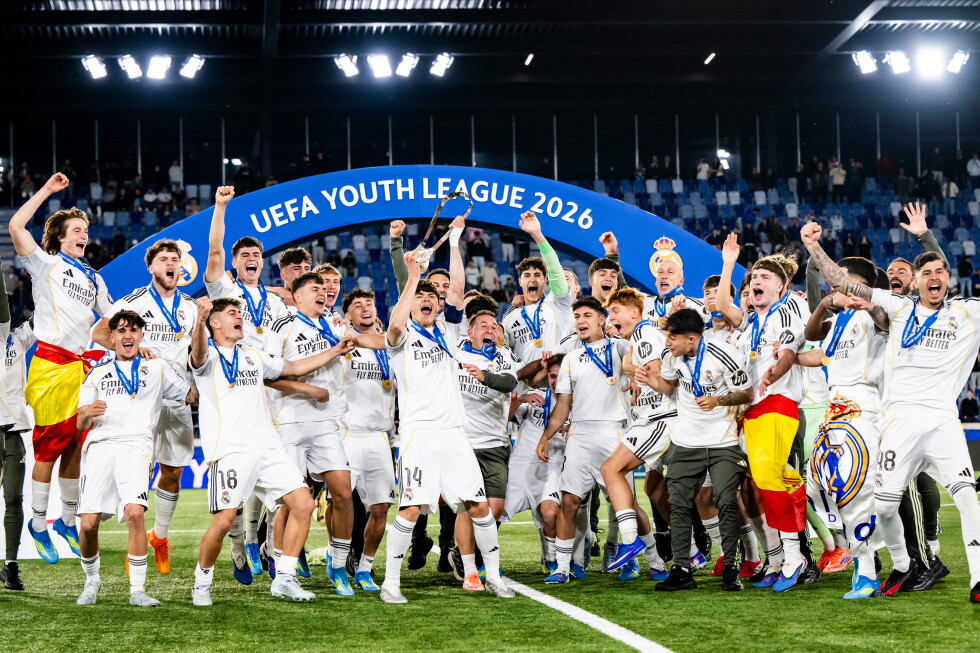
    Ortega, who emerged through Real Madrid’s youth academy, built his reputation as a promising attacking talent with a key performance in last season’s UEFA Youth League final. The young striker found the back of the net against Belgium’s Club Brugge in the title decider, which was held on April 20 in Lausanne, Switzerland. After 90 minutes ended in a 1-1 draw, Real Madrid claimed the trophy by beating Club Brugge in a penalty shootout. This marked the second time Real Madrid has lifted the UEFA Youth League crown since the competition was launched 12 years ago, highlighting the strength of the club’s youth development system.

    Strasbourg, for its part, confirmed that Ortega has put pen to paper on a contract that will keep him at the French club through 2031. The transfer marks another major addition to Strasbourg’s squad this summer transfer window, coming just weeks after the club secured American international midfielder Gio Reyna from German Bundesliga side Borussia Mönchengladbach earlier this month.

    Strasbourg currently operates under the same shared ownership structure as English Premier League club Chelsea. Last season, the Ligue 1 side finished eighth in the French top flight, a result that meant the club missed out on qualification for any European competitions for the upcoming 2024-2025 campaign. The additions of Ortega and Reyna signal the club’s ambition to climb the Ligue 1 table and earn European qualification in the coming season.