分类: sports

  • Top seed Zverev bundled out by Paul in rain-hit Cincinnati upset

    Top seed Zverev bundled out by Paul in rain-hit Cincinnati upset

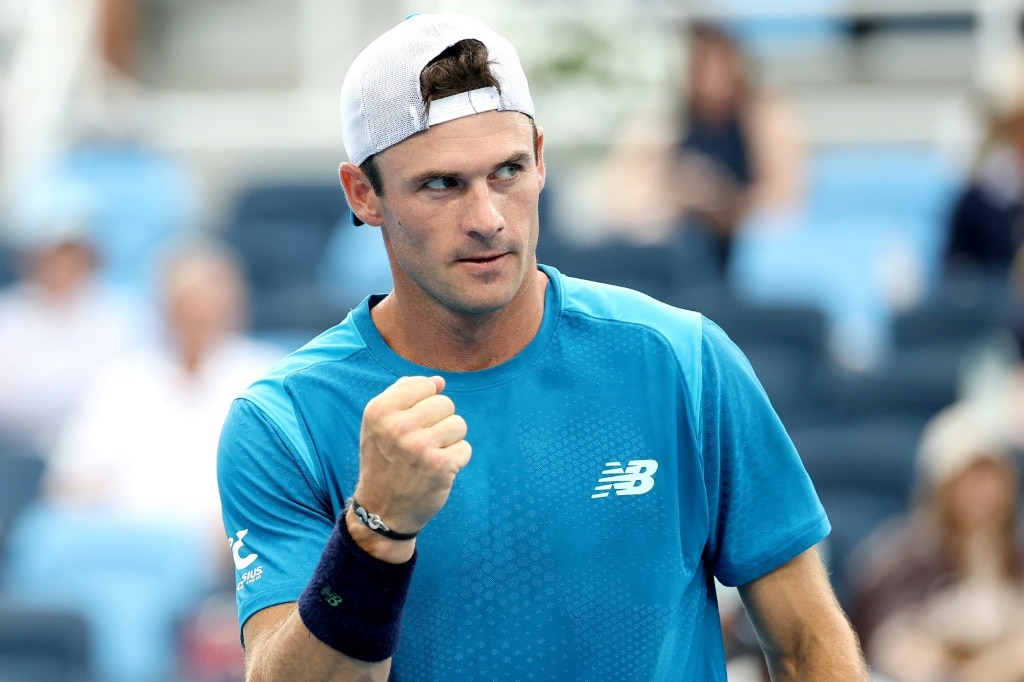
    The ATP-WTA Cincinnati Masters, the final high-profile elite hard-court tournament ahead of the US Open kicking off on August 26, delivered a wave of stunning upsets and dramatic matches on Wednesday. Headlining the day’s surprises was American Tommy Paul, who fought off a match point, navigated multiple rain delays, and pulled off a 4-6, 7-6 (8/6), 6-4 victory over tournament top seed Alexander Zverev to book his spot in the men’s quarter-finals.

    Zverev, the reigning French Open champion, looked poised to seal a straight-set win when he held a match point at 6-5 in the second-set tiebreak, but a misfired volley into the net wasted his golden chance. The German looked to have gotten back on track in the decisive third set, breaking Paul’s serve to take a 4-2 lead. However, Paul responded with back-to-back breaks of his own to move ahead 5-4, then held his nerve in the final service game to close out the upset. The result marked Paul’s third win over Zverev in their past four head-to-head meetings.

    “I’m not sure how I did it,” Paul told reporters after the match. “I put some returns in, he gave me some looks at second serves and he threw in a few doubles (faults). That always helps a ton. I went after the ball a bit more, I was having fun out there. I hope I can keep building on this and peak at the US Open.”

    The two-and-a-half-hour clash was far from smooth sailing for either player: it was halted for 90 minutes mid-way through the seventh game of the second set due to heavy rain, with two additional five-minute breaks to allow staff to dry standing water off the court before play could resume.

    Paul will next face Italian rising star Flavio Cobolli, who himself pulled off a comeback victory to advance. Cobolli, this year’s Roland Garros runner-up, outlasted red-hot Spaniard Rafael Jodar 4-6, 7-6 (7/3), 6-3 after two and a half hours of grueling competition. All three of Cobolli’s wins in Cincinnati this year have gone the full three-set distance, and the run marks his second Masters 1000 quarter-final appearance of the season, following his run in Madrid. The result also prevented 19-year-old Jodar, who has been in scintillating form this season, from reaching his eighth quarter-final in nine events.

    “At the end of the second set and start of the third I told myself to believe, try on every point,” Cobolli said after his win. “I knew I had a chance. Rafa has had an unbelievable season but maybe he was a bit tired. At the end I deserved to win as I was fresher than him. I pushed to my limit to get through. Sometimes I have to remind myself that I’m really strong.”

    The upsets extended beyond Zverev’s exit, as Argentinian Thiago Tirante continued his extraordinary Cinderella run in Cincinnati. After beating 24-time Grand Slam champion Novak Djokovic in the second round, Tirante recovered from a set down to defeat Jakub Mensik 5-7, 6-4, 6-4 to reach the first Masters 1000 quarter-final of his career. In another men’s third-round match, French youngster Arthur Fils dominated fifth seed Alex de Minaur of Australia, cruising to a straightforward 6-3, 6-4 victory to secure his quarter-final spot.

    In the women’s draw, defending champion Iga Swiatek remained solid through her third-round clash, defeating France’s Diane Parry 6-3, 6-3 to advance. The seventh-seeded Pole, a six-time Grand Slam champion, converted her fourth match point to seal the 88-minute win, after being broken when she served for the match at 5-2 in the second set. Swiatek will face a rematch of last week’s Toronto final against Elena Rybakina, who eased past Diana Shnaider 6-4, 6-4 to book her quarter-final spot. Swiatek defeated Rybakina, the reigning Australian Open champion, to claim her first title of 2026 in Toronto last week.

    Two current Grand Slam champions suffered surprise exits on Wednesday. Ukraine’s Marta Kostyuk rallied from a set down to knock out fifth seed and French Open champion Mirra Andreeva 4-6, 6-0, 6-2. Sixth seed and Wimbledon champion Linda Noskova fell to American Amanda Anisimova 6-1, 6-4 in another match disrupted by rain. Anisimova will next face third-seeded compatriot Jessica Pegula, who overcame a second-set wobble to beat Romanian veteran Sorana Cirstea 6-2, 4-6, 7-5.
  • ‘One of the best head coaches’: Records set to fall after Andrew Webster signs monster new deal with the Warriors

    ‘One of the best head coaches’: Records set to fall after Andrew Webster signs monster new deal with the Warriors

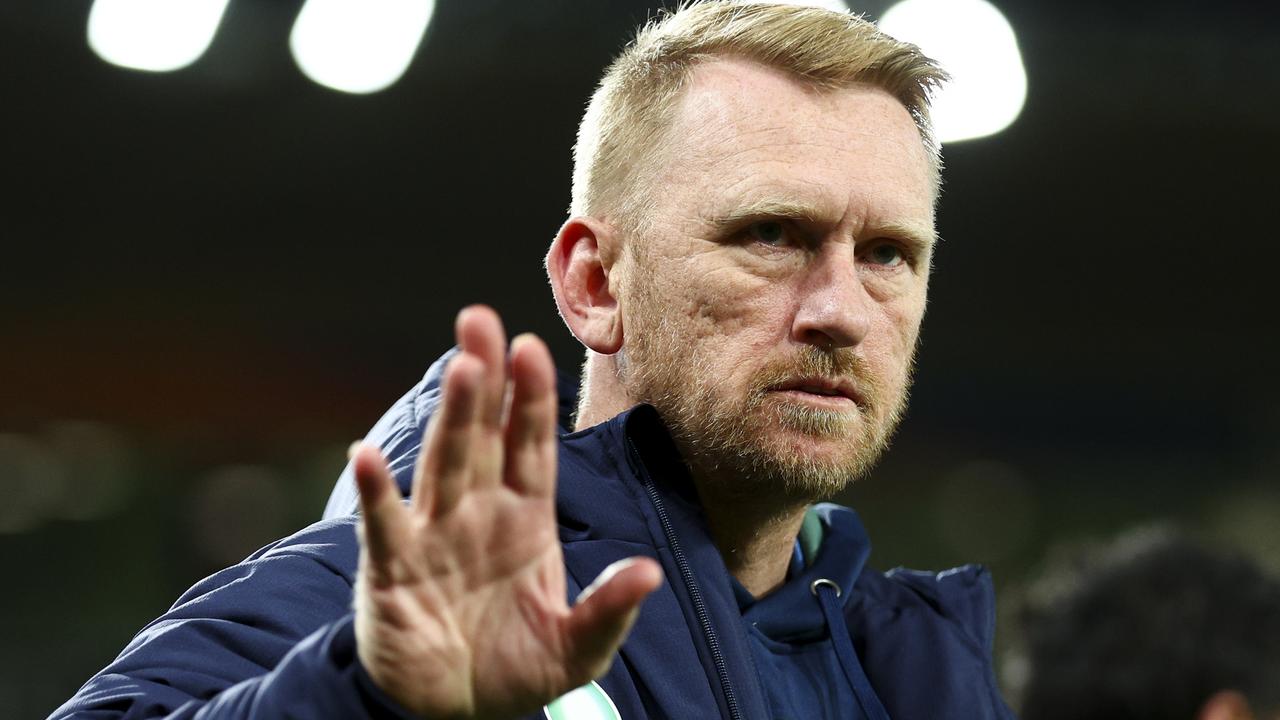
    As the New Zealand Warriors chase their first-ever NRL premiership title, the club has locked in the architect of their recent on-field resurgence for the long haul. Head coach Andrew Webster has signed a contract extension that will keep him at the club through the 2032 NRL season, cementing his place in the franchise’s history books before he even breaks the club’s tenure record.

    When Webster first took the reins of the Warriors ahead of the 2023 season, few expected the rapid turnaround he would deliver. In his debut campaign at the club, he steered a largely underrated roster all the way to the NRL preliminary final, earning the league’s prestigious Dally M Coach of the Year award for his transformative work. That momentum has carried into 2024, with the Warriors currently positioned to lock in a top-two regular-season finish — a critical advantage as they push to reach their first grand final since 2011, and claim their maiden premiership.

    This long-term commitment means Webster will surpass a club milestone set by legendary former coach Ivan Cleary, who led the side in 154 appearances during his tenure. Webster, who previously worked as an assistant under Cleary at Penrith Panthers, will hit the 100-game mark as Warriors head coach in Round 27 when the club hosts Manly Sea Eagles, becoming just the second coach in franchise history to reach that threshold. By the end of his new contract, he will far outstrip Cleary’s previous record to become the longest-serving head coach in Warriors history.

    In comments following the extension announcement, Webster expressed his gratitude and excitement for the years ahead. “It’s humbling to be able to secure my future here for this long,” he said. “I’m super proud every game I get to be a head coach in the NRL. It’s a dream and to do it with this club and these players is extra special. I love this club, I have the greatest belief in what we can achieve and I’m excited knowing I’m going to be here until 2032. I’m so grateful to have this opportunity.”

    Beyond on-field wins, Webster’s leadership has sparked a broader rugby league boom across New Zealand. He has developed promising fringe players into legitimate NRL stars, and nurtured a new generation of young talent coming up through the club’s development system. Surging fan interest has translated to record breaking match attendances, sparking widespread speculation that New Zealand could support a second NRL franchise as the 20th team in the league.

    Warriors chief executive Cameron George emphasized that the extension is as much a vote of confidence in Webster’s cultural leadership as it is his on-field results. “From the moment he started with us, Andrew showed what a tremendous fit he was for the club and since then he has gone on to become one of the best head coaches in the NRL right now,” George said. “He has achieved fantastic results turning the One New Zealand Warriors into a consistent top eight side, one that everyone can be proud of. Andrew’s contribution is about much more than results alone. He has galvanised us, setting in place a sustainable culture throughout the entire club. What he has also done is to turn good players into better players and to bring through some of the most exciting young players this club has ever seen. We have every confidence in Andrew taking the One New Zealand Warriors forward to be a real force in the NRL. We’re so proud to have him with us until at least 2032.”

  • It wouldn’t surprise if the Springboks-All Blacks test series is decided by a goalkicker

    It wouldn’t surprise if the Springboks-All Blacks test series is decided by a goalkicker

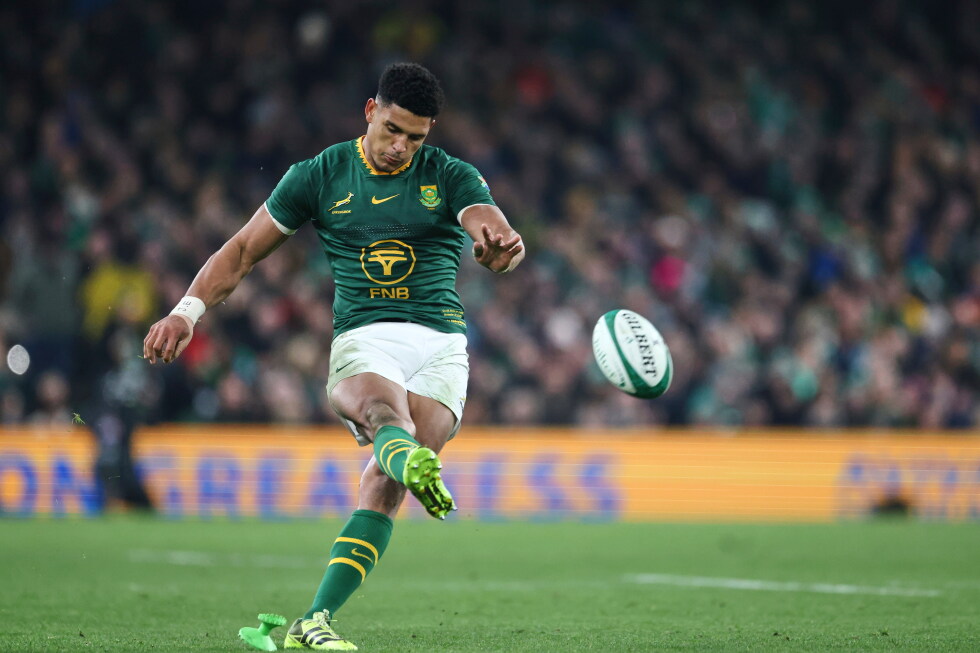
    As South Africa and New Zealand prepare to kick off their highly anticipated test series this Saturday, rugby analysts and fans alike are already predicting that the outcome of the competition will likely come down to the performance of each side’s goalkickers. Fortunately for both nations, their current rosters boast a lineup of exceptionally accurate sharp shooters ready to deliver under pressure: the Springboks field Handre Pollard, Sacha Feinberg-Mngomezulu and Mannie Libbok, while the All Blacks count Ruben Love, Damian McKenzie and Beauden Barrett among their kicking options, all of whom have nailed game-changing points in high-stakes matches in the past.

    This bitter trans-Tasman rugby rivalry stretches back more than a century, and a look through the history of their test series dating to 1921 reveals that the most decisive goalkicking performances have often come from unexpected sources, rather than the pre-series favorites. Below are some of the most iconic goalkicking displays that shaped the outcome of historic clashes between the two sides.

    ### 1921: Gerhard Morkel
    One of the only members of the Springboks touring squad with test experience dating back to before World War I, Morkel had already cemented his reputation as a standout fullback on the 1912–13 tour of Europe. By the time of the first ever South Africa-New Zealand test series, the 32-year-old was slower than his peak, but remained a constant attacking threat.

    After New Zealand claimed a 13–5 victory in the opening test at Carisbrook, South Africa entered the second test at Eden Park needing a win to keep the series alive. With the scores tied at 5–5 in the 68th minute, Morkel stepped up: after catching a clearance kick and advancing a handful of yards, he slotted a iconic drop goal – worth four points at the time – to put the Springboks ahead. South Africa held on to win 9–5, and that drop goal ended up being the final decisive points of the whole series. The third test in Wellington, nicknamed “The Rugby Championship of the World,” was played in torrential rain on a muddy pitch and ended in a scoreless 0–0 draw. Morkel was widely praised for keeping the Springboks in the game with a series of perfectly executed line kicks, helping the side secure a drawn series.

    ### 1949: Okey Geffin
    Geffin’s legendary kicking craft was honed in unusual circumstances: while held as a prisoner of war by German forces during World War II, he learned goalkicking technique from 1924 Springbok Bill Payn, practicing barefoot in the prison camp. The tighthead prop made his test debut in the 1949 series against the All Blacks.

    In the opening test in Cape Town, starting kicker Jack van der Schyff missed three consecutive attempts at goal, so Geffin was given the kicking duties. He nailed a world record five penalties to overturn an 11–0 deficit and secure a 15–11 win for South Africa. After the Springboks won the second test at Ellis Park, Geffin slotted three more penalties to seal a 9–3 third test win in Durban and clinch the series. The 1949 tour ended in a 4–0 whitewash for New Zealand, who lacked a kicker of Geffin’s quality. Geffin contributed 32 of South Africa’s 47 total points across the series, earning him the permanent nickname “The Boot,” and one of his original kicking boots is now housed in the New Zealand Rugby Museum.

    ### 1956: Don Clarke
    Also nicknamed “The Boot,” Clarke was originally written off as a cumbersome, injury-prone player. But the burly fullback, famous for his incredible long-distance kicking power with his right boot, recovered from injury just in time to face the touring 1956 Springboks.

    With the series tied at one win apiece, New Zealand rugby fans and officials called for team changes, and Clarke made his test debut in the third match in Christchurch. He slotted a penalty just three minutes into the game, sending an immediate warning to the Springboks. He finished the match with three converted kicks to help the All Blacks secure a 17–10 win, with the *Evening Post* writing that “Clarke made as remarkably successful a debut as any full-back in history can ever have done.” In the series-deciding final test at Eden Park, he nailed two more penalties from more than 40 meters out to help New Zealand claim its first ever test series win over the Springboks. Clarke would go on to play in South Africa’s 75th jubilee matches in 1964, and permanently relocated to South Africa in 1977.

    ### 1970: Ian McCallum
    The 1970 series came down to the fourth and final test at Ellis Park, with South Africa holding a narrow 2–1 series lead. The Springboks had the advantage of wind in the first half, and McCallum proved to be an unstoppable place-kicker all match. South Africa took a commanding 14–3 lead into halftime, capping the half with a 65-meter penalty from McCallum – a kick the player himself never expected to make. Springbok captain Dawie de Villiers had only called for the penalty attempt to give his fatigued forward pack extra time to rest.

    McCallum’s 14 total points underpinned a 20–17 final win, handing New Zealand its first test series loss on any tour in 10 years. All Blacks legend Colin Meads praised McCallum after the match, saying “The man who beat us was the fullback Ian McCallum. I take my hat off to him. I can understand now how the Springboks felt about Don Clarke in 1956.”

    ### 1981: Allan Hewson
    The slightly built Hewson faced constant criticism throughout his All Blacks tenure for his inconsistent defensive performance. He was even booed by fans in his home test debut, but retained his starting fullback spot three months later when the controversial 1981 series against the visiting Springboks reached its climax in the iconic “flour bomb test” at Eden Park.

    The stadium was ringed with barbed wire and riot police to contain widespread anti-apartheid protests, and one protestor even dropped flour bombs onto the pitch from a small Cessna aircraft. Hewson’s defensive weaknesses allowed the Springboks to rally back with three tries from Ray Mordt, tying the scores at 22–22 by the end of 80 minutes of play, with a drawn series looking all but certain. But referee Clive Norling repeatedly penalized the Springboks in stoppage time, setting up a decisive penalty attempt in the 89th minute. Hewson nailed the kick to win the match and the series for the All Blacks, saying after the match “It just had to go over.”

    ### 1996: Jon Preston
    The All Blacks held a 1–0 series lead heading into the second test in Pretoria, with a chance to claim the first ever series win over South Africa on home soil and avoid a third deciding test at Ellis Park. The side held a comfortable 24–11 lead for much of the match, but the Springboks rallied to cut the deficit to 24–23. The All Blacks earned a penalty from 40 meters out, but starting goalkicker Simon Culhane had just left the pitch with an injury. Replacement Jon Preston, who had not yet touched the ball in the entire match, insisted on taking the kick, and slotted it through the posts.

    A late penalty from Springbok Joel Stransky cut the All Blacks lead back to one point in the 73rd minute, but two minutes later the All Blacks earned another penalty in their own half. Preston once again delivered, extending the lead. A late drop goal from Zinzan Brooke sealed the historic win for the All Blacks. Reflecting on the match later, Preston said “Thinking back, they were the biggest kicks of my career.” The magnitude of the achievement hit the team when they reached the changing room tunnel after the match, where legendary goalkicker Don Clarke waited for them in tears.

  • ‘Anyone can knock off anyone’: Pain of last year’s shock loss a timely reminder ahead of David v Goliath battle

    ‘Anyone can knock off anyone’: Pain of last year’s shock loss a timely reminder ahead of David v Goliath battle

    The Sydney Roosters enter Sunday’s NRL clash with the Wests Tigers as overwhelming betting favorites, but the reigning table-topping side is acutely aware that complacency could lead to a shocking upset, just as it did 12 months prior at the same Allianz Stadium venue.

    Fresh off a statement win over the previously top-ranked Penrith Panthers that lifted them to first place on the premiership ladder, the Roosters have notched eight consecutive wins and are now chasing a ninth straight victory to extend their red-hot run. The task on paper looks straightforward: the Wests Tigers have slumped to eight straight losses of their own, and are on track to extend that losing streak to nine this weekend. But Roosters players say they are taking nothing for granted, remembering the unforeseen defeat they suffered at the hands of the lowly Tigers last year, when Robinson’s side was already closing in on a minor premiership berth.

    In the lead-up to the match, in-form Roosters forward Nat Butcher emphasized that the squad holds complete respect for their opposition, no matter their ladder position. “They’ve had so many great games this year, so we’ve got ultimate respect for them, and they’re going to get the best of us come Sunday,” Butcher said.

    Outside back Billy Smith echoed that warning, pointing to the perennial parity of the modern NRL that sees underdogs pull off huge upsets week in and week out. “That’s the good thing about the NRL at the moment, anyone can knock off anyone. We’ve seen that throughout this year. I think the Titans knocked off Penrith earlier in the year,” Smith said. “There are examples of if you’re not on, then you’ll get taken advantage of.”

    A short break following the high-stakes Panthers win has given the Roosters time to reset, but Smith says the side is not underestimating a Tigers team playing with nothing to lose. “We know that the Tigers are in a bit of a tough spot at the moment, and I feel like teams that are like that are dangerous because they’re not scared to do anything. They’ll throw as many punches as they want,” he explained. “So we’re going to have to be ready, and we’re going to have to honour the round and honour the position on the ladder that we’re in.”

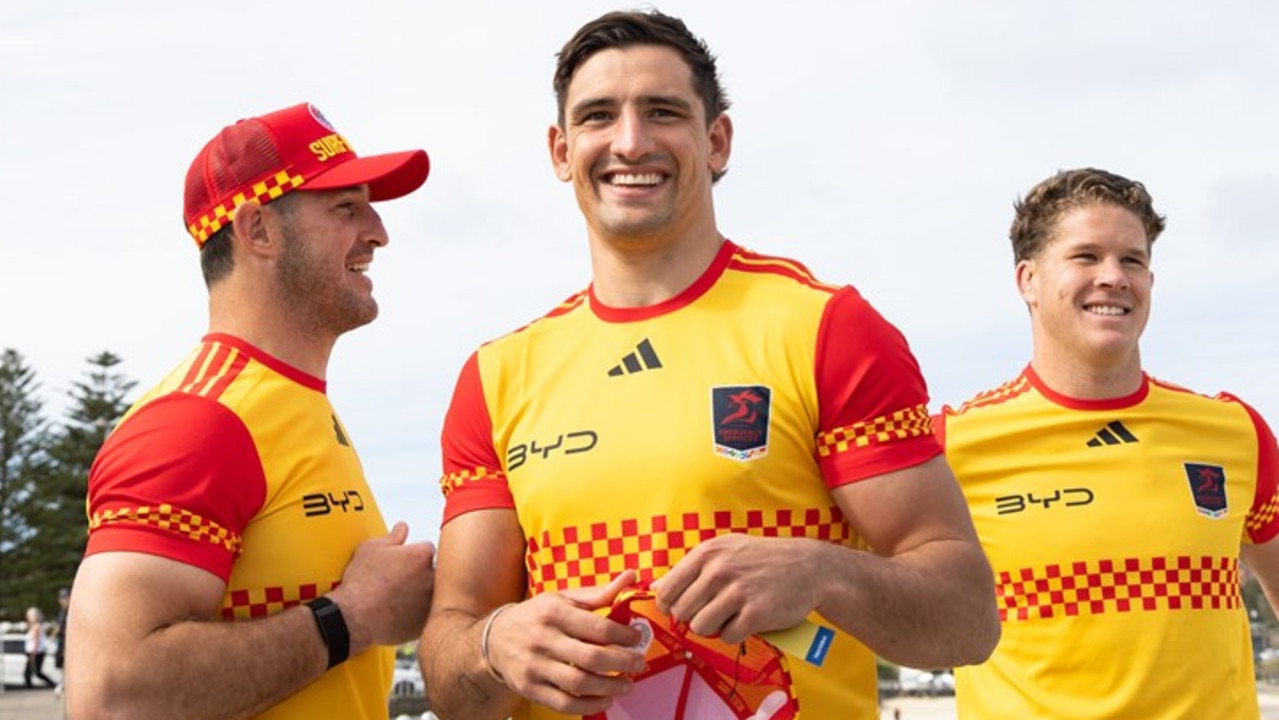
    Beyond the 80 minutes of rugby league, Sunday’s match carries extra community significance, as the Roosters host their third annual Emergency Services Match at their home ground Allianz Stadium. Each year, the club highlights a different Australian emergency service organization, and for the 2026 edition, Surf Life Saving New South Wales takes center stage.

    Earlier this week, Roosters players and staff traveled to iconic Bondi Beach to join local surf lifesavers for training drills, honoring the work first responders did during the devastating 2025 terrorist attack that shook the beachside community. For Butcher, the chance to celebrate surf lifesavers is personal, as many Roosters players grew up participating in the Nippers youth surf program in Sydney’s eastern suburbs.

    “It’s not just what they do in the water, it’s what they do on the sand and in the surrounding areas. A lot of the time they are the first responders, so for them to be well-trained and equipped with the tools to handle a lot of situations is very important. I think they do a great job,” Butcher said.

    “It’s a huge privilege to be able to celebrate this Emergency Services Round, that we get to host this, play on our home ground, and celebrate all the different services provided to the community. This year, being surf lifesaving, it’s very important to the club. It wasn’t just me – a lot of the boys grew up doing Nippers and we have great memories doing that within these communities. Being in these eastern suburbs, surf lifesavers play such an important role. Beaches like Bondi, Tamarama, Bronte, Clovelly, the beaches are what they are and as safe as they are because of surf lifesavers. We’re extremely grateful for them and what they do, and we’re honoured to be able to celebrate them and play for them this weekend.”

  • Questions remain over Vieira deal amid Senegal uncertainty

    Questions remain over Vieira deal amid Senegal uncertainty

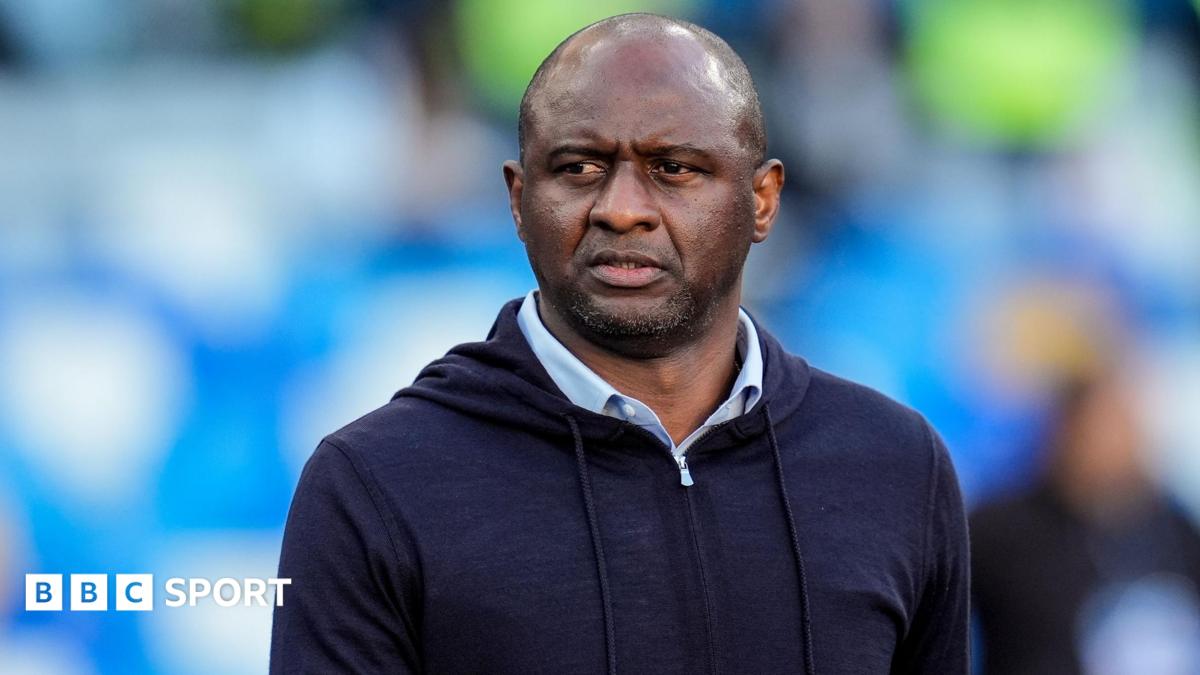
    Senegal’s search for a new head coach of its men’s national football team, the Teranga Lions, has ended with the tentative selection of legendary former French midfielder Patrick Vieira – but multiple overlapping off-field crises have cast deep doubt over whether the 50-year-old will ever officially take charge. The Senegal Football Federation (FSF) confirmed Vieira had been unanimously approved at a Monday board meeting to fill the vacancy left by the sacked Pape Thiaw, beating out competing candidates including former Netherlands star Patrick Kluivert, ex-France coach Patrice Carteron, and former Senegal internationals Habib Beye and Oumar Daf. However, no contract has been signed, no official introduction date has been set, and negotiations over administrative and contractual terms remain ongoing. The situation is further complicated by unresolved friction over Thiaw’s dismissal: the former coach was fired after Senegal’s round of 16 exit at the 2022 FIFA World Cup, but the Senegalese government – which provides full funding for the national team – never formally approved the decision. Thiaw is currently pursuing claims for nearly $815,000 in unpaid wages and contractual bonuses, leaving a financial cloud hanging over the role. Compounding the FSF’s internal chaos, the Court of Arbitration for Sport (CAS) is set to deliver a ruling by Friday on a legal challenge to the 2023 election of the current FSF leadership, a dispute that has dragged on for more than a year. With the FSF board lacking government backing and public support, and facing the potential that CAS could invalidate its leadership entirely, the federation still faced urgent pressure to fill the vacant coaching post: Senegal is scheduled to kick off its 2027 Africa Cup of Nations Group J qualifying campaign with an away fixture against Mozambique on September 23, followed just days later by a match against Ethiopia. If CAS rules the current FSF administration illegitimate, Vieira’s entire appointment could be thrown out. Beyond the institutional chaos, Vieira brings his own mixed track record to the role. One of the most decorated midfielders of the modern era, Vieira enjoyed a legendary playing career that included three Premier League titles and four FA Cups with Arsenal, 107 caps for France, and winner’s medals at the 1998 FIFA World Cup and 2000 UEFA European Championship. Born in Dakar in 1976 to a Gabonese father and Cape Verdean mother, Vieira lived in Senegal until he was 8 years old before moving to France, and never cut his ties to his country of birth. Most notably, he was a key early investor in the Diambars Institute, one of Africa’s top youth football academies that has produced stars including Idrissa Gana Gueye, Bamba Dieng and Abdoulaye Seck – players who formed the core of Senegal’s back-to-back Africa Cup of Nations title runs in 2021 and 2023. Ironically, Vieira’s only ever on-pitch meeting with Senegal as a player came in the opening match of the 2002 World Cup, when the defending champion French side suffered a famous 1-0 upset defeat to the Teranga Lions, led that day by current coaching predecessor Pape Thiaw and captain Aliou Cisse. While Vieira’s playing legacy is unrivaled, his managerial career has yet to match that success. He began his top-flight coaching career in 2016 with MLS side New York City FC, guiding the club to two consecutive playoff berths but falling in the conference semi-finals both times, including a lopsided 7-0 aggregate loss to Toronto FC. He next moved to Ligue 1 side Nice, earning two consecutive mid-table top-half finishes before being sacked in December 2020. He then took over at Premier League club Crystal Palace in 2021, earning praise for his attacking playing style and leading the side to a 12th place league finish and an FA Cup semi-final appearance in his first season. But a 11-match winless league run in the 2022-2023 season saw him sacked in March 2023, with the club three points above the relegation zone. A subsequent spell at Ligue 1’s Strasbourg ended in a mid-table finish, and his most recent job at Serie A’s Genoa ended in a November 2024 mutual departure, with the club winless and sitting at the bottom of the league table. For Vieira, a potential appointment to lead Senegal would be a full-circle return to his birth country, but it would also come at the end of one of the most successful eras in Senegalese football history. After winning their first ever AFCON title in 2022, the Teranga Lions claimed a second consecutive title in January 2024, though that trophy remains the subject of a CAS dispute after Thiaw pulled his team off the pitch in protest of a controversial late penalty awarded to host Morocco. The squad now faces a transition period, with a new generation of young talent waiting to step into the void left by veteran stars including Sadio Mane, Kalidou Koulibaly, Edouard Mendy and Idrissa Gana Gueye. Whether Vieira will ever get the chance to lead that transition remains very much up in the air, as multiple legal and contractual battles play out in the coming days.

  • Two collapses in four days – what’s happening to Musiala?

    Two collapses in four days – what’s happening to Musiala?

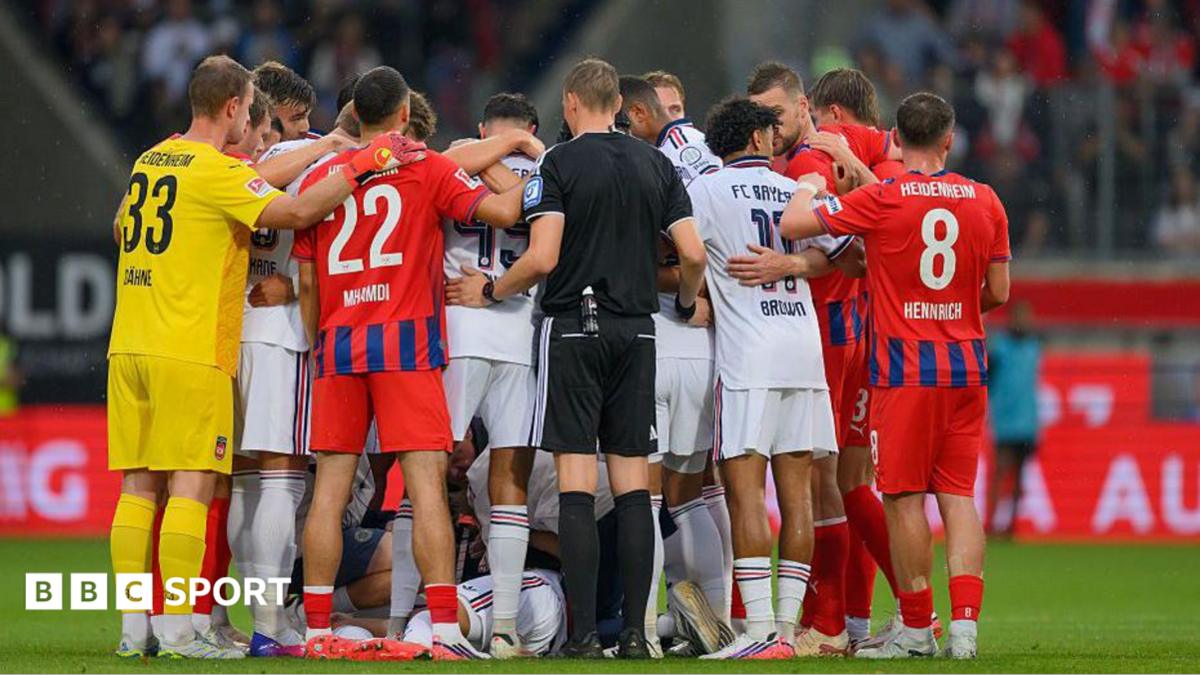
    Bayern Munich and Germany attacking star Jamal Musiala has opened up about a manageable neurological condition after experiencing a second on-pitch collapse in just four days during the club’s pre-season friendly fixture against 1. FC Heidenheim. The 23-year-old, one of the most promising young talents in European football, had entered Tuesday’s match as a second-half substitute, but lasted only eight minutes before falling unconscious in an incident that mirrored his collapse against RB Leipzig four days prior.

    Teammates, including new England captain and Bayern star Harry Kane, immediately surrounded Musiala to offer comfort after the incident. In the wake of the second collapse, Musiala took to Instagram to confirm he is living with easily treatable absence seizures, which stem from a form of neurological dysfunction.

    Bayern Munich’s hierarchy confirmed the club had been aware of Musiala’s underlying condition prior to the 2026 FIFA World Cup, but the issue had never before impacted his ability to compete on the pitch. “We have known about the problems for some time, but the incident against Leipzig last weekend was the first time it happened in front of a crowd and visible to everyone,” club honorary president Uli Hoeness told Sky Sports. “We hoped the medication he started would keep it under control and that it would not reoccur so quickly. When it happened again four days later in exactly the same way, I was shocked.”

    The club’s decision to clear Musiala for play just days after his first collapse drew criticism from fans, but Bayern officials have moved quickly to defend their process, stating that leading neurologists and medical specialists provided written clearance that the German international could safely participate in high-level professional football. Hoeness added: “Without that written confirmation, we would have been negligent. Now that we have it, we can rest a little easier, but this is uncharted territory for us. I rarely struggle for words or solutions, but we will have to navigate this new situation step by step.”

    Kane, who joined Bayern from Tottenham Hotspur in 2023, says the entire first-team squad is rallying around their star teammate. “Jamal is going through a tough period right now,” Kane told BBC Sport. “He has opened up about his small condition on social media, and our only focus right now is supporting him. This is something not everyone goes through, but many people have managed it successfully before, and he is doing everything possible to get himself in the best position possible. He is an incredibly talented player, a huge part of this squad, and everyone here – from the players to the staff, to his friends and family – is fully behind him. I saw first-hand how hard he worked to recover from his injury last season, and we will all be here to help him through this.”

    To contextualize Musiala’s condition, medical experts explain that absence seizures are a form of generalized seizure that most commonly impacts children and young adults, split into two categories: typical and atypical. Dr. Meneka Sidhu, a consultant neurologist at London’s National Hospital for Neurology and Neurosurgery, notes that typical absence seizures usually last only a few seconds, with affected individuals often appearing to be daydreaming or staring blankly. During an episode, patients experience varying levels of awareness loss, which can lead to loss of balance and unresponsiveness. Atypical absence seizures last longer, and may come with involuntary movements such as hand fidgeting, eyelid fluttering or lip smacking, and can also cause patients to fall.

    While repeated episodes over a 24-hour period can be an indicator of epilepsy, the condition is widely manageable with prescription medication. “For anyone living with epilepsy, identifying triggers is a key part of management,” Dr. Sidhu explained. “For elite athletes, possible triggers can include hyperventilation and dehydration. When the condition is properly treated, there is no reason absence seizures should prevent anyone from competing in sport at any level.”

    Musiala is far from the first elite athlete to manage this condition. Northampton Saints and England rugby union star Tommy Freeman began experiencing absence seizures at age 14, and after an epilepsy diagnosis, he continues to compete at the highest level of the sport while managing his condition with daily medication.

    The recent collapse is just the latest in a string of unfortunate setbacks for Musiala over the past 18 months, a period that has limited his on-pitch contribution for Bayern despite his standing as one of the club’s highest-paid players alongside Kane. His 2024-25 Bundesliga campaign was cut short by injury in April 2025, and just over a week later he was involved in a serious road traffic accident. He recovered in time to feature at the 2025 FIFA Club World Cup, but suffered a broken leg and dislocated ankle in the quarter-final against Paris Saint-Germain, an injury that ruled him out for 196 days.

    A metal plate was inserted to support his recovery, and Musiala played through the 2026 World Cup in North America with the plate still in place, making four appearances for Germany before it was removed in July 2026. The subsequent surgery limited his pre-season training ahead of the 2026-27 campaign.

    German football expert Constantin Eckner notes that the string of injuries and now this new neurological issue have already impacted Musiala’s value and on-pitch output. “Musiala has barely featured over the past 18 months,” Eckner explained. “He came back for the Club World Cup but broke his leg in a collision with Gianluigi Donnarumma, and spent six months playing through pain with a metal plate in his foot while dealing with persistent ankle issues. Naturally, his performances have not lived up to his usual standard, and he already faced a tough start to the new season given he missed large parts of pre-season training following the plate removal. Now this is another unexpected stumbling block.”

    Eckner added that Bayern’s £43 million summer signing of Moroccan attacking midfielder Ismael Saibari was partly made to offset the ongoing risk of Musiala’s fitness issues. “Musiala is one of Bayern’s top earners alongside Kane, but his contribution over the past 18 months has been nowhere near matching that,” he said. “He is still young, and his situation can absolutely turn around, but right now, it would be unrealistic for any club to trigger his nine-figure release clause that becomes available next summer.”

  • Why positive cocaine test could mean end of Kyrgios’ career

    Why positive cocaine test could mean end of Kyrgios’ career

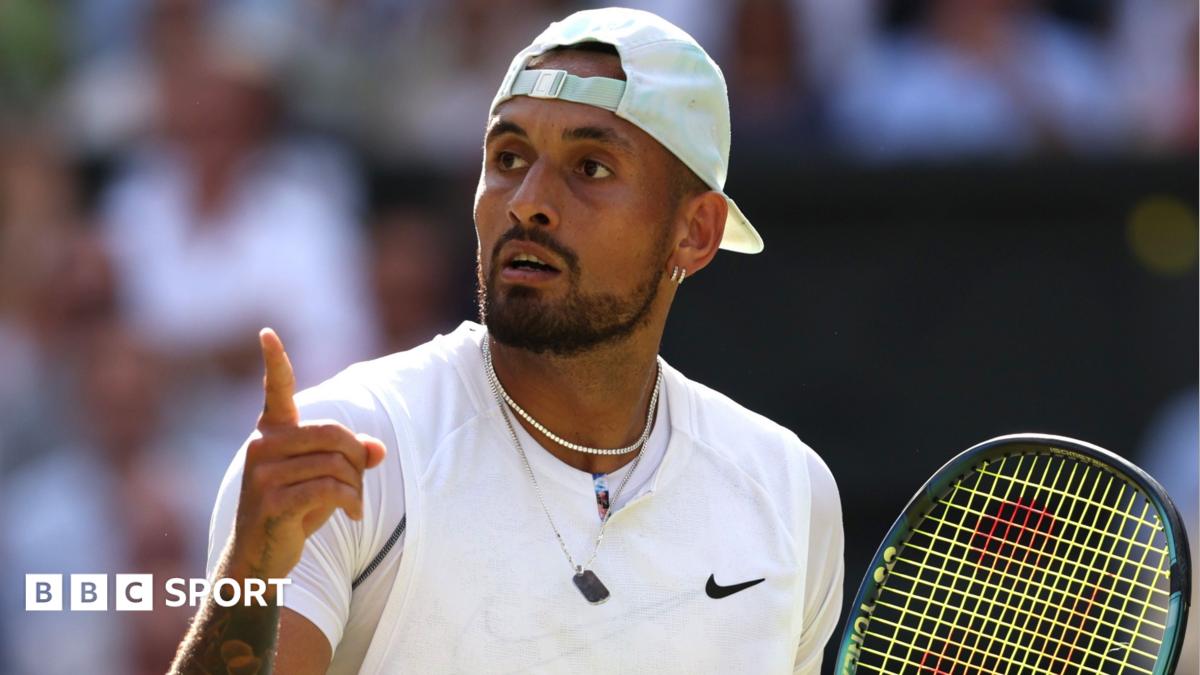
    Australian tennis star Nick Kyrgios, whose turbulent career has been marked by spectacular on-court highs and repeated off-court controversies, has been issued a mandatory provisional suspension after testing positive for a cocaine metabolite during June’s Mallorca Open. The 31-year-old, who has spent the past two years battling multiple serious injuries that have sidelined him from consistent competition, is attempting yet another comeback when the positive result was returned.

    In a public statement posted to his social media channels, Kyrgios acknowledged the positive test as a “huge mistake” and accepted full accountability for the outcome. He opened up about the intense mental toll that recent years of injury and the reality of approaching the end of his professional tennis career have taken on him, writing, “Coming to terms with being near the end of my career has been harder than I ever imagined.” This admission aligns with a long-stated prediction he made years earlier: that there was “zero chance” he would continue competing on the ATP Tour into his 30s.

    Under the anti-doping rules governing professional tennis, Kyrgios is barred from competing in any sanctioned events until his case is fully resolved. While the maximum possible penalty for the violation is a four-year competition ban, regulatory rules cap the suspension at just three months if the player can successfully prove that the cocaine was consumed outside of competition, and not for performance-enhancing purposes.

    Kyrgios, a seven-time ATP Tour singles champion and 2022 Australian Open men’s doubles title winner alongside close friend Thanasi Kokkinakis, has long been one of the most polarizing figures in global tennis. He first rose to international prominence at age 19 during his 2014 Wimbledon Centre Court debut, when he pulled off a legendary upset over then-world No. 1 Rafael Nadal. Eight years later, he reached the peak of his singles career, advancing to the 2022 Wimbledon singles final where he finished runner-up to Novak Djokovic.

    At his best, Kyrgios is widely regarded as one of the most talented and exciting shot-makers in the sport, renowned for his flamboyant style, explosive serve, and natural on-court athleticism. But his career has been overshadowed by repeated behavioral controversies and well-documented mental health struggles.

    The first major public disciplinary incident came in 2015, when Kyrgios received a suspended 28-day ban for making lewd comments about Stan Wawrinka’s girlfriend during a professional match in Montreal. The following year, he was hit with an eight-week ban for unsportsmanlike conduct and a documented “lack of best effort” at the Shanghai Masters, a penalty that was eventually reduced to three weeks after he agreed to undergo counseling with a sports psychologist.

    2019 stands as the lowest point of Kyrgios’s professional career, a period he has described publicly as the “nadir” of his time in tennis. That year, he was defaulted mid-match at the Italian Open for throwing a chair onto the competition court, and later fined $113,000 for verbally abusing umpire Fergus Murphy during a tournament in Cincinnati. The ATP eventually issued a suspended 16-week ban for a pattern of verbal abuse directed at officials and spectators over the preceding 12 months.

    In interviews for the Netflix documentary series Break Point, Kyrgios opened up about the deep personal struggles that defined that period of his life. “I was drinking, abusing drugs. I lost my relationship with my family, pushed all my close friends away,” he said. He also revealed that childhood bullying over his size and heritage left lasting mental health scars, that he wore long compression sleeves to cover self-harm scars on his arm, and that he spent time in a London psychiatric hospital to work through his mental health challenges.

    In the years since that low point, Kyrgios has continued to make headlines for off-court incidents. In 2023, he pleaded guilty to assaulting his ex-girlfriend Chiara Passari during a public argument in Canberra, and was spared a criminal record after a magistrate ruled the incident was a “single act of stupidity or frustration.” Two years ago, he publicly distanced himself from controversial influencer Andrew Tate, who is currently fighting extradition to the UK on charges of rape and sex trafficking, telling the BBC he had taken significant steps to cut ties with Tate.

    Kyrgios, currently ranked world No. 919 after extended injury breaks, has announced he will step away from public competition for the next 28 days to focus on personal work, saying he aims to “do the work and come back better.” The formal adjudication of his doping case could take multiple months to complete, a process that comes as Kyrgios has been an outspoken critic of tennis’s current anti-doping system. He has repeatedly called the system “awful,” and publicly argued that top players Jannik Sinner and Iga Swiatek received overly lenient punishments in their recent high-profile doping cases. Following Sinner’s acceptance of a three-month ban for a positive clostebol test, Kyrgios wrote online: “Sad day for tennis. Fairness in tennis does not exist.”

    For Kyrgios, who once questioned whether he would ever play into his 30s, the outcome of this ongoing process will determine whether he gets the chance to continue his professional career beyond this point. The BBC notes that support for mental health challenges is available through BBC Action Line and the Samaritans free helpline for anyone affected by the issues raised in this report.

  • ‘Missing’ Baptiste serving prison sentence in Morocco

    ‘Missing’ Baptiste serving prison sentence in Morocco

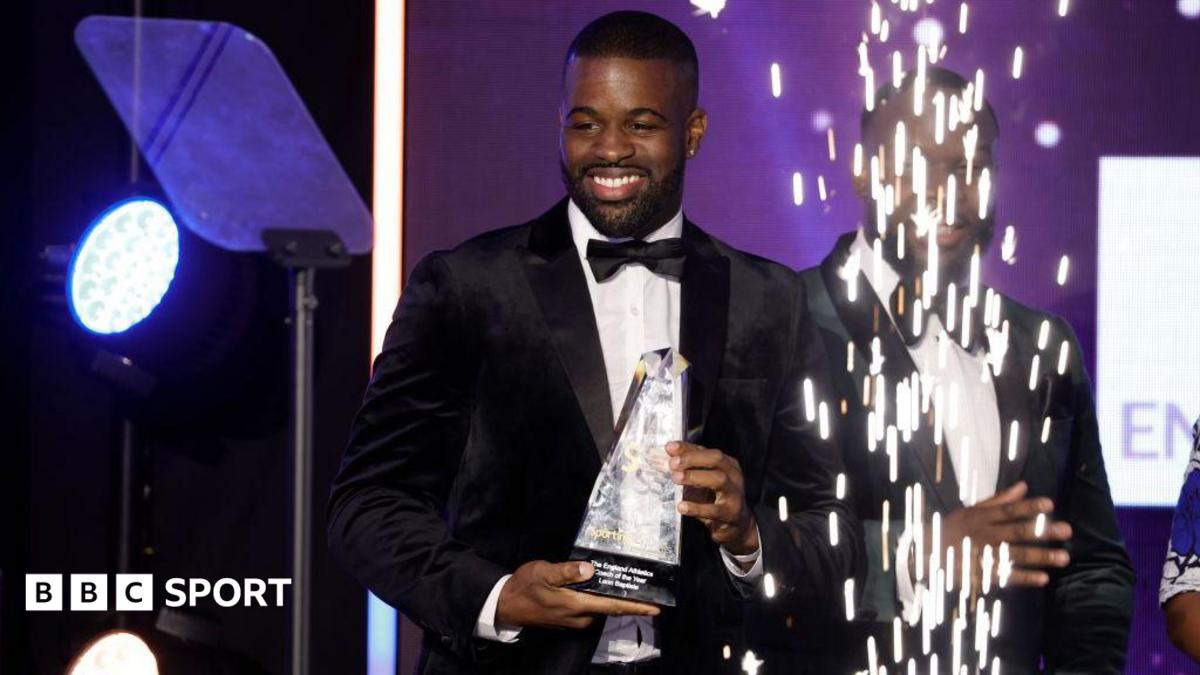
    A celebrated former British sprint gold medalist turned top athletics coach, long reported missing after vanishing abruptly from his work ahead of major 2026 championships, is actually serving a 10-month custodial sentence in Morocco following a conviction for sexually assaulting a minor, BBC Sport can exclusively confirm.

    Forty-one-year-old Leon Baptiste, who claimed 2010 Commonwealth Games gold in both the 200m and 4x100m relay before retiring at 28 due to chronic knee injuries, had built a respected post-competition career as a consultant sprint coach for UK Athletics, working with a cohort of elite British sprinters ahead of this summer’s Commonwealth Games and European Athletics Championships. That career came to an abrupt, unexplained end more than three months ago, when Baptiste cut off all contact with the athletes he trained and his colleagues at the national governing body.

    In May, Baptiste sent only a brief message to his group of trainees saying he would step away from training sessions “for a while”, with no further details provided to explain his sudden exit. Over the past weekend, multiple media reports emerged naming Baptiste as a missing person, claiming he had disappeared without a trace while traveling in Morocco. On Tuesday, athletes received a short email of resignation on Baptiste’s behalf, which only cited unspecified health issues as the reason for his departure.

    When BBC Sport launched an investigation into the conflicting reports surrounding Baptiste’s whereabouts, officials from the Moroccan Ministry of Justice confirmed the full details of the case, correcting widespread misinformation about his disappearance. “Claims that Leon Baptiste vanished under suspicious circumstances in Morocco are inaccurate and do not match the facts of the case,” a senior ministry source told BBC Sport. “This foreign national was not missing, nor did he disappear unexpectedly. He is currently held in Marrakech’s Al-Oudaya Prison, serving a custodial sentence handed down by Moroccan judicial authorities following his conviction on a misdemeanor charge.” The source also confirmed Baptiste is in good health, contradicting the resignation’s claim of ill health.

    A spokesperson for the Moroccan Public Prosecution Office subsequently corroborated the conviction, the nature of the charge, and Baptiste’s current detention. In Moroccan law, a victim is classified as a minor if they are under 18 years of age. Baptiste traveled to Marrakech in May alongside three other retired British athletes, all of whom have since returned to the United Kingdom, multiple sources familiar with the trip confirmed. BBC Sport attempted to contact those three traveling companions for comment, but received no response. Baptiste’s immediate family has been aware of his imprisonment since the conviction, and the UK Foreign Office has confirmed it is providing consular support to the British national detained in Morocco, and maintains regular contact with Moroccan authorities.

    Baptiste’s sudden disappearance left a cohort of leading British sprinters without their primary lead coach in the critical training period ahead of this summer’s high-profile championships. Those affected include Olympic bronze medalist Charlie Dobson and Paralympic silver medalist Zac Shaw. To mitigate the disruption, veteran sprinter Adam Gemili, a four-time European champion, and former relay specialist Martyn Rooney stepped in to provide additional coaching support for the displaced athletes. Even with the last-minute support, multiple sources close to the affected training group told BBC Sport that Baptiste’s unplanned exit heavily disrupted their training routines in a key pre-competition window, leaving many athletes ill-prepared for the upcoming events and frustrated by the lack of transparency around their coach’s departure.

    UK Athletics has been contacted for comment on the situation, but has not yet issued a public statement. Baptiste was honored as England Athletics Coach of the Year at the 2023 Sporting Equals awards, just two years before his arrest and conviction.

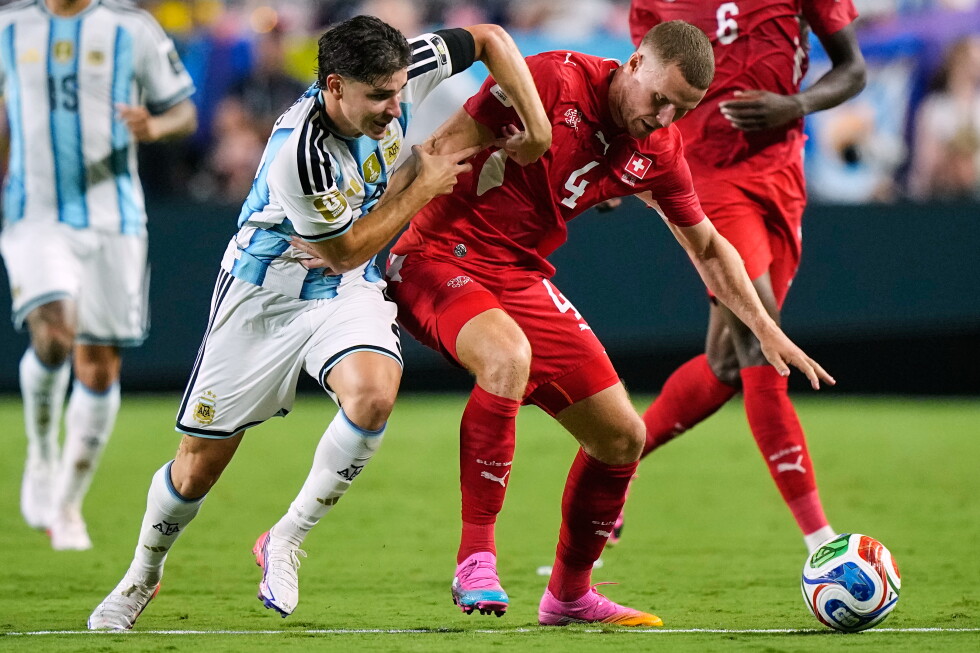
  • Julián Álvarez left out of Atletico Madrid’s La Liga opener

    Julián Álvarez left out of Atletico Madrid’s La Liga opener

    MADRID — A significant storyline has emerged ahead of Atletico Madrid’s 2025-26 La Liga campaign, as star Argentine forward Julián Álvarez has been omitted from the squad for the club’s opening fixture against Malaga, scheduled for Wednesday at the Metropolitano Stadium.

    The situation is layered by a pre-season revelation: Álvarez made his desire to secure a transfer away from the Madrid-based club clear to Atletico’s front office during the offseason. In response, club leadership has repeatedly stated it has no intention to enter negotiations for the forward’s departure, insisting he remains part of their long-term plans.

    Speaking to reporters on Tuesday, Atletico head coach Diego Simeone offered an explanation for Álvarez’s exclusion from the opening match squad, citing fitness as the core reason. The 26-year-old attacker has not yet hit the required physical match readiness after his offseason break, Simeone explained.

    Despite the ongoing transfer uncertainty, Simeone made clear he still views Álvarez as a critical piece for the entire upcoming season. He went as far as naming the Argentine the squad’s top talent, and confirmed he expects the forward to be fit and available for selection for Atletico’s second league match of the season, an away trip to face Villarreal this coming Sunday.

    Álvarez was not the only high-profile absence from the opening match squad. Newly signed Argentine defender Cristian “Cuti” Romero was also left out, alongside starting striker Alexander Sorloth, who is currently sidelined with an injury that rules him out of contention.

    The omission comes amid ongoing speculation around Álvarez’s future, with multiple top European clubs linked with a potential move for the in-demand forward. Simeone’s comments have served to clarify the club’s current stance, quashing rumors of an intentional disciplinary exclusion and reaffirming Álvarez’s place in the team’s plans for the season, at least for the immediate future.

  • Bears sign Australia batter Weatherald for 2027

    Bears sign Australia batter Weatherald for 2027

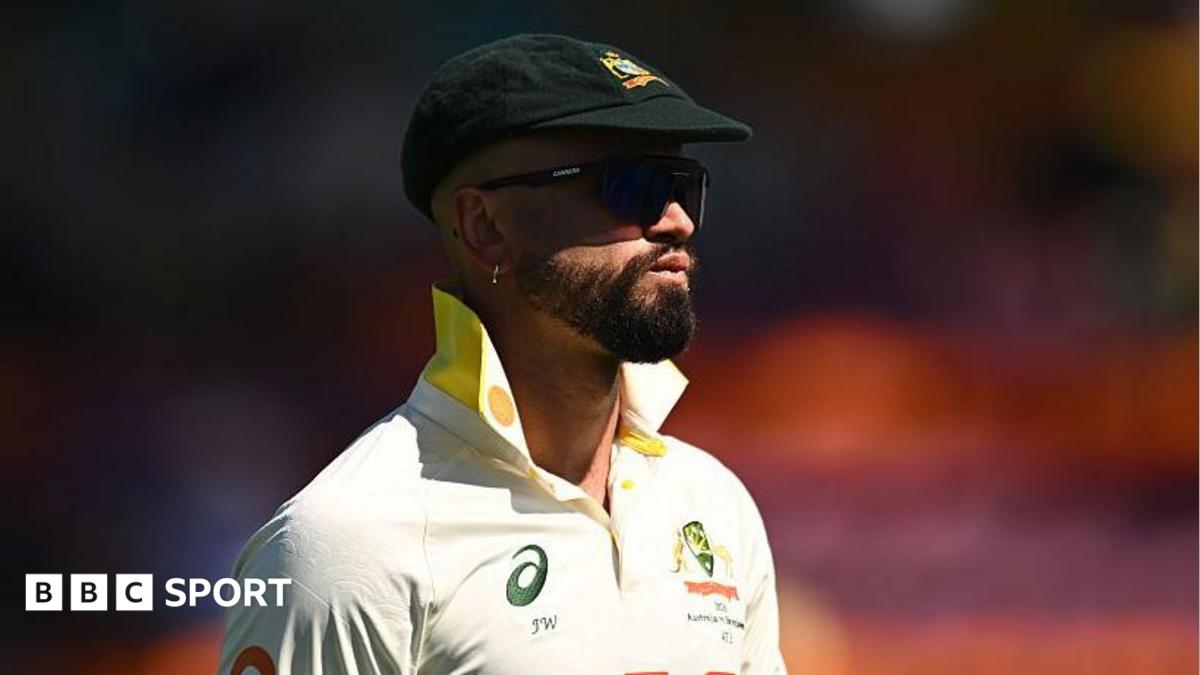
    In a strategic move to bolster their batting lineup for the upcoming 2027 County Championship campaign, Warwickshire County Cricket Club has secured the signature of Australia’s Test opening batsman Jake Weatherald. The 31-year-old left-handed batter, who earned six international caps for Australia, made his Test debut during last winter’s Ashes series against England, where he notched up a total of 201 runs with a career-best Test score of 72 in Brisbane as Australia claimed a dominant 4-1 series victory.

    Weatherald first appeared in English county cricket earlier this summer, signing a short-term deal with Leicestershire. His six-game stint at Grace Road proved highly productive, turning out 483 runs at an impressive average of 60.37, including one century and three half-centuries. The move to Warwickshire comes as Weatherald looks to force his way back into Australia’s national squad for the next Ashes series, which is set to take place on English soil next year. He was dropped from the Test side following Australia’s historic home defeat to Bangladesh earlier this year.

    James Thomas, Warwickshire’s performance director, emphasized the club’s long-standing admiration for Weatherald’s abilities in an official statement posted to the club’s website. “Jake is a proven performer who has scored heavily at the highest level of the game, and he brings additional solid strength to our top-order batting,” Thomas explained. “He already proved his form in English conditions this summer with Leicestershire, and he will be hungry to impress selectors ahead of next year’s Ashes when he joins us.”

    Across his entire first-class career, Weatherald has racked up more than 6,000 runs, including 14 centuries, cementing his reputation as a reliable and consistent run-scorer at domestic and international level. For Weatherald, the opportunity to join Warwickshire was too good to decline, with the batter highlighting the status of the club’s home ground Edgbaston as one of the most iconic venues in global cricket. “I really enjoyed my time playing county cricket in England this summer, so getting the chance to join the Bears ahead of the Ashes is incredibly exciting,” Weatherald said of his new contract.