分类: sports

  • Messi and Mbappe romping through World Cup in dazzling display of history-making goals

    Messi and Mbappe romping through World Cup in dazzling display of history-making goals

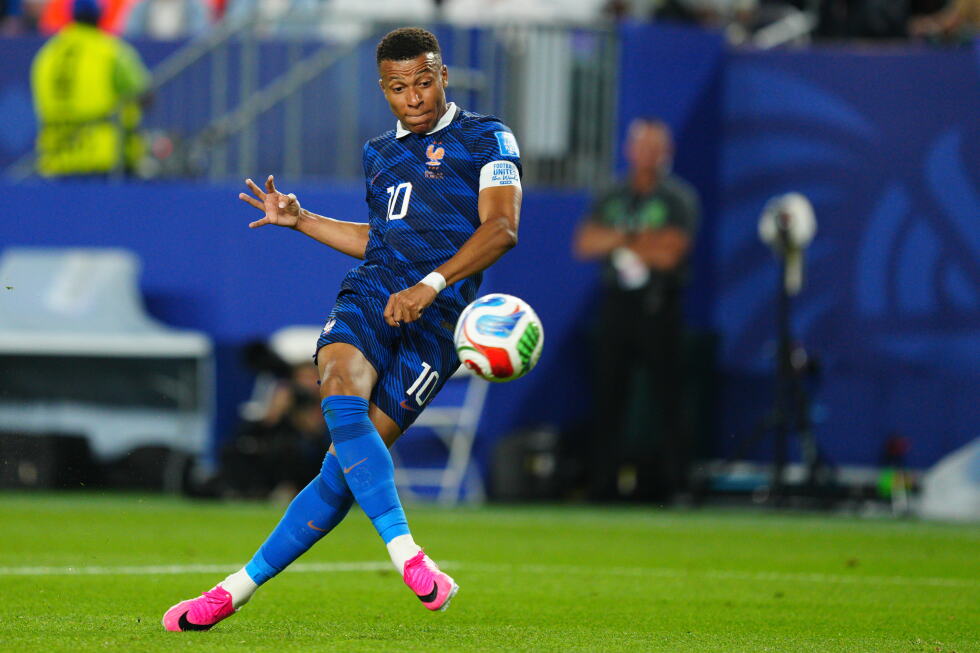
    The early stages of the current World Cup have erupted into a historic showcase of attacking brilliance, headlined by two of the game’s biggest global superstars whose record-breaking goal sprees have captured the attention of even casual soccer fans across the United States. Argentina’s Lionel Messi has bagged five goals through his team’s opening two group stage matches, pushing his all-time World Cup career goal total to 18 – a new outright record for the tournament. Not far behind is France’s Kylian Mbappe, who has notched four goals in this edition alone, bringing his own career tally to 16, which ties him for second place on the all-time scoring list.

    The dynamic between the two forward icons stretches back to the iconic 2022 Qatar World Cup final, where the pair combined for five unforgettable goals – two from Messi, three from Mbappe – before Argentina claimed the trophy in a tense penalty shootout, a title match still hailed as one of the greatest in the tournament’s history. Today, both men are pushing that legacy forward, and their friendly rivalry has turned the 2026 iteration of the World Cup into a personal masterclass of finishing. What makes Messi’s historic run all the more remarkable is that it is coming at an age when most elite strikers have long retired from top international competition. The Inter Miami forward, formerly of Barcelona, will turn 39 just three days before Argentina plays its final group stage match against Jordan, and 12 of his 18 World Cup goals have come after he turned 35. Contrary to expectations for a player of his age, Messi still displays the signature pinpoint touch, clinical passing in congested defense, and unexpected full-match stamina that defined his decades-long career. His match-sealing second goal against Austria exemplified this enduring quality: after Julián Álvarez’s initial shot was blocked, Messi tracked down the loose rebound and slid a finish past two defenders to lock in a 2-0 win, leaving opposing manager Ralf Rangnick full of praise. “We knew that he is on a level of his own, and Lionel Messi showed us today that he’s one of the best, and he is the best,” Rangnick said.

    At 27, Mbappe is in the peak of his physical powers, with the blistering speed and ruthless finishing from both feet that has made him the most feared young striker in the game, perfectly positioned to chase down Messi’s record both in this tournament and in future competitions. Mbappe’s World Cup legacy was already secure by 19, when he led France to the 2018 title in Russia, becoming just the second teenager alongside Pele to score in a World Cup final. He took home the Golden Boot as top scorer with eight goals in 2022, and his scoring rate far outpaces that of Messi: 16 goals in just 16 World Cup matches since 2018, compared to Messi’s 18 goals across 28 matches spread over six tournaments dating back to 2006. Despite his own historic form, Mbappe has remained humble in the face of Messi’s achievement, saying after his latest goals, “Leo always scores. He’ll always score. If I want to look at what Leo’s doing, I’ll have to do even more.” Later, when asked to name the best player in the world, he reiterated that title belongs to Messi.

    Messi and Mbappe are not the only forwards tearing up the scoreboard in this tournament. Norway, making its first World Cup appearance since 1998, has seen its star striker Erling Haaland bag four goals in two opening matches, two in each of Norway’s wins to clinch a spot in the elimination round. The 25-year-old Manchester City standout has been the most dominant striker in European club soccer for years, and he enters Friday’s group stage finale against Mbappe’s France with a chance to win the group – a matchup that has already become one of the most anticipated matches of the entire group stage. While Haaland downplayed his expectations for the fixture, saying “We’re through (to the next round), which is incredible, so I couldn’t care too much about that game now. They (France) are probably going to win against us, they’re probably going to win the whole tournament,” his manager Stale Solbakken made clear the impact Haaland has already had on Norway’s historic return to the World Cup. “He is the best striker,” Solbakken said. “He’s not playing for France or Argentina. He scores for Norway.” If Norway can advance deep into the tournament, Haaland stands a real chance of overtaking both Messi and Mbappe to claim the Golden Boot as this tournament’s top scorer. Portugal’s Cristiano Ronaldo also added to his career total this week, notching two goals against Uzbekistan to push his all-time World Cup tally to 10.

    With Argentina and France both having already secured their spots in the knockout round, both Messi and Mbappe will have plenty of matches left to add to their record goal totals, and both sides remain among the top favorites to lift the World Cup trophy at the end of the tournament.
  • Goalllll! Messi mania overtakes Argentina as legend breaks scoring record

    Goalllll! Messi mania overtakes Argentina as legend breaks scoring record

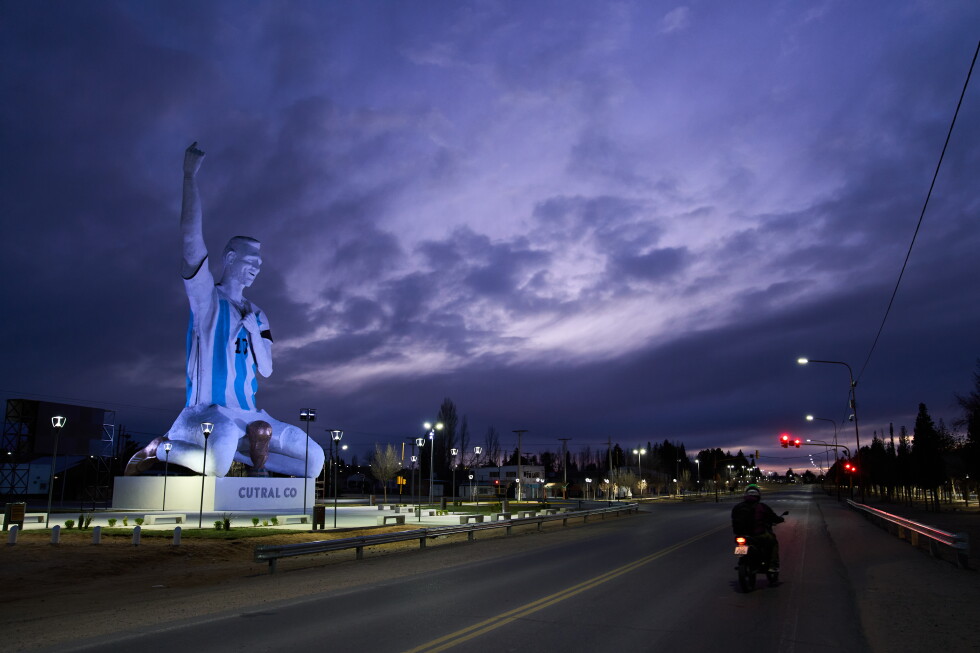
    As Argentina charges through the 2026 FIFA World Cup, the national passion for captain Lionel Messi has been immortalized in two massive, fan-driven projects that have captured the country’s collective heart: a record-breaking 26-meter statue in a remote Patagonian town and a community-built mural signed by more than 1,300 devotees.

    The towering steel monument stands on the outskirts of Cutral Co, a small oil-producing Patagonian town that has long lived in the shadow of the region’s more scenic, tourist-focused lake and mountain communities. Weighing 70 tons and built to withstand the region’s ferocious gale-force winds, the statue was inaugurated on June 16, matching the date of Argentina’s 2026 World Cup opening match against Algeria—where Messi delivered a standout performance, scoring a hat-trick to seal a win for his side and extend his historic international career.

    The work replicates one of the most iconic moments in Argentine soccer history: Messi’s emotional kneeling celebration on the pitch at Lusail Stadium after Gonzalo Montiel converted the decisive penalty to secure Argentina’s 2022 World Cup title over France in a dramatic penalty shootout. The statue captures all the details of that moment: the 2022 World Cup trophy rests between his knees, while one hand grips the Albiceleste jersey, and the index finger of the other points to the sky—Messi’s famous goal celebration, a tribute to his late grandmother who supported his early soccer career. The raised arm also doubles as a warm greeting to motorists passing along the adjacent Route 22.

    Its creator, 61-year-old local sculptor Aldo Beroisa, is no stranger to large-scale public art, having previously built giant dinosaur sculptures and monuments to Argentine independence heroes in Cutral Co. Beroisa called the Messi project a deeply personal honor, noting “He is Argentina’s natural ambassador. For me, it was very important, not only as an artist but as an Argentine.” Local officials confirm the monument is the largest statue ever built in honor of the Argentine captain, who will turn 39 just days after the statue’s unveiling.

    For the once-overlooked town, the statue has already delivered an unexpected boost: foot traffic has surged, with soccer fans and Messi admirers traveling from across the country to visit the monument, even as Messi continues to make history on the 2026 World Cup pitch. Just days before this report, the captain notched two goals in a 2-0 win over Austria, breaking the all-time record for most goals scored in World Cup tournament history, pushing his total to 18 since his World Cup debut in 2006. The statue project took 18 months to complete from initial concept to final unveiling.

    Hundreds of kilometers north in the Buenos Aires suburb of Berazategui, a second community-driven tribute has also drawn national attention. The 6-meter-wide, 5.5-meter-tall hyperrealistic mural bears a smiling portrait of Messi, with the names of more than 1,300 fans woven into the artwork surrounding the face of the captain. Unlike the statue, the mural was a collective project from its start: 32-year-old creator Leonel García led the painting, but fans traveled from across the region to add their own names to the work, completing the piece in just 18 days. García collaborated with Federico Merodo, who owns the local parking lot that provided the blank canvas wall for the project.

    The portrait draws inspiration from a relaxed, joyful photo of Messi taken during a friendly match after the 2022 World Cup victory, capturing the athlete at his most approachable. Creating a hyperrealistic likeness of one of the most recognizable people on the planet presented a major creative challenge for the team, but the final result earned high praise even from Messi himself, who shared a video message for the creators saying, “Crazy … thank you very much to all of you, to the people who supported it, who came by, and who keep coming by.”

    García emphasized that the mural is as much a tribute to the unifying power Messi holds for Argentina as it is to the athlete himself. “Messi brings joy to the country. The times we’re living through in Argentina may not be very good for some people, but Messi unites everyone … and the mural does that too, because people from everywhere come together here, from every social class and every political sector,” García explained.

    As Argentina advances in the 2026 World Cup, both tributes stand as lasting testaments to the decades of joy and national unity Messi has brought to his home country.

  • Paraguay’s Miguel Almiron gets one-game suspension after red card for covering his mouth

    Paraguay’s Miguel Almiron gets one-game suspension after red card for covering his mouth

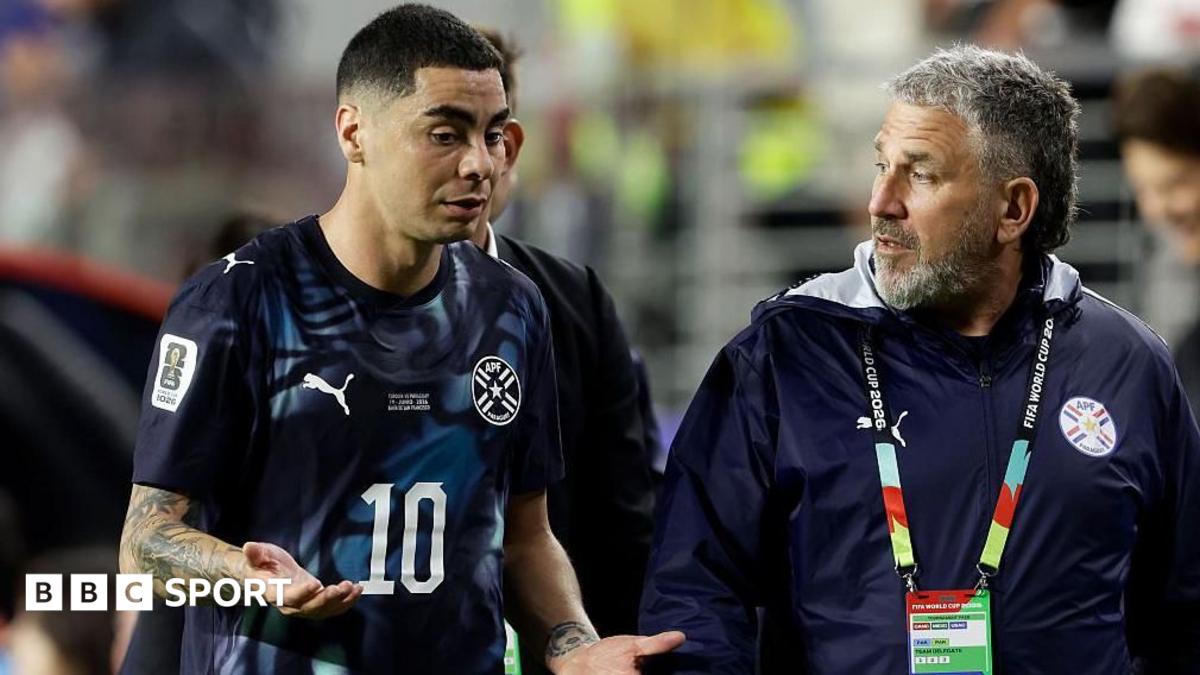
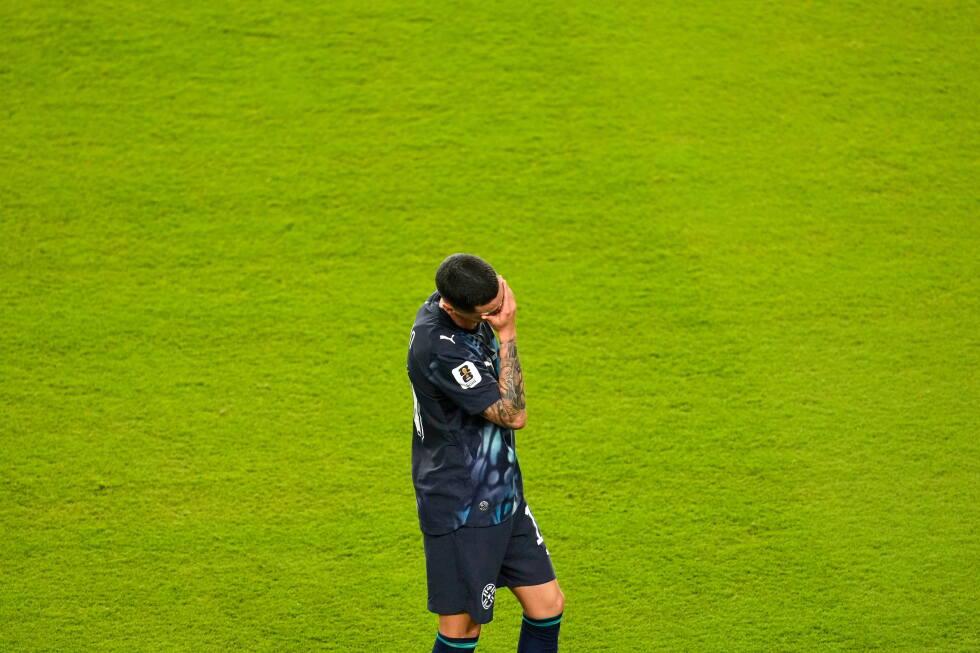
    ATLANTA – In a historic first for international soccer’s showpiece tournament, Paraguay international midfielder Miguel Almiron has received a one-match ban and will miss his side’s final Group Stage fixture against Australia this Thursday, becoming the first player ever expelled from a World Cup match for violating the new rule banning mouth covering during player confrontations.

    FIFA formally confirmed the disciplinary action on Tuesday, adding that the ruling is not eligible for appeal. The red card that sparked this suspension was issued late in the first half of Paraguay’s 1-0 victory over Turkey last Friday, when Almiron covered his mouth during an on-pitch verbal clash with Turkey’s Mert Mulder, an infraction that triggered an immediate sending-off under competition rules.

    The new regulation at the center of this incident was approved back in April by the International Football Association Board (IFAB), soccer’s global governing body for the Laws of the Game. The rule states that any player who covers their mouth to hide their words during a confrontation with another player can be punished with a straight red card. Notably, the rule is not a mandatory core part of the official Laws of the Game, instead allowing individual tournament organizers – including FIFA for the World Cup – to opt into adopting it for their competitions.

    The push for the new regulation came from FIFA president Gianni Infantino, who advocated for the change after a high-profile controversial incident during last season’s UEFA Champions League. In that match between Real Madrid and Benfica, Benfica winger Gianluca Prestianni was caught on camera covering his mouth while directing homophobic abuse at Real Madrid’s Vinícius Júnior. UEFA ultimately handed Prestianni a six-game ban, with three of those matches suspended, for what the governing body labeled “discriminatory (i.e. homophobic) conduct.”

    On Tuesday, Infantino doubled down on his support for the new rule during an interview with SNTV, framing the policy as a core issue of respect and accountability on the pitch. “This thing about covering the mouth is for us a very, very important rule,” he said. “It’s about respect, it’s about the example that we should give. If you have nothing to hide, you don’t cover your mouth when you speak to somebody. The rules have been made very clear to everyone, everyone knows them, so this is an important element.”

    For Paraguay, the suspension leaves the side without their key playmaker for a do-or-die group match against Australia, raising new questions about how the new regulation will shape future matches and disciplinary outcomes in top-tier soccer competitions.

  • Commentator stripped of Fifa credentials over Almiron rant

    Commentator stripped of Fifa credentials over Almiron rant

    A controversial moment at the 2026 FIFA World Cup has left one Paraguayan broadcaster without credentials, following an on-air outburst over a historic red card that made tournament history. During Paraguay’s 1-0 group stage win against Turkey, Paraguayan midfielder Miguel Almirón made history as the first player in World Cup — and men’s senior international football — to receive a red card for covering his mouth while talking to an opponent.

    The incident unfolded deep into first-half stoppage time, when Almirón, 32, held his hand up to obscure his mouth while exchanging words with Turkey defender Mert Muldur. Muldur immediately flagged the interaction to nearby match referee Ivan Barton, prompting a review from the Video Assistant Referee (VAR) team. After a short review, Barton issued a red card to Almirón, sending the Paraguayan playmaker off before the halftime break.

    The call triggered an immediate, unfiltered response from Jorge Vera, a veteran commentator working for Paraguayan media outlets ABC Cardinal Radio and ABC TV. Live on air, Vera launched into an expletive-laden tirade against FIFA, tournament president Gianni Infantino, and referee Barton, calling the officials and governing body “thieves” and accusing them of “killing football” with the controversial decision.

    Four days after the incident, FIFA confirmed it had stripped Vera of his World Cup media credentials, a sanction that bars him from any form of World Cup-related coverage for his employers, both inside stadiums and in remote broadcast settings. Vera has since publicly apologized for his outburst, taking full responsibility for his loss of composure in a post on X (formerly Twitter) on Monday.

    “In the midst of my frustration over the expulsion of a player from my country, and feeling that my national team was being harmed, I used offensive and unacceptable expressions against the referee, FIFA, and its authorities,” Vera wrote in his statement. The commentator added that he had submitted a formal letter of apology to FIFA’s governing body, acknowledging that his reaction crossed professional lines.

    “Questioning a rule or disagreeing with a refereeing decision never justifies losing control the way I did,” he added. “I failed you in something fundamental: maintaining the composure and respect that this profession requires.”

    FIFA has not issued an official public statement on the sanction, but anonymous sources close to the governing body told reporters that Vera’s actions were deemed incompatible with the core standards of professionalism and respect required of all accredited media personnel and partners covering the tournament. The historic red card for Almirón has already sparked widespread debate among fans, players, and pundits over the enforcement of FIFA’s unsportsmanlike conduct rules, with many arguing the punishment was overly harsh for a relatively minor infraction.

  • Trump to attend World Cup final and present trophy

    Trump to attend World Cup final and present trophy

    The 2026 FIFA World Cup, the first 48-team edition of the global men’s football showpiece co-hosted by Canada, Mexico and the United States, is heading toward its July 19 decider at New Jersey’s MetLife Stadium, and a high-profile political figure is set to take center stage for the trophy presentation. FIFA president Gianni Infantino has confirmed that former U.S. president Donald Trump, 80, will join him for the final’s trophy handoff to the tournament’s champion.

    Speaking to Fox News, Infantino, who has described himself as a close personal friend of Trump, said, “We will be together with the president enjoying the final and handing the trophy to the winner, of course.” When pressed to confirm the pair would present the trophy jointly, Infantino added, “Of course, we are together all the time.”

    Notably, Trump has not appeared at any World Cup match over the tournament’s first five weeks, which kicked off June 11. Andrew Giuliani, executive director of the White House’s World Cup task force, told The Daily Telegraph that Trump’s packed public schedule is the reason for his absence so far, adding that the former president prefers to “leave people watching” rather than draw attention away from matches ahead of the final.

    This won’t be Trump’s first high-profile appearance at a major global sporting event hosted in the U.S. this year. Just last week, he attended a UFC event held at the White House, and earlier this month he became the first sitting U.S. president to attend an NBA Finals game, where he was loudly booed by the New York crowd during the national anthem at Madison Square Garden. That game saw the eventual champion New York Knicks fall 115-111 to the San Antonio Spurs in Game 3.

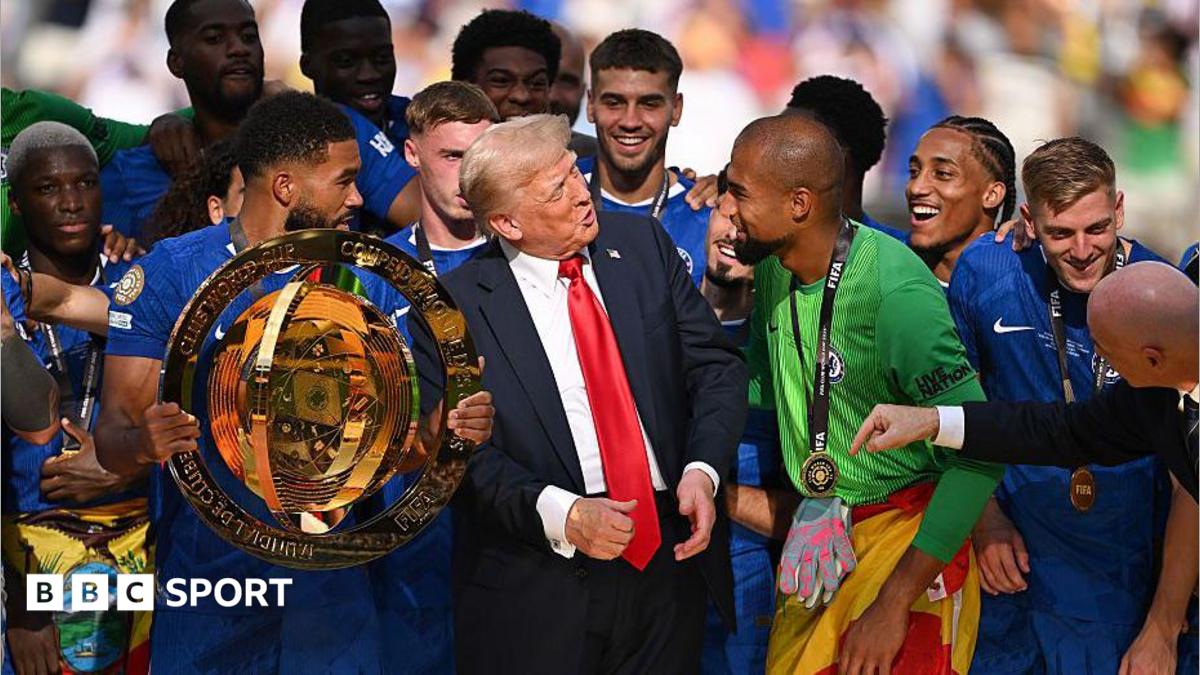
    Trump also has prior experience presenting major FIFA honours at MetLife Stadium. During last summer’s Club World Cup final, he remained on the winner’s podium after handing the trophy to Chelsea captain Reece James, catching players and organizers off guard. James later explained, “They told me that he was going to present the trophy and then exit the stage and I thought that he was going to exit, but he wanted to stay.”

    The 2026 World Cup, which has already drawn record crowds across the three host nations, has 78 of its total 104 matches hosted on U.S. soil, with the final capping the tournament at the 82,500-seat MetLife Stadium outside New York City. Ahead of the final, the tournament has already made headlines for security operations that have seen more than 300 drones seized at U.S. match venues, alongside ongoing debate over rule changes to the expanded group stage that some argue have created unfair conditions for competing teams.

  • Ronaldo becomes first player to score in six World Cups with goal against Uzbekistan

    Ronaldo becomes first player to score in six World Cups with goal against Uzbekistan

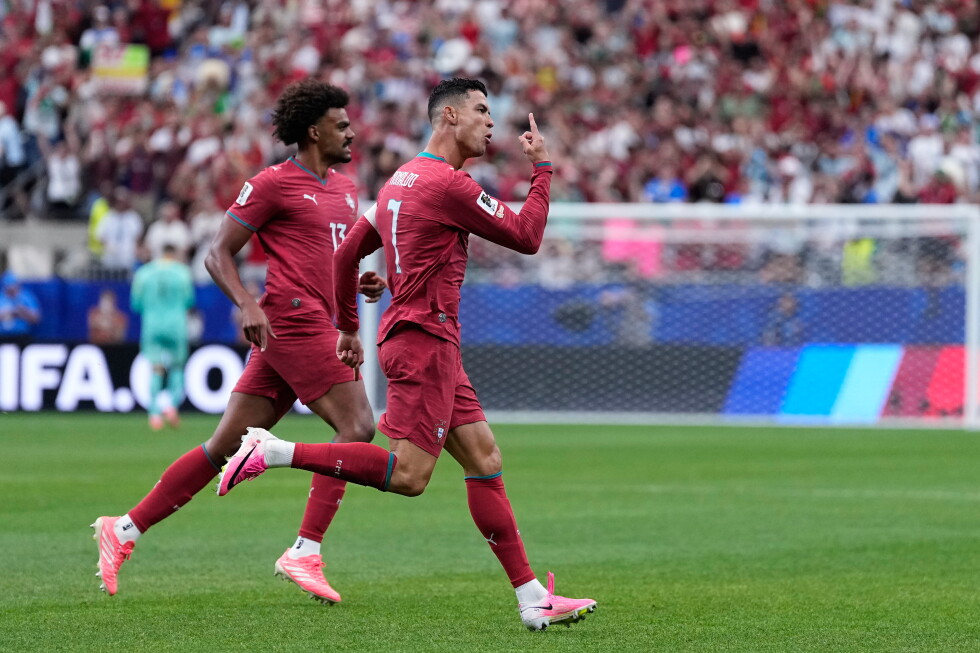
    HOUSTON – In a moment that redefined men’s World Cup records, 41-year-old Portuguese icon Cristiano Ronaldo etched his name deeper into global soccer folklore on Tuesday, becoming the first male player in history to score at six consecutive FIFA World Cup tournaments. The landmark goal came just six minutes into Portugal’s match against Uzbekistan, when a pinpoint cross from teammate João Cancelo found Ronaldo in the box, who converted a clinical right-footed strike to put his side up 1-0. Immediately after the ball hit the back of the net, the forward sprinted toward the Portuguese bench to share the celebratory moment with his coaching staff and teammates, capping off a milestone that had been months in the making after a shaky opening match.

    Ronaldo’s history-making strike comes on the heels of widespread public criticism that followed his goalless performance in Portugal’s 1-1 opening draw against Congo. For many observers, the early tournament drought sparked questions about whether the aging star would get another chance to add to his World Cup scoring tally in what is widely expected to be his final run at the international competition.

    This year’s tournament already marked a shared piece of history for Ronaldo and Argentina’s captain Lionel Messi: the pair are the only two male players ever to compete at six different World Cup tournaments. But Ronaldo’s goal on Tuesday cemented a unique record that separates him from his long-time rival. Messi, who appeared at every World Cup since 2006 alongside Ronaldo, failed to find the back of the net at the 2010 tournament in South Africa, leaving Ronaldo as the sole holder of the six-tournament scoring streak.

    Ronaldo’s scoring run stretches back to his World Cup debut in 2006, with goals added in every iteration of the tournament since: 2010 in South Africa, 2014 in Brazil, 2018 in Russia, 2022 in Qatar, and now the 2026 edition. Tuesday’s strike pushed his all-time World Cup goal total to nine. For comparison, Messi extended his own record-breaking tally to 18 total World Cup goals this tournament, notching a hat trick in Argentina’s opening match against Algeria and adding two more in a recent fixture against Austria to claim the title of the tournament’s all-time leading goalscorer.

    Beyond the scoring milestone, Tuesday’s match marked the 230th senior international appearance of Ronaldo’s career – a total that stands as the most in the history of men’s international soccer. Widely considered to be playing in his final World Cup, Ronaldo already holds an unparalleled collection of top-tier trophies: he led Portugal to a UEFA European Championship title in 2016, and claimed five UEFA Champions League titles during his storied club career with Manchester United and Real Madrid.

  • Gennaro Gattuso named as Lazio coach after Italy debacle

    Gennaro Gattuso named as Lazio coach after Italy debacle

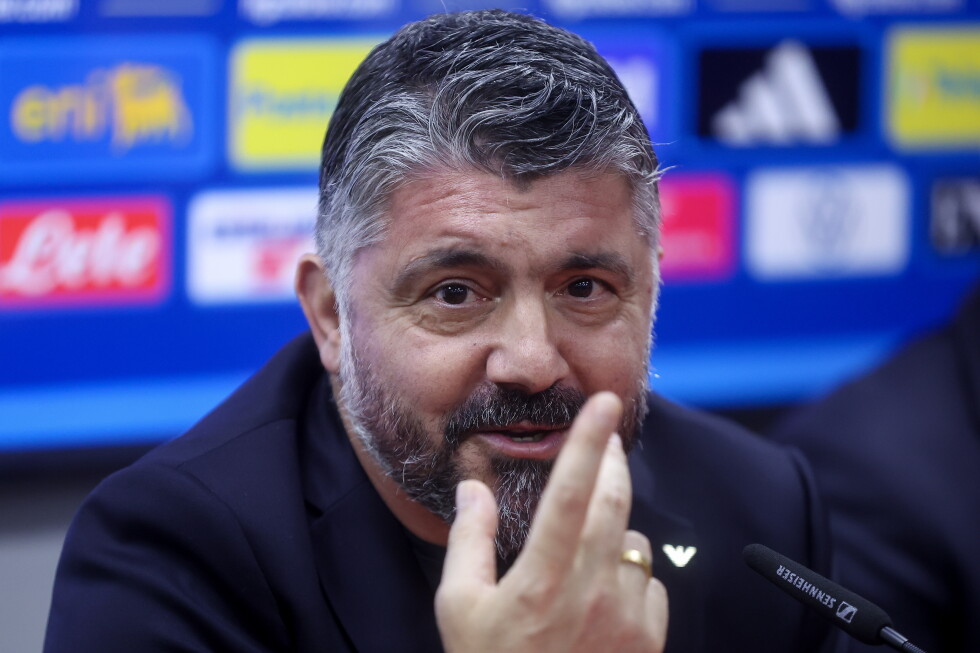
    In an official announcement made public on Tuesday, Serie A side Lazio confirmed the appointment of former Italy men’s national team head coach Gennaro Gattuso as the new manager of their senior first team. The Rome-based club released only a brief introductory statement confirming the hiring, choosing to withhold any specific details regarding the length and financial terms of Gattuso’s contract. However, multiple Italian sports media outlets have reported that the 48-year-old tactician has put pen to paper on a two-year deal to take charge at the Stadio Olimpico.

    In the club’s official statement, Lazio’s management expressed confidence in Gattuso’s ability to deliver results, noting that “his experience, professionalism, and determination will contribute to achieving the club’s sporting objectives” for the upcoming campaign.

    Gattuso’s return to club management comes just two months after he stepped down from his role as Italy’s head coach. His departure from the Azzurri came only days after the national side suffered a shocking elimination from qualifying, extending their streak of missed World Cup appearances to three consecutive tournaments.

    This new role marks Gattuso’s third spell managing in Italy’s top flight, where he has previously held head coaching positions at two of the league’s most iconic clubs: AC Milan and Napoli. During his time in charge of Napoli, Gattuso led the Neapolitan side to a major domestic trophy, claiming the Coppa Italia title in 2020.

    Gattuso fills the vacancy left by Maurizio Sarri, who departed Lazio last month to accept the head coaching job at fellow Serie A club Atalanta.

  • From non-league to the World Cup – the Semenyo story

    From non-league to the World Cup – the Semenyo story

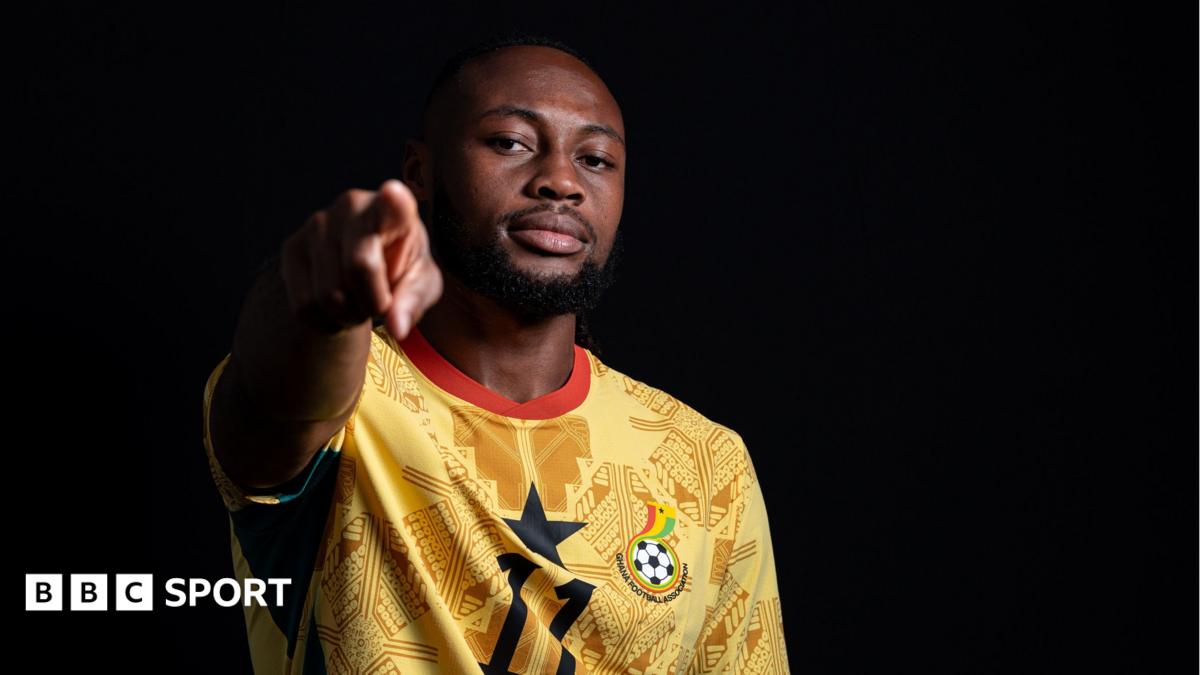
    Twenty-six-year-old Antoine Semenyo will step onto the 2026 FIFA World Cup pitch on June 23 to face England for Ghana, capping one of the most remarkable underdog stories in modern football. But long before he scored the FA Cup final winning goal for Manchester City and secured a £65 million transfer to the Premier League giants, Semenyo was a disheartened 16-year-old ready to walk away from the sport he loved — a turn of fate that would never have happened without a chance encounter with former manager David Hockaday.

    Born in London to Ghanaian parents who both had roots in top-flight Ghanaian football, Semenyo grew up kicking any object he could find from toddlerhood, trained to use both feet equally by his father. By age six, his dream of professional football was set. Over the following decade, he earned trial after trial at some of England’s biggest clubs — Arsenal, Tottenham Hotspur, Millwall, and an eight-week stint at Crystal Palace at 15 — but every door slammed shut. By 16, the repeated rejection left him deflated, disillusioned, and prepared to abandon his lifelong dream.

    That same year, Semenyo reluctantly attended a trial session at Bisham Abbey, saying later he only went to measure his fitness against other hopeful prospects. It was there that he crossed paths with Hockaday, the former Forest Green Rovers manager who happened to be on-site helping run the trials. While other coaches overlooked the raw, unconfident teenager, Hockaday spotted something special: natural two-footed control, good movement, and the raw physical frame that could turn into something extraordinary with the right nurturing. Hockaday could not shake the feeling he had missed an opportunity to help the kid, describing Semenyo as “an itch that I just couldn’t get rid of.” He tracked down Semenyo’s family, earned their trust, and brought the teenager into his program at South Gloucestershire and Stroud (SGS) College, competing in the South West Counties League.

    In the early days of their partnership, Hockaday would drive 5am every Saturday from Swindon to pick Semenyo up for matches, banging on the door to wake the young player when needed. Car rides became informal coaching sessions, where Hockaday instilled two core principles that would become Semenyo’s lifelong mantra: hunger and belief. It did not take long for that mantra to take root. Semenyo’s confidence grew rapidly, and he quickly outmatched non-league opponents, progressing so fast that he forced Hockaday to adapt his coaching to keep up. By the time SGS College played a pre-season slate of matches against professional academy sides, Semenyo dominated every game, and professional clubs began circling.

    Semenyo signed his first professional contract with Bristol City in January 2018 at 18, but his road to the top was far from smooth. He was immediately loaned out to non-league Bath City, where manager Jerry Gill transformed his game, moving him from central striker to the wing and teaching him how to compete against hardened, physically mature adult opponents. Gill remembers Semenyo as a “sponge” for feedback, with a warm attitude that made him an instant fan and teammate favorite. A subsequent loan at League Two’s Newport County brought impressive FA Cup displays that linked him to Chelsea, prompting Bristol City to recall him — but early opportunities at the Championship club were underwhelming, including a premature substitution in his first start and a red card in his second appearance. A loan at Sunderland followed with underwhelming results, and a revolving door of managers at Bristol City kept Semenyo from locking down a regular spot in the squad.

    The turning point came when Nigel Pearson took over at Bristol City, forced to lean into youth to cut the club’s wage bill. Semenyo emerged as a key starter, with experienced striker Nahki Wells stepping into a mentor role. Wells, who now calls Semenyo a close friend, recalls a raw but extraordinarily talented young player who was just putting the pieces of his game together. By the 2021-22 season, everything clicked: Semenyo notched eight goals and 12 assists, earning interest from top-flight clubs, including Crystal Palace — the side that had rejected him just six years earlier.

    In January 2023, Semenyo secured his first Premier League move, signing with Bournemouth for £10 million on a four-and-a-half-year deal. He quickly became the club’s standout star, notching 32 goals and 13 assists across 110 appearances in all competitions, fitting perfectly into Andoni Iraola’s high-octane counter-pressing system. By the first half of the 2025-26 season, his 10 goals caught the eye of Pep Guardiola, and Manchester City secured his transfer for £65 million in January 2026. Before heading to the World Cup, Semenyo cemented his place in City folklore, scoring the winning goal against Chelsea in the 2026 FA Cup final at Wembley.

    Now, ahead of his first World Cup appearance against England, Semenyo has not forgotten the man who launched his career. When he signed for Bournemouth, he sent Hockaday a bottle of Champagne, with those two foundational words printed on the label: hunger and belief. For Hockaday, who still meets Semenyo at the end of every season to chat through football and life, the moment is almost overwhelming. “When I see this young lad and I see what he’s created, where he’s got to and where he’s going to now it’s a bit mind-blowing for me,” Hockaday told BBC Sport. “I just feel pride being able to say that I’ve been part of his journey.”

    The highly anticipated Group Stage match between England and Ghana kicks off at 21:00 BST on June 23, with full coverage across BBC platforms. Fans can watch live on BBC One, BBC iPlayer, and the BBC Sport website and app starting at 20:00 BST, listen to live commentary on BBC Radio 5 Live and BBC Sounds, and access live text commentary, in-depth analysis, and video highlights on the BBC Sport digital platforms.

  • How do you solve a problem like Ronaldo?

    How do you solve a problem like Ronaldo?

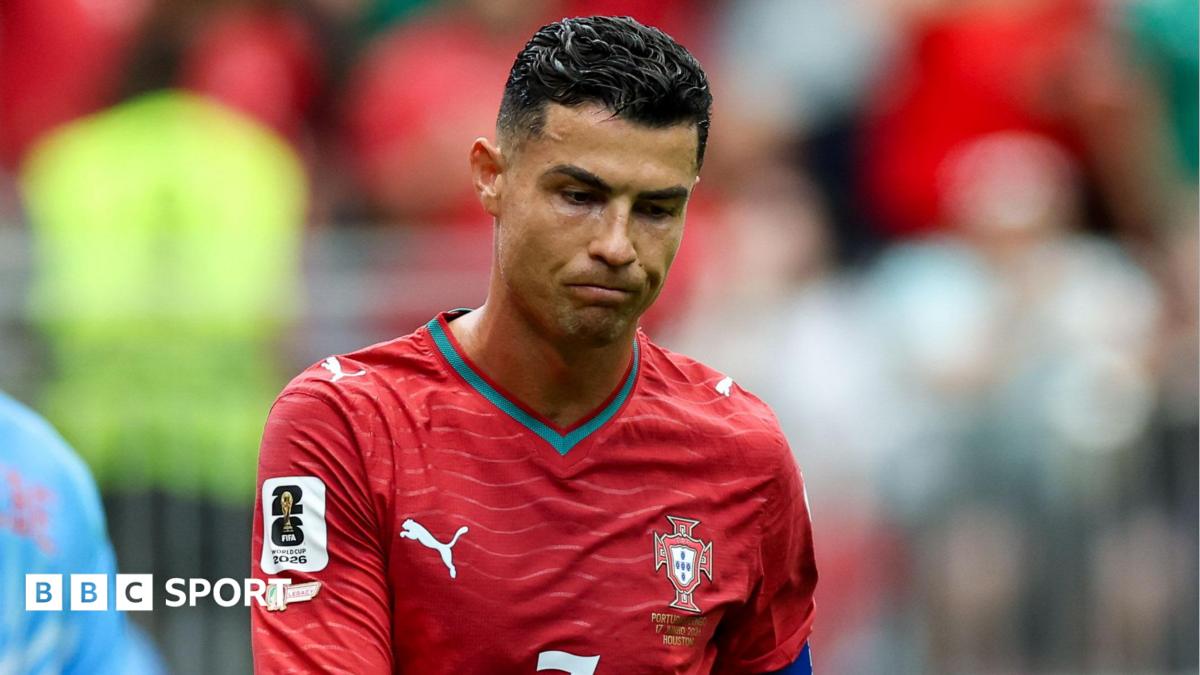
    What was supposed to be a celebratory, record-breaking final World Cup for Cristiano Ronaldo has instead devolved into a messy public feud that has split Portuguese football just days into the 2026 tournament.

    The 41-year-old, who is making his sixth and final World Cup appearance to match an all-time record, has been at the center of growing controversy since Portugal’s opening group-stage 1-1 draw with DR Congo. What stoked tensions most wasn’t the underwhelming result itself, but a seemingly harmless comment from 21-year-old Paris Saint-Germain midfielder Joao Neves, who scored Portugal’s only goal in that match. When asked about Ronaldo’s role in the current squad, Neves offered a measured response: he acknowledged Ronaldo’s legendary contributions to Portuguese football, but noted that the captain is just another squad member working to contribute, no different from any other player.

    That mild comment quickly spiraled out of control online. Thousands of diehard Ronaldo supporters flooded the social media accounts of Neves, playmaker Bruno Fernandes and other squad members, accusing them of disrespecting the captain. What makes this backlash extraordinary even for a global superstar of Ronaldo’s stature is that members of the forward’s own inner circle amplified the tension. Partner Georgina Rodriguez shared a reaction to a fabricated quote attributed to Neves’ girlfriend before deleting the comment, while Ronaldo’s sisters Katia and Elma Aveiro posted public content claiming a faction of the squad was trying to freeze the captain out of the team. Even Portugal’s highest-viewed television network, CMTV, in which Ronaldo holds a stake, saw a long-time legal and business representative for the striker cite a fake Zinedine Zidane quote in a public defense of the captain.

    The chaos quickly spilled over into Portugal’s closed training camp in Palm Beach, where reporters have repeatedly pressed squad leaders on whether the national team is now split between pro-Ronaldo and anti-Ronaldo factions. “This shouldn’t even be a topic of discussion,” defender Ruben Dias said in a tense press conference. The next day, full-back Diogo Dalot added: “We know there are a lot of people who don’t want Portugal to win,” declining to name those he was referring to, adding “If I had to do that, we’d never leave here. It’s not my role.”

    At the heart of the tension is a brutal on-pitch drought for Ronaldo that stretches back four years. The captain has now gone 10 consecutive matches across the World Cup and European Championship without scoring, dating back to a penalty against Ghana at the 2022 Qatar World Cup. In the opening draw with DR Congo, he took three shots—more than any other Portugal player—but failed to put any on target. That drought has reignited long-simmering questions about whether Ronaldo still deserves a starting spot in the squad, despite his historical legacy.

    Statistics from manager Roberto Martinez’s tenure underscore the unspoken reality of Ronaldo’s role: across 30 matches where Ronaldo started under Martinez, he has been substituted 13 times, but only once before the 60th minute. While Martinez publicly refuses to call Ronaldo untouchable, the numbers tell a different story of a starting spot secured by legacy, not current form.

    Luis Mateus, executive director of leading Portuguese football outlet A Bola, summed up the critique of Ronaldo’s current role: “His goals used to make up for his lack of defensive contribution. Now he is no longer scoring and he is affecting the entire attack. Mentally, because his team-mates still want to serve him even when there are better options, but also because he has become something of a square peg in the whole attacking process. He is on the pitch because of gratitude, not because of how he is playing.”

    A recent public poll conducted by Portuguese football website Zerozero found that 63% of participating Portuguese fans do not want Ronaldo to start in the team’s upcoming second group match against Uzbekistan. For the Portugal squad, only a convincing win against Uzbekistan—ideally with a Ronaldo goal to end his drought—can calm the ongoing public feud.

    This is not the first time Ronaldo has entered a World Cup facing heavy criticism for a goal drought. Back in 2010, he arrived at the South Africa tournament having not scored in a competitive match for Portugal in two full years. At the time, he brushed off pressure with a light-hearted quip: “Goals are like ketchup. When they come, they come all at once.” He ended that drought in a 7-0 group-stage win over North Korea, notching his only goal of the tournament before Portugal was knocked out in the round of 16 by Spain.

    Current Porto president and former top club manager Andre Villas-Boas framed the current moment as a necessary reckoning for a squad that still carries world-class talent. “It is now time to rethink a few things, to spend less time at the beach [a reference to recent off-field controversy around Ronaldo’s public appearances] and more time in the meeting room,” he said. “Our ambitions remain enormous, because this is a golden generation and we want the man who has given so much to our country to leave the game holding the World Cup trophy, the same way Messi did in Qatar. But the coach will manage his playing time as he sees fit. I still believe we have enough talent to leave a much better impression.”

    For now, that balanced, team-first approach remains the only path to quieting the noise that has overshadowed Portugal’s 2026 World Cup run before it has truly begun.

  • Unpaid bonuses and food issues – what’s going on inside Senegal camp?

    Unpaid bonuses and food issues – what’s going on inside Senegal camp?

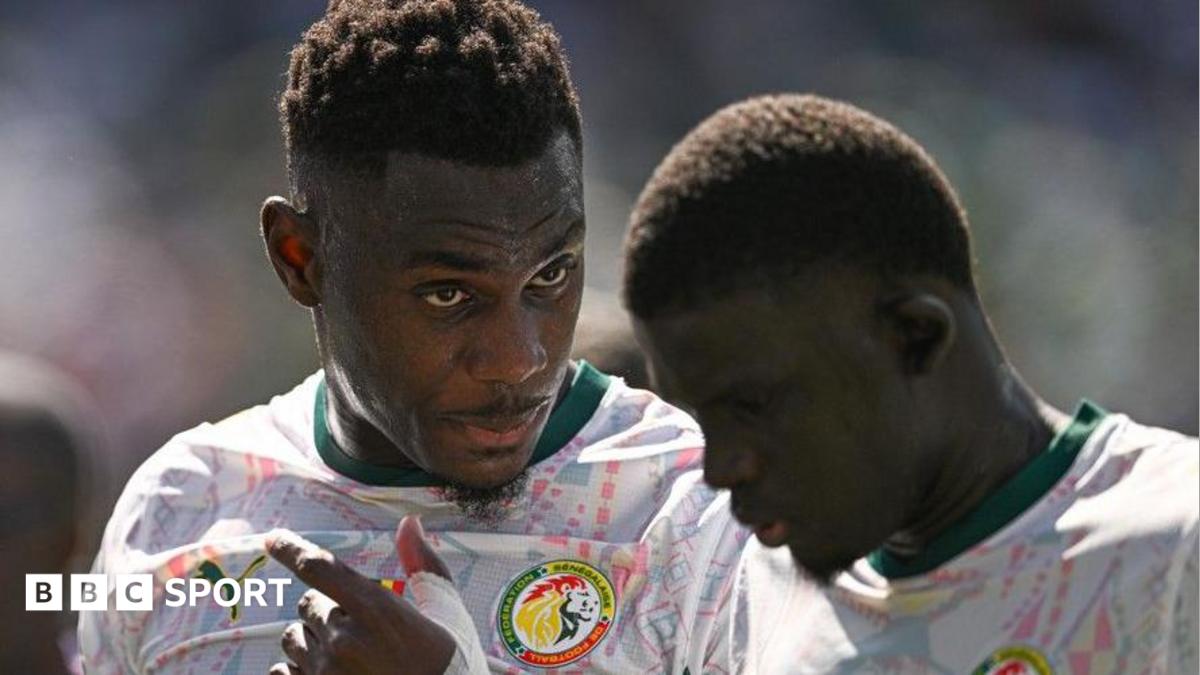
    Four appearances at the FIFA World Cup now under their belt, Senegal entered the 2026 edition with high hopes: the West African nation aimed to surpass its iconic 2002 quarter-final run, the highlight of its World Cup debut, and carry forward the momentum of its run to the 2025 Africa Cup of Nations final. Instead, two back-to-back defeats have left the Teranga Lions pointless after two group-stage matches, on the brink of an early first-round exit. Only a win against Iraq on Friday can keep their knockout stage hopes alive.

    Rumors of disarray within the national team camp have overshadowed Senegal’s on-pitch struggles, with multiple off-field controversies leaking into public view in the lead-up to the tournament’s opening matches. Reports of bonus disputes, sudden staff changes, catering conflicts and a drawn-out contract row with head coach Pape Thiaw have fueled speculation that internal friction is to blame for the team’s underwhelming start. To separate fact from speculation, a closer look at the issues roiling the Senegal camp reveals a more nuanced picture.

    One of the most widely reported issues surrounded the quality of team catering at the squad’s New Jersey base, where the team is staying at a four-star Hyatt Regency close to their training ground at Rutgers University – a step down from the five-star venue they used at the 2025 Afcon in Morocco, but not a source of complaint from the playing core. The team originally traveled with their long-time personal chef, who had planned menus for the camp months in advance, but he departed for private family reasons after the team’s final pre-tournament warm-up friendlies against the United States and Saudi Arabia. When a replacement was brought in, core players have not raised issues with the new catering arrangements. Instead, dissatisfaction with the lack of traditional Senegalese cuisine has come from non-playing delegation members staying at the team hotel, some of whom have ordered external meals in response to their disappointment.

    Other minor disruptions have stemmed from accompanying travel parties: some Senegalese Football Federation (FSF) officials brought family members to the United States at their own cost, who have stayed near the team hotel and at times drawn criticism for overly close proximity to the squad. Players’ families are housed separately at a nearby hotel, with all accommodation and breakfast costs covered by the federation.

    Claims of unpaid performance bonuses, another widely circulated controversy, have already been resolved: the unpaid funds were disbursed by the Senegalese government just days before Senegal’s third group match. Long-running tension over Thiaw’s contract, however, created the most significant deadlock for the side ahead of the tournament. The 2002 World Cup veteran, who took the reins of the national team in 2024 on an annual salary of roughly £210,000, saw his original contract expire immediately after the 2025 Afcon, where he guided Senegal to a controversial final that later stripped the side of their title, with an appeal pending to regain the crown.

    Buoyed by his strong tournament run, Thiaw entered contract extension talks from a strengthened position, but negotiations stalled for months. Under Senegalese sports governance, while the head coach negotiates directly with the federation, all contract signings and salary payments require final approval from the state through the ministries of sport and finance. Prolonged political upheaval in Senegal, triggered by the dismissal of the previous government and removal of the prime minister, created cascading delays across public sectors, leaving Thiaw without a signed new contract as the team departed for the United States.

    As pressure mounted through local media, with hints that Thiaw might refuse to travel for the tournament, Senegalese President Bassirou Diomaye Faye intervened personally, contacting the coach to guarantee a swift resolution. After newly appointed Sports Minister Djireye Clotilde Coly traveled to the U.S. to meet with the squad ahead of the opening match against France and reaffirm the administration’s commitments, negotiations moved forward, and a deal was finally reached: Thiaw’s new contract carries an annual salary of £480,000 plus an additional £80,000 annual performance bonus.

    “It’s true it took too long, but it was never a money issue. It was more a principles and respect issue, but it’s been resolved,” Thiaw told reporters on Sunday. “As Senegalese people, patriotism is more important than anything else and the questions around the contract are in the past now. It’s been signed. It is true there have been a couple of creases that need to be ironed out.”

    Ranked 17th in the world, Senegal entered this World Cup as one of Africa’s top contenders, but dropped their opening two matches: a 3-1 loss to defending champions France followed by a dramatic 3-2 defeat to Norway that sealed their early point drought. Despite the off-field noise, both Thiaw and senior players have emphasized that the squad remains fully focused on Friday’s must-win match.

    “All these are problems that are resolved internally. I don’t think you need to be across what we say internally. We have a group of players who are professional,” goalkeeper Mory Diaw explained at Sunday’s press conference. “We’re here to represent our country. There’ll be nothing that will make us lose our heads when it comes to our common objective.” Before the tournament, Thiaw had made his commitment clear: “If I lose even a second of my belief that I can win the World Cup with Senegal, I will step down.”

    Long-time Senegalese football journalist Babacar Diarra, who has covered the national team for more than a decade, told BBC Sport that internal friction behind the scenes is not entirely unprecedented for the side. “Senegal hasn’t been in this type of situation for a while. You might have had some bonus issues in the past, but it wasn’t out in the press. I don’t think this will impact the players or the team. They will stay focused on the tournament. I’m not totally surprised by this. Even if they got to the final at Afcon and everything looked fine, it was a bit messy there too.”

    Off the pitch, tensions have also emerged over fan access to the tournament. Traditionally, the Senegalese state covers all travel, accommodation and ticket costs for official main supporter groups to attend major international tournaments, but travel restrictions for this World Cup have blocked those groups from making the trip. That left the North American Senegalese diaspora hoping to pick up the slack, but only 400 tickets were allocated to the local community, a number many see as far too small. Many diaspora members have also complained about a lack of transparency in ticket distribution, with a group of Senegalese national association representatives gathering outside the team hotel on Sunday to formally voice their grievances. The BBC has reached out to the FSF for additional comment on the camp issues.

    For now, all focus rests on Friday’s match: Senegal’s only path to extending their 2026 World Cup run runs through a decisive win against Iraq, with the side desperate to turn their turbulent campaign around before it is cut short.