分类: sports

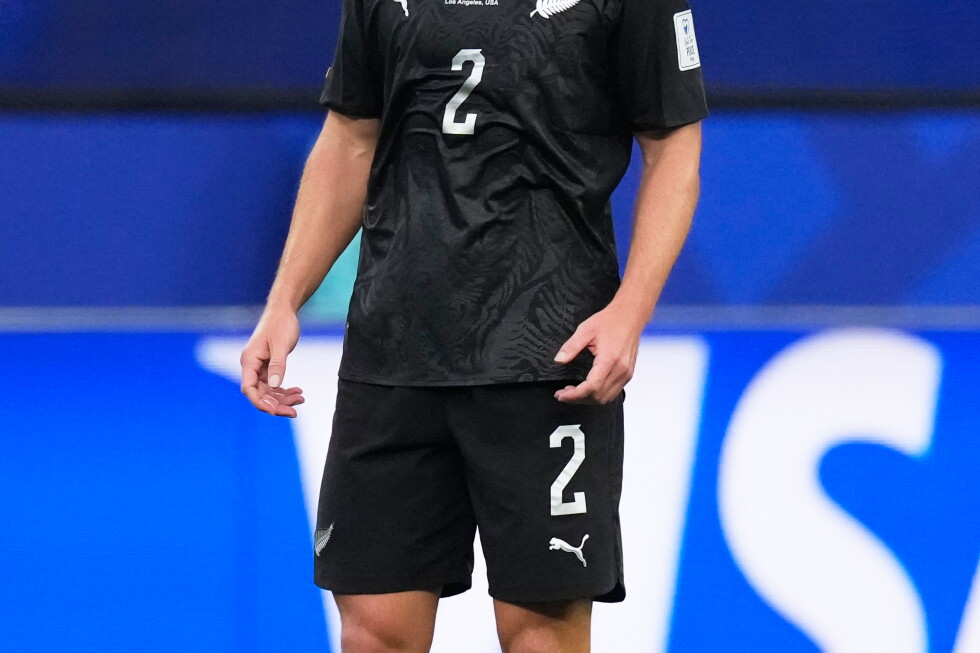
  • Tim Payne, New Zealand’s viral World Cup star, to join Paraguay club Olimpia, source says

    Tim Payne, New Zealand’s viral World Cup star, to join Paraguay club Olimpia, source says

    DALLAS (AP) — An unlikely rise to global fame has earned a little-known New Zealand soccer defender a once-in-a-lifetime career move: 38-year-old Tim Payne, who went from relative obscurity to international social media celebrity in the span of weeks, is set to leave his current club Wellington Phoenix to join Olimpia, the defending Paraguayan top-flight champion and one of South America’s most storied soccer institutions.

    The details of the impending transfer were confirmed to The Associated Press on Tuesday by an insider close to the negotiation process, who spoke on condition of anonymity because Olimpia has not yet scheduled an official public announcement of the signing. The source also declined to disclose the financial terms of Payne’s upcoming contract with the club.

    Payne’s explosive leap into the global spotlight traces back to a viral social media campaign launched by Argentine influencer El Scarso. The content creator set out to find the most low-profile player at this year’s FIFA World Cup, settling on Payne due to his tiny pre-tournament social media following. El Scarso called on his own followers to band together to turn the little-known New Zealander into a household name, and the campaign quickly caught fire across platforms.

    In the weeks following the campaign’s launch, Payne’s Instagram follower count skyrocketed from just under 5,000 to more than 5.8 million, a more than 1,000-fold increase that captured the attention of clubs across the globe. The outpouring of support for Payne has even spawned an original fan song in Spanish, whose chorus declares devotion to the defender: “I’ve got his back. I cheer him on. I’ve been rooting for him from the beginning. Tim Payne, from cradle to grave. You’re a crack. I cheer you on, every step.” The track also leans into a playful pun on Payne’s name, closing with the line “no Payne, no gain.”

    Payne got the chance to show his on-pitch skills to his new global fan base earlier this week, starting in New Zealand’s opening Group G match against Iran that ended in a 2-2 draw on Monday. The All Whites, New Zealand’s men’s national soccer team, are still chasing their first ever World Cup win across three tournament appearances.

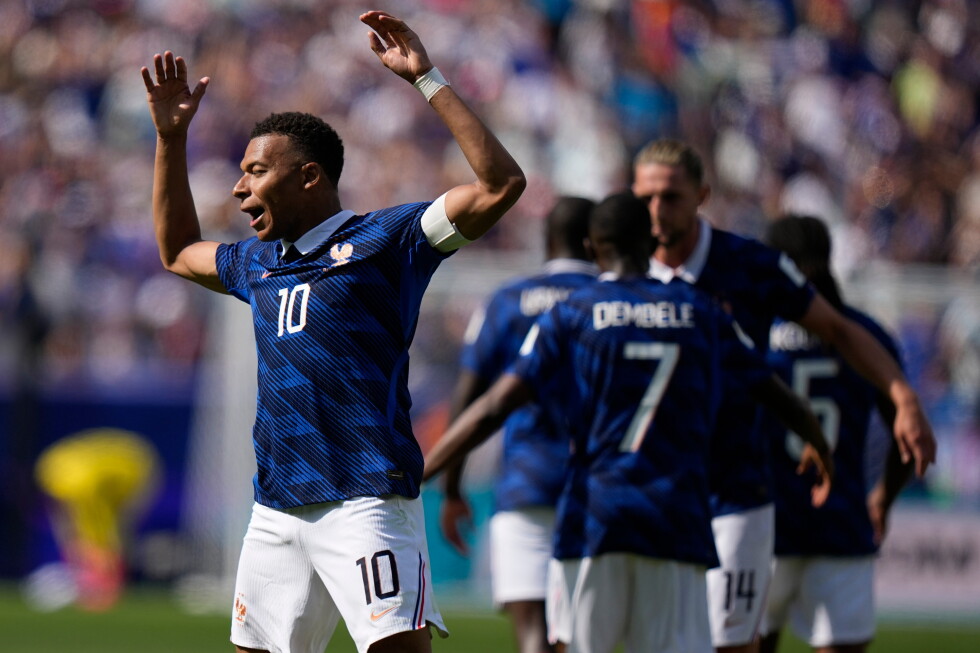
  • France striker Kylian Mbappé scores his 13th World Cup goal, breaking a tie with Pelé

    France striker Kylian Mbappé scores his 13th World Cup goal, breaking a tie with Pelé

    EAST RUTHERFORD, N.J. – In a landmark moment for men’s World Cup soccer history, Kylian Mbappé notched his 13th career tournament goal on Tuesday, surpassing Brazilian legend Pelé to pull level for fourth place on the competition’s all-time scoring list. The strike, which came in the 66th minute of France’s 2026 World Cup opening fixture against Senegal, marked the 27-year-old’s 57th goal for the French men’s national team, tying him with veteran striker Olivier Giroud for the country’s all-time senior team scoring record.

    Playing in his third consecutive World Cup, Mbappé now matches the career World Cup goal tallies of Argentina’s Lionel Messi and French legend Just Fontaine. He sits just one goal behind Germany’s iconic forward Gerd Müller in the all-time rankings, and two goals back of Brazil’s Ronaldo, who holds third place with 15 goals. The all-time World Cup scoring record is currently held by Germany’s Miroslav Klose, who sits atop the list with 16 goals over his tournament career.

    Mbappé’s path to the historic goal included multiple early near-misses, after the Real Madrid star repeatedly found open space between Senegal’s defensive line in the opening 14 minutes of the match. Senegalese starting goalkeeper Édouard Mendy denied several of Mbappé’s early attempts, including a close-range chance in the opening half, where Mbappé struggled with uncharacteristically sloppy ball control for much of the period before the French attack began to click as the half drew to a close.

    A proven winner on the global stage, Mbappé helped lead France to World Cup glory in 2018, and guided the side to the 2022 tournament final, where he earned the Silver Ball award as the competition’s second-best player after a memorable individual performance. Entering the 2026 World Cup, France enters as co-tournament favorites alongside Spain, with Mbappé leading a dynamic attacking unit that also includes young talent Désiré Doué and reigning Ballon d’Or winner Ousmane Dembélé. Off the club front, Mbappé carried a red-hot scoring form into the international break, having netted 25 times for Real Madrid in the 2024-2025 domestic season.

  • Paying homage to Socceroos great Tim Cahill has become a World Cup tradition for Australia

    Paying homage to Socceroos great Tim Cahill has become a World Cup tradition for Australia

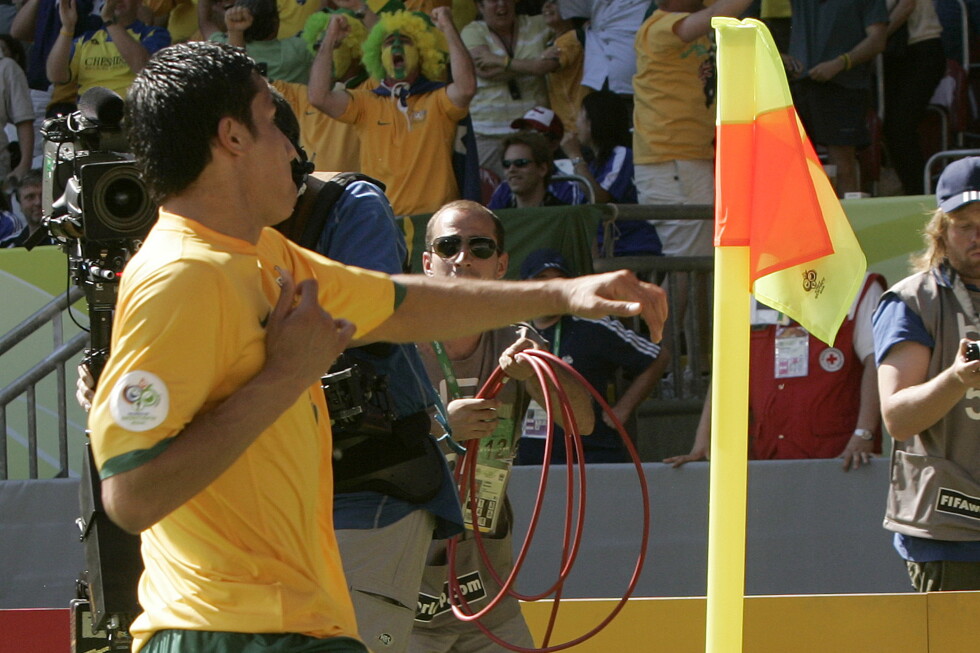
    Two decades have passed since Tim Cahill etched one of the most recognizable celebrations in Australian soccer history into global memory. During the opening match of the 2006 FIFA World Cup against Japan, Cahill scored a dramatic late equalizer to turn the tide of the game, which ultimately ended in a 3-1 Australian victory. Immediately after the ball hit the back of the net, the forward sprinted to the corner of the pitch and launched into a playful shadow boxing routine against the corner flag. What began as an impulsive moment of joy has grown into a beloved generational tradition for Australian soccer at the World Cup.

    Months after Cahill hung up his boots in 2019, another Australian star carried the tradition onto one of the sport’s biggest stages. At the 2019 Women’s World Cup in France, during a critical group stage match against Italy, Sam Kerr — then a rising talent making her mark on international soccer — recreated Cahill’s iconic shadow boxing routine to celebrate one of her goals. The moment paid homage to Cahill’s legacy while signaling the continuity of the tradition across Australia’s men’s and women’s national programs.

    Kerr would go on to rewrite the Australian soccer record books: in 2022, she surpassed Cahill to become the country’s all-time leading international goalscorer, and she led the national women’s side, the Matildas, to a historic semifinal finish at the 2023 Women’s World Cup co-hosted by Australia and New Zealand. Now, the tradition has passed to a new generation of Australian talent, with 20-year-old Nestory Irankunda adding his own name to the lineage.

    On Saturday night, Irankunda made history for Australia’s men’s national team, the Socceroos, during their 2-0 upset win over Turkey. The young winger became the youngest goalscorer in Australian World Cup history, and he marked the milestone by paying direct tribute to the man who inspired his soccer journey from childhood. Just like Cahill 20 years earlier, Irankunda sprinted straight to the nearest corner flag after his goal, throwing a rapid series of punches in a perfect recreation of the iconic celebration that first made the routine famous.

    Unlike his predecessors, Irankunda has already cultivated his own unique set of trademark goal celebrations, from acrobatic backflips to playful Michael Jackson-inspired dance moves that have become a defining part of his on-pitch persona. Even so, the young star made clear that Cahill has been the biggest influence on his career to date.

    “Tim Cahill was my biggest inspiration in Australian football, and I look up to him,” Irankunda told reporters after the match when asked about his decision to replicate the celebration. “I look up to him and I want to be like him one day and I’m really really proud of myself to get the goal.”

    Like many young Australian soccer talents, Irankunda launched his professional career domestically, spending three seasons competing in the A-League with Adelaide United before earning a move to European soccer. In 2025, he completed a permanent transfer to English Championship club Watford, where he is continuing to develop his game ahead of future international and club competitions.

  • Little Algeria – the Kansas city taking a World Cup team to its heart

    Little Algeria – the Kansas city taking a World Cup team to its heart

    As the 2026 FIFA World Cup unfolds across the United States, one unexpected heartwarming story has emerged from Lawrence, a quiet mid-sized city of 100,000 in the state of Kansas, which has become an unlikely home away from home for the Algerian national men’s football team.

    When the Algerian Football Federation confirmed in February that it would base its World Cup preparations in Lawrence, city tourism officials immediately began planning the warmest welcome possible. Explore Lawrence, the city’s official tourism board, launched extensive community outreach efforts to turn the entire city into a supportive home for the squad, a milestone event for a community that has never hosted an international World Cup team before.

    In the weeks leading up to the team’s arrival, organizers hosted “Soccer 101” workshops for local residents. Beyond teaching the basic rules of international football (distinct from the American football the region is famous for), the sessions also introduced locals to Algerian culture, history and fan traditions, building a foundation of connection beyond sport.

    When the Algerian players finally rolled into Lawrence, hundreds of cheering local fans lined the routes to greet them. That excitement translated into a packed community training session at Rock Chalk Park, where squad members took time to interact with local youth football players, swapping tips and posing for photos.

    The warm embrace extends far beyond official city events. With a large Algerian diaspora community settled just 40 miles away outside Kansas City, Missouri, daily streams of Algerian supporters travel to Lawrence to catch a glimpse of their favorite players. Many local residents have opened their private homes to traveling fans: Ruth DeWitt, Explore Lawrence’s community relations director, has hosted Minneapolis-based Algerian supporter Wassini Souarit in her house for the entire duration of the tournament.

    “There were so many challenges for Algerians to travel here, and we just adopted them as our home team,” DeWitt explained. “Of course we’re rooting for the USA, but we’re rooting for Algeria just as much because we are so happy that they chose Lawrence as their base camp. That’s exactly what the World Cup is about. Until you experience it for yourself, you have absolutely no idea how powerful that connection really is.”

    Local businesses have also leaned into the welcoming spirit, with many local restaurants adjusting their menus to offer halal options for players and visiting fans. Algerian national flags now line downtown streets and storefronts, turning the whole city bright green and white ahead of Algeria’s opening Group Stage match against defending champions Argentina, scheduled to kick off Tuesday at the Kansas City Chiefs’ NFL home stadium.

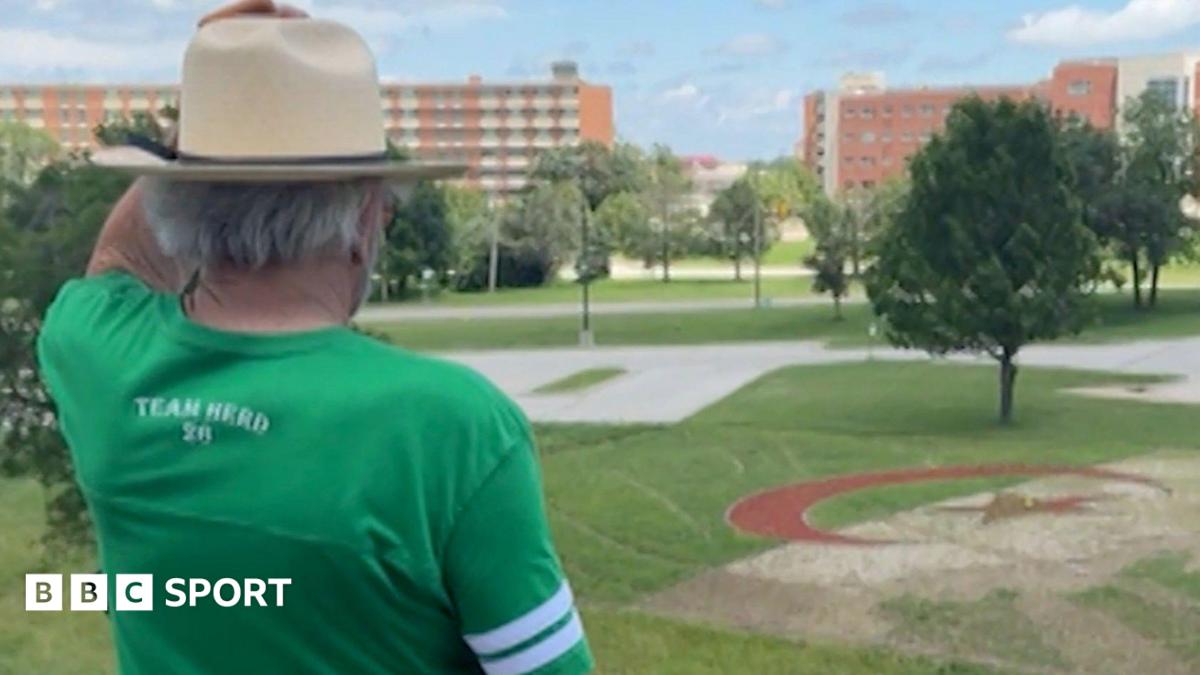
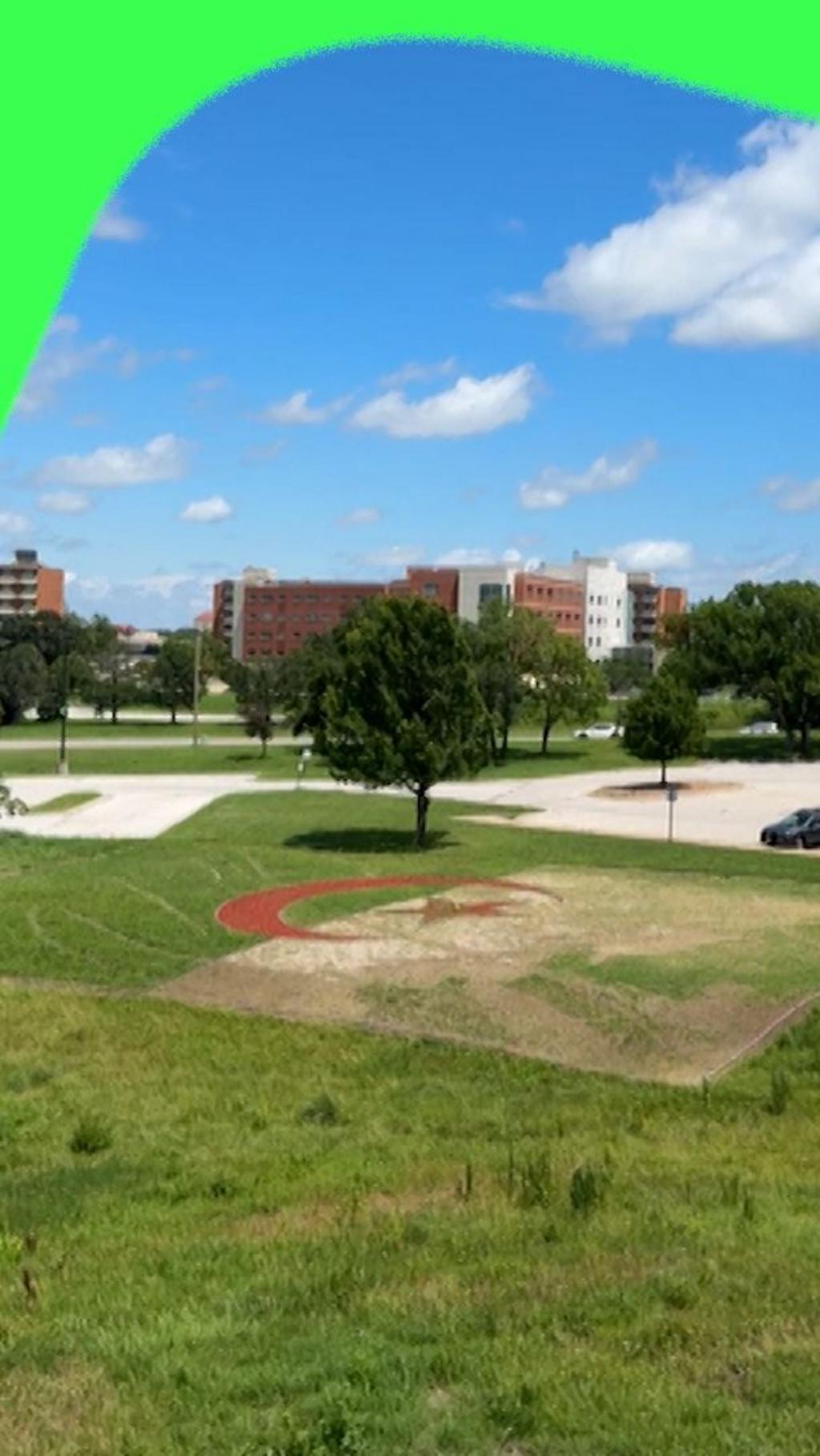
    Renowned 76-year-old earthworks artist Stan Herd even created a large-scale tribute to the Algerian team on the University of Kansas campus: a giant, full-color reproduction of the Algerian national flag that can only be viewed in full from the roof of the campus’s tallest building. “This town is really embracing this moment as much for our visitors as for ourselves,” Herd said. “I think it’s a pretty welcoming state, but we’re beginning to love football more than [American] football.”

    For Herd and the wider Lawrence community, hosting Algeria is about far more than a few weeks of World Cup. It is an opportunity to showcase midwestern hospitality to the world, and bridge divides between neighbors that have lived alongside each other for years without connecting. “A lot of people, through an effort like this, make common cause with their neighbours that they may have passed by for years,” Herd noted. “Now that we’re all on the same team now trying to show and present ourselves in the best way we can. We see this is a very great opportunity to show how Kansans welcome the world.”

  • World Cup 2026: Iran’s spirited display against New Zealand eases tensions among divided supporters

    World Cup 2026: Iran’s spirited display against New Zealand eases tensions among divided supporters

    For decades, Iran’s national football squad, popularly known as Team Melli, stood as one of the rare unifying forces cutting across Iran’s deep political, social and generational divides. From the 1998 World Cup upset over the United States that sent entire cities of Iranians at home and abroad into street celebrations to tournament runs that drew cross-spectrum backing from both government supporters and opposition figures, the national side once united Iranians of all backgrounds for 90 minutes of sport.

    That historic unity began to fray as political polarization seeped into global football, most dramatically at the 2022 Qatar World Cup. Just weeks before that tournament erupted nationwide protests across Iran following the death of 22-year-old Mahsa Amini in morality police custody, sparked by anger over the country’s mandatory hijab laws. When Iran took the pitch against England in their opening group match, players refused to sing the official national anthem in a gesture of solidarity with protesters, but the anthem was still loudly booed by anti-government fans in the stands. For many diaspora Iranians who had previously set political disagreements aside to support the team, this moment permanently changed their relationship with the squad.

    In the years that followed that fracturing tournament, Iran has undergone profound upheaval: crippling economic sanctions have gutted household incomes, ongoing political unrest has reshaped daily life, and a February 2024 joint US-Israel strike that killed senior Iranian officials also claimed the lives of 168 schoolchildren and teachers in the southern city of Minab. Ahead of this year’s global tournament preparations, the Iranian Football Federation made a gesture of mourning: dedicating the team’s campaign to the children killed in Minab, requiring players to wear lapel pins marked with the number 168 in official photos, and holding portraits of the victims and children’s schoolbags during pre-match national anthem ceremonies for warm-up friendlies.

    When the team scheduled pre-tournament friendlies in the United States, long-standing visa restrictions imposed by the US government on Iranian teams created immediate barriers. Two planned matches in Los Angeles, a city home to more than 700,000 Iranian-Americans and a major hub of anti-Islamic Republic sentiment, were thrown into chaos when US officials forced the team to relocate its training camp to Tijuana, Mexico. Even when the team arrived in Inglewood for a high-profile friendly against New Zealand at SoFi Stadium, political tensions continued to overshadow preparations. FIFA, which controls all stadium access and rules for World Cup-related events, revoked the Iranian Football Federation’s allocated 8 percent of stadium tickets at the last minute, a decision the federation blamed squarely on US political interference. Bans on pre-revolutionary Lion and Sun flags and political protest symbols inside the stadium were also enforced, despite a legal challenge from local community activists that was ultimately dismissed.

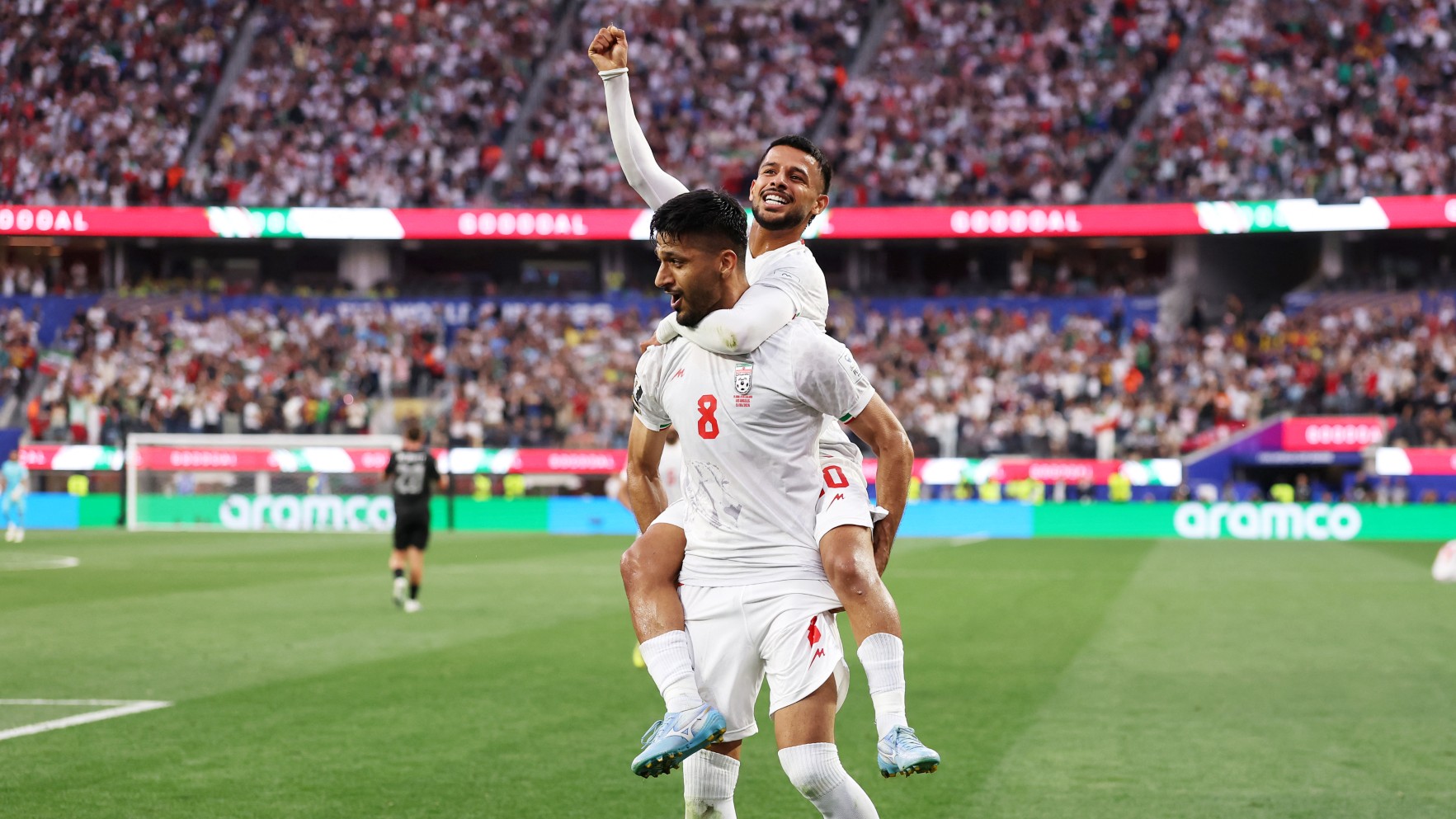
    Heading into kickoff, few could predict how the crowd would react. Anti-government voices dominated public discourse online and in regional media, and a small protest greeted the team upon its arrival in LA. But inside the 70,000-seat stadium, the energy defied expectations. When the national anthem played, cheers from pro-Team Melli fans easily outnumbered boos. Every attacking move from the Iranian side drew loud, unified encouragement. When New Zealand scored an early opening goal, a hush fell over pro-Iranian sections – but that tension turned to eruption when fullback Ramin Rezaeian slotted home an equalizer in the 32nd minute.

    The connection between the squad and the crowd only grew stronger in the second half. After New Zealand retook the lead, supporters launched a steady chant of “Iran, Iran” that lifted the team, and striker Mohammad Mohebi leveled the score once again with a well-placed header off Rezaeian’s cross. Though the match ultimately ended in a 2-2 draw with no late winner for Team Melli, the moment carried enormous symbolic weight. After four years of deep polarization, political upheaval, and global tensions that have split Iranian communities abroad, a spirited, competitive performance on US soil won over the majority of fans in attendance.

    For fans like Hossein Alizadeh, a 40-year-old supporter who traveled from Toronto to attend the match, the outcome was more than just a draw. “Team Melli is an institution that belongs to all Iranians, no matter what their political beliefs are,” he said ahead of kickoff. “I want them to do well and bring back that love people used to share for the national team.” The team will get another chance to build on this moment when it faces off against Belgium in southern California on Sunday.

  • Leaked remarks about South Korea star Son Heung-min spark backlash at World Cup camp

    Leaked remarks about South Korea star Son Heung-min spark backlash at World Cup camp

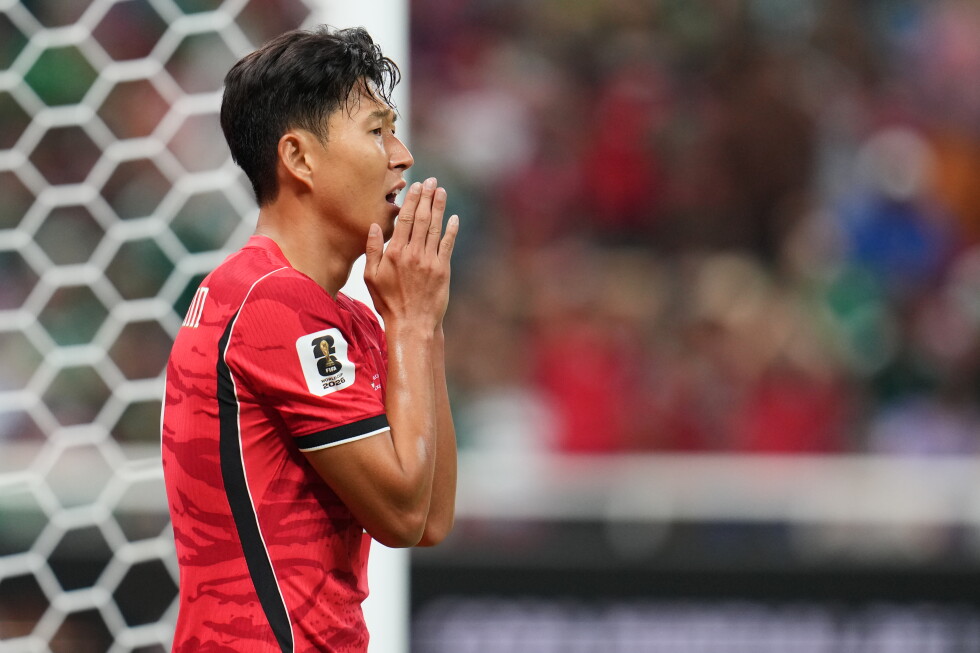
    As South Korea’s men’s national football team gears up for a critical Group A World Cup match against host-nation Mexico in Guadalajara on Thursday, the squad’s pre-game preparations have been thrown off balance by a public feud between players and members of South Korea’s domestic press. The conflict erupted after disparaging on-camera remarks targeting team captain Son Heung-min were leaked to the public, sparking widespread outrage and a collective boycott of unofficial media interactions by the South Korean roster.

    The controversy traces back to an open training session held on June 7, just days before South Korea kicked off its 2026 World Cup campaign with a tense 2-1 victory over the Czech Republic. During the session, unidentified South Korean media personnel were caught on camera mocking 33-year-old Son for his mandatory military service status, according to footage captured by JTBC, South Korea’s official broadcast rights holder for the tournament. The clip was subsequently leaked to the public, triggering a fierce backlash across South Korean social media platforms.

    Unlike most able-bodied South Korean men, Son secured an exemption from the country’s required 21-month mandatory military service after helping South Korea claim a gold medal at the 2018 Asian Games. In line with regulatory requirements, the Tottenham Hotspur turned Los Angeles FC forward has since completed all mandated alternative service obligations, including a three-week basic military training course in 2020 and required community service work.

    In a formal statement released on Monday, the Korea Football Association (KFA) acknowledged the damage caused by the incident, saying it regretted “the inappropriate remarks made by some media personnel during the national football team’s training at the Guadalajara base camp.” The governing body added that the comments have left “great shock and disappointment” rippling through the entire national team squad. The KFA also committed to taking action to prevent similar incidents moving forward, noting that it “will continue to prioritize the protection of the squad and strive to create a healthy media environment.”

    Local South Korean media reports indicate that in response to the incident, all South Korean national team players have refused to engage with domestic reporters outside of pre-scheduled, mandatory official World Cup media commitments. Multiple pre-arranged one-on-one and group interviews with players have already been canceled amid the standoff. The KFA did not provide an immediate additional comment when contacted by the Associated Press for further details on the boycott and ongoing dispute.

    On the pitch, Son’s performance in South Korea’s opening win against the Czech Republic drew mixed attention, as the star forward missed multiple scoring chances despite the team’s eventual 2-1 result, with goals from Hwang In-beom and Oh Hyeon-gyu securing all three points in Guadalajara. All eyes will now be on Son and the unsettled South Korean squad as they take the pitch against Mexico on Thursday evening local time for their second Group A match, with the controversy off the field adding an extra layer of tension to a critical World Cup fixture.

  • Drones create the first-ever Fifa scoreboard in Seattle sky

    Drones create the first-ever Fifa scoreboard in Seattle sky

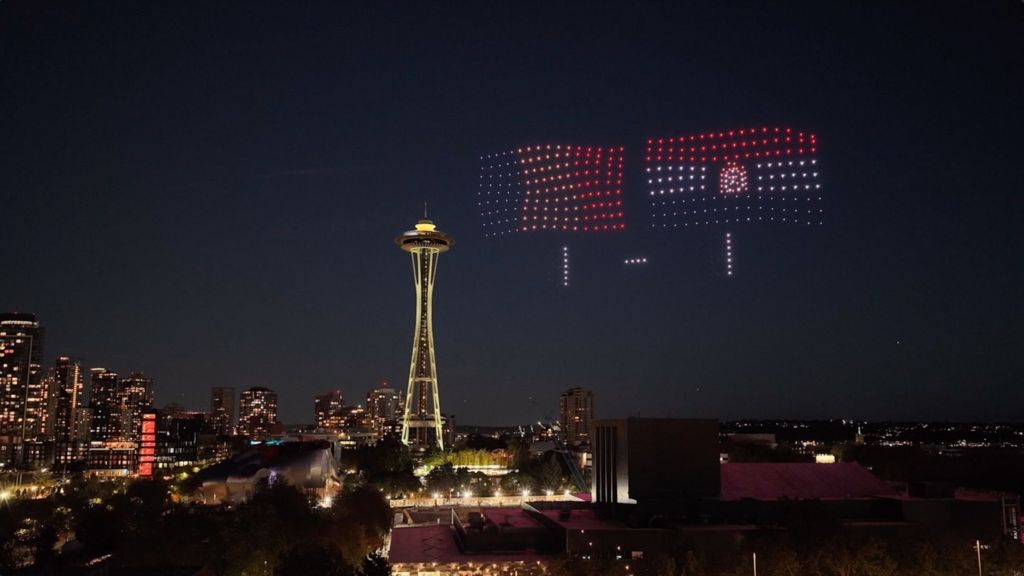
    On a clear Monday night in Seattle, Washington, sports history was made when a coordinated swarm of 400 unmanned aerial vehicles transformed the city’s dark sky into the world’s first-ever drone-powered FIFA match scoreboard. BBC correspondent Max Matza was on the ground in Seattle to witness the groundbreaking spectacle, which saw the flying devices light up in synchronized patterns to broadcast the real-time score of the closely watched group-stage fixture between Egypt and Belgium. This innovative display marks a bold new intersection of sports broadcasting, drone technology, and public entertainment, blending cutting-edge technological capability with the global excitement surrounding international football competition. What began as a experimental concept for merging aerial tech with sports fan engagement became a tangible, awe-inspiring moment for Seattle residents and football fans tuning in to coverage of the event, offering a glimpse into how future sports score updates and fan experiences could be reimagined through drone light shows.

  • A taste of home, yerba mate is a shared bond for many World Cup fans

    A taste of home, yerba mate is a shared bond for many World Cup fans

    As the FIFA World Cup kicks off matches in Kansas City, Missouri, soccer fans from across the globe have brought more than just team flags, jerseys, and chants to their matchday celebrations – they’ve brought a centuries-old cultural tradition: yerba mate. The caffeinated South American staple, long embedded in the daily life of countries like Argentina, Uruguay, Paraguay, and southern Brazil, has ridden soccer’s multicultural wave to grow in popularity across the United States, even becoming a go-to beverage for top professional athletes both on and off the pitch.

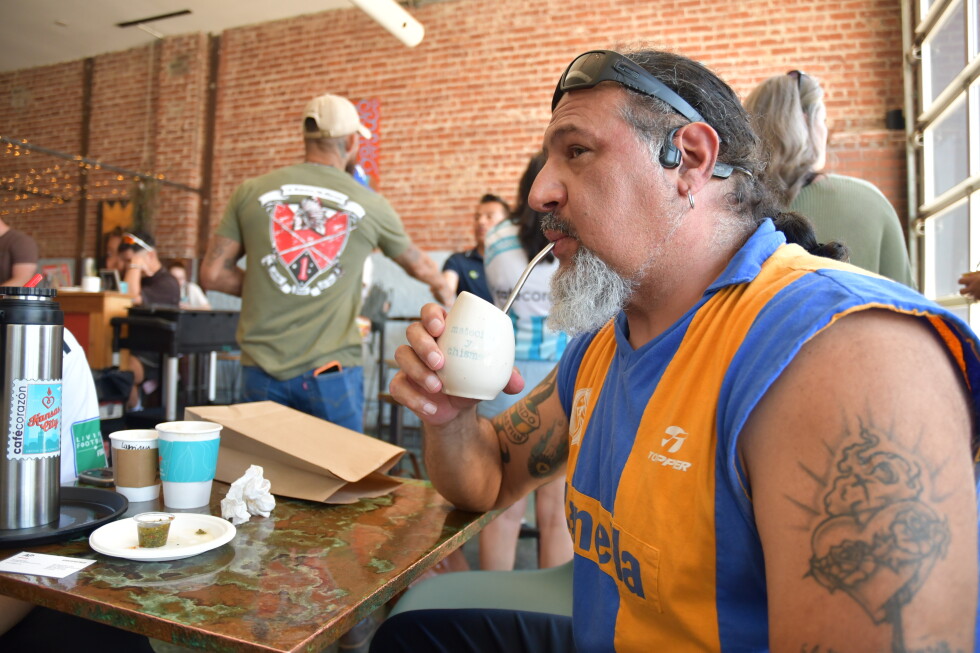
    When the reigning World Cup champions from Argentina arrived at their Kansas City hotel ahead of their opening group stage match, hundreds of fans gathered outside, passing around traditional hollowed gourd cups fitted with metal bombilla straws – the signature tool that filters the steeped yerba leaves while sipping. Just blocks away, at Cafe Corazon, one of the Midwest’s largest yerba mate importers, a line of fans clad in Argentina’s iconic sky-blue and white striped jerseys stretched out the door on the eve of the team’s first 2026 World Cup match.

    “Our mate has been flying off the shelves,” shared Dulcinea Herrera, co-owner of the local cafe. “So many new people are coming in to try it. Non-Argentinian visitors want to experience the tradition for themselves, while Argentinian expats tell us sipping here reminds them of home.”

    The drink’s connection to elite world soccer is no secret, with many of the sport’s biggest names counting themselves as lifelong fans. Uruguay’s Luis Suarez is known to be an avid drinker, and Argentina’s Lionel Messi cemented the beverage’s place in sports pop culture after the 2022 World Cup final, when he shared a photo of himself holding the World Cup trophy in one hand and a traditional mate gourd in the other.

    Yerba mate has a rich history stretching back centuries, originating with Indigenous communities in South America before being adopted by the region’s iconic gaucho cowboys, explains Christine Folch, a Duke University cultural anthropologist and author of *The Book of Yerba Mate*. Today, it has been adapted across the globe, with different cultures putting their own unique spin on preparation and serving. Regional preparation customs even act as cultural identifiers when fans gather for matches, with drinkers from different South American nations preferring distinct vessels and brewing methods. Folch herself maintains an extensive collection of mate vessels, including pieces crafted from cow hooves and horns, hand-stitched leather-wrapped metal cups, and traditional hollowed gourds.

    The drink’s global spread took an early turn in the 20th century, when it gained widespread popularity in Syria and Lebanon – a history that explains why traditional dried yerba mate leaves have long been available at Middle Eastern grocery stores across the United States, Folch notes. For mainstream American consumers, yerba mate is most often sold in refrigerated canned form, marketed as a natural energy drink infused with fruit flavors. Cuban American communities have developed their own sweetened, carbonated version of the beverage, while in Berlin, the carbonated brand Club Mate is a popular mixer for alcoholic drinks.

    Unlike coffee, which often leaves drinkers feeling jittery from high caffeine concentrations, traditional yerba mate carries a mild smoky note from its traditional leaf-smoked preparation, with an earthy, grassy flavor profile that delivers steady energy without the unpleasant crash. For first-time buyers, Folch adds, the correct pronunciation is “MAH-teh” – not the English word for a soccer teammate.

    Beyond its caffeine boost and unique flavor, yerba mate is fundamentally a social beverage, making it a perfect fit for large sporting gatherings. By longstanding tradition, drinkers share a single cup among a group, passing it around to build connection. “When somebody offers you mate and you accept, you’ve stepped into a relationship,” Folch explained. “It’s a way of bonding with people.”

    That social tradition played out in full at Cafe Corazon this June, as traveling fans connected over shared cups of mate ahead of the match. Sebastian Cufre and his father Rene, a native Argentinian who now lives in Albuquerque, drove cross-country to Kansas City in search of last-minute match tickets, and ended up bonding with fellow Argentina fans over a round of mate at the cafe. “It’s something you always pass around during games,” Rene Cufre said. Though he’s seen the mass-market canned American version of the drink, he is not a fan: “Honestly, I don’t even consider that to be mate. That’s a completely different type of beverage.”

    No matter the preparation style, mate fans across Kansas City are encouraging North American fans to give the traditional drink a try when it’s passed around at cafes, watch parties, or stadium concourses. For many, it is far more than a drink to boost matchday energy – it is a way to connect across boundaries. “It’s not only a drink, but a social thing,” said Fernando Villagran, an Argentinian fan who traveled from California to support his national team. “It is about friendship.”
  • Cape Verde hero ‘convinced by team-mates not to retire’

    Cape Verde hero ‘convinced by team-mates not to retire’

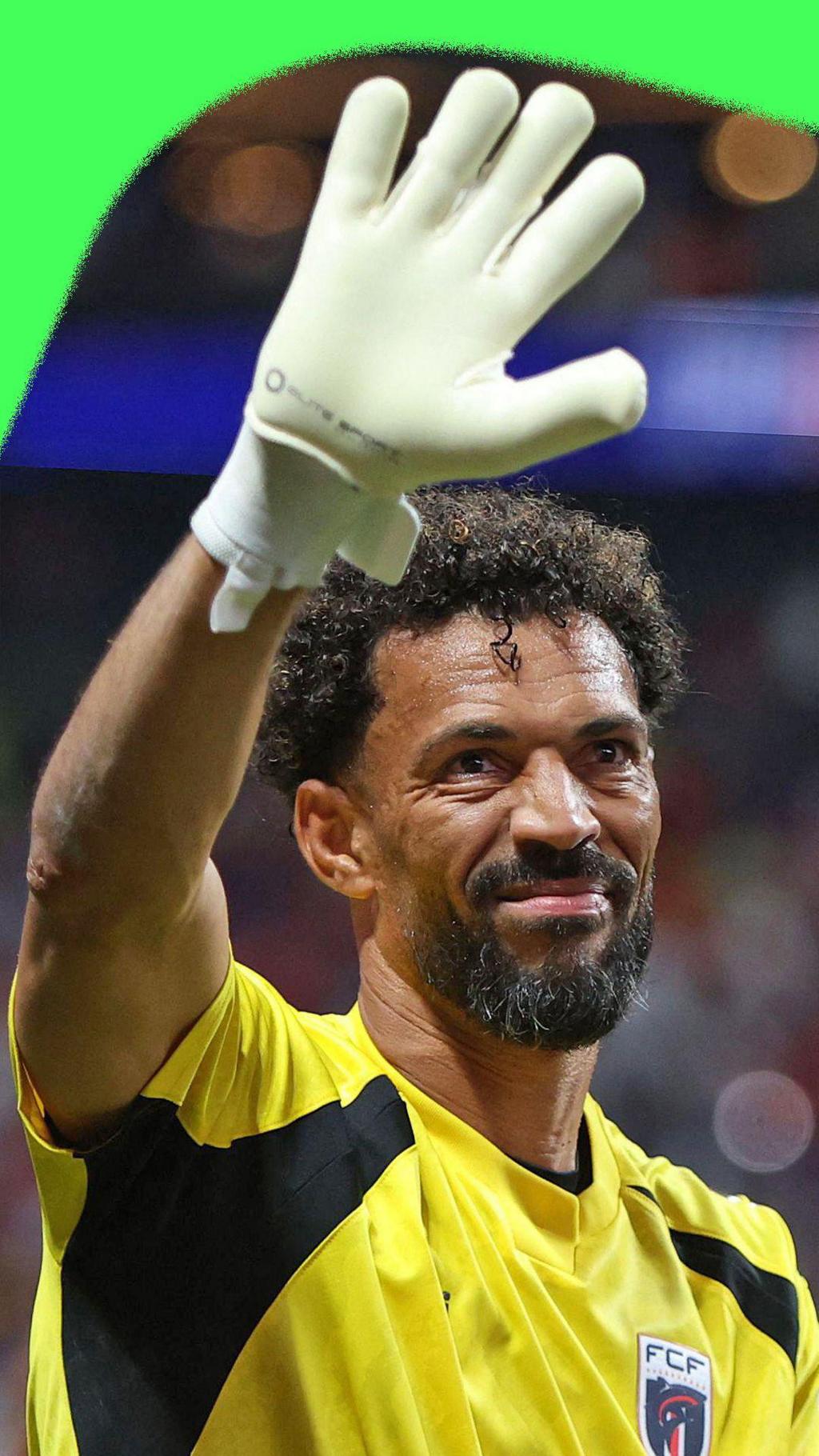
    Cape Verde’s veteran goalkeeper Vozinha, who had announced his retirement from professional football ahead of the ongoing FIFA World Cup, is now widely expected to reverse that decision following persistent encouragement from his international teammates, according to close sources.

    The shot-stopper delivered a career-defining performance against Spain, turning in a string of sensational saves that captured global attention and won widespread praise from fans and pundits alike. Now, a close associate of the 30-something goalkeeper has opened up about his future plans, telling BBC Radio 5 Live that his iconic showing against one of the world’s top-ranked teams could not have come at a better time for a player widely regarded as one of the sport’s true good guys.

    Joao Carlos Silva, a board member at Vozinha’s former hometown club Mindelense, confirmed that the goalkeeper had signaled his intention to hang up his gloves months before the World Cup kicked off. However, in the wake of his breakout performance on the global stage, Silva revealed that team-mates have launched a concerted effort to convince Vozinha to stay in the game – and that the campaign appears to be working.

    Silva added that while a final decision has not yet been made public, the mood around the Cape Verde camp has shifted dramatically, with growing optimism that the national side will retain their hero for future fixtures. The news has been met with celebration across Cape Verde, where Vozinha’s performance against Spain has already cemented his status as a national sporting icon.

  • How a small Kansas city embraced Algeria

    How a small Kansas city embraced Algeria

    As the 2026 FIFA World Cup preparations continue to take shape, one unexpected small city in the American heartland has stepped into the global spotlight. Lawrence, a mid-sized community tucked away in Kansas, has been selected as the official pre-tournament base camp for the Algerian men’s national football team, and local residents have opened their arms to the North African side ahead of the global competition.

    In a recent on-site report from BBC Sport, the outlet explored the unique connection forming between this quiet Midwestern city and one of Africa’s most passionate football nations. The announcement of the base camp arrangement has brought unprecedented international attention to Lawrence, a city better known for its local college sports culture and small-town charm than for hosting elite international football squads.

    Local community leaders and residents have already begun planning welcome events, cultural exchange activities, and fan engagement opportunities to help the Algerian squad feel at home during their final preparation stages for the 2026 tournament. For Lawrence, the hosting opportunity marks a rare chance to showcase Midwestern hospitality to a global audience, while Algeria gains access to top-tier training facilities and a calm, focused environment to fine-tune their competitive strategy ahead of the World Cup kickoff.

    The 2026 World Cup, co-hosted by the United States, Canada, and Mexico, is drawing increasing global attention as the tournament date approaches, with teams across the world finalizing their pre-competition hosting and training arrangements. The selection of Lawrence as Algeria’s home away from home highlights the diverse range of communities across North America stepping up to participate in the historic global sporting event.