分类: society

  • British Columbia ending its 3-year drug decriminalization pilot project

    British Columbia ending its 3-year drug decriminalization pilot project

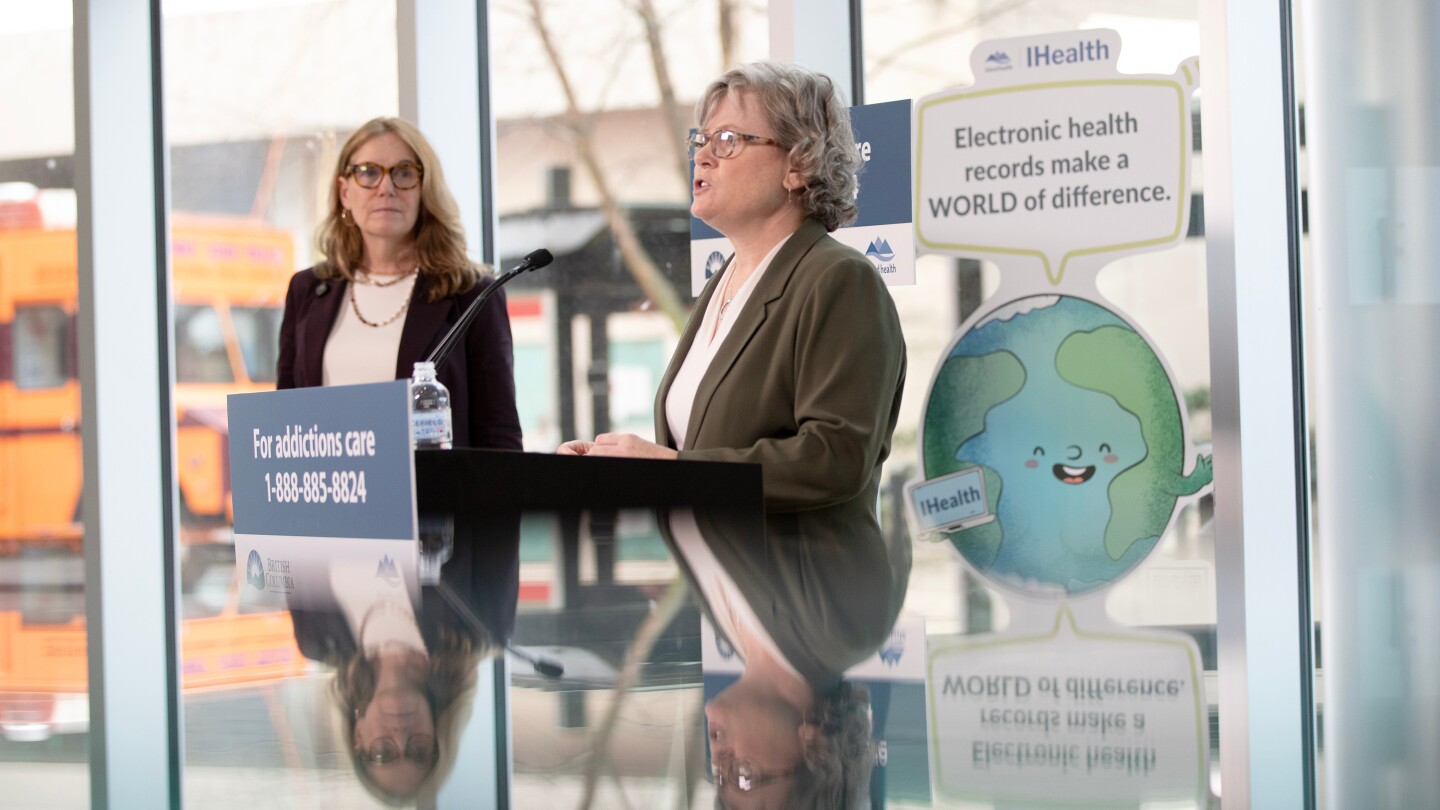
    VICTORIA, British Columbia — In a significant policy reversal, British Columbia has terminated its groundbreaking three-year experiment with drug decriminalization. Provincial Health Minister Josie Osborne confirmed Wednesday that the government will not seek an extension to its agreement with Health Canada, effectively ending the controversial program on January 31.

    The pilot project, initiated in January 2023 under a federal exemption from the Controlled Drugs and Substances Act, permitted adults to carry up to 2.5 grams cumulative of opioids, cocaine, methamphetamine, and MDMA without criminal penalties. The initiative represented Canada’s most progressive approach to substance use regulation.

    Minister Osborne acknowledged the program’s failure to achieve its primary objective: encouraging more individuals to seek treatment services. “While designed to reduce stigma and facilitate access to support, the decriminalization framework hasn’t delivered the outcomes we anticipated,” Osborne stated.

    The termination follows recent restrictions implemented in 2024 that limited drug possession to private residences, homeless shelters, and designated healthcare facilities—a response to growing public concerns about open drug use in community spaces.

    This development mirrors Oregon’s similar reversal of drug decriminalization policies in 2004, though contrasts with Portugal’s sustained approach since 2001 as the first nation to decriminalize all drug consumption.

    Officials now indicate a strategic pivot toward enhancing mental health and addiction care systems. “Our focus is strengthening pathways to timely, appropriate care through a comprehensive system encompassing prevention, treatment, recovery, harm reduction, and aftercare,” Osborne emphasized.


  • Winter cherry blossoms create unexpected spectacles

    Winter cherry blossoms create unexpected spectacles

    Two remarkable natural phenomena featuring winter cherry blossoms have emerged simultaneously in different regions of China, creating unexpected visual spectacles and ecological interactions. In Central China’s Hunan province, Taifu Mountain in Linli county has experienced an unusual winter blooming of cherry blossoms, typically associated with spring. The phenomenon has drawn substantial visitor numbers to the area, with over 10,000 arrivals recorded in the past ten days, including weekend peaks exceeding 2,000 daily visitors. Experts attribute this atypical flowering pattern to recent unseasonably warm and dry weather conditions in the region. Approximately twenty percent of the mountain’s cherry trees have entered bloom, with projections suggesting the flowering period could extend for up to three months. The scenic area, noted for its exceptional 97.3% forest coverage rate, maintains a unique microclimate that supports diverse plant life, attracting more than 210,000 visitors throughout 2025. Meanwhile, in Southwest China’s Yunnan province, the Jingdong area within Wuliang Mountain National Nature Reserve has witnessed an equally captivating interaction between nature and wildlife. Winter cherry blossoms there have attracted groups of Indochinese gray langurs, national first-class protected animals, who have been observed feasting on the blossoms. Photography enthusiast Run Ning recently documented hundreds of these primates foraging together, capturing images of langurs lounging on branches, playing, grooming, and consuming petals amidst the floral backdrop. Conservation efforts have proven successful, with latest survey data indicating the Jingdong area now hosts over 3,000 Indochinese gray langurs distributed across 61 distinct groups—representing a significant increase of 18 groups and more than 1,000 individuals compared to population figures from a decade ago.

  • Chongqing park becomes stage for captivating natural phenomenon

    Chongqing park becomes stage for captivating natural phenomenon

    The Locajoy Theme Park in Chongqing’s Yongchuan district has emerged as an unexpected stage for one of nature’s most captivating seasonal spectacles. This urban recreational space has temporarily transformed into a vital winter sanctuary, hosting a remarkable convergence of resident and migratory bird species that has created a living tapestry of avian biodiversity.

    Approximately 100 migratory waterfowl, including common pochards and ferruginous ducks, have completed their extensive journey from northern regions to settle at the park’s Waterfowl Lake. These seasonal visitors have joined nearly 300 resident birds, establishing a dynamic and diverse avian community. At an adjacent lake, an additional 300 cormorants have arrived, mingling with resident cormorants and pelicans to create a unique ecological display.

    Park naturalists report that these wild ducks initiate their southward migration as winter approaches, with January representing the peak congregation period. The park’s expansive water bodies, clear waters, abundant food resources, and the resident birds’ adaptation to human presence provide ideal wintering conditions for these migratory species. This environment facilitates harmonious coexistence between the seasonal visitors and permanent avian residents.

    Complementing this natural phenomenon, the park administration has implemented educational initiatives to raise public awareness about migratory patterns and conservation needs. Strategically placed information displays and specially designated observation areas offer visitors valuable insights into the fascinating world of migratory waterfowl while emphasizing the importance of protecting these seasonal guests and their habitats.

  • Chongqing’s cat theme park draws visitors, aids rescues

    Chongqing’s cat theme park draws visitors, aids rescues

    A groundbreaking feline-themed recreational facility in Chongqing has emerged as a pioneering model for integrating animal welfare initiatives with sustainable tourism. Firefly Bay Cat Theme Park, situated along the Yangtze River’s southern bank in Nan’an district, has attracted significant public interest since its January 2026 opening through its unique dual mission of entertainment and animal advocacy.

    Spanning approximately 30,000 square meters—equivalent to four standard soccer fields—the establishment provides sanctuary to numerous rescued felines while offering visitors immersive educational experiences. For a modest admission fee of 19.9 yuan (approximately $2.85), which includes complimentary cat treats, guests gain access to specially designed interaction zones where they can engage with the animals in controlled environments.

    Beyond its primary feline facilities, the park boasts meticulously landscaped outdoor areas featuring panoramic river views and tranquil tea-serving spaces. The complex operates as both a recreational destination and a comprehensive rescue center, providing medical treatment, quarantine services, vaccinations, and sterilization procedures for abandoned, injured, and disabled cats.

    Peng Chen, the park’s director, revealed that approximately two-thirds of the facility is currently operational, with complete public access anticipated by April 1. This innovative approach to animal welfare tourism represents a significant advancement in how urban spaces can simultaneously support conservation efforts and public engagement, potentially establishing new standards for ethical entertainment venues across China.

  • Dubai: School bus pooling to help cut costs and peak-hour rush, say experts

    Dubai: School bus pooling to help cut costs and peak-hour rush, say experts

    Dubai’s transportation landscape is set for a transformative shift as the Roads and Transport Authority (RTA) initiates a groundbreaking school bus pooling program in collaboration with Yango Group and Urban Express Transport. This innovative approach to student mobility aims to address the chronic traffic congestion that plagues school zones during peak hours while simultaneously reducing transportation costs for families.

    The pilot program, scheduled for implementation in 2026, will deploy shared buses serving multiple schools within designated geographic zones. This strategic consolidation of routes represents a significant departure from traditional single-school transportation models. Advanced technology will facilitate comprehensive trip management, real-time vehicle tracking, and operational monitoring, with the RTA emphasizing strict adherence to all safety, security, and regulatory standards governing student transport in the emirate.

    Transportation experts have welcomed the initiative, highlighting its potential to substantially reduce morning and afternoon traffic pressures. Thomas Edelmann, Founder and Managing Director of RoadSafetyUAE, provided compelling data: “In Dubai, the average trip takes approximately 60% longer around 8 AM when schools open compared to clear road conditions. Between 3 PM and 4 PM during school dismissals, this value escalates to about 80%.” He emphasized that each shared bus could eliminate up to 50 private vehicles from roadways during these critical congestion periods.

    The economic implications are equally significant. Many parents currently face substantial financial burdens from traditional school bus services, with some reporting annual costs reaching AED 10,000 per child. The pooling model promises to optimize route efficiency and vehicle utilization, potentially making school transportation more affordable while addressing environmental sustainability concerns.

    Educational leaders have expressed cautious optimism about the initiative. Deepika Thapar Singh, CEO-Principal of Credence High School, noted: “Families are likely to be receptive to a shared transport model, particularly for senior students, provided there are strong assurances around safety, punctuality and supervision.” She acknowledged that parents of younger children might exhibit more caution regarding multi-school travel arrangements.

    While the program offers promising solutions to traffic congestion and transportation costs, its ultimate success will depend on practical implementation factors including safety protocols, scheduling efficiency, and parental acceptance. If successful, this pilot could establish a new paradigm for student mobility not only in Dubai but potentially across other urban centers facing similar transportation challenges.

  • Winter fishing season brings fresh catches at Hunan’s Liuye Lake

    Winter fishing season brings fresh catches at Hunan’s Liuye Lake

    Against the backdrop of winter’s crisp air, Liuye Lake in Changde, Hunan province, has become the centerpiece of a remarkable annual tradition—the Winter Fish Market. Now in its seventh consecutive year, this highly anticipated event has transformed into both a cultural celebration and economic boon for the region.

    The fishing festival, running from January 8 to January 18, operates on a simple yet effective principle: daily catches are available from 9 am until completely sold out. This year’s market holds special significance as it coincides with preparations for the upcoming Chinese Year of the Horse, symbolizing local aspirations for prosperity and success in the coming year.

    What sets Liuye Lake apart is its commitment to ecological aquaculture practices. The ‘willow-leaf lake’ employs a strict natural farming methodology that completely avoids artificial feeds, chemical fertilizers, and fish medications. This approach has not only ensured the quality of the aquatic products but has also maintained the lake’s ecological balance.

    According to local government estimates, the current winter fishing season is expected to yield approximately 250,000 kilograms of fresh fish. The morning scenes at the lake demonstrate the event’s popularity, with locals forming orderly queues to secure their share of the daily catch, often resulting in complete sell-outs within hours.

    The impact of Liuye Lake’s fishing industry extends far beyond Changde’s boundaries. Fresh catches are systematically transported to major urban markets, including Chongqing and Chengdu, bringing the lake’s renowned freshness to dining tables across the region. This distribution network has effectively turned a local tradition into a regional culinary phenomenon.

    The success of the winter fishing market represents a harmonious blend of environmental conservation, cultural preservation, and economic development—a model that continues to gain recognition and appreciation throughout Central China.

  • Xizang expands elderly care faster than its population growth

    Xizang expands elderly care faster than its population growth

    The Tibet Autonomous Region has achieved remarkable progress in elderly care services, significantly outpacing its general population growth according to recent government reports. At a press briefing held in Lhasa this week, regional authorities detailed substantial advancements in both care facility infrastructure and pension system enhancements.

    By the conclusion of 2025, Tibet had established 80 county-level centralized care service centers specifically designed for economically vulnerable seniors. These facilities currently accommodate over 5,800 elderly residents while providing more than 12,000 specialized care beds, with more than half designated for nursing care purposes. The region’s comprehensive approach also includes 65 dedicated day-care centers for older adults and 195 rural ‘happiness homes’ that enable seniors to receive support while remaining within their familiar communities.

    Demographic data from the latest national census reveals that Tibet’s population aged 60 and above has reached 311,000 individuals, representing 8.52% of the permanent population. Those aged 65 and older number approximately 207,000, accounting for 5.67% of the population. These segments have demonstrated annual growth rates exceeding 3%, substantially higher than the region’s overall population expansion.

    Lhamo Drolma, Deputy Director of the Regional Department of Civil Affairs, highlighted the parallel developments in social security infrastructure. “By 2025, we had established 539,200 personal pension accounts with cumulative contributions reaching 161 million yuan (approximately $23 million),” Drolma announced. The region has elevated the basic monthly pension for both urban and rural residents to 295 yuan—double the national average and ranking fourth highest nationwide—benefiting 318,200 individuals. Additional pension adjustments have positively impacted over 120,000 retirees from enterprise and government institutions.

    Healthcare services for seniors have similarly advanced at an accelerated pace, with 62% of secondary hospitals now featuring dedicated geriatrics departments and 85% of medical centers implementing elderly-friendly modifications. Major hospitals have introduced priority services including specialized service windows and customized assistance programs to ensure comprehensive healthcare accessibility for elderly patients.

  • Watch: Paraglider survives 500ft drop into ocean

    Watch: Paraglider survives 500ft drop into ocean

    A recreational paraglider cheated death after experiencing catastrophic equipment failure that sent him plunging approximately 500 feet into the Atlantic Ocean off Florida’s Palm Beach County coastline. The harrowing incident, captured on video, shows the precise moment the powered paraglider’s motor system malfunctioned during flight, triggering an uncontrolled descent into the waters below.

    Emergency response teams from the Palm Beach County Sheriff’s Office and the United States Coast Guard immediately launched a multi-agency rescue operation. The victim, whose identity remains undisclosed, demonstrated remarkable presence of mind throughout the ordeal, managing to disentangle himself from the parachute canopy and activated his personal flotation device while awaiting rescue in open water.

    Marine safety experts subsequently emphasized the critical importance of emergency preparedness for adventure sports enthusiasts. The incident has sparked renewed discussions about safety protocols and equipment maintenance standards within the paragliding community. Authorities confirmed the individual sustained only minor injuries and was transported to a nearby medical facility for evaluation following his retrieval from the ocean.

  • Ningxia offers near-total childbirth cost coverage to reduce burden on families

    Ningxia offers near-total childbirth cost coverage to reduce burden on families

    The Ningxia Hui Autonomous Region in Northwest China has introduced a transformative healthcare policy that provides nearly comprehensive coverage for childbirth-related medical expenses. Implemented on November 1, this initiative represents a significant step toward reducing financial pressures on families during childbirth.

    Under the newly established framework, all hospitalization costs associated with childbirth that fall within the medical insurance scope now receive full reimbursement. The policy notably includes coverage for painless delivery procedures, prompting medical institutions throughout the region to expand and enhance their obstetric services accordingly.

    The comprehensive coverage extends to both employed workers and residents participating in medical insurance programs, with resident insurers qualifying after maintaining two consecutive years of premium payments. The policy encompasses both natural birth and cesarean section procedures, ensuring broad accessibility across different childbirth scenarios.

    Since its implementation, the program has already demonstrated substantial impact, with over 7,600 expectant mothers benefiting from the initiative. Many families have reported out-of-pocket expenses reduced to less than 200 yuan (approximately $28.68), representing a dramatic decrease from previous childbirth costs.

    This policy innovation forms part of China’s broader national efforts to address demographic challenges and promote family-friendly social policies. By significantly reducing the financial barriers associated with childbirth, Ningxia’s approach may serve as a model for other regions seeking to implement supportive measures for growing families.

  • Gates Foundation unveils $9 billion budget and plans to cut staff

    Gates Foundation unveils $9 billion budget and plans to cut staff

    The Bill & Melinda Gates Foundation has unveiled a groundbreaking $9 billion budget for 2026—the largest in its history—while simultaneously initiating a strategic restructuring that will reduce its workforce by up to 500 positions over the coming five years. This dual announcement represents a significant evolution for the world’s most influential philanthropic organization as it advances toward its planned closure in 2045.

    The record expenditure, approved by the foundation’s board this week, represents an increase from last year’s $8.74 billion budget and will accelerate funding across critical initiatives including women’s health, vaccine development, polio eradication, artificial intelligence applications, and U.S. education programs. Concurrently, the organization will implement an operational cost cap of $1.25 billion (approximately 14% of total budget) through careful staff reduction and efficiency measures.

    Foundation CEO Mark Suzman emphasized the deliberate nature of these changes, stating the staff reductions would occur incrementally rather than through sudden layoffs. ‘We will do this thoughtfully, carefully, and systematically,’ Suzman told the Chronicle of Philanthropy. ‘We’ll be recalibrating it every year. That 500-person target is a maximum target.’

    The strategic shift occurs against a challenging global backdrop where cuts in U.S. government humanitarian spending have increased the importance of philanthropic support. Bill Gates noted in a recent blog post that child mortality rates have increased for the first time this century, from 4.6 million in 2024 to 4.8 million in 2025, signaling that ‘the world went backwards’ last year.

    In response, the foundation will prioritize three key areas over the next two decades: maternal and child health, infectious disease prevention, and poverty reduction. The organization is also expanding its geographical presence with newly established Africa and India Offices Division, while transferring HIV and tuberculosis program management from Seattle headquarters to African offices.

    Despite the planned eventual closure, Suzman maintains optimism about the foundation’s future impact: ‘We are moving into what I believe is going to be the most impactful period of the Gates Foundation in its history. We’ve learned a huge amount over the last quarter century. We’ve built expertise, credibility, and partnerships.’

    The foundation continues to balance its embrace of technological innovation with caution, acknowledging both the potential benefits and risks of artificial intelligence. Last July, the organization joined a coalition pledging $1 billion in grants and investments to develop AI tools for public defenders and social workers over the next 15 years.