
Dubai’s leading public parking provider, Parkin, has unveiled two new paid parking zones in Dubai Studio City and Outsource City, marking a significant expansion of its services. The announcement, made on Friday, October 31, 2025, introduces structured parking tariffs and subscription rates for these areas, effective immediately. Clear signage has been installed to demarcate the zones, ensuring compliance with Code T regulations. The new tariffs, applicable from 8 AM to 10 PM, range from Dh2 for half an hour to Dh36 for a full 24-hour period. Subscription options include monthly, quarterly, semi-annual, and annual plans, priced at Dh315, Dh840, Dh1680, and Dh2940, respectively. This move follows Parkin’s earlier initiatives, such as the introduction of free parking on Sundays and public holidays in Mirdif and the addition of paid zones in Al Jaddaf and Al Khail Gate earlier this year. The expansion aims to streamline parking management and enhance convenience for residents and visitors in these bustling commercial hubs.
分类: society
-
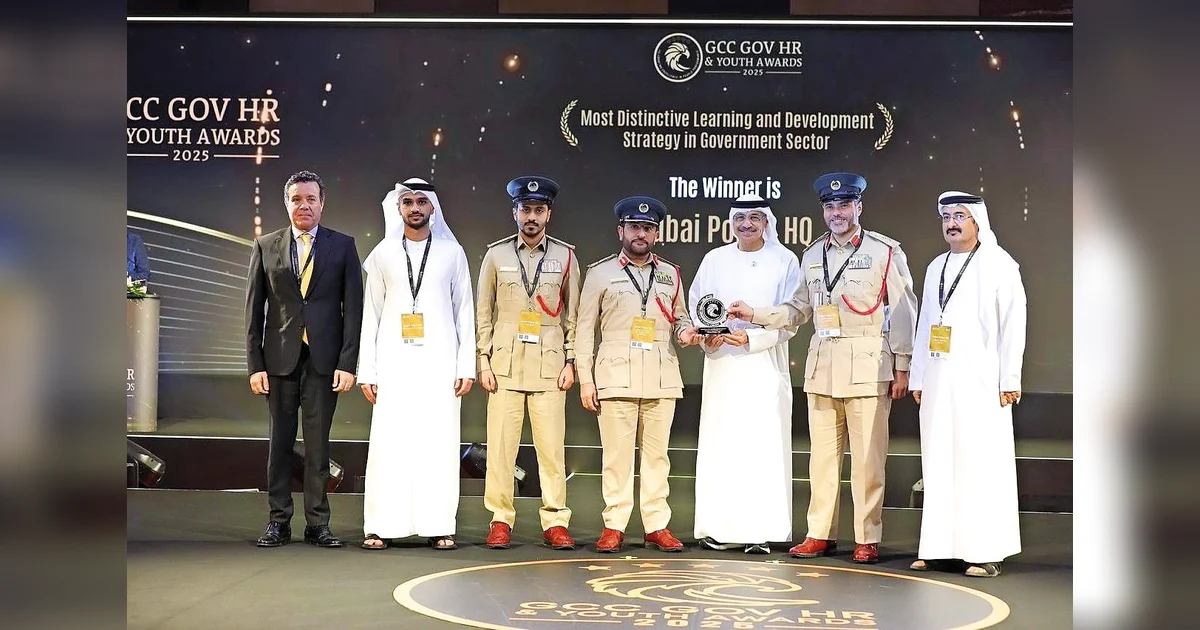
GCC regional visionaries honoured at the 13th Annual GOV HR & Youth Empowerment Awards
The 13th Annual GCC GOV HR & Youth Summit and Awards 2025, hosted by QnA International, concluded with a grand celebration at the Grand Hyatt Abu Dhabi. This prestigious event, recognized as the GCC’s leading platform for governance and human resources excellence, gathered over 300 distinguished leaders, policymakers, and HR professionals from across the region. Under the theme ‘Elevating HR, empowering youth, enabling nations,’ the awards highlighted the region’s commitment to fostering inclusive, technology-driven, and future-ready workplaces. The ceremony featured a wide range of categories, including leadership and governance, diversity and inclusion, digital transformation, employee wellbeing, sustainability, nationalisation, youth empowerment, and HR innovation. Among the notable honorees, Major General Dr. Saleh Abdullah Murad, Assistant Commander-in-Chief for Administrative Affairs at Dubai Police HQ, was named GOV HR Leader of the Year, and Captain Shaikh Abdulaziz Bin Sultan Bin Abdulla Al Nuaimi, Director of the Excellence Awards Branch at Ajman Police, received the Youth Icon of the Year award. Sidh N C, director of QnA International, emphasized the event’s role in celebrating innovation, leadership, and progress in governance and human capital, stating that it reinforces the belief that people are central to national transformation. The 13th edition of the awards continues to serve as the region’s foremost platform for recognizing the individuals, policies, and initiatives driving a more empowered and future-ready GCC.
-
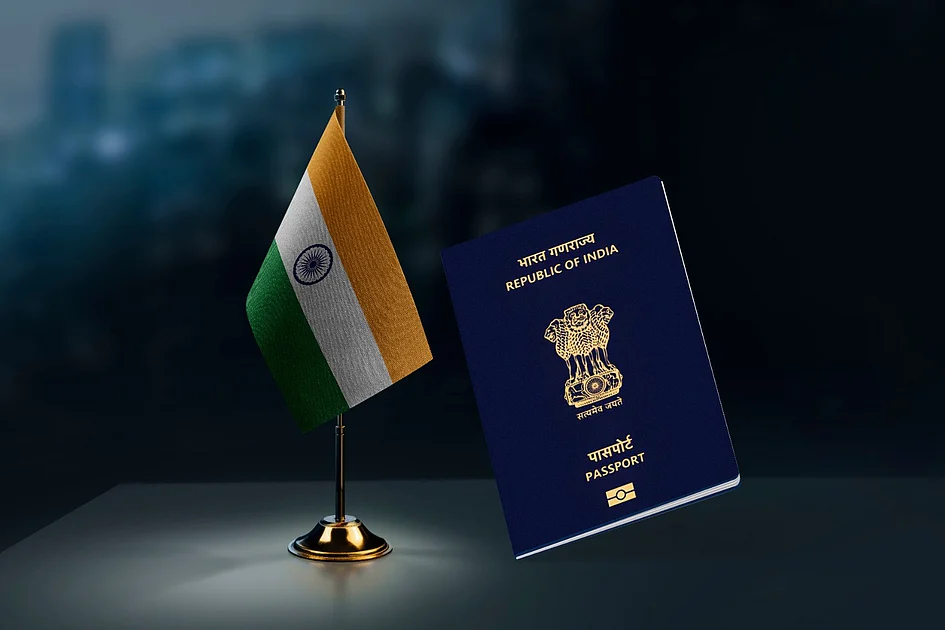
New e-passports for Indian expats: 10 things you need to know
Indian expatriates in the UAE are set to experience a significant upgrade in passport services with the introduction of e-passports. The Indian mission in the UAE has launched the Passport Seva Programme (GPSP 2.0), effective from October 28, 2025, marking a new era in passport issuance and renewal processes. The e-passport, embedded with a Radio Frequency Identification (RFID) chip, combines traditional paper elements with advanced electronic features, enhancing security and convenience for travelers.
Applicants must now utilize the upgraded online portal, https://mportal.passportindia.gov.in/gpsp/AuthNavigation/Login, to submit their applications. The platform offers an auto-fill option for renewals, streamlining the process by retrieving existing details from previous passports. A notable change is the requirement for ICAO-approved photographs, ensuring high-resolution images with specific criteria such as a plain white background and neutral expressions.
Once the online application is completed, applicants must visit BLS International, the designated service provider in the UAE, with necessary original documents. The new system eliminates charges for minor edits, a welcome change from previous practices. While biometrics are not currently required for UAE applicants, the Indian government plans to implement this feature overseas in the future.
The new e-passports feature a revamped design, including a unique serial number format and a golden RFID symbol. Existing passport holders need not rush to renew their documents, as they remain valid until expiration. However, all new applications will result in e-passport issuance.
Officials have urged patience during the initial rollout, anticipating some delays as the system stabilizes. The e-passports are expected to expedite immigration processes globally, reducing wait times and enhancing travel efficiency for Indian nationals.
-

Dubai Ride 2025: RTA announces temporary closure of 3 roads on November 2
In preparation for the highly anticipated Dubai Ride 2025, the Roads and Transport Authority (RTA) has announced temporary road closures across key routes in Dubai. Scheduled for Sunday, November 2, the event will see three major roads shut down from 3:30 AM to 10:30 AM to accommodate thousands of cyclists participating in the sixth edition of this city-wide fitness initiative. The affected roads include Sheikh Zayed Road between Trade Centre roundabout and Al Hadiqa Road Bridge, Lower Financial Centre Road between Sheikh Zayed Road and Al Khail Road, and one-way traffic on Sheikh Mohammed bin Rashid Boulevard. Motorists are advised to plan their journeys in advance and utilize alternative routes such as Upper Financial Centre Road, Zabeel Palace Road, Al Wasl Road, Al Khail Road, and Al Asayel Street. Dubai Ride 2025 is part of the Dubai Fitness Challenge, which runs from November 1 to November 30, offering a diverse range of free fitness activities for all ages and skill levels. Participants can choose between a family-friendly 4-km route through Downtown Dubai or a more challenging 12-km course featuring iconic landmarks like the Museum of the Future and Burj Khalifa. Advanced cyclists can also take part in the Dubai Ride Speed Laps from 5 AM to 6 AM, requiring a minimum average speed of 30 kmph. To support the event, Careem Bike is offering free single-trip rentals from 3 AM to 8 AM, with pop-up stations located at the Museum of the Future and Lower Financial Centre Street. The initiative underscores Dubai’s commitment to promoting an active and healthy lifestyle among its residents and visitors.
-
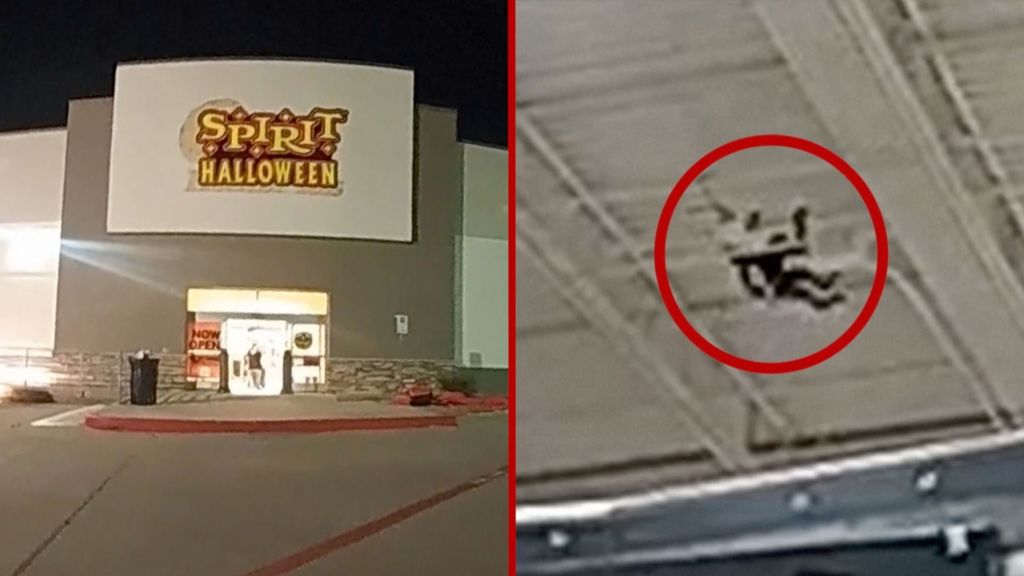
‘There’s a monkey running around’: Pet monkey loose inside US Halloween store
A Halloween store in the United States became the unexpected stage for an unusual incident when a pet monkey, described as acrobatic by its owner, escaped and ran loose inside the premises. According to the owner, the primate was startled by a store display, prompting it to flee and create a scene that left shoppers both amused and bewildered. Police were called to the scene to assist in capturing the runaway monkey, which had been a source of both entertainment and concern for those present. The incident highlights the challenges of keeping exotic pets in urban environments and raises questions about the safety and appropriateness of such practices. While no injuries were reported, the event has sparked discussions about the regulations surrounding pet ownership and the potential risks associated with animals in public spaces.
-

French PhD student at UCAS 2025: Cross-culture encounter awaits
Alban Schmoll, a French PhD student, is set to begin an exciting academic journey at the University of Chinese Academy of Sciences (UCAS) in 2025. Speaking at the university’s opening ceremony in Beijing, Schmoll shared his enthusiasm for joining a diverse and dynamic academic community. He expressed eagerness to engage with peers from various cultural backgrounds, emphasizing the value of cross-cultural learning and personal growth. The event marked the start of a new chapter for Schmoll, who is poised to contribute to and benefit from the rich academic environment at UCAS. His story highlights the increasing global appeal of Chinese educational institutions and the importance of fostering international collaboration in higher education.
-
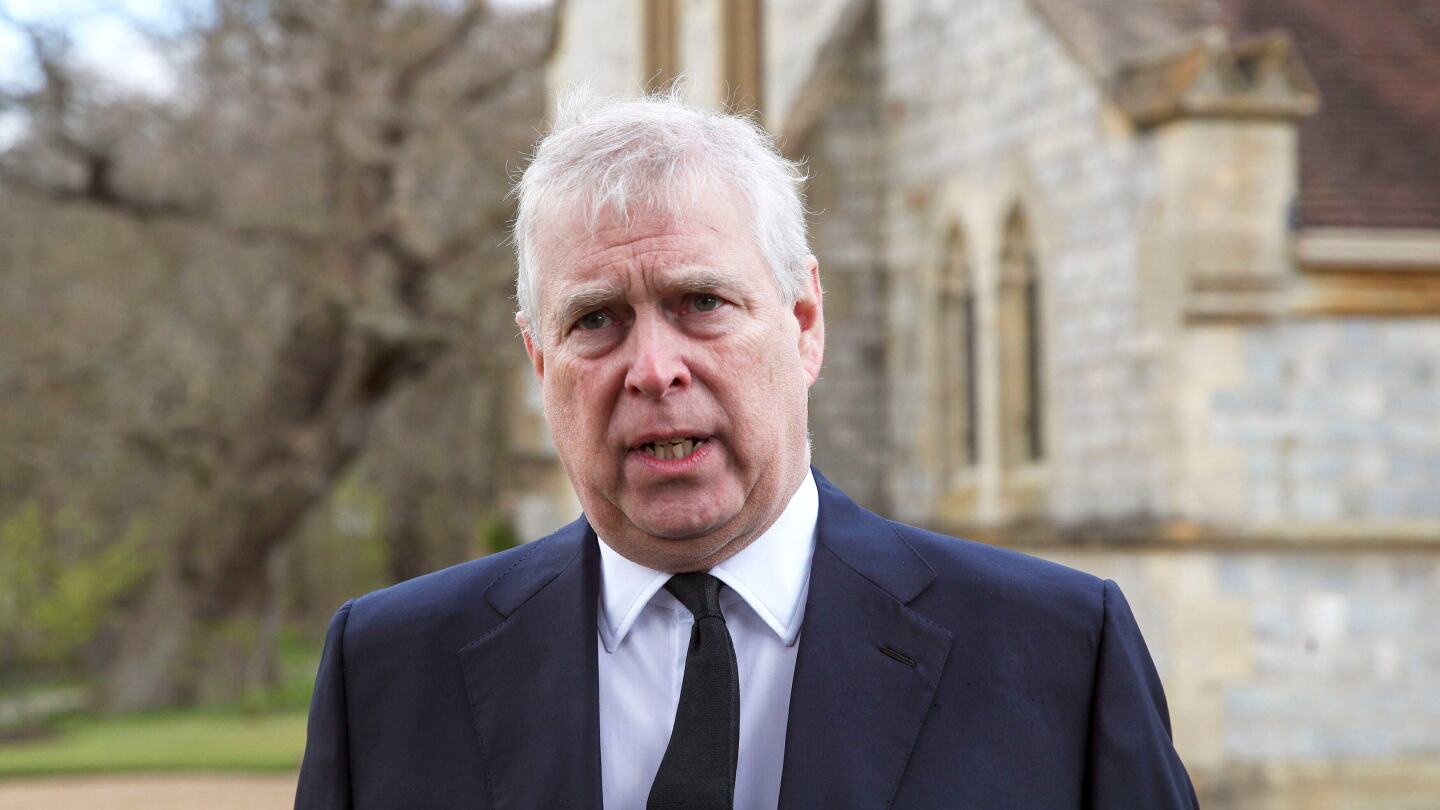
Andrew, the civilian formerly known as ‘prince,’ faces an uncertain future
In a historic move that underscores the British monarchy’s commitment to preserving its integrity, Prince Andrew has been stripped of his royal titles and evicted from his luxurious residence at Windsor Castle. This unprecedented decision by King Charles III comes as a direct response to Andrew’s association with convicted sex offender Jeffrey Epstein, which has severely tarnished his reputation and raised questions about his judgment. The once-prominent royal will now relocate to a modest private home on the Sandringham estate, marking a stark contrast to his former opulent lifestyle. This transition not only symbolizes Andrew’s fall from grace but also highlights the monarchy’s efforts to distance itself from scandal. Experts describe this as a humiliating yet necessary step to protect the royal family’s public image. Despite these changes, Andrew remains eighth in line to the throne, though his chances of ever ascending are deemed ‘entirely unrealistic.’ Meanwhile, his ex-wife, Sarah Ferguson, must also find new accommodations, while their daughters retain their titles as granddaughters of the late Queen Elizabeth II. King Charles has extended financial support to his brother, ensuring he is provided for despite his inability to contribute to royal duties. This saga underscores the delicate balance between familial loyalty and the monarchy’s public accountability.
-

Birders going ‘cuckoo’ after unexpected sighting in New York City area
A rare sighting of a common cuckoo on Long Island, New York, has ignited a wave of excitement among bird enthusiasts across the region. This species, typically native to areas spanning from Europe to Japan and wintering in Africa, was unexpectedly spotted in Riverhead, a town approximately 75 miles from New York City. The discovery was made by a golfer who captured a photo and shared it with his nephew, an avid birder. The image eventually reached the Cornell Lab of Ornithology in Ithaca, New York, where the bird was confirmed as a common cuckoo—a species rarely seen in the eastern United States and Canada. Since the initial sighting, the bird has been observed over 200 times, with enthusiasts documenting their encounters on platforms like ebird.org and social media. Many birdwatchers from across the U.S. have traveled to the area in hopes of catching a glimpse of the rare visitor. Experts believe the bird, identified as a juvenile, may have been migrating for the winter but veered off course. Jay McGowan, a curator at the Cornell Lab’s Macaulay Library, emphasized the significance of the sighting, noting it as a major event for birding in New York. He advised observers to maintain a respectful distance while enjoying the rare opportunity to witness a species typically found only in Europe or Asia.
-

French minister vows Louvre anti-intrusion devices after post-heist report finds security lapses
In response to the high-profile theft of crown jewels on October 19, the Louvre Museum in Paris is set to implement enhanced security measures, including streetside anti-ramming and anti-intrusion devices, within the next two months. French Culture Minister Rachida Dati announced the initiative on Friday, addressing concerns over the museum’s security vulnerabilities. The decision follows a provisional investigation that revealed a ‘chronic, structural underestimation’ of theft risks at the iconic Parisian landmark. Dati acknowledged that alarms were functional during the robbery but highlighted four critical failings: underestimated risk, inadequate security equipment, unsuitable governance, and outdated protocols. She emphasized the urgency of installing anti-ramming devices on public roads by year-end. The thieves reportedly used a truck-mounted basket lift to access a window in the Apollo Gallery, making off with eight pieces of crown jewels in mere minutes. The French Senate has since scrutinized surveillance gaps and accountability, with some lawmakers and unions questioning whether the proposed measures represent meaningful reform or merely symbolic gestures. Louvre Director Laurence des Cars has advocated for physical barriers to prevent vehicles from parking near vulnerable windows, underscoring the need for long-term security improvements.
-

Watch: Deadly rainfall sets record in New York City
New York City experienced unprecedented rainfall, resulting in catastrophic consequences. The torrential downpour submerged major roadways, uprooted large trees, and claimed the lives of at least two individuals. The intensity of the rainfall set a new record, overwhelming the city’s infrastructure and leaving residents in a state of emergency. Authorities are currently assessing the full extent of the damage and coordinating relief efforts. This extreme weather event has raised concerns about the city’s preparedness for such natural disasters, especially in the face of increasingly unpredictable climate patterns. The incident serves as a stark reminder of the urgent need for enhanced urban planning and disaster management strategies.