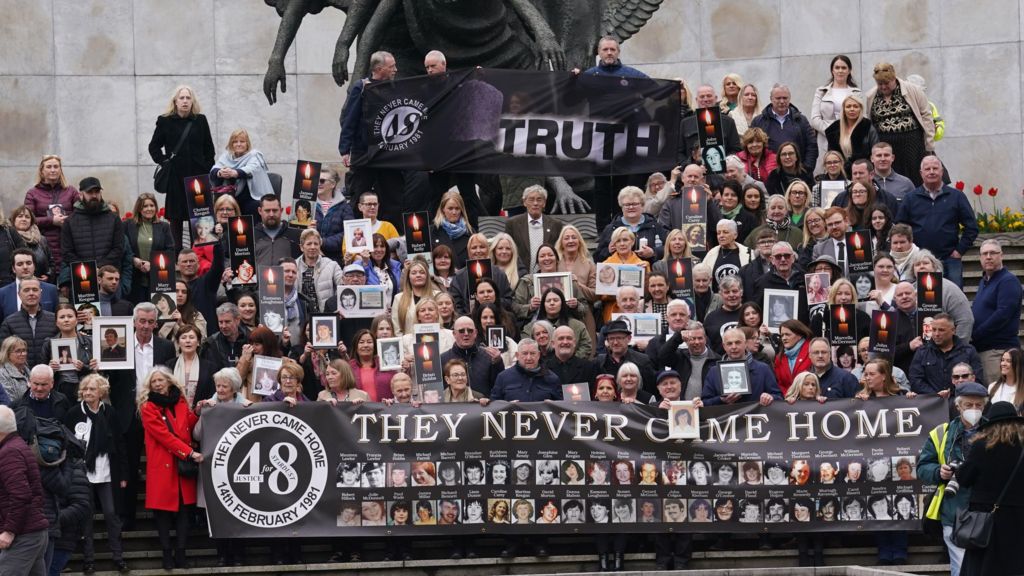
Survivors and families of victims from the 1981 Stardust nightclub fire in Dublin are escalating their fight for justice, as legal representatives prepare to challenge the Irish government over delays in compensation payments. Phoenix Law, acting on behalf of the injured survivors, has issued formal pre-action correspondence to Justice Minister Jim O’Callaghan, threatening a judicial review if the government fails to engage meaningfully on the second phase of a redress scheme. This phase, promised to survivors following the conclusion of the Stardust Inquests in April 2024, remains unaddressed, causing distress and uncertainty among those affected. The first phase, which awarded €24 million to the families of the 48 deceased, was completed last August. However, survivors, many of whom suffer from deteriorating health, have yet to see progress on their compensation. Jimmy Fitzpatrick, a survivor who suffered severe burns and long-term health issues, expressed frustration, urging the government to fulfill its promises. The Department of Justice maintains that there is no undue delay and that proposals are being advanced. The Stardust fire, Ireland’s deadliest blaze, continues to cast a long shadow over Dublin, with survivors and families demanding closure and accountability.
分类: society
-
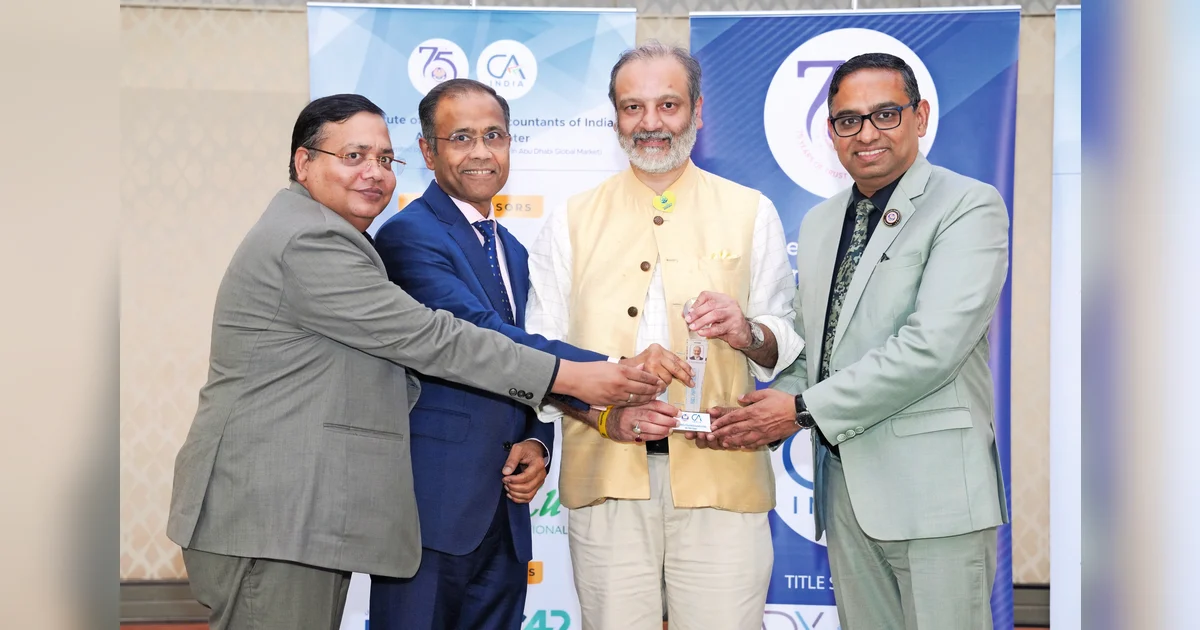
Global leaders inspire at an event hosted by ICAI Abu Dhabi
In a thought-provoking event hosted by the Institute of Chartered Accountants of India (ICAI) Abu Dhabi Chapter, three distinguished leaders—Dr. Huzaifa Khorakiwala, Siddharth Balachandran, and Shankar Sharma—shared their insights on leadership, peace, and prosperity in a rapidly changing world. The event, titled ‘Building Resilient Leaders in a Changing World,’ drew attendees from Abu Dhabi and Dubai, fostering a dialogue on empathy, vision, and global perspective. Krishnan, chairman of ICAI Abu Dhabi Chapter, opened the session by welcoming the speakers and audience, setting the tone for an evening of inspiration and reflection. Dr. Khorakiwala, founder of the ‘I Am a Peacekeeper Movement’ and executive director of Wockhardt Healthcare, highlighted the transformative power of peacekeeping and empathy. He introduced the seven pillars of peace—truth, gratitude, forgiveness, love, humility, giving, and patience—stressing that peace begins within individuals and radiates outward. Siddharth Balachandran, CEO of Buimerc Corporation Ltd, discussed the intersection of leadership and societal impact, praising the visionary approaches of the UAE and India. He underscored the importance of combining wealth generation with sustainability and philanthropy. Shankar Sharma, founder of First Global GQuant Investec, captivated the audience with his insights on global investing, emphasizing the role of calculated risk-taking in unlocking opportunities. The event concluded with a vote of thanks by CA Rohit Dayma, vice chairman of ICAI Abu Dhabi Chapter, who expressed gratitude to the speakers and attendees for their participation.
-

Watch: Train smashes into truck at Dutch level crossing
A dramatic collision occurred at a level crossing in Meteren, the Netherlands, when a train collided with a truck. The incident, which unfolded on a seemingly ordinary day, resulted in five individuals sustaining minor injuries. Fortunately, no serious injuries or fatalities were reported. Emergency services swiftly responded to the scene, ensuring that all affected individuals received prompt medical attention. The cause of the accident is currently under investigation, with authorities examining whether human error, mechanical failure, or other factors contributed to the crash. This incident has reignited discussions about the safety measures at level crossings and the need for enhanced precautions to prevent such accidents in the future. Local residents expressed relief that the outcome was not more severe, but the event serves as a stark reminder of the potential dangers at railway crossings.
-
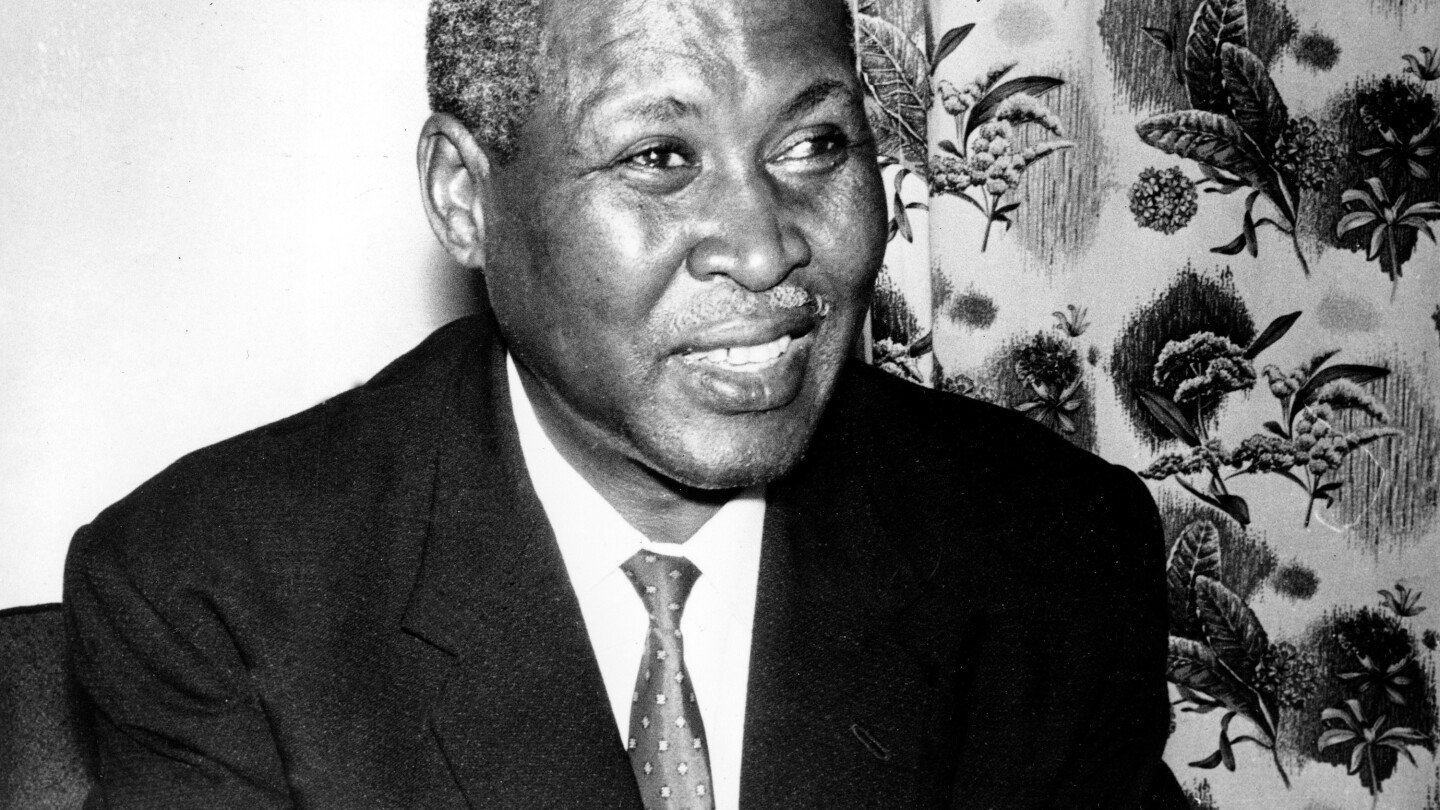
New inquest rules South African Nobel laureate Albert Luthuli was beaten to death in 1967
A groundbreaking court ruling in Pietermaritzburg, South Africa, has overturned a 1967 inquest conclusion, revealing that Albert Luthuli, the Nobel Peace Prize-winning anti-apartheid leader, was beaten to death rather than killed in a train accident. The judgment, delivered on Thursday, comes after more than 50 years of suspicion that Luthuli was murdered by apartheid police due to his leadership in the African National Congress (ANC), which opposed the white minority rule system. The South African government reopened the inquest in April as part of a broader effort to investigate high-profile apartheid-era killings allegedly concealed by authorities. The original 1967 inquest had ruled Luthuli’s death accidental, a finding widely doubted given the apartheid government’s history of covering up political assassinations. The new inquest judge concluded that Luthuli died from head injuries consistent with an assault, implicating the notorious Special Branch police unit and railway company employees. The ANC hailed the ruling as a step toward justice and dignity for Luthuli’s memory and all apartheid victims. Luthuli, ANC president from 1952 until his death, was the first African awarded the Nobel Peace Prize in 1960 for his nonviolent resistance to apartheid. This ruling is part of a series of inquests into apartheid-era deaths, including that of Steve Biko, ordered by President Cyril Ramaphosa amid criticism of delayed investigations.
-
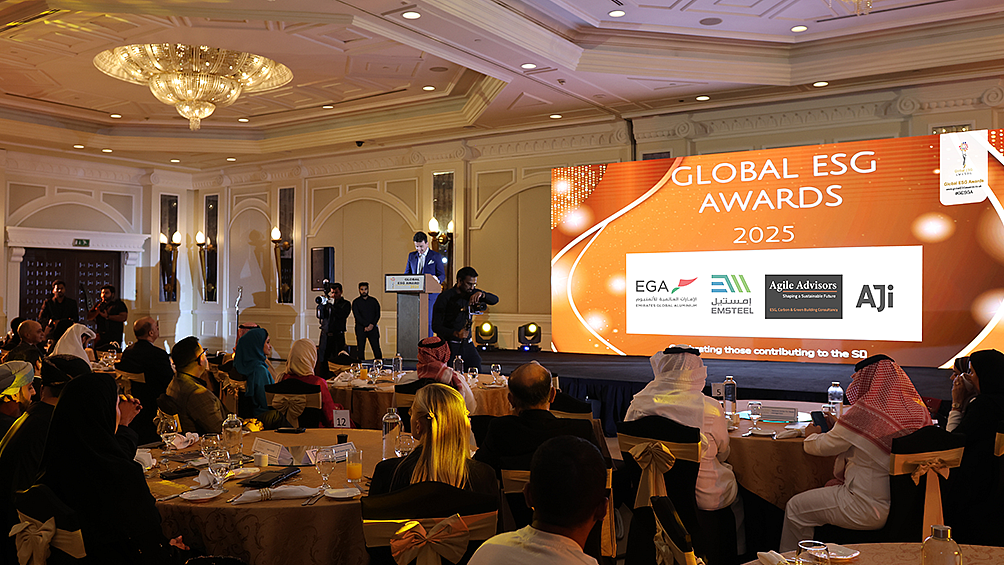
Global ESG Awards third edition recognising leaders shaping a sustainable future
The third edition of the Global ESG Awards, held on October 2, 2025, at the Al Habtoor Grand Resort in Dubai, marked a significant milestone in recognizing global leaders driving sustainability and ESG (Environmental, Social, and Governance) excellence. The event attracted unprecedented participation, with 170 delegates representing over 35 companies from across the Middle East and India. The awards spotlighted organizations making tangible contributions to the United Nations Sustainable Development Goals (UNSDGs) and national sustainability agendas. Participants underwent a rigorous three-stage evaluation process, ensuring that only those with genuine achievements and measurable impact were honored. Awards were presented in two categories: Gold and Platinum. Notable winners included Agthia Group PJSC for Renewable Energy Integration, AJi Group for Sustainable Community/City and Green Buildings, and Aster DM Healthcare Ltd for Terrestrial Biodiversity Conservation. Platinum accolades were awarded to organizations like ADNOC Distribution for Women Empowerment and Emirates Global Aluminum for Safeguarding Marine Biodiversity. The event also celebrated Emirati Women’s Day, honoring 40 inspiring women leaders. Supported by sponsors such as Agile Advisors and EMSTEEL Group, the Global ESG Awards reinforced the importance of sustainability as a shared responsibility. Atul Gulati, the event facilitator, emphasized that sustainability is not a choice but a duty. Looking ahead, the awards aim to continue fostering collaboration, innovation, and a collective commitment to a sustainable future.
-
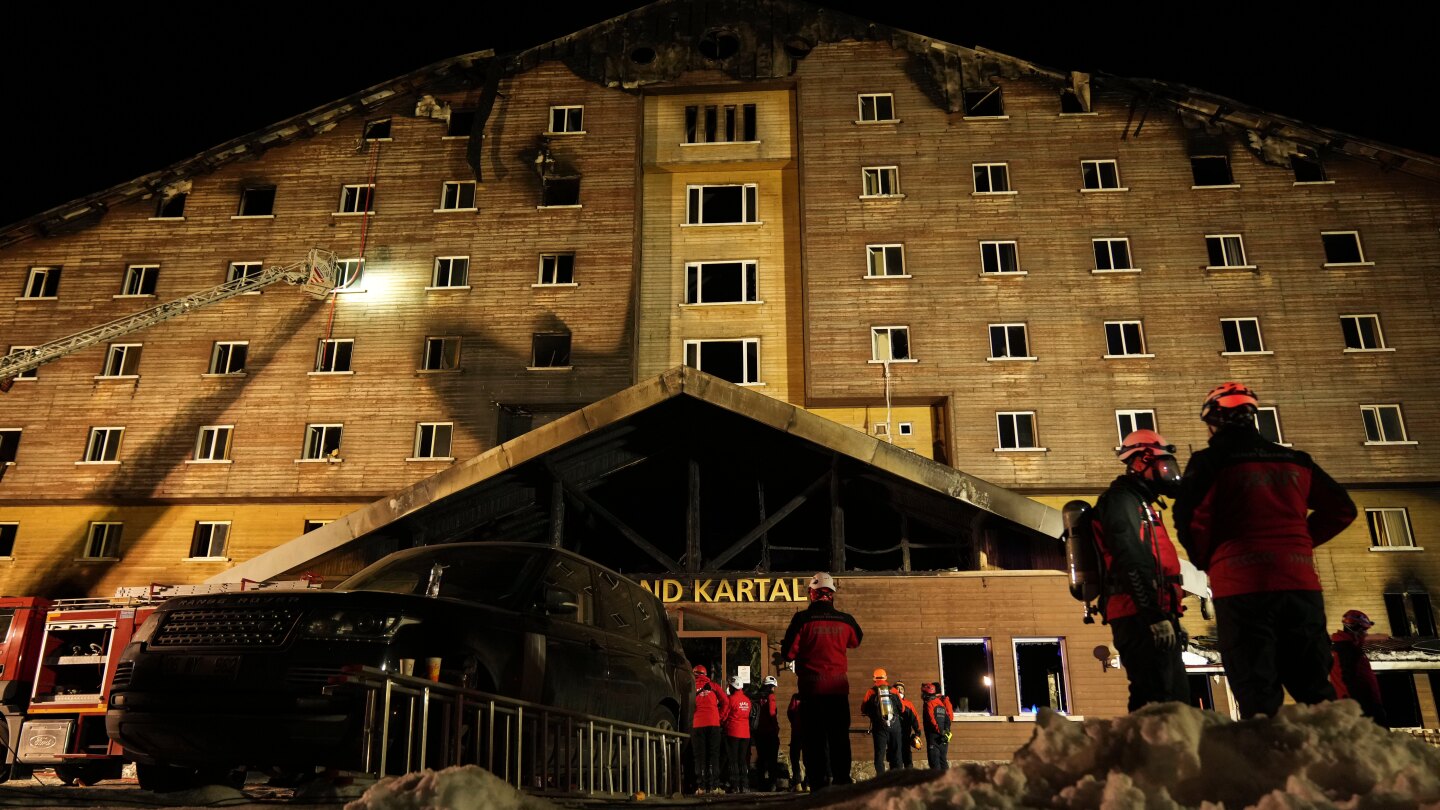
Turkish court sentences hotel owner and 10 others to life for deadly fire that killed 78
A Turkish court has delivered life sentences to the owner of the Grand Kartal Hotel and ten others following their conviction for severe negligence in a catastrophic fire that claimed 78 lives and injured 133 others. The tragic incident occurred on January 21 at the Kartalkaya ski resort in Bolu province during the winter school break, with 34 children among the victims. The court found hotel owner Halit Ergul, his family members, hotel managers, a deputy mayor, and a deputy fire chief guilty of ‘probable intent to kill’ due to their failure to ensure safety measures. In addition to life imprisonment for the deaths of the children, the defendants received an additional 25 years for the other fatalities. The defendants, who denied responsibility, are expected to appeal the verdict. The courtroom erupted in applause as families of the victims welcomed the sentencing. The fire, which began at 3:17 a.m. due to a spark from an electric grill, quickly spread due to poor safety measures, including a lack of smoke extraction systems, faulty alarms, and inadequate staff training. The disaster has sparked nationwide calls for accountability and stricter enforcement of safety regulations.
-

Floods kill 13 in Central Vietnam as rescue operations push forward
HANOI, Vietnam — As floodwaters began to recede across central Vietnam on Friday, rescue operations ramped up in response to days of relentless rainfall and catastrophic landslides that have claimed at least 13 lives, left 11 people missing, and displaced tens of thousands. The subsiding waters enabled emergency teams to access previously isolated communities, with nearly 26,000 residents evacuated from flood-ravaged or landslide-prone areas. The Vietnamese government mobilized helicopters and military personnel to deliver essential supplies such as food and medicine, while also focusing on repairing homes, clearing debris, and preventing disease outbreaks. Infrastructure restoration efforts are underway, with roads, power lines, and schools being repaired, and emergency rice aid scheduled for distribution by Saturday. The North–South railway, a vital transport link connecting Hanoi and Ho Chi Minh City, resumed operations early Friday after a three-day closure, thanks to the tireless efforts of hundreds of workers who repaired damaged sections overnight. While flooding has eased in coastal cities like Hue and Danang, widespread inundation persists and is expected to continue for the next two days, according to state media. Since torrential rains began on October 26, the region has witnessed submerged homes, destroyed villages, and devastated infrastructure. Hue recorded an unprecedented 1,085 millimeters (42 inches) of rain in just 24 hours earlier this week, marking the highest daily rainfall ever measured in Vietnam. Prime Minister Pham Minh Chinh has issued urgent directives to accelerate recovery efforts and ensure no one goes hungry or without shelter. Disaster officials reported that approximately 120,000 homes were flooded, with 56 completely destroyed and 147 severely damaged. Temporary shelters are being established for displaced families. Meteorologists attributed the extreme weather to a collision of cool northern air with warm, moisture-laden sea winds, triggering a series of storms that have battered central provinces for days. The interaction forced rain clouds against mountainous terrain, exacerbating the downpours. Authorities have warned that heavy rain may persist in parts of central Vietnam through November 4, with some areas expected to receive over 700 millimeters of rain. While central Vietnam is no stranger to heavy rains and tropical storms, experts emphasize that the scale and intensity of this week’s floods underscore the escalating risks associated with shifting rainfall patterns in a warming climate. Vietnam ranks among the world’s most flood-prone countries, with nearly half its population residing in high-risk areas.
-
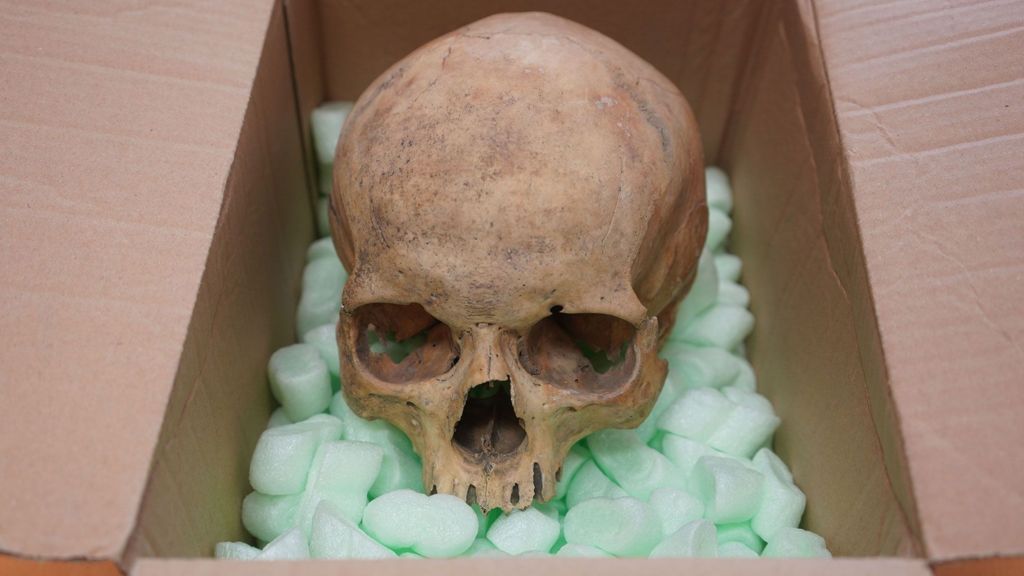
Sixty years after tourist stole skull from cathedral, he sends it back
In an unexpected turn of events, a skull was recently returned to Vienna’s St Stephen’s Cathedral, accompanied by a heartfelt letter. Franz Zehetner, the cathedral’s archivist, was astonished when he opened a parcel addressed to the cathedral and discovered the skull inside. The package also contained a letter from a man in northern Germany, who confessed to stealing the skull as a young tourist nearly six decades ago. The man explained that he had taken the skull during a guided tour of the catacombs beneath the cathedral, which house the remains of approximately 11,000 individuals from the 18th century. In his letter, the remorseful tourist expressed his desire to make amends for his youthful indiscretion as he approached the end of his life. Franz Zehetner remarked on the touching nature of the man’s wish to rectify his past mistake, noting that the skull had been carefully preserved over the years, despite the irregularity of its removal. The identity of the skull remains unknown, and it has since been re-interred in the cathedral’s catacombs. St Stephen’s Cathedral has long been a resting place for both the common people and members of Vienna’s elite families, with many of the remains dating back to the 18th century.
-
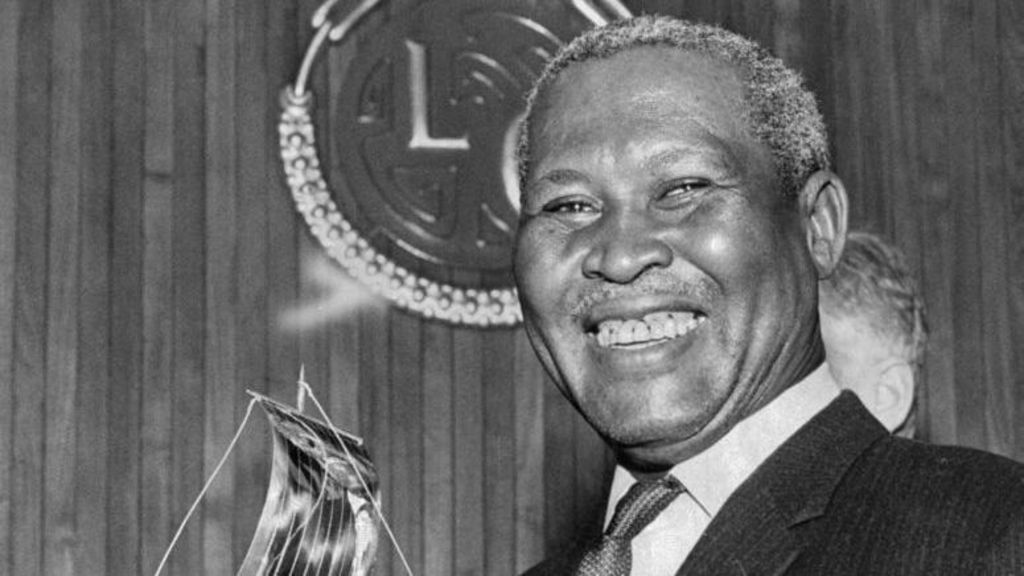
Apartheid police assault killed Nobel laureate Luthuli, South Africa court rules
A South African court has overturned decades of official claims, ruling that the 1967 death of Nobel Peace Prize laureate Albert Luthuli was the result of an assault by apartheid police. The original inquest, conducted under the apartheid government, concluded that Luthuli died after being struck by a freight train while walking along a railway line. However, activists and his family have long disputed this narrative, prompting the South African government to reopen the case earlier this year. On Thursday, Judge Nompumelelo Radebe ruled that Luthuli’s death was caused by a fractured skull, cerebral hemorrhage, and brain concussion resulting from an assault. The judge attributed the assault to members of the South African police’s security special branch, acting in collaboration with employees of the South African Railway Company. Seven men were named as perpetrators or accomplices, though their current whereabouts remain unknown. If located, they could face criminal charges. Luthuli, who led the then-banned African National Congress (ANC), won the Nobel Peace Prize in 1960 for his leadership in the fight against apartheid. His family and the ANC have welcomed the ruling, describing it as a correction of historical distortion and a step toward justice for apartheid-era crimes. This case is part of broader efforts by South African authorities to address unresolved apartheid-era crimes, including the recent reopening of the inquest into the death of anti-apartheid leader Steve Biko. President Cyril Ramaphosa has also established a judicial commission to investigate allegations of improper influence in delaying or hindering such cases.
-
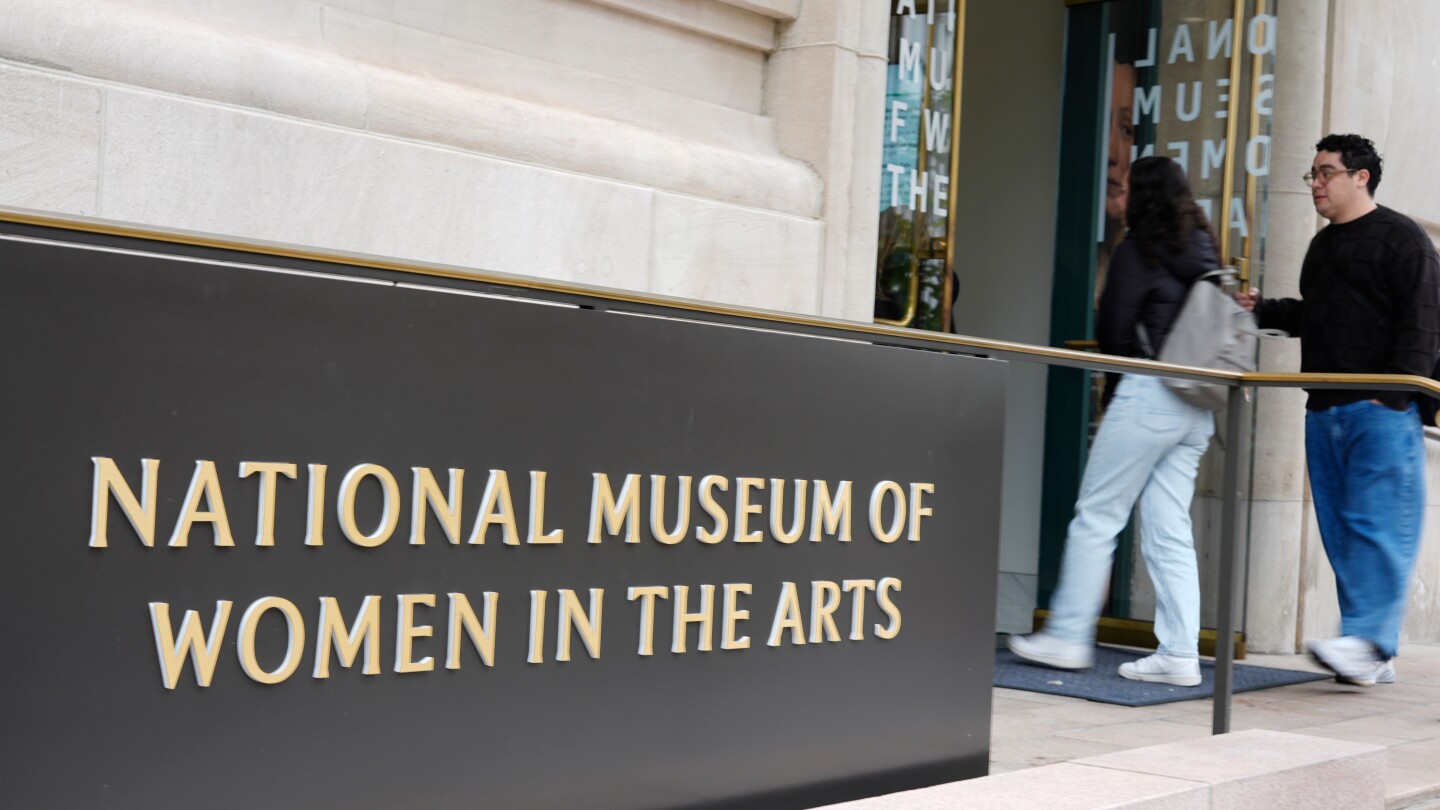
Louvre heist highlights thorny issue for museums: How to secure art without becoming fortresses
In the wake of a high-profile jewelry heist at the Louvre in Paris, museums worldwide are reassessing their security protocols. The incident has sparked urgent discussions among institutions, including Washington’s National Museum of Women in the Arts, the Smithsonian, and the National Gallery of Art. Doug Beaver, a security specialist, revealed that detailed reviews and strategic plans were swiftly implemented following the theft. Similar dialogues are unfolding globally as museums grapple with the dual challenge of safeguarding art while maintaining an open and welcoming environment for visitors. The Louvre’s director, Laurence des Cars, acknowledged significant security lapses, prompting French police and legislators to address vulnerabilities. A letter of support from 57 international museums, published in Le Monde, emphasized the importance of museums as accessible spaces of wonder, not fortresses. However, many museums, particularly those housed in historic buildings like the Louvre, face unique challenges in modernizing security without compromising their architectural integrity. Experts like François Chatillon, France’s chief architect of historical monuments, caution against hasty, invasive measures. Meanwhile, security professionals are focusing on balancing risk management with visitor experience. Doug Beaver highlighted the need for intelligent risk management, citing measures such as enhanced weapons detection and restricted visitor items. The incident has also reignited discussions about international cooperation and investment in advanced security technologies. Despite these efforts, the broader challenge remains: preserving the magic of museums while ensuring their safety.