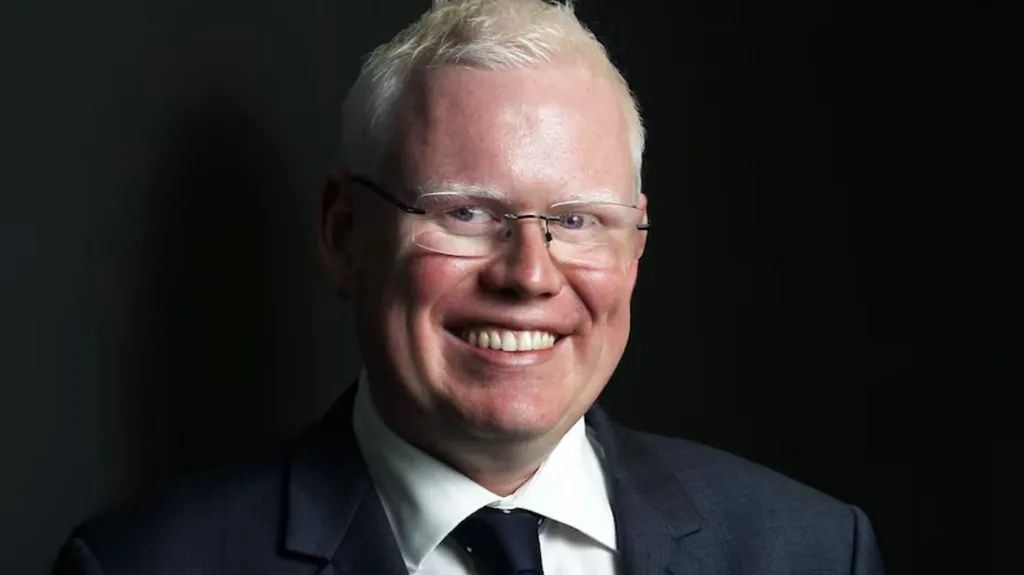
Gareth Ward, a former Australian politician, has been sentenced to five years and nine months in prison for the sexual abuse of two young men. The 44-year-old, who represented the coastal town of Kiama in the New South Wales (NSW) parliament from 2011, was found guilty in July of raping a 24-year-old political staffer in 2015 and indecently assaulting an 18-year-old man in 2013. Both incidents occurred after he met the victims through his work. Ward had been in custody since his conviction and appeared via video-link at Parramatta District Court for sentencing. Judge Kara Shead SC, who presided over the case, emphasized that imprisonment was the only appropriate penalty, despite Ward’s legal blindness. She described his actions as ‘callous and predatory’ and noted that he had ‘escaped justice for a decade.’ Ward will serve at least three years and nine months before being eligible for parole. The judge also stressed the need to send a ‘stern message’ to deter similar offenses. Ward’s resignation from parliament in July triggered a by-election in Kiama, which was won by a Labor candidate. His legal team has indicated plans to appeal the verdict, as Ward maintains his innocence. The trial revealed harrowing details of the assaults, with both victims describing long-term emotional and psychological impacts. The prosecution highlighted striking similarities in the accounts of the two men, who did not know each other, as evidence of their credibility. Despite Ward’s lack of remorse, the judge acknowledged his potential for rehabilitation.
分类: society
-

‘Give your money away,’ Billie Eilish tells billionaires
During her address at the prestigious WSJ Awards, renowned singer Billie Eilish made a compelling appeal to the world’s billionaires, urging them to significantly increase their charitable donations. The event, which saw the presence of prominent figures such as Mark Zuckerberg and George Lucas, provided a platform for Eilish to voice her concerns about wealth disparity and the urgent need for philanthropic efforts. Eilish emphasized that the ultra-wealthy have a moral obligation to redistribute their fortunes to address pressing global issues, ranging from poverty to climate change. Her speech resonated with many, sparking a broader conversation about the role of wealth in societal betterment and the responsibilities of those who possess it. This call to action highlights the growing expectation for the affluent to contribute more substantially to charitable causes, reflecting a shift in public sentiment towards greater accountability and social responsibility.
-

Rio favelas left reeling after lethal gang raid as families bury the dead
In the aftermath of a devastating police raid in Rio de Janeiro, families began burying their loved ones on Thursday, as the community grappled with the aftermath of what many are calling excessive and brutal law enforcement actions. The operation, which took place on Tuesday in the Vila Cruzeiro favela, resulted in the deaths of at least 132 people, including four police officers, according to Rio de Janeiro’s public defenders’ office. Residents of the low-income neighborhood expressed shock, grief, and anger, accusing the police of torture, extrajudicial killings, and excessive force. The raid, described by some as resembling a war zone, targeted the notorious Red Command gang in the Complexo de Alemao and Complexo da Penha favelas. Despite the return of some semblance of normalcy, with shops and restaurants reopening, the emotional toll on the community remains profound. Monique Santiliano, a local nail salon owner, voiced her distress, stating, ‘This wasn’t an operation, these were assassinations. They didn’t come to arrest, they came to kill.’ Conservative Rio state Governor Claudio Castro defended the operation, labeling it a success in the fight against ‘narco-terrorism,’ a term reminiscent of the Trump administration’s campaign against drug smuggling in Latin America. However, Human Rights Minister Macaé Evaristo criticized the raid, emphasizing that the fight against organized crime should target masterminds and financiers, not expose vulnerable populations to terror. The operation, which involved 2,500 police and soldiers, drew condemnation from human rights groups, the U.N., and Brazilian authorities, including the Supreme Court, which ordered Governor Castro to provide detailed information about the raid. While some right-wing politicians and voters supported the operation, others questioned its effectiveness, arguing that many of those killed were low-ranking gang members easily replaceable. The disparity between the number of police and suspect deaths raised further concerns, with conservative lawmaker Otoni de Paula suggesting the operation was an ambush with the sole objective of execution. Residents also decried the state of the bodies, with reports of decapitation, puncture wounds, and tied-up victims. Ana Tobossi, a local activist, warned against normalizing such brutality, stating, ‘If the country continues to applaud, it will happen elsewhere.’ The operation’s stated objectives were to capture gang leaders and limit the territorial expansion of the Red Command, which has increased its control over favelas and expanded its presence across Brazil, including in the Amazon rainforest. As families began burying their dead, the emotional toll on the community was evident. Grasiele, the sister of 22-year-old Cauan Fernandes do Carmo Soares, who was killed in the raid, expressed her family’s devastation, stating, ‘My family is destroyed.’ The incident has left the community in a state of fragility, with many questioning the long-term impact of such violent law enforcement actions.
-
Cambridge Student Union splits from National Union of Students over Gaza
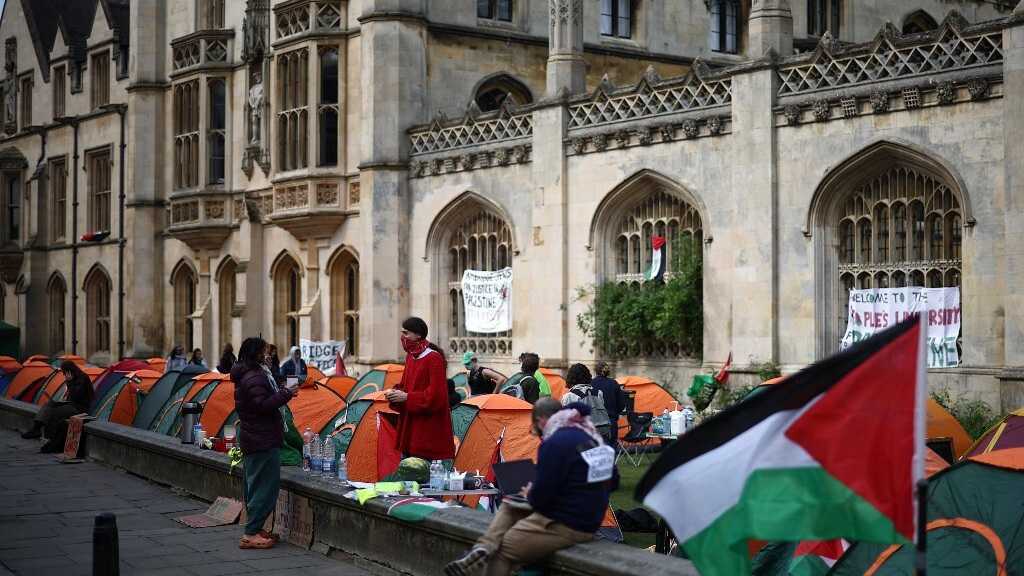
In a landmark decision, students at the University of Cambridge have voted to disaffiliate from the National Union of Students (NUS), citing its alleged failure to support pro-Palestinian protests and campaigns. The motion, passed by the Cambridge Student Union (SU) on Thursday night, garnered 1,772 votes in favor, with 1,284 against and 719 abstentions. The decision follows widespread criticism of the NUS for its perceived inaction on student-led pro-Palestinian movements and its lack of support for students facing disciplinary actions for protests. The SU trustee board initiated the motion, accusing the NUS of ignoring nationwide student calls to campaign for Palestine and prioritizing selective causes aligned with its internal agenda. Additionally, the NUS was criticized for offering ‘poor value for money,’ with annual fees estimated at £20,000 ($26,000). This move comes after 55 university student groups and union officers signed an open letter urging the NUS to take a stand on Gaza or face mass disaffiliation. In response, the NUS demanded that signatories remove their names or face bans from its events. Olivia Ledger, vice president of the Cambridge SU, highlighted the lack of NUS support during seven student encampments and five High Court injunctions. She also criticized the NUS for failing to address Islamophobia and its minimal national campaigning impact. Meanwhile, Cambridge students passed a motion for the SU to campaign against university investments in institutions involved in occupation and weapons manufacturing. This follows the university’s recent decision to divest from companies producing ‘controversial weapons’ and its upcoming vote on divesting from all arms manufacturers. The university council has already adopted a policy to divest from companies manufacturing weapons illegal under UK law, including chemical and biological weapons and cluster munitions. A final decision on divestment from all arms manufacturers is expected on November 20.
-

Barcelona’s Sagrada Família becomes world’s tallest church
In a historic moment for architecture and religious heritage, Barcelona’s iconic Sagrada Familia has officially been crowned the tallest church in the world. Workers recently placed the first section of a cross atop its central tower, bringing the structure’s height to 162.91 meters. This achievement surpasses the Ulm Minster in Germany, which had held the record since 1890. Designed by the legendary architect Antoni Gaudí, the basilica has been under construction for over a century, with its main building slated for completion next year. The central Tower of Jesus Christ will eventually reach 172 meters once the cross is fully installed in the coming months.
The Sagrada Familia’s journey began in 1882, with Gaudí taking over the project a year later. His visionary designs transformed the original plans into a grand architectural masterpiece, initially funded by donations from devout worshippers. However, the project faced numerous challenges, including Gaudí’s untimely death in 1926, when only one of the planned 18 towers had been built. The Spanish Civil War further disrupted progress, as Catalan anarchists destroyed Gaudí’s models and plans. More recently, the Covid-19 pandemic halted construction due to a sharp decline in tourism and funding.
Despite these setbacks, the Sagrada Familia Foundation has persevered, relying on contributions from visitors and private donors. General Director Xavier Martínez announced that the Tower of Jesus Christ will be completed by 2026, marking the centenary of Gaudí’s death. The foundation plans to host commemorative events to honor the architect, who is buried in the church’s crypt. Over the next decade, work will continue on decorative elements, sculptures, and a grand stairway leading to the main entrance, ensuring the basilica remains a symbol of resilience and artistic brilliance.
-

Japan plans to hire hunters as bear attacks rise
The Japanese government is taking decisive action to address the escalating issue of bear attacks across the country, particularly in Hokkaido and Akita prefecture. In response to a record number of incidents this year, including 12 fatalities, the Environment Ministry has announced plans to allocate funds for hiring licensed hunters and other personnel to manage bears encroaching on residential areas. This initiative follows a high-level meeting convened to tackle the growing threat to public safety. Authorities are also considering empowering police officers to use rifles against bears, with final counter-measures expected by mid-November. The problem has been exacerbated by bears breaking into supermarkets, schools, and attacking residents, including a foreign tourist near a bus stop. Akita prefecture, with its extensive mountain ranges, has reported the highest number of casualties. To assist, Japan’s Self-Defense Forces will be deployed to help capture and repel bears, although current laws prohibit them from shooting the animals. The aging and declining number of hunters, coupled with climate change affecting food sources like beech nuts, has left populations more vulnerable to attacks. In September, Japan relaxed gun regulations to facilitate the shooting of bears in residential areas, reflecting the urgency of the situation.
-

Fourteen police officers among 20 arrested in Mississippi drug bribery sting
In a shocking revelation of systemic corruption, 20 individuals, including 14 current and former law enforcement officers, have been charged in Mississippi and Tennessee for allegedly accepting bribes from drug traffickers in exchange for police protection. This scandal, described by officials as a ‘monumental betrayal of public trust,’ stems from a multi-year undercover operation led by federal agents posing as narcotics dealers. Among the accused are two Mississippi sheriffs, highlighting the depth of the corruption. The investigation was initiated after federal officials received complaints from actual drug traffickers about being forced to pay bribes to officers. The bribery network reportedly extended beyond the Mississippi Delta region into Memphis, Tennessee, and Miami, Florida. US Attorney Clay Joyner for the Northern District of Mississippi disclosed that some officers had accepted bribes ranging from $20,000 to $37,000. The sting operation involved undercover agents presenting fake narcotics, which the defendants allegedly believed to be 25kg of cocaine. FBI Deputy Director Andrew Bailey condemned the accused officers, stating they had ‘sold out the public’ and disgraced the badge, undermining the integrity of law enforcement across the region. This crackdown coincides with broader US efforts to combat drug trafficking, including recent air strikes in South America targeting alleged narcotics operations.
-
Five charged in overdose death of Robert De Niro’s grandson
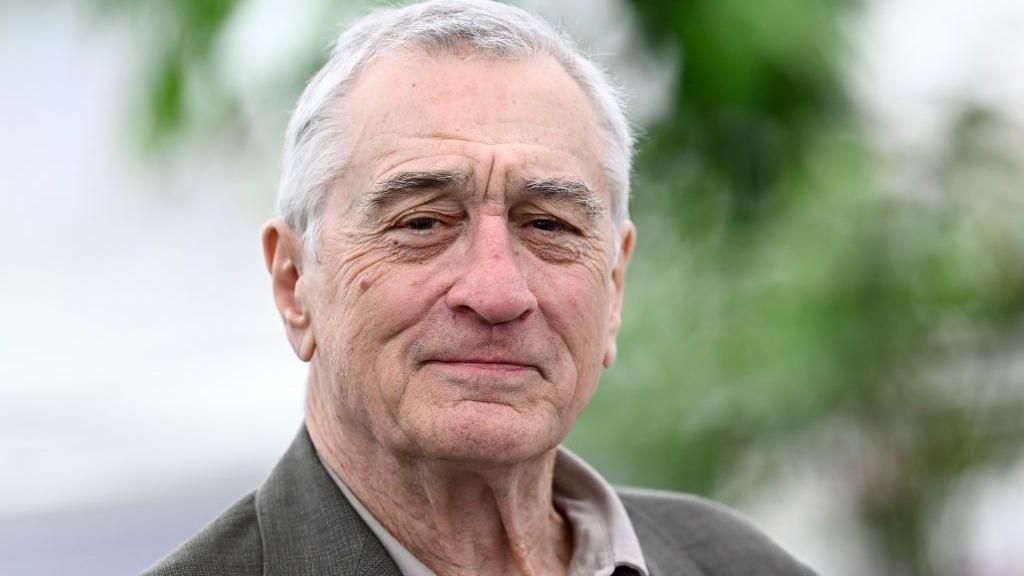
Five individuals have been indicted in connection with the fatal overdoses of three young adults, including Robert De Niro’s grandson, Leandro De Niro-Rodriguez, in 2023. The accused—Bruce Epperson, Eddie Barreto, Grant McIver, John Nicolas, and Roy Nicolas—are alleged to have operated a fentanyl distribution network that targeted teenagers and young adults in New York City through social media platforms and encrypted messaging apps. Authorities have linked their activities to the deaths of Leandro De Niro-Rodriguez, Akira Stein (daughter of Blondie co-founder Chris Stein), and an unnamed third victim. The defendants face charges of conspiracy to distribute and possess with intent to distribute fentanyl-laced counterfeit prescription opioid pills. According to prosecutors, the network sold thousands of these deadly pills between January and July 2023, resulting in at least three fatalities. Ricky Patel, a special agent in charge of Homeland Security Investigations in New York, described the case as a tragic loss of young lives with immense potential. If convicted, the defendants could face a mandatory minimum sentence of 20 years in prison, with a maximum of life imprisonment. Both Robert De Niro and Chris Stein have publicly expressed their grief and gratitude for the ongoing legal proceedings.
-
The American adoptees who fear deportation to a country they can’t remember
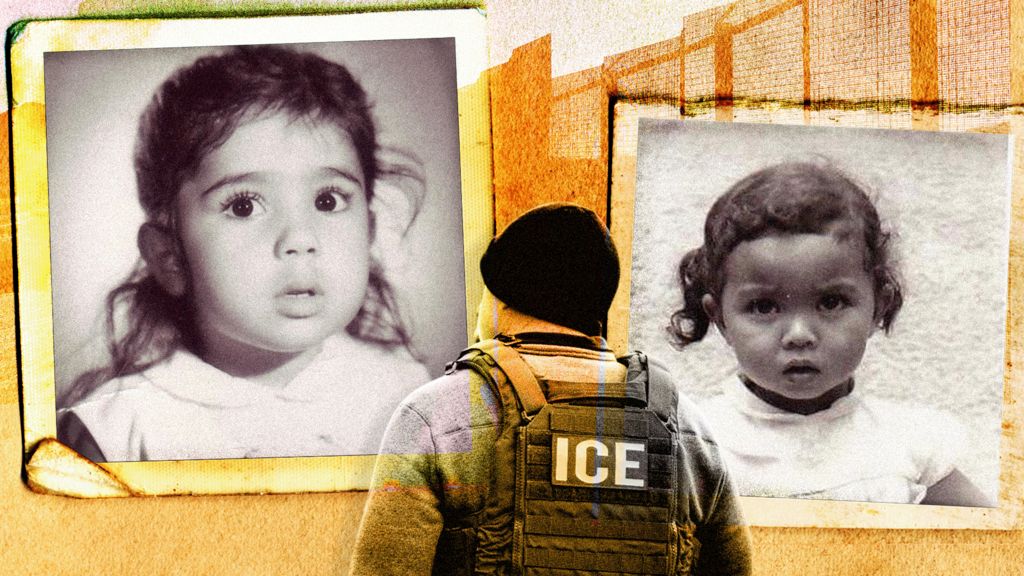
Shirley Chung, a 61-year-old woman born in South Korea, was adopted by a US family in 1966 when she was just a year old. Her biological father, an American serviceman, left shortly after her birth, and her mother, unable to care for her, placed her in an orphanage in Seoul. Shirley grew up in Texas, living a typical American life—attending school, getting a driver’s license, and working as a bartender. She married, had children, and became a piano teacher, never questioning her American identity. However, in 2012, her life unraveled when she discovered she was not a US citizen after losing her Social Security card. This revelation left her feeling betrayed by the adults in her life who failed to secure her citizenship. Shirley is not alone. Estimates suggest that between 18,000 and 75,000 American adoptees lack citizenship, with some even unaware of their status. Many have faced deportation to their birth countries, with tragic consequences, such as the case of a South Korean adoptee who took his own life in 2017 after being deported. The issue stems from historical gaps in adoption laws. While the Child Citizenship Act of 2000 granted automatic citizenship to adoptees born after February 1983, those adopted before then were excluded. Advocacy groups have been pushing for legislative changes, but efforts have stalled in Congress. The problem has intensified under President Donald Trump’s administration, which has prioritized deportations, leaving adoptees and their families in fear. Shirley and others like her are calling for compassion and action, urging the government to fulfill the promise of citizenship made to them as children.
-
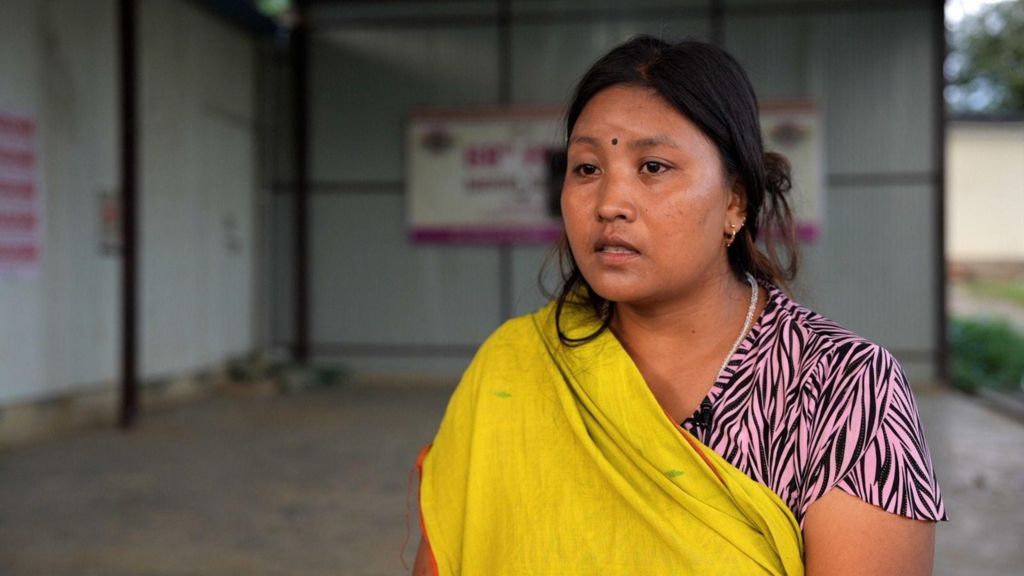
‘Can’t go back’ – families in violence-hit Indian state fear resettlement deadline
Thousands of individuals displaced by ethnic violence in Manipur, India, are grappling with an uncertain future as the government plans to shut down all temporary relief camps by December. The clashes, which erupted in May 2023 between the majority Meitei and the indigenous Kuki communities, marked the region’s worst violence in decades. The conflict began when the predominantly Christian Kuki community protested against the Meiteis, mostly Hindus, who sought official tribal status to access government benefits and job quotas. The violence claimed at least 260 lives and displaced approximately 60,000 people, many of whom remain in temporary shelters. Despite repeated government promises of rehabilitation, little progress has been made, leaving many in a state of limbo—homeless and without stable income. In July, the state’s Chief Secretary announced the closure of all relief camps by December, with plans to resettle displaced individuals in pre-fabricated housing units. However, the lack of clarity regarding the location of these units has heightened anxieties. Prime Minister Narendra Modi’s announcement of 7,000 new homes during his September visit to Manipur offered little reassurance, as details remained vague. On the ground, Manipur remains sharply divided, with Meiteis inhabiting the Imphal Valley and Kukis residing in the surrounding hill districts. Security forces patrol buffer zones to prevent intermingling, further deepening divisions. Experts emphasize the importance of resettling people in their original neighborhoods to prevent the violence from redrawing Manipur’s social map. Many displaced individuals fear that moving into temporary housing may permanently sever their ties to their homes. For instance, Hatnu Haokip, a 22-year-old living in a relief camp, yearns to return to her village in the Imphal Valley but feels unsafe due to the presence of Meitei people. She and others advocate for Kuki autonomy within a federally-administered territory. Meanwhile, Meiteis express a desire to return home, with individuals like Irom Abung vowing to reclaim their land despite the challenges. The government insists its resettlement plan is on track, having reduced the number of camps from 290 to 260. However, concerns persist over the lack of facilities and mental health support in the camps. Single mother Nemhoichong Lhungdim shared her struggle to afford medical treatment for her son, while Salam Monika recounted her uncle’s suicide due to despair over livelihood opportunities. Those resettled into temporary housing, like Chingakham Radha, continue to face financial hardships, relying on small incomes from activities like crocheting dolls. As the December deadline approaches, the future remains uncertain for thousands of displaced families in Manipur.