分类: society

  • Italian garbagemen help recover lost 1 mln euro lottery ticket

    Italian garbagemen help recover lost 1 mln euro lottery ticket

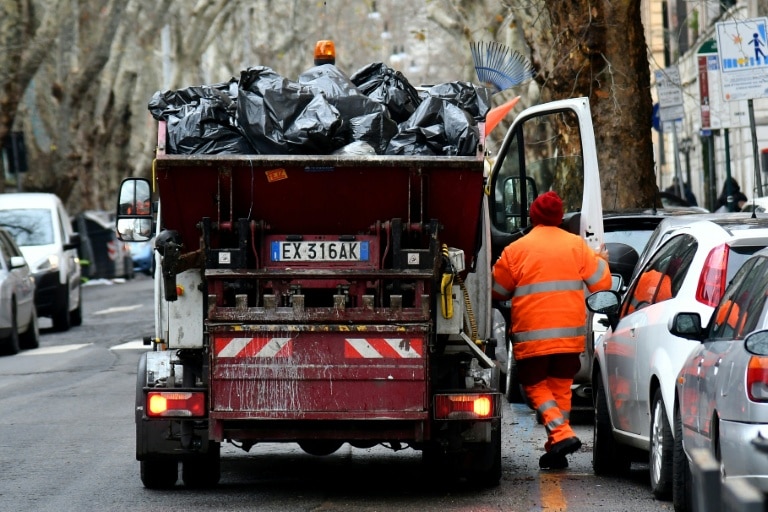
    A frantic anonymous woman in southern Italy has walked away with a €1 million ($1.09 million) lottery jackpot, thanks to the dedicated work of local garbage collectors who sifted through tons of waste to retrieve her accidentally discarded winning ticket.

    The dramatic search unfolded in Bitonto, a small town outside Bari in the Puglia region, after a series of misunderstandings nearly cost the woman a life-changing windfall. As detailed by Roberto Nicola Toscano, administrator of local public waste management agency SANB, the winner had played the same set of numbers for years, which held personal meaning tied to a loved one. After the draw, she visited her local convenience store to check her ticket, where the shop’s terminal marked the slip as “non-payable” — a standard result for large jackpots, as small retailers are only authorized to redeem smaller prizes. Unaware of this policy, the woman assumed her ticket was a loser and threw it away before the trash was collected by SANB crews.

    It was only when she returned home that a family member checked the official winning numbers and realized she had taken home the top prize. In a panic, the woman contacted SANB directly to beg for help recovering the ticket before the waste could be processed.
    \“We mapped the route the ticket would have taken, and we didn’t hold out much hope — it had already been loaded onto a garbage truck, so the odds of finding it intact felt almost impossible,” Toscano told Agence France-Presse in an interview Tuesday. But a stroke of initial good fortune worked in the search team’s favor: crews were able to quickly identify the exact truck that had collected trash from the shop’s bin and pulled the vehicle over before it completed its route.

    Due to health and safety risks posed by hazardous materials that can turn up in municipal waste, the truck was taken to a specialized waste processing facility equipped to support a targeted search. Over more than 24 hours, SANB workers sorted through mounds of garbage, sorting through dozens of discarded tickets and stubs before finally locating the winning slip. Toscano confirmed that the ticket was “miraculously still in one piece” when it was found, despite being mixed in with general household and commercial waste.

    When Toscano called the winner with the news of the recovery, she broke down in tears of relief. “I would have hugged her, but we were on the phone,” he told reporters.

    The successful recovery did come with a cost. Because SANB is a public agency, unplanned search operations would normally fall to local taxpayers to fund. Toscano said he required the winner to sign an agreement committing her to cover all additional costs incurred from the 1-day search — a small price to pay for a jackpot that has been confirmed as valid and ready for payout.

  • Sheriff: Spokane arson suspect in custody

    Sheriff: Spokane arson suspect in custody

    A suspected arsonist has been placed behind bars in Spokane County, following on-scene observations and evidence recovered by local law enforcement. According to statements released by the Spokane County Sheriff’s Office, Aaron Farinacci was spotted in suspicious circumstances at the location where the fire broke out. Witness accounts and deputy observations confirm that Farinacci was seen kneeling close to patches of dry grass at the fire’s origin point, a position that raised immediate red flags for responding authorities. After taking the suspect into custody, law enforcement officers conducted a lawful search and recovered common incendiary tools – a set of matches and a disposable lighter – in Farinacci’s possession. The Sheriff’s office has not yet released additional details about the extent of damage caused by the fire, potential motives for the alleged arson, or upcoming court dates for Farinacci. The investigation remains active as authorities continue to piece together the full sequence of events surrounding the blaze.

  • ‘Life turned upside down’: Mum dies a week after being hit by car during school run in Lakemba

    ‘Life turned upside down’: Mum dies a week after being hit by car during school run in Lakemba

    Just seven days after a routine trip to pick up her children from school turned into a life-threatening collision, a 43-year-old Sydney mother has succumbed to her injuries, leaving her family and local community in deep mourning.

    Nurhayati Pamungkas was struck by a moving vehicle on The Boulevarde in Lakemba, a suburb in Sydney’s west, on the afternoon of July 28 while en route to collect her two young kids from school. First responders rushed her to a local hospital immediately after the crash, where medical teams placed her in an induced coma to treat her critical injuries. On Monday evening, Pamungkas passed away at Liverpool Hospital, with her husband Agung and their two children by her side, New South Wales Police confirmed this week.

    The crash also injured a second pedestrian, a 64-year-old man who was transported to St George Hospital for ongoing care. The 82-year-old driver of the vehicle involved in the incident was also taken to hospital for mandatory medical assessment, with no further details on their condition released as of Tuesday.

    In the wake of the tragedy, the local community has rallied around Pamungkas’ grieving family, who face an uncertain future after the sudden loss of their wife and mother. A GoFundMe fundraiser was organized by Dicks Hotel in Balmain, where Pamungkas’ husband has served as the popular head chef for more than five years. As of Tuesday afternoon, 650 individual donors had contributed a total of $53,500 to support the family with upcoming living and funeral costs.

    Writing on the fundraising page, hotel owner Elia Economou noted that the entire trajectory of the family’s life was upended in an instant. “In a matter of seconds, the life she and her husband Agung had worked so hard to build was turned upside down,” he wrote. “Many people know Agung as the much-loved chef from Dick’s Hotel and Apache Salut, where he has quietly looked after people through food, smiles and friendship for more than five years. The days ahead are filled with uncertainty. What isn’t uncertain is they are going to need help.”

    A public statement posted to Dicks Hotel’s official Facebook page confirmed Pamungkas’ passing and expressed gratitude for the outpouring of community support. “We are heartbroken to share that Nurhayati has sadly passed away,” the statement reads. “Agung, our head chef, and their two children were by her side, but her injuries were just too severe. In the midst of unimaginable grief, your kindness has been overwhelming. Please keep Agung and his family in your thoughts as they begin to navigate life without their beautiful wife and mum.”

    As investigations into the crash continue, NSW Police have issued a public appeal for any witnesses or bystanders with relevant footage to come forward to assist with the inquiry. “Just before 1pm on Tuesday, July 28, emergency services were called to The Boulevarde, Lakemba, following reports two pedestrians had been struck by a vehicle,” the police statement reads. “Anyone with information or dashcam footage is urged to contact police or Crime Stoppers on 1800 333 000.”

  • Drugs worth €8.5m seized in Garda operation

    Drugs worth €8.5m seized in Garda operation

    In a major crackdown on illegal drug trafficking across the east of Ireland, Gardaí, the national police force of the Republic of Ireland, have seized a large haul of suspected cocaine and cannabis valued at a combined €8.5 million, equivalent to roughly £7.3 million. The operation, built on targeted intelligence gathering, kicked off on Monday when officers pulled over a suspicious vehicle for inspection in County Meath.

    Following clues uncovered during the vehicle stop, investigators launched a series of follow-up search warrants at multiple properties spread across both County Meath and neighboring County Louth. It was during these coordinated searches that Gardaí uncovered and seized the full cache of controlled substances, which was later put on public display following the conclusion of the initial operational phase.

    As part of the ongoing investigation, two men — one in his 30s and a second in his 40s — were taken into custody at the conclusion of the raids. As of the latest updates from Gardaí, both suspects remain in police custody as detectives continue to build their case against the alleged trafficking network. The seizure marks one of the larger illegal drug hauls recovered by Irish law enforcement in the region in recent months, underscoring ongoing efforts to disrupt cross-county drug supply operations.

  • Charity cyclist, 82, dies a day after 3,300 mile ride across Australia

    Charity cyclist, 82, dies a day after 3,300 mile ride across Australia

    An 82-year-old Australian cyclist who dedicated years of his life to raising funds for motor neurone disease (MND) research and support has passed away peacefully just 24 hours after crossing the finish line of his final cross-continental charity challenge. Bob Montgomery, a long-time MND advocate, wrapped up what he called his ‘One Last Ride’ on Sunday, completing a grueling 3,300-mile journey stretching from the coastal town of Broome in Western Australia all the way to Bowral, a regional town in New South Wales southwest of Sydney. He completed the entire six-week trek alongside his 18-year-old grandson, Tom Malcolm. When the pair rolled into Bowral, they were greeted by thunderous applause from hundreds of local community members who had gathered to celebrate their incredible achievement.

    In a statement shared on social media following Montgomery’s passing, his family confirmed that his death was unexpected but entirely peaceful, with his wife of 59 years, Jenny, by his side when he passed. The family added that even just hours before he died, Montgomery was still actively and passionately spreading awareness about MND and the work of his chosen charity, MND NSW. This cross-country ride marked Montgomery’s sixth major fundraising cycling event for the organization, a cause that held deeply personal meaning for him. He first took up charity cycling for MND after losing his own cousin to the progressive neurodegenerative disease, and had already watched multiple close family members and friends battle the condition over the years. ‘It’s heartbreaking,’ he shared on his official fundraising page, explaining what drove him to take on these grueling challenges.

    By the end of the ‘One Last Ride’, Montgomery and Malcolm had raised approximately A$105,000 (equivalent to around $74,000 USD or £55,000 GBP) for MND NSW. When combined with the funds he raised during his five previous charity rides, Montgomery’s total contributions to the organization across his cycling career now push close to A$300,000 – a sum that will fund critical research, patient support services, and advocacy work for those affected by MND across New South Wales. In an interview with Australia’s national public broadcaster ABC shortly after finishing the ride, Montgomery said what kept him going through the six weeks on the road was the connections he made with people along the route, and the simple joy of stopping for a cold beer at each stopover. He added that he was continuously moved by the generosity of strangers he met along the way, who consistently dug into their own pockets to add to his fundraising total.

    After the finish line celebrations in Bowral on Sunday, Malcolm continued on to Sydney on Monday, where the entire extended Montgomery family had planned a larger gathering to mark the historic achievement. But shortly after the celebration concluded, Montgomery suffered a sudden unexpected medical event, according to MND NSW chief executive Liam O’Meara. O’Meara paid tribute to Montgomery this week, remembering him as a cherished friend to everyone at the organization and an unwavering, tireless supporter of the MND community across Australia. ‘We are deeply saddened by his passing,’ O’Meara said, highlighting the indelible impact Montgomery’s fundraising and advocacy has left on the organization and the people it serves.

  • Tributes flow as Jongkuch Achieu, 21, dies in hospital after horror ‘all-out brawl’ in Logan, Qld

    Tributes flow as Jongkuch Achieu, 21, dies in hospital after horror ‘all-out brawl’ in Logan, Qld

    A tight-knit community in Queensland’s Logan region is grappling with profound grief after a 21-year-old promising local man died from injuries sustained in a violent targeted attack that turned a suburban party into an all-out street brawl late last month. Jongkuch Peter Kur Jongkuch Achieu, a resident of Redbank Plains, passed away at Brisbane’s Princess Alexandra Hospital on Saturday, a week after he suffered severe head injuries during the chaotic incident.

    The violence unfolded in the early hours of July 26 at a short-term rental property located on Discovery Boulevard in the Bahrs Scrub suburb. Emergency services were dispatched to the location at 2:16 a.m. following reports of a large disturbance involving a crowd of young people. When police arrived at the scene, they encountered widespread destruction across the suburban street: multiple vehicles and a local residence had sustained significant damage, leaving the aftermath of the brawl scattered across the area.

    Achieu was found a short distance away on Orchard Avenue, suffering from critical head injuries after he was allegedly beaten during the fight, which spilled out of the rental property and onto surrounding streets. While several other party attendees were also transported to local hospitals with laceration injuries, Achieu’s condition remained critical until his death one week after the attack.

    In a public statement posted to a local community Facebook group on Monday, Achieu’s family confirmed he was assaulted by unidentified attackers. “It is with a deeply saddened heart that I inform you of the passing of Jongkuch Peter Kur Jongkuch Achieu,” the statement read. “Jongkuch was attacked by unknown individuals, and despite medical efforts, he tragically succumbed to his injuries in hospital on Saturday. This is a life cut far too short, and a loss felt profoundly by all who knew and loved him.”

    Local community members have shared an outpouring of grief and tributes online, describing the young man’s death as devastating and an enormous loss for the area. “Jongkuch will always be in our hearts and our prayers,” one local wrote in response to the announcement. Another added: “Jongkuch’s life was cut short in its prime, a promising future ahead of him.”

    Neighbours who lived near the rental property have recalled the chaotic moments leading up to and following the brawl, with multiple residents reporting hearing cars speeding recklessly (hooning) through the suburban street. Local CCTV footage also captured a young man running through a neighbouring residential backyard at approximately 2:47 a.m., shortly after the violence began.

    Logan Crime Group Detective Inspector Ian Galpin told reporters the conflict erupted between two rival groups of people aged 18 to 21, after members of one group gatecrashed the party being held at the short-term rental. Investigations indicate the second group was already known to people staying at the property, and pre-existing conflict erupted into a full-scale violent disturbance. “This was a targeted attack and there is no ongoing threat to the wider community,” Galpin confirmed.

    Police have not yet announced any arrests in connection with Achieu’s death, with investigations continuing into the circumstances of the attack.

  • Watch: Wild police chase in Queensland ends in two arrests

    Watch: Wild police chase in Queensland ends in two arrests

    A dramatic high-speed police chase that unfolded across two major Queensland regions, Ipswich and Brisbane, has come to a close with law enforcement officers successfully taking two individuals into custody. The pursuit, which captured the attention of onlookers across the southeast Queensland corridor, saw police units track the targeted vehicle across multiple suburban and arterial routes before executing the final arrest operation. While specific details surrounding the initial reason for the pursuit, the speeds reached during the chase, and whether any bystanders or officers suffered injuries have not yet been released to the public, the incident highlights the ongoing work of Queensland Police to apprehend individuals wanted in connection with potential offenses across the state. The operation wrapped up after authorities coordinated across local policing units to contain the vehicle and end the dangerous cross-city chase, bringing the incident to a decisive conclusion with both suspects now in police custody.

  • Royal Commission told protest left Jewish Australians feeling unsafe in their country

    Royal Commission told protest left Jewish Australians feeling unsafe in their country

    Two days after Hamas launched a deadly cross-border attack on Israel that killed roughly 1,200 people in October 2023, a controversial pro-Palestine protest held on the forecourt of Australia’s iconic Sydney Opera House has emerged as a defining case study of rising antisemitism at the country’s ongoing Royal Commission into Antisemitism and Social Cohesion. The event, which unfolded the same evening the landmark’s signature sails were lit in the blue and white colors of the Israeli flag as a gesture of solidarity with Australian Jewish communities, left deep and lasting damage to the group’s sense of physical and psychological security across the nation, senior community leaders told the inquiry.

    Witnesses and officials testifying during the seventh tranche of hearings detailed the frightening atmosphere of the 9 October rally, which included explicit antisemitic chants such as “F*** the Jews” and one attendee shouting a threat “I am going to kill them all”. David Ossip, president of the New South Wales Jewish Board of Deputies, told the commission the demonstration, which saw participants march from Sydney’s Town Hall to the Opera House forecourt, was shockingly insensitive, with many participants openly celebrating the deadly Hamas attack that had killed civilians just two days prior.

    Most alarmingly, Ossip told the inquiry, Australian police had advised Jewish residents to avoid the Sydney Central Business District (CBD) entirely during the protest. He described the advisory as an extraordinary step that no other religious or racial group in the country’s history has ever received. “It was effectively the police saying, ‘we can’t keep your community safe’”, Ossip told commissioners. “In my view, it was effectively the police transferring control of the CBD to the protesters, and I thought the matter was very serious.”

    Ossip added that police had also urged against any counter-protest, arguing it would inflame tensions. The event upended plans for a peaceful Jewish vigil at the Opera House, where the lighting of the sails had initially been viewed as a comforting gesture of national support in the wake of a traumatic attack. Multiple Jewish workplaces in the CBD even issued internal communications allowing Jewish staff to leave early for their own safety, and the rally fell on a workday when Jewish children were attending school in the city center, compounding fears for their safety.

    Richard Lancaster SC, Counsel Assisting the commission, told hearings that the handling of the 9 October protest had left many in the Jewish community with the damaging impression that police prioritized protecting antisemitic demonstrators over their safety. While Lancaster emphasized that peaceful protests are a legitimate exercise of free speech, he clarified that no form of violence, incitement to violence, or racist vilification can be justified under the banner of protest activity.

    “Interpersonal violence does not become lawful or acceptable in the context of a protest, incitement to violence and racist vilification does not become lawful or acceptable in the context of a protest,” Lancaster said. “Anti-Semitism does not become acceptable in the context of a protest.”

    Lancaster told the commission the 2023 Sydney Opera House protest, alongside a 2025 neo-Nazi demonstration outside the state parliament, stands out as one of the critical events that fueled a documented rise in anti-Jewish hate across Australia. Witnesses have shared other disturbing accounts from recent antisemitic incidents, including instances of the Star of David, the central symbol of Judaism, being thrown into public rubbish bins, and footage of uniformed far-right extremists marching in formation. These events have collectively left a large portion of Australian Jewish communities reporting a permanent loss of the sense of safety they once felt in their own country.

    Ossip called the 9 October rally “among the clearest examples of anti-Semitism in recent years”, noting that the event had drawn international condemnation that damaged Australia’s global reputation. The royal commission is continuing to hear evidence on the drivers of antisemitism and gaps in government and law enforcement response to rising hate crime, with further testimony expected in upcoming tranches of hearings.

  • WWII shells surface in wildfire-ravaged French village

    WWII shells surface in wildfire-ravaged French village

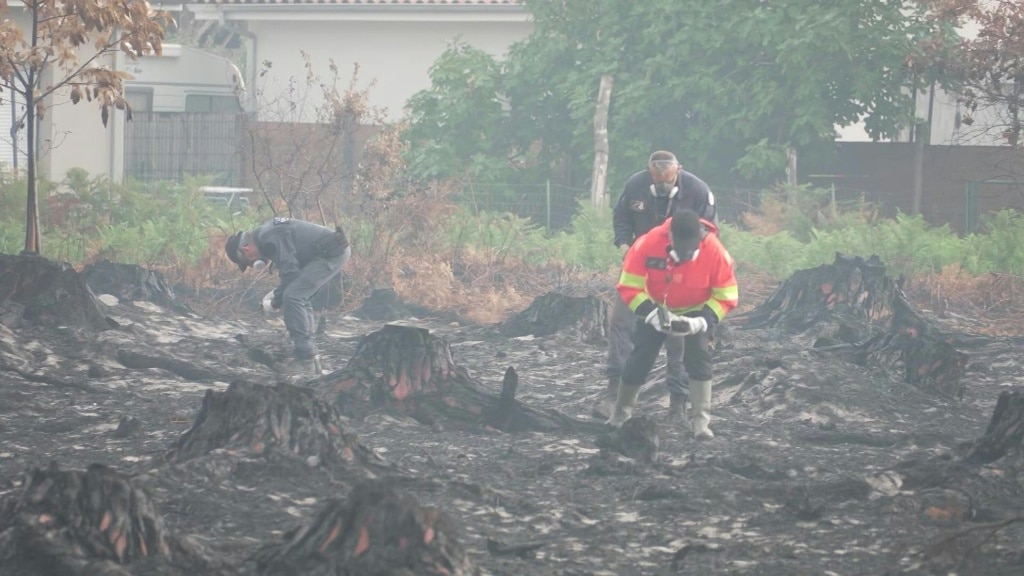
    A devastating large-scale wildfire that tore through forested areas near Bordeaux in southwestern France has unearthed a hidden leftover from World War II: hundreds of explosive munitions in the coastal village of Le Porge. After days of coordinated demining operations to clear the dangerous relics, all local residents were able to return to their residences starting Monday.

    Local government officials confirm that recovery teams have pulled approximately 400 intact shells and ammunition fragments from the fire-ravaged zone, where more than 180 residential properties were destroyed by the fast-spreading flames. During the height of the wildfire, residents and first responders reported hearing repeated loud explosions that were initially assumed to be rupturing gas cylinders stored in homes. But fire commander Thomas Mimiague says those blasts were almost certainly triggered by the heat of the fire igniting the long-buried World War II ordnance.

    A closer inspection of the recovered munitions shows the cache includes both German and French military hardware, dominated by mortar shells with a smaller number of high-explosive anti-tank rounds. Speaking on the origins of the cache, Mimiague noted that there is no clear documentation of why the munitions were placed in the area, but the leading working theory is that they were simply dumped and abandoned by military forces at the end of the conflict.

    The Le Porge find comes amid an unprecedented summer wildfire season across France. The Bordeaux region blitz, the most severe fire to hit the area since 1949, burned through more than 40,000 hectares (nearly 99,000 acres) of forest and brush over roughly 10 days before fire crews successfully brought it under control. Fortunately, the blaze did not spread into the region’s iconic premium wine-growing estates, avoiding widespread damage to the area’s world-famous wine industry.

  • Why keeping youth discontent in check remains Indian PM Modi’s biggest challenge

    Why keeping youth discontent in check remains Indian PM Modi’s biggest challenge

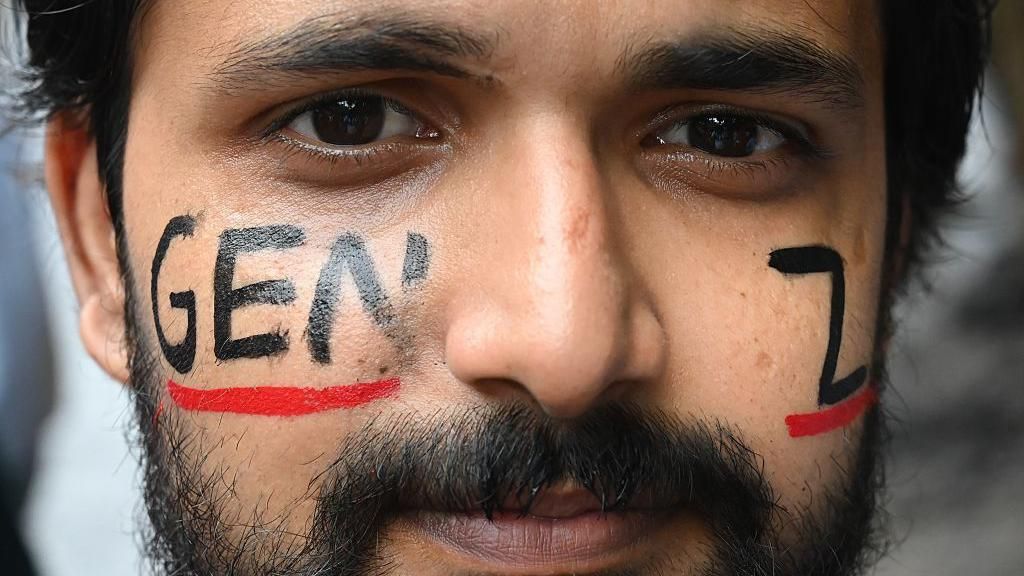
    Last month, widespread street protests led by India’s Gen Z over repeated incidents of standardized entrance exam leaks forced the resignation of then-Education Minister Dharmendra Pradhan. While the resignation allowed Prime Minister Narendra Modi’s administration to defuse an immediate political crisis, analysts warn that simmering youth discontent over systemic failures in education and employment will remain a persistent, long-term challenge for the government. In the immediate aftermath of Pradhan’s departure, Modi moved quickly to implement immediate, visible reforms: he established fast-track courts to prosecute individuals accused of orchestrating exam leaks, and tapped Nandan Nilekani, a prominent Indian tech billionaire, to lead a national initiative to overhaul the country’s flawed examination system. But experts agree that these targeted steps are not enough to address the deep-seated anxiety gripping India’s young population, who have grown increasingly frustrated with a system that fails to deliver quality education pathways to stable, productive livelihoods.

    Veteran economist Santosh Mehrotra, author of *India Out of Work: Rethinking India’s Growth Story*, described the dual crisis facing Asia’s largest economy in comments to the BBC. “The labour market has become brutal in the last 10 years. Non-farm jobs have not been growing and real wages have stagnated,” he explained. “India has a simultaneous problem. The economy is structurally weak as a result of which demand for labour is not growing. And our education system is so poor, that it is unable to supply new labour that is employable.” For years, the Modi government has leaned on rapid GDP growth driven by large-scale public infrastructure spending to push back against criticism of India’s uneven economic expansion. But the mass youth uprisings of last month may finally force policymakers to confront the interlocking crises of failing education and soaring youth unemployment, according to policy experts. Mehrotra notes that the expansion of India’s welfare state, particularly the rollout of direct cash transfers to low-income households, signals that the government has already recognized the severity of the crisis in private — even if it has not yet articulated a comprehensive public solution. The scale of the problem, however, is enormous.

    India is home to the world’s largest youth population: more than 360 million people between the ages of 15 and 29. Over the past two decades, the country has made notable gains in expanding access to education, with enrollment rates climbing and the number of private colleges and vocational training institutes growing exponentially. Yet the 2026 *State of Working India* report from Azim Premji University confirms that the transition from classroom to the workforce remains one of the country’s most intractable social challenges, especially for young graduates. Data from the report shows that youth unemployment rates are nearly four times higher than unemployment among older workers, and far outpace global averages. Graduate unemployment has hovered between 35% and 40% for the last 25 years, but the crisis has been amplified in recent decades by India’s demographic boom and rising education attainment. In 1983, just 4% of Indians aged 20 to 29 held graduate degrees, and 13% of those graduates were out of work. By 2023, that share of young graduates jumped to 28% — and 67% of those graduates remained unemployed.

    The disconnect between growing graduate numbers and available skilled jobs lies at the heart of the crisis. While India has produced millions of new graduates annually, the expansion of the educated workforce has not been matched by a corresponding increase in graduate-level employment. Between 2004-05 and 2023, India added roughly five million new graduates to the workforce each year, but only around 2.8 million of those graduates secured any form of employment, and an even smaller share landed stable salaried roles. This mismatch has driven up unemployment and suppressed wage growth for young workers. Worse, the *State of Working India* report finds that hard work and educational ambition rarely translate to stable success today: barely 3.7% of graduates and post-graduates secure white-collar roles, and fewer than 7% land permanent salaried positions.

    Experts emphasize that this crisis cannot be fixed with short-term policy patches. Mehrotra argues that reviving small and medium-sized enterprises (SMEs), which have never fully recovered from the 2016 demonetization policy that removed 86% of India’s circulating currency in four hours, and the uneven rollout of the national goods and services tax, could deliver some near-term job gains. But India needs a sweeping new industrial policy focused on revitalizing the country’s manufacturing sector to create enough jobs for its growing youth workforce, he adds. Manufacturing’s share of India’s GDP has fallen from 17% in 2015 to 14% today. Manufacturing employment declined for five years after 2015, and has only rebounded slightly to pre-decline levels in recent years. Compounding this, total agricultural employment has risen by 80 million since 2020, a trend that Mehrotra calls a clear indicator of widespread disguised unemployment. In most fast-growing industrializing economies, workers typically move out of low-productivity agricultural work into manufacturing or services; the reverse trend in India signals a deep failure of job creation.

    In recent years, the rise of artificial intelligence has added an entirely new layer of pressure to India’s job market, upending the business model of the software services industry that has been the backbone of India’s middle-class growth for three decades. A 2024 report from Wall Street investment bank Goldman Sachs estimates that between 8% and 12% of non-farm jobs in India are at risk of displacement by AI, and the impacts of this shift are already visible. Neeti Sharma, CEO of Team Lease Digital, one of India’s leading staffing agencies, told the BBC that IT hiring growth has slowed to single digits in recent months, while unstable contract work has become the norm and wages have remained stagnant for years. The stable knowledge-based jobs that Indian STEM graduates once took for granted are no longer available in large numbers.

    The growing frustration in the once-thriving tech sector boiled over into public view recently, when a corporate event hosted by HCL Technologies, one of India’s largest software firms, in Chennai was disrupted by hundreds of employees chanting in unison for wage increases. The protest underscored how the tech industry, once seen as a golden ticket to upward mobility, has ceased to deliver on that promise for many young workers. Sharma argues that both young workers and educational institutions need to adapt to this new reality: graduates must abandon the expectation of traditional white-collar office jobs, and post-secondary institutions must shift their focus from academic degree programs to vocational skills training, as employers increasingly prioritize demonstrated skills over formal degrees. This means that even degree-holding young Indians may need to pursue careers in skilled trades such as plumbing, electrical work, and automotive repair, rather than expecting comfortable, air-conditioned office roles.

    As leading market investor Devina Mehra observed on social platform X, this shift means that India’s current young generation can no longer take for granted that they will achieve a higher standard of living than their parents. For India, still in an early stage of economic development, stagnating earnings for a large share of the workforce could be a “disaster” — one that the Modi government will need to prioritize aggressively to avoid long-term social and political unrest.