分类: society

  • China spent $14.5b to help families raise children last year: health minister

    China spent $14.5b to help families raise children last year: health minister

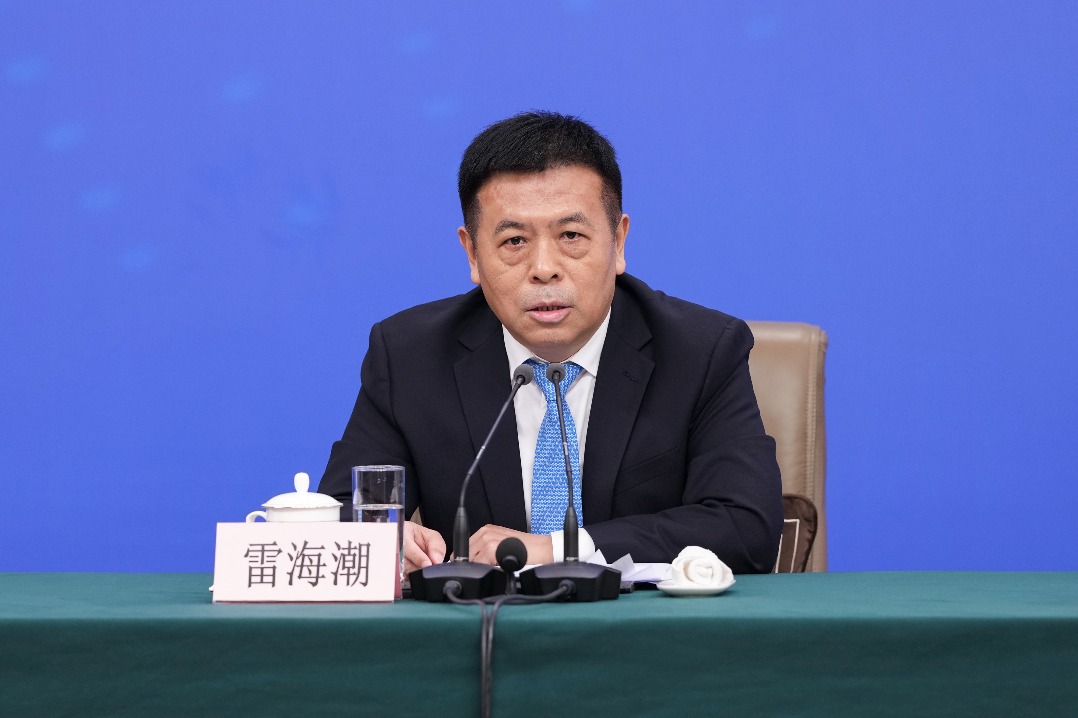
    In a significant demonstration of its commitment to family welfare, China allocated over 100 billion yuan ($14.5 billion) toward child rearing subsidies throughout the previous year, according to National Health Commission Minister Lei Haichao. The announcement was made during a press conference at the fourth session of the 14th National People’s Congress in Beijing on March 7, 2026.

    The substantial financial package saw the central government contributing approximately 90 billion yuan, complemented by 10 billion yuan from local government authorities. Minister Lei specified that the subsidy program applies to children born on or after January 1, 2022, providing eligible families with annual support totaling 10,800 yuan per infant.

    Minister Lei characterized the initiative using a popular public description, noting that “the moment a child is born, they bring their own ration, their own ‘salary’.” He emphasized that these financial measures represent a concrete governmental commitment to improving living standards and supporting family development.

    Beyond direct monetary assistance, China has made considerable advancements in childcare infrastructure. Minister Lei reported the addition of 890,000 affordable and reliable nursery placements during the previous year, elevating the national total to more than 6.6 million available positions. These comprehensive measures form part of China’s broader strategy to promote high-quality population development and address demographic challenges through targeted family support systems.


  • China to strengthen measures against misconduct in education, enhance equity: education minister

    China to strengthen measures against misconduct in education, enhance equity: education minister

    China’s Ministry of Education has announced a sweeping initiative to combat systemic issues within the nation’s education system, focusing on misconduct prevention and equity enhancement. Education Minister Huai Jinpeng revealed the multi-faceted strategy during a press conference at the ongoing fourth session of the 14th National People’s Congress in Beijing.

    The comprehensive plan addresses several critical areas including excessive tutoring practices, school bullying incidents, cafeteria operational irregularities, and textbook selection procedures. Minister Huai emphasized the government’s zero-tolerance approach, stating that violations would be addressed immediately upon detection with stringent measures to prevent recurrence.

    A significant component of the reform involves inter-departmental collaboration between education, public security, health, and market regulation authorities. This coordinated effort aims to create safer learning environments through enhanced monitoring and enforcement mechanisms.

    Demographic shifts have prompted the ministry to establish a national surveillance system for optimizing resource allocation. The strategy specifically targets urban centers experiencing population influx and regions with underdeveloped educational infrastructure for increased school placement opportunities.

    The initiative also includes adaptive resource distribution across various educational stages, supported by pilot programs for reduced-class-size teaching in qualified areas. Rural education will receive bolstered support through the expanded ‘silver age’ program recruiting retired educators and improvements to boarding facilities in township schools.

    Equity measures encompass increased public preschool availability, county high school revitalization projects, and guaranteed equal admission opportunities for migrant children, left-behind children, and students with disabilities.

  • Deadly storms and tornadoes strike US state of Michigan

    Deadly storms and tornadoes strike US state of Michigan

    The state of Michigan is confronting severe devastation and assessing the aftermath of a violent storm system that unleashed multiple tornadoes across several communities. The extreme weather event, characterized by powerful rotational winds, carved a path of destruction through urban and residential areas, resulting in significant structural damage and tragic loss of life.

    Initial reports from emergency management officials describe widespread impacts, including homes completely leveled, commercial buildings sustaining critical damage, and essential infrastructure being severely compromised. The force of the tornadoes was potent enough to tear mature trees from the ground and hurl debris across considerable distances, creating hazardous conditions for residents and complicating rescue operations.

    First responders, including police, fire departments, and paramedic teams, are conducting coordinated search-and-rescue missions in the hardest-hit zones. The primary objectives are to locate and evacuate any individuals trapped in damaged structures and to provide immediate medical assistance to the injured. Local hospitals have been placed on high alert to manage an influx of patients.

    State Governor Gretchen Whitmer has officially declared a state of emergency for the affected counties, a procedural move that mobilizes additional state resources and unlocks federal disaster assistance funding. In public statements, the Governor urged residents to prioritize their safety, heed all warnings from authorities, and avoid traveling through damaged areas to allow emergency crews unimpeded access.

    The National Weather Service (NWS) has dispatched survey teams to the region to analyze the damage and determine the exact intensity and number of tornadoes, which will be rated on the Enhanced Fujita (EF) scale. Meteorologists had issued advanced warnings for the potential of severe convective storms, but the rapid development and precise trajectory of the tornadoes highlighted the persistent challenges in predicting such volatile weather phenomena with pinpoint accuracy.

    This event is part of a broader pattern of intense spring and summer storm activity across the United States, particularly in the Midwest and Great Lakes regions, which are increasingly experiencing severe weather outbreaks. Recovery efforts are expected to be a prolonged process, involving not just rebuilding infrastructure but also providing long-term support for displaced families and communities grappling with the psychological and economic toll of the disaster.

  • Motorists stranded and military deployed after heavy rains pound Kenyan capital overnight

    Motorists stranded and military deployed after heavy rains pound Kenyan capital overnight

    NAIROBI, Kenya — Severe flooding triggered by relentless overnight rainfall has brought Kenya’s capital to a standstill, leaving motorists trapped for hours and prompting military deployment for emergency rescue operations. The crisis unfolded as torrential downpours that commenced Friday continued through the night, transforming major roadways into impassable waterways and submerging vehicles across the city.

    In response to the escalating situation, Kenyan military rescue units have been activated to support overwhelmed emergency services. The government’s intervention included the temporary suspension of toll fees on elevated highways to facilitate evacuation efforts. Kenya Red Cross response teams faced significant challenges reaching stranded residents due to severely compromised road infrastructure.

    Ahmed Idris, Secretary-General of Kenya Red Cross, confirmed via social media platform X that search and rescue operations were underway despite formidable obstacles. “Our teams are working tirelessly though severely constrained by the complete breakdown of road networks. We are prioritizing all efforts to reach those in critical need,” Idris stated.

    Social media platforms became flooded with visual evidence of the catastrophe, showing residential areas completely inundated and citizens wading through chest-high waters. The disaster has reignited public anger toward municipal authorities, with residents citing chronically inadequate drainage infrastructure as the primary cause of preventable flooding.

    Aisha Bajaber, a Nairobi resident, expressed the collective frustration on X: “Yet again our city drowns in floodwaters. When will officials address the complete absence of functional drainage systems?” This current emergency occurs within Kenya’s long-rains season, which traditionally begins in late February and has historically resulted in catastrophic consequences including lethal landslides, mudslides, and mass displacements affecting thousands of citizens.

  • Grabbing the bull by the tail: Venezuela’s cowboy sport

    Grabbing the bull by the tail: Venezuela’s cowboy sport

    In the tropical grasslands of Venezuela’s llanos, an adrenaline-fueled cowboy tradition known as coleo continues to thrive despite mounting criticism from animal welfare organizations. This distinctive sport, deeply embedded in the nation’s cultural fabric, showcases mounted cowboys pursuing bulls not by their horns but by their tails in a dramatic display of equestrian skill.

    The annual llanera fair in San Fernando de Apure serves as the premier venue for coleo competitions, where approximately 200 participants don protective gear including hockey helmets and limb padding. During four-minute matches, riders spur their horses alongside charging bulls, executing acrobatic maneuvers to grasp the animal’s tail and flip it to the ground. Scoring systems award points based on the bull’s tumbling technique, with additional marks for achieving all four legs in the air.

    Historical experts trace coleo’s origins to Spanish colonial cattle herding practices, with the tradition now extending beyond Venezuela to neighboring Colombia, Brazil, and Mexico. Most competitors learn the sport through family lineages, with participants ranging from children to seasoned veterans like 35-year-old Rafael Delgado, who began competing at age ten.

    Proponents defend coleo as an essential component of Venezuelan identity, with judge Neomar Sanoja even declaring it the nation’s true national sport despite baseball’s overwhelming popularity. Supporters like rider Luis García criticize opponents as hypocritical, noting that most critics consume meat from industrial farming operations without similar outrage.

    However, animal rights organizations including AnimaNaturalis and Venezuela’s Napda Foundation have launched vigorous campaigns against coleo, condemning it as ‘cruelty and abuse of power against defenseless animals.’ Their concerns intensified following viral videos showing spectators kicking and throwing objects at bulls to force them back to their feet during competitions.

    The cultural divide highlights the complex intersection of tradition, entertainment, and animal welfare in contemporary Venezuelan society, with no immediate resolution in sight for this deeply polarized issue.

  • Women in South Africa take up guns and martial arts for protection against gender violence

    Women in South Africa take up guns and martial arts for protection against gender violence

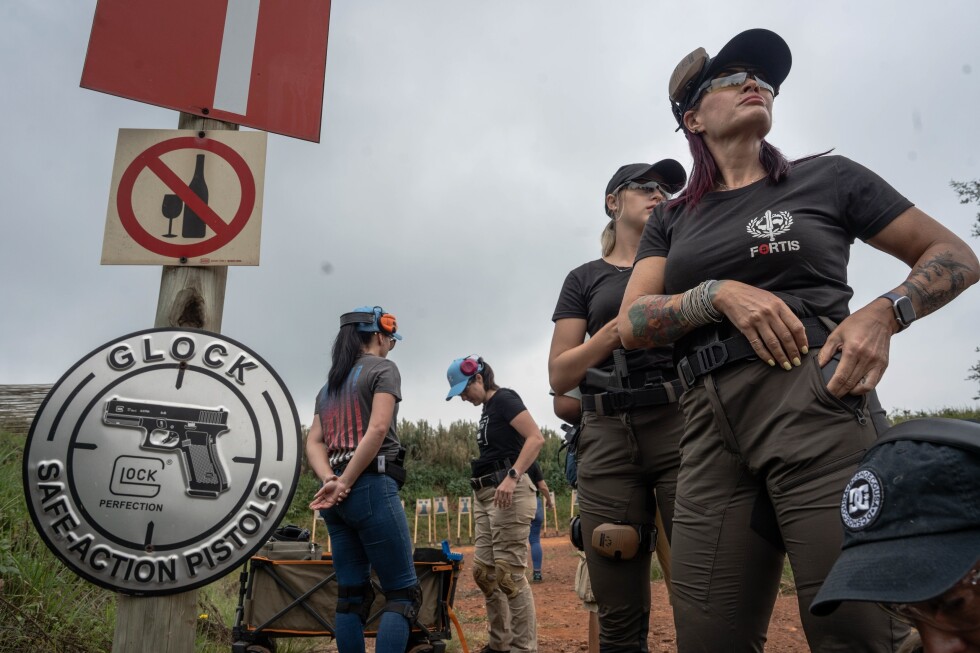
    In the agricultural town of Bronkhorstspruit, just outside Pretoria, a diverse group of South African women ranging from teenagers to senior citizens are learning firearm proficiency under female instruction. These training sessions at the Lone Operator shooting range represent a growing national movement as women seek protection against gender-based violence that reached such epidemic proportions that the government declared it a national disaster last November.

    Participants as young as 13 and as old as 65 practice with 9mm pistols, receiving guidance on proper grip and sight alignment from lead instructor Claire van der Westhuizen. The curriculum extends beyond basic marksmanship to include realistic scenarios such as firing from defensive positions on their stomachs and backs.

    This trend emerges against a harrowing statistical backdrop: United Nations data reveals South Africa’s femicide rates rank among the world’s highest, exceeding global averages by five to six times. A 2022 national study found over 35% of women aged 18 and older have experienced physical or sexual violence, predominantly from intimate partners. According to women’s rights organization Sonke Gender Justice, approximately 15 women are killed daily in gender-based attacks.

    The crisis has prompted varied responses across the nation. In Johannesburg, women are turning to martial arts like jiujitsu, learning practical techniques to escape chokeholds and break free from wall pinning. Many participants keep their training secret from partners, sometimes claiming shopping trips as cover.

    While President Cyril Ramaphosa’s disaster declaration enables redirected funding, activists point to a persistent implementation gap despite progressive policies. They cite socioeconomic inequality, patriarchal attitudes, and underresourced law enforcement as contributing factors, with rape conviction rates languishing at just 8% in 2021.

    For survivors like Sunette du Toit, a 51-year-old grandmother who endured a home invasion by five assailants, firearms training represents reclaimed agency. ‘I had to do this for myself to gain my confidence back,’ she explained, describing the community as ‘a family of support.’

    Yet women’s rights advocates caution that placing the burden of protection on potential victims rather than addressing perpetrators remains problematic. While self-defense training builds confidence, instructors acknowledge its limitations, emphasizing heightened awareness rather than guaranteed safety.

  • Footage shows US citizen shot by ICE agent in Texas traffic stop

    Footage shows US citizen shot by ICE agent in Texas traffic stop

    Newly disclosed body camera footage has revealed critical discrepancies in the official narrative surrounding the fatal shooting of 23-year-old U.S. citizen Ruben Ray Martinez by an Immigration and Customs Enforcement (ICE) officer in South Padre Island, Texas, on March 15, 2025. The footage, released by the Texas Department of Public Safety after months of official reluctance, captures the chaotic nighttime encounter where Martinez was killed while driving past a routine traffic accident scene.

    The visual evidence shows Martinez rolling down his window to engage with officers before slowly proceeding through an intersection. Contrary to Department of Homeland Security (DHS) claims that Martinez “intentionally ran over” an agent, prompting “defensive shots,” the footage suggests his vehicle was barely moving when an ICE agent fired three rounds through the driver’s side window at point-blank range. The footage does not clearly show any officers positioned on the hood or directly in front of the vehicle immediately before the shooting.

    Posthumous toxicology reports indicated the presence of alcohol and marijuana in Martinez’s system, while a passenger in the vehicle, Joshua Orta (who later died in an unrelated accident), previously disputed the official account, stating that Martinez never struck an officer with the vehicle. Attorneys for Martinez’s family assert the new evidence fundamentally undermines ICE’s version of events, noting that Martinez was braking rather than accelerating when shot.

    This incident represents the first of three controversial fatal shootings of U.S. citizens by federal immigration agents during President Trump’s second term, though unlike the other cases involving protesters, Martinez was simply driving through an accident scene. Despite the new evidence, a Texas grand jury recently declined to indict the involved agent, while Martinez’s mother continues to seek accountability and systemic reform within immigration enforcement agencies.

  • US presidents gather to honour Jesse Jackson at memorial service

    US presidents gather to honour Jesse Jackson at memorial service

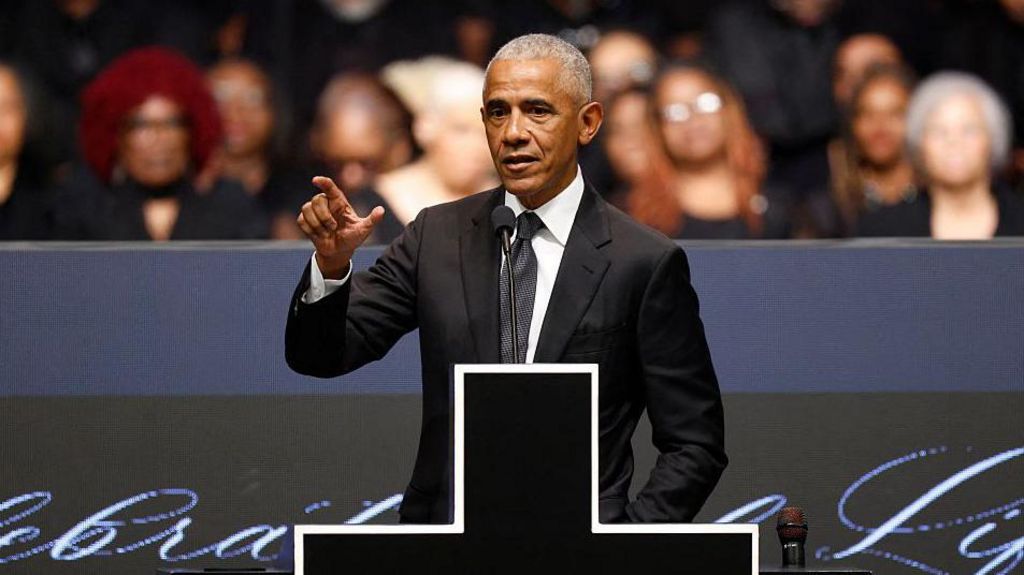
    Chicago witnessed a historic convergence of political power and cultural influence as the nation bid farewell to Reverend Jesse Jackson, the tenacious civil rights leader who passed away last month. The memorial service transformed into both a celebration of Jackson’s monumental legacy and an implicit commentary on contemporary political tensions.

    Three former U.S. presidents—Joe Biden, Barack Obama, and Bill Clinton—joined Vice President Kamala Harris in delivering heartfelt tributes that underscored Jackson’s enduring impact on American democracy. Obama’s eulogy took on particular significance as he addressed current challenges to democratic institutions without directly naming former President Donald Trump, stating, ‘Each day we wake up to some new assault on our democratic institutions.’

    Harris received a standing ovation for her remarks, which similarly contained pointed observations about the current political landscape. ‘I predicted a lot of what is happening right now,’ she noted, adding that navigating these times without Jackson’s guidance presented particular challenges.

    The service highlighted Jackson’s multifaceted legacy: his work alongside Martin Luther King Jr., his groundbreaking presidential campaigns that broke barriers for Black politicians, and his founding of the Rainbow PUSH coalition that continues advocacy work for social justice. Bill Clinton shared personal recollections of Jackson’s support during his impeachment proceedings, illustrating the reverend’s commitment to standing by allies during difficult times.

    Cultural tributes featured performances by Jennifer Hudson and Opal Staples, while prominent figures from entertainment (filmmaker Tyler Perry) and sports (NBA legend Isiah Thomas) joined thousands of Chicago residents in honoring the activist. Reverend Al Sharpton, Jackson’s longtime colleague in the civil rights movement, also delivered remarks celebrating his friend’s uncompromising commitment to justice.

    The celebration emphasized Jackson’s characteristic impatience with injustice—a quality Harris highlighted when noting that Jackson ‘did not waste time waiting, even when the doors in front of him were barred and bolted.’ This public memorial precedes a private family service scheduled for the weekend, marking the final chapter in commemorating a figure who shaped decades of American civil rights advancement.

  • Shanxi strengthens Yellow River basin governance

    Shanxi strengthens Yellow River basin governance

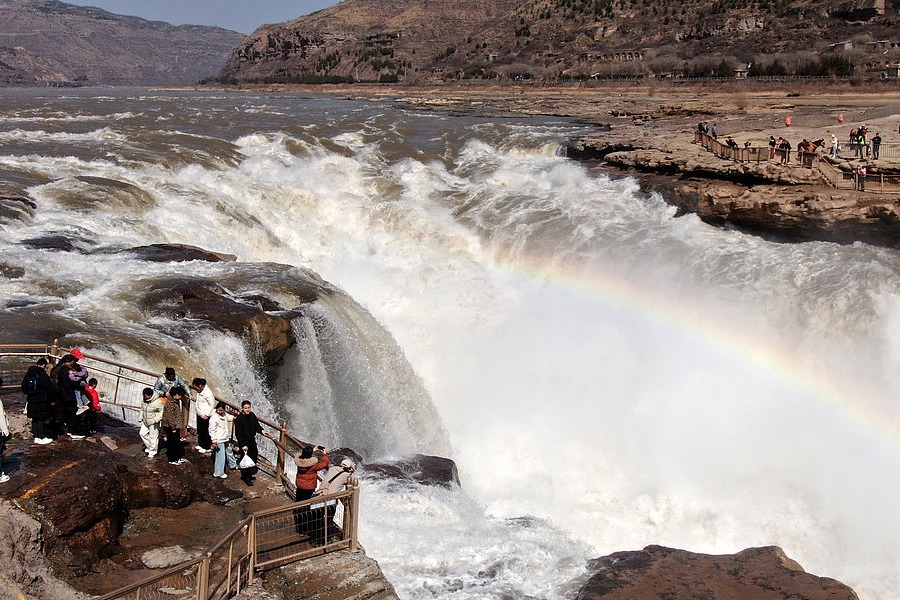
    Shanxi Province has announced ambitious new measures to intensify ecological governance throughout the Yellow River basin, balancing environmental security with sustainable economic development. The initiative emerged from high-level discussions during the fourth session of the 14th National People’s Congress, where provincial leadership outlined their comprehensive vision for regional transformation.

    Tang Dengjie, NPC Deputy and Provincial Party Secretary, emphasized the critical importance of basin-wide ecological conservation, advocating for continued carbon reduction initiatives and a sweeping green transition across industrial sectors. Governor Lu Dongliang concurrently highlighted energy transition as a cornerstone of the province’s five-year development strategy, stressing the dual objectives of maintaining energy security while advancing environmental protection.

    The province’s environmental record during the 14th Five-Year Plan period (2021-2025) demonstrates significant progress, with ecological indicators reaching historic highs. Official data reveals a remarkable 28% reduction in the comprehensive air quality index, while days with good air quality reached 81.4% – unprecedented levels since monitoring began.

    Linfen City, situated entirely within the Yellow River basin, exemplifies this transformation. Municipal Party Secretary Li Yunfeng characterized Linfen as a microcosm of provincial environmental efforts, detailing the city’s journey from severe pollution to emerging ecological leadership. “Previously, residents routinely wore masks during autumn and winter and avoided light-colored clothing outdoors due to pollution,” Li recalled, noting how environmental degradation once negatively impacted both public health and economic performance.

    The city’s turnaround strategy involved shuttering high-energy-consuming enterprises, including the phase-out of 9.15 million tons of coking capacity and 220,000 tons of crude steel production over five years. These measures eliminated heavy pollution enterprises within the city and surrounding areas. Additionally, Linfen has initiated 95 Yellow River purification projects – the highest number in the province – including water conservancy hubs and pumped storage power stations.

    Looking toward the 15th Five-Year Plan period (2026-2030), Shanxi plans to intensify its green development model. Linfen specifically aims to transform into a demonstration city for ecological conservation through accelerated energy transition, economic diversification, and advanced digital upgrades for traditional industries. The city has already completed intelligent transformations for most steel, coking, and foundry enterprises, with over 86% of bulk goods in traditional industries now transported via clean methods. Concurrently, the province is developing modern agriculture and cultural tourism projects along the Yellow River to create sustainable economic alternatives.

  • Shenzhen park adjusts lighting for migratory birds

    Shenzhen park adjusts lighting for migratory birds

    In an exemplary display of urban ecological stewardship, Shenzhen Bay Park has implemented strategic lighting reductions despite public complaints about insufficient illumination. This deliberate dimming forms part of a carefully considered conservation initiative to protect migratory bird populations along one of the world’s major avian flight corridors.

    The coastal park, situated in China’s southern Guangdong province, serves as a critical resting habitat for numerous bird species that depend on its mangrove ecosystems. Annual lighting adjustments create essential darkness required for undisturbed roosting and navigation during migration seasons. While some residents have expressed concerns regarding reduced visibility, municipal authorities maintain these measures are scientifically justified and environmentally necessary.

    This policy exemplifies Shenzhen’s dual commitment to technological advancement and ecological responsibility. As a rapidly developing metropolis, the city demonstrates that modern urban planning can successfully integrate vibrant public spaces with wildlife conservation priorities. The lighting strategy represents a conscious choice to preserve natural rhythms amid urban development, acknowledging that true progress encompasses both human needs and environmental stewardship.

    Urban ecologists praise the approach as a model for other coastal cities worldwide. The measured response to public feedback while maintaining conservation commitments highlights sophisticated environmental governance. Shenzhen’s actions reinforce that contemporary cities must occasionally embrace darkness to protect the natural systems that sustain regional biodiversity, creating a harmonious balance between urban infrastructure and ecological preservation.