分类: society

  • FBI releases description of suspect in Nancy Guthrie kidnapping

    FBI releases description of suspect in Nancy Guthrie kidnapping

    The Federal Bureau of Investigation has officially confirmed the identity of a masked individual captured on surveillance footage as the primary suspect in the abduction of 84-year-old Nancy Guthrie. The mother of prominent US news anchor Savannah Guthrie vanished from her Tucson, Arizona residence during nighttime hours approximately two weeks ago, with authorities concluding she was taken involuntarily.

    Through advanced forensic analysis of doorbell camera evidence, investigators have established the first physical description of the alleged kidnapper—a male standing between 5’9″ (175cm) and 5’10” with an average build. Critical evidence includes the suspect’s distinctive backpack, identified as a 25-liter Ozark Trail Hiker Pack, visible in the recently released video footage.

    In a significant development reported by CBS News, black gloves potentially connected to the case have been recovered during search operations. The investigation has generated substantial public engagement, with over 13,000 tips received since February 1st—including 4,000 submissions within 24 hours of the video’s release.

    Concerns mount regarding Guthrie’s medical condition as officials emphasize her requirement for essential medications. Pima County Sheriff Chris Nanos noted that while the octogenarian maintains cognitive function, she faces physical health challenges.

    The reward for information leading to Guthrie’s whereabouts has been doubled to $100,000, reflecting the investigation’s intensified efforts. Previous law enforcement actions included the detention and subsequent release of an individual in Rio Rico, south of Tucson, though no charges were filed.

    The Guthrie family has maintained public appeals through social media platforms, expressing belief in Nancy’s survival and indicating willingness to negotiate for her safe return. The case continues to attract significant attention both domestically and internationally as the search enters its critical phase.


  • Fire in Budapest suburb kills at least 3 and injures 22

    Fire in Budapest suburb kills at least 3 and injures 22

    A devastating fire ripped through a worker dormitory in Budakeszi, a suburb just west of Budapest, in the early hours of Friday, resulting in a tragic loss of life and numerous injuries. Hungarian disaster management authorities confirmed that the inferno, which engulfed the two-story structure, claimed the lives of three individuals and left nearly two dozen others wounded.

    Emergency services mounted a large-scale response, deploying over 40 paramedics and 18 emergency vehicles to the scene. Firefighters battling the blaze successfully rescued multiple survivors and removed three gas cylinders from the compromised building. The victims—two men and one woman—were tragically discovered beneath the collapsed roof, according to officials.

    During a subsequent news conference, representatives from the Pest County Police Headquarters revealed that their preliminary investigation points to a probable explosion within one of the rooms as the catalyst for the fire. The spokesperson further disclosed that initial inspections uncovered several regulatory violations within the building, specifically highlighting unauthorized and non-compliant gas usage practices.

    In light of these findings, authorities have initiated a full criminal investigation to determine the exact circumstances and liabilities surrounding the incident. Medical teams provided urgent care to 22 injured persons at the site, with four individuals sustaining injuries so severe they were classified as life-threatening. All those harmed in the incident have been transferred to eight separate hospitals across Budapest for specialized medical treatment and continued care.

  • 60-min cap on school bus rides: UAE doctors warn of health impacts of long commutes

    60-min cap on school bus rides: UAE doctors warn of health impacts of long commutes

    Medical professionals across the United Arab Emirates are raising urgent concerns about the physical and psychological impacts of extended school bus journeys on children’s wellbeing. Pediatric specialists report that prolonged commuting times—often exceeding two hours daily—are contributing to postural problems, chronic fatigue, and developmental issues among young students.

    The medical community’s warnings gained traction following parental complaints presented at the Federal National Council regarding excessive student transportation times. In response, Education Minister Sarah Al Amiri announced new regulations capping bus journeys at 45 minutes for kindergarten students and 60 minutes for older pupils, aligning with international child welfare standards.

    Clinical observations reveal multiple health consequences. Dr. Maya Prabhakaran, Consultant Pediatrician at Medeor Hospital Abu Dhabi, notes that extended travel reduces physical activity opportunities and can cause postural deterioration. “Long periods sitting in ergonomically unsuitable seats contribute to slouched positioning and forward head posture,” she explains, “potentially leading to neck, shoulder, and lower back discomfort, particularly for children carrying heavy school bags.”

    The issue extends beyond physical health. Dr. Mamata Bothra of International Modern Hospital Dubai highlights cognitive impacts: “Prolonged daily travel shortens effective sleep duration, increases morning stress levels, and reduces cognitive sharpness during initial school periods. When travel exceeds 90-120 minutes daily, it interferes with sustained attention, working memory, and emotional regulation.”

    Parental accounts illustrate the practical realities. Sharjah resident Nighat Malik describes her five-year-old daughter’s routine: “She wakes at 4:45 AM for a 5:25 AM departure to reach her Dubai school by 7:15 AM. She once asked why she goes to school at night.” Similarly, ten-year-old Dina Haddad spends nearly two hours traveling just 5 kilometers due to multiple student pickups.

    While families acknowledge dependence on bus services for practical reasons—balancing safety, affordability, and work commitments—medical experts emphasize the broader developmental implications. Reduced family interaction time, limited extracurricular participation, and exposure to environmental factors like traffic pollution and heat stress compound the concerns.

    The newly implemented time limits represent a significant step toward addressing these challenges while acknowledging the transportation realities facing UAE families.

  • Xinjiang through my eyes: Sparks of craftsmanship

    Xinjiang through my eyes: Sparks of craftsmanship

    Amid the industrial landscapes of China’s Xinjiang region, 31-year-old Shao Xupeng represents a modern generation preserving the ancient values of craftsmanship through welding. As senior welding technician, Xupeng describes his profession with profound purpose: “While doctors save human lives, we safeguard our company’s safe production operations.

    The workshop becomes an arena of collaboration where sparks fly not just from torches but from intellectual exchange. Xupeng and his teammates constantly debate technical solutions, learning collectively through shared challenges. The work demands physical endurance that sometimes brings exhaustion and moments of doubt about continuing in such a demanding field.

    What ultimately sustains him through these challenges is genuine passion for his craft. This dedication transforms potential resignation into persistent striving for excellence. Xupeng’s narrative reflects broader patterns across China’s industrial sectors where skilled technicians increasingly receive recognition for their vital contributions to production safety and quality standards.

    His story emerges as part of ongoing regional development initiatives that highlight vocational excellence alongside technological advancement. These narratives counter previous stereotypes about Xinjiang’s workforce by emphasizing technical proficiency and professional dedication among its diverse population.

  • Storm aftermath leaves 2 dead in France; flood alerts to remain Saturday

    Storm aftermath leaves 2 dead in France; flood alerts to remain Saturday

    France continues to confront the severe aftermath of Storm Nils, with significant flooding threats lingering in the southwestern regions even as intense wind conditions have subsided. The national meteorological service, Météo-France, reported that while weather warnings for high winds were lifted on Friday, critical flood alerts remain actively in place.

    The storm’s human toll was confirmed by government spokesperson Maud Bregeon during a national television appearance. Officials reported two fatalities directly linked to the severe weather event. The first casualty occurred on Thursday within the Landes department, followed by a second individual who tragically lost his life in Tarn-et-Garonne after being discovered in his garden.

    Infrastructure damage has been substantial, with national energy provider Enedis reporting approximately 900,000 customers experiencing power outages at the storm’s peak intensity. Restoration efforts have been mobilized on a massive scale, with service already reinstated to nearly half of affected households by Friday morning. The company has deployed 3,000 personnel, including 2,100 specialized technicians, to accelerate recovery operations across impacted regions.

    The flooding situation remains particularly critical along the Garonne river basin. Météo-France maintained its highest-level red flood alerts for Gironde and Lot-et-Garonne departments, with forecasts indicating these warnings will remain through Saturday. Meteorologists characterized Storm Nils as possessing ‘uncommon strength’ after making landfall from the Atlantic coastline between Wednesday night and Thursday morning before tracking eastward into Central Europe.

  • Hong Kong’s population up by 10,200 in 2025

    Hong Kong’s population up by 10,200 in 2025

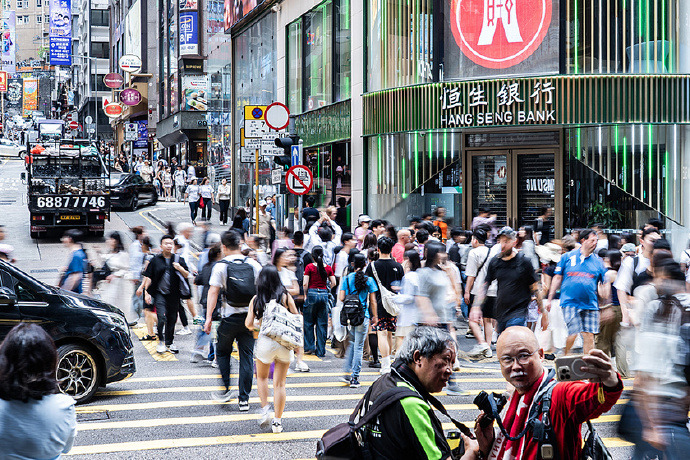
    Hong Kong’s demographic landscape showed measured growth in 2025, with official statistics revealing a population increase of 10,200 residents. According to provisional data released by the Census and Statistics Department of the Hong Kong Special Administrative Region (HKSAR) government, the territory’s total population reached 7,510,800 by year’s end, representing a 0.1 percent uptick from the previous year.

    The demographic shift emerged from contrasting trends: a substantial net inflow of 29,100 residents through various migration channels offset a natural population decrease of 18,900. The natural decline resulted from 31,100 births being surpassed by 50,000 deaths throughout the year, continuing a pattern of negative natural growth.

    Detailed breakdowns show that 7,242,400 individuals were classified as usual residents, while 268,400 were categorized as mobile residents—a distinction reflecting Hong Kong’s status as a dynamic international hub.

    A government spokesperson attributed the positive demographic trajectory to strategic initiatives, noting that “various talent attraction and labor importation schemes have helped offset the impact of the natural population decrease.” These programs appear to have effectively counterbalanced the territory’s aging population trends and low birth rates, maintaining Hong Kong’s position as a competitive global center.

    The data provides crucial insights for urban planning and resource allocation, suggesting that targeted immigration policies are yielding measurable results in sustaining Hong Kong’s workforce and economic vitality amid broader demographic challenges.

  • Senior official extends Spring Festival greetings to religious groups

    Senior official extends Spring Festival greetings to religious groups

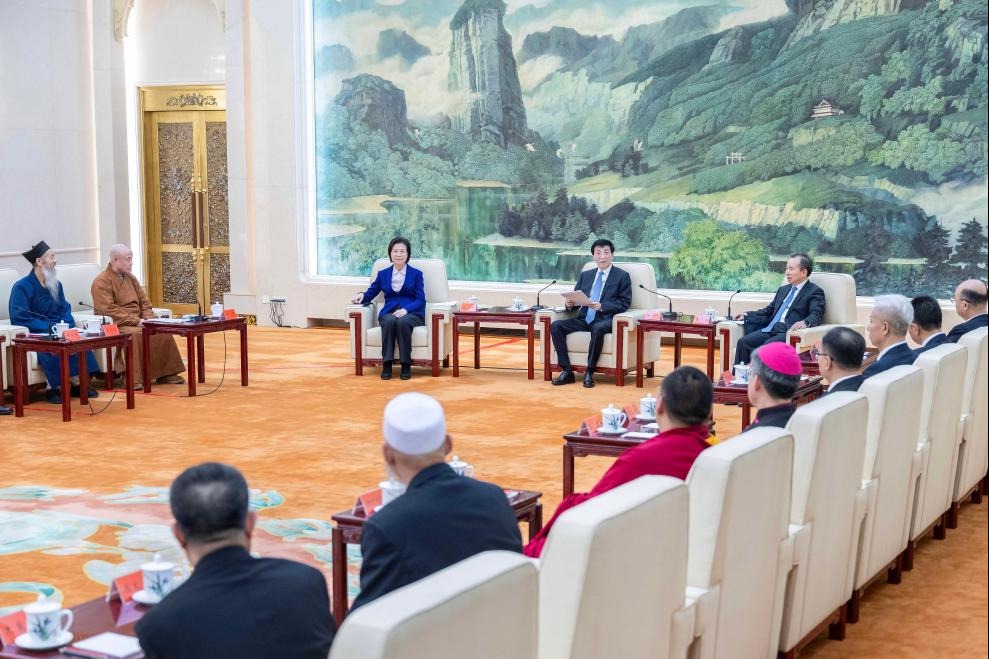
    In a significant pre-Spring Festival engagement, Wang Huning, Chairman of the Chinese People’s Political Consultative Conference National Committee and member of the CPC Central Committee Politburo Standing Committee, convened with leaders of China’s major religious organizations on February 12, 2026. The high-level meeting served as a platform for extending festive greetings while outlining the government’s vision for religious development aligned with national modernization goals.

    During the cordial gathering, Wang acknowledged the constructive work undertaken by religious groups throughout 2025, emphasizing the necessity of systematic approaches to ensure religions in China maintain distinctly Chinese characteristics. The discussion highlighted the importance of law-based governance in religious affairs, positioning religious communities as contributors to China’s modernization trajectory.

    Representatives from five major religious bodies—the Buddhist Association of China, Taoist Association of China, China Islamic Association, Chinese Catholic Patriotic Association, and the National Committee of the Three-Self Patriotic Movement of the Protestant Churches—participated actively in the dialogue, delivering addresses that reflected their respective community perspectives.

    The senior official urged religious organizations to guide their followers toward developing accurate understandings of national identity, historical context, ethnic relations, cultural heritage, and religious practice. This guidance framework aims to foster closer unity around the Communist Party and government institutions while facilitating the integration of religious practices with China’s fine traditional culture and socialist society adaptation.

  • Epstein’s files reveal ‘rotten culture’ in US

    Epstein’s files reveal ‘rotten culture’ in US

    The recent disclosure of over three million pages from the FBI’s Jeffrey Epstein investigation has unveiled what experts describe as a deeply entrenched ‘rotten culture’ within elite American circles. Despite the monumental scale of evidence released in late January—comprising thousands of videos and images alongside extensive documentation—legal analysts note minimal consequences for the wealthy and powerful individuals implicated.

    Epstein, a financier with a $600 million estate who died in August 2019 while facing sex trafficking charges, operated a sophisticated social engineering scheme rather than merely a criminal enterprise. The released files, though representing just half of the total evidence gathered (with another three million pages withheld due to sensitivity concerns), reveal how Epstein systematically leveraged proximity to power to secure both wealth and legal impunity.

    His trajectory from modest beginnings—born to a homemaker and a city landscaper—to Wall Street prominence illustrates a pattern of manipulation that characterized his entire career. After gaining employment at Bear Stearns through student family connections in 1976, Epstein was discovered to have fabricated academic credentials from two California universities. Remarkably, he retained his position despite admitting the deception, becoming a limited partner by age 27.

    Epstein’s modus operandi involved endearing himself to corporate leadership while abusing financial privileges and cultivating an aura of luxury. Over five years at Bear Stearns, he developed the connections and manipulative techniques that would later enable his extensive sex trafficking operation. This network ultimately served dual purposes: facilitating financial scams and betrayals while offering access to young women and minors as currency to secure powerful alliances.

    The documents confirm that Epstein’s operation functioned as a mechanism for procuring influence through the exploitation of vulnerable individuals, with analysts emphasizing how the system protected those with wealth and connections even as evidence of widespread criminality emerges.

  • Longer Spring Festival break fuels travel boom

    Longer Spring Festival break fuels travel boom

    China’s extended nine-day Spring Festival holiday has catalyzed an extraordinary surge in domestic and international travel, marking the longest break in recent years and significantly altering travel patterns nationwide. According to comprehensive data from the China Association of Travel Services and leading travel agency Tuniu, the prolonged vacation period has directly correlated with increased travel duration, with tourists now averaging 5.9 travel days—a substantial 1.1-day increase compared to previous years.

    The travel phenomenon manifests in distinct waves, with initial departures commencing mid-week and reaching peak intensity during the holiday’s opening days. Qi Chunguang, Vice-President of Tuniu, indicates that sightseeing and entertainment travel will climax on February 18th, following traditional family reunion activities.

    Domestically, destinations offering authentic cultural experiences have gained remarkable popularity. Fuzhou in Fujian province emerged as a top-five hotel booking destination for the first time, largely driven by its centuries-old ‘youshen’ (Parade of the Gods) ritual. This cultural spectacle, featuring elaborate deity processions to ward off evil spirits, has propelled hotel bookings by over 80% compared to last year’s holiday period.

    Similarly, Huangshan in Anhui province has witnessed a 150% surge in accommodations reservations, attributed to its captivating fish-shaped lantern exhibitions and interactive lantern-making activities. The destination’s appeal is exemplified by travelers like Wang Lixin from Zhengzhou, who booked a four-day family excursion after discovering the city’s visual charms through social media platform Xiaohongshu.

    Climate-based travel preferences reveal intriguing regional patterns: northern residents seek warmer southern climates in provinces like Hainan and Guangdong, while southern tourists increasingly venture northward for winter experiences in ice and snow destinations.

    Internationally, the extended holiday has dramatically boosted overseas travel. Traditional favorites Thailand, South Korea, and Malaysia remain popular for their perceived value, while previously niche destinations like Türkiye and Uzbekistan have experienced exponential growth following visa-free policies for Chinese passport holders. Türkiye’s 90-day visa-free access, announced in January, has resulted in a 150% increase in holiday bookings, while Uzbekistan witnessed a fourfold surge in Chinese tourist reservations.

    The National Immigration Administration projects daily cross-border movements exceeding 2.05 million during the holiday period, representing a 14.1% year-over-year increase, with outbound traffic peaking on the holiday’s commencement and inbound peaks anticipated during the concluding days.

  • Festive visit to Beijing’s Longfusi highlights traditions, renewal

    Festive visit to Beijing’s Longfusi highlights traditions, renewal

    The ancient stone-paved lanes of Beijing’s Longfusi commercial district came alive with festive energy days before Spring Festival, adorned with swaying red lanterns and filled with the aromatic blend of traditional pastries, pickles, and freshly prepared snacks. This historic neighborhood became the focus of national attention when President Xi Jinping conducted an inspection tour through its bustling holiday market, highlighting the significance of preserving cultural heritage while embracing innovation.

    At Beijing Daoxiangcun’s flagship store, manager Cao Siyuan recounted the President’s engagement with traditional pastry artisans. “He shared childhood memories of purchasing pastries here and showed genuine interest in our culturally-inspired new developments,” Cao noted. President Xi observed master bakers creating traditional confections, examined festive gift selections, and purchased several New Year snacks while encouraging the preservation and strengthening of Beijing’s time-honored brands.

    The visit triggered a remarkable surge in visitor numbers, with many customers seeking to experience the festive specialties firsthand. Certain products gained immediate popularity, requiring increased production to meet holiday demand. The brand has successfully merged tradition with innovation, creating pastries shaped like musical instruments, ancient clothing, and Beijing landmarks that allow tourists to take home edible souvenirs of the city’s scenery.

    At Liubiju’s pickle booth, a 590-year-old establishment, senior technician Chen Jie described the President’s detailed inquiry into their heritage products. Xi, who revealed he also consumes Liubiju pickles, examined intangible cultural heritage items including sweet sauce cucumbers and handcrafted sugar garlic—a delicacy requiring approximately 150 days and eight manual procedures to complete. His description of their products as ‘premium pickles’ represented significant recognition for the brand.

    The Fengnian Guanchang store demonstrated how traditional Beijing snacks evolve while maintaining authenticity. Manager Shi Huanping explained how their signature dish—a sweet potato starch creation with crispy exterior and tender interior—has been complemented with handmade desserts like almond tofu and pea flour cakes to attract younger demographics. “Being time-honored doesn’t mean standing still. It means adapting while preserving what matters most,” Shi emphasized.

    Traditional paper handicraft inheritor Li Mei experienced a breakthrough moment demonstrating her revitalized paper flipping flowers craft. Through material and design innovations, she has expanded playable variations from few to nearly twenty, making the tradition more colorful and appealing to children. “Tradition survives when it evolves,” Li stated, reflecting the district’s overarching philosophy.

    Beijing Enamel Factory’s general manager Dong Yanna discussed balancing handcrafted cloisonné traditions with creative products for younger audiences, such as Year of the Horse refrigerator magnets that have become bestsellers. This approach aligns with the transformation witnessed by Gao Tianliang of Beijing Xinlongfu Cultural Investment Co, who has seen Longfusi evolve from a quiet area into a vibrant cultural-commercial hub since 2014.

    The presidential visit emphasized the successful integration of traditional culture with modern urban life, creating a model for cultural preservation that maintains warmth of tradition while embracing contemporary commercial vitality.